Last Updated on November 26, 2025 by Bilal Hasdemir
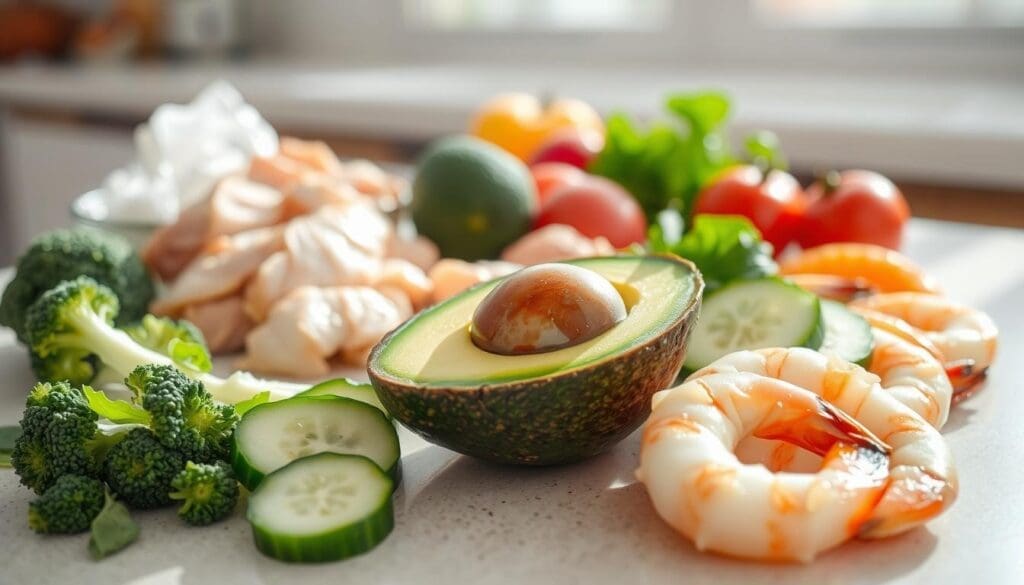
Keeping your gallbladder healthy is key for your overall well-being. This is even more important if you’ve had gallbladder problems. A low-fat diet is often suggested to lessen gallbladder disease symptoms and stop gallstones from forming.
Eating foods high in fiber and low in saturated fats can help your gallbladder stay healthy. By adding the right foods to your meals, you can ease discomfort and help your gallbladder work better.
At Liv Hospital, we’re dedicated to top-notch, evidence-based care and patient-focused solutions. We help patients adopt a healthier lifestyle, including dietary changes to manage gallbladder health.
Key Takeaways
- A low-fat diet can help reduce symptoms of gallbladder disease.
- Incorporating fiber-rich foods supports gallbladder health.
- Avoiding saturated fats is key for gallbladder function.
- Dietary changes can ease discomfort from gallbladder issues.
- A well-planned diet is vital for gallbladder health.
Understanding Gallbladder Health and Dietary Needs

Explore low fat diet for gallbladder recovery and the best foods to prevent pain and support health. It’s important to know how the gallbladder works and what it needs to stay healthy. The gallbladder is a small, pear-shaped organ under the liver. It plays a big role in our digestion.
How the Gallbladder Functions
The gallbladder stores bile from the liver. It releases bile into the small intestine to help digest fats. This is key for absorbing fat-soluble vitamins and nutrients.
When we eat fatty foods, the gallbladder contracts. It releases bile to break down fats, making them easier to digest.
Common Gallbladder Conditions
Gallbladder problems are common and can really affect our quality of life. Some common issues include:
- Gallstones: Hardened deposits that can block the gallbladder’s ducts.
- Cholecystitis: Inflammation of the gallbladder, often caused by gallstones.
- Biliary dyskinesia: A condition where the gallbladder doesn’t function properly.
These problems can cause a lot of pain, nausea, and digestive issues. They often need medical help.
Why Fat Intake Affects Gallbladder Function
Dietary fat is very important for the gallbladder. Eating a lot of fat makes the gallbladder work harder. For people with gallbladder problems, a high-fat diet can make symptoms worse.
| Dietary Component | Effect on Gallbladder |
| High Fat Intake | Increases gallbladder contractions, potentially worsening symptoms |
| Low Fat Intake | Reduces gallbladder workload, potentially alleviating symptoms |
Knowing how dietary fat affects the gallbladder is key to managing its health. By choosing the right foods, we can lower our risk of gallbladder problems.
The Importance of a Low Fat Diet for Gallbladder Health
Eating less fat is key for a healthy gallbladder and avoiding gallstone problems. We’ll look at how fat affects the gallbladder, the good of eating less fat, and how much fat is safe for gallbladder patients.
How Dietary Fat Impacts Gallbladder Function
The gallbladder holds bile from the liver and releases it to digest fats in the small intestine. High-fat foods make the gallbladder work harder. Less fat in the diet means fewer gallbladder contractions, easing pain and discomfort.
Eating too much fat can lead to gallbladder attacks. Cutting down on fat helps the gallbladder less and lowers attack risks. A study in the Journal of Clinical Gastroenterology found that a low-fat diet helps with gallbladder disease symptoms.
“A low-fat diet can significantly reduce the symptoms associated with gallbladder disease.”
Journal of Clinical Gastroenterology
Benefits of Reducing Fat Intake
Less fat in the diet has many benefits for gallbladder health. These include:
- Lower risk of gallstones
- Less pain and discomfort
- Better digestion and fewer digestive problems
- Potential weight loss from eating fewer calories
By eating less fat, people with gallbladder issues can feel better. Choosing nutrient-rich, low-fat foods is important to stay healthy.
Recommended Fat Intake Levels for Gallbladder Patients
The right amount of fat for gallbladder patients varies. Generally, they should eat no more than 20-30% of their calories from fat.
| Daily Calorie Intake | Recommended Fat Intake |
| 1500 calories | 33-50 grams of fat |
| 2000 calories | 44-67 grams of fat |
People with gallbladder problems should talk to their doctor or a dietitian. They can figure out the best fat intake for them.
Foods to Avoid with Gallbladder Issues
Knowing which foods to avoid is key to managing gallbladder issues. Certain foods can make symptoms worse.
High-Fat Foods That Trigger Symptoms
Foods high in saturated and trans fats can make gallbladder problems worse. This includes fried foods, processed meats, and partially hydrogenated oils. Eating these can cause gallbladder contractions, leading to pain or discomfort.
Here are some high-fat foods to limit or avoid:
- French fries and other fried snacks
- Processed meats like sausages and bacon
- Baked goods made with partially hydrogenated oils
Hidden Sources of Fat in Common Foods
Many common foods have hidden fats that can harm gallbladder health. For example, processed snacks, certain types of salad dressings, and even some apparently healthy granola can be high in fat.
To keep your gallbladder healthy, read food labels carefully. Look for:
- Added fats and oils
- High-fat dairy or meat products
- Partially hydrogenated oils in processed foods
Problematic Food Combinations
Some food combinations can be tough for those with gallbladder issues. For instance, eating high-fat foods with high-fiber foods can be a problem. Also, eating big meals late at night can be hard on the gallbladder.
To avoid discomfort, follow these tips:
- Avoid mixing high-fat and high-fiber foods in one meal.
- Eat smaller, more frequent meals throughout the day.
- Limit heavy meals close to bedtime.
By being mindful of these dietary tips, people with gallbladder issues can manage their symptoms better. This can improve their quality of life.
5 Low-Fat Fruits and Vegetables for Gallbladder Relief
Low-fat fruits and vegetables are great for your gallbladder. They are full of nutrients and can help with symptoms. Let’s look at some of the best choices.
Berries and Citrus Fruits (Rich in Vitamin C)
Berries like strawberries, blueberries, and raspberries are full of vitamin C and antioxidants. They’re good for your gallbladder. Citrus fruits, such as oranges, lemons, and grapefruits, also have lots of vitamin C. This vitamin can help reduce inflammation and boost your immune system.
Benefits of Berries and Citrus Fruits:
- High in vitamin C
- Antioxidant properties
- Supports immune function
Leafy Greens and Cruciferous Vegetables
Leafy greens like spinach, kale, and collard greens are full of nutrients and low in fat. They’re perfect for a diet that’s good for your gallbladder. Cruciferous vegetables, including broccoli, cauliflower, and Brussels sprouts, have compounds that help your liver and gallbladder.
Benefits of Leafy Greens and Cruciferous Vegetables:
- Rich in vitamins and minerals
- Supports liver and gallbladder health
- Low in fat
Apples and Pears (High in Soluble Fiber)
Apples and pears are full of soluble fiber. This fiber can help with digestion and reduce gallbladder symptoms. It can also help lower cholesterol.
Benefits of Apples and Pears:
- High in soluble fiber
- Supports digestive health
- Can help lower cholesterol
Root Vegetables and Squashes
Root vegetables like carrots, beets, and sweet potatoes, and squashes like acorn squash and butternut squash, are low in fat but full of vitamins and minerals. They’re good for you and gentle on your gallbladder.
Benefits of Root Vegetables and Squashes:
- Rich in vitamins and minerals
- Low in fat
- Supports overall health
Adding these low-fat fruits and vegetables to your diet can help manage your gallbladder health. It can also reduce discomfort. Try different options to see what works best for you.
3 Whole Grain Options That Support Gallbladder Health
Adding whole grains to your meals can really help your gallbladder. They are full of fiber and nutrients that aid digestion. This reduces the pressure on your gallbladder. Try different whole grains to make your diet better for your gallbladder.
Brown Rice and Whole Wheat Products
Brown rice and whole wheat are great for fiber and nutrients. Brown rice is a slow-burning carb that eases the gallbladder’s work. Whole wheat, like bread and pasta, is also good because of its fiber. This fiber helps with digestion and keeps gallbladder problems away.
When picking whole wheat items, check the labels. Look for “100% whole wheat” to get the most nutritional value. Avoid those with too much added fat.
Oats and Barley
Oats and barley are also good for your gallbladder. Oats have soluble fiber that lowers cholesterol and prevents gallstones. Barley has both soluble and insoluble fiber, making it a great choice for your diet.
It’s easy to add oats and barley to your meals. Try oatmeal for breakfast or barley in soups and stews for extra nutrition.
Quinoa and Alternative Grains
Quinoa is packed with nutrients, including protein, fiber, and minerals. It’s a great choice for those who need gluten-free options. Other grains like buckwheat and millet are also good for gallbladder health.
Quinoa and other grains can be used in many ways. Try them in salads or as a side dish. They add flavor and nutrition to support your gallbladder.
4 Lean Protein Sources for a Low Fat Diet for Gallbladder Conditions
Lean proteins are key in a low-fat diet, great for those with gallbladder issues. The right proteins can help control symptoms and boost health. Let’s look at four lean proteins good for gallbladder health.
Fish and Seafood Options
Fish and seafood are full of lean protein and omega-3s, good for health. Top picks include:
- Salmon
- Tuna
- Shrimp
- Cod
These fish are low in fat and packed with nutrients that help the gallbladder.
Skinless Poultry Preparations
Skinless poultry is a lean protein easy to add to a low-fat diet. Choose:
- Chicken breast
- Turkey breast
Without skin, these are healthier for gallbladder issues.
Legumes and Beans
Legumes and beans are protein-rich and full of fiber, aiding gallbladder symptoms. Good choices are:
- Lentils
- Black beans
- Chickpeas
They’re flexible and can be cooked many ways to please different tastes.
Egg Whites and Low-Fat Cooking Methods
Egg whites are a low-fat protein option. Use cooking methods that keep fat low, like:
- Grilling
- Baking
- Steaming
These methods preserve protein’s nutrients without extra fat.
In summary, adding these four lean proteins to your diet can greatly help gallbladder health. By picking the right proteins and cooking methods, you can better manage symptoms and keep your diet balanced.
3 Dairy Choices for Gallbladder-Friendly Eating
For those with gallbladder issues, picking the right dairy is key. Dairy can be part of a healthy diet if chosen wisely. It provides important nutrients without causing gallbladder problems.
Low-Fat and Fat-Free Milk Products
Start with low-fat or fat-free milk products for gallbladder-friendly eating. These options have less fat, which is good for gallbladder health. Choose skim milk, low-fat yogurt, and reduced-fat cheese to get dairy’s benefits without too much fat.
Nutritional Benefits of Low-Fat Dairy:
| Nutrient | Benefit |
| Calcium | Essential for bone health |
| Protein | Supports muscle repair and maintenance |
| Vitamin D | Aids in calcium absorption and bone health |
Yogurt and Probiotic Benefits
Yogurt, with live cultures, is great for gut health. A healthy gut helps with digestion and may ease gallbladder symptoms. Pick plain, low-fat yogurt to avoid extra sugars and fats.
Cheese Options for Gallbladder Patients
Cheese can be high in fat, but there are lower-fat choices. Opt for part-skim mozzarella, reduced-fat cheddar, or cottage cheese. These cheeses are lower in fat. But remember, cheese is high in calories, so eat it in moderation.
Adding these dairy options to your diet can help you enjoy dairy’s benefits while keeping your gallbladder healthy. Always talk to a healthcare provider or dietitian for advice tailored to you.
Managing Gallstones and Biliary Colic Through Diet
Diet is key in managing gallstones and easing biliary colic symptoms. A good diet can stop gallstones from forming and lessen biliary colic pain.
Dietary Approaches for Preventing Stone Formation
To stop gallstones, eat foods low in fat and high in fiber. Increasing fiber intake lowers gallstone risk. Good fiber sources are fruits, veggies, and whole grains.
- Fruits such as apples and berries
- Vegetables like broccoli and leafy greens
- Whole grains including brown rice and quinoa
It’s also important to avoid high-fat foods. They can make gallbladder contractions, leading to pain in those with gallstones.
Foods That Help Manage Biliary Colic Pain
When you have biliary colic, some foods can ease the pain. Staying hydrated is key, and drinking lots of water helps. Also, eating low-fat foods can ease gallbladder strain.
Some good foods include:
- Low-fat dairy products like skim milk and low-fat yogurt
- Lean proteins such as chicken and fish
- Low-fat cooking methods like grilling and baking
Nutritional Support During Cholecystitis
When you have cholecystitis, you need good nutrition. Eating foods that fight inflammation is helpful. Also, choose foods that are easy to digest to ease your digestive system’s work.
Good nutritional choices include:
- Starting with clear liquids to rest your digestive system
- Slowly adding low-fat, high-carb foods
- Avoiding spicy and fatty foods that worsen symptoms
Quick and Easy Low-Fat Snacks for Gallbladder Health
Snacking can be tough when you’re watching your gallbladder health. But, there are many tasty low-fat snacks out there. It’s key to eat a balanced diet that helps your gallbladder, and snacks are a big part of that.
Fresh Fruit and Vegetable Snack Ideas
Fruits and veggies are great for gallbladder health. They’re low in fat and full of good stuff. Here are some top picks:
- Apples and pears, which are high in soluble fiber
- Carrot sticks with hummus for a satisfying crunch
- Cucumber slices, which are easy to digest
- Berry mix, rich in antioxidants and vitamins
Whole Grain Crackers with Low-Fat Toppings
Whole grain crackers are a good base for snacks. You can add low-fat toppings like:
- Avocado spread (in moderation due to its fat content)
- Low-fat cheese or cottage cheese
- Peanut butter (in limited amounts due to its high calorie count)
- Herb and spice-infused spreads for added flavor without the fat
Yogurt-Based Snacks and Smoothies
Yogurt is great for snacks because it’s full of probiotics. These help your digestive system. Try these:
- Plain low-fat yogurt with fresh fruit
- Yogurt smoothies blended with frozen fruit and a splash of low-fat milk
- Layered yogurt parfaits with granola and fruit
Portion Control Strategies for Snacking
It’s important to watch your snack sizes to help your gallbladder. Here’s how:
- Measure out snack portions to avoid overeating
- Choose single-serve packaging to help control portions
- Eat slowly and mindfully to recognize when you’re full
By picking the right snacks and watching your portions, you can keep your gallbladder healthy. And you’ll enjoy a variety of tasty snacks too.
Conclusion: Creating a Sustainable Gallbladder-Friendly Diet Plan
We’ve looked at many low-fat foods and snacks good for the gallbladder. A diet friendly to the gallbladder is key for staying healthy. This is true for those with gallstones or biliary colic.
Eating a diet low in fat and high in fiber helps the gallbladder a lot. By following the tips given, you can make a diet plan that fits you perfectly.
Choosing a low-fat diet can help manage gallbladder problems better. This diet, along with a sustainable eating plan, lowers the chance of gallstones. It also helps ease symptoms of gallbladder issues.
Adopting a diet good for the gallbladder and living a healthy life can greatly improve your life quality. It’s wise to talk to a healthcare expert. They can help create a diet plan that meets your specific needs and health goals.
FAQ
What is the role of the gallbladder in digestion?
The gallbladder stores bile from the liver. It releases bile into the small intestine. This helps digest fats and absorb fat-soluble vitamins.
How does dietary fat affect gallbladder function?
Dietary fat makes the gallbladder contract and release bile. A diet high in fat can make the gallbladder work harder. This can worsen symptoms in those with gallbladder issues.
What are the benefits of a low-fat diet for gallbladder health?
Eating less fat can lower the risk of gallstones. It can also ease symptoms of gallbladder disease. This is because it reduces the gallbladder’s workload.
What are some examples of low-fat fruits and vegetables beneficial for gallbladder health?
Berries, citrus fruits, and leafy greens are good. So are cruciferous vegetables, apples, pears, root vegetables, and squashes. They are low in fat but high in nutrients and fiber.
How can whole grains support gallbladder health?
Whole grains like brown rice and whole wheat are rich in fiber. This helps manage cholesterol and supports digestion. It benefits gallbladder function.
What lean protein sources are suitable for a gallbladder-friendly diet?
Fish, seafood, and skinless poultry are good. Legumes, beans, and egg whites are also excellent. They can be cooked using low-fat methods to support gallbladder health.
Are there specific dairy choices that are beneficial for gallbladder health?
Yes, choose low-fat and fat-free milk products. Yogurt with probiotics and certain cheeses can also be part of a balanced diet. They support gallbladder function.
How can diet help manage gallstones and biliary colic?
A low-fat diet can prevent gallstones and manage biliary colic pain. It’s also important for nutritional support during cholecystitis recovery.
What are some quick and easy low-fat snack ideas for gallbladder health?
Try fresh fruits and vegetables, whole grain crackers with low-fat toppings, and yogurt-based snacks. Smoothies are also good. Remember to control portion sizes.
How can I create a sustainable gallbladder-friendly diet plan?
Include low-fat foods, lean proteins, whole grains, and a variety of fruits and vegetables. Avoid high-fat and problematic foods. This way, you can create a diet that supports your gallbladder health and overall well-being.
What is the recommended fat intake for gallbladder patients?
The fat intake varies based on individual health needs. Generally, a low-fat diet is advised. Some suggest limiting daily fat intake to 20-30 grams or less.
Can a low-fat diet help alleviate symptoms of cholecystitis?
Yes, a low-fat diet can help with cholecystitis symptoms. It reduces the gallbladder’s workload and minimizes inflammation.
References
ShrEstha, G. (2023). Spigelian hernia: A rare case presentation and review of literature. Journal of Surgical Case Reports. Retrieved from https://www.sciencedirect.com/science/article/pii/S2210261223002079