Last Updated on November 14, 2025 by
A fever in children without other symptoms often worries parents, but it usually means the body is fighting off a mild virus. This is typically a low grade fever, which refers to a body temperature slightly above normal, generally between 99.5 °F (37.5 °C) and 100.3 °F (37.9 °C). According to epidemiological data, about 99% of these cases are harmless and resolve without serious complications. The presence of a low-grade fever can indicate that the immune system has been mildly activated to fight infection.
Body temperature can change from person to person and even during the day. Doctors say a fever is when the body temperature hits 100.4 °F (about 38 °C) or higher. It’s important for parents to know what a low-grade fever is and why it matters in kids.
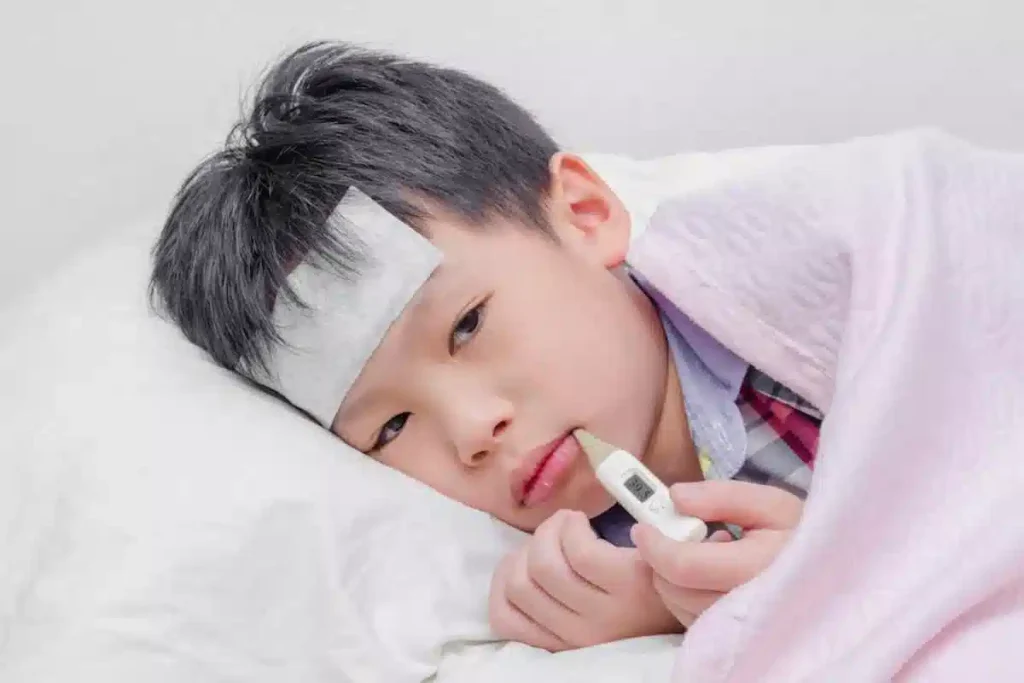
A baby’s fever can scare parents, but often, it’s just the body’s way of fighting off an infection. Knowing the low-grade fever range and what it means can ease worries. It also helps parents know what to do next.
Key Takeaways
- A fever in children without other symptoms is usually harmless.
- Normal body temperature varies, but a fever is typically defined as 100.4 °F (38 °C) or higher rectally.
- Understanding the significance of a low-grade fever can alleviate parental concerns.
- Most fevers in children are the body’s response to mild viral infections.
- Knowing the low-grade fever range can help guide parents.
Understanding Childhood Fevers
Fevers in kids can worry parents a lot. But knowing what a fever is helps a lot. A child is considered to have a fever if their temperature is 38.5 °C (101.3 °F) or higher. It’s key to remember that kids’ immune systems are growing. This makes them more likely to get fevers.
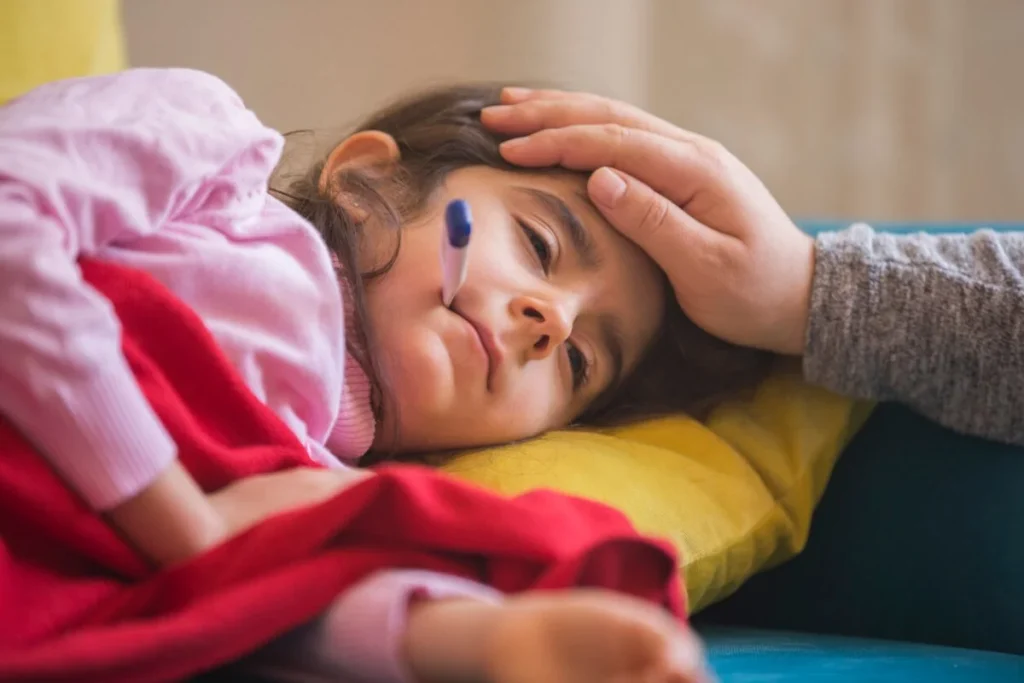
What Constitutes a Fever in Children
Kids’ normal body temperature is between 36.5 °C (97.7 °F) and 37.5 °C (99.5 °F). A fever is when the body temperature goes over 38 °C (100.4 °F). It’s important to know that the fever’s height doesn’t always show how serious the illness is. For example, a kid with a cold might have a high fever. But a serious infection might not show a high temperature.
Medical guidelines say that fever in toddlers is common. It can happen for many reasons, like viral infections. A fever is usually when the temperature goes over 38.5 °C (101.3 °F).
How the Developing Immune System Responds
Kids often have higher fevers than adults because their immune systems are growing. Their bodies are learning to fight off new germs. The immune system’s fight against infection can make the body temperature go up. This is a natural way to defend the body. As the immune system gets better, kids might have fewer and less severe fevers.
“Fevers are a normal part of growing up, and usually, they’re not something to worry about,” says a pediatric expert. Knowing how the immune system reacts to infections helps parents handle their child’s fever better.
Common Causes of Isolated Fevers in Children
Fevers in kids without other symptoms can worry parents. But most times, they are from viral infections. It’s key to know that a fever is how our body fights off infection.
Viral Infections as the Primary Cause
Viral infections cause about 99% of fevers in kids. Common ones are the common cold, flu, and chickenpox. These usually get better with rest, drinking water, and sometimes medicine.
Viral infections are highly contagious and spread fast among kids. Knowing most fevers come from viruses helps parents relax and worry less.
Post-Vaccination Reactions
Fevers can also happen after vaccines. Some vaccines, like the MMR, might cause a mild fever. This shows the body is working to fight off the vaccine.
Parents should know about vaccine side effects. If worried, talk to the pediatrician about their child’s vaccine reaction.
Less Common Causes
While viral infections are common, other causes are rare. About 1% of fevers are from less common causes. These can include bacterial infections or serious conditions.
Serious causes, like bacterial infections, are rare, affecting only 1 in 100 fever cases. But it’s important for parents to watch for signs of serious infections and get medical help if needed.
Recognizing Different Types of Low-Grade Fever Patterns
Knowing the different low grade fever patterns helps parents tell if it’s just a minor issue or something serious. Low grade fevers are common in kids. It’s key to understand them to care for your child properly.
What Defines a Low Grade Fever Range
A low grade fever is when your body temperature is a bit higher, between 100.4 °F (38 °C) and 102.2 °F (39 °C). Remember, your body temperature can change throughout the day. It’s affected by how active you are and your surroundings. For most kids, a fever in this range is okay and can be handled with care.
Typical Duration of Benign Fevers
The length of a low grade fever depends on why you have it. Usually, fevers that aren’t serious last 3 to 4 days. But it’s important to watch your child’s temperature and how they feel. If the fever doesn’t go away or if they have other bad symptoms, see a doctor.
Fever Patterns and What They Might Indicate
Fevers can show what’s causing them. For example, a fever that goes up in the late afternoon or evening and then drops by morning might mean a virus. Knowing these patterns helps parents and doctors decide if they need to do more. Most pediatric guidelines say to watch and care for your child unless they’re under three months, have a fever over four days, or show signs of dehydration, tiredness, or a lot of pain.
In short, it’s important for parents to know about low grade fever patterns. By understanding what a low grade fever is, how long it usually lasts, and what different patterns mean, parents can take good care of their kids.
When to Be Concerned About a High Fever
High fever in children can be scary. But knowing when to get medical help is important. Fever is the body’s way to fight off infection. How high the fever is and how the child feels can tell if they need a doctor.
Age-Based Risk Assessment
The age of the child is very important when it comes to fever. Babies under 3 months with a fever over 100.4 °F (38 °C) need to see a doctor right away. This is because their immune system is not fully developed, and they are at higher risk for serious infections.
Babies between 3 and 6 months with a fever over 102 °F (39 °C) should be watched closely. They might need to see a pediatrician. For kids over 6 months, fevers are usually not as big a worry unless they have other symptoms or the fever is very high.
Key age-related considerations include:
- Infants under 3 months: Fever over 100.4 °F (38 °C) requires immediate attention.
- Infants 3-6 months: Fever above 102 °F (39 °C) should be closely monitored.
- Children over 6 months: Generally less concerning unless accompanied by other symptoms.
Understanding Febrile Seizures
Febrile seizures happen in about 4% of children. They are usually caused by a quick change in body temperature. These seizures can be scary, but they usually don’t cause lasting harm.
Parents should know that febrile seizures are not a sign of a serious brain problem. They happen because of the fever. But if a child has a febrile seizure, it’s important to keep them safe and get medical help after it’s over.
“Febrile seizures, while alarming to parents, are generally not harmful and do not signify a serious underlying condition.”
Warning Signs That Require Immediate Medical Attention
Some symptoms with a fever need to be seen by a doctor right away. These include:
- Severe headache or stiff neck
- Rash or unusual skin markings
- Difficulty breathing or rapid breathing
- Vomiting or diarrhea that leads to dehydration
- Seizures or convulsions
If a child shows any of these signs, get medical help fast. Also, if they are very irritable, tired, or won’t eat, they need to see a doctor.
Knowing when a child’s fever is serious can help parents take care of their sick child. By understanding the risks based on age, knowing about febrile seizures, and recognizing warning signs, parents can make the best choices for their child’s health.
Home Management of Childhood Fevers
Parents often look for ways to care for their feverish child at home. A mix of medical and nurturing approaches is key. Most pediatric guidelines suggest monitoring and supportive care, unless the child is under three months or shows severe symptoms.
Appropriate Use of Fever-Reducing Medications
Fever-reducing medications can help make a child more comfortable. Acetaminophen and ibuprofen are common choices. But it’s important to follow the recommended dosage based on the child’s age and weight.
- Always check the medication’s label for the correct dosage.
- Never give aspirin to children due to the risk of Reye’s syndrome.
- Keep a record of the time and dose of medication given.
Hydration and Comfort Measures
It’s vital to ensure the child stays hydrated. Encourage them to drink water, clear broths, or electrolyte-rich beverages like Pedialyte. Comfort measures include dressing the child lightly to help reduce fever.
Monitoring Techniques for Parents
Parents should monitor their child’s temperature regularly. Watch for signs of dehydration, such as fewer wet diapers, dry mouth, or lethargy. Keeping a fever diary can be helpful.
- Check the temperature at regular intervals.
- Observe for signs of dehydration.
- Note any changes in behavior or condition.
Conclusion: Finding Balance Between Concern and Reassurance
It’s key for parents to understand fevers in kids to give the right care and comfort. A low grade fever, between 100.4 °F and 102.2 °F, shows the body is fighting off an infection.
It’s normal to worry when a child has a fever. But most fevers are not serious and can be handled with care. Doctors are important in helping parents feel better and more confident in caring for their child. This is shown in a study in the British Journal of General.
Parents need to know when to worry and get medical help. This includes high fever, febrile seizures, or other signs. With the right information and guidance, parents can balance their worries and reassure their child, giving them the best care.
FAQ’s:
What is considered a fever in children?
A fever is when a child’s body temperature goes over 100.4 °F (38 °C). It shows their immune system is fighting off an infection.
What is a low-grade fever range?
A low grade fever is between 100.4 °F (38 °C) and 102.2 °F (39 °C). It’s often seen in minor infections and after getting vaccinated.
How long do fevers typically last in children?
The length of a fever varies by cause. Most fevers from minor infections go away in a few days. If a fever lasts or comes with other bad symptoms, see a doctor.
Can a child have a fever without having the flu?
Yes, kids can have a fever without the flu. Many viruses can cause fever, not just the flu.
When is a fever too high for a child?
A fever is too high if it’s over 104 °F (40 °C). But it also depends on the child’s age, health, and other symptoms. For babies under 3 months, a fever over 100.4 °F (38 °C) is an emergency.
What are febrile seizures, and how common are they?
Febrile seizures are when a child has a convulsion due to a fever. They’re rare, happening in about 4% of kids. They’re usually not a big worry.
How can I manage my child’s fever at home?
To help a child’s fever at home, use medicines like acetaminophen or ibuprofen (with a doctor’s advice). Make sure they drink water, wear light clothes, and use a cool compress.
What are the warning signs that require immediate medical attention for a child with a fever?
Signs needing quick medical help include trouble breathing, severe headache, stiff neck, rash, or fever over 100.4 °F (38 °C) in babies under 3 months. Always check with a doctor if you’re worried.
Is 100 a fever?
A temperature of 100 °F (37.8 °C) is close to being a fever. But, fever is officially over 100.4 °F (38 °C).
How can I monitor my child’s fever effectively?
To track your child’s fever well, use a digital thermometer and check their temperature often. Keep a log of the readings. Also, watch for other symptoms and how they’re feeling.
Reference:
Zieve, D. (2018, August 29). Persistent low-grade fever in kids and adults. Healthline. https://www.healthline.com/health/persistent-low-grade-feverChildren’s Hospital Colorado. (2024, December 31). Fever (0-12 months). https://www.childrenscolorado.org/conditions-and-advice/conditions-and-symptoms/symptoms/fever-0-12-months/Vicks. (2022, May 23). What is a low-grade fever? Causes, signs, treatment. https://vicks.com/en-us/treatments/how-to-treat-the-flu/what-low-grade-feverKidsHealth. (2024, August 25). Fever symptoms and treatment (for parents). https://kidshealth.org/en/parents/fever.html