Last Updated on November 13, 2025 by
Low iron in infants is a serious concern worldwide. Iron deficiency affects growth, immunity, and development. Treatment involves supplements and diet adjustments. Parents should ensure proper nutrition and regular checkups to prevent complications. Addressing low iron in infants early supports healthy growth and overall well-being.
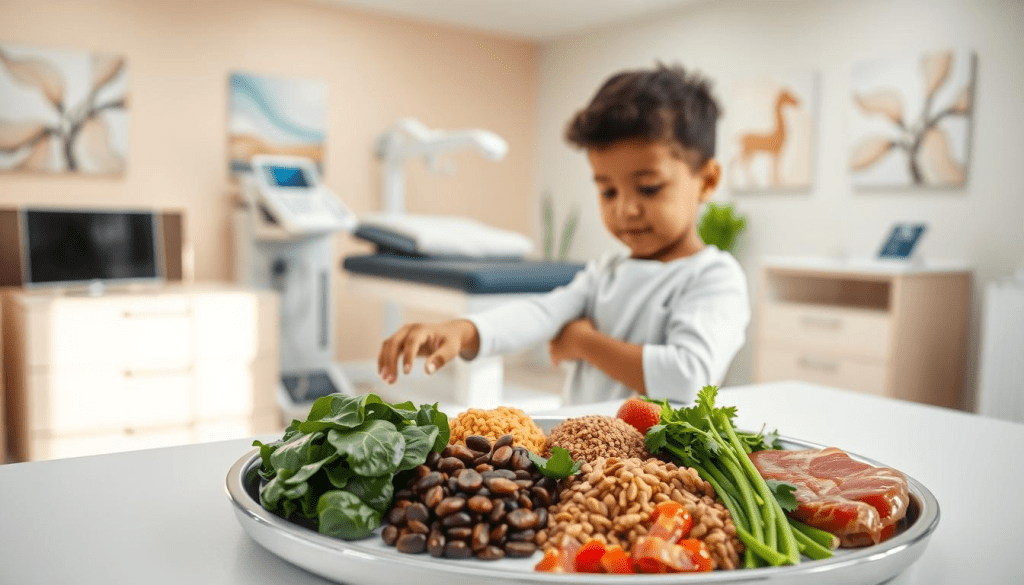
By using proven treatments and following new hospital rules, we can help kids with iron deficiency a lot. This can greatly improve their health and how well they develop.
Key Takeaways
- Oral iron supplements are a main way to treat iron deficiency in kids.
- Changing their diet to include more iron is also very important.
- The American Academy of Pediatrics suggests iron supplements for breastfed babies starting at 4 months.
- Starting treatment early is key to avoiding long-term problems.
- Iron deficiency is a big reason for anemia in kids aged 1-5 years.
Understanding Iron Deficiency in Children
It’s important to know about iron deficiency in kids to catch it early and treat it well. Iron deficiency is a common nutritional problem that can harm a child’s health and growth.
What Causes Iron Deficiency in Children?
Several things can cause iron deficiency in children, including:
- Inadequate dietary iron: Eating foods low in iron or not enough iron-rich foods can cause it.
- Gastrointestinal issues: Problems like celiac disease or bleeding in the gut can make it hard to absorb iron.
- Blood loss: Losing blood, like from parasites or menstrual bleeding in girls, can also lead to iron deficiency.
Parents should know these causes to prevent it.
Signs and Symptoms to Watch For
It’s key to spot the signs and symptoms of iron deficiency early. Look out for:
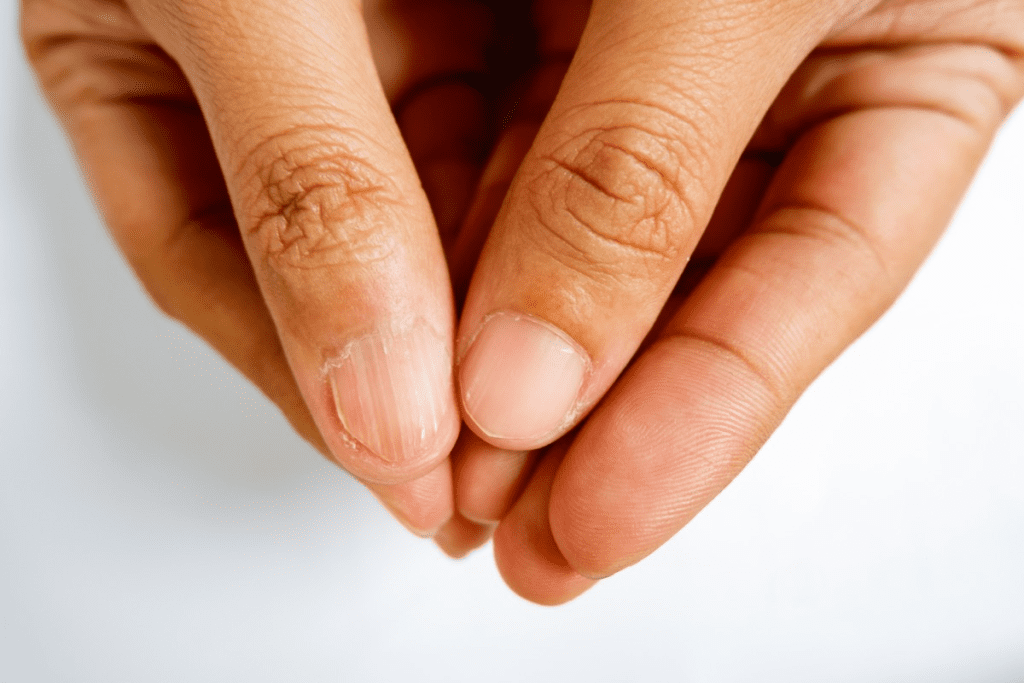
- Pale skin: Fewer red blood cells can make skin look pale.
- Irritability and fatigue: Kids might get tired and cranky without enough iron.
- Poor appetite: Not enough iron can make kids eat less, making the problem worse.
The Impact on Child Development
Iron is vital for a child’s growth, affecting both body and mind. Iron deficiency can cause:
- Developmental delays: Kids might not reach milestones on time.
- Cognitive impairments: They might have trouble concentrating and remembering things.
- Behavioral problems: They could become more irritable and have behavioral issues.
It’s important to treat iron deficiency quickly to help kids grow and develop properly.
Prevalence and Statistics of Childhood Anemia
It’s important to know the numbers behind childhood anemia. This condition, often caused by iron deficiency, affects kids’ growth, thinking, and happiness. It’s a big health issue for children.
Current Statistics in the United States
In the U.S., about 1-2% of kids aged 1-5 have iron deficiency anemia. This might seem small, but it means a lot of kids are dealing with it. Some groups, like those from low-income families or certain ethnicities, face even higher risks. Infants with reduced mineral levels may face fatigue, poor growth, frequent infections, and developmental delays, needing timely nutritional support.
Recent studies show:
- Low-income families’ kids are more likely to have iron deficiency anemia.
- Anemia rates differ a lot among different ethnic groups.
- Learning about good nutrition and eating iron-rich foods can help lower anemia rates.
Global Prevalence Rates
Worldwide, up to 50% of kids under five might have anemia. This is a big worry in places with bad healthcare, not enough food, and lots of sickness. The World Health Organization sees anemia as a major health problem in many countries.
Some global numbers are:
- About 600 million children worldwide have anemia.
- Iron deficiency is the main reason for anemia everywhere.
- Places with poor healthcare often miss diagnosing and treating anemia.
Age-Related Risk Patterns
Anemia risk changes with age. Some ages are more at risk because of growth, diet, and the need for more nutrients. Babies and toddlers need a lot of iron because they grow fast.
Key age-related risk factors include:
- Babies 6-24 months are at high risk because they use up iron fast and need more.
- Toddlers and preschoolers might not get enough iron because they’re picky or eat foods low in iron.
- School-age kids might face risks from a bad diet, chronic illnesses, or losing iron in girls who start menstruating.
Knowing these numbers and risks helps doctors and leaders make better plans to fight childhood anemia. This can help kids all over the world stay healthy and happy.
Diagnosing Low Iron in Infants and Children
Checking for iron deficiency in young ones is key to their health. Iron helps make hemoglobin, which carries oxygen. Without enough iron, the body can’t get the oxygen it needs, causing health problems.
distorted image’
Common Screening Tests
The American Academy of Pediatrics (AAP) suggests a hemoglobin blood test for all infants at 12 months. This test is vital for catching iron deficiency early. More tests, like a complete blood count (CBC) and iron studies, might follow to confirm the diagnosis and how severe it is.
A CBC checks different parts of the blood, like hemoglobin and hematocrit levels. These can show if there’s anemia. Iron studies measure blood iron levels to see if anemia is due to iron deficiency.
Key tests for diagnosing iron deficiency include:
- Hemoglobin blood test
- Complete Blood Count (CBC)
- Iron studies
When to Test Your Child
The AAP says all infants should be tested for anemia at 12 months. But, if your child was born early, is small for their age, or doesn’t eat enough iron, they might need a test sooner. Talk to your pediatrician about your child’s risk factors to figure out when to test.
“Early detection of iron deficiency is critical to prevent long-term developmental and health consequences.” – American Academy of Pediatrics
Understanding Test Results
Iron deficiency test results can be hard to understand. A doctor will look at the results with your child’s health, age, and other things in mind. A low hemoglobin level means anemia, and low iron levels mean iron deficiency.
It’s important to talk to your pediatrician about the test results. If your child has an iron deficiency, treatment can help and prevent lasting problems.
Oral Iron Supplementation for Children
Oral iron supplements are a common treatment for iron deficiency in kids. They are easy to use and help kids get the iron they need. This helps them stay healthy.
Types of Iron Supplements
There are different iron supplements for kids, like drops and pills. Drops are best for babies and young kids. Pills are better for older kids who can swallow them.
Key Considerations:
- Iron drops are easy to give to young children.
- Iron pills are better for older kids because they are easier to take.
- Some iron supplements taste better, making them easier for kids to take.
Iron Pediatric Dose Guidelines
The right dose of iron is important for kids. It depends on their age, weight, and how bad the iron deficiency is. Doctors usually recommend 3 to 6 mg/kg per day.
It’s very important to follow the doctor’s advice on how much to give. This helps the treatment work well and keeps side effects down.
Managing Side Effects
Iron supplements can sometimes upset a child’s stomach. To avoid this, take them on an empty stomach or with a little food. Also, eating foods or drinks high in vitamin C can help with iron absorption.
- Take iron supplements on an empty stomach or with a small amount of food to enhance absorption.
- Consume vitamin C-rich foods or drinks (like orange juice) alongside iron supplements to improve absorption.
- Gradually introduce the supplement to minimize gastrointestinal upset.
Duration of Treatment
How long a child needs to take iron supplements depends on their iron level and how well they respond. Usually, it takes a few months to refill iron stores.
Monitoring: It’s important to keep up with regular check-ups with a pediatrician. This helps make sure the treatment is working and adjusts the dose if needed.
Treating Iron Deficiency in Infants: Special Considerations
Treating iron deficiency in infants needs a careful approach. This is because they have special nutritional needs and are at different stages of development. Iron deficiency can affect their growth and development, so it’s important to treat it well.
Iron Therapy for Breastfed Infants
Breastfed babies need iron supplements starting at 4 months. This is because breast milk, though nutritious, doesn’t always have enough iron after this time. Iron supplementation is key to avoiding deficiency. Always talk to a pediatrician to find out the right dosage and type of iron supplement.
Formula-Fed Infants and Iron Supplementation
Formula-fed babies get iron from iron-fortified formula. This formula is made to meet their iron needs. But, it’s important to watch their iron levels, especially if they’re not drinking enough formula or if they start drinking cow’s milk too early.
Monitoring Infant Low Iron Treatment Response
It’s important to watch how infants react to iron treatment. Look for signs like more energy and better eating habits. Regular check-ups with a pediatrician are key to making sure the treatment is working right.
When to Consult a Pediatrician
If you see signs of iron deficiency getting worse or not improving, or if you’re worried about your baby’s health, see a pediatrician. They can help figure out the best treatment and make sure your baby gets the care they need.
Dietary Strategies to Address Iron Deficiency in Kids
Managing iron deficiency in kids starts with smart food choices. A diet full of iron can greatly help a child’s health and growth.
Iron-Rich Foods for Children
Adding iron-rich foods to a child’s diet is key. Some top sources include:
- Lean Meats: Chicken and turkey are great for iron.
- Beans and Legumes: Black beans, lentils, and chickpeas are iron-rich and easy to use in recipes.
- Fortified Cereals: Many breakfast cereals have iron, making them a good choice for kids.
- Leafy Greens: Spinach and kale are full of iron and can be added to many meals.
Foods That Enhance Iron Absorption
Some foods help your body absorb iron better. Vitamin C-rich foods are great when eaten with iron-rich foods. Examples include:
- Oranges and orange juice
- Strawberries and other berries
- Bell peppers
- Tomatoes
Foods to Avoid During Treatment
Some foods can block iron absorption and should be limited. These include:
- Caffeine: Found in coffee, tea, and some sodas, caffeine can lower iron absorption.
- Calcium-Rich Foods: While good for bones, too much calcium can also block iron absorption.
Sample Meal Plans for Different Age Groups
Meal plans should match a child’s age and needs. Here are some examples:
- For Toddlers (1-3 years): Iron-fortified oatmeal with sliced bananas and orange juice.
- For Preschoolers (4-5 years): Grilled chicken with spinach and mixed berries.
- For School-Age Children: Lentil soup with whole-grain bread and fruit salad.
By using these dietary strategies, parents can help manage their child’s iron deficiency. This ensures they get the nutrients they need for healthy growth.
Advanced Treatment Options for Severe Cases
When oral iron supplements don’t work for kids, we look at other treatments. For serious cases, we have special ways to help kids get enough iron.
IV Iron Dose Protocols for Children
Intravenous (IV) iron is a strong treatment for kids with severe iron lack. It’s used when oral iron doesn’t work or can’t be taken. The IV iron dose is set based on the child’s weight and how bad their iron lack is.
We use safe methods to give IV iron. We consider the child’s health and any past iron therapy reactions.
When Intravenous Iron Is Necessary
IV iron is for kids who didn’t get better with oral iron, have a bad iron lack, or can’t take oral iron. It’s also for kids with some gut problems that make it hard to absorb iron.
Hospital Procedures for Low Iron IV Treatment
In the hospital, giving IV iron for low iron IV treatment is closely watched. Our team is trained to follow the right steps for IV iron therapy.
The process includes getting the child ready, watching their health signs during the treatment, and caring for them after. This helps manage any side effects.
Monitoring During Advanced Treatment
During advanced iron treatment, we watch closely to see how it’s working. We check iron levels and blood health with regular tests.
We look for signs of getting better or any side effects. If needed, we change the treatment plan to help the child the most.
Innovative Approaches in Iron Deficiency Treatment
Our understanding of iron deficiency is growing. New treatments are being developed for kids. Studies show promising results with new iron supplements and early treatments.
Liposomal Iron Supplementation Benefits
Liposomal iron is a new treatment for iron deficiency. It’s wrapped in liposomes to help it absorb better and cause fewer stomach problems.
New Research in Pediatric Iron Therapy
New research aims to make iron therapy better for kids. Scientists are looking at different doses, types, and ways to give iron. For example, some think intravenous iron might help kids who don’t get better with pills.
Early Intervention Strategies
Acting early is key in treating iron deficiency. This includes screening at risk groups, starting treatment quickly, and teaching about diet. The World Health Organization (WHO) suggests giving supplements in places where many kids are at risk. Early action can greatly improve health and prevent long-term problems.
WHO Prevention Guidelines for High-Risk Populations
The WHO has set rules to prevent iron deficiency in high-risk groups. They suggest eating a variety of foods, taking iron supplements, and adding iron to common foods. Following these guidelines can lower iron deficiency anemia worldwide.
Conclusion: Effective Management of Iron Deficiency
Managing iron deficiency in kids is key for their health and growth. We talked about ways to handle it, like iron pills, changing what they eat, and IV iron therapy.
Handling iron deficiency needs a full plan. This includes acting fast, getting the right diagnosis, and making treatment plans that fit each child. This way, doctors can fix iron deficiency and stop serious problems later.
We also looked at how diet changes can help. Eating foods high in iron and adding vitamin C to help absorb iron are important. For severe cases, we discussed IV iron therapy and new ways like liposomal iron.
Using many ways to tackle iron deficiency can lead to better results. This ensures kids get the nutrients they need for healthy growth. Treating iron deficiency well is vital to avoid long-term health issues and keep kids healthy.
FAQ’s:
What are the primary methods of treating iron deficiency in children?
The main ways to treat iron deficiency include giving oral iron supplements and changing their diet. Kids should eat foods rich in iron and foods with vitamin C to help their bodies absorb iron better.
How common is iron deficiency in children, and what are the statistics on childhood anemia?
Studies show that 34% of anemia in kids aged 1“5 is caused by iron deficiency. This shows how common it is.
What are the causes of iron deficiency in children?
Iron deficiency can be caused by not getting enough iron in the diet, stomach problems, or losing too much blood. These issues can lead to health problems.
What are the signs and symptoms of iron deficiency in children?
Signs include pale skin, being easily upset, and possible delays in growth. They might also have trouble focusing.
How is iron deficiency diagnosed in children?
Doctors use blood tests to check for iron levels. These tests include hemoglobin and complete blood counts.
What types of iron supplements are available for children, and what are the guidelines for pediatric doses?
There are different iron supplements, like drops and pills. There are specific doses for kids to make sure they are safe and work well.
How can parents managethe side effects of oral iron supplementation in children?
To deal with side effects like upset stomach, parents can adjust the dose or how it’s given. Always ask a pediatrician for advice.
Are there special considerations for treating iron deficiency in infants?
Yes, babies who are breastfed might need iron supplements. Formula-fed babies should have iron-fortified formula. Always check with a pediatrician.
What dietary strategies can help address iron deficiency in children?
Eating foods high in iron, like lean meats and fortified cereals, helps. Adding foods with vitamin C also boosts iron absorption.
When is intravenous iron necessary for children, and what are the protocols for IV iron dose?
IV iron is used when oral supplements don’t work. There are specific doses and hospital procedures for giving IV iron.
What are the benefits of liposomal iron supplementation in treating iron deficiency?
Liposomal iron is absorbed better and causes fewer stomach problems. It’s a good option for some kids.
How can parents monitor their child’s response to iron treatment, and when should they consult a pediatrician?
Parents should watch for improvements in symptoms and iron levels. Regular check-ups with a pediatrician are important to adjust treatment as needed.
What are the WHO guidelines for preventing iron deficiency in high-risk populations?
The WHO has guidelines for preventing iron deficiency. These include dietary advice and supplement strategies for high-risk groups.
References:
- American Academy of Pediatrics. (2010). Diagnosis and Prevention of Iron Deficiency and Iron-Deficiency Anemia in Infants and Young Children (0-3 Years of Age). Pediatrics, 126(5), 1040-1050. https://publications.aap.org/pediatrics/article/126/5/1040/65343/Diagnosis-and-Prevention-of-Iron-Deficiency-and
- Özdemir, N. (2015). Iron deficiency anemia from diagnosis to treatment in children. Turkish Archives of Pediatrics, 50(1), 5-14. https://www.ncbi.nlm.nih.gov/pmc/articles/PMC4462328/
- Benson, A. E., et al. (2025). Management of iron deficiency in children, adults, and during pregnancy. Reviews in Medical Pharmacology, 6(1), 1-15. https://www.sciencedirect.com/science/article/pii/S2352302625000389
- Royal College of Paediatrics and Child Health. (2022). Clinical Practice Guidelines: Iron Deficiency. https://www.rch.org.au/clinicalguide/guideline_index/iron_deficiency/
- World Health Organization. (2016). Guideline: Daily iron supplementation in infants and children. WHO. https://apps.who.int/iris/bitstream/handle/10665/204712/9789241549523_eng.pdf