Last Updated on November 14, 2025 by Ugurkan Demir

A low red blood cell (RBC) count, known as anemia, is common in cancer patients. It happens when the body lacks red blood cells or has cells without enough hemoglobin. Hemoglobin carries oxygen to the body’s parts.Learn what a low red blood cell count means for cancer patients and how it affects treatment.
Anemia can be a sign of cancer or a side effect of treatment. Symptoms include feeling tired, weak, pale, dizzy, and short of breath. It’s important for cancer patients to understand anemia’s effects. It can change their life quality and treatment plans.
Key Takeaways
- Anemia is a frequent complication in cancer patients.
- It can result from the cancer itself or its treatment.
- Symptoms of anemia include fatigue, weakness, and shortness of breath.
- Anemia can significantly impact a patient’s quality of life.
- Liv Hospital offers patient-centered care for managing anemia.
Understanding Red Blood Cells and Their Function
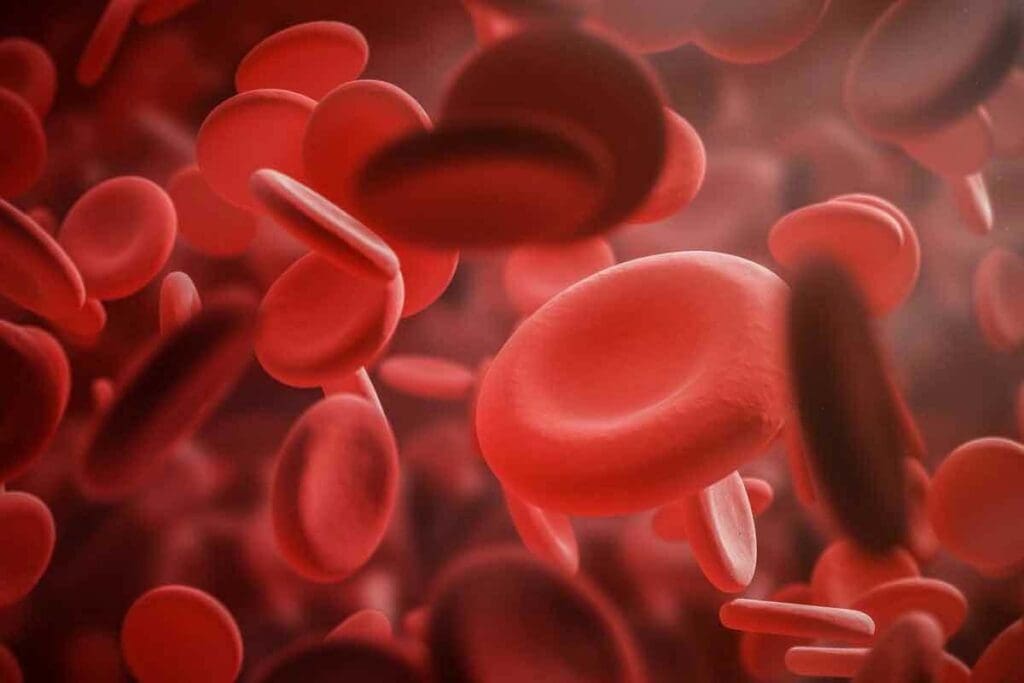
Red blood cells play a key role in keeping our bodies supplied with oxygen. These cells, also known as erythrocytes, are essential for delivering oxygen to all parts of our body.
The Role of Red Blood Cells in Oxygen Transport
Red blood cells have hemoglobin, a protein that picks up oxygen in the lungs. It then releases oxygen to our tissues. This is vital for our energy and health. Their shape lets them move through tiny capillaries, making sure oxygen reaches every corner of our body.
Normal Red Blood Cell Count Ranges
The number of red blood cells in our body can vary. For men, it’s usually between 4.32-5.72 million cells per microliter. Women typically have between 3.90-5.03 million cells per microliter. These numbers can change slightly depending on the lab. Keeping within these ranges is key for our body’s oxygen needs.
How Red Blood Cells Are Produced
Red blood cells are made in the bone marrow through a process called erythropoiesis. This involves the transformation of stem cells into mature red blood cells. A hormone called erythropoietin, made by our kidneys, helps control this by boosting red blood cell production when oxygen levels are low.
| Component | Function | Normal Range |
| Hemoglobin | Oxygen transport | 13.5-17.5 g/dL for men, 12-16 g/dL for women |
| Red Blood Cell Count | Oxygen delivery | 4.32-5.72 million cells/μL for men, 3.90-5.03 million cells/μL for women |
| Erythropoietin | Regulation of RBC production | Varies |
Defining Low Red Blood Cell Count in Cancer Patients

Anemia, or low red blood cell count, is common in cancer patients. It can greatly affect their quality of life. This happens when the body lacks enough red blood cells or when these cells don’t carry enough oxygen.
What Constitutes Anemia in Cancer
Anemia in cancer patients is when hemoglobin levels are below normal. Normal hemoglobin levels vary but are usually less than 12 g/dL for women and less than 13.5 g/dL for men. Symptoms include fatigue, weakness, and shortness of breath.
To diagnose anemia, a complete blood count (CBC) test is used. This test measures red blood cells, white blood cells, and platelets. It shows how severe anemia is.
Different Grades of Anemia Severity
Anemia severity is graded from 1 to 4 based on hemoglobin levels and symptoms. The Common Terminology Criteria for Adverse Events (CTCAE) is used for grading. Grade 1 is mild, and Grade 4 is life-threatening.
- Grade 1: Hemoglobin level slightly below normal; symptoms are mild or absent.
- Grade 2: Moderate decrease in hemoglobin level; symptoms may interfere with daily activities.
- Grade 3: Severe decrease in hemoglobin level; significant symptoms that limit daily activities.
- Grade 4: Life-threatening anemia requiring urgent intervention.
Prevalence of Anemia in Cancer Patients
Anemia affects up to 60% of cancer patients at some point. It depends on the cancer type, disease stage, and treatment.
Patients with hematologic malignancies are more likely to have anemia. Those undergoing chemotherapy or radiation therapy also face a higher risk.
Knowing how common and severe anemia is in cancer patients is key. It helps in providing better care and improving outcomes. Recognizing anemia’s signs and symptoms and managing it effectively can greatly help cancer patients.
The Relationship Between Low Red Blood Cell Count and Cancer
Cancer affects red blood cell production in different ways. This is important to understand for managing cancer patients, who may have anemia or low red blood cell counts.
How Cancer Directly Affects Red Blood Cell Production
Cancers like leukemia can harm red blood cell production. Leukemia causes too many white blood cells, taking space from red blood cells in the bone marrow.
Other cancers can also harm red blood cell production. They do this by releasing substances that slow down the making of red blood cells.
Bone Marrow Involvement in Hematologic Malignancies
Hematologic malignancies, like lymphoma and multiple myeloma, affect the bone marrow. This can lead to fewer red blood cells, causing anemia.
The amount of bone marrow affected varies. This affects how severe anemia is for patients.
Impact of Solid Tumors on Red Blood Cell Counts
Solid tumors can also lower red blood cell counts. This is often through indirect ways. For example, long-term inflammation from tumors can cause anemia of chronic disease.
Also, treatments for solid tumors can harm red blood cell production. This includes chemotherapy and radiation therapy, leading to low red blood cell counts in patients.
Common Causes of Low RBC in Cancer Patients
Many cancer patients have low red blood cell counts, or anemia. This is due to the disease itself and the treatments they get. Knowing why this happens helps doctors manage anemia better.
Cancer-Related Causes
Cancer can harm the bone marrow where red blood cells are made. Tumors can grow in the bone marrow, stopping red blood cell production. Some cancers, like leukemia and lymphoma, directly harm the bone marrow, lowering red blood cell counts.
Cancer-related causes include:
- Tumor infiltration into the bone marrow
- Production of substances by tumors that suppress red blood cell production
- Bleeding caused by tumors
Treatment-Related Causes
Cancer treatments can also lower red blood cell counts. Chemotherapy and radiation therapy can damage the bone marrow, making fewer red blood cells.
Treatment-related causes include:
- Chemotherapy-induced bone marrow suppression
- Radiation therapy to areas containing bone marrow
- Surgical interventions that result in blood loss
| Cause | Description | Impact on RBC Count |
| Chemotherapy | Damages rapidly dividing cells, including bone marrow cells | Decreases RBC production |
| Radiation Therapy | Can damage bone marrow when applied to certain areas | Reduces RBC count, specially with extensive radiation |
| Surgery | Results in blood loss during and after the procedure | Immediate decrease in RBC count due to blood loss |
Nutritional and Metabolic Factors
Nutritional deficiencies and metabolic changes can also lower red blood cell counts. Not getting enough iron, vitamin B12, and folate can stop red blood cell production.
Nutritional factors include:
- Insufficient dietary intake of iron, vitamin B12, and folate
- Malabsorption due to cancer or its treatment
- Increased demand for nutrients due to the cancer
To tackle these issues, doctors need to manage the cancer, adjust treatments, and make sure patients get enough nutrients. This helps support red blood cell production.
Recognizing Symptoms of Low Red Blood Cell Count
Anemia, with a low red blood cell count, can cause serious symptoms in cancer patients. These symptoms need quick medical help. The symptoms’ presence and how bad they are can change based on the anemia’s cause, how severe it is, and the patient’s health.
Physical Manifestations
The symptoms of low red blood cell count can really affect a patient’s life. They include:
- Fatigue and weakness, making everyday activities hard
- Dizziness or lightheadedness, raising the risk of falls
- Shortness of breath, even with simple tasks
- Pale skin, lips, and nail beds from less hemoglobin
The American Cancer Society says, “Fatigue is a common symptom of cancer and its treatment, affecting nearly everyone with cancer at some point.”
Cognitive and Psychological Effects
Low red blood cell count can also affect the mind and emotions. These effects can make things harder for a patient. They include:
- Difficulty concentrating and making decisions
- Memory problems
- Mood changes, like irritability or depression
When Symptoms Require Immediate Medical Attention
While many anemia symptoms can be managed, some need quick medical help. Patients should get urgent care if they have:
| Symptom | Description |
| Severe shortness of breath | Difficulty breathing that doesn’t get better with rest |
| Chest pain | Pain or discomfort in the chest, possibly showing cardiac stress |
| Dizziness or fainting | Feeling lightheaded or actually fainting, which can cause falls or injuries |
How Cancer Treatments Impact Red Blood Cell Production
It’s important to know how cancer treatments affect red blood cell production. These treatments aim to kill cancer cells but can harm the body’s ability to make red blood cells.
Effects of Chemotherapy on Bone Marrow
Chemotherapy targets fast-growing cells, like cancer and bone marrow cells. The bone marrow makes red blood cells, white blood cells, and platelets. Chemotherapy can weaken the bone marrow, leading to fewer red blood cells.
This weakness can cause anemia, a condition of low red blood cell count. The severity of chemotherapy-induced anemia varies. Some chemotherapy types are more likely to cause it than others.
Radiation Therapy and Blood Cell Counts
Radiation therapy can also affect red blood cell production. When radiation hits areas with active bone marrow, it can harm the bone marrow. The impact on red blood cell counts depends on the radiation dose and area.
Radiation-induced myelosuppression can lead to anemia. This risk increases when radiation is used with chemotherapy.
Surgical Interventions and Blood Loss
Surgery is often needed to treat cancer. It can cause blood loss, which lowers red blood cell count. Significant blood loss can lead to anemia.
| Surgical Factors | Impact on RBC Count |
| Blood loss during surgery | Direct reduction in RBC count |
| Post-operative recovery | Potential for ongoing blood loss or anemia |
Targeted Therapies and Immunotherapy Effects
Targeted therapies and immunotherapies are newer cancer treatments. They can affect red blood cell production, even if they have fewer side effects than traditional chemotherapy. Some tyrosine kinase inhibitors used in targeted therapy can cause anemia. Immunotherapies can also have different effects on red blood cell counts.
Cancer treatments have a complex impact on red blood cell production. Understanding these effects is key to managing anemia and improving patient outcomes.
Diagnostic Approaches for Low Red Blood Cell Count
Diagnosing anemia in cancer patients requires blood tests, physical exams, and looking at medical history. It’s key to find the cause of low red blood cells and choose the right treatment.
Complete Blood Count (CBC) Analysis
A Complete Blood Count (CBC) test checks the blood’s parts, like red and white blood cells, and platelets. For anemia, it gives important info on:
- Hemoglobin levels
- Hematocrit (the part of blood made of red blood cells)
- Red blood cell count
- Mean corpuscular volume (MCV), which shows red blood cell size
Additional Blood Tests for Anemia Classification
More blood tests might be needed to figure out the anemia type and its cause. These include:
- Reticulocyte count to check bone marrow activity
- Iron studies to see if there’s a lack of iron
- Vitamin B12 and folate levels to check for deficiencies
- Erythropoietin level to see how much of this hormone is made
These tests help doctors understand the anemia better and choose the right treatment.
Bone Marrow Evaluation When Necessary
Sometimes, a bone marrow test is needed to find anemia’s cause. This test looks at bone marrow tissue, usually taken through biopsy or aspiration. It shows:
- Bone marrow cell count and cancer presence
- How red blood cells are made and mature
- Any bone marrow problems
This info is very helpful when cancer is in the bone marrow or when bone marrow isn’t working right.
Monitoring Frequency During Cancer Treatment
Cancer patients need regular checks on their red blood cell count. How often CBC tests are done depends on treatment type and the patient’s health. Regular checks help doctors:
- Spot changes in red blood cell count early
- Change treatment plans if needed to manage anemia
- See if treatments are working to improve red blood cell count
Using these methods, doctors can manage low red blood cell count in cancer patients better. This improves their quality of life.
Treatment Strategies for Low RBC Count Treatment
Treating low RBC count in cancer patients needs a mix of strategies. This includes different treatments to manage anemia well.
Blood Transfusions: When They’re Necessary
Blood transfusions quickly raise red blood cell counts in cancer patients. They’re often used when anemia is severe or urgent.
Indications for Blood Transfusions:
- Severe anemia causing significant symptoms
- Active bleeding
- Pre-operative preparation for surgery
Erythropoiesis-Stimulating Agents (ESAs)
ESAs help the bone marrow make more red blood cells. They’re used for anemia in cancer patients, and those with chronic kidney disease or undergoing chemotherapy.
Benefits of ESAs:
- Reduce the need for blood transfusions
- Improve quality of life by reducing anemia symptoms
Iron Supplementation Approaches
Iron is key for patients with iron deficiency anemia. The choice between oral and intravenous iron depends on the deficiency’s severity, patient tolerance, and blood loss.
| Iron Supplementation Method | Advantages | Disadvantages |
| Oral Iron | Easy to administer, cost-effective | Gastrointestinal side effects, variable absorption |
| Intravenous Iron | Rapid correction of iron deficiency, better tolerated in some patients | Requires healthcare visit, risk of allergic reactions |
Vitamin Supplementation
Vitamin supplements, like folate and vitamin B12, are vital for patients with deficiencies. They help in making more red blood cells.
In conclusion, managing low RBC count in cancer patients needs a detailed plan. This may include blood transfusions, ESAs, iron, and vitamin supplements. Each patient’s treatment should match their specific needs and anemia causes.
Impact of Anemia on Cancer Treatment and Prognosis
Anemia can make cancer treatment harder, affecting how well patients do and how long they live. It’s a common problem in cancer patients. It can change how well treatments work and how good a patient’s life is.
How Low RBC Affects Treatment Tolerance
Anemia makes it tough for patients to handle cancer treatments. This includes chemotherapy and radiation. When there aren’t enough red blood cells, the body can’t get enough oxygen. This leads to tiredness, short breath, and other issues that can limit how strong the treatment can be.
Key effects of low RBC on treatment tolerance include:
- Reduced oxygen delivery to tissues
- Increased fatigue and weakness
- Potential need for treatment delays or dose reductions
Influence on Treatment Outcomes
Anemia can also make cancer treatments less effective. Research shows that anemia is linked to worse results in many cancers. This is because tumors don’t get enough oxygen, making them harder to kill.
“Anemia is a significant predictor of poor treatment outcomes in cancer patients, highlighting the need for effective anemia management.”
Quality of Life Considerations
For cancer patients with anemia, life quality drops a lot. Symptoms like tiredness, dizziness, and short breath make it hard to do everyday things. This lowers how happy and well they feel.
Strategies to improve quality of life include:
- Nutritional support to enhance red blood cell production
- Energy conservation techniques
- Appropriate use of erythropoiesis-stimulating agents (ESAs) or blood transfusions
Survival Implications of Persistent Anemia
Having anemia for a long time during treatment can shorten life. It’s key to manage anemia well to help patients do better.
Understanding how anemia affects cancer treatment and survival helps doctors find better ways to help patients. This can make life better and longer for those with cancer.
Self-Care Strategies for Cancer Patients with Low Red Blood Cells
For cancer patients with low red blood cells, self-care is key. It can greatly improve their life quality. Managing anemia needs a mix of good nutrition, saving energy, and gentle exercise.
Nutritional Approaches to Support Red Blood Cell Production
Eating well is vital for making more red blood cells. Foods packed with iron, vitamin B12, and folate are super helpful.
- Iron-rich foods: Include lean meats, beans, lentils, and fortified cereals in your diet.
- Vitamin B12 sources: Consume animal products like meat, fish, and dairy products.
- Folate-rich foods: Eat leafy greens, citrus fruits, and legumes.
| Nutrient | Food Sources | Benefits |
| Iron | Lean meats, beans, fortified cereals | Essential for hemoglobin production |
| Vitamin B12 | Meat, fish, dairy products | Critical for red blood cell formation |
| Folate | Leafy greens, citrus fruits, legumes | Important for DNA synthesis and repair |
Energy Conservation Techniques
For those with low red blood cells, saving energy is a must. Simple steps can help fight fatigue.
- Prioritize tasks and break them into smaller, manageable steps.
- Take regular breaks to rest and avoid overexertion.
- Use assistive devices to reduce physical strain.
Physical Activity Considerations
Rest is important, but gentle exercise can also help. Finding the right balance is key.
- Engage in light exercises like walking or yoga.
- Avoid strenuous activities that can exacerbate fatigue.
- Consult with healthcare providers before starting any new exercise regimen.
When to Contact Healthcare Providers
Cancer patients should know when to seek medical help. Watch your symptoms and call your doctor if you notice:
- Severe fatigue or shortness of breath.
- Dizziness or lightheadedness.
- Chest pain or rapid heartbeat.
By using these self-care tips, cancer patients with low red blood cells can manage their condition better. This can greatly improve their overall health and well-being.
Conclusion
Cancer patients often face anemia due to low red blood cell counts. This can really affect their treatment and how well they feel. It’s key to know the causes, signs, and ways to treat anemia to manage it well.
There are many reasons for low red blood cells in cancer patients. These include the cancer itself, treatments like chemotherapy, and not getting enough nutrients. Spotting symptoms like tiredness and breathing problems is important for quick action.
Tests like complete blood counts and bone marrow checks help find why anemia is happening. Treatments like blood transfusions, medicines that help make blood, and iron supplements can help. These can make patients feel better and handle treatments better.
By tackling anemia, cancer patients can feel better and do better in their treatment. It’s very important to manage low red blood cell counts well. This helps make cancer care better and improves patients’ lives.
FAQ
What does a low red blood cell count mean for cancer patients?
A low red blood cell count, or anemia, can make life harder for cancer patients. It can cause tiredness, weakness, and trouble breathing. These symptoms can really affect their daily life.
How does cancer affect red blood cell production?
Cancer can harm the bone marrow, where red blood cells are made. Some cancers, like leukemia and lymphoma, can also mess with the bone marrow. This makes it hard to make healthy red blood cells.
What are the common causes of low RBC in cancer patients?
There are a few reasons why cancer patients might have low RBC. Cancer itself can invade the bone marrow. Treatment like chemotherapy and radiation can also harm it. Plus, not getting enough iron and vitamins can play a role.
What are the symptoms of low red blood cell count?
Having low RBC can show in many ways. You might feel really tired, weak, or have trouble breathing. It can also make you dizzy or depressed.
How do cancer treatments impact red blood cell production?
Cancer treatments can hurt the bone marrow. This makes it hard to make red blood cells. Chemotherapy, radiation, and surgery can all cause problems. They can also reduce the production of erythropoietin or cause blood loss.
How is low red blood cell count diagnosed?
To find out if you have low RBC, doctors do a few tests. They check your blood with a complete blood count (CBC). They might also do more tests or look at your bone marrow.
What are the treatment strategies for low RBC count?
There are a few ways to treat low RBC. Doctors might give you blood transfusions. They might also use erythropoiesis-stimulating agents (ESAs). Iron and vitamin supplements can also help.
How does anemia impact cancer treatment and prognosis?
Anemia can make it harder to fight cancer. It can affect how well you can handle treatment. It can also change your quality of life and how long you might live. It’s very important to manage anemia well.
What self-care strategies can cancer patients with low RBC count use?
There are things you can do to help yourself. Eating right can support your red blood cells. Saving energy and staying active are also important. Knowing when to ask for help is key too.
How can I increase my hemoglobin levels after chemotherapy?
To boost your hemoglobin after chemo, try iron and vitamin supplements. Eating foods that help make red blood cells can also help.
What is the prevalence of anemia in cancer patients?
Anemia is very common in cancer patients. It affects a lot of people, mostly those getting chemo or radiation.
How can I manage low hematocrit?
To deal with low hematocrit, find out why it’s happening. Then, use treatments like blood transfusions, ESAs, and supplements to help.
References
- Caro, J. J., Salas, M., Ward, A., & Goss, G. (2013). Prevalence and clinical characteristics of cancer-related anemia. BMC Cancer, 13, 404. https://www.ncbi.nlm.nih.gov/pmc/articles/PMC3624994/ This study found anemia in up to 60% of cancer patients and highlights higher prevalence in older patients and those with hematologic malignancies. It discusses the importance of anemia evaluation in cancer care.