Last Updated on November 13, 2025 by
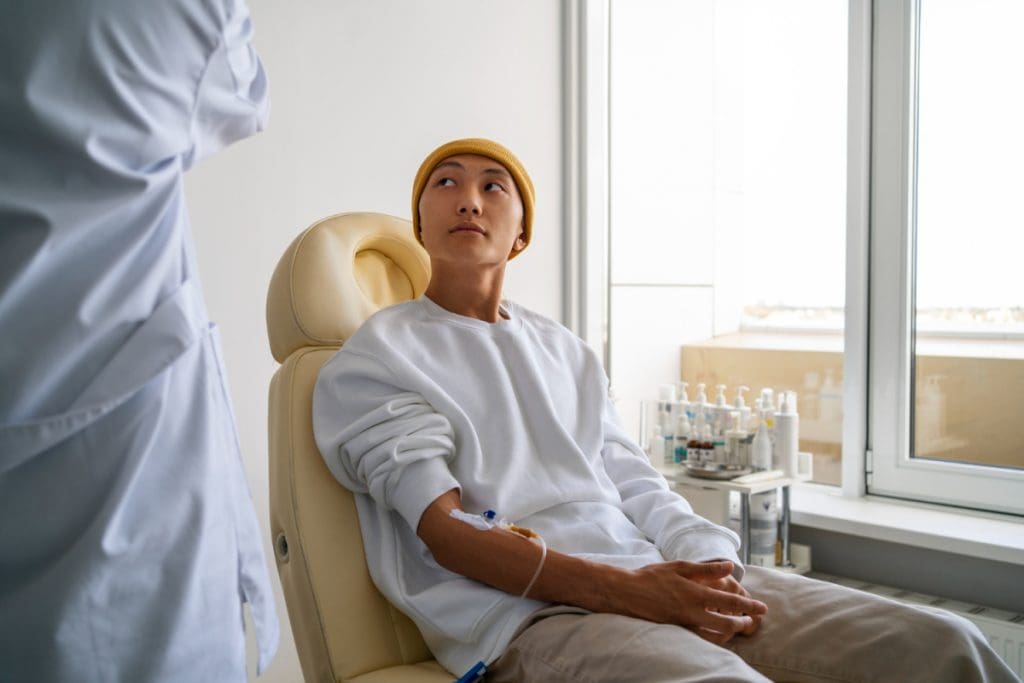
Cancer rates vary significantly across different ethnic groups. Research shows that some populations face a lower risk of certain cancers. In the United States, studies reveal that Asian and Pacific Islander populations represent the lowest cancer incidence ethnicity compared to others.
The National Cancer Institute highlights that cancer incidence rates differ among racial and ethnic groups. For example, Asian and Pacific Islander women have lower breast cancer rates (114.3 cases per 100,000) and lower lung cancer rates (33.4 cases per 100,000) than most other groups.
Recognizing the lowest cancer incidence ethnicity helps researchers and healthcare providers understand genetic, lifestyle, and environmental factors that influence cancer risk across populations.
Key Takeaways
- Cancer incidence rates differ significantly among ethnic groups.
- Asian and Pacific Islander populations have the lowest overall cancer rates in the US.
- Specific cancer rates, such as breast and lung cancer, are lower in these populations.
- Understanding these variations can inform preventive strategies.
- Global best practices in oncology care can be highlighted by studying low-risk populations.
Cancer Incidence Variations Across Ethnic Groups
It’s key to understand how cancer rates differ among ethnic groups. This knowledge helps in creating specific plans to prevent cancer. Cancer rates vary widely among different populations, which is important for research and prevention.
How Cancer Rates Are Measured and Reported
Cancer rates are measured using age-standardized rates. This method adjusts for the age of each population. It makes it easier to compare rates between ethnic groups. Data comes from cancer registries and health surveys.
Using age-standardized rates helps remove the impact of age differences. For example, a group with more older people might seem to have higher cancer rates. But this could just be because of age, not a higher risk of cancer.
Importance of Ethnicity in Cancer Research
Ethnicity is vital in cancer research. It helps find high-risk groups and guides specific interventions. Each ethnic group has its own genetic, environmental, and lifestyle factors that affect cancer risk.
By focusing on ethnicity in research, we can:
- Spot populations at higher risk for certain cancers
- Create prevention and screening programs that fit each culture
- Learn more about the genetic and environmental causes of cancer disparities
This knowledge is essential for reducing cancer disparities. It helps improve health outcomes for all diverse populations.
Asian and Pacific Islander Populations: Lowest Cancer Incidence Ethnicity
Asian and Pacific Islander groups have the lowest cancer rates. Their unique mix of genetics, lifestyle, and environment helps keep their cancer rates low. We’ll look at the numbers that show how these populations fare against cancer.
Overall Cancer Rate Statistics
These populations have the lowest cancer rates overall. Recent data shows they face a lower risk of many cancers. This is due to their genetics, diet, and lifestyle.
Key Statistics:
- Overall, the cancer incidence rate is lower in Asian and Pacific Islander populations.
- Specific types of cancer show varying incidence rates within these populations.
Breast Cancer Rates: 114.3 per 100,000 Women
Breast cancer rates in these women are much lower than in other groups. The rate is 114.3 per 100,000 women. This is thanks to their genetics, lifestyle, and reproductive patterns.
Notable Factors:
- Genetic predispositions play a role in the lower breast cancer rates.
- Lifestyle and dietary habits also contribute to the reduced risk.
Lung Cancer Rates: 33.4 per 100,000
Lung cancer rates in these populations are also lower, at 33.4 per 100,000. This is due to lower smoking rates and other environmental factors. It shows how lifestyle and environment affect cancer risk.
Comparative Insights:
- Lung cancer rates are significantly lower in Asian and Pacific Islander populations.
- Smoking prevalence and environmental exposures are key factors influencing lung cancer risk.
Hispanic and Latino Cancer Rates in the United States
Cancer rates in Hispanic and Latino groups are different from those of other groups in the U.S. Studies show they have lower cancer rates than some groups. This makes them key for cancer research.
Comparative Analysis with Other Ethnic Groups
Hispanic and Latino groups have unique cancer rates compared to others. For example, they often have lower cancer rates than non-Hispanic whites. This highlights the role of ethnicity in cancer research.
Research and data show Hispanic and Latino groups have lower cancer rates overall. This is a big discovery. It suggests there might be protective factors in these groups that could help others.
Cancer Types with Lower Incidence in Hispanic Populations
Some cancers are less common in Hispanic and Latino groups. For instance, Hispanic women have lower breast cancer rates than non-Hispanic white women. Lung cancer rates are also lower in these groups. It’s important to understand these differences for better cancer prevention and screening.
Looking into why these groups have lower cancer rates could reveal helpful factors. These could be genetic or related to lifestyle. They might help prevent cancer in other groups, too.
American Indian and Alaska Native Cancer Statistics
The rate of cancer among American Indian and Alaska Native populations changes a lot from one area to another. This shows why we need to look at cancer stats by region. It helps us see how big the cancer problem is in these communities.

Regional Variations Within These Populations
Cancer rates in American Indian and Alaska Native groups are not the same everywhere. Some places have more cases of certain cancers. This is because of things like genes, the environment, and how people live. We must look at these differences to make better plans to help.
The Centers for Disease Control and Prevention says it’s key to understand these differences. It helps us tackle the cancer problem in these groups.
There are many reasons for these regional differences. Things like how easy it is to get healthcare, how rich or poor a community is, and what they are exposed to can play a part. For example, some areas might have more pollution, which can raise cancer risk.
Historical Trends in Cancer Rates
Looking back at cancer rates in American Indian and Alaska Native groups, we see a mix of trends. In some groups, cancer rates have gone up, but in others, they have gone down. This is because of better healthcare and more screening.
By studying these trends and differences, we can learn more about why cancer rates are higher in some places. This helps us create cancer prevention and control plans that really work for these communities.
Cancer Rates Among Black and African American Populations
Cancer is a big worry in Black and African American communities. Some cancers are more common than the national average. We look at how these rates compare and where the risks are higher or lower.
Comparative Analysis with National Averages
Black and African American people face higher cancer rates for some types. For example, prostate cancer hits Black men harder than other groups. Black men are 1.7 times more likely to get prostate cancer and 2.1 times more likely to die from it than White men.
Also, Black people face a higher cancer rate for certain types. This gap shows we need special efforts and awareness in these communities.
Areas of Higher and Lower Risk
Some cancers are more common in Black and African American groups, while others are less so. Melanoma, for instance, is less common in these groups but is often diagnosed later. This makes treatment harder.
Knowing these differences helps us create better cancer prevention and treatment plans. By focusing on high and low risk areas, we can tailor our efforts to meet the needs of Black and African American communities.
Genetic predisposition, lifestyle, and healthcare access also play a part in these disparities. Studying these factors can help us understand why cancer rates differ.
White and Non-Hispanic White Cancer Statistics
Looking at cancer rates, White and Non-Hispanic White groups show different trends than others. We’ll dive into these differences and how they vary by place.
Comparison with Other Ethnic Groups
Cancer rates in White and Non-Hispanic White groups are often higher than some but lower than others. For example, breast cancer rates in Non-Hispanic White women are higher than in Hispanic women but lower than in African American women in some age groups.
- Non-Hispanic Whites have a higher incidence of breast cancer compared to Hispanic populations.
- The rate of prostate cancer is higher in Non-Hispanic White men than in Asian/Pacific Islander men, but lower than in African American men.
- Lung cancer incidence is relatively high in non-Hispanic White populations, especially in areas with more smokers.
These comparisons show how important ethnicity is in studying cancer. They also highlight the need for specific interventions.
Geographical Variations Within This Population
There are big differences in cancer rates within White and Non-Hispanic White groups based on where they live. Lifestyle, environmental factors, and healthcare access play big roles in these differences.
- Places with more industrial exposure tend to have higher rates of certain cancers, like mesothelioma.
- Areas with more smokers, often in the Midwest and South, have higher lung cancer rates.
- Coastal areas with higher incomes may have different cancer patterns, possibly due to diet and lifestyle.
Knowing these geographical differences is key to creating cancer control programs tailored to each area.
By studying cancer rates in White and Non-Hispanic White groups, we gain insight into the complex factors that affect cancer. This knowledge is vital for making public health strategies that work for different ethnic and geographical groups.
The Paradox: Higher Rates of Specific Cancers in Low-Risk Populations
Cancer rates differ a lot among different ethnic groups. This shows a paradox where some groups with lower risk have higher rates of certain cancers. It makes us realize how complex cancer epidemiology is and the need to understand the reasons behind these differences.
Liver Cancer Rates in Asian Populations
Liver cancer is a key example of this paradox. Asian groups, which usually have lower cancer rates overall, have higher liver cancer rates. Liver cancer rates are significantly higher in Asian countries. This is often because of chronic hepatitis B infection, a big risk factor for liver cancer.
Epidemiological data show liver cancer is much more common in Asian populations than in Western ones.
Stomach Cancer: Nearly Double the Rate of White Americans
Stomach cancer is another example. It happens nearly double the rate in Asian populations compared to White Americans. The high rate in Asian populations is linked to diet, such as eating a lot of salted and smoked foods. Also, Helicobacter pylori infection is more common in these groups.
Understanding these risk factors is key to creating effective prevention plans.
These examples highlight the need to consider ethnic-specific cancer rates in public health strategies. By understanding the paradox of higher rates of specific cancers in low-risk groups, we can improve our prevention and treatment efforts.
Geographical Cancer Rate Variations Across the United States
Cancer rates change a lot in different parts of the United States. This is because of many factors like genes, environment, and lifestyle. Some states have much higher or lower cancer rates than others.
It’s important to know about these differences. This helps us make better health plans and improve cancer care. We’ll look at states with the highest and lowest cancer rates. We’ll see what causes these differences.
States with the Highest Cancer Rates
Some U.S. states have much higher cancer rates. The top five states are:
- Louisiana
- Delaware
- West Virginia
- Kentucky
- Arkansas
These states often see more lung and colorectal cancer. This is because of smoking and environmental factors.
States with the Lowest Cancer Rates
On the other side, some states have lower cancer rates. The five states with the lowest rates are:
- Utah
- Colorado
- Texas
- New Mexico
- California
These states might have lower cancer rates because of diet, exercise, and healthcare access.
Knowing about cancer rate differences helps us make better health plans. We can tailor prevention and treatment to meet the needs of different areas in the United States.
Genetic Factors Influencing Cancer Rates in Different Ethnicities
Understanding cancer’s genetic roots is key to tackling disparities in cancer rates. Genetic factors greatly influence cancer risk, and these can differ among ethnic groups.
Hereditary Cancer Syndromes by Ethnicity
Hereditary cancer syndromes are caused by inherited genetic mutations. They significantly raise the risk of certain cancers. These syndromes can affect people from all ethnic backgrounds. But the types and prevalence can vary among ethnic groups.
- BRCA1 and BRCA2 mutations are more common in individuals of Ashkenazi Jewish descent. They greatly increase the risk of breast and ovarian cancers.
- Lynch syndrome is another hereditary condition. It raises the risk of colorectal, endometrial, and other cancers. It affects various ethnic groups.
Identifying these syndromes is vital for early intervention and prevention. Genetic testing can spot high-risk individuals. This allows for targeted screening and preventive measures.
Genetic Research and Findings
Recent genetic research has revealed the complex link between genetics and cancer in different ethnic groups. Studies have found specific genetic variants linked to higher cancer risks in certain ethnic groups.
“The integration of genetic information into cancer risk assessment has the power to change cancer prevention and treatment. This is true, mainly for high-risk populations.”
For example, research has found certain genetic variations more common in groups with higher cancer rates. Knowing these genetic factors helps in creating targeted therapies. It also improves cancer outcomes.
As we learn more about genetic factors in cancer rates across ethnicities, it’s clear we can’t use a one-size-fits-all approach. We need culturally sensitive and genetically informed strategies. These should address the unique needs of diverse populations.
Lifestyle and Environmental Factors Affecting Cancer Incidence
It’s important to know how lifestyle and environment affect cancer. Cancer rates differ among ethnic groups. These differences often come from lifestyle and environmental factors. We’ll look at how diet, smoking, alcohol, and work and environment play a part.
Dietary Patterns Across Ethnicities
Diet is a big factor in cancer risk. Each ethnic group has its own eating habits. Some diets may raise cancer risk, while others lower it.
People who eat more plant-based foods often have lower cancer rates. On the other hand, eating a lot of processed and red meat can increase cancer risk. For example, Asian diets rich in soy and green tea are linked to lower breast and prostate cancer rates.
Smoking and Alcohol Consumption Rates
Smoking and drinking alcohol are major cancer risks. These habits vary among ethnic groups, leading to cancer rate differences. For example, African American men face higher cancer risks from smoking.
Drinking alcohol is also a big risk factor, affecting liver, breast, and colon cancers. Some groups, like Native Americans, face higher risks due to drinking habits and genetics.
Occupational and Environmental Exposures
Work and environment also impact cancer risk. Some groups face more exposure to harmful substances. For example, workers in construction or manufacturing might be exposed to asbestos.
Environmental pollution, like air and water, also varies by ethnicity. Communities of colour often live in polluted areas, raising their cancer risk.
Healthcare Access, Screening, and Prevention Strategies
Good cancer prevention and early detection need good healthcare access and screening plans for all ethnic groups. We see big gaps in healthcare access and screening, which affect cancer rates and deaths in different ethnic groups.
Disparities in Cancer Screening
There’s a big problem with cancer screening gaps, with some groups facing hard times getting to screenings. These gaps can mean late diagnosis and worse health outcomes. For example, African American women get mammograms less often than white women, leading to more breast cancer deaths.
We must tackle these gaps with special efforts, like education and outreach. By making healthcare easier to get and screening more fitting for each culture, we can fight cancer gaps.
Culturally Tailored Prevention Programs
Culturally tailored prevention programs are key for diverse ethnic groups. These programs take into account cultural, language, and economic factors that affect health choices. For instance, using traditional practices and languages can get more Hispanic and Latino people to get screened.
We should create and use prevention programs that fit all people. This means using community health workers, teaching in many languages, and making sure services are affordable and easy to reach.
- Develop culturally tailored health education materials.
- Train healthcare providers in cultural competency.
- Implement community-based screening programs.
By using a wide range of strategies for cancer prevention and screening, we can close gaps and help all ethnic groups. It’s vital to keep investing in research and programs that meet the needs of diverse populations. This will help improve healthcare access and screening rates.
Conclusion: Implications for Cancer Prevention and Treatment
Our study shows big differences in cancer rates among different ethnic groups. Asian and Pacific Islander people have the lowest cancer rates. It’s key to understand these differences to improve cancer prevention and treatment.
Healthcare needs to change to meet the unique needs of different ethnic groups. We must consider genetic, lifestyle, and environmental factors that affect cancer rates. This way, we can create better cancer prevention plans.
Good cancer treatment needs to understand these factors and offer screening and prevention programs. Programs that fit the culture of each group are very important. We need to keep supporting these efforts to help everyone’s health.
By tackling cancer prevention and treatment issues, we can lessen the cancer burden in various ethnic groups. This will help improve care for patients from around the world who seek advanced medical help and support.
FAQ
Which ethnic group has the lowest cancer rate?
The Asian and Pacific Islander populations have the lowest cancer rates among different ethnic groups.
What are the breast and lung cancer rates in Asian and Pacific Islander populations?
The breast cancer rate is 114.3 cases per 100,000 women. The lung cancer rate is 33.4 cases per 100,000.
Why is it important to consider ethnicity in cancer research?
It’s important to consider ethnicity in cancer research. This helps identify high-risk populations and informs targeted interventions.
How do cancer rates vary across different ethnic groups in the United States?
Cancer rates vary a lot across different ethnic groups. Some populations have higher or lower rates of specific cancers.
What are the cancer rates among Hispanic and Latino populations compared to other ethnic groups?
Hispanic and Latino populations have lower incidence rates of certain cancers compared to other ethnic groups.
What are the regional variations in cancer rates among American Indian and Alaska Native populations?
Cancer rates among American Indian and Alaska Native populations vary by region. Some areas have higher rates of certain cancers.
How do cancer rates among Black and African American populations compare to national averages?
Cancer rates among Black and African American populations are often higher than national averages for certain types of cancer.
What are the geographical variations in cancer rates within White and Non-Hispanic White populations?
Cancer rates within White and Non-Hispanic White populations vary by geographical location. Some areas have higher or lower rates.
Why do some low-risk populations experience higher rates of specific cancers?
Factors like genetics, lifestyle, and environmental exposures contribute to higher rates of specific cancers in low-risk populations.
Which states in the United States have the highest and lowest cancer rates?
Cancer rates vary by state. Some states have higher or lower rates compared to others.
How do genetic factors influence cancer rates in different ethnicities?
Genetic factors, including hereditary cancer syndromes, play a role in cancer incidence across different ethnic groups.
What lifestyle and environmental factors affect cancer incidence across different ethnicities?
Dietary patterns, smoking and alcohol consumption rates, and occupational and environmental exposures all affect cancer incidence.
Why are culturally tailored prevention programs important in cancer prevention?
Culturally tailored prevention programs help address disparities in cancer screening and incidence across different ethnic groups.
What is the significance of healthcare access in cancer incidence?
Healthcare access is key to cancer incidence. Disparities in access contribute to variations in cancer rates.
References
- Zhu, D. T., et al. (2024). US cancer mortality trends among Asian and Pacific Islander populations from 1999 to 2020: A cross-sectional study. JAMA Network Open. https://jamanetwork.com/journals/jamanetworkopen/fullarticle/2825629