Last Updated on November 18, 2025 by Ugurkan Demir
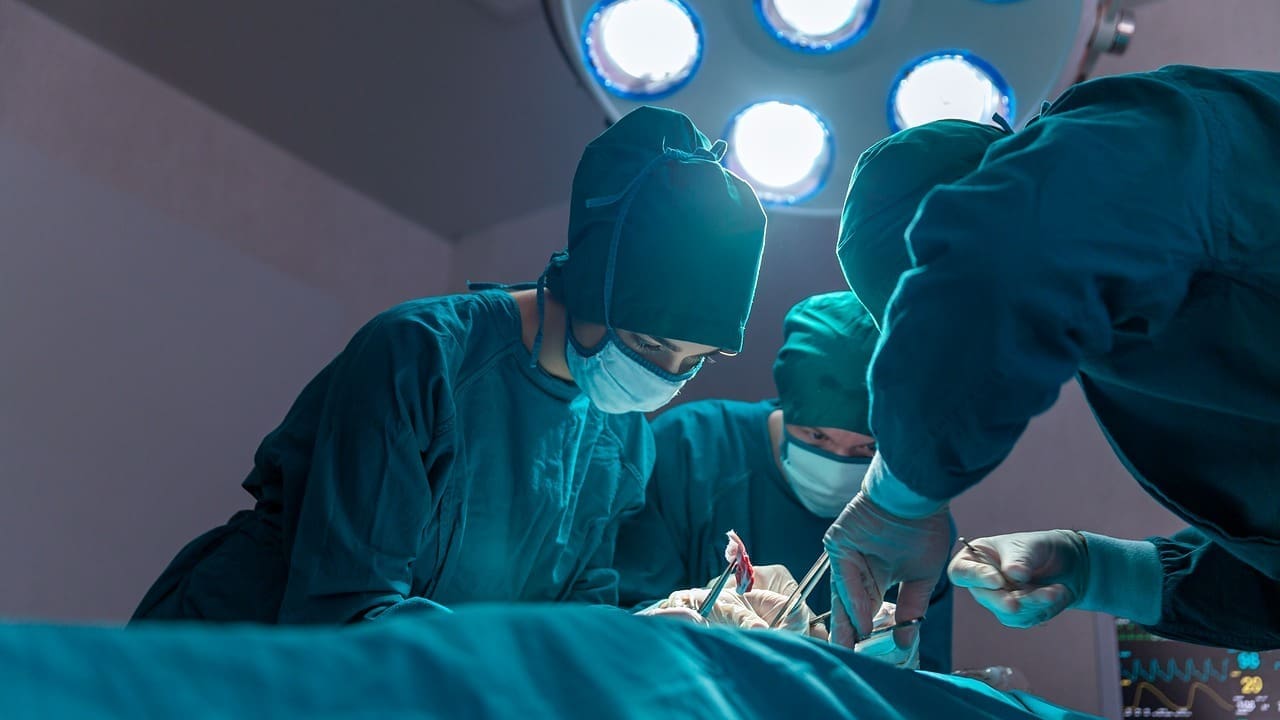
Dealing with lower back pain and nerve symptoms can be tough. But, lumbar discectomy surgery brings relief with new, less invasive methods.
At Liv Hospital, we get how hard lower back disc issues can be. Our team is dedicated to top-notch healthcare for international patients needing lumbar disc operation.
We’re known for caring for our patients first and using proven methods. This surgery removes bad disc material. It aims to lessen pain, numbness, and weakness, making life better for our patients.
Key Takeaways
- Minimally invasive lumbar discectomy surgery cuts down on recovery time.
- The procedure helps by easing nerve pressure from herniated or bulging discs.
- Liv Hospital offers full support for international patients.
- The surgery aims to reduce pain, numbness, and weakness.
- Patient-centered care is our main focus.
Understanding Lumbar Disc Herniation and Nerve Compression
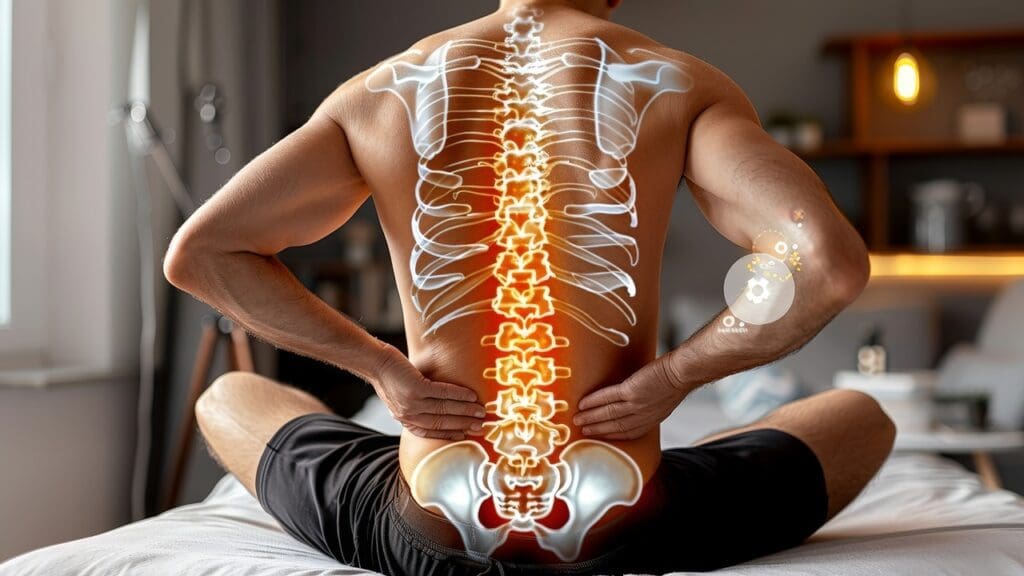
The lumbar spine is a complex structure. It has vertebrae and discs working together. When a disc herniates, it can cause nerve compression.
The spinal column is made up of a chain of bones called vertebrae. Between each vertebra, there are discs for cushioning and support.
Anatomy of the Lumbar Spine and Discs
The lumbar spine has five vertebrae, labeled L1 to L5. The discs act as shock absorbers between them. These discs have a tough outer layer and a soft, gel-like center.
When the outer layer weakens, the gel-like center can bulge out. This can compress nearby nerves.
How Disc Herniation Causes Nerve Impingement
When a disc herniates, it can press on the surrounding nerves. This leads to discomfort and neurological symptoms. The extent of nerve compression depends on the size and location of the herniation.
Common Symptoms Requiring Medical Attention
Symptoms of lumbar disc herniation include lower back pain, numbness, tingling, and weakness in the legs. If these symptoms persist or worsen, medical attention is necessary.
Medical professionals will determine the best course of treatment. This may include bulging disc surgery lumbar or other interventions.
| Symptom | Description |
|---|---|
| Lower Back Pain | Pain or discomfort in the lower back region |
| Numbness or Tingling | Sensation of numbness or tingling in the legs |
| Weakness | Muscle weakness in the legs or feet |
What Is a Lumbar Discectomy? Procedure Overview
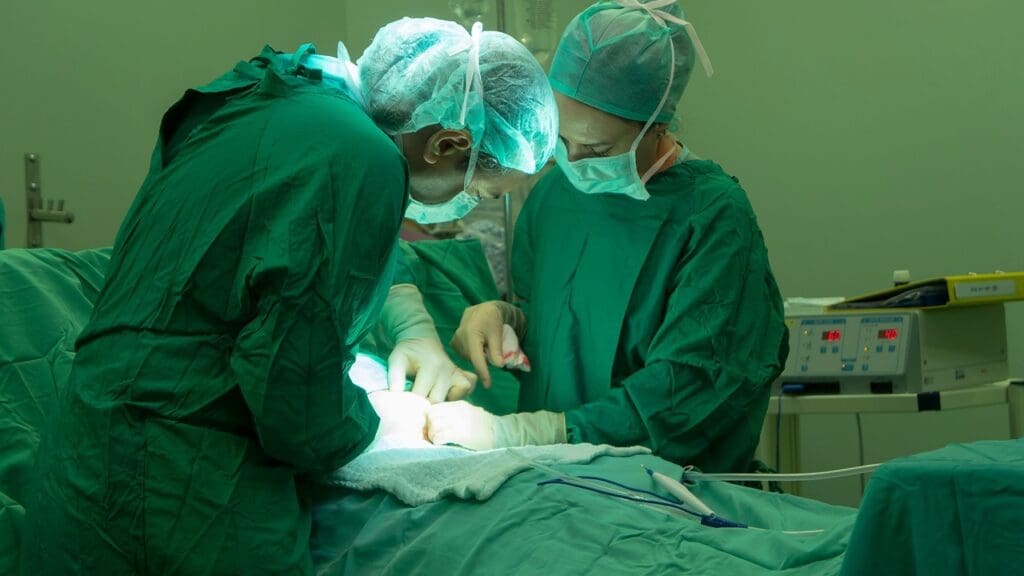
A lumbar discectomy is a precise surgery to relieve nerve pressure. It removes herniated disc material that presses on nerves or the spinal cord. This helps to ease pain and discomfort.
Definition and Purpose of Discectomy
A discectomy is a surgery to remove damaged or herniated disc material. Its main goal is to stop nerve compression. This can cause pain, numbness, and weakness in the lower back and legs.
By taking out the bad disc material, we can greatly improve a patient’s life quality.
Diagnostic Process Before Surgery
Before a lumbar discectomy, a detailed diagnostic process is needed. This includes:
- Medical history review
- Physical examination
- Imaging tests like MRI or CT scans
These steps help confirm a herniated disc and decide the best treatment.
Candidates for Lumbar Disc Operation
Not all with a herniated disc need surgery. Usually, those who:
| Criteria | Description |
|---|---|
| Failed conservative treatment | Patients who didn’t get better with non-surgical treatments like physical therapy, medicine, or injections. |
| Significant nerve compression | People with severe nerve compression causing a lot of pain, numbness, or weakness. |
| Impact on daily life | Those whose condition really affects their daily life and quality of life. |
Our surgeons use the latest methods, like microscopic lumbar discectomy and minimally invasive microdiscectomy. This ensures the best results for our patients.
Surgery on Lower Back Disc: Traditional vs. Modern Approaches
The way we do surgery has changed a lot. Now, patients have more options for their lower back problems. This is thanks to new surgical methods.
Open Discectomy Technique
Open discectomy is an older way to fix a herniated disc. It needs a big cut to see the disc. But, it can make recovery longer because it hurts more tissue.
Microscopic Lumbar Discectomy Advancements
Microscopic lumbar discectomy is a big step forward. It uses a microscope for a smaller cut. This means less damage and a quicker recovery. It’s great for fixing herniated discs at L4-L5 and L5-S1.
Minimally Invasive Microdiscectomy Benefits
Minimally invasive microdiscectomy goes even further. It uses the smallest cuts and hurts the least tissue. This means patients can get back to normal faster with less pain. It’s perfect for those needing minimally invasive herniated disc surgery.
Looking at these methods shows how far surgery has come. Here’s a quick comparison:
| Surgical Technique | Incision Size | Recovery Time | Tissue Damage |
|---|---|---|---|
| Open Discectomy | Large | Longer | Significant |
| Microscopic Discectomy | Smaller | Moderate | Moderate |
| Minimally Invasive Microdiscectomy | Smallest | Shortest | Minimal |
Common Locations for Discectomy Procedures
Knowing where discectomy surgeries happen is key for patients getting ready for surgery. The lumbar spine often sees disc herniation, but some spots are more likely to have it.
L5-S1 Discectomy: The Lumbosacral Junction
The L5-S1 area, or the lumbosacral junction, is a top spot for disc herniation. Discectomy here is common because of the high stress and movement. “This area carries a lot of the body’s weight and stress, making it prone to disc issues,” say spinal health experts.
Surgery for Herniated Disc L4-L5
The L4-L5 area is also a hotspot for disc herniation. When other treatments don’t work, surgery at this level is needed. Being close to the L5-S1 area, patients here face similar symptoms and challenges.
Discectomy L3-L4 and Other Vertebral Levels
While not as common as L4-L5 and L5-S1, L3-L4 discectomy is a big deal for disc herniation. Other spinal levels might need surgery too, based on the person’s situation and how bad the herniation is. Each level has its own set of challenges and things to think about for surgery.
Preparing for Lumbar Disc Surgery
Getting ready for lumbar disc surgery is key to a good outcome and easy recovery. We’ll help you understand what you need to do.
Required Medical Evaluations and Tests
Before surgery, you’ll need to do some medical tests. These might include blood work and scans like MRI or CT. They help doctors check your health and the spine’s condition.
The American Academy of Orthopaedic Surgeons says, “preoperative evaluation is vital.” It helps find risks and get you ready for surgery preparing for low back surgery.
Medication Adjustments Before Surgery
You might need to change your medicines before surgery. This is to avoid any problems during or after the operation. Always follow what your doctor tells you to do with your medicines.
Day-Before Preparations and Instructions
The day before surgery, you’ll get specific instructions. You might need to fast, use special soap, and do other things. “A well-prepared patient is more likely to have a smooth and successful surgical experience.”
The Surgical Experience: What Happens During Lumbar HNP Surgery
Lumbar HNP surgery is a big step, but it’s done with great care. It’s designed to ease nerve pressure. Knowing what to expect can help reduce your worries and get you ready for the process.
Anesthesia Administration
The first thing is getting anesthesia. This makes sure you’re comfortable and won’t feel pain. Our anesthesiologist keeps an eye on your health the whole time.
Surgical Approach and Technique
With you under anesthesia, the team starts the surgery. They aim to take out the part of the disc that’s pressing on the nerve. We use the latest techniques to cause less damage and help you heal faster.
Immediate Post-Operative Care
After the surgery, you’ll go to the recovery room. Our team will watch over you closely. They’ll help with any pain and make sure you’re on the right path to recovery.
Understanding what happens during surgery can make you feel more at ease. It shows you’re in good hands during and after lumbar HNP surgery.
Recovery Timeline After Bulging Disc Surgery Lumbar
Understanding the recovery timeline after bulging disc surgery lumbar can make things easier for patients. The journey to full recovery has several stages. Each stage has its own milestones and expectations.
Hospital Stay Duration Expectations
Most patients go home the same day or after a short stay, usually a few hours to overnight. This time lets doctors watch for any immediate problems and manage pain well.
First Two Weeks Post-Surgery
The first two weeks after surgery are key for a smooth recovery. During this time, patients should:
- Rest and avoid hard activities
- Follow a pain management plan
- Start with short walks to increase mobility
Following these steps can greatly improve the recovery experience. It helps reduce pain and lowers the chance of complications.
Long-Term Recovery Milestones (1-6 Months)
After the first two weeks, patients will reach several important milestones. These include:
- Starting light activities and exercises as advised by doctors
- Seeing better pain levels and mobility
- Slowly going back to normal activities, like work and exercise, with doctor’s guidance
It’s vital to listen to your healthcare team’s specific instructions for a successful recovery. Recovery times can vary, but with the right care and patience, most people can fully recover in a few months.
Physical Therapy and Rehabilitation Following Lumbosacral Discectomy
Rehabilitation is key for patients after lumbosacral discectomy. Physical therapy helps them regain strength and mobility. A good rehab program manages pain, improves function, and helps them get back to daily life.
Initial Mobility and Pain Management
At first, we focus on pain management and gentle movement. Patients start with small steps as they feel comfortable. We teach them gentle stretching, short walks, and how to move properly.
Progressive Strengthening Program
Next, we start a strengthening program. It aims to improve core stability, flexibility, and muscle strength around the spine. This is important for long-term recovery and preventing future problems.
Return to Work and Daily Activities Timeline
The time it takes to go back to work and daily activities varies. It depends on the job and overall health. Usually, patients can start with light duties in 2-6 weeks and harder activities in 6-12 weeks. We make a plan that fits each patient’s needs and progress.
| Activity Level | Timeline | Guidelines |
|---|---|---|
| Light Activities | 2-4 weeks | Gentle stretching, short walks |
| Moderate Activities | 4-6 weeks | Progressive strengthening, increased walking distance |
| Strenuous Activities | 6-12 weeks | Advanced strengthening, full range of motion exercises |
With a structured physical therapy and rehab program, patients can get the best results after lumbosacral discectomy. Our aim is to support them all the way, helping them regain strength and mobility to live their lives as usual.
Success Rates and Outcomes of Minimally Invasive Herniated Disc Surgery
Medical technology keeps getting better, making herniated disc surgery less invasive. This has led to high success rates and better results for patients. We’ll look at how well this surgery works, what affects the outcome, and what patients can expect later on.
Statistical Success Rates by Procedure Type
Research shows that this surgery works well for most people. 80-90% of patients see big improvements in their symptoms. The success rate can change based on the surgery type, with microdiscectomy being very effective.
Factors Affecting Surgical Outcomes
Many things can change how well the surgery works. These include the patient’s overall health, the severity of the herniation, and the surgical technique used. Patients who are healthier and have less severe herniations usually do better.
Long-Term Results and Recurrence Rates
Most patients feel better for a long time after this surgery. But, 5-15% of patients may see symptoms come back. This depends on the surgery and the patient. It’s important to keep up with follow-up care to watch for any signs of symptoms coming back.
Knowing about the success rates and outcomes of this surgery helps patients make better choices about their treatment.
Potential Risks and Complications of L5 Herniated Disk Surgery
It’s important to know the risks and complications of L5 herniated disk surgery. This helps you make a well-informed choice. Every surgery comes with its own set of risks and possible complications.
Common Side Effects and Management
After L5 herniated disk surgery, you might feel pain, swelling, and bruising. These are usually managed with pain meds and care instructions from your healthcare team.
Serious Complications to Be Aware Of
Though rare, serious issues can happen. These include infection, nerve damage, or bleeding. It’s key to follow your surgeon’s advice closely to lower these risks.
When to Seek Immediate Medical Attention
If you have severe symptoms like growing numbness, weakness, or trouble with bowel or bladder control, get help right away.
| Complication | Symptoms | Action |
|---|---|---|
| Infection | Fever, redness, swelling, or discharge from the surgical site | Contact your doctor immediately |
| Nerve Damage | Numbness, tingling, or weakness in the legs | Seek medical attention |
| Bleeding | Excessive bleeding or hematoma at the surgical site | Seek immediate medical attention |
Knowing about these risks and complications helps prepare for surgery and recovery. It’s vital to stay alert during this time.
Bulging Disk Surgery Options vs. Non-Surgical Alternatives
It’s important to know the treatment options for a bulging disk. This helps in choosing the best care. Treatment can range from non-surgical methods to surgery, based on the severity and symptoms.
Conservative Treatment Approaches
Conservative treatments are often the first step for bulging disk symptoms. These include physical therapy, pain management medications, and lifestyle modifications. Improving posture and exercising regularly are part of these changes. “Conservative management can be highly effective in reducing symptoms and improving quality of life,” say healthcare professionals.
Minimally Invasive Non-Surgical Procedures
For those needing more than conservative care, there are non-surgical options. Epidural steroid injections and nerve blocks can reduce inflammation and pain. These procedures are done on an outpatient basis and have a quick recovery.
Decision-Making Framework for Treatment
Choosing between surgery and non-surgical treatments depends on several factors. These include symptom severity, daily life impact, overall health, and personal preferences. A healthcare provider can help by discussing the benefits and risks of each option.
The decision should be based on a thorough evaluation and discussion with a healthcare professional. This ensures the best choice for a bulging disk treatment.
Conclusion: Making an Informed Decision About Lumbar Slipped Disc Surgery
Deciding on lumbar slipped disc surgery needs a deep look at the process and its effects. Lumbar discectomy is a surgery to ease pain from a herniated or bulging disc.
We’ve looked at the key parts of lumbar discectomy surgery. This includes understanding the condition, the surgery itself, and the recovery. By thinking about surgery considerations and the pros and cons, patients can make a smart choice about their treatment.
In the end, choosing lumbar slipped disc surgery means looking at your own situation and getting medical advice. Knowing about the surgery and its effects is the first step to feeling better and living better.
FAQ
What is a lumbar discectomy?
A lumbar discectomy is a surgery to fix lower back pain. It removes the part of the disc that’s causing trouble. This helps reduce pain, numbness, and weakness.
What are the symptoms of a herniated disc that may require surgery?
Symptoms include back pain, numbness, tingling, and leg weakness. If these get worse, you need to see a doctor to see if surgery is needed.
How is a patient diagnosed for lumbar discectomy surgery?
Doctors use your medical history, a physical check-up, and scans like MRI or CT. These tests confirm if you have a herniated disc and what treatment you need.
What are the differences between traditional and modern approaches to lumbar discectomy?
Traditional surgery uses a big cut. Modern methods, like microscopic and minimally invasive, are smaller. They cause less damage, heal faster, and leave less scar.
What is the recovery process like after lumbar discectomy surgery?
You’ll likely stay in the hospital for a bit. Then, you’ll need to rest and do rehab for weeks. You can get back to normal in a few weeks to months.
What are the benefits of minimally invasive microdiscectomy?
It has small cuts, less damage, and fewer risks. You’ll also heal faster than with traditional surgery.
Are there any other risks or complications associated with lumbar discectomy surgery?
Yes, risks include infection, bleeding, nerve damage, and the disc coming back. But, these are rare. Most people feel a lot better after surgery.
How successful is lumbar discectomy surgery in relieving symptoms?
Surgery works well for most people. It greatly improves pain, numbness, and weakness. Success depends on your situation and the surgery type.
What is the role of physical therapy in the recovery process after lumbar discectomy?
Physical therapy is key. It helps manage pain, improves movement, and strengthens back muscles. It helps you get back to normal and prevents future problems.
Can I undergo lumbar discectomy surgery if I have a herniated disc at multiple levels?
Yes, surgery is possible for discs at multiple levels. The decision depends on how bad your symptoms are and your overall health.
What are the alternatives to lumbar discectomy surgery?
You can try physical therapy, pain management, and lifestyle changes. There are also non-surgical procedures that might work.
How do I determine if I’m a candidate for lumbar discectomy surgery?
Talk to a spine specialist. They’ll check your condition, discuss your symptoms, and suggest the best treatment for you.
References
- Neurosurgical Associates, PC: https://neurosurgicalassociatespc.com/minimally-invasive-lumbar-discectomy
- OrthoBullets: https://www.orthobullets.com/approaches/12200/microdiscectomy
- National Center for Biotechnology Information (NCBI) / Bookshelf: https://www.ncbi.nlm.nih.gov/books/NBK544281