Last Updated on November 25, 2025 by
A urinalysis screens for chemical, microscopic, and visual elements. Learn the major components”from protein to white blood cells”that are checked.
A urinalysis is a key tool for checking urine to find health problems early. It looks for things like protein, glucose, and signs of infection.
A detailed urine test checks the physical, chemical, and microscopic parts of urine. This helps spot issues like kidney problems or diabetes, even before symptoms show up.
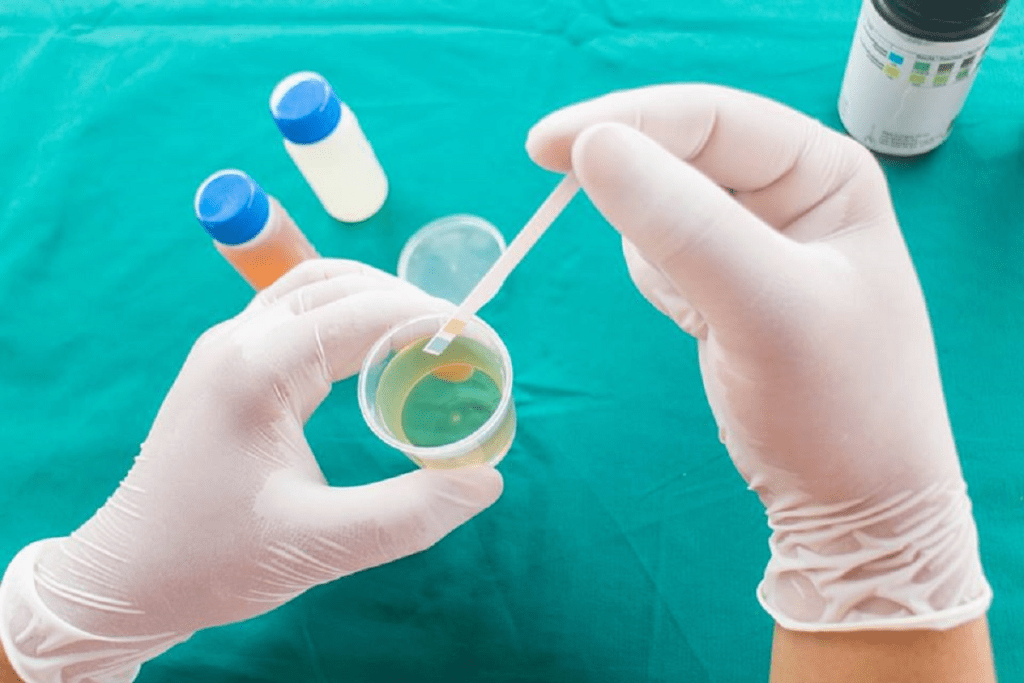
Looking at urine gives us important clues about our health. This test is gentle and shows how well our kidneys and urinary system are doing.
Key Takeaways
- A urinalysis examines physical, chemical, and microscopic elements in urine.
- It helps detect health issues like kidney problems or diabetes early.
- The test reveals markers like protein, glucose, and infection.
- A urinalysis is a noninvasive diagnostic tool.
- It provides valuable insights into overall health and kidney function.
The Purpose and Importance of Urinalysis
Understanding urinalysis is key for healthcare providers and patients. This test analyzes urine and gives important health insights. It’s a vital tool in clinical practice.
Definition and Clinical Significance
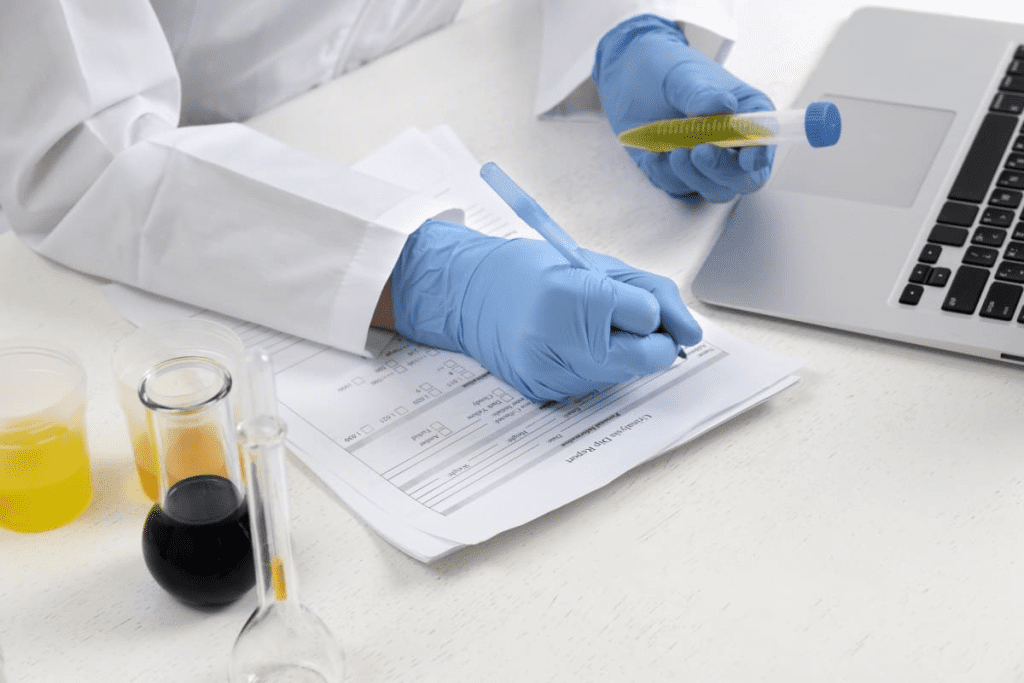
Urinalysis checks urine’s physical, chemical, and microscopic properties. It helps diagnose and monitor health issues like kidney disease and urinary tract infections. It’s a powerful tool for early detection and treatment.
“Urinalysis is a vital diagnostic tool that helps healthcare providers make informed decisions about patient care,” as emphasized by medical professionals. Its non-invasive nature and the wealth of information it provides make it an indispensable test in medical practice.
When Doctors Order Urinalysis Tests
Doctors order urinalysis tests in many situations. This includes routine exams, pregnancy, before surgery, or when symptoms of kidney disease or urinary tract infection are present. It’s also used to monitor patients with known kidney disease or those at risk of developing kidney problems. By analyzing urine test results, healthcare providers can identify and treat health issues early.
The importance of urinalysis cannot be overstated. It plays a critical role in detecting health abnormalities and guiding treatment decisions. As we continue to explore the components and significance of urinalysis, it becomes clear that this test is a cornerstone of diagnostic medicine.
The Three Main Components of Urinalysis
Urinalysis is a detailed test that looks at urine in three main ways. These methods help doctors understand a patient’s health well.
Physical Examination Elements
The first part of urine testing checks its color, clarity, and odor. The color can be light yellow to dark amber, showing how concentrated it is. Clarity tells if the urine is clear or cloudy. Odor can also hint at health issues, with some diseases causing a unique smell.
Chemical Analysis Parameters
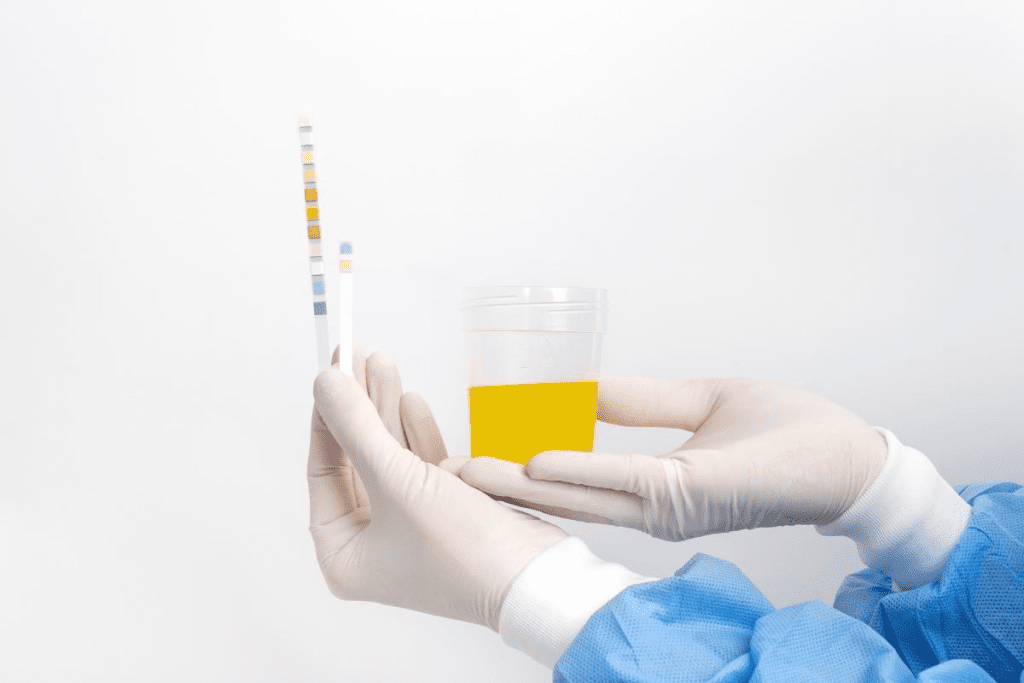
The second part tests for different substances in the urine. It looks at the pH level, protein, glucose, and ketones. The pH level shows if the urine is acidic or alkaline. High levels of protein, glucose, or ketones can point to health problems.
For example, finding glucose in urine can mean diabetes. Ketones in urine might show diabetic ketoacidosis or other metabolic issues.
Microscopic Examination Findings
The third part is looking at the urine under a microscope. It checks for cells, crystals, and other tiny things. This can show red blood cells, white blood cells, bacteria, and more. These signs can mean infection or disease.
For instance, too many white blood cells might mean a urinary tract infection. Finding certain crystals could suggest kidney stones.
Physical Properties Assessed in a Urinalysis
When we get a urinalysis, or a UA test, our urine’s physical properties are checked. These include color, clarity, odor, and specific gravity. They help doctors understand our health and spot any problems.
Color and Clarity Evaluation
The color and clarity of urine tell us a lot. Normally, it’s clear and pale yellow. But, if it’s dark yellow or amber, it might mean we’re dehydrated. Cloudy urine could mean we have an infection.
Odor Assessment
Urine usually smells mild and familiar. Strong or unusual odors can mean something’s off. For example, sweet-smelling urine might point to diabetes. A bad smell could mean a urinary tract infection.
Specific Gravity Measurement
Specific gravity shows how concentrated our urine is. It tells us how well our kidneys are working. A normal range is 1.015 to 1.030. If it’s off, it could mean dehydration or kidney disease.
Knowing about these physical properties helps doctors understand urine test results. By looking at color, clarity, odor, and specific gravity, they can see how we’re doing. This helps them find and fix health problems early.
Chemical Parameters Measured During Urinalysis
Chemical tests on urine are key in diagnosing diseases like diabetes and liver issues. These tests check for different chemicals that show health problems.
pH Level Analysis
The pH of urine shows if our body’s acid-base balance is right. Normal urine pH is between 4.6 and 8.0, usually around 6.0. If the pH is off, it might mean kidney disease or a urinary tract infection.
For example, very alkaline urine could mean a urinary tract infection. Acidic urine might show diabetic ketoacidosis.
Protein Detection Methods
Urine usually has little protein. But, a lot of protein, or proteinuria, can mean kidney damage. There are many ways to find protein in urine, like dipstick tests and lab tests.
Glucose and Ketone Testing
Glucose in urine is a sign of diabetes mellitus. Ketones in urine mean the body is using fat for energy, not glucose. This can happen in uncontrolled diabetes or when fasting. Tests for glucose and ketones are part of urinalysis.
Bilirubin and Urobilinogen Assessment
Bilirubin in urine can point to liver disease or bile duct blockage. Urobilinogen is made from bilirubin breakdown and is usually in small amounts in urine. High levels can mean hemolytic disorders or liver problems. Testing these substances helps diagnose liver and blood disorders.
Microscopic Elements Identified in Urinalysis
Looking at a urine sample under a microscope shows us many things. It helps us see cells, bacteria, and more that we can’t see with our eyes. This is a key part of urinalysis.
Red Blood Cells: Normal vs. Abnormal Levels
Red blood cells (RBCs) in urine can mean different things. Usually, urine has few or no RBCs. But if there are some, it could be a sign of kidney stones, infections, or even cancer.
We can tell if RBCs are just a few or if they make the urine look red or brown. This helps us understand what’s going on.
White Blood Cells and Infection Indicators
White blood cells (WBCs) in urine often mean there’s an infection or inflammation. Finding WBCs is a big clue that needs more checking. We also look for bacteria or yeast, which can show up in tests or cultures.
Epithelial Cells and Their Significance
Epithelial cells line the urinary tract and can be found in urine. A few are okay, but lots might mean an infection or damage. Different types of these cells can tell us where the problem is.
Casts, Crystals, and Other Structures
Casts are shapes that form in the kidneys and can indicate kidney problems. Crystals can form from diet, water, or meds. Some are okay, but others might mean kidney stones or other issues.
We can also find bacteria, yeast, or parasites. Each one has its own health message. By looking at these tiny details, doctors can understand a patient’s health better. This helps them decide what tests or treatments are needed.
The urinalysis test is a powerful tool. It helps us see what’s going on inside the body. It’s key to finding and treating many health problems.
Detecting Kidney Disease Through Urinalysis
Healthcare providers use urinalysis to spot early signs of kidney disease. This helps them act quickly to manage the condition. Urinalysis is key for checking how well the kidneys work and finding signs of disease.
Proteinuria: When Levels Exceed 150 mg/day
Proteinuria means too much protein in the urine, a sign of kidney disease. Normally, the kidneys filter waste and keep proteins. But, when the kidneys get damaged, proteins can leak into the urine. Levels over 150 mg/day are a red flag for more tests.
Proteinuria is an early warning of kidney damage. It’s often linked to diabetes and high blood pressure. Catching it early lets doctors start treatments to slow the disease.
Hematuria: Microscopic vs. Visible Blood
Hematuria means blood in the urine, seen or unseen. Both kinds can point to kidney disease or other urinary problems.
Microscopic hematuria shows up in tests, while visible blood makes urine look pink, red, or cola-like. Any blood in urine needs to be checked to find the cause.
Other Kidney Function Markers
Urinalysis also finds other signs of kidney health. It looks for casts and abnormal levels of substances that the kidneys control.
Urinalysis gives a full picture of kidney health. It helps doctors diagnose kidney disease early and track its progress. By looking at urine, we learn a lot about kidney function and overall health.
Urinary Tract Infection Indicators in Urinalysis
Urinalysis is key in finding urinary tract infections (UTIs). It looks for signs in the urine. This tool helps us see if an infection is present.
Nitrites and Leukocyte Esterase Presence
Nitrites and leukocyte esterase in urine mean UTIs. Nitrites come from bacteria like Escherichia coli. Leukocyte esterase shows the body is fighting off an infection.
Many UTI-causing bacteria, like E. coli, make nitrate reductase. This turns nitrates to nitrites. Finding nitrites in urine means bacteria are there. Leukocyte esterase shows the body is fighting off the infection.
Bacterial Identification
Urinalysis also checks for bacteria in urine. Finding bacteria means UTIs are present. Culture tests help find the right antibiotic.
Knowing the bacteria type is key to treating UTIs. It helps doctors pick the best antibiotic.
Understanding the 30% Prevalence Rate
UTIs are common, affecting many people. Studies show they’re a big part of infections in clinics. Knowing this helps us see why urinalysis is important.
The 30% rate shows that almost a third of people will get UTIs. This makes early detection with urinalysis very important. It helps avoid serious problems and improves health outcomes.
Metabolic Conditions Revealed by Urinalysis
Urinalysis is a simple test that can reveal metabolic conditions. It analyzes the urine’s components. This helps doctors understand various metabolic disorders and provide the right care.
Diabetes Markers: Glucosuria in 1-2% of Tests
Urinalysis can detect diabetes. Glucosuria, or glucose in the urine, is a key sign. About 1-2% of tests show glucosuria, showing how common undiagnosed diabetes is.
Glucosuria often comes with symptoms like frequent urination and thirst. Catching it early through urinalysis can greatly improve treatment outcomes.
Liver Disease Indicators
Urinalysis can also show signs of liver disease. For example, bilirubin in the urine can mean liver problems or bile duct blockage. Abnormal urobilinogen levels can also suggest liver or hemolytic disorders. These signs are important for diagnosing and tracking liver health.
Rare Genetic Disorder Signs
Urinalysis can also spot rare genetic disorders. Aminoacidurias, or amino acids in the urine, can point to genetic issues with amino acid metabolism. Finding these conditions early helps in managing them better.
By looking at urine, doctors can understand a patient’s metabolic health. They can spot issues before they get worse.
Interpreting Urinalysis Results: Normal vs. Abnormal
Understanding urinalysis results is vital for spotting health issues. This test gives insights into a person’s health. We’ll explain how to read the results, what abnormal findings mean, and when to worry.
Reference Ranges for Key Parameters
Knowing the normal ranges for urinalysis is key. These ranges show what’s normal for a healthy person. Important parameters include:
- pH Level: Normally between 4.6 and 8.0
- Protein: Usually absent or very small amounts (up to 150 mg/day)
- Glucose: Normally not present
- Ketones: Normally not present
- Blood: Normally not present
These help check on kidney health and metabolic issues.
Common Abnormal Findings and Their Significance
Abnormal results can point to health problems. Some common issues include:
- Proteinuria: High protein levels may mean kidney damage or disease.
- Hematuria: Blood in the urine could be from infections, stones, or other issues.
- Glycosuria: Glucose in urine is a diabetes sign.
- Ketonuria: Ketones in urine suggest diabetic ketoacidosis or starvation.
These need more testing to understand their cause and impact.
When to Be Concerned About Results
Be worried about the results with ongoing or big changes. For example:
- Recurring protein, blood, or glucose in urine.
- Big changes in urine pH or specific gravity.
- Presence of abnormal cells, casts, or crystals.
If you’re unsure about your results, talk to your doctor for advice and next steps.
Modern Urinalysis Technology and Methods
The world of urinalysis has changed a lot with new technology. We see big changes in how we diagnose diseases. This is thanks to better automated analysis and point-of-care testing.
Automated vs. Manual Analysis
Old methods of urinalysis are being replaced by new automated analyzers. These machines have many benefits:
- They work faster and more efficiently
- They are more accurate because they reduce human mistakes
- They can handle a lot of tests at once
- They make sure the results are the same everywhere
These analyzers use cool tech like reflectance photometry and flow cytometry. They make testing urine samples much easier. Labs can now test more samples quickly and accurately.
Point-of-Care Testing Options
Point-of-care (POC) urinalysis testing is becoming very important. POC devices are portable, easy to use, and fast. They are great for:
- Emergency rooms where quick decisions are needed
- Primary care for quick diagnosis and treatment
- Remote or limited areas where lab access is hard
POC urinalysis usually uses dipstick tests or small analyzers. These check things like pH, protein, and glucose levels. It’s important to make sure these devices are working correctly to get accurate results.
Quality Control in Urinalysis Testing
Quality control is key, no matter the method. Labs and healthcare must follow strict quality control steps. This includes:
- Regular checks and upkeep of equipment
- Using control materials to check test accuracy
- Training staff to do tests right
- Joining external testing programs
By keeping quality high, we make sure urinalysis results are trustworthy. This helps doctors make better decisions.
Preparing for a Urinalysis: Patient Guidelines
Knowing how to prepare for a urinalysis is key to getting reliable results. A urinalysis test checks your urine for health issues. It’s important to prepare well for accurate results.
Collection Methods and Best Practices
You’ll get a sterile container for your urine sample. Always follow the directions from your healthcare provider or lab staff. You’ll likely be asked to clean your genital area first to avoid contamination.
For a midstream sample, start urinating, then stop and collect in the container after a few seconds. This method helps avoid contamination from your genital area.
Best Practices:
- Use the sterile container provided.
- Clean your genital area before collection.
- Follow the specific instructions given by your healthcare provider.
Timing Considerations
The timing of your urinalysis matters. Sometimes, the first urine of the day is preferred because it’s more concentrated. But your healthcare provider might have specific timing instructions.
Also, some medications or foods might need to be avoided before the test. It’s important to follow any guidelines given.
Factors That May Affect Results
Several things can affect urinalysis results, like certain foods, medications, and how hydrated you are. For example, eating beets can change your urine color. Some medications, like antibiotics, can also impact the results.
It’s also worth noting that:
“Certain foods and medications can alter urinalysis results, making it vital for patients to share their dietary habits and medication use with their healthcare providers.”
By understanding these factors and following the guidelines, you can help make sure your urinalysis results are accurate.
Conclusion: The Diagnostic Value of Urinalysis
Urinalysis is a key tool for diagnosing health issues. It helps spot problems like kidney disease and metabolic disorders. We’ve looked at how it works, including physical, chemical, and microscopic tests.
This test is great because it gives a lot of health information. It helps doctors find and treat problems early. It’s a simple, safe way to check on a person’s health.
In short, urinalysis is very important for health checks and finding diseases. Its value in diagnosing and treating health issues is clear. By understanding urinalysis results, doctors can catch problems early. This helps patients get better care and live better lives.
FAQ
What is a urinalysis, and why is it important?
A urinalysis is a test that checks urine for health issues. It helps find problems early. It’s key for checking overall health and spotting kidney disease, urinary tract infections, and more.
What are the three main components of a urinalysis?
The three main parts are physical checks (color, clarity, etc.), chemical tests (pH, protein, etc.), and microscopic findings (cells, crystals, etc.).
What does the color and clarity of urine indicate?
Urine color and clarity can show health problems. Dark or cloudy urine might mean infection or dehydration. Clear urine suggests good hydration.
What is the significance of pH levels in urinalysis?
pH levels show urine’s acidity or alkalinity. Odd pH levels could mean kidney disease or urinary tract infections.
How is proteinuria detected through urinalysis?
Proteinuria is found by measuring urine protein. More than 150 mg/day might show kidney disease or damage.
What does the presence of nitrites and leukocyte esterase indicate?
Nitrites and leukocyte esterase in urine hint at urinary tract infections. They’re used with other tests to confirm UTIs.
How do I prepare for a urinalysis test?
To get ready for a urinalysis, clean your genital area before collecting urine. Avoid contaminating the sample. Follow dietary and timing guidelines your healthcare provider gives.
What factors can influence urinalysis results?
Many things can change urinalysis results, like diet, meds, and health conditions. Tell your doctor about anything that might affect your test.
What is the difference between automated and manual urinalysis analysis?
Automated analysis uses machines, while manual analysis involves a microscope. Machines are quicker and more precise, but manual is sometimes used.
How is urinalysis used to detect kidney disease?
Urinalysis checks for kidney disease by looking at proteinuria, hematuria, and other signs. Odd results can mean kidney damage or disease.
What is the significance of specific gravity in urinalysis?
Specific gravity shows urine concentration. Odd levels might point to dehydration or kidney disease.
How do I know if my urinalysis results are normal or abnormal?
Your doctor will compare your results to normal ranges. Abnormal results might mean health issues. You might need more tests or treatment.
References
- Milani, D. A. Q. (2023). Urinalysis. StatPearls. https://www.ncbi.nlm.nih.gov/books/NBK557685/
- Medscape. (n.d.). Urinalysis: Reference Range, Interpretation, Collection, and Testing. https://emedicine.medscape.com/article/2074001-overview