Last Updated on November 27, 2025 by Bilal Hasdemir
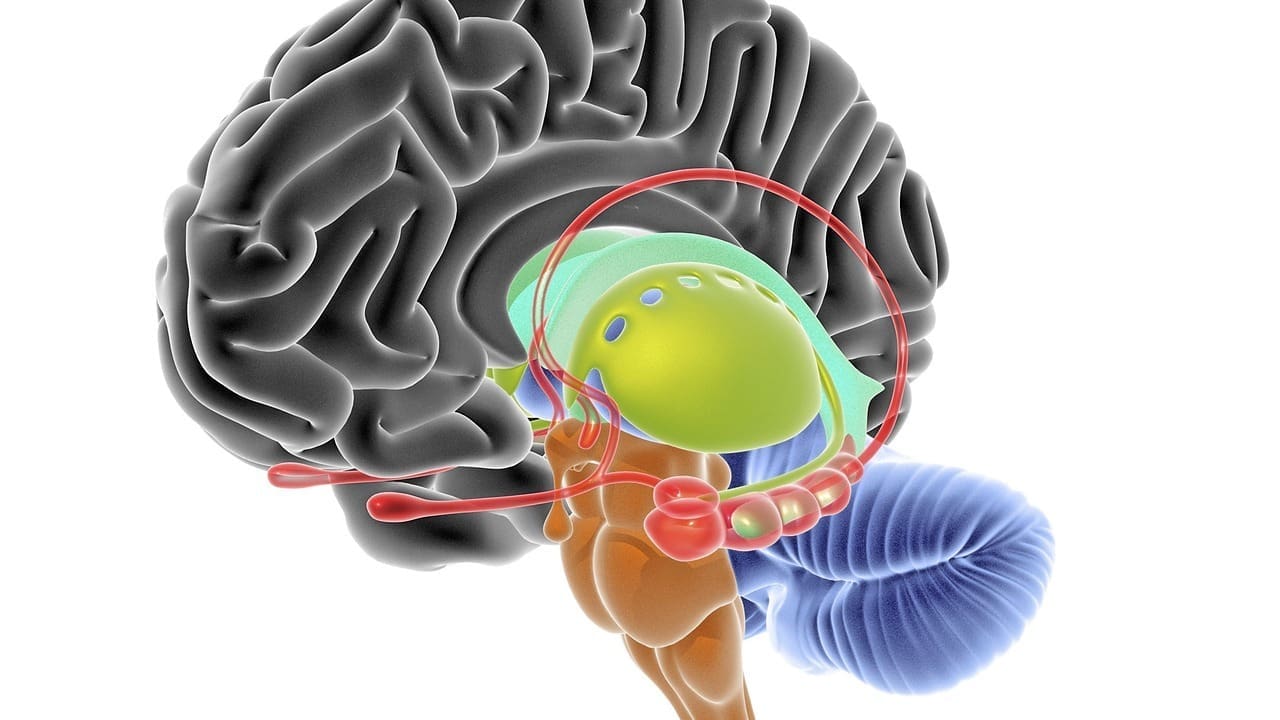
Getting a malignant brain stem glioma diagnosis is tough. This rare and aggressive cancer is hard to treat because it’s in the brain stem. Spotting symptoms early and getting help from experts can make a big difference.
Symptoms include double vision, weak limbs, and headaches. Doctors use MRI to diagnose it. Treatments like radiation and chemotherapy are options. At Liv Hospital, we offer top-notch care for brain stem cancer patients.
Key Takeaways
- Early recognition of symptoms is key to managing the disease.
- MRI is a vital tool for diagnosing glioblastoma of brain stem.
- Treatment options include radiation therapy and chemotherapy.
- Getting care from a team of experts can greatly improve outcomes.
- Specialized centers like Liv Hospital offer complete care.
What Is Malignant Brain Stem Glioma
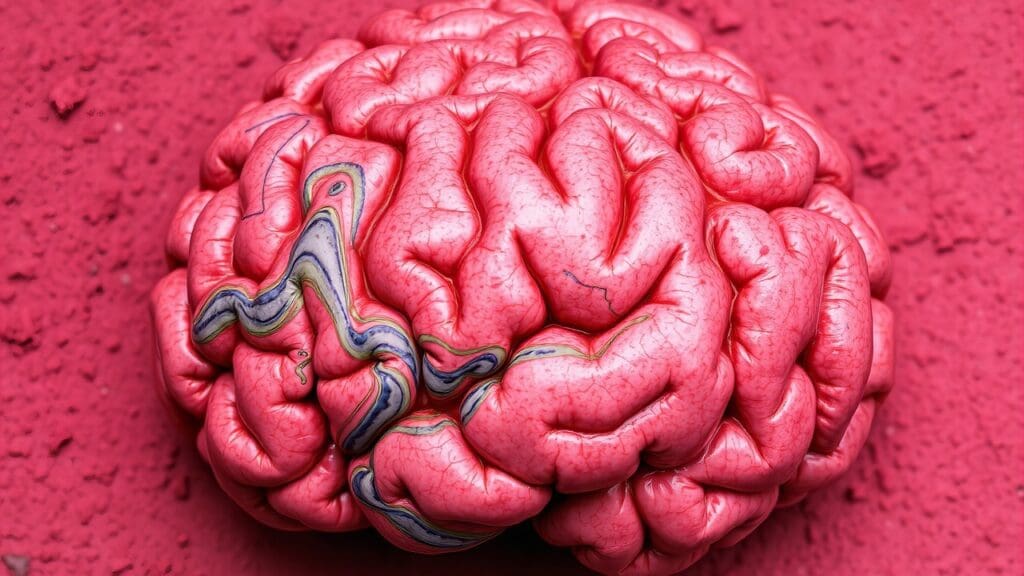
Malignant brain stem glioma is a rare and aggressive brain cancer. It starts in the brain stem. This area is key, linking the cerebrum to the spinal cord. It’s called malignant, showing it’s very aggressive.
Definition and Classification
Malignant brain stem gliomas are classified based on their grade. The grade shows how much the tumor cells look like normal cells. The World Health Organization (WHO) uses a grading system. Higher grades mean the tumors are more aggressive.
These gliomas are usually high-grade gliomas. They grow fast and are malignant.
Prevalence and Risk Factors
The prevalence of malignant brain stem gliomas is low compared to other brain tumors. They can happen in both kids and adults. Some types are more common in certain age groups.
Risk factors for these gliomas are not fully understood. But, radiation and some genetic conditions might raise the risk.
Knowing about malignant brain stem glioma is key for patients and doctors. This knowledge helps in making the right choices for diagnosis and treatment.
The Critical Location: Why Brain Stem Tumors Are Challenging
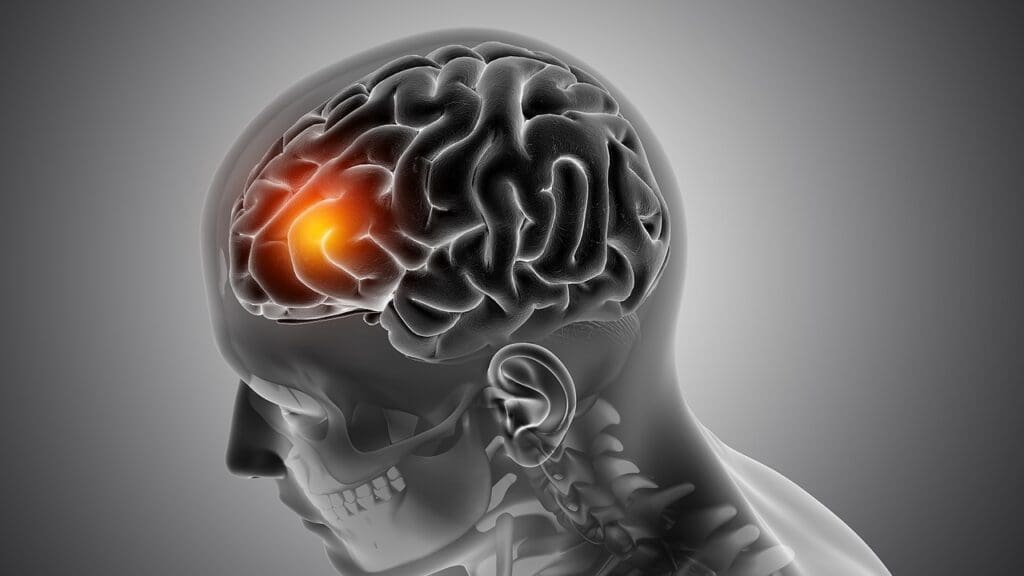
Tumors in the brain stem are tough to deal with. This is because they affect vital functions. The brain stem links the cerebrum to the spinal cord. It controls breathing, swallowing, and heart rate.
Anatomy of the Brain Stem
The brain stem has three main parts: the midbrain, pons, and medulla oblongata. It’s key for automatic functions like breathing and heart rate. Even small tumors can cause big problems because of its delicate anatomy.
Impact on Vital Functions
Brain stem tumors can mess with vital functions. For example, they can impact breathing, swallowing, or heart rate. We need to think about these effects when choosing treatments.
| Vital Function | Potential Impact of Brain Stem Tumor |
|---|---|
| Breathing | Respiratory distress or failure |
| Swallowing | Dysphagia or aspiration |
| Heart Rate | Arrhythmias or cardiac arrest |
Types of Malignant Brain Stem Gliomas
Malignant brain stem gliomas are divided into types based on their location and how aggressive they are. Knowing these types helps doctors choose the best treatment and predict how well a patient will do.
Diffuse Intrinsic Pontine Glioma (DIPG)
DIPG is a very aggressive and malignant brain stem glioma that mainly affects kids. It starts in the pons and grows fast, spreading into the brain. Sadly, most kids with DIPG don’t live more than a year after being diagnosed.
Characteristics of DIPG: Highly aggressive, mainly affects kids, poor prognosis.
Focal Brain Stem Gliomas
Focal brain stem gliomas are less common and grow in a more contained way. They can happen in different parts of the brain stem. Depending on where they are and how they look, they might have a slightly better chance of survival than DIPG. Treatment for focal brain stem gliomas often includes surgery, radiation, and chemotherapy.
“The management of focal brain stem gliomas requires a multidisciplinary approach, taking into account the tumor’s location, size, and histological characteristics.” – Expert in Neuro-Oncology
Glioblastoma of Brain Stem
Glioblastoma of the brain stem is a rare and very aggressive tumor that can happen in both kids and adults. It grows fast and spreads into the brain. The outlook for glioblastoma of the brain stem is usually not good, similar to DIPG, with few treatment options.
| Type of Glioma | Characteristics | Prognosis |
|---|---|---|
| DIPG | Highly aggressive, diffuse growth | Poor |
| Focal Brain Stem Gliomas | Localized growth, variable aggressiveness | Variable |
| Glioblastoma of Brain Stem | Highly aggressive, infiltrative growth | Poor |
7 Key Symptoms of Malignant Brain Stem Glioma
It’s important to know the symptoms of malignant brain stem glioma early. This helps in getting the right treatment fast. We’ll talk about the 7 main symptoms, helping you understand and spot them.
1. Double Vision (Diplopia)
Double vision, or diplopia, is a common symptom. It happens when the tumor affects the nerves that control eye movements. This makes it hard for the eyes to work together, causing two images instead of one.
2. Weakness of Limbs
Weakness in limbs is another big symptom. The tumor affects the brain stem’s motor pathways. This weakness can be mild or severe and can affect one or more limbs, making it hard to move and do daily tasks.
3. Facial Drooping
Facial drooping, or facial palsy, happens when the tumor hits the facial nerve. It can cause the face to look uneven, make it hard to close the eye, and droop the mouth corner. This can change how you look and might cause dry eye.
4. Swallowing Difficulties (Dysphagia)
Dysphagia, or trouble swallowing, comes from the tumor affecting the nerves for swallowing. It makes eating and drinking hard, leading to malnutrition and dehydration if not handled right.
5. Unsteadiness and Balance Problems
Unsteadiness and balance issues come from the tumor’s effect on balance and equilibrium. Patients might feel dizzy or off-balance, raising the risk of falling.
| Symptom | Description | Impact |
|---|---|---|
| Double Vision | Impaired eye movement coordination | Difficulty with daily activities |
| Weakness of Limbs | Affects motor pathways | Reduced mobility |
| Facial Drooping | Affects facial nerve | Facial asymmetry, possible complications |
6. Headaches
Headaches are common in patients with malignant brain stem glioma. They can be caused by increased pressure in the brain or the tumor’s effect on pain-sensitive areas.
7. Hydrocephalus
Hydrocephalus is when cerebrospinal fluid builds up in the brain. It happens when the tumor blocks the CSF flow. This can cause headaches, nausea, and vomiting due to increased pressure.
Spotting these 7 symptoms early is key for diagnosing and treating malignant brain stem glioma. Early action can greatly improve a patient’s life and treatment results.
Additional Symptoms and Warning Signs
Beyond the main symptoms, brain stem glioma can show other warning signs. These signs are key for catching the problem early. As the tumor grows, it can harm the brain around it, causing more symptoms.
Cognitive Changes
The tumor can mess with brain functions, leading to memory loss, difficulty concentrating, and confusion. These changes might start small but get worse as the tumor grows.
- Memory problems
- Confusion
- Difficulty with problem-solving
Behavioral Changes
Behavioral changes are also common. The tumor can mess with mood and behavior areas of the brain. Patients might see mood swings, irritability, or apathy. These changes can upset both patients and their families.
It’s important to spot these extra symptoms and warning signs early. If you or someone you love is showing these signs, see a doctor right away.
Pediatric vs. Adult Brain Stem Gliomas
Brain stem gliomas show different traits in kids and adults. This affects how doctors diagnose and treat them. We’ll look at how age changes how these conditions are seen and handled.
Differences in Presentation
Kids with brain stem gliomas might not show clear symptoms early on. This makes finding the problem hard. Adults, on the other hand, might have more specific signs because of where the tumor is.
The table below shows the main differences in how these gliomas appear in kids versus adults.
| Characteristic | Pediatric | Adult |
|---|---|---|
| Common Symptoms | Headaches, nausea, double vision | Localized neurological deficits, cognitive changes |
| Typical Tumor Type | Diffuse Intrinsic Pontine Glioma (DIPG) | Glioblastoma |
| Diagnostic Challenges | Non-specific symptoms, difficult to biopsy | More defined tumor margins, possible biopsy |
Age-Specific Considerations
Age is key when treating brain stem gliomas. For kids, the goal is to avoid lasting brain damage and improve their life quality. Adults might get a mix of treatments like radiation and chemo, taking into account their health and other conditions.
It’s vital to understand these age-related aspects. This helps create treatment plans that meet the unique needs of each group.
Diagnosis of Malignant Brain Stem Glioma
Diagnosing malignant brain stem glioma is a detailed process. It includes a neurological exam and advanced imaging. We will explain the steps involved.
Neurological Examination
A thorough neurological exam is the first step. It checks functions like cranial nerve function and motor strength. Early detection is key for treatment planning.
Imaging Techniques
Imaging is vital for diagnosing brain stem gliomas. It helps find the tumor’s size and location.
MRI Scanning
Magnetic Resonance Imaging (MRI) is the top choice for diagnosing these tumors. MRI shows detailed images of the brain stem. This helps in planning treatment.
While MRI is key, other scans like Computed Tomography (CT) and Positron Emission Tomography (PET) might also be used. They offer extra details.
Biopsy Considerations
Biopsy is important for many cancers, but it’s tricky for brain stem gliomas. The choice to do a biopsy depends on the tumor’s location and the patient’s health. We’ll look at the pros and cons of biopsy for these tumors.
“The diagnosis of brain stem gliomas requires a careful and multi-faceted approach, incorporating both clinical evaluation and advanced imaging techniques.”
Treatment Options for Brain Stem Glioma
Treating brain stem glioma is complex and needs a multi-faceted approach. We will look at the different treatments, like radiation therapy, chemotherapy, and surgery. We’ll talk about what each does well and what they can’t do.
Radiation Therapy
Radiation therapy is a key treatment for brain stem glioma, mainly for DIPG. It uses high-energy beams to kill cancer cells.
We use advanced methods like IMRT to aim at the tumor and protect healthy tissue.
Chemotherapy Protocols
Chemotherapy is often paired with radiation therapy for brain stem glioma. The choice of chemotherapy depends on the patient’s age, tumor type, and health. We use different regimens, like temozolomide, to fight the disease.
Chemotherapy protocols aim to be effective with fewer side effects. Our team watches patients closely to adjust treatments as needed.
Surgical Interventions and Limitations
Surgery is not usually the first choice for brain stem glioma because of its location. But, sometimes surgery is considered to ease symptoms or reduce tumor size.
Surgery for brain stem glioma is hard and risky. Our neurosurgeons team up with other experts to find the best treatment for each patient.
We’re always learning more about brain stem glioma. We’re looking into new treatments to help patients more.
Emerging Treatments and Clinical Trials
New treatments for brain stem glioma are being developed, giving hope to those affected. Research into targeted therapies and immunotherapy approaches is showing promise. These new methods could change how we treat this condition.
Targeted Therapies
Targeted therapies aim to hit cancer cells hard while sparing healthy ones. They target specific genes or proteins that help cancer grow. For brain stem glioma, these therapies might slow tumor growth and help patients live longer.
Immunotherapy Approaches
Immunotherapy uses the body’s immune system to fight cancer. For brain stem glioma, it’s being tested to get the immune system to attack cancer cells. Early trials suggest vaccines and checkpoint inhibitors could be effective.
Participation in Clinical Trials
Joining clinical trials is key for finding new treatments for brain stem glioma. Trials offer access to new therapies and help advance medical science. Patients and families should talk to their doctors about joining trials to explore all treatment options.
By looking into new treatments and joining trials, we can improve care for brain stem glioma patients. The future of treatment depends on ongoing research and teamwork between patients, families, and healthcare teams.
Coping and Support Resources
Getting a diagnosis of malignant brain stem glioma can feel overwhelming. But, there are many resources to help patients and their families. Having a strong support network is key to facing the challenges of this condition.
For Patients
Patients with brain stem glioma can find many ways to manage their condition. Support groups, both in-person and online, offer a place to share and get emotional support. Counseling services also help with the mental side of dealing with a diagnosis. Emotional well-being is as important as medical treatment for patients’ overall health.
For Families and Caregivers
Families and caregivers need support too to care for their loved ones well. Resources like caregiver support groups, respite care, and home care services can help a lot. It’s vital for caregivers to have these resources to take care of themselves while caring for others.
| Support Resource | Description | Benefit |
|---|---|---|
| Support Groups | Platform for sharing experiences | Emotional Support |
| Counseling Services | Professional psychological support | Coping with diagnosis |
| Respite Care | Temporary relief for caregivers | Caregiver well-being |
Conclusion
Malignant brain stem glioma is a complex and challenging condition. It affects vital brain functions. We have explored its definition, classification, symptoms, diagnosis, and treatment options.
A summary of brain stem glioma shows it’s a tumor in the brain stem. This area controls many automatic functions like breathing and heart rate. Symptoms include double vision, weakness, facial drooping, and swallowing difficulties.
Understanding malignant brain stem glioma is key for patients, families, and healthcare providers. Recognizing symptoms, diagnosis, and treatment options helps us provide care and support. Together, we can help those affected by this condition.
FAQ
What is malignant brain stem glioma?
Malignant brain stem glioma is a serious brain cancer. It happens in the brain stem, which connects the brain to the spinal cord. Treating it is hard because of its location.
What are the symptoms of brain stem glioma?
Symptoms can vary but often include double vision and weakness in limbs. Facial drooping, swallowing troubles, and balance issues are common too. Headaches and hydrocephalus can also happen. Cognitive and behavioral changes may occur.
How is brain stem glioma diagnosed?
Doctors use a neurological exam, MRI, and sometimes biopsy to diagnose. The goal is to find out about the tumor accurately.
What are the treatment options for brain stem glioma?
Treatments include radiation, chemotherapy, and sometimes surgery. The choice depends on the tumor’s type, location, and the patient’s health.
What is the difference between pediatric and adult brain stem gliomas?
Pediatric and adult cases differ in how they present and are treated. Age affects management and outcomes, so age is key in planning treatment.
Are there any emerging treatments for brain stem glioma?
Yes, new treatments include targeted therapies and immunotherapy. Clinical trials also offer hope for better outcomes.
What support resources are available for patients and families?
Resources include counseling, support groups, and other help. They assist in dealing with the challenges of brain stem glioma.
What is the prognosis for glioblastoma of the brain stem?
Glioblastoma of the brain stem has a poor prognosis due to its aggressive nature. Yet, outcomes can vary based on treatment success.
Can brain stem glioma be treated with surgery?
Surgery for brain stem glioma is rare due to the tumor’s location and the risk of brain damage. But, it might be considered in some cases.
How does radiation therapy work for brain stem glioma?
Radiation therapy kills cancer cells with high-energy rays. It’s used to control tumor growth and ease symptoms in brain stem glioma.
What are the risks associated with brain stem glioma treatment?
Risks include side effects from radiation and chemotherapy, and surgery complications. The risks depend on the treatment and the patient’s condition.
References
-
- Medical News Today (Brain Stem Glioma) : https://www.medicalnewstoday.com/articles/brain-stem-glioma
- GBM Research (Symptoms of Brain Cancer/Tumor) : https://www.gbmresearch.org/blog/symptoms-of-brain-cancer-tumor