Last Updated on November 25, 2025 by
Cancer is a big health problem worldwide. Over 2 million new cases are expected in the United States in 2025. At Liv Hospital, we are committed to providing world-class care to international patients. We tackle the most aggressive forms of cancer.
Some cancers, like pancreatic, brain, and lung cancer, are hard to treat. They are aggressive and have low survival rates. Knowing the malignant definition and the different kinds of cancer disease is key in fighting these diseases.
With many types of cancer out there, it’s important to know the most common ones and their survival rates. We aim to give complete care and support to those facing these tough cancers.
Key Takeaways
- Cancer is a leading cause of death worldwide, with over 2 million new cases expected in the US in 2025.
- Certain cancers, like pancreatic and lung cancer, have low survival rates due to their aggressive nature.
- Liv Hospital provides complete care to international patients with various types of cancer.
- Understanding the malignant definition is key in cancer treatment.
- There are many kinds of cancer disease, each needing its own treatment approach.
The Reality of Cancer Survival Rates
Knowing about cancer survival rates is key for patients and their families. It gives a glimpse into the chance of getting better. Survival rates are often talked about in terms of five years. This means the percentage of people alive five years after being diagnosed with cancer.
How Five-Year Survival Rates Are Measured
Five-year survival rates come from cancer registries. These registries track how patients with cancer do. The type of cancer, when it’s found, and treatment options all play a part.
Survival rate statistics come from big datasets. They help guess how likely it is for patients with certain cancers to survive. But, these stats are based on old data and might not show the newest treatments.
What Is Prognosis and How Doctors Determine It
A prognosis is what doctors think will happen with a disease. In cancer, it depends on the cancer type, stage, patient’s health, and how well treatment works. Doctors use their experience, medical studies, and models to guess a patient’s prognosis.
Prognosis isn’t a sure thing for one person. It’s a statistical guess based on the patient’s and cancer’s details. Getting a prognosis can be tough for patients and families. It’s important to talk about what it means and what options are available with doctors.
Understanding cancer prognosis and survival rates helps patients make better choices. It also pushes for new treatments and research. This is because it shows where we need to do better.
Understanding the Malignant Definition: What Makes Some Cancers More Deadly
It’s important to know what makes a cancer malignant. This term means the tumor can grow and spread to other parts of the body. This is why some cancers are more deadly than others.
Characteristics of Aggressive Tumors
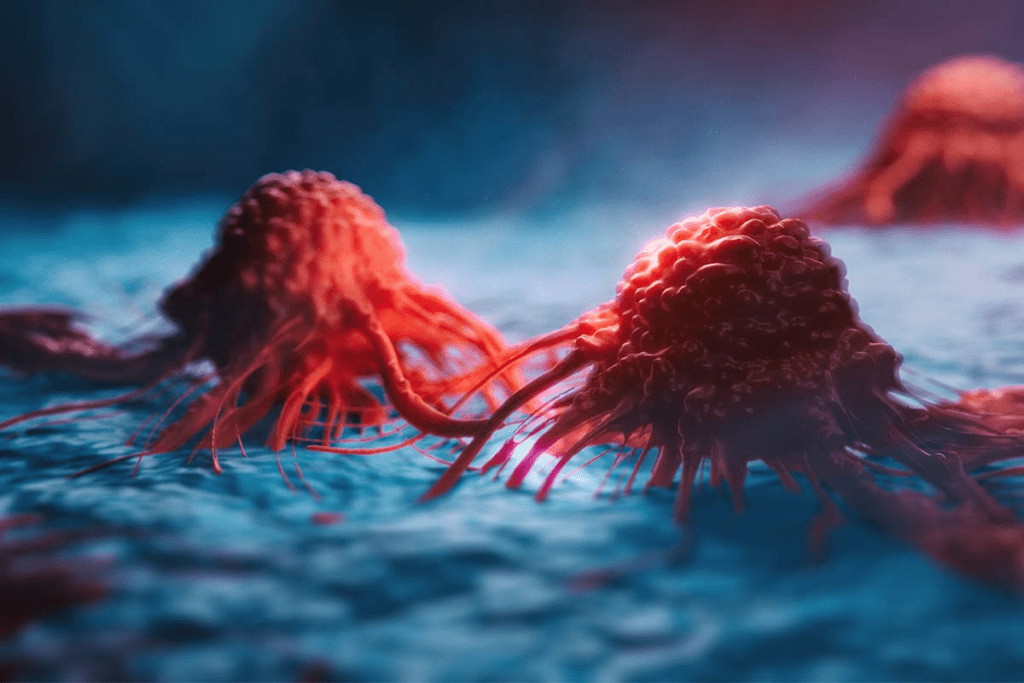
Aggressive tumors have certain traits that make them different. These include:
- Rapid growth rate: These tumors grow and spread fast.
- Invasion into surrounding tissues: They invade nearby tissues and organs.
- Ability to metastasize: They can spread to other parts of the body.
- Resistance to treatment: They often don’t respond well to treatments.
These traits make aggressive tumors very dangerous. They can cause serious health problems if not treated quickly.
How Many Types of Cancer Are There and Why Some Are Worse
There are over 100 types of cancer, each unique. They vary because they can start in different cells and tissues. Some cancers are more aggressive because of genetic changes, late diagnosis, or where the tumor is.
For example, pancreatic and lung cancers are often found late. This makes them harder to treat. Knowing the type of cancer and its traits is key to finding the right treatment.
Several factors make cancer aggressive. These include:
- Genetic factors: Some genetic changes can make cancer more aggressive.
- Tumor location: Tumors in vital organs can be more dangerous.
- Stage at diagnosis: Cancers found later are harder to treat.
Pancreatic Cancer: The Silent Killer
Pancreatic cancer is one of the deadliest cancers. It’s known for being diagnosed late and having a poor prognosis. This cancer is called a “silent killer” because it often goes unnoticed until it’s too late. This makes it hard to catch early and treat effectively.
Why the 13% Five-Year Survival Rate
The five-year survival rate for pancreatic cancer is about 13%. This low rate shows how serious this disease is. It’s hard to catch early because there are no clear symptoms in the beginning.
Also, by the time it’s diagnosed, the cancer has often spread. This limits the treatment options available.
The aggressive nature of pancreatic cancer also plays a role. It can quickly spread, making treatment even harder.
Is Pancreatic Cancer Curable? Current Outlook
Whether pancreatic cancer is curable depends on when it’s caught. If found early, surgery can remove the tumor and offer a chance for long-term survival. But, only a few patients are diagnosed this early.
For those diagnosed later, treatment options are limited. They often focus on making the patient more comfortable, not curing the cancer. While new treatments have helped some, the overall outlook is not good.
Detection Challenges and Rising Death Rates
Finding pancreatic cancer early is a big challenge. There’s no reliable screening test for it. This makes it hard to catch the disease before symptoms show up.
Death rates from pancreatic cancer are going up. Better diagnostic tools and an aging population mean more cases are expected. Unless we find better ways to detect and treat it, more people will die from this cancer.
Brain Cancer: Battling Tumors in Our Control Center
Brain cancer is a tough type of cancer to find and treat. The brain is very complex and sensitive. Tumors here can really hurt someone’s life and chances of living.
Types of Brain Malignancies and Their 12.9% Survival Rate
Brain cancers can start in the brain or spread from other places. The five-year survival rate for brain cancer patients is about 12.9%. But, this number changes based on the cancer type and how far it has spread.
Common brain tumors include glioblastoma, medulloblastoma, and meningioma. Each has its own traits and outlook. For example, glioblastoma is very aggressive and has a bad outlook.
Treatment Limitations and Challenges
It’s hard to treat brain cancer because of the brain’s delicate nature. Doctors use surgery, radiation, and chemotherapy. But, these methods have risks and limits. The blood-brain barrier, a protective layer, can block some treatments from reaching the tumor.
We’re always looking for new ways to fight brain cancer. New surgery methods, like awake craniotomy, and targeted therapies are giving patients new hope.
Quality of Life Considerations
For brain cancer patients, keeping a good quality of life is key. This means managing symptoms like seizures and memory problems. It also means supporting patients and their families.
Palliative care is very important for brain cancer patients. It helps ease symptoms and stress from serious illnesses. We work with patients to create care plans that meet their unique needs and goals.
Liver Cancer: A Growing Global Health Concern
Liver cancer is a deadly disease that affects many worldwide. It is more common in men and has a low survival rate of about 13.4% over five years. We will look at the risk factors, prevention, and early detection challenges.
Risk Factors and Prevention Strategies
Liver cancer is often caused by hepatitis B and C, heavy drinking, and aflatoxin exposure. Knowing these risks helps prevent it. For example, getting vaccinated against hepatitis B can greatly lower your risk. Drinking less alcohol and avoiding aflatoxin-contaminated foods also helps.
Prevention Strategies:
- Getting vaccinated against hepatitis B
- Reducing alcohol consumption
- Avoiding aflatoxin-contaminated foods
- Managing hepatitis C through treatment
Why Early Detection Remains Difficult
Finding liver cancer early is hard. Symptoms usually show up when it’s too late. Regular checks for those at high risk, like those with hepatitis B or C, are key. But, not everyone has access to these screenings, leading to late diagnosis.
Treatment Options and the 13.4% Survival Rate
Treatment for liver cancer depends on how far it has spread. It can include surgery, ablation, and systemic treatments like targeted therapy. Yet, the five-year survival rate is only about 13.4%, showing the need for better detection and treatments.
Advances in treatment offer hope for better survival rates. Research into new treatments like immunotherapy is underway. It aims to improve outcomes for liver cancer patients.
Lung Cancer: The Most Common Cancer Killer Worldwide
Lung cancer is the leading cause of cancer deaths worldwide. It poses a big threat to public health. We need to understand and fight this disease, which affects millions.
Small Cell vs. Non-Small Cell Lung Cancer
Lung cancer is mainly split into two types: small cell lung cancer (SCLC) and non-small cell lung cancer (NSCLC). NSCLC makes up about 85% of cases. It includes subtypes like adenocarcinoma and squamous cell carcinoma. SCLC is more aggressive and linked to smoking.
Knowing the difference between these types is key. It affects treatment choices and how well you might do.
Is Lung Cancer Curable? Stage-Specific Outcomes
How curable lung cancer is depends on when it’s found. Early-stage lung cancer, like stage I, has a better chance of being cured with surgery. But, most cases are found later, making treatment harder.
For stage III NSCLC, treatments include chemotherapy, radiation, and sometimes surgery. But, survival rates are low, showing the importance of catching it early.
Stage 4 Lung Cancer Prognosis and Treatment Options
Stage 4 lung cancer means the cancer has spread far, making treatment tough. The outlook is usually not good, with a low five-year survival rate.
For stage 4 lung cancer, treatments aim to improve life quality and maybe extend life a bit. These include targeted therapy, immunotherapy, chemotherapy, and palliative care. New treatments offer hope for patients.
In summary, lung cancer is a tough enemy, but knowing about its types and treatments is key. We keep working for better results through early detection and new treatments.
Esophageal Cancer: Often Diagnosed Too Late
Esophageal cancer is often found too late, making treatment and survival tough. This cancer starts in the esophagus, the tube that food goes through from the throat to the stomach.
Types and Regional Variations
There are two main types of esophageal cancer: squamous cell carcinoma and adenocarcinoma. Squamous cell carcinoma is common worldwide, but adenocarcinoma is more common in the U.S. and Europe. The rates of this cancer vary by region, with higher rates in some parts of Asia and Africa.
Symptoms and Diagnostic Approaches
Symptoms include trouble swallowing, chest pain, and weight loss. Doctors use endoscopy and biopsy to diagnose it. But, finding it early is hard because it often doesn’t show symptoms early on.
Common Symptoms:
- Difficulty swallowing
- Chest pain or discomfort
- Weight loss
- Regurgitation of food
Treatment Pathways and Survival Outcomes
Treatment depends on the tumor’s stage, location, and the patient’s health. Options include surgery, chemotherapy, and radiation. Sadly, the five-year survival rate is low because it’s often diagnosed late.
“The prognosis for esophageal cancer patients is generally poor, mainly due to the late stage at diagnosis. Early detection and treatment are critical to improving survival outcomes.”
Knowing about esophageal cancer’s types, symptoms, and treatments is key to better patient care. We’re working on new ways to diagnose and treat this tough disease.
Other Kinds of Cancer Disease with Poor Outcomes
Certain cancers, like acute myeloid leukemia and stage 3 colon cancer, are very challenging. They are aggressive and have low survival rates. These cancers are not as well-known but are very deadly. They need a deep understanding and effective treatments.
Acute Myeloid Leukemia Survival Rate and Factors
The acute myeloid leukemia survival rate changes a lot. It depends on age, health, and the leukemia’s genetic makeup. The five-year survival rate for AML is about 27.4%. But, it’s much lower for older people or those with certain genetic risks.
Knowing what affects AML survival is key for good treatment plans. Patients with certain genetic risks might live longer. Those with other risks might need more intense treatments.
Is Leukemia Genetic? Understanding Hereditary Factors
Leukemia is not usually passed down in families. But, some genetic syndromes can raise the risk. For example, Li-Fraumeni syndrome or Down syndrome increases the risk of leukemia.
“The genetic landscape of leukemia is complex, involving both inherited and acquired mutations. Understanding these genetic factors is critical for risk assessment and treatment planning.”
Leukemia Expert
Stage 3 Colon Cancer Survival Rate Compared to Other Cancers
The stage 3 colon cancer survival rate is very important. It shows how well patients do after being diagnosed. The five-year survival rate for stage 3 colon cancer is about 71.4%. This rate depends on many things, like surgery success, chemotherapy, and the patient’s health.
- Stage 3 colon cancer spreads to nearby lymph nodes but not to distant organs.
- Treatment usually includes surgery and then chemotherapy.
- How well a patient does depends on lymph node spread and other tumor details.
Comparing stage 3 colon cancer survival rates to other cancers shows the need for early detection and good treatments. While stage 3 colon cancer survival rates are higher than some cancers, like pancreatic cancer, there’s a big need for better treatments and early detection.
Why Early Detection Makes a Critical Difference
Early detection is key to beating cancer. It boosts survival rates for many cancers. Timely diagnosis can save lives. We’ll look at why early detection matters, including screening and warning signs.
Screening Recommendations for the Most Widespread Cancers
Screening is a strong tool against cancer. Women over 40 should get mammograms for breast cancer. People over 50 should have colonoscopies for colon cancer.
Those with a family history of cancer should talk to their doctor about screenings. This helps catch cancer early.
Key screening recommendations include:
- Mammograms for breast cancer
- Colonoscopy for colon cancer
- Low-dose CT scans for lung cancer in high-risk individuals
- Pap smears for cervical cancer
Recognizing Warning Signs of the Most Common Types of Cancer
Knowing cancer warning signs can lead to early treatment. Look out for unexplained weight loss, constant tiredness, and skin changes. If you notice anything odd, see a doctor.
Some common warning signs are:
- Unexplained weight loss
- Persistent pain or fatigue
- Changes in skin or moles
- Unusual bleeding or discharge
The Impact of Delayed Diagnosis on Treatment Options
A late diagnosis can limit treatment choices. Cancer found later is harder to treat. This lowers survival chances. It’s vital to get medical help quickly for any suspicious symptoms.
Knowing how delayed diagnosis affects treatment can encourage early health checks. Early action opens up more treatment options. This can greatly improve survival and recovery chances.
Breakthrough Treatments Offer New Hope
The fight against cancer is getting a boost from new treatments. These advances are helping patients live longer and better lives. Medical research has led to therapies that are making a big difference.
Immunotherapy Advances for Hard-to-Treat Cancers
Immunotherapy is a game-changer in cancer treatment. It uses the body’s immune system to attack cancer cells. Checkpoint inhibitors and CAR-T cell therapy are showing great promise in treating tough cancers.
A study in Canada on a new cancer therapy showed promising results. It’s part of the global effort to find new ways to fight cancer.
Targeted Therapies Based on Genetic Profiles
Targeted therapies are another big step forward. They use a tumor’s genetic makeup to find the right treatment. This means treatments can be more effective because they’re tailored to the cancer.
- Personalized medicine is getting better, leading to treatments that fit each patient’s needs.
- Genetic tests help doctors know who will benefit most from these therapies.
Surgical and Radiation Innovations
Surgery and radiation therapy are also getting better. New techniques aim to be more precise and cause fewer side effects. Minimally invasive surgeries and stereotactic body radiation therapy (SBRT) are leading the way.
These advances are not just about living longer. They’re also about living better. As research keeps moving forward, we’ll see even more effective and less invasive treatments.
Conclusion: The Future of Fighting Aggressive Cancers
The fight against cancer is getting better. New medical tech and research are leading to better treatments and survival rates. At Liv Hospital, we aim to give top-notch care to patients from around the world. We use the latest in cancer treatment to battle tough cancers.
We understand the malignant definition and how it affects patients. Our goal is to improve life quality for our patients. We’re committed to helping them through their cancer journey.
Beating aggressive cancers takes teamwork. We need more research, tech, and care for patients. We’re dedicated to this mission. We work hard to make treatment options better for patients everywhere.
FAQ
What are the toughest cancers to beat?
Pancreatic, brain, liver, lung, and esophageal cancers are the toughest. They have low survival rates and hard treatment options.
How are five-year survival rates measured?
Five-year survival rates track patients who live five years after diagnosis. It shows how well treatments work.
What is prognosis and how do doctors determine it?
Prognosis is the disease’s likely outcome. Doctors look at cancer type, stage, health, and treatment response to determine it.
Is pancreatic cancer curable?
Pancreatic cancer is hard to cure because it’s often diagnosed late. But early detection and new treatments offer hope for better survival rates.
What is the survival rate for brain cancer?
Brain cancer survival is about 12.9%. It varies by type and stage.
What are the risk factors for liver cancer?
Liver cancer risks include hepatitis B and C, cirrhosis, and toxin exposure. Prevention is key.
Is lung cancer curable?
Lung cancer can be cured early. But survival drops for stage 4. Early detection is critical.
What is the difference between small cell and non-small cell lung cancer?
Small cell lung cancer grows fast and is aggressive. Non-small cell is more common and has a better prognosis.
Is leukemia genetic?
Some leukemia types are genetic. But many cases aren’t inherited. Environmental factors also play a role.
What is the survival rate for stage 3 colon cancer?
Stage 3 colon cancer survival is about 40-50%. Timely treatment and follow-up are vital.
Why is early detection critical in cancer treatment?
Early detection leads to better treatment options and survival rates. It also reduces cancer spread risk.
What are the latest breakthrough treatments in cancer care?
New treatments include immunotherapy, targeted therapies, and surgical and radiation innovations. They offer hope for tough cancers.
References
- Puckett, Y. (2024). Pancreatic cancer. In StatPearls [Internet]. Treasure Island (FL): StatPearls Publishing. https://www.ncbi.nlm.nih.gov/books/NBK518996/ NCBI