Last Updated on December 2, 2025 by Bilal Hasdemir

Malignant melanoma on the scalp is a very aggressive form of skin cancer. It has much lower survival rates than melanomas found elsewhere on the body. At Liv Hospital, we are committed to delivering complete, multidisciplinary care. We focus on finding and treating it early. How to treat malignant melanoma on scalp, focusing on surgical excision, sentinel lymph node biopsy, and adjuvant therapies.
Scalp melanomas make up about 2-5% of all skin melanomas. Yet, the scalp only covers 9% of our bodies. This shows how vital it is to be aware and seek medical help quickly for any unusual scalp spots.
We understand the challenges of treating scalp melanomas. They are often hard to spot because of the hair. Our strategy is based on proven methods and puts the patient first to better results.
Key Takeaways
- Scalp melanomas are more aggressive than other forms of cutaneous melanoma.
- Early detection is key to better survival rates.
- A team effort is needed for effective treatment.
- Liv Hospital is dedicated to providing full care for scalp melanoma patients.
- Quick medical help is needed for any unusual scalp spots.
Understanding Malignant Melanoma on Scalp
It’s key to know about malignant melanoma on the scalp for early detection and treatment. This serious condition is hard to spot and treat because of its location and aggressive nature.
Definition and Clinical Characteristics
Malignant melanoma on the scalp is a serious skin cancer. It starts from melanocytes, the cells that give skin its color. Scalp melanomas grow fast and are harder to treat than melanomas in other places. They have:
- Asymmetry and irregular borders
- Varied pigmentation, including multiple colors
- Large diameter, often greater than 6 mm
- Evolution or change in size, shape, or color over time
These signs help spot possible cancer early. Early detection is critical because how thick the melanoma is at diagnosis affects the outcome.
Why Scalp Melanomas Are Called the “Invisible Killer”
Scalp melanomas are called the “invisible killer” because they’re hard to find early. They are often thick and advanced by the time they’re found, leading to a worse prognosis. The 10-year survival rate for scalp melanoma is about 60%, much lower than for melanomas in other places.
Scalp melanomas happen more in men than women, mostly in older people. Their late detection and aggressive growth make them a big challenge in treating skin cancer.
We stress the need for awareness and regular self-checks to catch these cancers early. Knowing the risks and signs of scalp melanoma is the first step to better treatment outcomes for patients.
Epidemiology and Risk Factors
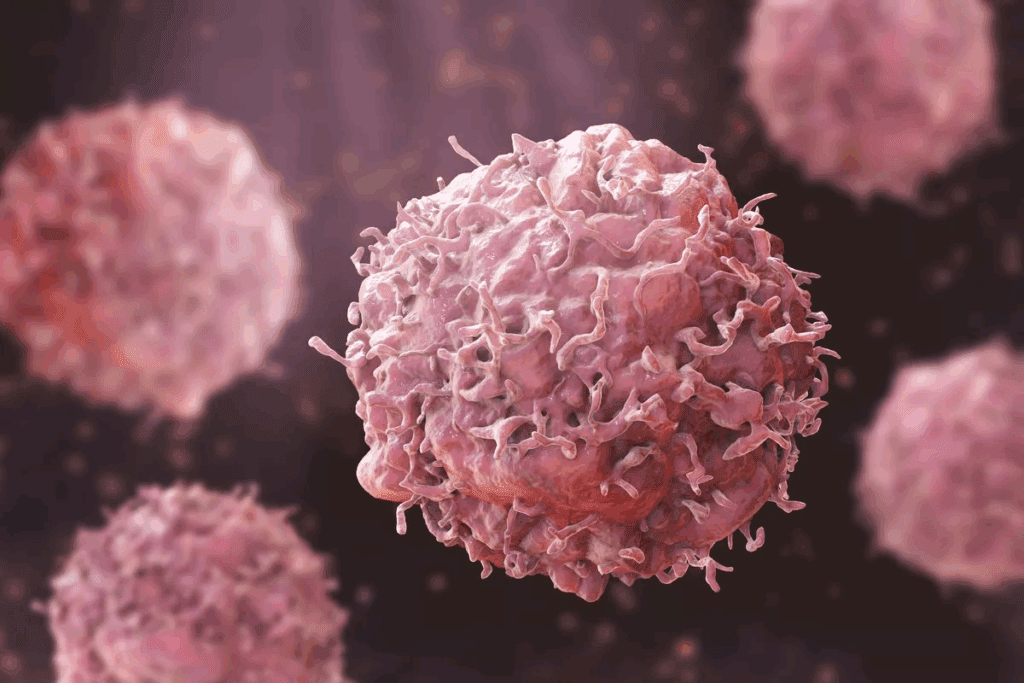
The rate of malignant melanoma on the scalp changes a lot among different groups. This shows we need to focus on prevention. Knowing these patterns helps us find and treat melanoma early.
Demographic Patterns and Statistics
Scalp melanomas are more common in men and older people. Men are more likely to get scalp melanoma than women. The highest rates are in men over 65.
A study in the Journal of the American Academy of Dermatology found a big difference. Men aged 65-74 had much higher rates than younger men.
These findings highlight the need for targeted screening and awareness. We should focus on older men. This helps us develop better public health strategies against scalp melanoma.
Common Risk Factors for Scalp Melanoma
Several factors increase the risk of scalp melanoma. These include:
- Fair Complexion: People with fair skin, light hair, and light eyes are at higher risk. This is because they have less melanin to protect against UV rays.
- Exposure to Natural or Artificial Sunlight: Too much UV radiation, from the sun or tanning beds, raises the risk of scalp melanoma.
- History of Blistering Sunburns: Severe sunburns, often in childhood, greatly increase the risk of melanoma, including scalp melanoma.
- Family History of Melanoma: If you have a family history of melanoma, you’re at higher risk. This suggests a genetic link.
Knowing these risk factors is key to prevention and early detection. We advise those at risk to get regular skin checks and protect themselves from UV rays.
Recognizing the Signs and Symptoms
Knowing the signs of scalp melanoma can save lives. It’s important to learn about dangerous lesions. This way, we can get medical help quickly.
Visual Indicators and Warning Signs
The ABCDE rule helps spot cancerous moles. It stands for:
- Asymmetry: One half of the mole doesn’t match the other.
- Border: The edges are irregular, ragged, or blurred.
- Color: The color is not uniform and may include shades of brown, black, or even patches of red, white, or blue.
- Diameter: The mole is larger than 6mm (about the size of a pencil eraser).
- Evolving: The mole is changing in size, shape, or color.
Other warning signs include:
- Persistent bleeding or oozing from a scalp lesion.
- Itching or pain in a specific area of the scalp.
- Hair loss around a mole or lesion.
- A new mole or lesion appearing on the scalp.
When to Seek Immediate Medical Attention
If you notice any of these, get medical help right away:
- A mole or lesion that is rapidly changing.
- A lesion that is bleeding or oozing persistently.
- A new mole or lesion that appears on the scalp, growing or changing.
Early detection is key to successful treatment. Stay alert to scalp changes. If worried, see a healthcare professional.
Histological Types of Malignant Melanoma on Scalp
It’s key to know the different types of malignant melanoma on the scalp for good treatment. The scalp is special because it can have many types of melanoma. Each type has its own look and how it might grow.
Nodular Melanoma
Nodular melanoma is the most common scalp melanoma, making up about 41.1% of cases. It grows fast and is aggressive. Nodular melanoma looks like a raised, dome-shaped spot that might not be very dark.
Superficial Spreading Melanoma
Superficial spreading melanoma is also common on the scalp. It starts growing slowly at first, then quickly. This melanoma looks flat or slightly raised, with uneven edges and changing colors.
Lentiginous and Desmoplastic Variants
Lentiginous melanoma, like lentigo maligna melanoma, happens in sun-damaged skin. On the scalp, it’s a big, flat area with mixed colors. Desmoplastic melanoma is rare and has a lot of fibrous tissue. It feels firm and might not show color.
| Histological Type | Characteristics | Prevalence on Scalp |
| Nodular Melanoma | Rapid growth, aggressive, raised lesion | 41.1% |
| Superficial Spreading Melanoma | Radial growth phase, irregular borders, color variation | Common, exact percentage varies |
| Lentiginous Melanoma | Large, flat patch, variegated pigmentation | Less common |
| Desmoplastic Melanoma | Dense fibrous stroma, firm, non-pigmented nodule | Rare |
Knowing these types is vital for diagnosing and treating scalp melanoma. Each type looks different and affects treatment. Accurate diagnosis is key.
Diagnostic Process and Staging
The journey to diagnose scalp melanoma starts with a detailed skin check. We first look at the scalp for any unusual spots or changes in moles.
Initial Examination Procedures
Next, we use dermatoscopy to examine the lesion closely. This tool helps us see details not visible to the eye, like patterns and colors that suggest melanoma.
Dermatoscopic examination is key. It helps us tell if a lesion is harmless or cancerous. We search for signs like an irregular pigment network and atypical vascular patterns.
Biopsy Techniques for Scalp Lesions
If dermatoscopy hints at melanoma, we do a biopsy to confirm. For scalp lesions, we usually do an excisional biopsy. This means removing the whole lesion and some normal skin around it.
The biopsy is then studied to learn about the melanoma’s thickness, ulceration, and other important factors.
Staging Systems and Prognostic Factors
After diagnosing melanoma, we stage it using the AJCC (American Joint Committee on Cancer) staging system. This considers the tumor’s thickness, ulceration, lymph node involvement, and distant metastasis.
Staging is vital for predicting the outcome and planning treatment. The melanoma’s thickness is a major factor, with thicker tumors being more serious.
- Tumor thickness and ulceration are key factors in determining the stage.
- Lymph node involvement significantly affects the prognosis.
- Distant metastasis indicates advanced disease.
Accurate staging helps us tailor the best treatment for each patient. It considers the unique features of their melanoma.
Surgical Treatment for Malignant Melanoma on Scalp
Surgery is key in treating malignant melanoma on the scalp. It involves removing the tumor and fixing the area. This approach is vital for managing scalp melanoma.
Wide Local Excision Protocols
Wide local excision (WLE) is a main surgery for scalp melanoma. It removes the melanoma and some normal skin around it. This ensures all cancer cells are gone. The amount of skin removed depends on the melanoma’s thickness.
Margin Guidelines for Wide Local Excision:
| Breslow Thickness | Recommended Margin |
| In situ | 0.5-1.0 cm |
| 1.0 cm | |
| 1.0-2.0 mm | 1.0-2.0 cm |
| > 2.0 mm | 2.0 cm |
Sentinel Lymph Node Biopsy Procedures
Sentinel lymph node biopsy (SLNB) is a key test for melanoma patients. It finds and removes the first lymph node that cancer might spread to. Knowing if cancer is in this node helps plan further treatment.
Scalp Reconstruction Techniques
After surgery, the scalp might need to be rebuilt. This is to look and work better. Doctors use different methods like closing the area, skin grafts, or local flaps. The choice depends on the defect size, location, and the patient’s health.
For scalp melanoma surgery, a team of experts is needed. They include surgical oncologists, dermatologists, and reconstructive surgeons. Working together, they aim for the best results for patients.
Systemic and Adjuvant Therapies
Systemic and adjuvant therapies are key parts of treating scalp melanoma. They help fight cancer cells that may have spread. This reduces the chance of the cancer coming back and improves survival rates.
Immunotherapy Options (Checkpoint Inhibitors)
Immunotherapy is a powerful tool against melanoma. Checkpoint inhibitors help the immune system fight cancer cells better. We use these treatments for advanced scalp melanoma, often with other therapies.
- Nivolumab and pembrolizumab are checkpoint inhibitors that work well against melanoma.
- These drugs can be used alone or with other treatments, like targeted therapy.
- Research is ongoing to find the best way to use checkpoint inhibitors for scalp melanoma.
Targeted Therapy for Specific Mutations
Targeted therapy is a promising approach for scalp melanoma. It uses drugs that target specific genetic mutations in cancer cells. For example, BRAF inhibitors treat melanomas with a BRAF gene mutation.
We often combine targeted therapy with immunotherapy to improve its results. The right targeted therapy depends on the melanoma’s genetic makeup.
Radiation Therapy Protocols
Radiation therapy kills cancer cells with high-energy rays. It’s used when surgery isn’t the main treatment. This includes when cancer has spread or to ease symptoms in advanced cases.
- Radiation therapy can be used after surgery to lower the chance of cancer coming back.
- It treats melanoma that has spread to the brain or other parts of the body.
- Choosing radiation therapy depends on the patient’s needs and melanoma type.
By combining these therapies, we create a detailed treatment plan for each patient with scalp melanoma.
Prognosis and Survival Rates
Scalp melanoma’s outlook depends on several important factors. Doctors use these to plan treatments. Knowing these factors and survival rates helps patients and families make better choices.
10-Year Survival Statistics
Research shows that about 60% of scalp melanoma patients live for 10 years. This highlights the need for early detection and good treatment. We’ll look at what affects this rate and how it changes for each patient.
Survival Rate Breakdown:
| Stage at Diagnosis | 10-Year Survival Rate |
| Localized | 75% |
| Regional | 55% |
| Distant | 30% |
Factors Affecting Prognosis
Several things greatly affect scalp melanoma’s outlook. These include:
- Tumor thickness: Thicker tumors have a worse prognosis.
- Ulceration: Ulcers mean the tumor is more aggressive.
- Lymph node involvement: Spread to lymph nodes makes treatment harder and lowers survival chances.
We’ll dive into these factors, explaining how they affect patient results and treatment choices.
Comparison with Other Melanoma Sites
Scalp melanoma’s prognosis is often compared to other melanoma sites. Studies show scalp melanomas usually have a worse outlook. We’ll discuss why this is and what it means for treatment.
Understanding scalp melanoma’s prognosis and survival rates helps patients and doctors create better treatment plans. This can lead to better outcomes.
Post-Treatment Monitoring and Follow-Up Care
After treating malignant melanoma on the scalp, it’s important to have a good follow-up plan. This helps catch any signs of the cancer coming back early. This way, doctors can act fast.
Surveillance Schedule and Imaging
For those treated for scalp melanoma, a regular check-up schedule is key. It includes:
- Seeing a doctor every 3-6 months for the first few years
- CT scans or PET scans as needed by the doctor
- Learning how to check for new or changing spots on your own
Managing Treatment Side Effects
After treatment, dealing with side effects is also important. This might mean:
- Help for symptoms like pain or tiredness
- Programs to help with any physical problems
- Support for the emotional effects of treatment
Handling these side effects well can greatly improve a patient’s life quality.
Recurrence Detection Strategies
Finding cancer again early is key to better outcomes for scalp melanoma patients. Ways to do this include:
- Regular visits to the doctor
- Watching for new symptoms or changes in spots
- Using advanced imaging when needed
By using these methods, doctors can spot cancer coming back early. This makes treatment more effective.
Prevention and Early Detection Strategies
Understanding sun protection and regular check-ups is key to preventing and detecting scalp melanoma early. Prevention means protecting your scalp from the sun and watching for changes. It also means getting professional advice when needed.
Scalp Protection Methods
Keeping your scalp safe from the sun is vital to prevent melanoma. Here are some ways to do it:
- Wear hats or caps with a wide brim to cover your scalp when outdoors, during peak sun hours.
- Apply sunscreen or scalp sprays with high SPF to exposed areas.
- Stay in the shade when outside to avoid direct sun.
Scalp Protection Tips:
| Method | Description | Effectiveness |
| Wide-brimmed hats | Provides physical barrier against UV rays | High |
| Sunscreen/sprays | Chemical or physical sunblock | High |
| Seeking shade | Reduces direct sun exposure | Moderate |
Regular Self-Examination Techniques
Regular self-examination is key for early detection. Here’s how to check your scalp:
- Use a mirror to see hard-to-reach areas.
- Feel your scalp with your fingers for unusual moles or changes.
- Notice any new or changing lesions and see a healthcare professional.
Professional Screening Recommendations
While self-examination is important, seeing a dermatologist is essential for early detection. We suggest:
- Get annual skin checks from a dermatologist.
- Tell your doctor about any scalp changes or concerns.
- Follow the recommended follow-up schedule based on your risk factors and history.
By using these strategies, we can greatly improve early detection and treatment of scalp melanoma.
Conclusion
Treating malignant melanoma on the scalp needs a team effort. This includes surgery, medicine, and regular check-ups. We’ve covered the basics of scalp melanoma, like who gets it and how to spot it early.
Early detection and the right treatment are key. We stress the importance of being aware and checking yourself often. This helps catch melanoma when it’s easier to treat.
Understanding scalp melanoma and acting fast can make a big difference. Our talk wraps up with the importance of teamwork in treating this disease. This way, we can help patients live better lives.
FAQ
What is malignant melanoma on the scalp?
Malignant melanoma on the scalp is a serious skin cancer. It starts in cells that make pigment. It’s called an “invisible killer” because it’s often hidden and has a poor outlook.
What are the common risk factors for developing scalp melanoma?
Risk factors include too much sun, family history, and light skin. People with a history of skin cancers are also at higher risk.
How can I identify the signs and symptoms of scalp melanoma?
Look for the ABCDE rule: Asymmetry, Border irregularity, Color variation, Diameter >6mm, and Evolving. Also, watch for itching, bleeding, or new moles on the scalp.
What are the different histological types of scalp melanoma?
The main types are Nodular Melanoma, Superficial Spreading Melanoma, Lentiginous Melanoma, and Desmoplastic Melanoma. Knowing these types helps with diagnosis and treatment.
How is scalp melanoma diagnosed and staged?
Diagnosis uses a physical exam, biopsy, and imaging. Staging looks at tumor thickness, lymph nodes, and if it has spread. Accurate staging is key for treatment planning.
What are the treatment options for scalp melanoma?
Treatments include surgery, sentinel lymph node biopsy, immunotherapy, targeted therapy, and radiation. The right treatment depends on the melanoma’s stage and type.
What is the prognosis for scalp melanoma compared to other melanoma sites?
Scalp melanoma often has a worse prognosis because it’s often caught late. But, early detection and treatment can greatly improve survival chances.
How can I prevent scalp melanoma?
Prevent it by protecting your scalp from the sun with hats, sunscreen, and shade. Regular self-checks and doctor visits can also help catch it early.
What is the recommended follow-up care for scalp melanoma patients?
Follow-up care includes regular dermatologist visits, imaging, and watching for recurrence. Managing side effects is also important.
What is the survival rate for scalp melanoma?
The 10-year survival rate for scalp melanoma varies by stage. Early-stage melanoma has a much better outlook than advanced-stage.
Can scalp melanoma be treated with immunotherapy?
Yes, immunotherapy is an option for advanced scalp melanoma. It boosts the immune system to fight cancer.
How does scalp melanoma affect different demographics?
Anyone can get scalp melanoma, but it’s more common in those with fair skin and excessive sun exposure. Men are more likely to get it than women.
References
- National Center for Biotechnology Information. (2025). How to Treat Malignant Melanoma on Scalp Malignant. Retrieved from https://www.ncbi.nlm.nih.gov/books/NBK572149/