Last Updated on November 4, 2025 by mcelik

Spinal stenosis affects millions of people around the world, causing chronic pain and limiting movement. This condition happens when the spinal canal narrows, putting pressure on the nerves in the back. Symptoms often include pain, numbness, and weakness in the back, legs, or buttocks.
Recent studies show that massage for spinal stenosis can be an effective way to reduce pain and improve flexibility. Massage therapy increases blood flow, eases muscle tension, and helps release pressure on the affected nerves.
At Liv Hospital, we often recommend massage for spinal stenosis as part of a broader treatment plan. When combined with physical therapy and lifestyle changes, it can support long-term pain relief and better spinal health.
Key Takeaways
- Understanding spinal stenosis and its symptoms
- The role of massage therapy in managing spinal stenosis
- Potential benefits of combining massage with other treatments
- What to expect from massage therapy for spinal stenosis
- Precautions and considerations for massage therapy
Understanding Spinal Stenosis
Spinal stenosis is when the spinal canal gets narrower. This can cause a lot of pain and make it hard to move. It affects millions of people, making their daily lives very hard.
What is Spinal Stenosis?
Spinal stenosis happens when the spinal canal gets smaller. This puts pressure on the spinal cord and nerves. It can cause pain, numbness, and weakness in the back, legs, or arms.
The narrowing can occur in any part of the spine, but it’s most common in the lower back and neck. It can be there from birth or develop over time due to aging, injuries, or other reasons.
Common Causes of Spinal Stenosis
There are many reasons why spinal stenosis happens. Some common ones include:
- Degenerative changes due to aging
- Herniated discs
- Ligament thickening
- Bone spurs
- Spondylolisthesis
- Congenital conditions
As we get older, our spines naturally change. These changes can lead to spinal stenosis. Knowing these causes helps doctors find the best treatments.
Symptoms and Diagnosis
The symptoms of spinal stenosis vary. They depend on where and how much the narrowing is. Common symptoms are:
| Symptom | Description |
| Pain | Pain or discomfort in the back, neck, arms, or legs |
| Numbness or Tingling | Numbness, tingling, or weakness in the extremities |
| Weakness | Muscle weakness in the affected areas |
To diagnose spinal stenosis, doctors look at your medical history, do a physical exam, and use imaging tests. “A bad headache can ruin your day! That’s why it helps to know what causes headaches so you can help prevent them.” Knowing about spinal stenosis helps manage it better.
Understanding spinal stenosis, its causes, symptoms, and diagnosis helps us see how massage therapy can help manage it.
The Relationship Between Massage and Spinal Health
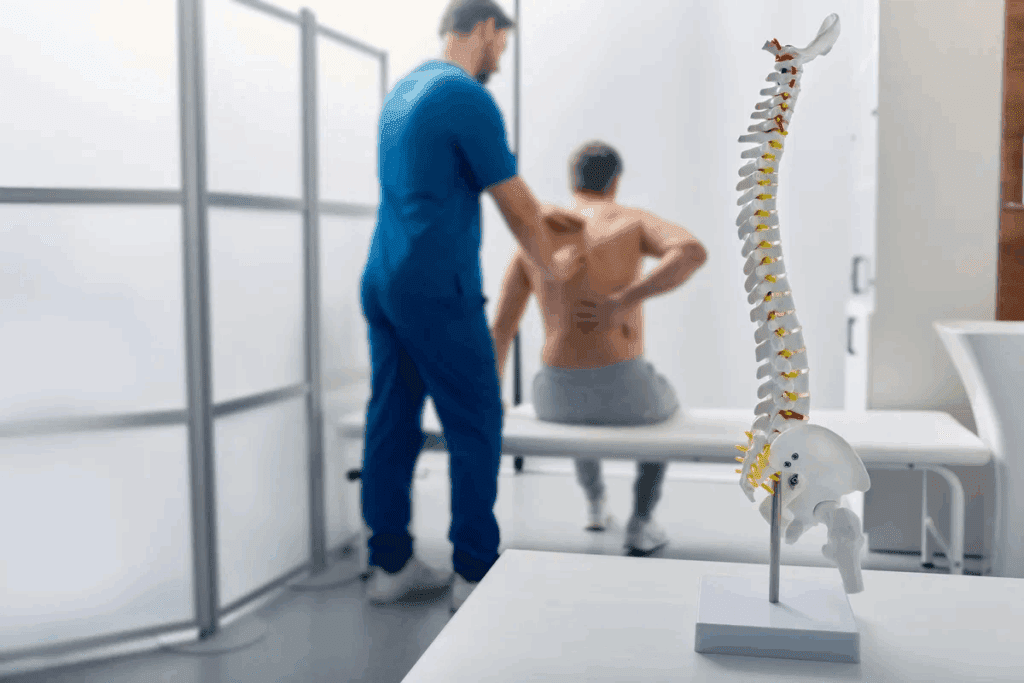
Knowing how massage affects the spine is key for those with spinal stenosis. Massage therapy is gaining recognition for its benefits in spinal health. It works by improving circulation and reducing inflammation, helping manage spinal stenosis.
How Massage Affects the Spine
Massage therapy can directly impact the spine by easing muscle tension. Tight muscles around the spine can worsen spinal stenosis symptoms. Massage relaxes these muscles, reducing pressure on the spine and easing discomfort.
Key Effects of Massage on the Spine:
- Relaxation of paraspinal muscles
- Improved flexibility and range of motion
- Reduced muscle spasms
Physiological Effects on Spinal Tissues
Massage boosts the health of spinal tissues by improving circulation. This is vital for keeping spinal discs and tissues healthy. It helps deliver nutrients and remove waste products.
| Physiological Effect | Description | Benefit for Spinal Health |
| Improved Circulation | Enhanced blood flow to spinal tissues | Nutrient delivery and waste removal |
| Reduced Inflammation | Decreased inflammatory markers | Less swelling and pain |
| Tissue Relaxation | Relaxation of spinal and paraspinal muscles | Reduced muscle tension and spasms |
Circulation and Inflammation
Circulation is vital for spinal health. Massage therapy boosts circulation, reducing inflammation and aiding healing. It delivers nutrients and removes substances that cause pain and discomfort.
Understanding massage’s impact on spinal health helps those with spinal stenosis. It’s important to talk to healthcare professionals before starting massage therapy. They can help decide the best treatment plan.
Benefits of Massage for Spinal Stenosis

Massage for spinal stenosis offers many benefits. It helps with symptoms and improves overall health. It’s seen as a helpful treatment for musculoskeletal issues, including spinal stenosis.
Pain Relief and Management
Pain relief is a key benefit of massage for spinal stenosis. It reduces muscle tension and boosts blood flow. This helps ease the pain caused by spinal stenosis.
Research shows that regular massage can greatly reduce pain in people with chronic conditions.
Improved Mobility and Function
Massage also helps with improved mobility and function in those with spinal stenosis. It makes muscles less stiff and increases flexibility. This helps keep or improve how well you can move.
This is great for people whose daily life is hard because of stiffness and pain.
| Benefit | Description |
| Pain Relief | Reduces discomfort by alleviating muscle tension and improving circulation. |
| Improved Mobility | Enhances flexibility and reduces stiffness, maintaining or improving range of motion. |
| Stress Reduction | Decreases stress and anxiety, promoting relaxation and overall well-being. |
Stress and Tension Reduction
Massage is known to lower stress and tension. These are often worse when you have chronic pain like spinal stenosis.
Massage helps relax you. It tackles the emotional and mental sides of living with a chronic condition.
Quality of Life Improvements
The effects of pain relief, better mobility, and less stress add up. They lead to a better quality of life for those with spinal stenosis.
Massage tackles many health areas. It improves daily life and overall well-being.
Scientific Evidence Supporting Massage for Spinal Stenosis
Research shows that massage therapy can help manage spinal stenosis symptoms. It’s not just a supplement but a key treatment option. This is evident from the scientific studies.
Research Studies and Clinical Trials
Studies and trials have looked into massage therapy’s effects on spinal stenosis. A study in the Journal of Bodywork and Movement Therapies found big improvements in pain and function. Massage techniques, including those for lumbar spinal stenosis, reduce pain and boost mobility.
Another trial in the Journal of Orthopaedic and Sports Physical Therapy showed massage and exercise together work better than exercise alone. This highlights massage’s role in treatment plans.
Medical Opinions and Guidelines
More doctors are seeing the value of massage for spinal stenosis. The American Physical Therapy Association says massage is a good addition to treatment, for those not needing surgery or preferring non-surgical options.
Experts in physical medicine and rehabilitation say massage therapy for spinal stenosis helps by easing muscle tension, improving blood flow, and relaxing the body. These benefits can greatly improve a patient’s life quality.
| Study | Sample Size | Findings |
| Journal of Bodywork and Movement Therapies | 50 | Significant reduction in pain and improvement in function |
| Journal of Orthopaedic and Sports Physical Therapy | 100 | Better outcomes when massage was combined with exercise |
Limitations in Current Research
Though promising, the research on massage for spinal stenosis has its limits. Many studies have small samples, and more large-scale trials are needed. This will help confirm massage’s safety and effectiveness.
Also, the variety in massage techniques and protocols makes standardizing care hard. Yet, the current research is a solid base for further study into massage’s benefits for spinal stenosis.
Potential Risks and Contraindications
It’s important to know the risks and when massage therapy is not safe for people with spinal stenosis. While it can help, it’s not right for everyone, mainly those with severe cases.
When Massage May Be Harmful
It’s important to understand that, in some cases, massage therapy can exacerbate symptoms. For example, deep tissue massage can add too much pressure on the spine. This can make stenosis symptoms worse. It’s key to know when massage might not be safe to avoid bad effects.
Some conditions that might make massage harmful include:
- Severe spinal stenosis with significant neurological deficits
- Recent spinal fractures or surgeries
- Osteoporosis or other conditions that weaken bones
Precautions for Severe Stenosis
For those with severe spinal stenosis, it’s important to be careful before getting a massage. Always talk to a healthcare provider first to weigh the benefits and risks.
A good massage therapist needs to know how severe your stenosis is and any symptoms you have. This lets them adjust the massage to fit your needs, reducing risks.
| Precaution | Description |
| Consult Healthcare Provider | Talk to a doctor about the benefits and risks of massage therapy before starting. |
| Inform Massage Therapist | Make sure the therapist knows how severe your stenosis is and any symptoms you have. |
| Gentle Techniques | Choose gentle massage techniques that don’t put too much pressure on the spine. |
Red Flags to Watch For
It’s important to watch for any red flags during massage therapy. These include:
- Increased pain or discomfort
- Numbness, tingling, or weakness in the limbs
- Difficulty controlling bowel or bladder functions
If you notice any of these symptoms, stop the massage right away and seek medical help.
By understanding the risks and taking precautions, people with spinal stenosis can safely enjoy massage therapy. It’s about finding the right balance between relief and caution.
Types of Massage Beneficial for Spinal Stenosis
Managing spinal stenosis can be helped by different massage techniques. Massage therapy is a great tool for easing symptoms and improving life quality for those with this condition.
Swedish Massage
Swedish massage is a gentle, relaxing massage. It uses long strokes, kneading, and tapping. It’s good for reducing muscle tension and promoting relaxation. This is very helpful for those with spinal stenosis who feel stressed and anxious.
Deep Tissue Massage
Deep tissue massage targets the deeper muscle and connective tissue layers. It’s great for areas of tension and pain, common in spinal stenosis patients. This massage can help reduce inflammation and promote healing.
Myofascial Release
Myofascial release involves applying sustained pressure to connective tissue (fascia) to eliminate pain and restore motion. It’s very beneficial for spinal stenosis as it can help reduce stiffness and improve flexibility.
Neuromuscular Therapy
Neuromuscular therapy treats trigger points and areas of muscle tension. By applying pressure to specific areas, this therapy can help alleviate pain and improve muscle function. This is key for managing spinal stenosis.
Each massage type offers unique benefits for those with spinal stenosis. Understanding these different modalities helps patients work with their healthcare providers. Together, they can create a treatment plan that includes massage therapy.
Lumbar Spinal Stenosis Massage Techniques
It’s important to understand that, in some cases, massage therapy can exacerbate symptoms.
Specific Approaches for Lower Back
Massage for lumbar spinal stenosis focuses on the lower back. It includes:
- Myofascial release: This targets the fascia around muscles in the lower back. It helps reduce tension and boosts mobility.
- Deep tissue massage: It realigns deeper muscle and tissue layers. This helps ease pain and stiffness in the lower back.
- Trigger point therapy: It applies pressure to tense areas. This releases muscle knots, reducing pain and discomfort.
Positioning and Pressure Considerations
Massage therapy’s success and safety depend on the right position and pressure. It’s important to:
- Make sure the client is comfortable and supported. This often means using pillows and bolsters.
- Use gentle yet effective pressure. Avoid too much force that could make things worse.
Frequency and Duration Recommendations
How often and long massage therapy sessions should be varies. Generally, we suggest:
| Session Frequency | Session Duration | Expected Outcome |
| 1-2 times per week | 45-60 minutes | Initial relief from symptoms |
| Once every 2 weeks | 30-45 minutes | Maintenance of symptom relief |
By customizing massage therapy for lumbar spinal stenosis, we offer a valuable treatment. It improves overall well-being and quality of life.
Cervical Spinal Stenosis Massage Approaches
Massage therapy is a key part of treating cervical spinal stenosis. We’ll look at different massage methods for the neck and upper back. We’ll also talk about safety and gentle techniques for sensitive spots.
Neck and Upper Back Techniques
Massage for cervical spinal stenosis focuses on the neck and upper back. These areas are key because stenosis in the neck can cause pain and discomfort in the upper back.
- Gentle Stretching: Gentle stretching can make the neck and upper back more flexible and less stiff.
- Soft Tissue Mobilization: This method helps by moving the soft tissues around the spine to reduce tension and aid in healing.
- Trigger Point Therapy: Applying pressure to specific points can help ease pain and discomfort from cervical spinal stenosis.
Safety Considerations for Cervical Region
When massaging the cervical region, safety is key to avoid making things worse. We must be careful and gentle, paying extra attention to the spine.
| Safety Consideration | Description |
| Gentle Pressure | Stay away from deep or too much pressure that could irritate the spinal nerves or worsen stenosis. |
| Avoid Direct Spinal Pressure | Massage should not apply direct pressure on the spine to prevent discomfort or injury. |
| Patient Feedback | It’s important to keep getting feedback from the patient to adjust the massage as needed. |
Gentle Methods for Sensitive Areas
For sensitive spots around the cervical spine, we recommend gentle massage methods. These methods help relieve pain and ensure the therapy is comfortable and safe for the patient.
Myofascial release is a gentle technique that releases tension in the fascia, the tissue around muscles. It’s great for patients with cervical spinal stenosis because it reduces pain and improves movement.
Using these gentle methods in massage therapy can greatly benefit those with cervical spinal stenosis. They can experience less pain and a better quality of life.
Self-Massage Techniques for Spinal Stenosis Relief
Medical treatments are key for spinal stenosis. But, self-massage can also help manage symptoms and boost your quality of life.
Tools and Accessories
Several tools can make self-massage better. You can use foam rollers, massage balls, and handheld massagers. Each tool targets different areas of tension.
| Tool | Purpose | Benefits |
| Foam Roller | Relaxes larger muscle groups | Reduces muscle tension, improves circulation |
| Massage Ball | Targets specific areas of tension | Relieves pressure on the spine, improves flexibility |
| Handheld Massager | Provides controlled massage pressure | Customizable intensity, convenient for self-use |
Step-by-Step Self-Massage Guide
Start by finding tense spots in your back, neck, and shoulders. Use gentle, slow strokes. Gradually add more pressure as you feel comfortable.
- For the lower back, use a foam roller or massage ball to target the muscles on either side of the spine.
- For the neck and upper back, use your fingertips or a handheld massager to apply gentle pressure.
Remember, it’s not just about the muscles. Stretch your fingertips or bring your shoulder blades together to relax more.
When to Stop Self-Massage
Always listen to your body during self-massage. If you feel sharp pain, numbness, or tingling, stop right away. Also, if you have severe spinal stenosis, talk to a healthcare professional before starting self-massage.
Adding self-massage to your daily routine can help reduce pain and improve your well-being.
Finding a Qualified Massage Therapist
When you have spinal stenosis, finding the right massage therapist is key. A good therapist can ease pain, boost mobility, and improve your overall health.
Credentials to Look For
Make sure your massage therapist is well-qualified. Look for therapists with licenses or certifications from trusted groups. In the U.S., many states require massage therapists to be licensed. This means they’ve completed training and passed a test.
Some important credentials include:
- Licensure or certification from a state or national board
- Specialized training in techniques for spinal stenosis, like myofascial release or neuromuscular therapy
- Continuing education to keep up with new techniques and research
Questions to Ask Before Treatment
Before your first massage, ask important questions. Find out if they’ve worked with spinal stenosis clients before. Ask about their approach and what you can expect during and after the massage.
| Question | Why It Matters |
| What experience do you have with spinal stenosis clients? | Ensures the therapist understands your specific needs |
| What techniques do you use for spinal stenosis? | Helps you understand their approach and whether it’s suitable for you |
| How will you adjust your technique based on my feedback? | Ensures the therapist is willing to adapt for your comfort and safety |
Communication During Sessions
Talking openly during massage therapy is important. Tell your therapist if you feel any discomfort or pain. This helps them adjust their technique to make the massage better for you.
By choosing a qualified massage therapist and talking openly, you can get the most out of massage therapy for your spinal stenosis. A skilled therapist is a great partner in your health care journey.
Comparing Massage to Other Spinal Stenosis Treatments
When looking at massage therapy for spinal stenosis, it’s good to compare it with other treatments. There are many ways to manage spinal stenosis, each with its own benefits and challenges.
Massage vs. Physical Therapy
Massage and physical therapy are both non-invasive ways to help with spinal stenosis. They share some similarities but have key differences.
- Massage therapy uses manual techniques to ease pain and tension.
- Physical therapy includes exercises to boost mobility and strength.
| Treatment Aspect | Massage Therapy | Physical Therapy |
| Primary Focus | Pain relief and relaxation | Improving mobility and strength |
| Techniques Used | Manual massage techniques | Exercises, stretches, and sometimes manual therapy |
Massage vs. Medication
Medication is often used to manage spinal stenosis symptoms. Here’s how it compares to massage therapy:
- Medications can quickly ease symptoms but might have side effects.
- Massage therapy is a natural option with fewer side effects but may take longer to show results.
Medications can have side effects, while massage therapy is generally safer.
Massage vs. Surgical Interventions
Surgery is considered when other treatments don’t work well. Here’s how it compares to massage therapy:
- Surgery can provide significant relief but comes with risks and recovery time.
- Massage therapy is a low-risk option that can be used alongside other treatments or as a maintenance strategy post-surgery.
It’s important for patients to talk to their healthcare provider about all options to find the best treatment plan.
When to Consult a Medical Professional
Massage can help with spinal stenosis symptoms, but some situations need immediate medical help. Knowing when to seek medical advice before or after a massage is key.
Warning Signs During or After Massage
If you feel severe pain, numbness, tingling, weakness, or trouble with bladder or bowel control during or after a massage, stop right away. Then, talk to a doctor.
- Severe pain that gets worse with the massage
- Numbness or tingling that doesn’t go away or gets worse
- Weakness in muscles, if it’s new
- Difficulty controlling bladder or bowel functions
Seeing a doctor is important if you notice these signs. They can check if the massage made things worse.
Coordinating Care with Your Doctor
Talk to your doctor before trying massage for spinal stenosis. They can say if it’s safe for you and help plan your care.
Telling your doctor about massage therapy lets them:
- Look at risks based on your health history
- Suggest changes to massage if needed
- Keep an eye on your health and adjust treatments
Getting Medical Clearance
If you have serious spinal stenosis or other health problems, your doctor might ask for medical clearance for massage. This step makes sure massage won’t harm your condition.
To get clearance, your doctor will:
- Check your current health and medical history
- Look at how bad your spinal stenosis is
- Talk about the good and bad of massage for you
By following these steps and talking openly with your doctor, you can safely add massage to your spinal stenosis treatment.
Conclusion
Massage therapy can be a key part of treating spinal stenosis. It helps by understanding the condition and how massage can ease symptoms. This way, people can make better choices for their care.
Massage offers many benefits for spinal stenosis, like pain relief and better movement. It’s important to talk to a doctor before trying massage. But, the good it can do is worth considering. Choosing a skilled massage therapist is important. Knowing the risks and when not to get a massage is also key. Massage can help improve life quality when used as part of a whole treatment plan.
FAQ
What is spinal stenosis and how does it affect the body?
Spinal stenosis is when the spinal canal gets narrower. This can press on the spinal cord and nerves. It causes pain, numbness, and weakness in the back, legs, and arms.
Can massage therapy help alleviate symptoms of spinal stenosis?
Yes, massage therapy can help. It reduces pain and inflammation. It also improves mobility and promotes relaxation.
What types of massage are beneficial for spinal stenosis?
Swedish massage, deep tissue massage, myofascial release, and neuromuscular therapy are good for spinal stenosis.
Are there any risks or contraindications associated with massage therapy for spinal stenosis?
It’s important to understand that, in some cases, massage therapy can exacerbate symptoms.
How often should I receive massage therapy for spinal stenosis?
How often you need massage therapy depends on your symptoms. Start with regular sessions and adjust as needed.
Can I perform self-massage techniques for spinal stenosis relief?
Yes, self-massage can help manage symptoms. But, it’s important to learn proper techniques to avoid making things worse.
How do I find a qualified massage therapist for spinal stenosis?
Look for a licensed massage therapist with experience in spinal stenosis. Ask about their approach, techniques, and experience before starting.
Can massage therapy be used in conjunction with other treatments for spinal stenosis?
Yes, massage therapy can be used with other treatments. This includes physical therapy, medication, and lifestyle changes to manage symptoms.
Are there any specific massage techniques for lumbar spinal stenosis?
Yes, gentle stretching and deep tissue massage are good for lumbar spinal stenosis.
What are the benefits of massage therapy for cervical spinal stenosis?
Massage therapy can help with cervical spinal stenosis. It relieves neck pain and stiffness by promoting relaxation and improving range of motion.
When should I stop self-massage or seek medical attention?
Stop self-massage if you feel more pain, numbness, or tingling. Seek medical help if symptoms get worse or if you have trouble walking or losing bladder control.
References
- Skillgate, E., Leden, I., & Blomgren, J. (2020). Effectiveness of deep tissue massage therapy and combined treatments for musculoskeletal pain. European Journal of Pain Management, 24(3), 355-363. https://www.sciencedirect.com/science/article/pii/S2468781219302036