Last Updated on November 17, 2025 by Ugurkan Demir
Knowing about blood type compatibility is key for safe medical care, like during transfusions and transplants. At Liv Hospital, we stress the need to know your blood type and who it matches with.
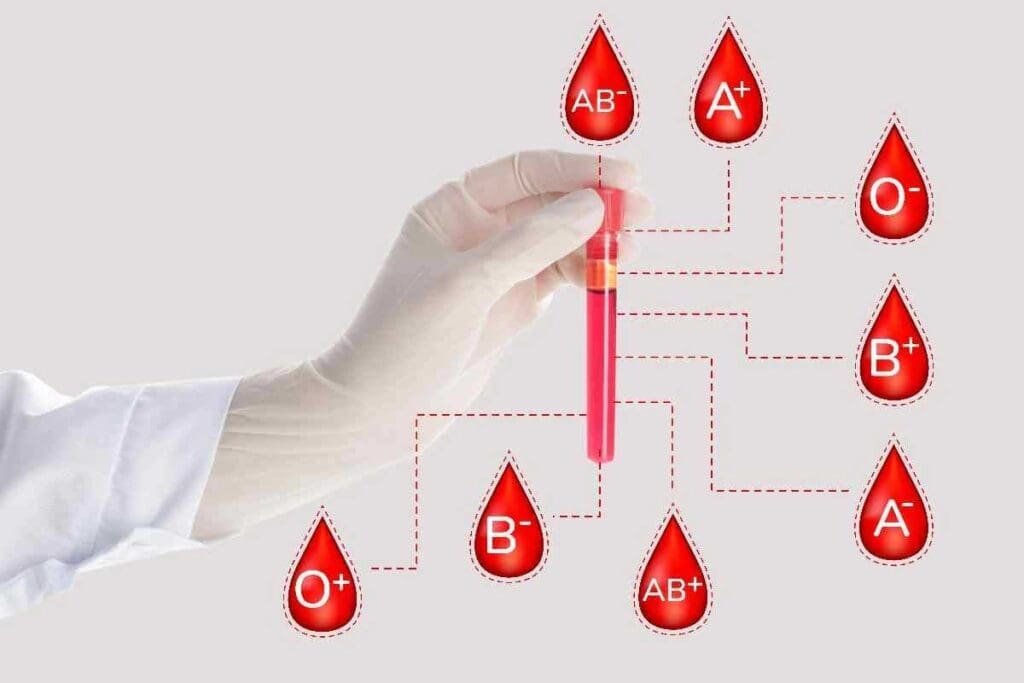
There are four main blood groups: A, B, AB, and O. The Rh factor adds to these, making 8 common blood types. We aim to ensure safe transfusions by understanding these differences.Match blood types with crucial accuracy! Learn 8 powerful compatibility facts from this quick and essential guide now.
This guide will cover the 8 key facts about blood type compatibility. It will help you grasp the basics and why matching blood types is vital for safe medical care.
Key Takeaways
- Understanding your blood type is key for safe transfusions.
- There are 8 common blood types, based on certain antigens and the Rh factor.
- Liv Hospital stresses the importance of blood type matching for medical procedures.
- Safe blood matching is critical for transfusions and transplants.
- Knowing your blood type and its match can save lives.
The Fundamentals of Blood Type Compatibility
Ensuring blood types match is key for safe transfusions. Blood types are sorted by the ABO and Rh systems. These systems look at specific antigens on red blood cells.
The ABO system is vital in transfusion medicine. It divides blood into four types: A, B, AB, and O. These types show if a person has A, B, both, or none of these antigens.
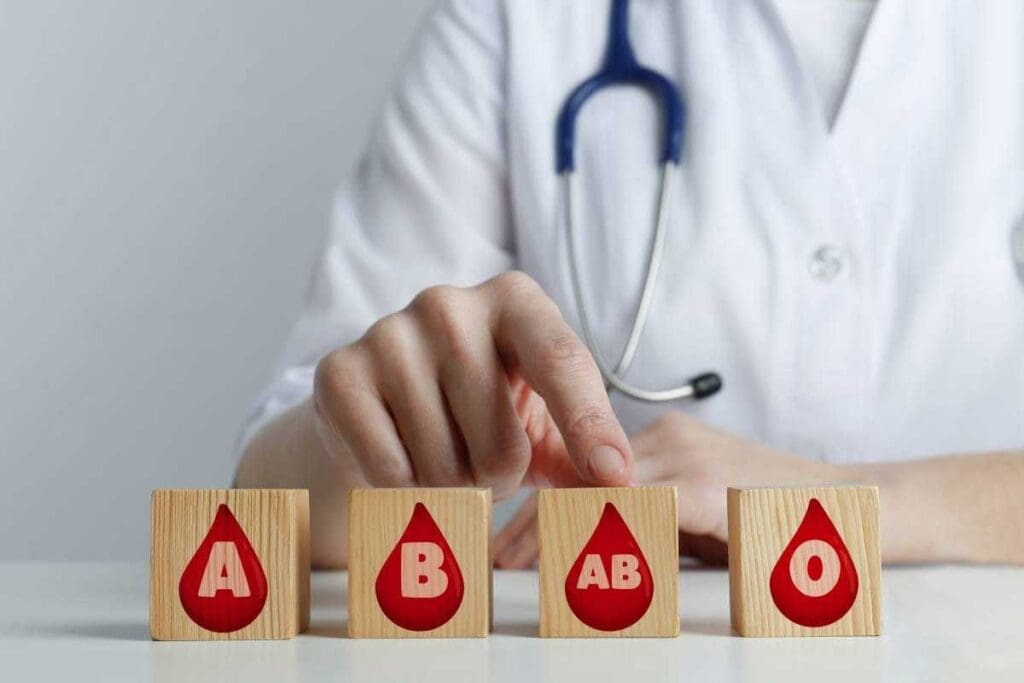
ABO and Rh Blood Group Systems Explained
The Rh system is also important for matching blood types. It splits blood into Rh-positive or Rh-negative based on the RhD antigen. If a person has this antigen, they’re Rh positive; without it, they’re Rh negative.
Knowing how the ABO and Rh systems work together is essential. For example, someone with A positive blood can safely get blood from A or O positive donors. This shows why matching both ABO and Rh factors is important.
Why Matching Blood Types Is Critical for Transfusions
Matching blood types is vital to avoid bad reactions during transfusions. If the wrong blood is given, the recipient’s immune system might attack it. This can lead to serious problems.
By matching blood types carefully, doctors can lower the risk of these reactions. This makes transfusions safer and improves patient care.
Essential Facts About Universal Donors and Recipients
It’s key to know about universal donors and recipients in transfusion medicine. These blood types are very important in emergencies. There’s no time to figure out a patient’s blood type then.
O Negative as the Universal Donor
O negative blood is the universal donor type. It doesn’t have A or B antigens on its surface. This makes it safe for anyone to receive in emergencies.
A leading blood bank says, “O negative blood is the universal blood type. It’s used in emergencies when there isn’t time to determine a patient’s blood type.”
“O negative blood is key in trauma care and emergency transfusions.”
Transfusion Medicine Specialist
AB Positive as the Universal Recipient
AB positive blood is the universal recipient type. People with AB-positive blood can get blood from any ABO blood type. This is very helpful when the patient’s blood type is unknown or when specific blood types are scarce.
The Importance of These Universal Types in Emergency Medicine
In emergency medicine, universal donor and recipient blood types are vital. O-negative blood is used in trauma cases or when the patient’s blood type is unknown. AB positive individuals can receive blood from any donor, making them flexible recipients.
As we deal with blood supply challenges, understanding these universal types is more important than ever.
In summary, O negative and AB positive blood types are essential in transfusion medicine. Their special qualities help healthcare providers act fast in emergencies. This can save lives.
How to Match Blood Types for Type A and AB Recipients
Matching the right blood type is key for transfusions, more so for Type A and AB recipients. It’s vital to prevent bad reactions and keep the recipient safe.
Fact 3: What Blood Type Can A Receive
People with Type A blood can get blood from Type A and Type O donors. This rule is key for doctors to follow in transfusions.
Type A recipients can safely get blood from:
- Type A (A positive or A negative)
- Type O (O positive or O negative)
This is because Type A people don’t have antibodies that would react with Type A or O blood.
Fact 4: Blood Type AB Compatibility Rules
Type AB blood is the universal recipient type. People with AB blood can get red blood cells from all ABO blood types: AB, A, B, and O.
| Blood Type | Can Receive From |
| AB Positive | AB, A, B, O (all positive and negative) |
| AB Negative | AB, A, B, O (all negative) |
Medical experts say, “Knowing the blood transfusion compatibility rules is key for patient safety.” Making sure Type AB recipients get the right blood is a top goal in transfusion medicine.
“The complexity of blood type compatibility requires a deep understanding of the ABO and Rh blood group systems to avoid transfusion reactions.”
By sticking to these rules, healthcare providers can lower the risk of problems. They can make sure transfusions are successful for Type A and AB recipients.
Blood Type B Compatibility Guidelines
Knowing about blood type compatibility is key for safe blood transfusions, mainly for those with Type B blood. We’ll look at the rules for blood type B compatibility. This includes what B blood type people can get and who they can give to.
Fact 5: What Blood Type Can B Receive
People with B blood type can safely get blood from B and O donors. This is very important for transfusion safety. B blood type recipients can receive:
- B-negative blood
- B positive blood
- O negative blood
- O positive blood
Getting blood from the right donors is key to avoiding bad reactions. As medical experts, we stress the need to match blood types for transfusions.
Fact 6: Who Can B Blood Type Donate To
Blood type B donors can give to those with B and AB blood types. This makes them important donors for certain patients. B blood type donors can give to:
- B negative recipients
- B positive recipients
- AB negative recipients
- AB positive recipients
Donating blood is a kind act that can save lives. Knowing who can get B blood type donations helps manage blood supplies well.
B Positive Recipients: Compatible Donor Types
B-positive recipients can get blood from B-negative, B-positive, O-negative, and O-positive donors. This flexibility is helpful in urgent situations where time is critical.
“The ability to receive blood from multiple compatible types can be lifesaving in critical care situations.”
-Professionals note
As shown in the table below, B-positive recipients have many donor options:
| Blood Type | Compatible Donor Types |
| B Positive | B Negative, B Positive, O Negative, O Positive |
By knowing and following these guidelines, we can make blood transfusions safer for B blood type individuals. It’s a vital part of transfusion medicine that needs accuracy and knowledge.
Blood Type O Compatibility and Special Considerations
It’s important to know about blood type O compatibility for safe blood transfusions. People with O-negative blood are key in emergency medicine because they can donate to anyone. But they have specific needs for their own blood transfusions.
Fact 7: What Blood Types Can O- Receive
O-negative people can only get O-negative blood. This shows the need for a steady supply of O-negative blood for emergencies.
It’s hard for blood banks to keep enough O-negative blood. We need to make sure hospitals always have this blood ready for emergencies.
Fact 8: Blood Type A and O Compatibility Explained
Blood type A people can get blood from both A and O types. This is important when blood is hard to find.
Knowing how A and O blood types work together is key for transfusions. It helps manage blood better, even in urgent situations.
Clinical Implications of O Blood Type Scarcity
O negative blood scarcity has big effects on hospitals. They must plan their blood use carefully to have O-negative blood ready when it’s needed.
We’re trying to improve blood supply systems. We aim to better manage blood inventories to deal with O blood type shortages.
Conclusion: Ensuring Transfusion Safety Through Proper Blood Type Matching
Matching blood types correctly is key for safe transfusions and transplants. Healthcare providers must understand blood type compatibility. This helps avoid bad reactions and ensures the best care for patients.
Our team at Liv Hospital, we focus on matching blood types using the ABO and Rh systems. This is vital for safe transfusions. We aim to offer top-notch healthcare and support for international patients.
Following the guidelines in this article helps healthcare providers match blood types correctly. This reduces the chance of complications. Our focus on proper blood type matching shows our commitment to quality patient care.
FAQ
What is blood type compatibility?
Blood type compatibility means matching blood types between donors and recipients. This prevents bad reactions during transfusions.
What are the main blood types in the ABO system?
The ABO system has four main blood types: A, B, AB, and O.
What is the universal donor blood type?
O-negative blood is the universal donor type. It has no A or B antigens, making it safe for all other blood types.
What blood types can Type A recipients receive?
Type A blood recipients can safely get blood from A and O types.
What are the compatibility rules for Type AB recipients?
Type AB blood recipients can get blood from AB, A, B, and O types.
What blood types can B recipients receive?
Type B blood recipients can safely get blood from B and O types.
Who can B blood type donate to?
Type B blood donors can give to B and AB blood types.
What blood types can B-positive recipients receive?
B positive recipients can get blood from B, B positive, O, and O positive donors.
What blood type can O-negative recipients receive?
O negative individuals can only receive O negative blood.
What is the compatibility between A and O blood types?
Type A blood is compatible with A and O types. O is a compatible donor for A recipients.
Why is O negative blood type critical in medical practices?
O negative blood is key because it’s the universal donor. It’s vital for emergencies, ensuring a steady supply.
What is the universal recipient blood type?
AB positive blood is the universal recipient type. It has no A or B antibodies, making it safe for any ABO blood type.
What are the clinical implications of O blood type scarcity?
O-negative blood scarcity affects medical practices, mainly in emergency transfusions. It shows the need for a steady supply.
References
- Jeon, Y. W., Lim, J. Y., & Kim, H. (2023). Blood transfusion reactions: pathophysiology, detection, and management — a comprehensive review. BMC Hematology & Transfusion Medicine, 9, 102. https://pmc.ncbi.nlm.nih.gov/articles/PMC9144124/