Last Updated on November 26, 2025 by Bilal Hasdemir

A generalist doctor, often called a GP, is the first doctor patients see. They offer full healthcare to people of all ages.
Doctors work to keep people healthy by studying and treating illnesses. They have six main skills: caring for patients, medical knowledge, learning from practice, communication, professionalism, and working in systems.
Discover what a medical doctor general practitioner does, training, and duties in healthcare.
Hospitals like Liv Hospital lead in general practice based on evidence. It’s important to know about GPs’ roles, definitions, and training. This helps us see their big impact on healthcare today.
Key Takeaways
- General Practitioners (GPs) are the main healthcare providers for all ages.
- GPs have six key skills for giving full care.
- The work of GPs is key for public health.
- GPs are trained to handle many health issues.
- Hospitals like Liv Hospital focus on evidence-based general practice.
The Essential Role of Medical Doctor General Practitioners in Healthcare

Medical Doctor General Practitioners are key in healthcare. They give full care to many patients. They handle everything from quick illnesses to long-term health issues.
Primary Care Providers for Patients of All Ages
General Practitioners are the first doctors people see. They help all ages, from kids to the elderly. They are very important in healthcare.
GPs deal with many health problems. This includes simple colds and serious diseases like diabetes. They also focus on keeping people healthy and teach them about health.
Comprehensive Approach to Patient Health
General Practitioners look at health in many ways. They treat illnesses and teach about health. They know about a patient’s health, mind, and life.
This way of caring helps GPs manage long-term health issues. They work with other doctors and help patients live healthy lives. So, GPs are very important for everyone’s health.
What is a GP in Medical Terms: Definition and Terminology

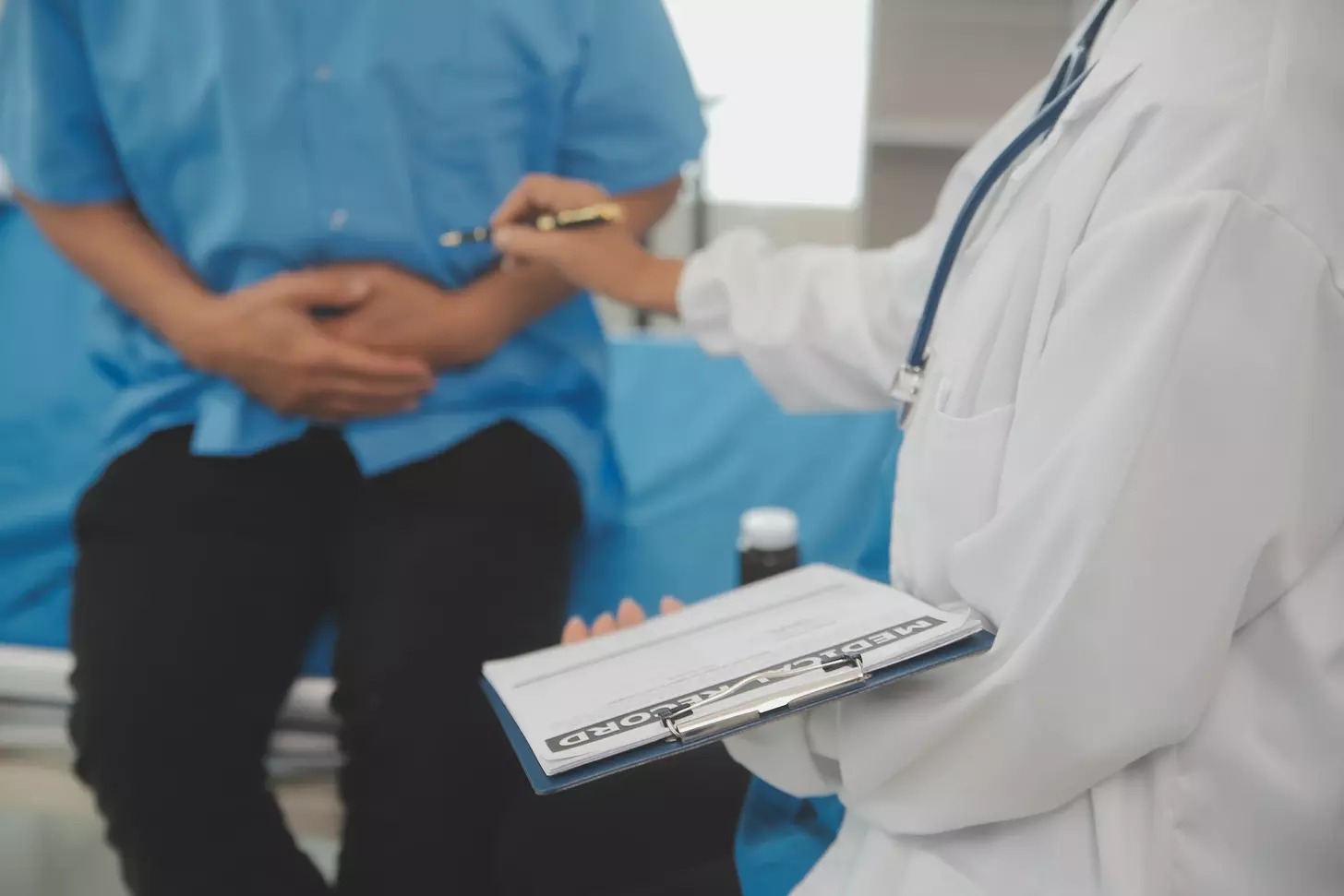
Understanding what a GP is in medical terms is key to knowing their role in healthcare. A General Practitioner (GP) is a doctor who gives primary care. They are the first doctor people see when they need medical help.
The term “GP” means a doctor who knows a lot about general medicine. They can help many people with different health issues. This is different from specialists who only deal with certain diseases or groups of patients.
The Medical Term GP Explained
The word “physician” is used for all doctors. But “GP” is short for General Practitioner or family doctor. It’s often the same as saying “primary care physician” or “family medicine physician.”
A GP doctor can handle many health problems. They can treat things like the flu or diabetes. They also do health checks and teach patients about staying healthy.
Distinguishing GPs from Other Physician Types
GPs are not just for one type of health issue. They can deal with many different problems. This makes them very flexible in caring for patients.
| Characteristics | General Practitioners (GPs) | Specialist Physicians |
| Scope of Practice | Broad, covering various medical conditions | Narrow, focusing on specific diseases or patient groups |
| Training | Trained in general medicine with a focus on primary care | Trained in a specific area of medicine |
| Patient Care | Provide essential, ongoing care to patients | Often provide consultative care based on referrals |
In short, a GP is a doctor who gives primary care. They are different from other doctors who specialize in certain areas.
The Diagnostic and Treatment Capabilities of GP Physicians
Doctors known as GPs are trained to handle many health problems. They are key in the healthcare world. GPs can spot and treat a wide range of health issues, from quick injuries to long-term diseases.
Evaluating and Diagnosing Diverse Medical Conditions
GPs deal with everything from simple colds to serious chronic diseases. They use medical history, physical checks, and tests to figure out what’s wrong.
Diagnostic Capabilities help GPs find out about sudden illnesses and injuries. They also manage long-term diseases like diabetes and asthma. They keep an eye on patients’ health over time.
Treatment Planning and Implementation
After figuring out what’s wrong, GPs create treatment plans for each patient. This might include medicine, lifestyle changes, or sending patients to see specialists.
Treatment planning is a big part of a GP’s job. They think about each patient’s health history, lifestyle, and what they prefer.
| Treatment Aspect | Description | Examples |
| Medication Management | Prescribing and monitoring medications | Antibiotics, antihypertensives |
| Lifestyle Counseling | Advising on diet, exercise, and habits | Nutritional guidance, smoking cessation |
| Referral to Specialists | Coordinating care with other healthcare professionals | Referring to cardiologists, dermatologists |
GPs are important because they diagnose and plan treatments. They help manage patients’ health and work with other healthcare teams.
Preventive Care: A Cornerstone of Medical General Practice
GPs play a key role in preventive care. They do routine screenings, teach about health, and give personalized advice. As the first point of contact, General Practitioners are great at keeping patients healthy and stopping illnesses.
Routine Health Screenings and Assessments
Routine health checks are very important. GPs do tests like blood pressure and cholesterol checks, and cancer screenings. These help find health problems early.
Early detection means doctors can act fast. This can lead to better treatment results and a better chance of recovery.
Health Education and Lifestyle Counseling
Health education and lifestyle advice are also key. GPs teach patients about eating right, exercising, and quitting smoking. This helps patients make smart choices for their health.
By focusing on preventive care, GPs are essential for patient health. They use health checks, education, and advice to meet all patient needs.
The Referral Process: How Doctors General Practitioners Coordinate Specialty Care
General practitioners (GPs) are key in the healthcare system. They help manage patient care and refer patients to specialists when needed. As the first point of contact, GPs decide when specialist care is required.
Determining When Specialist Referrals Are Necessary
GPs check patients’ conditions to see if a specialist referral is needed. They look at the condition’s complexity, the need for special tests, or treatments beyond their skills.
Factors Influencing Referral Decisions
- The severity and complexity of the patient’s condition
- The need for specialized diagnostic or therapeutic interventions
- The patient’s medical history and previous treatments
Coordinating Care Across Multiple Providers
After a referral, GPs work to coordinate care. They talk to specialists, review reports, and make sure patients get the care they need. Good coordination helps avoid gaps in care and keeps all providers informed.
Key Elements of Care Coordination
| Element | Description |
| Communication | GPs talk to specialists and other providers to share important info. |
| Record Keeping | They keep patient records up to date for smooth care. |
| Patient Education | Patients learn about their condition, treatment, and the roles of different providers. |
By managing referrals and care coordination, GPs are essential. They help ensure patients get the right care, improving the healthcare system’s quality.
Educational Pathway to Becoming a Medical Doctor General Practitioner
To become a general practitioner, one must follow a detailed educational path. This includes undergraduate studies, medical school, and residency training. This path is key to preparing GPs with the knowledge and skills needed for quality primary care.
Undergraduate and Medical School Requirements
The journey starts with undergraduate studies in a science field. This gives a basic understanding of biology and chemistry. Then, aspiring GPs go to medical school to earn a Doctor of Medicine (MD) or Doctor of Osteopathic Medicine (DO) degree.
Medical school teaches a wide range of medical knowledge. It includes both theory and practical skills. Students also get to try out different medical specialties, like family medicine, through clinical rotations.
Residency Training in Family Medicine or General Practice
After medical school, GPs need residency training in family medicine or general practice. This three-year training gives deep experience in managing various medical conditions. It’s supervised by experienced doctors who teach about patient care and treatment planning.
Residency training includes:
- Direct patient care under supervision
- Participation in patient rounds and case discussions
- Development of skills in procedural medicine
- Education on practice management and healthcare systems
After finishing residency, doctors can become board-certified in family medicine. This shows they are experts in primary care.
The path to becoming a GP is challenging but fulfilling. It prepares doctors to meet the needs of their patients and communities well.
The Unique Skill Set of General Practitioner Physicians
General Practitioner Physicians need to be good at diagnosing and have strong people skills. This mix helps them give care that focuses on the patient.
Clinical Reasoning and Diagnostic Efficiency
General Practitioners handle many health issues, from sudden illnesses to long-term diseases. They learn to think critically and keep up with new knowledge. This lets them:
- Correctly figure out complex health problems
- Make treatment plans that fit each patient’s needs
- Work with specialists when needed
Being good at diagnosing is key in general practice. GPs often see symptoms that are hard to tell apart. They use their skills to give care that is on time and right.
Communication and Relationship-Building Skills
Good talking is central to general practice. GPs must build trust with patients, hear their worries, and explain health stuff clearly. Important parts of their talking skills are:
- Listening well to what patients say
- Explaining health issues and treatment plans clearly
- Being kind and understanding in talks with patients
By creating strong bonds with patients, GPs can make health better, make patients happier, and help prevent problems. This caring side of general practice is key to giving top-notch care.
General Practice Doctors in Different Healthcare Settings
General practitioner physicians are very adaptable. They can work in many healthcare settings. This includes private practices, hospitals, and community health centers.
Private Practice Models
Private practice is a big part of a GP’s work. Here, GPs have more control over patient care. They can focus on what their patients need most.
Private practices can be small or big. They might have one GP or many working together. This setup helps GPs get to know their patients well.
Key benefits of private practice for GPs include:
- Autonomy in practice management
- Personalized patient care
- Flexibility in service offerings
Institutional and Alternative Settings
GPs also work in hospitals, health centers, and urgent care. They join teams with other doctors to help patients fully. This teamwork is key to good care.
In hospitals, GPs help with serious cases. Health centers focus on helping those who need it most. This way, GPs reach more people.
“The role of the general practitioner is not just to treat illness but to understand the patient in their social context, requiring a broad range of skills and knowledge.”
| Setting | Characteristics | Patient Care Focus |
| Private Practice | Autonomy, personalized care | Preventive, chronic, acute care |
| Hospitals | Multidisciplinary teams, acute care | Complex, acute conditions |
| Community Health Centers | Serving underserved populations | Primary care, health education |
In conclusion, GPs are very flexible. They work in many places. Their skills help the healthcare system a lot.
Evolving Challenges in General Practice Medicine
GP doctors are facing a changing healthcare world. They deal with more administrative and clinical tasks. Their role is key in healthcare, but they now face many challenges that make quality care hard.
Administrative and Regulatory Demands
GP doctors struggle with too much paperwork and rules. This includes:
- Managing electronic health records (EHRs)
- Complying with complex regulatory requirements
- Handling insurance claims and billing
This takes up a lot of time, taking away from patient care. Efficient practice management is key to overcoming these issues.
Work-Life Balance and Professional Satisfaction
Keeping a good work-life balance is a big challenge for GP doctors. Their work is demanding, with long hours and big decisions. This can cause burnout. Factors include:
- High patient volumes and complex cases
- Limited resources and support staff
- The emotional toll of dealing with critical patient conditions
Professional satisfaction is tied to work-life balance. GPs who are supported and can manage their work well are happier at their jobs.
To tackle these challenges, healthcare systems and policymakers need to think about how their decisions affect GP doctors. They should simplify paperwork, offer resources for managing practices, and support work-life balance. This can help GPs in their vital role.
The Future of Medical General Practice: Trends and Innovations
The future of medical general practice is changing fast. New technologies and care models are leading the way. General practice doctors will play a big role in making care better and more accessible.
Technology is changing how GPs work. Telemedicine and electronic health records (EHRs) are making care more efficient. GPs can now offer better care thanks to these tools.
Technology Integration in Primary Care
Technology is making a big impact on medical general practice:
- Telemedicine: It lets people get care from home, helping those in remote areas.
- Electronic Health Records (EHRs): EHRs make managing patient data easier, improving care and safety.
- Artificial Intelligence (AI): AI helps GPs spot health problems faster and more accurately.
New Care Delivery Models
New care models are also changing the game. They focus on care that’s centered around the patient and coordinated.
Some new models include:
- Team-Based Care: Teams of GPs, specialists, and others work together for better care.
- Patient-Centered Medical Homes (PCMHs): PCMHs focus on preventive care and managing chronic diseases.
- Community-Based Care: GPs are working in communities to tackle health issues beyond just medical care.
These changes will help GPs give better, more accessible care in the future.
Conclusion: The Enduring Value of General Practitioners in Modern Healthcare
A medical doctor general practitioner, also known as a generalist doctor, is key in today’s healthcare. They handle a wide range of tasks, from preventing illnesses to diagnosing and treating many health issues.
Doctors general practitioners are vital for ongoing, all-around care. They focus on both physical and mental health, along with social aspects. This approach helps achieve the best health results for everyone.
Their work is essential for keeping people healthy and happy. General practitioners play a big role in healthcare systems. It’s important to keep valuing their work as healthcare changes.
FAQ
What is a General Practitioner (GP) in medical terms?
A General Practitioner (GP) is a doctor who takes care of patients of all ages. They handle many health issues and work with specialists when needed.
What is the role of a GP in healthcare?
GPs are the first point of contact for many patients. They provide care that includes prevention, diagnosis, treatment, and education. This is key to keeping communities healthy.
How do GPs differ from other types of physicians?
GPs are trained to handle a wide range of health problems. This is different from specialists, who focus on specific areas.
What kind of training do GPs undergo?
To become a GP, one must first study undergrad, then medical school. They also do residency training in family medicine. This prepares them for their role.
How do GPs coordinate specialty care?
GPs decide when to refer patients to specialists. They work with other providers to ensure patients get the best care.
What is the significance of preventive care in general practice?
Preventive care is a big part of what GPs do. It includes screenings, education, and counseling to keep patients healthy.
In what healthcare settings do GPs practice?
GPs work in many places, like private offices and hospitals. They adapt their care to fit the needs of their patients in each setting.
What are the challenges faced by GPs?
GPs deal with a lot of paperwork and rules. They also struggle to balance work and personal life. Finding ways to manage these challenges is important.
How is technology impacting general practice?
Technology is making GP care better and more accessible. New models of care are emerging, changing how GPs work.
Why are GPs important in modern healthcare?
GPs are essential for quality, patient-focused care. They greatly improve the health and well-being of people and communities.