Last Updated on November 25, 2025 by
We know that nephrolithiasis is painful and common, affecting millions. The good news is that some medicines can stop and break up these stones.
Thiazide diuretics, like hydrochlorothiazide, are used to lower calcium in urine. This helps prevent calcium-based kidney stones from coming back. Studies show that small stones often go away on their own. But bigger stones might need medical help.
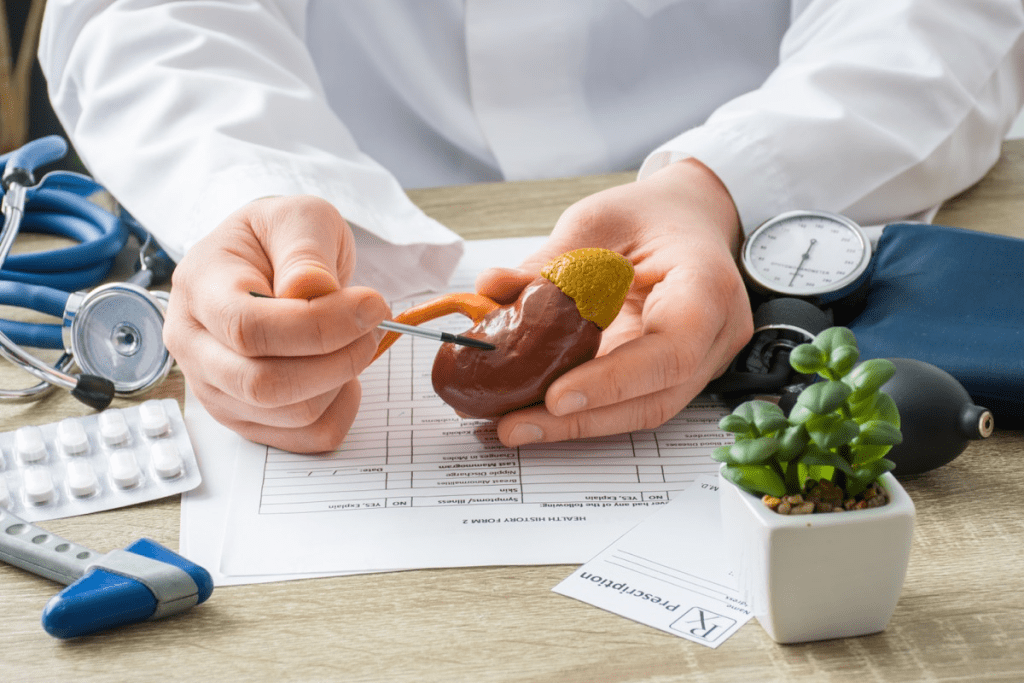
It’s important to know about the causes, symptoms, and treatments for kidney stones. We’ll look at the medicines used to treat them.
Key Takeaways
- Thiazide diuretics help prevent the recurrence of calcium-based kidney stones.
- Hydrochlorothiazide is a commonly used thiazide diuretic.
- Small kidney stones often pass out of the body without treatment.
- Larger stones may require medical intervention.
- Understanding the causes and symptoms is key to effective management.
The Science Behind Kidney Stones and Why They Form
To understand kidney stones, we must know their causes and types. Kidney stones are solid masses that form in the kidneys. They happen when there’s an imbalance in the urine’s minerals and salts.
Many factors can lead to kidney stones. These include genetics, diet, and medical conditions. For example, a diet rich in sodium can raise the risk. This is because it increases calcium in the urine.
Common Types of Kidney Stones and Their Composition
Kidney stones can be made of different materials, as the NCBI Bookshelf notes. They include calcium oxalate, uric acid, and cystine. The most common is calcium stones, often calcium oxalate.
- Calcium Stones: These are usually calcium oxalate. They’re linked to too much calcium in the urine.
- Uric Acid Stones: These are more common in those with chronic diarrhea or malabsorption. Also, in people who eat a lot of protein, have diabetes, or are obese.
- Cystine Stones: These form in people with a genetic disorder. It causes the kidneys to release too much cystine into the urine.
image is to be corrected’
Why Recurrence Rates Are High (30-50% Within Five Years)
Between 30% and 50% of people with kidney stones will get another within five years. This is why preventing them is so important. The high rate is due to factors like diet and genetics not being managed well.
Knowing what a kidney stone is made of helps in treating and preventing it. By figuring out the stone’s type and what causes it, doctors can create a plan to stop it from happening again.
Thiazide Diuretics: The First-Line Medication for Kidney Stones
Thiazide diuretics, like hydrochlorothiazide, are key in stopping kidney stones from coming back. They are often given to people with calcium stones to lower the chance of new stones forming.
How Hydrochlorothiazide Reduces Calcium Stone Formation
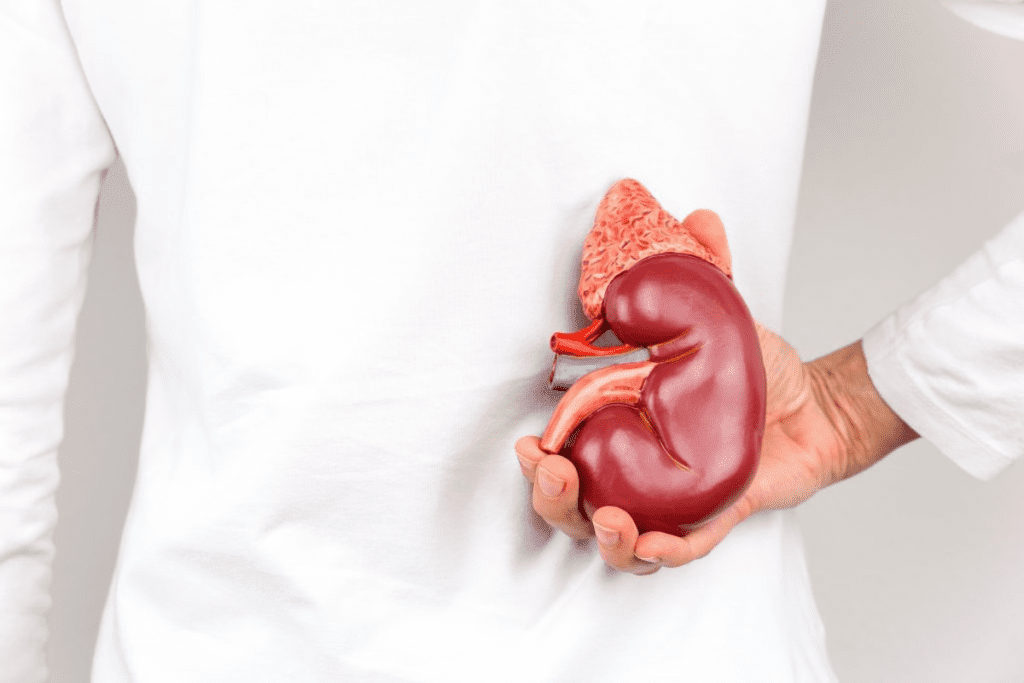
Hydrochlorothiazide cuts down on calcium in the urine. This makes it less likely for calcium stones to form. It’s very good for people with too much calcium in their urine. By keeping calcium levels low, it stops calcium stones from coming back.
Studies have shown thiazide diuretics work well in stopping kidney stones from coming back. They do this by lowering calcium in the urine and improving urine quality.
Optimal Dosing Based on the NOSTONE Trial
The NOSTONE trial showed the best dose for preventing kidney stones. It found that higher doses of thiazides cut down stone recurrence more. This means adjusting the dose can make treatment more effective.
The trial found that the right dose of hydrochlorothiazide can greatly lower the risk of stones coming back. This is very important for those at high risk.
Monitoring and Managing Possible Side Effects
Even though thiazide diuretics work well, watching for side effects is key. Side effects include low potassium, high calcium, and dizziness.
- It’s important to check electrolyte levels regularly to avoid problems.
- Changing the dose or adding potassium can help with side effects.
- Telling patients about side effects and how to report them is vital.
By managing side effects and adjusting treatment, doctors can make sure patients get the most from thiazide diuretics.
Alternative Prescription Medications That Target Kidney Stones
There are new prescription medicines that help fight kidney stones. Thiazide diuretics are a main treatment. But, other drugs might help stop stones from coming back.

Statins Like Atorvastatin: Beyond Cholesterol Control
Statins are known for lowering cholesterol. But, they might also prevent kidney stones. Atorvastatin is special because it has antioxidant and anti-inflammatory effects. These could help stop stones from forming.
“Studies also show that drugs such as statins (e.g., atorvastatin), losartan, and lisinopril may have a role in preventing stones. This is because of their antioxidant and anti-inflammatory properties.”
Antihypertensives with Stone-Fighting Properties
Some blood pressure medicines might also prevent kidney stones. Losartan and lisinopril are examples. They might help by reducing inflammation and oxidative stress, which lowers stone risk.
Medication Selection Based on Stone Composition
Choosing the right medicine for preventing stones depends on the stone type. Knowing the stone type helps doctors decide the best treatment. For example, calcium stones might need thiazide diuretics, while other stones might need different treatments.
Every patient is different, and the best treatment might mix medicines and lifestyle changes. By understanding why stones form and how medicines work, we can find the best way to manage and prevent them.
Medical Procedures That Break Up Existing Kidney Stones
When kidney stones are too big to pass on their own, doctors use medical procedures to break them up. These treatments include pharmacotherapy and minimally invasive methods. They help manage kidney stones effectively.
Extracorporeal Shock Wave Lithotripsy (ESWL)
Extracorporeal Shock Wave Lithotripsy (ESWL) is a non-invasive method. It uses sound waves to break down kidney stones into smaller pieces. These pieces can then be passed in the urine. InformedHealth.org says ESWL is a common treatment for large kidney stones.
Key benefits of ESWL include:
- Non-invasive, reducing the risk of complications
- Effective for stones of certain sizes and locations
- Minimal recovery time
Ureteroscopy with Laser Fragmentation
Ureteroscopy uses a small scope to see the stone. Laser fragmentation breaks the stone into smaller pieces. These pieces can then be removed or passed. This method is good for stones in the ureter or not suitable for ESWL.
Advantages of ureteroscopy with laser fragmentation:
- High success rate for removing stones
- Minimally invasive, with small incisions
- Effective for stones in various locations
Percutaneous Nephrolithotomy for Complex Cases
Percutaneous nephrolithotomy (PCNL) is used for complex or large kidney stones. It involves a small incision in the back to access the kidney. The stones are then removed directly.
PCNL is typically recommended for:
- Large or complex kidney stones
- Stones that are not responsive to other treatments
- Patients with specific anatomical considerations
image is to be corrected’
These medical procedures offer effective solutions for patients with significant kidney stone burdens. They provide relief and reduce the risk of complications from large or persistent stones.
Preventive Strategies and Screening for Recurring Kidney Stones
To prevent kidney stones from coming back, we need a complete plan. This includes screening, changing what we eat, and how we live. A good strategy can help lower the chance of getting kidney stones again.
The Critical Role of 24-Hour Urine Testing
A 24-hour urine test is key in finding out who might get kidney stones. But, only 7% of those at high risk get this test. We urge those who have had kidney stones to get tested regularly. This helps find risk factors and plan how to prevent more stones.
Natural Compounds and Phytoconstituents
Some natural substances might help stop kidney stones from forming. They can change how our body works to lower stone risk. We suggest looking into these natural options along with medical treatments.
Lifestyle Modifications That Complement Medication
Changing our lifestyle, like drinking more water and eating differently, can help too. We tell patients to make smart lifestyle choices to go with their treatment. This mix of medical care and lifestyle changes can greatly lower the chance of getting kidney stones again.
By taking a full approach to prevent kidney stones, patients can lower their risk and live better. We’re here to help patients manage their risk and improve their life.
Conclusion: Creating a Comprehensive Plan to Manage Kidney Stones
Managing kidney stones well needs a mix of medical care, lifestyle changes, and prevention. At Liv Hospital, we aim to give the latest care and advice to those with kidney stones. We help them understand and deal with treatment and prevention.
A good plan for kidney stones or nephrolithiasis starts with knowing why stones form. Knowing this helps people take steps to lower their risk of getting stones again. This way, they can manage their condition better.
Our team is all about top-notch healthcare, including the latest kidney stones treatment options. We believe in a plan that fits each person, mixing medical know-how with care that focuses on the patient. This way, we aim for the best results.
Together, we can help people with kidney stone issues get to a better health state. We also work to lower the chance of stones forming again in the future.
FAQ
References
- Oral Dissolution Therapy of Uric Acid Stones: A Systematic Review. (2024). MDPI. https://www.mdpi.com/2563-6499/5/4/47
- Dhayat, N. A., Tscholl, D. W., Khanna, A., et al. (2023). Hydrochlorothiazide and prevention of kidney-stone recurrence (NOSTONE trial). New England Journal of Medicine.https://www.nejm.org/content/388/9/781
What are the common symptoms of kidney stones?
Kidney stones can cause severe pain in the back or side. They also lead to nausea, vomiting, and trouble urinating. Sometimes, people may feel feverish, shivery, or see blood in their urine.
What causes kidney stones to form?
Kidney stones can form due to genetics, diet, or medical conditions. The most common type is calcium stones, often calcium oxalate.
How do thiazide diuretics help prevent kidney stone recurrence?
Thiazide diuretics, like hydrochlorothiazide, help by lowering urine calcium. This can prevent calcium stones from forming. Doctors often prescribe them to stop stones from coming back.
What is the NOSTONE trial, and how did it impact thiazide dosing?
The NOSTONE trial helped figure out the best thiazide dosage for preventing stones. Its results guide doctors on how much medication to give patients.
Are there alternative medications for preventing kidney stone recurrence?
Yes, statins and certain blood pressure medicines can also prevent stones. The right choice depends on the stone type and the patient’s health.
What medical procedures are used to break up or remove kidney stones?
To remove stones, doctors use ESWL, ureteroscopy, or percutaneous nephrolithotomy. These methods are for bigger or harder stones.
How can I prevent kidney stone recurrence?
Preventing stones involves screening, diet changes, and lifestyle tweaks. A 24-hour urine test helps identify risk factors. Natural compounds can also help prevent stones.
What lifestyle modifications can help reduce the risk of kidney stone recurrence?
Drinking more water and adjusting your diet can help. Working with your doctor, you can create a plan to lower your risk.
How often should I get screened for kidney stone recurrence?
Screening frequency depends on your risk and medical history. Your doctor will suggest a schedule based on your needs.
Can natural compounds help prevent kidney stone formation?
Some natural substances might prevent stones. But, always talk to your doctor before adding supplements or changing your diet.