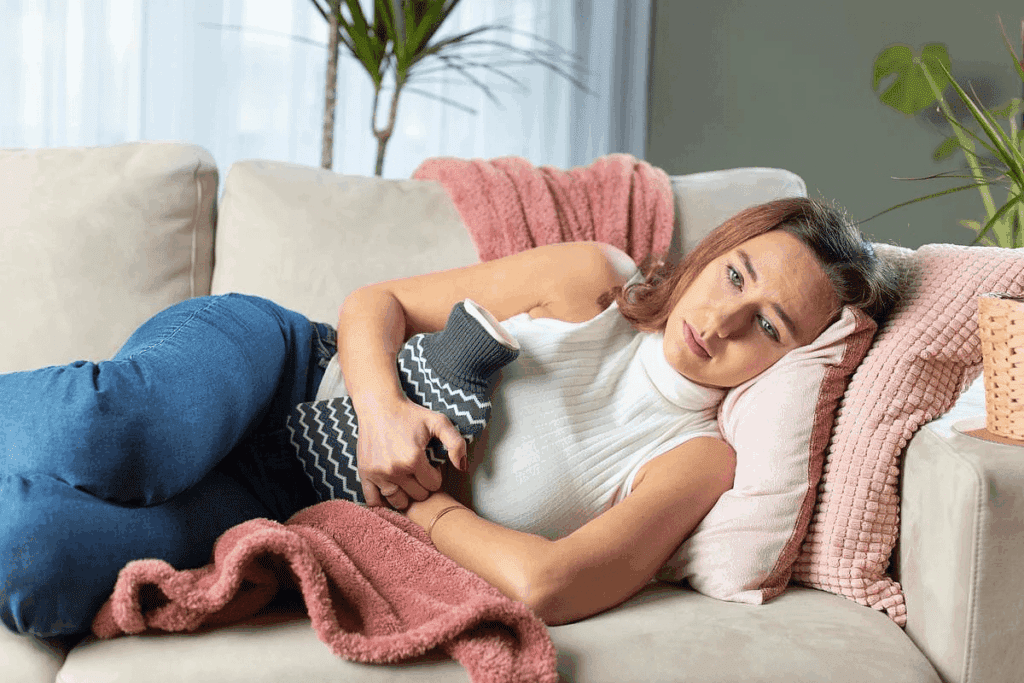
Feeling more pain during your period at 60 can be puzzling and scary. You might think you’re past dealing with period issues. But, many women in their 60s find their cramps get worse during the perimenopause and early menopause years. This is because of big hormonal changes.
It’s important to understand why your body is acting this way. Knowing about proven treatments can help you feel better. The NHS says women with period pains or cramps after menopause should get medical help.
At Liv Hospital, we’re here to help you deal with worsening period cramps. Our team is ready to give you the care and support you need. We want to improve your overall health and well-being.
Addressing the concern, “i am 60 years old and have menstrual cramps,” and exploring reasons for pain post-menopause.
Key Takeaways
- Hormonal changes during perimenopause and menopause can cause period cramps to worsen.
- Women experiencing period pains after menopause should seek medical advice.
- Understanding the causes of worsening period cramps is key for managing them.
- Proven treatments can help ease period cramps.
- Liv Hospital offers full care and support for managing period cramps.
The Phenomenon of Post-Menopausal Cramping
Women going through menopause often face many symptoms, including cramping. This cramping, known as post-menopausal cramping, is common. It leaves many wondering about its causes and what it means.
Studies show that many women find their cramps during perimenopause worse than usual. This is due to changes in hormones.
Why Cramps Can Persist After Periods End
There are several reasons why cramps can happen after menopause. Hormonal changes, like the drop in estrogen, are a big factor. “Hormonal shifts can lead to cramping, even in the absence of menstruation,” say doctors. Other causes include conditions like uterine fibroids or endometriosis.
The Difference Between Menstrual and Post-Menopausal Cramps
It’s important to know the difference between menstrual and post-menopausal cramps. Menstrual cramps are usually due to the uterus contracting during periods. But post-menopausal cramps can come from many things, like hormone changes and other health issues.
Many women get cramps without having their period during this time. It’s key for doctors to check these symptoms. They need to make sure there’s no serious health issue that needs treatment.
Perimenopause: When Cramps Often Intensify
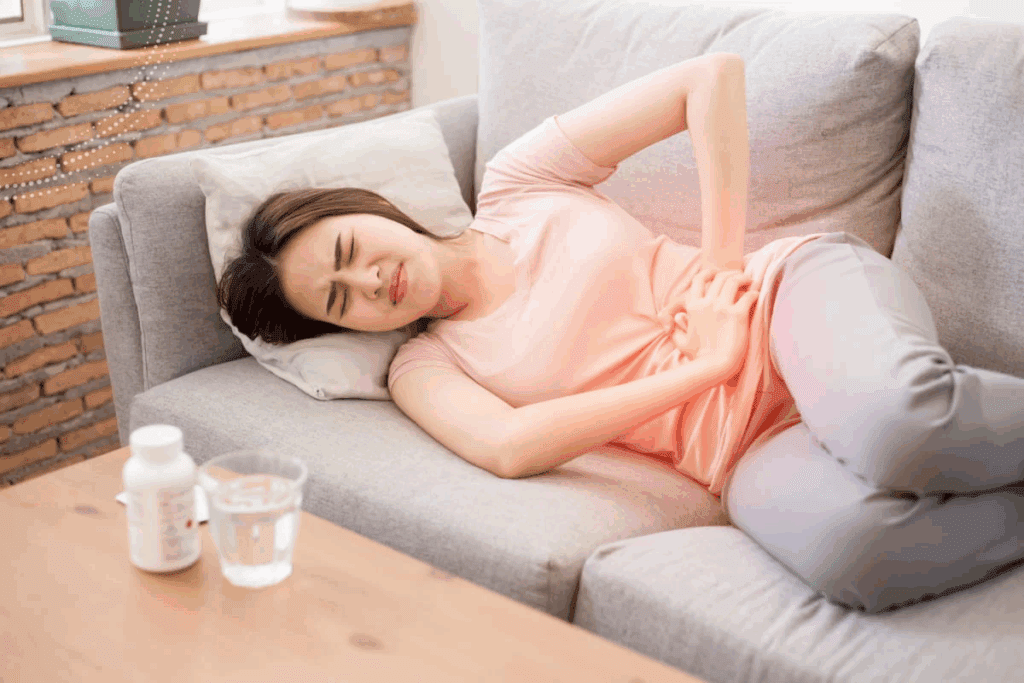
Perimenopause is the time before menopause when hormone levels change a lot. This can make menstrual cramps worse. Women might see big changes in their periods, like how often they come, how long they last, and how bad they are.
The Transitional Phase Before Menopause
Perimenopause can last from a few months to a few years before menopause. Hormones can swing up and down, causing unpredictable symptoms. Women might feel hot flashes, mood swings, and even worse menstrual cramps.
Some PMS symptoms might get better with age, but others can get worse during menopause. The hormone changes in perimenopause can make the uterus contract more, leading to more cramps.
Why Period Cramps Worse With Age During This Phase
As women get older and enter perimenopause, hormone changes can make cramps worse. High estrogen levels can lead to more prostaglandins, causing stronger cramps. Each woman’s body reacts differently to these changes, leading to varied experiences.
It’s important to understand what’s happening in perimenopause to manage symptoms. Knowing the signs and symptoms can help women prepare for this transition. They can also seek medical help if needed.
The Biological Mechanisms Behind Age-Related Cramping
Why do period cramps get worse with age? It’s all about the body’s changes. As women grow older, their bodies go through many changes. These changes can make menstrual cramps more severe.
Prostaglandins: The Chemical Culprits
Prostaglandins are like hormones in the body. They make the uterus contract, causing cramps. As we age, how much prostaglandin we make can change. This might make cramps worse.
Prostaglandin levels change with hormones. During the menstrual cycle, prostaglandin levels go up. This makes the uterus contract. In older women, these contractions can get stronger because of hormonal changes and health issues.
Estrogen’s Role in Worsening Cramp Intensity
Estrogen is important in the menstrual cycle and how bad cramps are. Even though estrogen goes down after menopause, it can go up and down during perimenopause. This can make cramps worse. Knowing how estrogen affects cramps helps us manage them better.
| Hormone | Effect on Cramps | Change With Age |
|---|---|---|
| Prostaglandins | Cause uterine contractions | Levels and activity change |
| Estrogen | Influences cramp intensity | Levels decrease post-menopause |
Why Muscle Cramps Change With Hormonal Shifts
Hormonal changes, like those in estrogen and progesterone, affect muscle cramps. As women go through perimenopause and menopause, their hormones change. This can make cramps come more often or be more intense.
Understanding these changes helps us see why cramps get worse with age. It also helps us find ways to manage them better.
“I Am 60 Years Old And Have Menstrual Cramps” – Understanding Your Experience
Many women are surprised to find they have menstrual-like cramps after menopause. These cramps at 60 might seem odd, but they happen. We’ll look into how common and what patterns these cramps follow.
The Prevalence of Post-Menopausal Cramping
Studies show many women get cramps even after menopause. Up to 15% of women find these cramps so bad they disrupt their daily life. This shows how important it is to understand and tackle post-menopausal cramping.
Several things can cause these cramps, like hormonal changes and other health issues. These cramps can be as bad as menstrual cramps, leading to discomfort and worry.
Common Patterns and Experiences
Women with post-menopausal cramps often say their cramps are as bad as menstrual ones. The reasons can vary, from hormonal shifts to health problems. It’s key to remember that cramps after menopause aren’t always about menstruation. Other factors can also play a role.
Some common experiences include:
- Cramps that come without warning
- Pain that mainly hits the lower abdomen
- Cramps that might come with other symptoms like bloating or discomfort
Knowing these patterns can help figure out what’s causing them and find the right medical help. If you’re feeling “i’m cramping but no period”, talking to a healthcare provider is a must to find out why and how to treat it.
In summary, while getting menstrual cramps at 60 might be unexpected, it’s a common issue for many women. By understanding how common and what patterns these cramps follow, women can handle this better and get the support they need.
Experiencing Major Cramps But No Period: Causes and Explanations
Many women face major cramps without a period, a confusing and worrying issue. This is common in the perimenopausal and post-menopausal stages.
Hormonal Triggers for Phantom Menstrual Pain
Hormonal changes are key in causing cramps, even without menstruation. In perimenopause, estrogen spikes can lead to phantom menstrual pain. This pain feels like menstrual cramps but doesn’t come with bleeding.
We’ll look into how these hormonal shifts cause cramping that feels like menstrual pain.
Non-Reproductive Causes of Similar Cramping
Not all cramping is linked to reproductive issues. Problems like irritable bowel syndrome (IBS), musculoskeletal disorders, and some neurological conditions can also cause cramps.
It’s important to understand these non-reproductive causes for proper diagnosis and treatment. We’ll talk about how to tell them apart from reproductive causes and manage them well.
Secondary Conditions That Make Cramps Get Worse As You Get Older
As women age, their bodies undergo many changes. These changes can lead to secondary conditions that worsen cramping. Menopause and beyond bring health issues that increase discomfort.
Uterine Fibroids After Menopause
Uterine fibroids are non-cancerous growths in or around the uterus. They are common during reproductive years but can persist or grow after menopause. This can cause or worsen cramping.
The exact cause of uterine fibroids is unknown. Hormonal influences, genetics, and environmental factors may play a role. Women with a history of fibroids may see symptoms continue or worsen after menopause.
| Condition | Symptoms | Potential Treatments |
|---|---|---|
| Uterine Fibroids | Cramping, heavy bleeding, pelvic pressure | Hormone therapy, surgical removal |
| Endometriosis | Pelvic pain, cramping, infertility | Hormone therapy, pain management |
| Polyps | Irregular bleeding, cramping | Surgical removal |
Endometriosis in Women Over 60
Endometriosis is a condition where tissue like the uterine lining grows outside it. This causes pain and discomfort. It’s more common in younger women but can appear in women over 60.
Endometriosis symptoms in older women are similar to those in younger women. These include cramping, pelvic pain, and discomfort during intercourse. Managing endometriosis in older women may involve hormone therapy or pain management.
Polyps and Structural Changes in the Aging Uterus
Polyps are growths on the uterine or cervical lining. Like fibroids, they can cause irregular bleeding and cramping. As women age, the uterus structure changes, potentially leading to polyps.
Structural changes in the aging uterus can also lead to cramping. These changes might include alterations in the uterine lining or the development of conditions like adenomyosis. Adenomyosis is when tissue similar to the uterine lining grows into the uterine wall.
Understanding these secondary conditions is key to managing worsening cramps with age. By identifying and treating these conditions, healthcare providers can help alleviate symptoms. This improves the quality of life for older women.
When Cramping Interferes With Daily Life
Menstrual cramps are common for many women. But, a big number face cramps so bad they mess up their daily life. Up to 15% of women have cramps that are so severe, they can’t do their daily activities.
The 15% With Debilitating Symptoms
This big group of women has cramps that are not just painful but really bad. Debilitating symptoms mean they have pain all day. This pain makes it hard for them to do simple things.
Impact on Quality of Life and Activities
Severe cramping really affects a woman’s quality of life. Even simple tasks are hard. It also makes it tough to enjoy activities.
Work, exercise, or even doing chores at home can be tough with bad cramps. The emotional toll of living with chronic pain is big. It can make people feel frustrated and alone.
Recognizing When Pain Becomes Abnormal
It’s important to know when cramping is not normal and needs a doctor. Abnormal pain is pain that’s way different from usual menstrual cramps. It could be more intense, last longer, or happen more often.
We should watch for signs that cramping is not just part of the cycle. Look for pain that’s really bad, lasts a long time, or comes with other symptoms that worry you. This could mean there’s something serious going on that needs a doctor’s help.
Diagnostic Approaches for Post-Menopausal Cramping
Figuring out why you have cramps after menopause takes a detailed medical check-up. If you’re having big cramps but no period, finding the cause is key. A doctor can help find the best way to handle these symptoms.
Tests Your Doctor May Recommend
Doctors might suggest several tests to find the cause of post-menopausal cramping. A pelvic exam can check your reproductive organs for any problems. They might also suggest imaging tests like ultrasounds, CT scans, or MRI scans to see inside your body.
An ultrasound can spot issues like uterine fibroids or polyps that might be causing your cramps. If you’re cramping but not having a period, these tests can give important clues about what’s going on.
Imaging and Laboratory Evaluations
Laboratory tests are also important in figuring out what’s causing your cramps. These might include blood tests to check hormone levels or to look for other conditions. Sometimes, a biopsy is needed to check for abnormal cell growth.
By looking at the results of these tests, doctors can create a treatment plan just for you. This way, women get the right care for their specific situation, whether it’s due to hormonal changes or something else.
Knowing how doctors diagnose post-menopausal cramping helps women get the right medical help. If you’re having big cramps but no period, talking to a healthcare provider is the first step to feeling better and living better.
Medical Treatments for Cramps Getting Worse With Age
As women get older, dealing with worsening cramps becomes a big issue. There are many medical treatments to help manage this problem. Many women, mainly over 60, face this issue and need to find relief.
Hormone Therapy Considerations After 60
Hormone therapy is a treatment option for severe cramps. For women over 60, choosing hormone therapy is a big decision. It’s important to think about the benefits and risks, like heart problems and breast cancer.
The right type and amount of hormone therapy depends on the individual. Talking to a healthcare provider is key to finding the best treatment.
Non-Hormonal Prescription Options
For those who don’t want hormone therapy, there are other options. Nonsteroidal anti-inflammatory drugs (NSAIDs) or other pain meds can help. We help find the best medication and dosage for each patient.
In some cases, other drugs might be considered. The goal is to find a treatment that works well with few side effects.
When Surgical Intervention May Be Necessary
In some cases, surgery might be needed for severe cramps. Procedures like hysterectomy or removing uterine fibroids or polyps might be options. We discuss the benefits and risks with the patient.
Deciding on surgery depends on many factors. It’s important to talk to a healthcare provider about the implications.
Natural Remedies and Self-Care Strategies
Natural remedies and self-care can help with period cramps that get worse with age. Women can find relief by making lifestyle changes. These changes can make a big difference in how they feel.
Anti-Inflammatory Dietary Approaches
Eating the right foods can reduce period cramps. Foods like salmon and flaxseeds are full of omega-3 fatty acids. They help lower inflammation. Also, eating lots of fruits, vegetables, and whole grains can help balance hormones and lessen cramps.
- Add anti-inflammatory foods like turmeric and ginger to your meals.
- Drink plenty of water all day to stay hydrated.
- Avoid processed foods that can make inflammation worse.
Exercise and Movement Therapies
Exercise is key in managing period cramps. It releases endorphins, which are natural painkillers. Yoga, Pilates, and brisk walking are great options.
- Do at least 30 minutes of moderate exercise most days.
- Try stretching exercises to improve flexibility and reduce muscle tension.
- Look into mind-body exercises like tai chi or meditation to manage stress.
Evidence-Based Supplements and Alternatives
Some supplements and alternative therapies can help with period cramps. Magnesium and calcium supplements relax muscles and reduce cramping. Acupuncture also offers relief for many women.
- Talk to your healthcare provider before trying new supplements.
- Check out alternative therapies like herbal remedies or aromatherapy.
- Keep a journal to see how different remedies work for you.
By using natural remedies and self-care, women can manage period cramps better. It’s important to work with healthcare providers to find what works best for each person.
The Emotional Impact of Unexpected Body Changes
Cramps without a period can be confusing and upsetting. It affects mental health and overall well-being. Women often feel frustrated and anxious.
Psychological Aspects of Dealing With Persistent Cramps
Dealing with persistent cramps can cause emotional distress. It affects daily activities and quality of life. Some women may feel depressed or anxious.
It’s important to recognize these feelings are valid. Getting support from healthcare providers, family, and friends is key. It helps manage emotional cramping.
Finding Support and Community Resources
Support groups and community resources help women with persistent cramps. Sharing experiences and advice with others is beneficial.
Online forums, local support groups, and healthcare providers offer guidance. It’s important to explore these resources to find what works best.
| Support Resource | Description | Benefits |
|---|---|---|
| Online Forums | Platforms for sharing experiences and advice | Accessibility, anonymity, diverse perspectives |
| Local Support Groups | In-person meetings for emotional support | Personal connection, community building, emotional support |
| Healthcare Providers | Professional guidance and medical support | Expert advice, personalized care, treatment options |
Communicating Effectively With Healthcare Providers
Good communication with healthcare providers is key for managing cramps. Being open about symptoms and feelings helps them offer better support.
Women should keep a symptom journal. It tracks when cramps happen, how bad they are, and what helps or worsens them. This info is very helpful during visits.
Working with healthcare providers and using support resources helps manage emotional cramping. It improves overall well-being.
Conclusion: Embracing Comfort in Your Senior Years
As women get older, it’s key to know why period cramps might get worse. We’ve looked into why cramps can stay or get stronger after menopause. We’ve also talked about what makes this happen.
Managing cramps well means using medicine, changing your lifestyle, and getting emotional support. This mix can help ease symptoms and make life better.
Dealing with worsening period cramps can be tough, but there’s hope. Women can find relief with the right treatment. We suggest talking to your doctor to find a plan that works for you.
This way, women can feel more comfortable and confident in their later years. They can enjoy a better life.
FAQ
Are period cramps and muscle cramps the same?
No, they are not the same. Period cramps happen during the menstrual cycle due to the uterus contracting. Muscle cramps, on the other hand, are sudden muscle contractions that can happen anywhere in the body.
Do cramps get worse with age?
Yes, for some women, cramps can get worse with age. This is often seen during perimenopause and after menopause. Hormonal changes and other conditions can play a role.
Why are my period cramps worse as I get older?
Period cramps can get worse with age due to hormonal changes. These changes happen during perimenopause. Also, conditions like uterine fibroids or endometriosis can make cramps worse.
I’m cramping but I don’t have a period, what’s going on?
Cramps without a period can be caused by hormonal changes or other non-reproductive conditions. It’s important to see a healthcare provider to find out why.
Can secondary conditions like uterine fibroids or endometriosis cause worsening cramps?
Yes, conditions like uterine fibroids, endometriosis, and polyps can make cramps worse with age.
How are post-menopausal cramps diagnosed?
Diagnosing post-menopausal cramps involves several steps. Tests and evaluations like imaging and lab tests are used to find the cause.
What are the treatment options for cramps that get worse with age?
Treatment options include hormone therapy, non-hormonal medications, and surgery. Natural remedies and self-care strategies like diet and exercise are also helpful.
Can lifestyle changes help alleviate cramping?
Yes, changes like an anti-inflammatory diet, exercise, and supplements can help ease cramping.
How can I cope with the emotional impact of persistent cramps?
To cope, find support, talk to healthcare providers, and address the emotional side of persistent cramps. This can help manage the emotional impact.
Are there any specific considerations for managing cramps after 60?
Managing cramps after 60 means understanding the causes, considering treatments like hormone therapy, and using natural remedies and self-care. Tailor these to your individual needs
.
References
National Health Service (NHS). Worsening Period Cramps After 60: Perimenopause and Menopause Effects. Retrieved from https://www.nhs.uk/conditions/menopause/