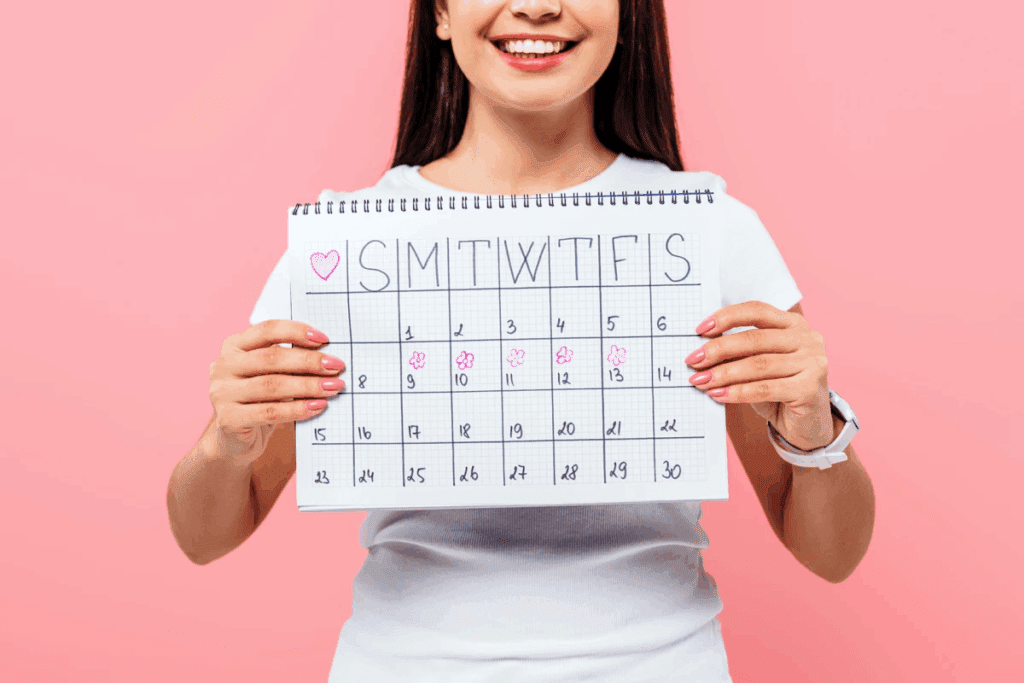
Having your period twice in one month can be scary. It’s even more so if your cycle has always been regular. Sometimes, having a period every 2 weeks can mean there’s a problem with your hormones or health. It’s important to see a doctor about it. Get clear answers on why you are experiencing menstruation 2 weeks apart. Learn about the medical conditions that result in shortened cycles.
At Liv Hospital, we focus on keeping you healthy. Knowing about your menstrual cycle and why it might change is key. Frequent periods, or polymenorrhea, can happen for many reasons. These include changes in hormones, thyroid issues, and problems with the uterus.
Key Takeaways
- Frequent menstruation can be a sign of underlying hormonal imbalances or medical conditions.
- Hormonal fluctuations, thyroid disorders, and uterine abnormalities are possible causes.
- Understanding your normal menstrual cycle is vital for spotting irregularities.
- Getting medical help is important for managing irregular periods.
- Liv Hospital is committed to caring for women’s health issues comprehensively.
Understanding Normal Menstrual Cycles

A normal menstrual cycle shows good reproductive health. It involves hormones that get the body ready for pregnancy each month.
To know what’s normal, we look at cycle length and menstrual flow. These can differ a lot between women. What’s normal for one might not be for another.
What Defines a Normal Cycle Length
The cycle length is from the start of one period to the next. A typical cycle is 21 to 35 days, with 28 days being average. But, cycles can change for different women and even for the same woman over time.
- Cycles between 24 and 38 days are normal for many.
- Stress, weight changes, and health can affect cycle length.
- Tracking your cycle helps you know what’s normal for you.
Typical Menstrual Flow and Duration
Menstrual flow is the bleeding during a period. It usually lasts 3 to 7 days. The flow can be heavy or light on different days.
- Flow can be bright red or dark brown.
- Some women have heavier or lighter flows.
- Flow can change as women age.
Knowing about menstrual cycles helps women spot any oddities. If you notice changes, it’s wise to talk to a doctor. Many factors, like hormones and health, can affect your cycle.
What Does It Mean to Have Menstruation 2 Weeks Apart?
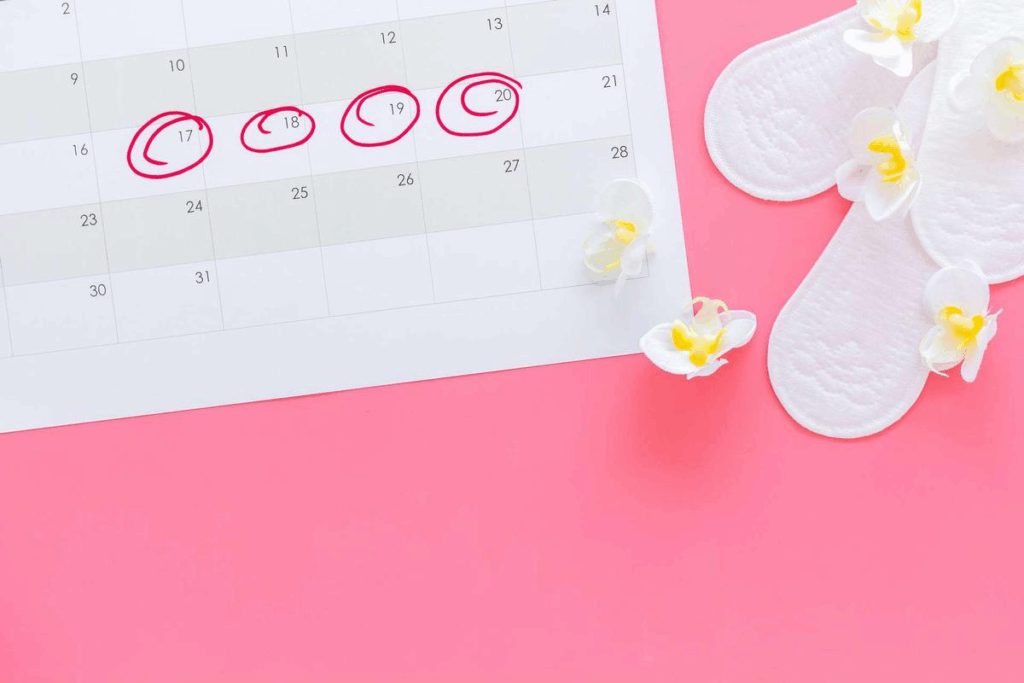
Frequent menstruation, or polymenorrhea, means women have their periods more often than normal. This can be a sign of health problems.
Defining Polymenorrhea
Polymenorrhea is when periods are shorter than usual, happening more often than every 21-35 days. It can be due to hormonal imbalances and thyroid disorders.
Knowing about polymenorrhea helps find the reasons for frequent periods. It’s not just about periods being close; it’s about the health risks.
How Common Is This Condition?
How common polymenorrhea is varies. Some women get it sometimes, while others get it more often. Age, health, and lifestyle play a role.
Distinguishing Between Periods and Breakthrough Bleeding
It’s key to tell regular menstrual bleeding from breakthrough bleeding. Breakthrough bleeding is unexpected bleeding between periods or with hormonal birth control. Both are concerning but have different causes and effects.
Knowing the difference helps women get the right medical help. If you have frequent or irregular bleeding, see a doctor to find out why and get treatment.
Hormonal Imbalances and Frequent Periods
Hormonal imbalances can mess up normal ovulation, making periods come more often. These imbalances can change how often and how long periods last.
Estrogen and Progesterone Fluctuations
Estrogen and progesterone are key hormones for menstrual cycles. Estrogen goes up first, helping the uterine lining grow. Then, progesterone kicks in to keep the lining ready for pregnancy. When these hormones don’t stay balanced, cycles can get irregular, leading to more frequent periods.
For example, too much estrogen without enough progesterone can cause the lining to grow too much. This can lead to heavier or more frequent bleeding. On the other hand, not enough estrogen can make the lining shed more often, causing more frequent periods.
Anovulatory Cycles
Anovulatory cycles happen when ovaries don’t release an egg. This messes up the hormonal balance, causing irregular bleeding, including more frequent periods. These cycles are common in the early years of menstruation and during perimenopause. But they can happen at any time due to stress, weight changes, or medical conditions.
Luteal Phase Defects
A luteal phase defect means the body doesn’t make enough progesterone or the uterine lining doesn’t respond well. This can cause irregular cycles, including more or heavier bleeding. These defects can be caused by hormonal imbalances, medical conditions, or lifestyle factors.
Hormonal Imbalance | Effect on Menstrual Cycle |
Estrogen Dominance | Heavy or frequent bleeding |
Progesterone Deficiency | Irregular or frequent periods |
Anovulatory Cycles | Irregular or infrequent periods |
Luteal Phase Defect | Irregular or heavy bleeding |
It’s important to understand how hormonal imbalances affect frequent periods. Knowing the cause helps doctors find the right treatment. This can help regulate menstrual cycles and ease symptoms.
Age-Related Factors Causing Periods Every 2 Weeks
Having periods every 2 weeks can be due to age-related factors. As women age, their hormones and menstrual cycles change a lot.
Adolescence and Menstrual Irregularities
In adolescence, getting your first period can lead to irregular cycles. This is because it takes time for the body to balance hormones. Teenagers often have irregular or frequent periods as their body matures.
- Hormonal changes in adolescence affect menstrual cycle regularity.
- It may take 2-3 years after the first period for cycles to settle down.
- Irregular periods during this time are usually normal, but see a doctor if they last.
Perimenopause and Changing Cycles
As women get closer to perimenopause, usually in their 40s, hormonal shifts can cause irregular periods. This phase is marked by changing estrogen levels, leading to varied menstrual frequency and intensity.
- Perimenopause can last several years, making menstrual cycles unpredictable.
- Hormonal changes can cause both heavy bleeding and irregular periods.
- Women in this stage may experience symptoms like hot flashes and mood swings, along with irregular periods.
Postpartum Hormonal Changes
Postpartum hormonal changes can also affect menstrual cycles. After childbirth, the body adjusts from being pregnant to not pregnant. This adjustment can lead to irregular periods, including periods every 2 weeks.
It’s important for women to be aware of these changes and watch their menstrual health postpartum. While some irregularity is normal, persistent or severe issues need a doctor’s attention.
Knowing how age affects menstrual health can help women manage their cycles better. Whether in adolescence, perimenopause, or postpartum, being informed about irregular periods can improve health outcomes.
Birth Control and Medications Affecting Menstrual Frequency
Hormonal contraceptives and some medications can change how often you get your period. These changes affect your menstrual health in complex ways. They involve different physiological and hormonal shifts.
Hormonal Contraceptives and Breakthrough Bleeding
Birth control pills, patches, and rings aim to control your menstrual cycle. But, they can sometimes lead to breakthrough bleeding, mainly in the first few months. This irregular bleeding might worry you, but it usually gets better as your body gets used to the hormones.
“Breakthrough bleeding is a common side effect of hormonal contraceptives, mainly in the first few months,” says Medical Expert, a gynecologist. “While it can be alarming, in most cases, it’s not a cause for concern and tends to resolve as the body adapts.”
Medications That Can Disrupt Menstrual Cycles
Some medications, not just birth control, can also mess with your menstrual cycle. These include:
- Anticoagulants, which can cause heavier or more frequent bleeding
- Antidepressants, which can affect serotonin levels and hormonal balance
- Antipsychotics, which may alter hormonal regulation
Women should talk to their healthcare provider if they notice changes in their menstrual cycle due to medications.
IUD-Related Menstrual Changes
Intrauterine Devices (IUDs), both hormonal and copper, can also impact menstrual cycles. Hormonal IUDs may lead to lighter or less frequent periods over time. Copper IUDs can sometimes cause heavier or more prolonged bleeding, mainly in the initial months.
It’s important to understand these possible changes if you’re thinking about getting an IUD. Talking to a healthcare provider can help manage your expectations and address any concerns.
Thyroid Disorders and Their Impact on Menstruation
Thyroid health is key to regular periods. Any thyroid issue can mess with menstrual timing. The thyroid makes hormones that control metabolism and energy. These hormones also balance hormones in the body, affecting menstrual cycles.
Hyperthyroidism and Menstrual Changes
Hyperthyroidism, when the thyroid works too hard, can mess with periods. Symptoms include:
- Light or infrequent periods
- Shorter menstrual cycles
- Reduced menstrual flow
This happens because an overactive thyroid throws off hormone balance. This affects the menstrual cycle.
Hypothyroidism Effects on Period Frequency
Hypothyroidism, when the thyroid doesn’t work enough, also messes with periods. Symptoms may include:
- Heavy or prolonged menstrual bleeding
- Longer or more frequent menstrual cycles
- Increased menstrual cramps
An underactive thyroid can cause hormone imbalance. This imbalance affects menstrual regularity.
Thyroid Testing and Treatment
If you have irregular periods, thyroid testing might be needed. The test can find any thyroid problems. Treatment depends on the issue:
- For hyperthyroidism, treatments may include medications to reduce thyroid hormone production or radioactive iodine to destroy part of the thyroid gland.
- For hypothyroidism, synthetic thyroid hormone replacement is typically prescribed to restore normal thyroid hormone levels.
Getting the right diagnosis and treatment can help manage thyroid-related menstrual issues. This can improve menstrual health overall.
Polycystic Ovary Syndrome (PCOS) and Irregular Bleeding
PCOS is a hormonal disorder that affects many women. It causes irregular menstrual cycles and other symptoms. It’s a leading cause of infertility and linked to metabolic and hormonal issues.
Symptoms and Diagnosis
PCOS symptoms vary among women. Common signs include irregular or prolonged periods, high androgen levels, and ovarian cysts. Doctors use clinical evaluation, ultrasound, and hormonal tests to diagnose it.
Common Symptoms of PCOS:
- Irregular menstrual cycles or amenorrhea
- Hirsutism or excessive hair growth
- Acne
- Male pattern baldness
- Cysts on the ovaries detected by ultrasound
How PCOS Affects Menstrual Cycles
PCOS impacts menstrual cycles due to hormonal imbalances. High androgen levels and insulin resistance are key factors. This can lead to anovulatory cycles, causing irregular or absent periods.
Effect on Menstrual Cycle | Description |
Irregular Periods | Infrequent or prolonged menstrual bleeding due to hormonal imbalance. |
Anovulatory Cycles | Cycles where ovulation does not occur, leading to irregular menstrual bleeding. |
Hormonal Imbalance | Elevated androgen levels and insulin resistance contribute to menstrual irregularity. |
Managing PCOS-Related Menstrual Issues
Managing PCOS menstrual issues requires a multi-faceted approach. This includes lifestyle changes, hormonal therapies, and treatments for metabolic issues. The goal is to regulate menstrual cycles and improve overall health.
Management Strategies:
- Lifestyle changes: diet and exercise to improve insulin sensitivity
- Hormonal contraceptives to regulate menstrual cycles
- Anti-androgen medications to reduce hirsutism and acne
- Fertility treatments for women trying to conceive
Understanding PCOS and its effects on menstrual health helps women manage symptoms. This improves their quality of life.
Uterine Abnormalities Causing Frequent Periods
Uterine abnormalities can cause irregular menstrual cycles, leading to frequent periods. These issues can greatly affect a woman’s life, causing discomfort, pain, and anxiety. We will look into how certain uterine conditions lead to these irregularities.
Fibroids and Their Effects
Fibroids are non-cancerous growths in or around the uterus. They can lead to heavy bleeding, long periods, and pelvic pain. Fibroids can make periods come more often because of their impact on the uterine lining.
Symptoms of Fibroids:
- Heavy or prolonged menstrual bleeding
- Pelvic pain or pressure
- Frequent urination
- Constipation
Polyps and Endometrial Hyperplasia
Polyps grow on the uterine lining and can cause irregular bleeding, including frequent periods. Endometrial hyperplasia, where the uterine lining thickens, can also cause heavy or irregular bleeding.
Condition | Symptoms | Treatment |
Polyps | Irregular bleeding, heavy periods | Surgical removal |
Endometrial Hyperplasia | Heavy or prolonged bleeding | Hormonal therapy, surgery |
Adenomyosis and Heavy Bleeding
Adenomyosis is when tissue like the uterine lining grows outside the uterus, in the muscular walls. This can cause heavy or prolonged bleeding and pain. It can make periods come more often because of the disruption to the uterine lining.
Common symptoms of adenomyosis include:
- Heavy or prolonged menstrual bleeding
- Severe menstrual cramps
- Pelvic pain
It’s important to understand these uterine abnormalities to find the causes of frequent periods. We suggest talking to a healthcare provider for the right diagnosis and treatment.
Lifestyle Factors Affecting Menstrual Frequency
Many lifestyle choices can change how often you menstruate. What we do every day can affect our hormones and cycles.
Stress and Anxiety
Stress and anxiety can mess with our hormones. Chronic stress can upset the balance of hormones, making cycles irregular.
To deal with stress-related issues, try stress-reduction techniques. Activities like meditation, yoga, or deep breathing can help.
- Meditation and mindfulness practices
- Yoga and other physical activities that promote relaxation
- Deep breathing exercises and progressive muscle relaxation
Weight Fluctuations
Big changes in weight can affect how often you menstruate. Maintaining a healthy weight is key for hormone balance. Being too thin or too heavy can upset hormone levels.
Eating well and exercising regularly can help keep your weight healthy. This supports regular menstrual cycles.
“A healthy weight is not just about appearance; it’s about overall health and well-being, including menstrual health.”
Exercise and Diet
Regular exercise and a balanced diet are vital for hormone balance and regular cycles. Exercise can influence menstrual frequency by changing hormone levels, like insulin and cortisol.
Eating lots of whole foods, fruits, and vegetables is good for your health. It can also help keep your cycles regular.
Dietary Component | Effect on Menstrual Cycle |
High intake of processed foods | May lead to irregular cycles |
Balanced diet with whole foods | Supports regular menstrual cycles |
Sleep Quality and Hormonal Balance
Good sleep is important for hormone regulation, including menstrual cycle hormones. Poor sleep quality can upset hormone balance, causing changes in menstrual frequency.
Getting enough sleep and making your sleep space comfy can improve your sleep.
When to See a Doctor About Having Two Periods in One Month
If you’re having two periods in one month, some signs mean you need to see a doctor right away. While it’s normal for periods to sometimes be off, some changes could mean a health problem. It’s important to know when to get help.
Warning Signs That Require Medical Attention
Some symptoms with frequent periods mean you should see a doctor. These include:
- Severe menstrual cramps that make it hard to do daily things
- Heavy bleeding that goes through a pad or tampon every hour for hours
- Passing big blood clots
- Menstrual bleeding that lasts more than 7-10 days
- Spotting or bleeding between periods
- Dizziness or fainting because of heavy bleeding
These signs might mean you have fibroids, hormonal problems, or other health issues. You should see a doctor to find out.
What to Expect at Your Appointment
When you see your doctor about having two periods in a month, they will check you thoroughly. This might include:
- Talking about your medical history to find patterns or causes
- A physical exam, like a pelvic exam
- Lab tests, like blood work, to check hormone levels or thyroid function
- Imaging studies, like an ultrasound, to look at your reproductive organs
Keeping a menstrual diary and noting any symptoms can help your doctor make a good diagnosis.
Questions to Ask Your Healthcare Provider
To get the best care, ask your doctor these questions:
Question | Purpose |
What could be causing my frequent periods? | Understand the possible reasons |
Are there any specific tests or examinations needed? | Know what to expect during the check-up |
What treatment options are available for my condition? | Learn about possible treatments based on your diagnosis |
Are there lifestyle changes that can help manage my symptoms? | Find out about self-care and management strategies |
Being informed and proactive helps you work with your doctor to solve your menstrual health issues.
Diagnosis and Treatment of Frequent Menstruation
Frequent menstruation might signal an underlying issue. Accurate diagnosis is key to tackling it. Healthcare providers use various tools and techniques to find the cause.
Physical Examinations and Medical History
The first step is a detailed physical examination and a look at the patient’s medical history. This helps spot any underlying conditions causing the issue.
During the physical check-up, doctors look for hormonal imbalances or thyroid disorders. They also review the patient’s menstrual patterns, health, and any medications or supplements.
Blood Tests and Hormone Panels
Blood tests are vital in diagnosing frequent menstruation. They check hormone levels and signs of thyroid disorders or other conditions affecting menstrual cycles.
A hormone panel measures various hormones in the blood. It helps identify hormonal imbalances that might lead to frequent menstruation.
Imaging Studies
In some cases, imaging studies like ultrasound are recommended. They look for abnormalities in the reproductive organs, like fibroids or polyps, causing frequent bleeding.
These tests give detailed images of the uterus and ovaries. They help doctors find structural issues that might be causing the problem.
Treatment Approaches Based on Underlying Causes
The treatment for frequent menstruation varies based on the cause. It can include hormonal therapies or surgical interventions for conditions like fibroids or polyps.
Lifestyle changes, like dietary adjustments and stress management, may also be suggested. The goal is to address the root cause and improve menstrual health.
Accurate diagnosis is critical for effective treatment. Understanding the cause allows healthcare providers to create personalized treatment plans for their patients.
Conclusion: Managing Your Menstrual Health
Managing menstrual health is key for feeling good overall. Knowing why you might get your period often and getting medical help is important. It helps you keep your menstrual cycles in check.
Being aware of what might make your periods irregular is the first step. This includes hormonal imbalances, thyroid issues, and problems with the uterus. Knowing these can help you take steps to manage your cycle better.
We’ve looked at how lifestyle, birth control, and medicines can affect your periods. Making smart choices and getting medical advice can boost your health and happiness.
Putting a focus on menstrual health can lower the chance of problems and make you feel better. We urge everyone to take charge of their menstrual health. Don’t hesitate to ask for help when you need it.
FAQ
Why am I having my period every 2 weeks?
Having your period every 2 weeks can be caused by many things. These include hormonal imbalances, uterine abnormalities, and certain medical conditions. We will explore these causes and their impact on your menstrual health.
What is considered a normal menstrual cycle length?
A normal menstrual cycle is usually between 21 to 35 days. The average is about 28 days. Different factors, like hormonal changes and health, can affect this.
Can stress affect my menstrual cycle?
Yes, stress can change your menstrual cycle. It might make your periods come more often. Stress can mess with your hormones, affecting your menstrual health.
How do hormonal contraceptives affect menstrual frequency?
Hormonal contraceptives can change how often you get your period. They might cause breakthrough bleeding or change your cycle. Different types of contraceptives can affect your menstrual health differently.
What is polymenorrhea, and how common is it?
Polymenorrhea is when you have periods that are less than 21 days apart. How common it is can vary. It can be a sign of many health issues.
Can thyroid disorders affect my menstrual cycle?
Yes, thyroid disorders can mess with your menstrual cycle. They might make your periods irregular, coming more often. Thyroid health is key to reproductive health.
How does PCOS affect menstrual cycles?
PCOS can make your menstrual cycles irregular. You might have periods that are too infrequent or last too long. PCOS is a hormonal disorder that affects reproductive health a lot.
What are the warning signs that I should seek medical attention for my menstrual irregularities?
You should see a doctor if you have heavy or long bleeding, severe pain, or big changes in your period. If you notice these symptoms, it’s important to talk to a healthcare provider.
What can I expect during a doctor’s visit for menstrual irregularities?
At a doctor’s visit, you’ll get a physical exam and a review of your medical history. You might also have tests like blood tests or imaging studies. These help find the cause of your irregular periods.
What treatment options are available for managing frequent menstruation?
Treatment for frequent periods depends on the cause. It might include hormonal therapies, lifestyle changes, or treating any underlying conditions. A healthcare provider can help find the best treatment for you.
Can lifestyle changes help manage menstrual irregularities?
Yes, making healthy lifestyle choices can help. This includes keeping a healthy weight, managing stress, and eating well. These choices can greatly impact your menstrual health.
How can I manage my menstrual health effectively?
To manage your menstrual health well, understand your cycle and watch for any changes. If you notice irregularities, seek medical care. Taking proactive steps can improve your overall health and reproductive well-being.
References
Government Health Resource. Pituitary Gland: Alternative Names and Functions. Retrieved from https://histology.siu.edu/erg/pituit.htm