Last Updated on December 1, 2025 by Bilal Hasdemir
mesenchymal
Research shows that mesenchymal stem cells (MSCs) have a complex role in cancer. These mesenchymal cells can either help tumors grow or fight them off.
MSCs are special cells that can turn into different types of cells, including those found in tumors. Their mesenchymal nature and role in cancer growth and spreading are getting more attention.
The mixed role of mesenchymal stem cells in cancer means we need to learn more about them, as this knowledge could lead to new treatments.
Key Takeaways
- MSCs have both pro-tumorigenic and anti-tumorigenic effects in cancer.
- Their role in cancer progression and metastasis is complex and multifaceted.
- Understanding MSCs’ mechanisms is key for new treatments.
- More research is needed to understand MSCs and cancer fully.
- The use of MSCs in cancer treatment is a promising area of study.
Understanding Mesenchymal Cells: Basic Biology and Function
It’s important to know about mesenchymal cells to understand their role in our bodies. These cells, also called mesenchymal stem cells (MSCs), can turn into many different cell types.
Definition and Origin of Mesenchymal Cells
Mesenchymal cells come from the mesodermal layer in the early stages of development. They can become many types of cells, like osteoblasts, chondrocytes, and adipocytes. They start in the bone marrow but can also be found in other places like fat tissue and umbilical cord blood.
Normal Functions in the Human Body
Mesenchymal cells play a big role in keeping our bodies healthy and fixing damaged tissues. They help in several ways:
- They support the blood-making system by giving a home to blood stem cells.
- They help fix and grow tissues by turning into specific cells.
- They also help control the immune system by adjusting its response.
The table below shows what mesenchymal cells do and their main features:
| Characteristics | Functions |
| Multipotency | Differentiation into osteoblasts, chondrocytes, adipocytes |
| Immunomodulation | Modulating immune response |
| Tissue Support | Supporting hematopoietic system, tissue repair |
Mesenchymal Stem Cells (MSCs): Properties and Applications
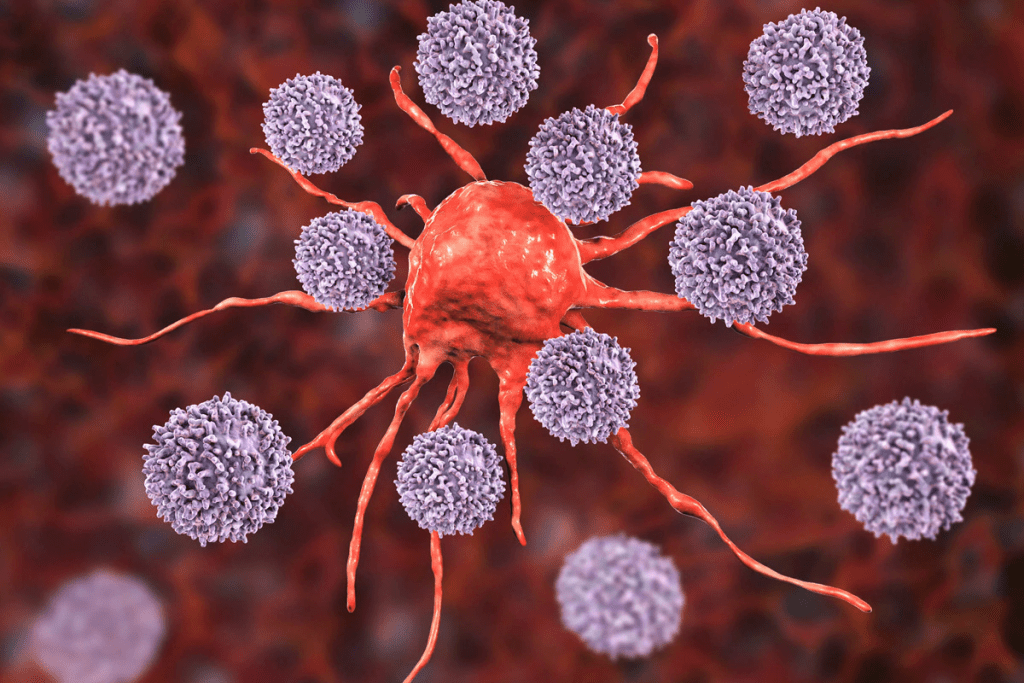
Mesenchymal Stem Cells (MSCs) are getting a lot of attention in regenerative medicine. They can turn into different cell types, like bone and cartilage cells. This makes them great for fixing and growing new tissues.
Characteristics of Mesenchymal Stem Cells
MSCs have special traits that make them good for healing. They can:
- Differentiate into multiple cell types
- Modulate the immune response through immunosuppressive properties
- Support tissue repair through paracrine effects
Immunosuppressive properties of MSCs are really important. They can calm down the immune system. This helps reduce inflammation and makes it easier for tissues to heal.
Therapeutic Potentials of MSCs
MSCs have a lot of uses in medicine. They are being looked at for treating many diseases. Some areas they are being studied for include:
| Therapeutic Area | Application of MSCs |
| Orthopedic Disorders | Tissue repair and regeneration in bone and cartilage |
| Autoimmune Diseases | Modulation of the immune response to reduce inflammation |
| Cardiovascular Diseases | Repair of damaged cardiac tissue |
As scientists learn more about MSCs, their use in medicine will grow. This could bring new hope for treating many health problems.
The Relationship Between Mesenchymal Cells and Cancer Development
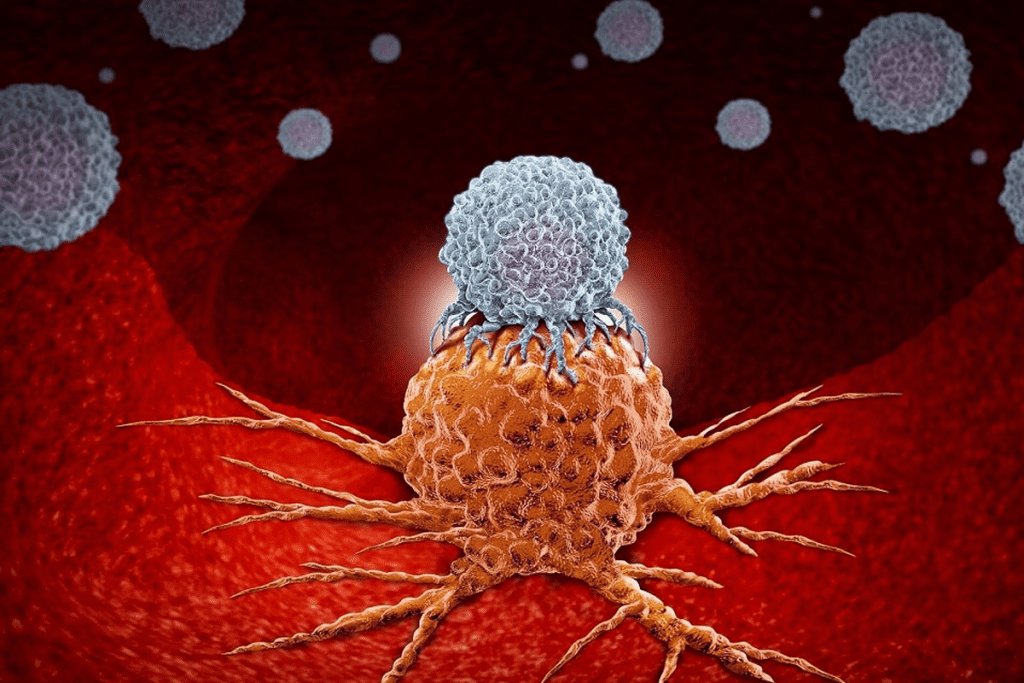
Mesenchymal cells are key players in the tumor microenvironment. They affect cancer progression in many ways. Research shows that these cells can either help or hinder tumor growth, depending on the situation.
Mesenchymal Cells in the Tumor Microenvironment
The tumor microenvironment is a complex mix of cells. It includes cancer cells, immune cells, and mesenchymal cells. MSCs, in particular, move to tumors and change the environment in various ways.
MSCs can help tumors grow by:
- Promoting angiogenesis, the creation of new blood vessels.
- Changing the immune response to help the tumor.
- Releasing growth factors that help cancer cells grow.
But MSCs can also stop tumor growth by:
- Releasing factors that harm cancer cells.
- Boosting the immune response against tumors.
Influence on Cancer Progression
The impact of MSCs on cancer is complex and depends on many factors. The results of MSC-cancer cell interactions can change based on the cancer type, tumor stage, and MSC characteristics.
A study found that MSCs can be “educated” by cancer cells. This shows how their interaction can change based on the situation.
“The ability of MSCs to migrate to tumor sites and influence the tumor microenvironment makes them an attractive target for cancer therapy.”
Understanding how MSCs affect cancer is key to finding new treatments. Targeting the tumor microenvironment could lead to better cancer therapies.
| Mechanism | Effect on Tumor | Potential Therapeutic Target |
| Angiogenesis Promotion | Supports tumor growth | Anti-angiogenic therapies |
| Immune Modulation | Can suppress or enhance anti-tumor immunity | Immunotherapies |
| Growth Factor Release | Supports cancer cell proliferation | Targeted therapies against specific growth factors |
Mesenchymal Transition in Cancer: EMT Process Explained
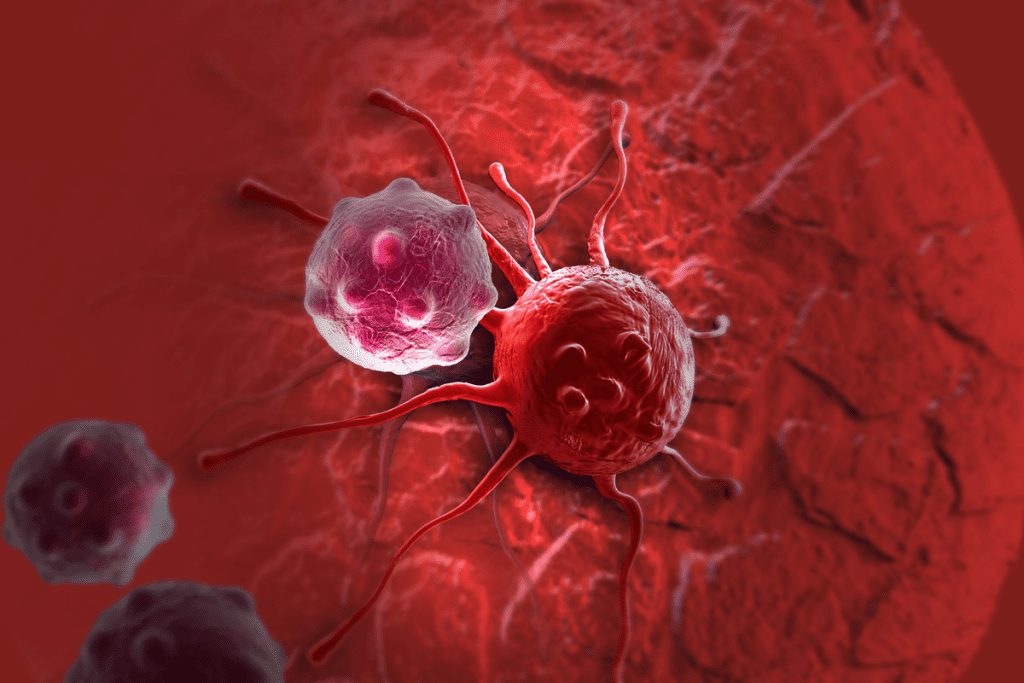
epithelial-to-mesenchymal transition
Epithelial-to-mesenchymal transition (EMT) makes cancer cells move and invade better. It’s a complex change that lets epithelial cells turn into mesenchymal cells. This is key for cancer to spread.
Epithelial-to-Mesenchymal Transition (EMT)
EMT means cells lose their stickiness and get more mobile and invasive. Epithelial cells change a lot, like losing E-cadherin and gaining N-cadherin and vimentin.
Key molecular events in EMT include:
- Downregulation of E-cadherin
- Upregulation of N-cadherin and vimentin
- Activation of transcription factors such as Snail, Slug, and Twist
Role in Metastasis and Invasion
EMT helps cancer cells invade and spread to other parts of the body. With mesenchymal traits, they can move through tissues better and avoid dying.
EMT is very important for cancer cells to invade and spread. It’s a big part of how cancer grows and spreads.
| Process | Description | Impact on Cancer |
| EMT | Epithelial cells acquire mesenchymal characteristics | Increased migratory and invasive capabilities |
| Downregulation of E-cadherin | Loss of cell-cell adhesion | Enhanced cancer cell migration |
| Upregulation of N-cadherin and vimentin | Gain of mesenchymal markers | Increased invasiveness and metastasis |
Types of Cancers Associated with Mesenchymal Cells
Cancers linked to mesenchymal cells include sarcomas and some carcinomas. These cells play a key role in supporting tissues. When they change, they can become cancerous. Knowing about these cancers helps us find better treatments.
Sarcomas: Cancers of Mesenchymal Origin
Sarcomas are a group of cancers from mesenchymal cells. They can start in different tissues like bone, fat, muscle, and cartilage. These cancers are less common than carcinomas, making up about 1% of adult cancers.
Types of Sarcomas:
- Osteosarcoma (bone cancer)
- Liposarcoma (fat tissue cancer)
- Leiomyosarcoma (smooth muscle cancer)
- Rhabdomyosarcoma (skeletal muscle cancer)
- Chondrosarcoma (cartilage cancer)
Sarcomas are hard to diagnose and treat because they are rare and varied. Treatment usually includes surgery, chemotherapy, and radiation.
Carcinomas with Mesenchymal Features
Some carcinomas, which start in epithelial cells, can show mesenchymal traits. This happens through a process called epithelial-to-mesenchymal transition (EMT). EMT lets cancer cells become more invasive and spread.
Carcinomas with mesenchymal features often have a worse outlook because they can spread and invade more easily. Examples include:
- Metaplastic carcinoma of the breast
- Sarcomatoid carcinoma of the lung
- Carcinosarcoma of the uterus
Understanding how mesenchymal traits affect carcinomas can help us find new treatments.
| Cancer Type | Origin | Characteristics |
| Sarcoma | Mesenchymal cells | Rare, diverse, can occur in various tissues |
| Carcinoma with Mesenchymal Features | Epithelial cells with EMT | More invasive, metastatic, poorer prognosis |
Are Mesenchymal Stem Cells Inherently Cancerous?
Research on mesenchymal stem cells (MSCs) and cancer has shown mixed results. It’s not clear if MSCs are naturally cancerous. This depends on their biology, how they interact with tumors, and if they can turn into cancer cells.
Scientific Evidence and Research Findings
Many studies have looked into MSCs and cancer. Some found that MSCs can turn into cancer cells under specific conditions. This includes genetic changes or being in a tumor environment.
- Genetic instability: MSCs can change genetically, which might lead to cancer.
- Tumor microenvironment: MSCs and tumors can work together to help cancer grow.
- Immunosuppressive properties: MSCs can weaken the immune system. This can help tumors grow by stopping the immune system from fighting them.
Distinguishing Between Normal and Malignant Mesenchymal Cells
It’s important to tell normal MSCs from cancerous ones to understand their role in cancer. There are markers and traits that help tell them apart.
- Morphological changes: Cancerous MSCs often look different, like being bigger or having strange shapes.
- Genetic alterations: Certain genetic changes or chromosomal issues can show if MSCs are cancerous.
- Expression of tumor-associated antigens: MSCs with specific tumor markers might have turned cancerous.
Knowing the difference between normal and cancerous MSCs is key for their safety and use in treatments. More research is needed to understand how MSCs can turn cancerous. We also need better ways to spot and stop this transformation.
Safety Concerns in Mesenchymal Cell Therapies
Mesenchymal cell therapies show promise but also carry risks. It’s important to understand and manage these risks for their safe use in medicine.
Potential Risks of MSC-Based Treatments
Using MSCs for therapy raises several concerns. One big worry is that MSCs might help tumors grow. They can move to tumors and affect their growth, either by helping or stopping it.
There’s also a chance MSCs could turn into cancer cells. While this risk is low, MSCs can change genetically in the lab. This could lead to them becoming cancerous.
Regulatory Considerations and Clinical Guidelines
Regulatory bodies have set rules for MSC therapies to ensure safety. These rules cover where MSCs come from, how they’re tested, and how they’re used in treatments.
| Regulatory Aspect | Description | Guideline |
| Sourcing of MSCs | Origin of MSCs (e.g., bone marrow, adipose tissue) | Ensure MSCs are sourced from healthy donors and characterized appropriately |
| Characterization of MSCs | Markers used to identify MSCs (e.g., CD73, CD90, CD105) | MSCs should express specific surface markers and differentiate into multiple cell types |
| Culture Conditions | Conditions under which MSCs are expanded in vitro | Culture conditions should be optimized to minimize risk of genetic instability |
Following these guidelines is key to reducing risks in MSC therapies. It helps make sure they are safe and work well in medical treatments.
Mesenchymal Cells in Cancer Progression
mesenchymal cells cancer progression
Cancer growth is influenced by many factors, with mesenchymal cells being key. These cells help shape the tumor environment. They aid in tumor growth, angiogenesis, and metastasis.
Mesenchymal stem cells (MSCs) have a big impact on cancer. They can move to tumors and become part of the stroma. This helps create a pre-metastatic niche for cancer cells to spread.
MSCs also help with angiogenesis by making pro-angiogenic factors. These factors help new blood vessels form, feeding the tumor. They can also change the immune response in the tumor, helping the tumor grow.
The role of MSCs in cancer shows we need more research. Knowing how they work in cancer is key to finding new treatments. This knowledge will help us target MSCs in cancer therapy.
Targeting Mesenchymal Cells in Cancer Treatment
Understanding how mesenchymal stem cells (MSCs) interact with cancer cells is key to finding new treatments. MSCs have a complex role in the tumor environment. They can affect how cancer grows and spreads.
Therapeutic Strategies and Approaches
Scientists are looking into different ways to target MSCs or their interactions with cancer. One method is to block the pro-tumorigenic signals MSCs send to cancer cells. This can help slow down tumor growth and stop metastasis.
Another approach is to modify MSCs to make them fight cancer better. Or use them to carry cancer treatments right to the tumor.
- Targeting MSC recruitment to tumors
- Inhibiting MSC-mediated immunosuppression
- Using MSCs as carriers for oncolytic viruses or other therapeutic agents
Challenges and Limitations
Even with promising strategies, there are big challenges in targeting MSCs for cancer treatment. One major issue is the complexity of MSC roles in cancer. They can either help or hinder tumor growth, depending on the situation.
There’s also a need for specific targeting strategies. These should be able to tell apart MSCs that help tumors from those that don’t. This is to avoid harming healthy cells.
Creating effective MSC-targeting therapies will need more research. We need to understand how MSCs interact with cancer cells and the tumor environment better.
The Dual Role of Mesenchymal Cells: Friend or Foe in Cancer?
MSC in cancer
MSCs play a complex role in cancer, showing both positive and negative effects. Their actions depend on the type of cancer, the tumor’s environment, and how they interact with cancer cells.
Anti-Cancer Properties of Mesenchymal Cells
MSCs can fight cancer by boosting the immune system and stopping tumor cells from growing. They release substances that kill cancer cells and help the immune system work better. For example, they make interleukin-2 (IL-2) and interferon-gamma (IFN-γ) to help immune cells fight tumors.
Research shows MSCs can target tumors and carry treatments. This method can reduce harm from regular treatments and make them more effective.
| Anti-Cancer Mechanism | Description |
| Immune Modulation | MSCs can enhance anti-tumor immune responses by secreting cytokines like IL-2 and IFN-γ. |
| Direct Tumor Inhibition | MSCs can directly inhibit tumor cell proliferation and induce apoptosis. |
| Targeted Therapy | MSCs can home to tumor sites and deliver anti-cancer agents, improving treatment efficacy. |
Pro-Tumorigenic Effects and Mechanisms
MSCs can also help tumors grow under certain conditions. They support blood vessel growth, weaken the immune system, and help cancer cells spread. This happens when MSCs turn into tumor-associated fibroblasts, creating a supportive environment for tumors.
For instance, MSCs make vascular endothelial growth factor (VEGF) to help blood vessels grow. This gives tumors the nutrients and oxygen they need to grow. MSCs also weaken the immune system, making it easier for tumors to grow.
- MSCs can promote angiogenesis by secreting VEGF.
- They can suppress anti-tumor immune responses.
- MSCs can enhance the metastatic ability of cancer cells.
It’s important to understand how MSCs work in cancer to create better treatments. We need to use their good effects while stopping their bad ones.
Common Misconceptions About Mesenchymal Cells and Cancer Risk
Many people are curious about MSCs for health reasons, but there are myths about them and cancer. MSCs are being studied for their healing powers. Yet, their link to cancer is a topic of ongoing debate.
Addressing Patient Concerns
Patients worry about the safety of MSC treatments, fearing they might cause cancer. It’s important to give them the truth based on science. Research shows MSCs can help or hinder cancer, depending on how they’re used.
To clear up these worries, we need to look at all the research on MSCs and cancer. The table below highlights important findings from recent studies.
| Study | Findings | Implications |
| Clinical trial on MSC-based therapy for graft-versus-host disease | No increased risk of cancer observed | MSCs may be safe for certain therapeutic applications |
| Preclinical study on MSCs and tumor growth | MSCs promoted tumor growth in certain models | Potential pro-tumorigenic effects under specific conditions |
| Review of MSC-based therapies in cancer treatment | MSCs showed anti-tumorigenic effects in some studies | Potential therapeutic applications in oncology |
Scientific Consensus vs. Public Perception
Scientists are working hard to understand MSCs’ role in cancer. They agree that MSCs’ effects are different in various situations. But, the public often gets the wrong idea because of lack of knowledge.
To fix this, we must share real facts about MSCs and cancer. This way, we can calm patients’ fears and start a better conversation about MSC treatments’ benefits and risks.
Conclusion: Understanding the Complex Relationship Between Mesenchymal Cells and Cancer
The link between mesenchymal cells and cancer is complex. It involves both positive and negative effects. Mesenchymal stem cells (MSCs) are key in the tumor environment. They affect how cancer grows and spreads.
It’s important to understand how MSCs and cancer cells interact. This knowledge is vital for creating better cancer treatments. Studies have shown MSCs can either help or hinder tumor growth, depending on the situation.
The role of mesenchymal cells in cancer shows we need more research. By studying their actions and uses, we can make treatments more effective. This will help fight different types of cancer better.
FAQ
What are mesenchymal cells, and how do they relate to cancer?
Mesenchymal cells, including mesenchymal stem cells (MSCs), are important for fixing tissues and keeping them healthy. They have a complex role in cancer. They can help or hinder cancer growth, depending on the situation.
Are mesenchymal stem cells inherently cancerous?
No, MSCs are not inherently cancerous; however, they may influence tumor growth and spread under certain conditions. It’s hard to tell if they are normal or cancerous.
What is the role of epithelial-to-mesenchymal transition (EMT) in cancer?
EMT lets cells move more easily, which helps cancer spread. It’s a key step in how cancer invades and metastasizes.
Can mesenchymal cells be used for cancer therapy?
MSCs might help treat cancer because they can change into different cells and calm the immune system. But, more research is needed. There are also safety and legal issues to consider.
How do mesenchymal cells influence cancer progression?
MSCs can help tumors grow and spread by working with cancer cells. The exact ways they do this involve many signals and pathways.
What types of cancers are associated with mesenchymal cells?
Sarcomas and some carcinomas are linked to mesenchymal cells. These are cancers that start from these cells.
What are the possible risks of MSC-based treatments?
MSC treatments might not always be safe. They could even help tumors grow. It’s important to follow rules and guidelines to avoid these risks.
Can targeting mesenchymal cells be a strategy for cancer treatment?
Yes, trying to stop MSCs from helping cancer is a possible treatment. But, it’s a tough challenge because of how MSCs and cancer cells interact.
Do mesenchymal cells have anti-cancer properties?
Yes, MSCs can fight cancer by calming the immune system and stopping tumor growth. But, they can also help cancer under certain conditions.
How can patient concerns about mesenchymal cells and cancer risk be addressed?
We should give patients the facts based on science. This helps clear up misunderstandings about MSCs and cancer.
References
Bouizgarne, B., TrivanoviЇ, D., & Oumarov, B. (2022). The dual role of mesenchymal stromal/stem cells and their extracellular vesicles in carcinogenesis. Biology, 11(6), Article 813.