Last Updated on December 1, 2025 by Bilal Hasdemir
mesenchymal stem cells treatment
Mesenchymal stem cells (MSCs) are getting a lot of attention for their role in regenerative medicine. But, it’s important to look at the downsides of using MSCs in treatments.
Studies show MSCs could help fix damaged tissues and balance the immune system. Yet, there are hurdles to overcome before MSC treatments can be used more widely.
Using MSCs in medicine is just starting, and there are disadvantages to consider. These include the risk of getting different quality cells and the chance of bad reactions.
Key Takeaways
- MSCs have the chance to help in regenerative medicine.
- Getting cells of the same quality is a big challenge.
- There’s a worry about bad reactions.
- MSC treatments are just beginning in clinics.
- We need more research to fix the problems.
Mesenchymal Stem Cells Overview and Their Applications
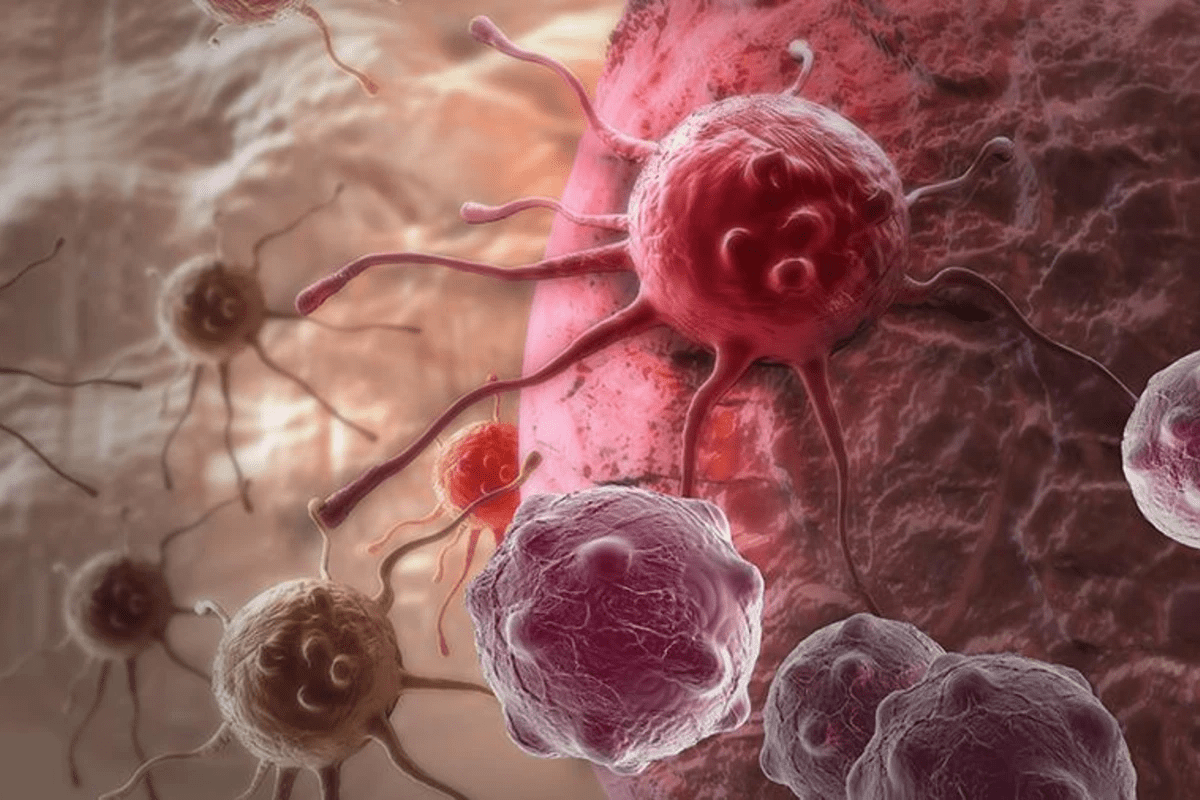
Mesenchymal stem cells (MSCs) are getting a lot of attention for their role in regenerative medicine. They can turn into different cell types. This makes them great for fixing and growing tissues.
MSCs are found in adult tissues like bone marrow, fat, and umbilical cord blood. They’re being looked at for many uses, like fixing damaged tissues. Their ability to help the immune system and grow new tissue makes them a promising treatment for many conditions.
The Gap Between Promise and Clinical Reality
Even though MSCs show promise in lab tests, moving them to real-world use is hard. Several issues make this transition tough. These include the variety in MSC types, how they’re taken and grown, and the need for clear clinical trial plans.
Understanding the hurdles of MSC therapy helps when comparing lab tests to real-world trials. Here are some main differences:
| Aspect | Preclinical Studies | Clinical Trials |
| Cell Source | Often from young, healthy donors | May be from older, diseased donors |
| Cell Isolation | Standardized protocols may not be strictly followed | Must adhere to strict regulatory guidelines |
| Trial Design | Often involves animal models | Involves human subjects with complex conditions |
The gap between MSC therapy’s promise and its real-world use is big. Knowing the challenges helps move the field forward. This is key to making MSCs a real part of regenerative medicine.
Biological Limitations of Mesenchymal Stem Cells
mesenchymal stem cell therapy
MSCs have great promise for therapy, but they face biological hurdles. These issues affect their survival, growth, and ability to change into different cell types. Knowing these challenges is key to improving MSC-based treatments.
Poor Cell Survival and Engraftment Rates
MSCs often don’t survive well after being transplanted. This is because they lack a supportive environment and don’t get enough blood flow (Source: Web Source1). This low survival rate makes MSC therapies, like mesenchymal stem cell injections and stem cell IV therapy, less effective.
Cellular Heterogeneity and Unpredictable Differentiation
MSCs can turn into many cell types, but this process is unpredictable. This unpredictability leads to a mix of cell types, making it hard to standardize treatments. The pros and cons of stem cell research need to be considered carefully in light of these challenges.
Senescence and Limited Expansion Capacity
MSCs also face the issue of aging and limited growth. When MSCs are grown for use in therapy, they can start to age. This slows their growth and reduces their function. This problem makes it hard to produce MSCs on a large scale, affecting their cost and availability, including stem cell IV therapy cost.
In summary, MSCs face many biological hurdles, such as poor survival, mixed cell types, and aging. Understanding these issues is vital for finding ways to use MSCs effectively in medicine. This includes their role in mesenchymal stem cells wound healing.
Clinical Challenges in Mesenchymal Stem Cells Treatment
Despite their promise, MSC therapies face big challenges. The use of MSC stem cell treatment in clinics is tough due to the need for standard processes and the risk of side effects.
Ensuring MSC products are consistent and high-quality is a major issue. The unpredictability of mesenchymal stem cells as therapeutics makes it vital to have strict quality checks.
Centers for regenerative medicine, like those in regenerative medicine, are tackling these problems head-on. They aim to create safer and more effective treatments, like those at opal wellness regenerative medicine.
The main hurdles in MSC treatment include better manufacturing, understanding MSC biology, and improving patient safety. These areas need more work to make MSC therapies widely accepted in medicine.
Overcoming these challenges is key to making MSC therapies a standard part of medical care. By solving these problems, scientists and doctors can fully explore MSCs’ ability to treat various diseases and conditions.
Potential Side Effects and Safety Concerns
umbilical mesenchymal stem cells
MSCs are being explored for many medical uses, but they come with risks. It’s important to know about these risks to use MSCs safely and effectively.
Immune Rejection and Inflammatory Responses
One big worry with MSC therapy is the chance of immune rejection and inflammation. When MSCs are given to a patient, the immune system might see them as foreign. This could cause inflammation and make the treatment less effective.
Key factors influencing immune rejection include:
- The source of MSCs (autologous vs. allogenic)
- The method of MSC preparation and administration
- Patient-specific factors, such as immune status
Tumorigenic Potencial and Ectopic Tissue Formation
MSCs might also grow into tumors or form tissue in the wrong places. This is because MSCs can turn into different cell types. But this ability can sometimes lead to unwanted growths.
Research has highlighted several factors that may contribute to the tumorigenic potencial of MSCs, including:
- Genetic instability
- Prolonged culture periods
- Exposure to certain growth factors
Infection Risks and Contamination Issues
MSC therapy also carries the risk of infection and contamination. MSCs are grown in the lab before being given to patients. This process can lead to contamination with harmful organisms.
Measures to mitigate these risks include:
- Strict adherence to sterile techniques during MSC handling and preparation
- Thorough screening of donors and MSC products for infectious agents
- Implementation of robust quality control processes in MSC manufacturing
In conclusion, MSCs have great promise but come with risks. It’s vital to understand these risks to ensure MSC-based treatments are safe and effective.
Regulatory Hurdles and Quality Control Problems
MSC therapies face big challenges in the complex regulatory world. The rules for MSCs cover many areas, like getting approval, making products, and checking quality.
FDA Approval Challenges for MSC Products
The FDA’s approval process for MSC products is tough. It needs lots of data to show they are safe and work well. Manufacturers must follow FDA rules, including good manufacturing practice (GMP).
One big issue is figuring out what kind of product MSCs are. They can be seen as biologics or drugs, depending on how they’re used. This choice affects how they get approved.
Manufacturing and Quality Assurance Difficulties
Keeping MSC products safe and consistent is key. Making them in a controlled way helps avoid problems.
The table below shows some big challenges in making and checking MSC products:
| Challenge | Description | Impact |
| Cell Isolation and Expansion | Variability in cell isolation and expansion techniques | Affects cell potency and consistency |
| Cryopreservation and Storage | Optimal conditions for cell preservation | Influences cell viability post-thaw |
| Quality Control Testing | Comprehensive testing for safety and efficacy | Ensures product quality and safety |
International Regulatory Inconsistencies
Rules for MSC therapies differ around the world. Companies face different rules in each country, making things hard and slow.
It’s important to make rules the same worldwide. This would help MSC therapies grow globally. It would also make it easier for patients to get these treatments.
Practical Barriers to Accessing MSC Treatment
Despite the promise of MSC therapy, many practical challenges stand in the way. These challenges make it hard for patients to get these treatments.
Prohibitive Costs and Limited Insurance Coverage
High costs are a big barrier to MSC treatment. MSC-based treatments are often expensive, making them out of reach for many. Also, limited insurance coverage adds to the problem, leaving patients to pay out of pocket.
The cost of MSC treatment varies a lot. It depends on the condition, the number of sessions, and the provider. For example, one session can cost between $5,000 and $10,000. With multiple sessions needed, the total cost can be too high for many.
Availability and Accessibility Issues
MSC treatments are not available everywhere. MSC therapies are not widely available and patients may have to travel far to get them. This is hard for those with mobility issues or who need ongoing care.
There are few clinics that offer MSC therapies, and there are long waiting lists. Patients may have to wait months or even years for treatment. This can slow down their recovery and affect their health.
Patient Selection and Eligibility Restrictions
Who can get MSC treatment is also a big issue. Clinics have strict rules for who can get treatment. Some patients with certain conditions or taking certain medications may not qualify.
There’s also a lack of standard rules for who gets treatment. This can lead to some patients not getting the treatment they need or getting less than ideal care.
In summary, getting MSC treatment is hard due to financial, logistical, and clinical reasons. We need to work on these issues to make MSC therapies more accessible. This will help everyone who could benefit from them.
Scientific and Research Limitations
There are many challenges to fully use MSC therapy. The biology of MSCs is complex. Their effects can vary a lot, making it hard for researchers and doctors.
Gaps in Mechanistic Understanding
We don’t fully know how MSCs work. Despite lots of research, their exact effects are unclear. This lack of insight makes improving MSC therapies tough.
For example, how MSCs affect the immune system is not well understood. This makes it hard to know how well they will work in different diseases. We need more research to understand the signaling pathways and how MSCs interact with cells.
| Mechanism | Description | Current Understanding |
| Immunomodulation | MSCs modulate the immune response | Limited understanding of specific pathways |
| Tissue Repair | MSCs contribute to tissue regeneration | Partially understood, more research needed |
| Paracrine Effects | MSCs release factors that promote healing | Incomplete understanding of factor release mechanisms |
Challenges in Clinical Trial Design
Creating good clinical trials for MSC therapies is hard. There are many issues, like differences in MSCs and patients. Also, there’s no standard way to measure results.
Also, MSCs from different sources (like bone marrow or fat) can have different effects. It’s important to make MSC products the same for clinical use.
Publication Bias and Reproducibility Issues
MSC research is also affected by publication bias and reproducibility problems. Positive results are more likely to be shared. This can make the field seem more promising than it is.
Also, studies on MSCs can’t always be repeated because of missing details. It’s key to have strict quality control and clear reporting to move the field forward.
Ethical and Social Considerations of MSC Therapy
MSC therapy is growing, but we must think about its ethics and social impact. The use of MSCs for health treatments raises important questions. We need to handle these issues carefully to make sure MSC treatments are developed right.
Informed Consent and Patient Expectations
Ensuring patients know the risks and benefits of MSC therapy is key. They should understand the latest research, possible outcomes, and other treatment options. Patients need to make choices with accurate, unbiased info.
Managing patient expectations is also vital. If patients have high hopes that MSC therapy won’t meet, they might feel let down or even harmed. Healthcare providers must set realistic expectations.
Medical Tourism and Exploitation Concerns
MSC therapy has raised worries about medical tourism and patient exploitation. Some clinics in countries with loose rules offer treatments without solid evidence. This can risk patients getting treatments that don’t work.
| Country | Regulatory Environment | Risk Level |
| United States | Strict | Low |
| Country X | Lenient | High |
| Country Y | Moderate | Medium |
Marketing of Unproven Treatments
Aggressive marketing of untested MSC treatments is a big worry. Companies and clinics push these treatments without enough proof of their safety or effectiveness. Regulators must watch these actions to protect patients.
In summary, MSC therapy is promising but we must tackle its ethical and social issues. By focusing on informed consent, reducing medical tourism risks, and controlling unproven treatment marketing, we can ensure MSC treatments are developed responsibly.
Conclusion: Balancing the Promise and Limitations of MSC Therapy
MSC-based therapies hold great promise but also face challenges. They show promise in regenerative medicine. Yet, their use is limited by biological, clinical, and regulatory barriers.
Patients considering MSC therapy should consult a qualified healthcare professional with experience in regenerative medicine. They can assess if MSC treatment is right for you and explore options like umbilical cord mesenchymal stem cells.
As research improves our grasp of MSCs, we must tackle the current hurdles. This way, MSC therapy can reach more people. It could become more available, even in clinics near you.
FAQ
What are mesenchymal stem cells (MSCs) and how are they used in therapy?
MSCs are special stem cells that can turn into different cell types. They can become bone, cartilage, and muscle cells. Doctors use them to fix or replace damaged tissues. They’re being studied for treating many diseases and injuries.
What are the biological limitations of MSCs?
MSCs face several challenges. They don’t always survive or stick to the right place. They can also get old and stop working well. These issues make it hard for them to do their job and can affect how well they work.
What are the potentially side effects and safety concerns associated with MSC therapy?
MSC therapy might cause some side effects. These include the body rejecting them, the chance of tumors, and infections. It’s important to look at these risks closely to make sure MSCs are safe to use.
How are MSCs regulated, and what are the challenges in ensuring their quality and safety?
MSCs are watched over by government agencies like the FDA. But, making sure they’re safe and work well is hard. This includes problems with making them and checking their quality, and different rules in different countries.
What are the practical barriers to accessing MSC treatment?
Getting MSC treatment can be hard. It’s expensive, not always covered by insurance, and not always available. These problems make it tough for people who could really benefit from MSC therapy to get it.
What are the scientific and research limitations associated with MSCs?
There are many challenges in studying MSCs. We don’t fully understand how they work, designing clinical trials is tough, and some research might be biased. These issues slow down the development of MSC-based treatments and need more research to solve.
What are the ethical and social considerations associated with MSC therapy?
MSC therapy raises important questions. These include getting informed consent, the issue of medical tourism, and the marketing of untested treatments. These concerns need careful thought and action to ensure MSC therapies are developed responsibly.
How long does it take to see the effects of MSC therapy?
The time it takes to see MSC therapy’s effects varies. It depends on the treatment and the person getting it. Some might see benefits quickly, while others might need more time.
Are MSCs a cure-all for various diseases and injuries?
MSCs are not a solution for all diseases and injuries. They show promise in treating some conditions, but their success depends on the specific case and the individual.
Can MSCs be used in conjunction with other therapies?
Yes, MSCs can be used with other treatments. This could make them work better. But, finding the right mix and amount of MSCs with other therapies needs careful study and planning.
References
- Lukomska, B., Stanaszek, L., Zuba‘Skok, M., & Basta‘Kaim, A. (2019). Challenges and controversies in human mesenchymal stem cell therapy. Stem Cells International, 2019, Article 9628536. https://doi.org/10.1155/2019/9628536
- VolareviЇ, V., Markovic, B. S., Gazdic, M., VolareviЇ, A., Jovicic, N., & Arsenijevic, N. (2018). Mesenchymal stem cell treatment of the complications of diabetes mellitus. Stem Cells (Dayton, Ohio), 36(1), 17‘35. https://doi.org/10.1002/stem.556