Last Updated on November 18, 2025 by Ugurkan Demir

Knowing about the materials and parts of a metal on metal knee replacement is key for safe and lasting joint repair. At Liv Hospital, we carefully choose each artificial knee joint based on patient needs and global standards. This ensures top-notch care with reliable medical results.
We select knee replacement joints made from cobalt-chromium alloys. These alloys are strong, resistant to corrosion, and last long. They are made to be durable and safe for the body, making metal knee replacements a good choice for surgery.
Key Takeaways
- Cobalt-chromium alloys are used in metal on metal knee replacements for their strength and corrosion resistance.
- Biocompatibility is a key factor in the materials used for knee replacement joints.
- Liv Hospital follows internationally trusted standards for artificial knee joint placements.
- The longevity of metal knee replacements is a significant advantage.
- Patient needs guide every step of the knee replacement process.
The Evolution of Artificial Knee Joints
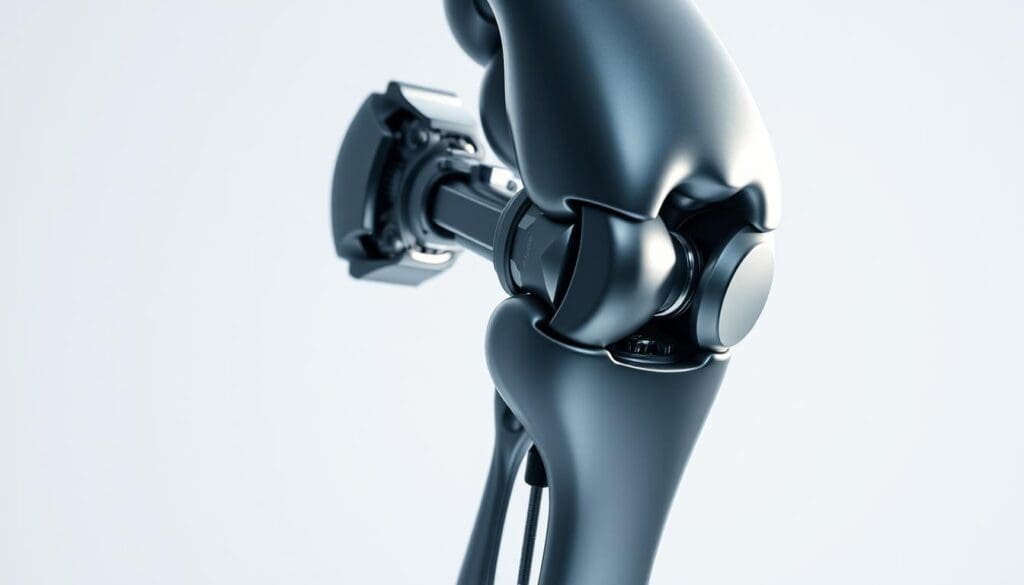
The history of knee replacement technology is filled with innovation and progress. Over time, artificial knee joints have gotten better. This has led to better results for patients.
Historical Development of Knee Prostheses
The idea of knee replacement started in the late 19th century. Early attempts used materials like ivory and rubber. The mid-20th century saw big steps forward with metal parts.
Transition to Modern Metal Components
The switch to modern metal parts has been key to knee replacement success. Cobalt-chromium alloys and titanium are now the norm. They are strong, last long, and are safe for the body.
| Material | Properties | Use in Knee Replacement |
|---|---|---|
| Cobalt-Chromium Alloys | High strength, corrosion resistance | Femoral and tibial components |
| Titanium | Lightweight, biocompatible | Bone ingrowth surfaces |
Current State of Knee Replacement Technology
Knee replacement technology keeps getting better. Advances in materials and surgery have made a difference. Modern artificial knee joints are more durable and work better.
What Are Replacement Knees Made Of: Primary Materials
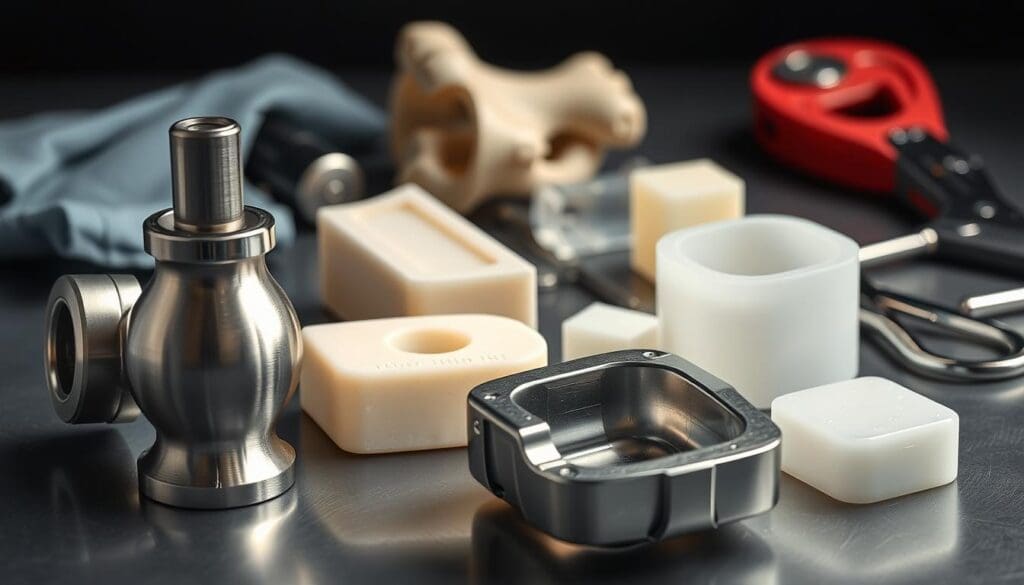
Knee replacements use materials chosen for their strength and how well they work with the body. We mix advanced materials to make sure the implant lasts long and works well.
Cobalt-Chromium Alloys: Strength and Durability
Cobalt-chromium alloys are key in knee replacements. They are strong, don’t corrode easily, and last long. These alloys handle the stress and strain of knee movement well, making them perfect for the main parts of the prosthetic.
Titanium Components: Lightweight and Biocompatible
Titanium and its alloys are used in knee replacements too. They are light, strong, and safe for the body. This reduces the chance of bad reactions and helps the implant fit better with the bone.
Secondary Materials: Zirconium and Molybdenum
Other materials like zirconium and molybdenum are used in knee replacements too. They might be used for specific parts or in mixtures to improve certain qualities. This could be to make the implant more resistant to wear or corrosion.
Material Selection Based on Patient Needs
Choosing materials for knee replacements depends a lot on the patient. We consider things like age, how active they are, and their body’s needs. We also think about any metal allergies to make sure the materials are safe for them.
Essential Parts of a Knee Replacement System
The parts of a knee replacement system work together to make the knee stable and functional. A typical knee replacement has several key parts. Each part is important for restoring knee function and easing pain.
Femoral Component: Function and Design
The femoral component is attached to the end of the femur (thigh bone). It’s made to look like the natural bone. It’s usually made of strong metal alloys like cobalt-chromium or titanium.
The femoral component moves smoothly with the tibial component. This allows for easy knee movement.
Tibial Component: Structure and Purpose
The tibial component is attached to the top of the tibia (shin bone). It has a metal tray and a polyethylene insert. The metal tray is stable, and the polyethylene insert is the bearing surface.
Polyethylene Spacer: The Crucial Interface
The polyethylene spacer connects the femoral and tibial components. It’s made of durable plastic. This material is strong enough for daily activities.
The spacer helps with smooth movement. It also reduces wear on other parts.
Prosthetic Knee Cap: When and Why It’s Used
A prosthetic knee cap (patellar component) may be used for the patella (kneecap). It’s used when the patella is badly damaged or arthritic. The prosthetic knee cap helps the patella move naturally again.
Knowing about the parts of a knee replacement system helps patients make better choices. It shows how each part works together. This makes knee replacement surgery more understandable.
Metal on Metal Knee Replacement: Benefits and Considerations
Metal on metal knee implants are getting more attention for their strength and durability. We’ll look at their benefits and what to consider, including their advantages and possible concerns.
Advantages of All-Metal Articulations
All-metal knee implants have several benefits:
- Enhanced durability: These implants are made to last longer, even with daily use.
- Reduced wear: Metal parts can wear down less than traditional implants.
- Improved stability: They offer more stability, which is great for active people.
Potential Concerns with Metal-on-Metal Designs
Despite their benefits, there are concerns with metal on metal implants:
- Metal ion release: Some worry about metal ions getting into the blood.
- Adverse local tissue reactions: Some patients may react badly to the metal parts.
Ideal Candidates for Metal Knee Implants
Not everyone is right for metal on metal implants. We look at a few things to decide:
- Age and activity level: Young, active people might do well with these implants.
- Knee condition: Those with severe damage or certain arthritis might be good candidates.
- Overall health: We check if the patient can handle the implant.
By carefully looking at these factors, we can see if metal on metal implants are the best choice for each patient.
Biomechanical Properties of Artificial Knee Joints
The success and life of artificial knee joints depend on their biomechanical properties. These include strength, how well they bear weight, range of motion, and stability. Knowing these is key to making knee replacement prosthetics work better.
Strength Comparison to Natural Bone
Artificial knee joints are made to be strong and last long. They’re often made from cobalt-chromium alloys and titanium. These materials are as strong as, or even stronger than, natural bone.
A study in the Journal of Orthopaedic Surgery and Research shows big improvements in durability and strength https://josr-online.biomedcentral.com/articles/10.1186/s13018-022-03037-0.
Weight-Bearing Capabilities
The ability of artificial knee joints to bear weight is key in their design. They’re made to support the body’s weight and help with movement. The materials used can handle stress and strain, so the joint can support the patient’s weight.
Range of Motion Considerations
The range of motion of artificial knee joints is important. Modern designs try to match the natural knee’s range of motion. This allows for activities like walking, climbing stairs, and kneeling.
The range of motion depends on the design of the prosthetic and how it’s implanted.
Stability and Balance Factors
Stability and balance are essential for artificial knee joints to work right. The prosthetic parts are designed to work together for stability. Soft tissues around the joint also help keep balance.
Getting the alignment and surgical technique right is key for stability and balance.
In conclusion, the biomechanical properties of artificial knee joints are key to their success and the patient’s quality of life. By understanding and improving these properties, we can make knee replacement surgery better.
Customization in Knee Prosthesis Design
Customization is key in knee prosthesis design. It makes implants fit each patient’s needs perfectly. Every person’s body is different, so a one-size-fits-all approach doesn’t work.
Patient-Specific Anatomical Considerations
Modern knee surgery focuses on each patient’s unique anatomy. Advanced imaging lets us create detailed knee models. This way, we can fit the prosthesis more precisely.
This personalized approach leads to better results and happier patients.
Gender-Specific Design Variations
Studies show men and women have different knee anatomy. So, we offer gender-specific design variations in our prostheses. These designs fit each gender’s unique anatomy better.
Size Matching and Fitting Technologies
We use advanced technologies for size matching and fitting. These tools help us match the prosthesis to the patient’s body perfectly. This reduces complications and improves results.
Activity Level Adaptations
We also design prostheses based on the patient’s activity level. This way, we make implants that last longer and work better. Our activity-based customization helps patients get back to their daily activities with confidence.
Biocompatibility: How the Body Responds to Metal Knee Joints
The success of knee replacement surgery depends on how well the body accepts metal knee joints. We look into how the body reacts to these implants. This includes important factors that affect their success.
Metal Sensitivity and Allergic Reactions
Some people might have an allergic reaction to the materials in knee replacements. Common allergens are nickel, chromium, and cobalt. Before surgery, we check for metal sensitivity. We then pick materials that are less likely to cause a bad reaction.
Key considerations for metal sensitivity include:
- Pre-operative testing for metal allergies
- Selection of hypoallergenic materials when necessary
- Monitoring for signs of reaction post-surgery
Corrosion Resistance Properties
The ability of metal knee joints to resist corrosion is key to their lasting performance. Cobalt-chromium alloys, often used, are great at resisting corrosion and are safe for the body. We make sure the materials we use can handle the body’s corrosive environment.
Long-Term Tissue Integration
For the implant to work well, it needs to integrate with the surrounding tissue. The design and material of the implant are important for this. We use new technologies to make the implant’s surface better for integration.
Addressing Compatibility Concerns
We thoroughly evaluate each patient to address any concerns about compatibility. This includes checking for metal sensitivity and other factors. By choosing the right materials and designs for each patient, we reduce the chance of problems.
Strategies for addressing compatibility concerns include:
- Personalized implant selection based on patient needs
- Advanced diagnostic techniques to identify any issues
- Post-operative monitoring to catch any bad reactions early
Advancements in Artificial Knee Technology
Recent breakthroughs in artificial knee technology have greatly improved knee replacements. We’re entering a new era in orthopedic surgery. New materials and designs are making surgery better for patients.
Improved Wear Resistance Techniques
Wear resistance has seen big improvements. New materials can handle daily activities better. For example, advanced polyethylene has shown great wear resistance.
Surface Treatments and Coatings
Surface treatments and coatings are key for better implants. Techniques like plasma spraying and surface roughening help implants fit better with bone and tissue.
Computer-Assisted Design Innovations
Computer-assisted design (CAD) has changed artificial knee technology. CAD software lets us make custom knee replacements. This leads to better fit and function for each patient.
Research on Extended Implant Longevity
Research aims to make knee implants last longer. New materials and designs are being explored. A study found that new ceramic materials could make implants more durable.
| Advancement | Description | Benefit |
|---|---|---|
| Improved Wear Resistance | Advanced materials like polyethylene | Longer-lasting implants |
| Surface Treatments | Plasma spraying, surface roughening | Better integration with bone and tissue |
| CAD Innovations | Customized designs using CAD software | Improved fit and functionality |
We’re committed to improving artificial knee technology. By using these advancements, we can give our patients better care. This means better outcomes and a better quality of life for those having knee surgery.
Longevity and Performance of Knee Replacement Joints
Modern knee replacement joints are made to last a long time and work well. We’ve made big steps in the materials and design. This means patients can move better and feel less pain.
Average Lifespan of Modern Implants
The life span of modern knee implants varies. It depends on the material and how active the patient is. Usually, these implants can last 15 to 20 years or more. Proper care and maintenance are key to making them last longer.
Factors Affecting Durability
Several things can affect how long knee implants last. These include the patient’s weight, how active they are, and their overall health. For example, being overweight or doing high-impact activities can wear them down faster. Regular check-ups with their healthcare provider can help spot problems early.
Signs of Wear and When to Consider Revision
It’s important for patients to know the signs of wear on their implants. These include more pain, swelling, or feeling unstable. If they notice these symptoms, they should talk to their healthcare provider. This will help decide if they need a revision surgery.
The Surgical Process of Knee Joint Replacement
At Liv Hospital, we have a detailed plan for knee joint replacement. This includes getting ready, the surgery itself, and the recovery. Our team works together to give each patient the best care.
Preparation and Planning Protocols
Getting ready for surgery is key. We use advanced imaging to make detailed models of the knee. This helps us plan the best spot for the prosthetic parts. We also check the patient’s health to spot any risks.
Implantation Techniques
The surgery involves removing the old joint and putting in new parts. These parts are made of metal, plastic, or ceramic. We use state-of-the-art techniques to make sure the parts fit right and last long.
Liv Hospital’s Multidisciplinary Approach
Our team includes doctors, anesthesiologists, physical therapists, and nurses. They all work together for a smooth care plan. This multidisciplinary approach makes sure every part of the treatment fits the patient’s needs.
Recovery and Rehabilitation Standards
After surgery, we have a plan to help patients get strong and mobile again. We guide them on managing pain, caring for wounds, and doing exercises. By following rigorous standards, we help patients get back to their daily lives.
Conclusion: Future Directions in Knee Repair and Replacement
Understanding the materials and components of metal on metal knee replacements is key for the best results. We’ve seen how artificial knee joints have evolved. This includes the main materials and parts of a knee replacement system.
Future research and innovation in artificial knee technology will likely improve patient outcomes. Advances in materials, design, and surgery are expected. We aim to provide top-notch healthcare for international patients, ensuring they get the best care for their knee needs.
New materials and technologies will shape the future of knee repair and replacement. Our focus is on personalized care that meets each patient’s unique needs. We will use the latest in knee replacement technology to achieve the best results.
FAQ
What are replacement knees made of?
Replacement knees are made from cobalt-chromium alloys, titanium, and polyethylene. The exact materials depend on the implant type and patient needs.
What are the essential parts of a knee replacement system?
A knee replacement system has key parts. These include the femoral and tibial components, a polyethylene spacer, and a prosthetic knee cap. Each part is vital for a stable and functional knee.
What are the benefits of metal on metal knee replacements?
Metal on metal knee replacements are durable and strong. But, they might not fit all patients. It’s important to weigh the pros and cons.
How are knee prostheses customized for individual patients?
Knee prostheses are tailored to fit each patient. This is done through anatomical considerations, gender-specific designs, size matching, and activity level adaptations.
What are the biomechanical properties of artificial knee joints?
Artificial knee joints are made to be strong and support weight. They also allow for natural movement. Stability and balance are key for a functional knee.
How long do knee replacement joints typically last?
Knee replacement joints can last 15-20 years or more. This depends on the patient’s age, activity level, and the implant’s quality. Proper care is essential for longevity.
What are the signs of wear in a knee replacement joint?
Wear signs include pain, stiffness, and reduced mobility. If you notice these, see your healthcare provider for advice.
How are compatibility concerns addressed in metal knee joints?
Metal knee joints’ compatibility is ensured through careful patient selection and monitoring. Biocompatible materials and corrosion resistance are also important.
What advancements have been made in artificial knee technology?
New advancements include better wear resistance, surface treatments, and design innovations. Research aims to improve implant longevity and patient outcomes.
What is the surgical process for knee joint replacement?
The process involves preparation, implantation, and a team approach to care. Recovery and rehabilitation are also critical for the best results.
Are there any other risks or complications with knee replacement surgery?
Yes, risks include infection, blood clots, and implant failure. These can be reduced with careful patient selection and proper care after surgery.
References
- Orthopaedic Specialists of Charleston (OSC) : https://www.osc-ortho.com/blog/what-materials-are-in-the-conformis-knee-implant
- Hip Knee Info : https://hipkneeinfo.org/knee-care/what-are-knee-replacements-made-of