Last Updated on November 27, 2025 by Bilal Hasdemir

Feeling a metallic taste in mouth days after ct scan can be scary. But knowing why it happens and how to get rid of the dye is important. At Liv Hospital, we focus on your care and give you trusted advice after your scan.
Most people get rid of the dye in 24 to 48 hours. Drinking lots of water helps flush it out. We’ll help you understand the dye, manage the taste, and get rid of it safely. For more info on getting rid of CT scan dy.
Key Takeaways
- Drink at least 8 to 10 glasses of water a day to help kidneys filter contrast material.
- Eat foods that help your kidneys, like fresh fruits and veggies with antioxidants.
- Don’t eat too much salt or protein for 24-48 hours to help your kidneys.
- Try herbal teas like dandelion or nettle to help your kidneys, but ask your doctor first.
- Do some light exercise, like a short walk, to help get rid of the dye.
Understanding CT Scan Contrast Agents and Their Effects
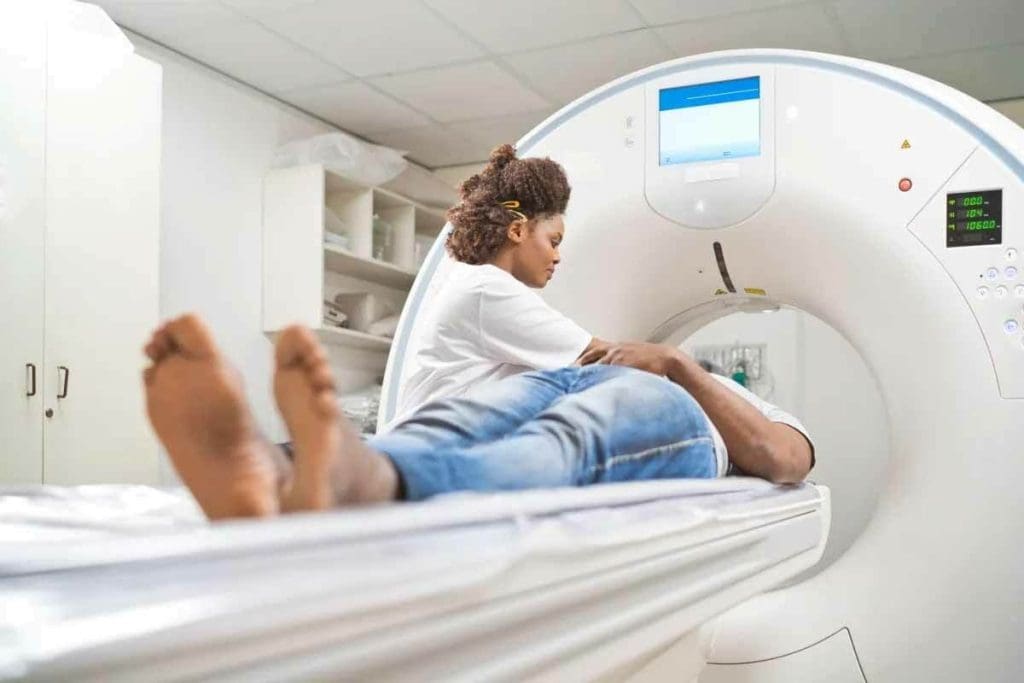
Contrast agents are used in CT scans to make internal structures more visible. They contain iodine, which highlights areas of interest. This helps doctors make more accurate diagnoses by showing clear contrasts between body parts.
Types of Contrast Materials Used in Medical Imaging
There are many types of contrast materials, but iodinated contrast agents are most common for CT scans. They can be given orally or through an IV, depending on the scan type and area being checked. For more on contrast agent safety.
How Contrast Agents Function in the Body
Contrast agents absorb X-rays, making areas they accumulate appear brighter on CT images. This helps doctors see different tissues and find abnormalities. The kidneys are key in removing these agents from the body.
Normal Elimination Timeline for Contrast Materials
Contrast agents usually leave the body within 24 to 48 hours after a CT scan. The kidneys filter out the contrast, which is then passed in urine. Drinking plenty of water helps the kidneys work better and get rid of the dye faster.
Why You Experience Metallic Taste in Mouth Days After CT Scan

After a CT scan, some people notice a metallic taste. This is something we’ll dive into. It might worry you, but knowing why it happens can ease your concerns.
The Chemical Basis of Taste Disturbances
CT scans use contrast agents that can change how our bodies work. These agents can make our taste buds pick up on a metallic flavor. Iodine-based contrast agents are often to blame because of their chemical makeup.
It’s not clear how this happens, but it’s thought that the contrast material might attach to taste receptors. Or it could mess with how our nervous system handles taste. This leads to a lingering metallic taste after the scan.
Prevalence of Metallic Taste (Affecting Up to 24% of Patients)
Research shows many patients get taste changes after contrast agents. Up to 24% might notice a metallic taste. This shows why it’s important to know about and manage these side effects.
Factors That Influence Taste Sensitivity to Contrast
How sensitive you are to contrast agents can differ a lot. Several things can affect this, like the type and amount of contrast, your health, and any past health issues.
| Factor | Influence on Taste Sensitivity |
| Type of Contrast Agent | Iodine-based agents are more commonly associated with metallic taste. |
| Dose of Contrast | Higher doses may increase the likelihood of taste disturbances. |
| Patient’s Health Status | Pre-existing conditions, such as kidney disease, may affect how the body processes contrast agents. |
Knowing these factors helps doctors find ways to reduce side effects. This makes patients more comfortable.
Normal vs. Concerning Symptoms Following Contrast Administration
After a CT scan with contrast, you might feel different. Some reactions are mild and go away quickly. But, others could be serious and need medical help. Knowing the difference is key to a quick recovery.
Expected Side Effects and Their Duration
Side effects of CT scan contrast include a metallic taste, warmth, and nausea. These are usually mild and last a short time. For example, a metallic taste might be annoying, but it’s not serious and will go away as the dye leaves your body.
Duration of Common Side Effects:
- Metallic taste: 1-3 days
- Warmth or flushing: a few hours
- Nausea: a few hours to a day
Warning Signs That Require Medical Attention
Some reactions are serious and need quick medical help. Look out for trouble breathing, swelling, fast heartbeat, and low blood pressure. If you see these signs, seek medical help right away.
Also, watch for signs of an allergic reaction like hives or itchy skin. These can happen fast after the scan.
Distinguishing Between Contrast Reactions and Other Issues
Sometimes, symptoms after a CT scan might not be from the contrast. Stress or anxiety from the test can make symptoms worse. Always talk to your doctor if you’re worried or notice something unusual.
Knowing what’s normal and what’s not after a CT scan helps you recover better. If you’re unsure, it’s best to talk to your healthcare provider.
Hydration: The Most Effective Way to Flush Out Contrast Dye
Drinking plenty of water is key to getting rid of contrast dye after a CT scan. The dye stays in your body for a while after a CT scan with contrast. Drinking more water helps your body get rid of it faster.
Scientific Evidence for Increased Water Intake
Research shows that drinking enough water helps get rid of contrast agents. The kidneys are important in filtering these agents out. Drinking more water helps your kidneys work better.
A study in a medical journal found that drinking at least 2 liters of water in 24 hours after contrast agents lowers the risk of kidney problems. This shows how important water is for getting rid of the dye and keeping your kidneys safe.
Creating an Optimal Hydration Schedule
To get rid of contrast dye well, you need a good hydration plan. Drink water all day instead of drinking a lot at once. Start drinking more water a day before your CT scan and keep it up for 24 to 48 hours after.
- Drink at least 8-10 glasses of water per day.
- Avoid caffeinated and alcoholic drinks that dry you out.
- Check your urine; it should be pale yellow or clear.
Monitoring Hydration Status and Contrast Elimination
It’s important to watch how well you’re hydrating to get rid of the dye. Listen to your body and notice the color of your urine and how hydrated you feel. If you have severe dehydration or your urine output drops a lot, get medical help.
By sticking to a good hydration plan and paying attention to how your body reacts, you can help your body get rid of the dye after a CT scan.
Dietary Strategies to Combat Metallic Taste After Imaging
After a CT scan, some people might taste metal. The right foods can help get rid of this taste. Choosing the right foods can make symptoms better and help you feel better.
Foods That Neutralize or Mask Metallic Taste
Some foods can fight off the metallic taste. Citrus fruits and their juices, like oranges and lemons, are great. Their acidity can cut through the metal taste.
Sweet and sour candies or sugar-free ones can also help. They make more saliva, which washes away the taste.
Ginger in any form can also help. It has anti-inflammatory properties that might reduce the metallic taste. Cold foods and drinks can also soothe the taste buds, making the metal taste less intense.
Foods to Avoid While Experiencing Taste Alterations
Some foods can make the metallic taste worse. Avoid metallic-tasting foods and beverages and foods eaten with metal. Also, strong-smelling or spicy foods can make the taste worse.
Try to eat less of highly acidic or salty foods. These can irritate your mouth and tongue, making the taste worse. Avoiding these foods can help manage the symptom better.
Sample Meal Plans for Post-CT Scan Recovery
Plan your meals with foods that help neutralize the taste. Start with a glass of orange juice or citrus water. For meals, try ginger-infused dishes or cold soups like gazpacho.
By following these dietary tips, you can help manage your recovery and reduce the discomfort of metallic taste after a CT scan.
Practical Home Remedies for Managing Taste Disturbances
Taste disturbances after a CT scan can be upsetting. But, there are simple home remedies to help. These solutions aim to reduce the metallic taste and other disturbances, speeding up your recovery.
Effective Mouthwashes and Oral Care Solutions
Managing taste issues starts with good mouth care. Rinsing with salt water or a baking soda solution can get rid of the metallic taste. Mix 1/2 teaspoon of salt or baking soda with 8 ounces of warm water. Also, using a mouthwash made for bad taste can offer quick relief.
Good oral hygiene is key. Brush your teeth and tongue often, after meals to get rid of the taste. A tongue scraper is great for removing bacteria and debris that can affect taste.
Natural Supplements That May Provide Relief
Natural supplements can help with taste issues. Zinc supplements support taste function and may help restore normal taste. But, talk to your doctor before trying new supplements.
Ginger and vitamin C are also good for taste relief. Ginger soothes the mouth and throat, while vitamin C boosts oral health.
Lifestyle Modifications to Speed Recovery
Changing your lifestyle can also aid in recovery. Stay hydrated to flush out the dye. Also, avoid foods that make metallic taste worse, like salty or acidic ones.
Chew sugar-free gum or suck on sugar-free candies to make saliva. This helps neutralize acids and improve taste. Plus, keep up with good health habits, like eating well and exercising, to help your body heal.
Special Considerations for Different Contrast Types
The contrast material used in imaging can affect your recovery. Each type has its own way of being removed from the body. We’ll look into these differences in this section.
Iodinated CT Contrast: Specific Elimination Strategies
Iodinated contrast is often used in CT scans. To help get rid of it, drinking lots of water is important. This helps the kidneys remove the contrast.
Here are some tips to help get rid of iodinated CT contrast:
| Strategy | Description | Benefits |
| Increased Water Intake | Drink at least 8-10 glasses of water per day | Enhances renal function and contrast elimination |
| Avoiding Certain Medications | Consult your doctor about medications that may interact with contrast agents | Reduces the risk of adverse reactions |
| Monitoring Kidney Function | Regular check-ups with your healthcare provider | Ensures that your kidneys are functioning properly |
MRI Contrast (Gadolinium): Safety Concerns and Approaches
Gadolinium-based contrast agents are used in MRI scans. They are generally safe but can be a concern for those with kidney issues. Research shows that gadolinium can cause serious health problems in some cases.
To manage safety concerns with gadolinium:
- Inform your doctor about any kidney problems or history of allergic reactions.
- Follow post-procedure instructions carefully.
- Report any unusual symptoms to your healthcare provider.
Why Chelation Therapy Is Not Recommended for Contrast Removal
Chelation therapy is sometimes considered for removing heavy metals. But it’s not recommended for removing contrast agents. The risks, like kidney damage, are too high.
It’s important to follow your healthcare provider’s advice on post-imaging care. They can give you personalized advice based on your situation and medical history.
When to Seek Medical Help for Persistent Symptoms
After a CT scan, watching how your body reacts to the dye is key. Most people feel better in a few days. But, some symptoms might last longer or be more serious.
Timeline for Normal Recovery vs. Concerning Persistence
The body usually gets rid of the dye in 24 to 48 hours. But, this can change based on your kidney health and how much water you drink. If you have a bad taste, feel sick, or get a rash after 48 to 72 hours, it’s time to think about seeing a doctor.
Concerning symptoms that persist or worsen over time include:
- Severe or prolonged metallic taste
- Increasing nausea or vomiting
- Rash or itching that spreads
- Difficulty breathing
Medical Interventions Your Doctor May Recommend
If your symptoms are worrying or don’t go away, your doctor might suggest a few things. They could recommend hydration therapy to help get rid of the dye. They might also give you medication for nausea or itching. Or, they could keep an eye on your kidney health, if you have kidney problems.
Managing Underlying Conditions That Affect Contrast Processing
Some health issues, like kidney disease or diabetes, can make it harder for your body to handle the dye. It’s important to manage these conditions well to avoid problems. Your doctor might help adjust your treatment or give you more advice on how to care for yourself after the scan.
In short, knowing when to worry about symptoms after a CT scan is important. By keeping an eye on your health and talking to your doctor, you can make sure you recover safely and well.
Conclusion: Creating Your Personalized Post-Imaging Recovery Plan
Managing metallic taste and getting rid of contrast dye after a CT scan is a big task. Knowing how contrast agents work helps a lot. You can then take steps to make your recovery smoother.
A good recovery plan includes drinking lots of water, changing your diet, and making lifestyle changes. Drinking more water helps get rid of the dye. Eating foods that hide or neutralize the metallic taste is also helpful.
By mixing these strategies, you can make a plan that fits you. This way, you won’t just feel better but also stay healthy while you recover.
We suggest you play a big part in your recovery. If you keep feeling bad or worried, talk to your doctor. With the right steps, you can feel better and recover safely.
FAQ
How long does it take for contrast dye to be eliminated from the body after a CT scan?
Contrast dye is usually gone from the body in 24 hours after a CT scan. It leaves mainly through the kidneys and urine. But, how fast it goes depends on your kidney health and how much water you drink.
What can I do to flush out contrast dye after a CT scan?
Drinking lots of water is the best way to get rid of contrast dye. Try to drink more water to help your kidneys work better.
Why do I experience a metallic taste in my mouth after a CT scan with contrast?
The metallic taste is a side effect of contrast agents in CT scans. It’s not fully known why, but it might be because of how the contrast material reacts with your body’s chemistry.
How can I manage the metallic taste after a CT scan?
To deal with the metallic taste, stay hydrated and use certain mouthwashes. You can also change your diet to include foods that help mask the taste. Avoiding certain foods and using natural supplements might help too.
Are there any specific foods I should eat or avoid after a CT scan with contrast?
Yes, eating citrus fruits, ginger, and mint can help with the metallic taste. It’s also good to avoid foods that make the taste worse, like metal-rich foods or very strong flavors.
How do I know if my symptoms after a CT scan are normal or if I need medical attention?
Most side effects, like metallic taste, are temporary and go away on their own. But, if you have severe symptoms like trouble breathing, a fast heartbeat, or a bad rash, get medical help right away.
Can I use chelation therapy to remove contrast dye from my body?
No, chelation therapy is not for removing contrast dye. It’s used for treating heavy metal poisoning, not for getting rid of contrast agents.
How does hydration help in eliminating contrast dye?
Drinking enough water is key for getting rid of contrast dye. It helps your kidneys work better and flush out the dye more efficiently.
Are there any differences in how iodinated CT contrast and gadolinium-based MRI contrast are eliminated?
Yes, iodinated CT contrast is mainly removed through the kidneys. Gadolinium-based MRI contrast is also mostly excreted by the kidneys, but there are some differences in how it’s removed. Knowing these differences can help manage side effects.
What are the signs that I should seek medical help for persistent symptoms after a CT scan?
If your symptoms last longer than expected, get worse, or you have other serious signs like severe pain, trouble urinating, or big changes in your health, see a doctor.
How can I create a personalized recovery plan after a CT scan with contrast?
To make a recovery plan that’s just for you, think about your health, the contrast used, and any side effects you’re having. Drinking lots of water, changing your diet, and using home remedies can help. It’s also smart to talk to your healthcare provider for advice that fits you.
References
- Mulder, Q., et al. (2020). Cardiac computed tomography angiography”A review of modalities and limitations. The Journal of Nuclear Cardiology, 27(6), 2157-2170. https://www.uscjournal.com/articles/cardiac-computed-tomography-angiography-comparison-other-modalities?language_content_entity=en