Last Updated on November 27, 2025 by Ugurkan Demir
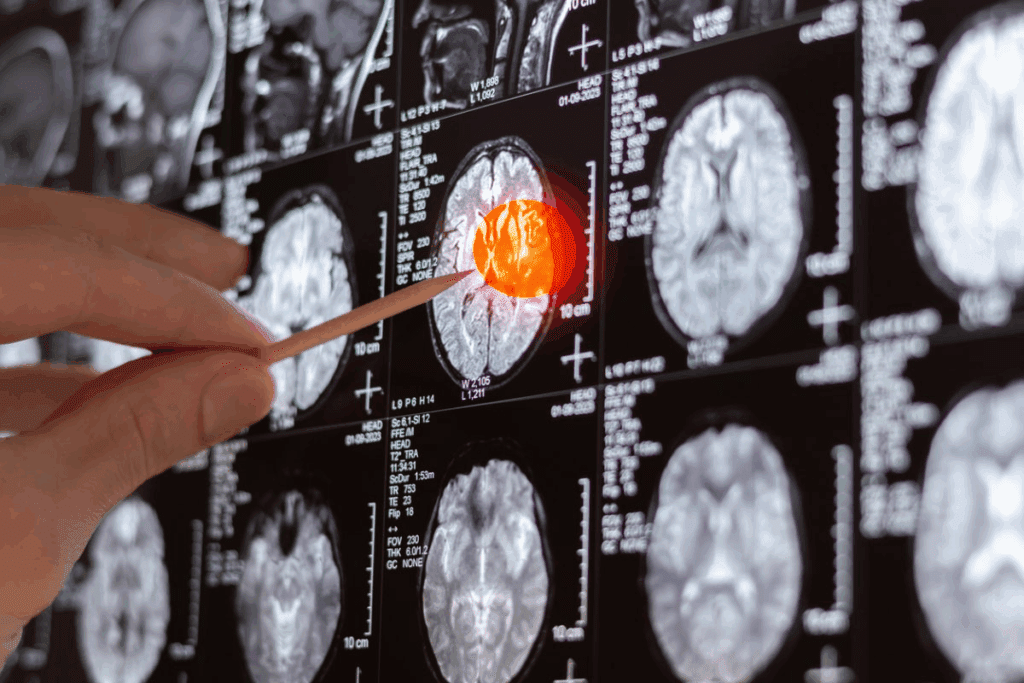
Cancer cells spreading to the brain is a serious condition needing quick, expert care. At Liv Hospital, we know how urgent and complex this is. It’s called metastatic brain cancer or secondary brain tumors. What is metastatic carcinoma brain? Learn about this type of secondary brain cancer and the factors that determine its rate of spread.
Any cancer can move to the brain, but lung, breast, colon, kidney, and melanoma cancers are most common. This makes metastatic brain tumors the top brain cancer in adults, affecting hundreds of thousands each year.
Key Takeaways
- Cancer cells can spread from other parts of the body to the brain, forming metastatic brain cancer.
- The most common cancers that metastasize to the brain are lung, breast, colon, kidney, and melanoma.
- Metastatic brain tumors are the most common type of brain cancer in adults.
- Liv Hospital provides cutting-edge diagnostic and treatment options for metastatic brain cancer.
- Understanding the prevalence and significance of metastatic brain cancer is key for effective care.
Understanding Metastatic Carcinoma Brain: Definition and Overview

To understand metastatic carcinoma brain, we must know how cancer cells move from their original site to the brain. These tumors are the most common in adults, much more than tumors that start in the brain.
A secondary brain tumor, often called a metastatic brain tumor, forms when cancer from another part of the body reaches the brain. This involves complex interactions between cancer cells and the brain’s environment.
Difference Between Primary and Secondary Brain Tumors
Primary brain tumors start in the brain. Secondary brain tumors, or metastatic brain tumors, come from cancer cells spreading from other parts of the body. Knowing the difference is key for diagnosis and treatment.
Characteristics | Primary Brain Tumors | Secondary (Metastatic) Brain Tumors |
Origin | Originate within the brain | Result from cancer cells spreading from other parts of the body |
Frequency | Less common than metastatic tumors | Most common type of brain cancer in adults |
The Process of Metastasis to the Brain
The process of metastasis to the brain includes several steps. These are invasion of cancer cells into the bloodstream, survival in the circulation, and extravasation into brain tissue. Understanding this process is key for effective treatments.
As we explore metastatic carcinoma brain, it’s clear that a detailed approach to management and treatment is needed. The complexity of brain metastasis highlights the importance of ongoing research and advancements in oncology.
Prevalence and Statistics of Metastatic Brain Cancer
Metastatic brain cancer is a big deal in cancer research. It affects a lot of people all over the world. This makes it a major health concern.
In the United States, there are about 98,000 to 170,000 cases of metastatic brain cancer every year. Over 200,000 people get diagnosed with brain metastases annually. Even though the U.S. doesn’t have a national system for tracking brain metastases, experts think around 200,000 new cases happen each year.
Incidence Rates in the United States
In the U.S., metastatic brain cancer is quite common. Studies show it affects between 98,000 and 170,000 people yearly. The reason for this range is because there’s no single place to report brain metastases.
Key statistics include how often it happens, which cancers spread to the brain, and who gets it.
Risk Factors and Demographic Patterns
Some groups are more likely to get metastatic brain cancer. Knowing who’s at risk helps doctors find ways to help them sooner.
- Age: Getting older increases your chance of getting metastatic brain cancer.
- Primary Cancer Type: Cancers like lung, breast, and melanoma are more likely to spread to the brain.
- Genetic Predisposition: Your genes can also affect your risk of metastasis.
Looking into these risk factors and who gets it helps doctors understand metastatic brain cancer better. This way, they can improve how they diagnose and treat it.
Common Primary Cancers That Metastasize to the Brain
Brain metastasis is a serious issue with cancers like lung, breast, and melanoma leading the way. Knowing which cancers often spread to the brain is key. This info helps in catching brain metastases early, which can lead to better treatment outcomes.
Lung Cancer and Brain Metastasis
Lung cancer is a top cause of brain metastasis. About half of lung cancer patients see brain metastasis. This is because lung cancer spreads early and the lungs’ rich blood supply makes it easy for cancer cells to reach the brain.
Key Statistics:
Cancer Type | Frequency of Brain Metastasis |
Lung Cancer | Approximately 50% |
Breast Cancer | 10% to 15% |
Melanoma | About 50% |
Breast Cancer Spread to the Brain
Breast cancer also spreads to the brain, affecting 10% to 15% of patients. Some breast cancer types, like HER2-positive and triple-negative, are more likely to do so.
Melanoma and Brain Metastases
Melanoma, a skin cancer, often leads to brain metastases, affecting about half of patients. Treating melanoma brain metastases is tough because they are aggressive and hard to treat.
Understanding brain metastasis risks from these cancers helps in better managing them. This knowledge improves patient care and treatment plans.
The Mechanism of Brain Metastasis: How Cancer Spreads
The spread of cancer to the brain is a complex process. It involves cancer cells from other parts of the body, like the lungs or breast, reaching the brain.
“The spread of cancer to the brain is a multifaceted process that poses significant challenges for treatment,” as noted by cancer researchers. We will explore the challenges posed by the blood-brain barrier and the molecular mechanisms that facilitate brain metastasis.
The Blood-Brain Barrier Challenge
The blood-brain barrier (BBB) is a protective layer around the brain. It keeps harmful substances out but makes it hard for cancer cells to get in.
The BBB is made up of tight cells and other structures. This makes it hard for many substances, including drugs, to get into the brain.
Molecular Mechanisms of Brain Metastasis
The process of brain metastasis involves many steps. Cancer cells must detach from the primary tumor, invade nearby tissues, and enter the bloodstream.
Once in the bloodstream, they must survive and evade the immune system. They then need to adhere to the brain endothelial cells and cross the BBB to colonize the brain.
Many molecular factors help cancer cells in this journey. For example, certain receptors on cancer cells can bind to their ligands in the brain, helping them spread.
“Understanding the molecular mechanisms of brain metastasis is key to finding new treatments,” researchers say.
By studying these mechanisms, scientists can find new ways to treat brain metastases and improve patient outcomes.
Timeline and Speed of Metastatic Spread to the Brain
Metastatic spread to the brain is a complex process. It is influenced by many factors, including the primary cancer type. The time it takes for cancer to spread to the brain varies greatly among different cancers. Some spread early, while others spread later.
Understanding these patterns is key for managing patient expectations and planning treatments.
Factors Determining Spread Rate
Several factors affect how fast cancer spreads to the brain. The biological characteristics of the primary tumor play a big role. For example, tumors with certain genetic mutations are more likely to spread to the brain.
The location and size of the primary tumor also matter. They can influence when and if brain metastasis happens.
Other important factors include the patient’s overall health and any ongoing treatments. For instance, smoking or certain genetic predispositions can increase the risk of fast metastasis.
Typical Progression Patterns by Cancer Type
Different cancers have unique patterns when spreading to the brain. For example, lung cancer often spreads to the brain early, within the first year. On the other hand, breast cancer can spread to the brain at various stages, sometimes years later.
Melanoma is known for its aggressive nature and early brain metastasis. The genetic mutations in the tumor, like BRAF mutations in melanoma, can affect when and if brain metastasis happens.
Early vs. Late Metastasis to the Brain
It’s important to distinguish between early and late metastasis to the brain. Early metastasis often means a more aggressive disease and may require more intense treatments. In contrast, late metastasis might suggest a slower disease progression, allowing for a more conservative approach.
Knowing if a patient is at risk for early or late brain metastasis helps tailor follow-up and treatment plans. For example, cancers that spread early to the brain might benefit from early screening for brain metastases. This could improve outcomes through early detection and intervention.
Signs and Symptoms of Metastatic Brain Cancer
It’s important to know the signs of metastatic brain cancer early. This helps in getting the right treatment. Cancer in the brain can lead to many changes in how we think, feel, and act.
Neurological Symptoms
People with metastatic brain cancer often have headaches, seizures, and speech problems. Headaches can happen because of the tumor’s pressure on the brain. Seizures might occur when the tumor irritates the brain.
Other symptoms include numbness or tingling and coordination problems. These can make it hard to move and balance. Such symptoms can really affect a person’s life and need quick doctor visits.
Cognitive and Behavioral Changes
Patients with metastatic brain cancer may also notice changes in thinking and behavior. They might forget things, feel confused, or have trouble focusing. Mood swings and changes in personality can also happen.
Medical Expert. Bakos, a well-known oncologist, said,
“The cognitive and behavioral changes associated with brain metastases can be as distressing as the physical symptoms, affecting not just the patient but the entire family.”
When to Seek Medical Attention
It’s key for patients and their families to know when to go to the doctor. If someone has worsening headaches, seizures, or big changes in thinking, they should see a doctor right away. Early help can make a big difference in how well someone feels.
Going to regular check-ups with doctors is very important. Patients should tell their doctors about any symptoms they notice. This helps doctors keep an eye on things and help patients better.
Diagnosis and Staging of Brain Metastases
Diagnosing brain metastases requires imaging and clinical checks. We use advanced tools to spot and stage these metastases. This is key for picking the right treatment.
Imaging Techniques for Detection
Imaging is essential for finding brain metastases. We mainly use:
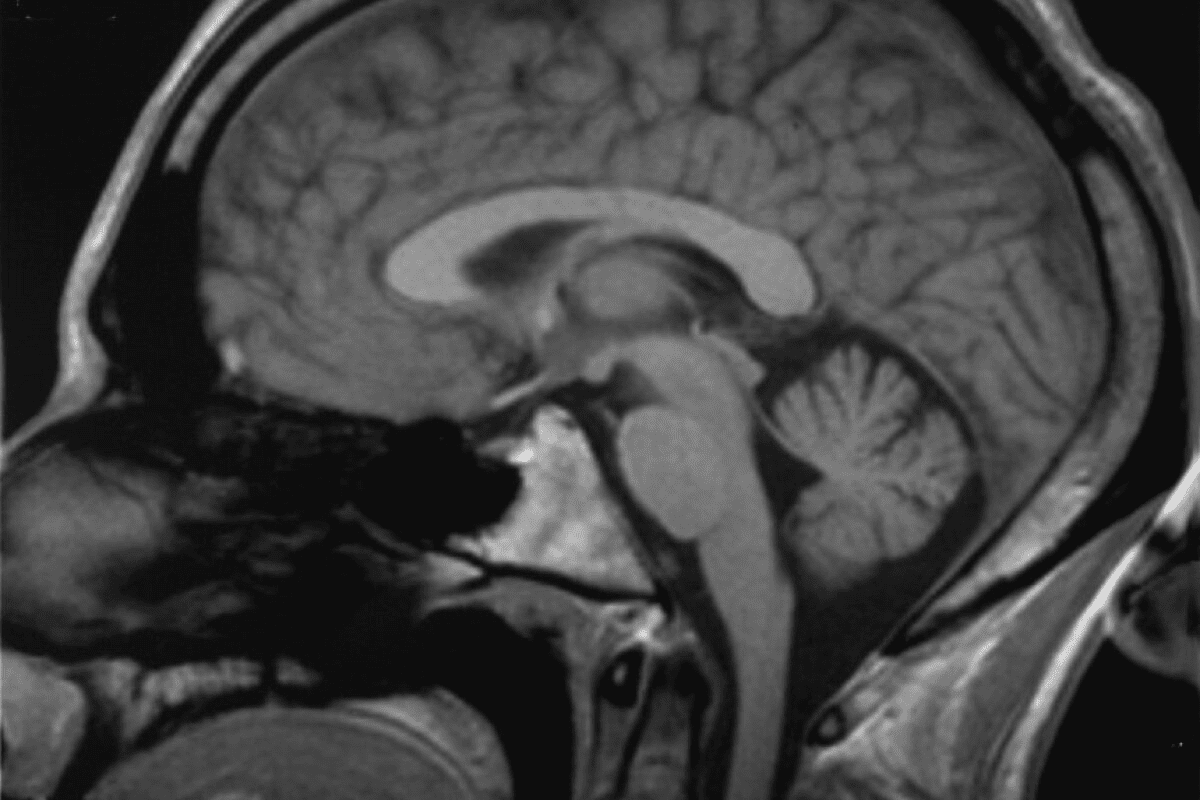
- Magnetic Resonance Imaging (MRI): MRI is very sensitive. It gives clear brain images, showing where and how big the metastases are.
- Computed Tomography (CT) Scan: CT scans are fast and useful in emergencies. But they’re not as good as MRI for finding small metastases.
- Positron Emission Tomography (PET) Scan: PET scans help tell tumors apart from other brain issues.
Biopsy and Other Diagnostic Procedures
At times, a biopsy is needed to confirm brain metastases, mainly when the cancer’s source is unknown. We also do lumbar punctures to check for cancer in the cerebrospinal fluid.
Staging Systems for Brain Metastases
Staging systems help us understand how far brain metastases have spread. They guide our treatment choices. Common systems include:
Staging System | Description | Prognostic Value |
RPA (Recursive Partitioning Analysis) | Classifies patients based on clinical factors | Predicts survival based on patient condition and tumor characteristics |
DS-GPA (Diagnosis-Specific Graded Prognostic Assessment) | Incorporates tumor type and other prognostic factors | Provides a more tailored prognosis based on the primary tumor type |
Getting brain metastases diagnosed and staged right is vital for a good treatment plan. By combining imaging, biopsy, and staging, we can understand the disease better. This helps us choose the best treatment.
Treatment Options and Management Strategies
Managing metastatic brain cancer requires a mix of treatments. The right treatment depends on several things. These include the number and location of brain tumors, the type of cancer, and the patient’s health.
Surgical Approaches
Surgery is an option for patients with a few brain tumors. Surgical resection can help with symptoms and improve life quality. But, it’s important to think about the risks and complications.
Minimally invasive surgical techniques are becoming more common. They help reduce recovery time and protect the brain. This makes surgery a better choice for some patients.
Radiation Therapy Options
Radiation therapy is key in treating metastatic brain cancer. It can be used alone or with surgery. Whole-brain radiation therapy (WBRT) treats many tumors, while stereotactic radiosurgery (SRS) targets a few.
Radiation can slow tumor growth and ease symptoms. The choice between WBRT and SRS depends on how many tumors are in the brain and the patient’s health.
Systemic Treatments and Targeted Therapies
Systemic treatments, like chemotherapy and targeted therapies, are used more often. They work well for certain cancers, like lung and breast cancer.
Targeted therapies aim at specific cancer genes. They can greatly help patients with tumors that have certain genetic changes.
Emerging Treatments and Clinical Trials
New treatments and clinical trials are changing how we fight metastatic brain cancer. Immunotherapy, for example, is showing promise for some cancers.
Joining clinical trials can give patients access to new treatments. These trials are important for finding better ways to treat brain cancer.
Conclusion: Prognosis and Quality of Life Considerations
Patients with metastatic brain cancer have a tough road ahead. The outlook depends on several things. These include the type of primary cancer, how many metastases there are, and the patient’s overall health.
Improving care is key to better outcomes and quality of life. This means treating the cancer and managing symptoms like neurological issues and cognitive changes.
Healthcare teams can make treatment plans that fit each patient’s needs. This helps improve their quality of life. Support services and teams are vital in dealing with metastatic brain cancer’s challenges.
Our aim is to give top-notch care to international patients. We want to offer them the best chance at a good prognosis and quality of life.
FAQ
What is metastatic brain cancer?
Metastatic brain cancer happens when cancer cells from other parts of the body reach the brain. They form new tumors there. It’s the most common brain cancer in adults.
How does cancer metastasize to the brain?
Cancer cells can break off from the main tumor. They travel through the blood or lymphatic system. Then, they settle in the brain, creating new tumors. This process involves complex molecular interactions with the brain environment.
What are the most common primary cancers that metastasize to the brain?
Lung cancer, breast cancer, and melanoma often spread to the brain. Their cells have traits that make them more likely to do so.
How fast does brain cancer spread?
The speed of brain cancer spread varies. It depends on the cancer type, cell characteristics, and other factors. Some cancers, like melanoma, spread quickly to the brain. Others may take longer.
What are the signs and symptoms of metastatic brain cancer?
Symptoms include neurological issues like weakness or numbness. There can also be cognitive and behavioral changes. Other signs are headaches, seizures, or trouble with speech and vision.
How is metastatic brain cancer diagnosed?
Diagnosis uses imaging like MRI or CT scans to find brain metastases. Then, biopsy or other tests confirm cancer cells. Staging systems classify the extent of brain metastasis.
What are the treatment options for metastatic brain cancer?
Treatments include surgery, radiation, systemic treatments, and targeted therapies. The choice depends on the brain metastases, cancer type, and patient health.
Can metastatic brain cancer be treated effectively?
Yes, metastatic brain cancer can be managed. Treatments can improve symptoms and quality of life. New treatments and trials offer hope for better outcomes.
What is the prognosis for patients with metastatic brain cancer?
Prognosis varies based on cancer type, metastasis extent, and patient health. Good care and support are key to improving outcomes and quality of life.
What is secondary malignant neoplasm of the brain?
Secondary malignant neoplasm of the brain is another term for metastatic brain cancer. It’s when cancer cells from other parts of the body form tumors in the brain.
How common are metastatic intracranial tumors?
Metastatic intracranial tumors are common, mainly in patients with lung, breast, or melanoma. They significantly affect patient outcomes and quality of life.
References
National Center for Biotechnology Information. (2025). What Is Metastatic Brain Cancer and How Fast. Retrieved from https://pmc.ncbi.nlm.nih.gov/articles/PMC6448499/.