Last Updated on November 27, 2025 by Ugurkan Demir

What are mets of the brain (brain metastases)? Learn how these secondary tumors develop and the common primary sources.
Brain metastases, also known as brain mets, are tumors that grow in the brain. They start from cancer cells that have moved from another part of the body.
Many cancers can spread to the brain. But lung, breast, colon, kidney, and melanoma cancers are the most common to do so. Knowing how these tumors form is very important for those dealing with this condition.
At Liv Hospital, we offer top-notch medical care and focus on the patient. We aim to provide the best treatment for brain metastases.
Key Takeaways
- Brain metastases are secondary tumors that develop when cancer cells spread to the brain.
- The most common cancers that metastasize to the brain are lung, breast, colon, kidney, and melanoma.
- Understanding brain metastases is key for patients and families facing this diagnosis.
- Liv Hospital provides international standards of medical care for patients with brain metastases.
- Comprehensive treatment is available for patients with brain metastases.
Understanding Brain Metastases
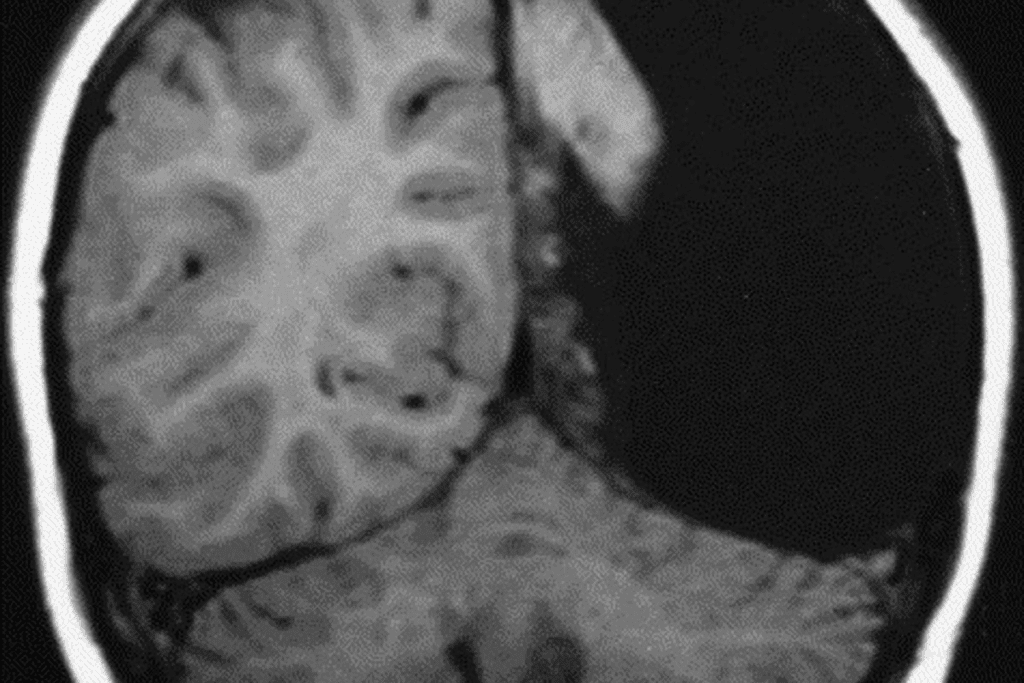
Brain metastases happen when cancer cells from other parts of the body reach the brain. They travel through the bloodstream or lymphatic system. This leads to the growth of metastatic tumors in the brain tissue.
Definition and Terminology
Brain metastases, also known as metastatic brain tumors or cerebral metastases, are cancers that spread to the brain. The term “metastasis” means cancer cells move from their original site to another place. In brain metastases, cancer cells move from another part of the body to the brain.
It’s important to know the difference between primary and secondary brain tumors. Primary brain tumors start in the brain. Secondary brain tumors, or brain metastases, come from cancer spreading from other parts of the body. Knowing this helps doctors choose the right treatment and understand the patient’s chances of recovery.
Difference Between Primary and Secondary Brain Tumors
Primary brain tumors start from the brain’s cells. Secondary brain tumors, or brain metastases, come from cancer cells that have traveled from another cancer site. For example, lung cancer can spread to the brain, causing brain metastases.
- Primary brain tumors are less common than metastatic brain tumors.
- Secondary brain tumors are more common, affecting about 10 to 20 percent of adults with cancer.
- Brain metastases often mean the cancer is at a more advanced stage.
Impact on the Central Nervous System
Brain metastases can harm the central nervous system (CNS). The CNS includes the brain and spinal cord. It controls movement, sensation, and thinking. When tumors grow in the brain, they can cause headaches, seizures, and problems with thinking.
“The presence of brain metastases can profoundly affect a patient’s quality of life, necessitating a thorough treatment plan that addresses both the cancer and its neurological implications.”
It’s key to understand brain metastases to develop good treatment plans. This helps improve patient outcomes. We will look at the epidemiology, diagnosis, and treatment of brain metastases in the next sections.
Epidemiology of Mets of the Brain
It’s key to grasp the epidemiology of brain metastases to craft better treatments. Brain metastases, or mets brain, are a big issue for cancer patients. They impact their life quality and survival chances.
Prevalence and Incidence Rates
Brain metastases are the top brain tumor in adults. It’s estimated that 98,000 to 170,000 cases pop up each year in the U.S. The rise in brain metastases is linked to better cancer treatments. These treatments help patients live longer, giving more time for metastases to form.
Without a national system for tracking brain metastases in the U.S., exact numbers are hard to pin down. Yet, it’s clear that brain metastatic tumors pose a big challenge to doctors.
Demographic Patterns
Some groups face a higher risk of brain metastases. The type of primary cancer plays a big part. For example, lung cancer, breast cancer, and melanoma are common culprits.
Age and gender also influence who gets brain metastases. Research shows that older people are more likely to get them. There might also be gender differences, depending on the primary cancer.
Knowing these trends helps doctors tailor care for patients with brain metastases. They can focus on the specific needs of different groups.
The Biological Process of Metastasis Development
Cerebral metastases form through a complex process called the metastatic cascade. This process lets cancer cells move from their original site to the brain. It involves several key steps that help cancer cells survive, invade, and grow in the central nervous system.
The Metastatic Cascade
The metastatic cascade is a detailed series of steps for cancer cells to form brain metastases. It starts with the detachment of cancer cells from the primary tumor. Then, they invade the surrounding tissue and enter the bloodstream, known as intravasation.
Once in the bloodstream, cancer cells must survive the immune system and the mechanical stresses of the blood. They then adhere to the endothelial cells lining the blood vessels of the brain. This is a critical step for their colonization of the brain tissue.
Blood-Brain Barrier Penetration
The blood-brain barrier (BBB) protects the brain from harmful substances. For brain metastases to develop, cancer cells must penetrate this barrier. Research shows that certain cancer cells can disrupt the integrity of the BBB, allowing them to invade the brain parenchyma.
This process involves complex interactions between cancer cells and the BBB components, including endothelial cells and astrocytes. Understanding how cancer cells breach the BBB is key for preventing or treating brain metastases.
Distribution Patterns in the Brain
Brain metastases can occur in various brain regions, with different cancers showing preferences. The distribution pattern of metastases in the brain is influenced by the vascular anatomy and the microenvironment of the brain.
| Primary Cancer | Common Sites of Brain Metastases |
| Lung Cancer | Cerebral hemispheres, cerebellum |
| Breast Cancer | Cerebral hemispheres, cerebellum |
| Melanoma | Cerebral hemispheres, brainstem |
Understanding the distribution patterns of brain metastases is vital for diagnosing and treating them effectively. By knowing the typical locations and characteristics of metastases from different cancers, clinicians can improve their diagnostic and therapeutic approaches.
Primary Cancers That Commonly Metastasize to the Brain
Brain metastases often start from cancers in different parts of the body. Some cancers are more likely to spread to the brain. Knowing these cancers helps doctors diagnose and treat brain metastases better.
Lung Cancer
Lung cancer is the top cause of brain metastases, making up 30 to 60 percent of cases. Its aggressive nature and closeness to the brain make it spread easily.
Lung cancer’s tendency to spread to the brain is seen a lot in non-small cell lung cancer (NSCLC). Brain metastases in NSCLC patients change treatment plans and affect their outlook.
Breast Cancer
Breast cancer also spreads to the brain, though less often than lung cancer. It’s a big worry, mainly in late stages. Some breast cancer types, like HER2-positive and triple-negative, are more likely to go to the brain.
Melanoma
Melanoma, a skin cancer, is very aggressive and often spreads to the brain. Treating melanoma brain metastases is hard because it doesn’t respond well to usual treatments.
Other Common Primary Sites
Colon and kidney cancers can also spread to the brain, though less often. They are a big concern, mainly in late stages.
Here’s a summary of the common primary cancers that metastasize to the brain:
| Primary Cancer | Frequency of Brain Metastasis | Characteristics |
| Lung Cancer | 30-60% | Aggressive, proximity to brain |
| Breast Cancer | 10-30% | Subtypes like HER2-positive and triple-negative have higher risk |
| Melanoma | 20-50% | Aggressive, resistant to conventional therapies |
| Colon Cancer | 1-5% | Less common, but a risk in advanced stages |
| Kidney Cancer | 2-10% | Risk varies by subtype, with clear cell being more common |
Clinical Manifestations and Symptoms
It’s important to know the symptoms of brain metastases early. This helps in getting the right treatment quickly. Symptoms can vary a lot, depending on where, how big, and how fast the metastases grow.
Neurological Symptoms
People with brain metastases often have headaches, seizures, and speech problems. Headaches can happen because of the tumor’s pressure on the brain. Seizures are caused by the tumor irritating the brain tissue.
Cognitive and Behavioral Changes
Changes in thinking and behavior are common too. Patients might forget things, get confused, or act differently. These changes can make daily life hard and affect relationships.
Symptoms Based on Tumor Location
The brain area where the metastasis is located affects symptoms. For example, tumors in the cerebellum can mess with balance. Tumors in the frontal lobe might change how someone acts or thinks. Knowing where the tumor is helps in managing symptoms better.
“The clinical presentation of brain metastases can be diverse, necessitating a thorough approach to diagnosis and treatment.”
In summary, brain metastases symptoms can vary a lot. They can really change a person’s life. It’s key for doctors to recognize these symptoms to provide the right care and support.
Diagnostic Approaches and Imaging
Getting a correct diagnosis of brain metastases is key for treatment and better patient care. We use different methods to spot and understand brain metastases well.
Neuroimaging Techniques
Neuroimaging is vital for finding brain metastases. We use MRI and CT scans to see the brain and find tumors.
MRI is great because it shows soft tissues clearly. It helps us see how big and where the tumors are. CT scans are quicker and easier to get, making them good for first checks and urgent cases.
Biopsy and Histopathological Examination
Sometimes, a biopsy is needed to confirm brain metastases. This means taking a piece of the tumor for a detailed look. The sample is checked under a microscope to see if it’s cancer and where it came from.
This check is key to find out where the cancer started. It helps plan the best treatment.
Molecular and Genetic Testing
Molecular and genetic tests are now very important for brain metastases. They help find specific genetic changes that guide treatment.
For example, some genetic changes in lung or breast cancer can be treated with special drugs. This can make treatment more effective.
| Diagnostic Approach | Description | Clinical Utility |
| MRI | High-resolution imaging of brain structures | Detailed assessment of metastasis number, size, and location |
| CT Scan | Quick and widely available imaging | Initial assessment and emergency situations |
| Biopsy | Histopathological examination of tumor tissue | Confirmation of diagnosis and primary source identification |
| Molecular Testing | Identification of genetic mutations or markers | Guiding targeted therapy and personalized treatment |
Treatment Strategies and Management
Managing brain metastases requires a detailed plan tailored to each patient. The treatment choice depends on several factors. These include the number, size, and location of the metastases, as well as the type of primary cancer.
Surgical Interventions
Surgery is key in treating brain metastases, mainly for those with a few lesions. Surgical resection can relieve symptoms, improve life quality, and possibly extend life. The decision to have surgery depends on the patient’s health, the metastases’ location, and any neurological issues.
New neurosurgical techniques have boosted surgery outcomes for brain metastases. Minimally invasive surgical approaches are now used more. They help reduce recovery time and lower the risk of complications.
Radiation Therapy Options
Radiation therapy is vital in treating brain metastases. Whole-brain radiation therapy (WBRT) is used for many metastases. Stereotactic radiosurgery (SRS) is for those with fewer lesions. SRS focuses high doses on specific areas, protecting the brain.
- WBRT helps control symptoms and can extend life.
- SRS is precise and can be used with WBRT.
Systemic Therapies
Systemic therapies, like chemotherapy and targeted therapy, are becoming more important. The choice depends on the primary cancer type and molecular markers.
Targeted therapies are promising for brain metastases, mainly for those with certain genetic mutations. They offer better outcomes and fewer side effects than traditional chemotherapy.
Supportive Care and Symptom Management
Along with treatments for brain metastases, supportive care is vital for symptom management and quality of life. This includes corticosteroids for swelling, anticonvulsants for seizures, and medications for headaches and nausea.
A team approach to care is essential. It involves neurosurgeons, radiation oncologists, medical oncologists, and other healthcare professionals. This ensures the best treatment and support for patients with brain metastases.
Prognosis and Quality of Life
The outlook for brain metastases depends on several key factors, like the type of primary cancer. It’s important for patients and doctors to understand these factors. This helps in making the right treatment and care choices.
Prognostic Factors
Several factors are important in predicting the outcome for patients with brain metastases. These include the number and size of metastases, the type of primary cancer, and the patient’s overall health. The number and size of brain metastases are key because they affect treatment complexity and success.
The type of primary cancer also plays a big role. For example, metastases from melanoma often have a worse prognosis than others. Patient performance status, which shows how well the patient can do daily activities, is also very important.
Survival Rates
Survival rates for brain metastases have gotten better thanks to new treatments. But, these rates vary a lot based on the factors mentioned earlier. Median survival rates can range from a few months to over a year. With the right treatment, some patients can live longer.
- Patients with a single brain metastasis and controlled systemic disease may have a better prognosis.
- Those with multiple brain metastases or progressive systemic disease generally face a poorer outlook.
Quality of Life Considerations
Keeping quality of life high is a top priority for patients with brain metastases. Treatments aim to not just extend life but also keep neurological function and overall well-being intact. Symptom management and supportive care are key parts of patient care. They help with pain, cognitive issues, and emotional distress.
We understand that every patient’s journey is different. Our care is customized to meet each person’s needs and preferences. By focusing on both prognosis and quality of life, we aim to offer full support to those facing brain metastases challenges.
Conclusion
Understanding brain metastases is key to helping patients. These are complex conditions that need a detailed approach for diagnosis and treatment.
We’ve looked at what brain metastases are, how common they are, and how they spread. We’ve also talked about the cancers that often spread to the brain, like lung and breast cancer. We’ve covered the symptoms and how they affect people.
Managing brain cancer requires a team effort. This includes surgery, radiation, and other treatments. Knowing how brain metastases work helps doctors create better treatment plans. This improves patients’ lives and outcomes.
As we learn more about brain metastases, we can offer better care. Managing these conditions well needs a caring and detailed approach. We’re dedicated to providing top-notch healthcare and support to patients worldwide.
FAQ
What are brain metastases?
Brain metastases are tumors that start in another part of the body and move to the brain. They are also called metastatic brain tumors or brain mets.
What is the difference between primary and secondary brain tumors?
Primary brain tumors start in the brain. Secondary brain tumors, or brain metastases, start in another part of the body and move to the brain.
Which cancers commonly metastasize to the brain?
Lung cancer, breast cancer, melanoma, and other cancers often spread to the brain. This is because of their biology and the molecular characteristics of the cancer cells.
What are the symptoms of brain metastases?
Symptoms of brain metastases vary. They can include neurological problems, changes in thinking and behavior, headaches, seizures, and weakness or numbness.
How are brain metastases diagnosed?
Doctors use MRI and CT scans, biopsy, and molecular testing to diagnose brain metastases. These methods help find and understand the metastases.
What are the treatment options for brain metastases?
Treatments include surgery, radiation therapy, systemic therapies, and supportive care. The best treatment depends on the metastases’ location, the primary cancer, and the patient’s health.
What is the prognosis for patients with brain metastases?
The prognosis varies based on several factors. These include the primary cancer, the metastases’ location and number, and the patient’s overall health.
How do brain metastases affect quality of life?
Brain metastases can greatly affect quality of life. They can cause problems with thinking, physical abilities, and emotions. Managing symptoms and improving quality of life are key in care.
What is the metastatic cascade?
The metastatic cascade is the process by which cancer cells spread to distant sites, like the brain. This happens through the bloodstream or lymphatic system.
How do cancer cells penetrate the blood-brain barrier?
Cancer cells can get past the blood-brain barrier in several ways. They use specific adhesion molecules and release enzymes to disrupt the barrier.
Reference
National Center for Biotechnology Information. (2025). What Are Brain Mets and How Do They. Retrieved from https://www.ncbi.nlm.nih.gov/books/NBK470246/