Women over 40 with fertility issues find hope in minimally invasive IVF protocols. Studies show a success rate of about 22% for those over 43.
Fertility treatments are changing, focusing more on quality over quantity. Even those told they needed donor eggs have gotten pregnant with their own eggs. This is thanks to special minimal stimulation protocols.
Exploring the stories of women who’ve used mini IVF shows us hope and success are possible. In this article, we’ll share inspiring tales of women who’ve seen amazing results with mini IVF.
Key Takeaways
- Minimally invasive IVF protocols offer new hope for women over 40.
- A success rate of approximately 22% is achieved by women over 43.
- Specialized minimal stimulation protocols enable healthy pregnancies using a woman’s own eggs.
- Real-life success stories demonstrate the effectiveness of mini IVF.
- Fertility treatment options are evolving to prioritize quality over quantity.
Understanding Mini IVF: A Gentle Approach to Fertility Treatment
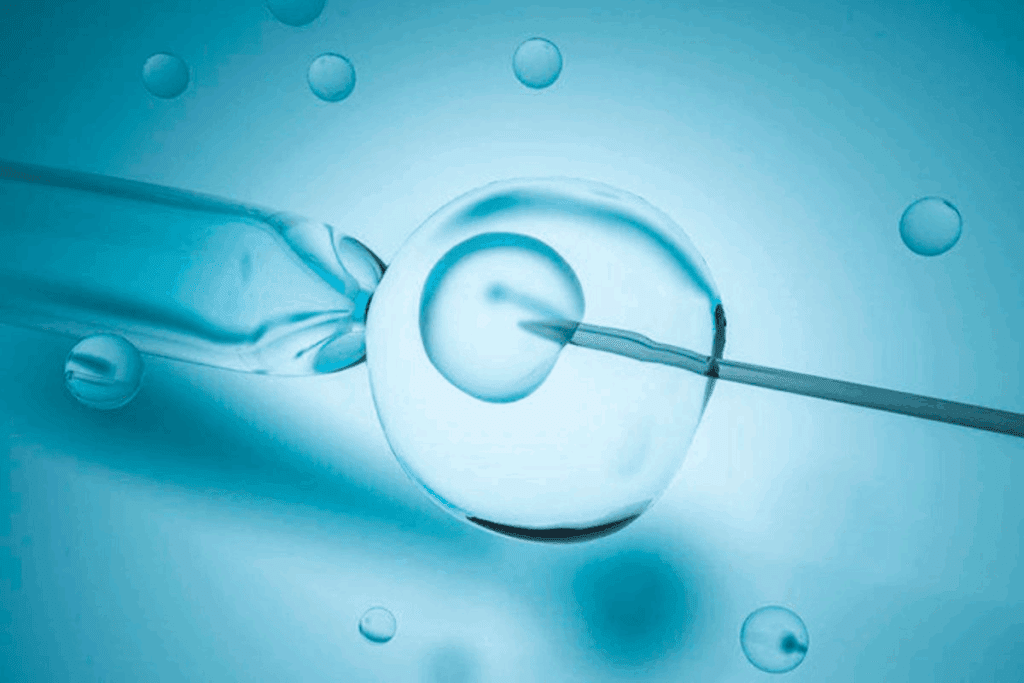
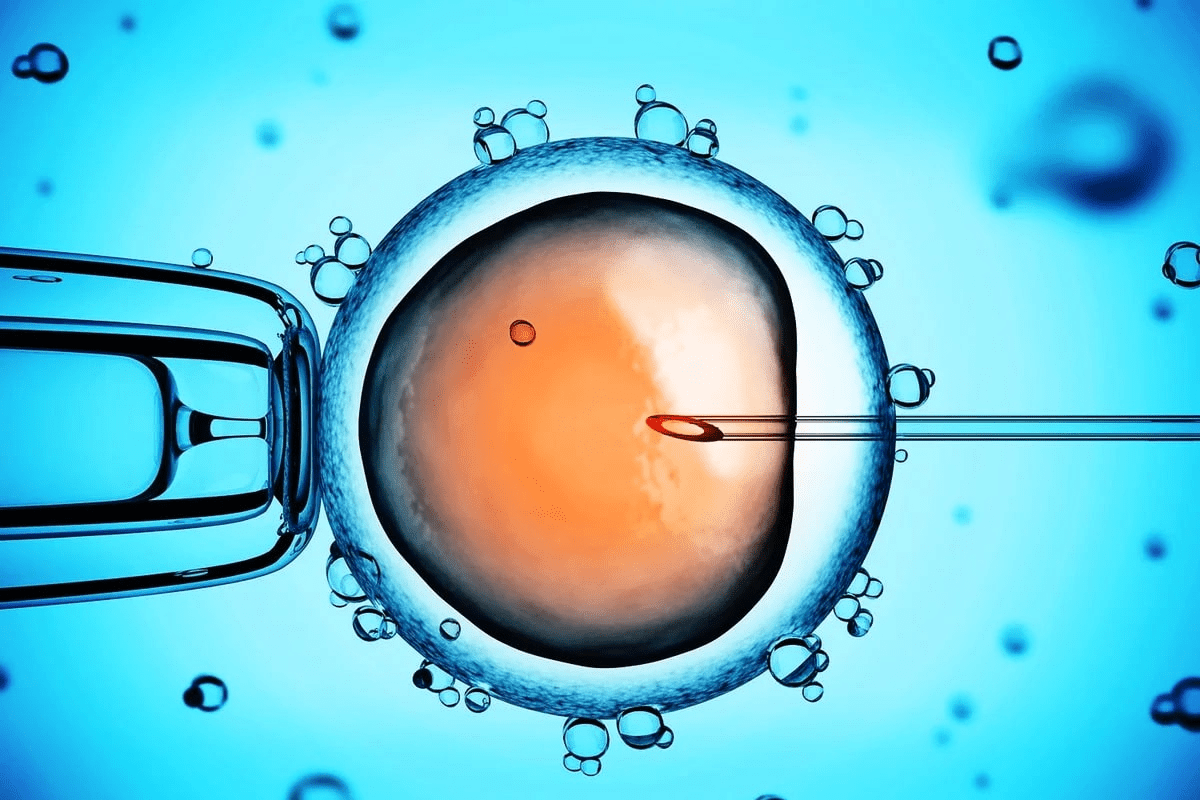
Mini IVF, or minimal stimulation IVF, is changing the game in fertility treatment. It’s great for women who can’t handle strong fertility meds or want a cheaper, less invasive way to try. This method is kinder to the body and mind.
What Makes Mini IVF Different from Traditional IVF
Traditional IVF uses lots of meds to get many eggs, hoping for good embryos. But mini IVF uses less meds to get 1-3 top-quality eggs. This lowers the risk of serious side effects and makes treatments easier on the body and mind.
Mini IVF and traditional IVF differ mainly in meds and egg count. Traditional IVF is more intense, while mini IVF focuses on quality over quantity. It’s a softer option for those seeking a gentler path.
| Feature | Mini IVF | Traditional IVF |
|---|---|---|
| Medication Dosage | Lower doses | Higher doses |
| Number of Eggs Retrieved | 1-3 eggs | Multiple eggs |
| Risk of OHSS | Lower risk | Higher risk |
| Cost | Generally lower | Generally higher |
The Science Behind Minimal Stimulation Protocols
Mini IVF uses special protocols to grow fewer, but better, eggs. It uses oral meds or less injectable meds. The aim is to improve egg quality while cutting down on risks from strong meds.
Who Is the Ideal Candidate for Mini IVF
Women over 40, with low egg counts, or sensitive to meds are perfect for mini IVF. It’s also good for those avoiding OHSS risks or looking for a cheaper option. Each patient’s fit for mini IVF is judged individually, based on their health and egg count.
Knowing mini IVF’s benefits and what to consider helps women choose the right fertility path. As we see more success stories, it’s clear mini IVF is giving hope to many.
Why Mini IVF Shows Promise for Women Over 40
Women in their 40s face tough challenges in fertility treatments. Mini IVF offers a gentler way. As we age, getting pregnant gets harder. But mini IVF helps by tackling the specific issues women over 40 face.
Age-Related Fertility Challenges After 40
Women over 40 see a drop in egg quality and number. Age-related fertility decline means fewer eggs and more chance of genetic problems. This makes traditional IVF less likely to work.
Egg quality drops with age. Older eggs are more likely to have genetic issues. Mini IVF focuses on quality, not quantity, to help.
Quality Over Quantity: The Mini IVF Advantage
Mini IVF is different from traditional IVF. It uses less stimulation to focus on egg quality. This is great for women over 40, as it boosts the chance of getting healthy eggs.
The table below shows the main differences between traditional IVF and mini IVF:
| Characteristics | Traditional IVF | Mini IVF |
|---|---|---|
| Stimulation Protocol | High-dose hormonal stimulation | Mild hormonal stimulation |
| Egg Retrieval Goal | Multiple eggs | Fewer, higher-quality eggs |
| Medication Impact | Higher risk of OHSS | Lower risk of OHSS |
Reduced Medication Impact on Egg Quality
Mini IVF also means less medication impact on eggs. Traditional IVF uses high doses that can harm egg quality. Mini IVF uses less, protecting egg quality better.
Less medication in mini IVF also means lower OHSS risk. This makes mini IVF safer and friendlier for women over 40.
Mini IVF Success Rates and Statistics for Women Over 40
Understanding mini IVF’s success is key for women over 40. Research has given us valuable insights into its effectiveness for this age group.
Studies show that mini IVF success rates change with age. Let’s look at how success rates vary by age.
Comparative Success Rates by Age Group
Research shows that success rates for mini IVF differ by age. Here’s a look at success rates for different age ranges:
- Women aged 40-42: 20-25% success rate per cycle
- Women aged 43-45: 10-15% success rate per cycle
- Women over 45: 5-8% success rate per cycle
These numbers show why age matters when thinking about mini IVF success.
Research Findings on Mini IVF Effectiveness
Recent studies compare mini IVF to traditional IVF for women over 40. They found that mini IVF is gentler and can be more effective for older women.
Mini IVF can have similar or better success rates for women over 40. This is true when looking at egg and embryo quality.
Realistic Expectations and Multiple Cycle Approaches
Women over 40 should have realistic hopes for mini IVF. It might take more than one cycle to succeed.
Research shows that:
- Cumulative success rates can improve with multiple cycles
- Patient response to medication and egg quality can vary significantly between cycles
- Patience and persistence are key factors in achieving success with mini IVF
By knowing these points, women over 40 can better understand their mini IVF journey.
The Mini IVF Protocol: What to Expect During Treatment
Women over 40 should know about the mini IVF protocol if they’re thinking about fertility treatment. This gentler method focuses on quality over quantity of eggs. It’s great for older women with a lower egg count.
Medication Protocols and Monitoring Schedule
The mini IVF starts with a special medication plan. It uses lower doses than traditional IVF to get fewer but better eggs. Studies show this helps older women get better egg quality.
Monitoring is key in mini IVF. You’ll have ultrasound scans and blood tests often. These help doctors adjust the treatment for the best egg retrieval.
Egg Retrieval Process and Embryo Development
The egg retrieval in mini IVF is similar to regular IVF but gets fewer eggs. It’s done under sedation or local anesthesia. “The goal is to get high-quality eggs and embryos, not just many,” says Medical Expert.
After getting the eggs, they’re fertilized in the lab. The embryos grow for 3-5 days before being transferred. The doctor picks the healthiest one for transfer.
Transfer Strategies for Optimal Success
The final step is the embryo transfer. The number and quality of embryos decide the plan. Often, mini IVF gives a single, high-quality embryo for transfer. “Single embryo transfer is popular for women over 40 to avoid multiple pregnancies,” Medical Expert.
The transfer is quick and doesn’t hurt much. The chosen embryo is placed in the uterus with ultrasound help. You’ll rest for a bit after and then can go back to normal activities.
Knowing the mini IVF protocol helps women over 40 understand the treatment better. They can have realistic hopes for success.
Mini IVF Cost Comparison: Financial Considerations for Women Over 40
Understanding the cost differences between mini IVF and traditional IVF is key for women over 40. As women age, fertility challenges grow, making treatment costs a big worry.
Cost Breakdown of Mini IVF vs. Traditional IVF
IVF costs vary a lot between mini IVF and traditional IVF. Mini IVF is cheaper because it needs less medication. It costs between $5,000 to $10,000 per cycle. Traditional IVF, on the other hand, can cost $12,000 to $20,000 per cycle.
| IVF Type | Average Cost per Cycle | Medication Cost |
|---|---|---|
| Mini IVF | $5,000 – $10,000 | $500 – $1,000 |
| Traditional IVF | $12,000 – $20,000 | $2,000 – $5,000 |
Insurance Coverage and Financing Options
Insurance for IVF varies a lot. Some plans cover parts of IVF, while others don’t. It’s important for women to check their insurance before starting treatment.
There are also financing options for IVF. Many clinics offer payment plans. There are also companies that provide loans for fertility treatments.
Cost-Effectiveness for Multiple Cycles
For women over 40, mini IVF is more cost-effective for multiple cycles. It’s cheaper than traditional IVF, so women can do more cycles without spending a lot.
Choosing mini IVF can be a smart move for women over 40. It’s a more affordable option that can lead to success. It’s important to talk to a fertility specialist to find the best treatment plan and discuss costs.
Success Story #1: Sarah’s Journey to Motherhood at 42
At 42, Sarah’s journey to motherhood was filled with determination and perseverance. She faced challenges with traditional IVF but found success with mini IVF.
Previous Failed Traditional IVF Attempts
Sarah tried traditional IVF many times without success. The process was tough both physically and emotionally. “I felt like I was on a never-ending rollercoaster,” Sarah said.
“The disappointment after each failed cycle was overwhelming. I began to lose hope.”
After talking to her fertility specialist, Sarah looked into other options. She learned about mini IVF, a gentler method that might work better for her age.
Mini IVF Protocol and Response
The mini IVF method uses less stimulation to get better eggs. Sarah started with a special medication plan. Monitoring was key to make sure everything was going right.
| Day | Medication | Monitoring |
|---|---|---|
| 1-3 | Low-dose stimulation medication | Ultrasound and hormone level checks |
| 8-10 | Trigger shot to mature eggs | Final ultrasound before retrieval |
Single Embryo Success and Birth Outcome
Sarah chose a single embryo transfer, advised by her doctor. The wait was agonizing, but the positive pregnancy test made it all worthwhile.
Sarah’s pregnancy was closely watched, and she had a healthy baby boy. “Holding my son in my arms made every struggle worth it,” she said, beaming with joy. Sarah’s story shows mini IVF’s power for women over 40.
As Sarah’s case shows, mini IVF can be a good option when traditional methods fail. Her success at 42 with a single embryo transfer proves the value of tailored fertility plans.
Success Story #2: Jennifer’s Twins After Failed Traditional IVF at 41
Jennifer’s story shows how mini IVF can work wonders. She had twins after many failed IVF tries. At 41, she thought her dream of having kids was over. But, she didn’t give up and tried mini IVF, a kinder way to fertility treatment.
Transitioning from High-Stim to Mini IVF
Jennifer tried high-stimulation IVF first, but it was tough. It left her with few good embryos and a big emotional and financial hit. Then, she switched to mini IVF, a gentler, cheaper option. We helped Jennifer find a mini IVF plan that fit her needs, focusing on quality over quantity.
Modified Protocol for Diminished Ovarian Reserve
Because Jennifer was older and had less ovarian reserve, we tweaked the mini IVF plan. We watched her closely and adjusted her meds to get better egg quality. We also thought about her past IVF experiences to lower risks and boost success chances.
Twin Pregnancy from Two Quality Embryos
Jennifer’s mini IVF journey ended in a miracle. Two top-notch embryos led to a twin pregnancy. Her story proves mini IVF can work for women over 40, even with less ovarian reserve. The twins were born healthy, and Jennifer realized her dream of being a mom.
Success Story #3: Maria’s Last-Chance Mini IVF at 44
Maria wanted to be a mom at 44. She tried mini IVF as a last hope. After years of trying, she hoped mini IVF would give her a better chance.
Overcoming Advanced Maternal Age Challenges
At 44, Maria faced big challenges. Her age made it harder to get pregnant. But mini IVF’s gentle method focused on quality eggs, giving her hope.
Advanced age is a big hurdle for fertility. Maria’s story shows mini IVF can work for women in their 40s. It’s tailored to each person’s needs.
Natural-Cycle Mini IVF Approach
Maria chose a natural-cycle mini IVF. This method uses little to no meds to stimulate eggs. It’s great for those with low egg counts or who can’t handle meds well.
This approach lowers the risk of too much stimulation. It also fits with the body’s natural cycle, which might improve egg quality. Her doctor watched her cycle closely to pick the best time for egg retrieval.
Successful Pregnancy After Multiple Cycles
Maria tried mini IVF many times before getting pregnant. Her hard work and the right treatment led to a healthy baby.
Getting pregnant can take a long time and be tough. Maria’s story shows that with the right help, women over 40 can have a child through mini IVF.
Inspiring Mini IVF Success Stories: Real Women Over 40
Mini IVF is a ray of hope for women over 40 wanting to have a baby. It’s a gentler way to try to get pregnant. We share stories of women who got pregnant with mini IVF, showing their paths to success.
Lisa’s Journey After Tubal Ligation at 43
Lisa was 43 and had a tubal ligation, a surgery to block her fallopian tubes. Yet, she wanted another child. She chose mini IVF, a less invasive and cheaper option. Her hard work and the mini IVF’s success led to a pregnancy.
Lisa’s story shows mini IVF can work even after tubal ligation. The treatment’s gentle approach was great for her, considering her age and past surgeries.
Rachel’s Natural Cycle Approach at 45
Rachel was 45 and picked a natural cycle mini IVF. This method tracks her natural cycle and gets eggs without meds. Its success comes from getting high-quality eggs.
Rachel’s tale shows mini IVF can fit many needs and wishes. Her success proves that even at 45, the right mini IVF can lead to pregnancy.
| Patient Profile | Mini IVF Approach | Outcome |
|---|---|---|
| Lisa, 43, post-tubal ligation | Minimal Stimulation | Successful Pregnancy |
| Rachel, 45 | Natural Cycle | Successful Pregnancy |
These stories show the many ways mini IVF can help women over 40 get pregnant. By learning about these paths, women can choose the best for their fertility journey.
Conclusion: Is Mini IVF Right for Your Fertility Journey After 40?
Mini IVF is a promising option for women over 40. It’s a gentle way to try for a baby, even in your 40s. Success stories show it can help women achieve their dream of motherhood.
Understanding mini IVF’s benefits is key. It uses less medication and focuses on quality eggs. Women like Sarah, Jennifer, and Maria have had successful pregnancies with mini IVF. This is even after failing with traditional IVF.
Every woman’s journey to motherhood is different. But for those over 40, mini IVF is a good alternative. It’s a gentler and possibly more effective way to try for a baby.
If you’re thinking about your options after 40, look into mini IVF. Talk to a fertility specialist to see if it’s right for you. This could be the first step towards having a family.
FAQ
What is mini IVF, and how does it differ from traditional IVF?
Mini IVF, or minimal stimulation IVF, uses less medication to stimulate ovaries. This results in fewer eggs being retrieved. It’s different from traditional IVF, which uses more medication to get more eggs.
What are the benefits of mini IVF for women over 40?
Mini IVF is good for women over 40 because it’s less expensive and gentler. It also has less impact on egg quality. This makes it a great choice for those facing age-related fertility issues.
What are the success rates for mini IVF in women over 40?
Success rates for mini IVF vary. But, studies show it can work well for women over 40. Some say it’s as effective as traditional IVF.
How many cycles of mini IVF are typically required to achieve success?
Success with mini IVF depends on many factors. Age, ovarian reserve, and treatment response matter. Some get pregnant in one cycle, while others need more.
Is mini IVF covered by insurance, and what are the financing options?
Insurance for mini IVF varies. Some plans cover it, while others don’t. There are also payment plans and loans to help with costs.
What is the cost comparison between mini IVF and traditional IVF?
Mini IVF is cheaper than traditional IVF because of lower medication costs. But, costs can vary based on cycles needed and extra procedures.
Can mini IVF be used for women with diminished ovarian reserve?
Yes, mini IVF works well for women with low ovarian reserve. It’s gentler on ovaries and can improve egg quality.
What is the difference between mini IVF and micro IVF?
Micro IVF isn’t a common term in fertility. But, some clinics might call mini IVF by this name if it uses even less medication.
How effective is mini IVF compared to traditional IVF?
Mini IVF’s effectiveness varies. It’s a better choice for some, like those over 40 or with low ovarian reserve. But, traditional IVF might work better for others.
What are the pros and cons of mini IVF?
Mini IVF’s benefits include lower costs and gentler treatment. But, it might have lower success rates and require more cycles.
Is mini IVF a good option for women who have had previous IVF failures?
Yes, mini IVF is a good choice for women with past IVF failures. It’s gentler and can improve egg quality, making it a good option for those over 40 or with low ovarian reserve.
References
National Center for Biotechnology Information. Evidence-Based Medical Guidance. Retrieved from https://www.ncbi.nlm.nih.gov/pmc/articles/PMC8489809/