Last Updated on November 27, 2025 by Bilal Hasdemir
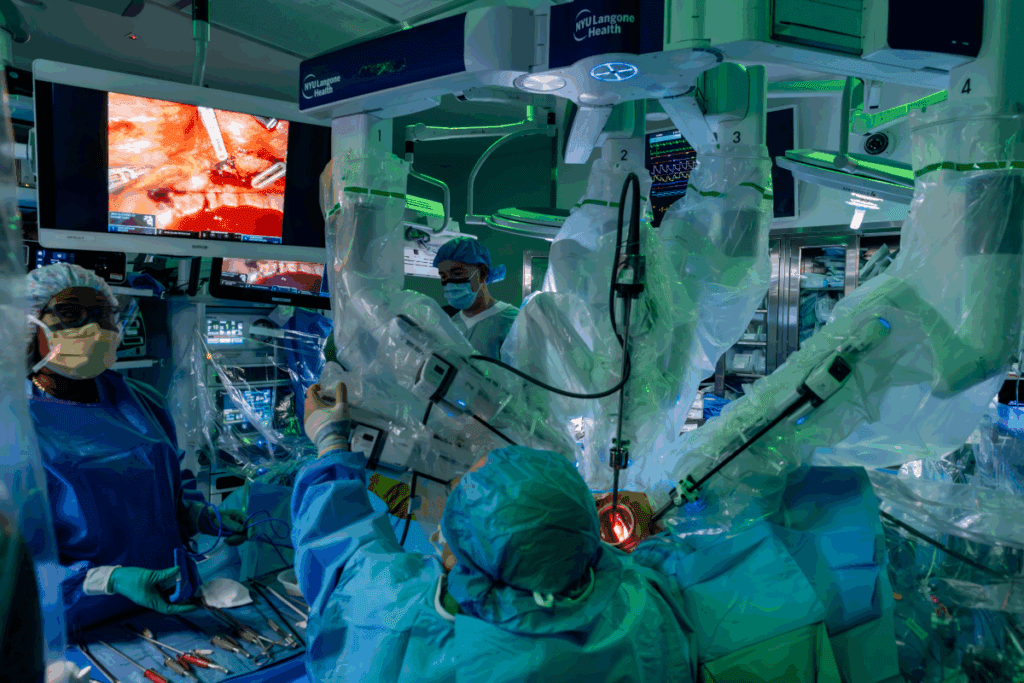
Robotic kidney surgery has changed urology, making it minimally invasive like never before. But how does it affect pain levels for those who go through it?
Research shows that those who have robotic kidney surgery feel less pain and heal quicker than with old-school surgery. We’ll look into why this is and what patients can expect when they’re getting better.
Key Takeaways
- Robotic kidney surgery is a minimally invasive procedure that reduces tissue damage.
- Patients typically experience less pain and faster recovery times.
- The precision of robotic surgery contributes to reduced trauma to surrounding tissues.
- Effective pain management strategies are key for a smooth recovery.
- Knowing the pain level of robotic kidney surgery helps patients prepare for their procedure.
Robotic kidney surgery is a big step forward in urology. It’s a less invasive option compared to traditional surgery. It offers many benefits, like less pain and quicker healing.
What is Robotic-Assisted Kidney Surgery?
Robotic-assisted kidney surgery uses a high-tech robotic system. This system helps surgeons do complex tasks with better precision and control. It’s great for treating many kidney problems.
The da Vinci Surgical System
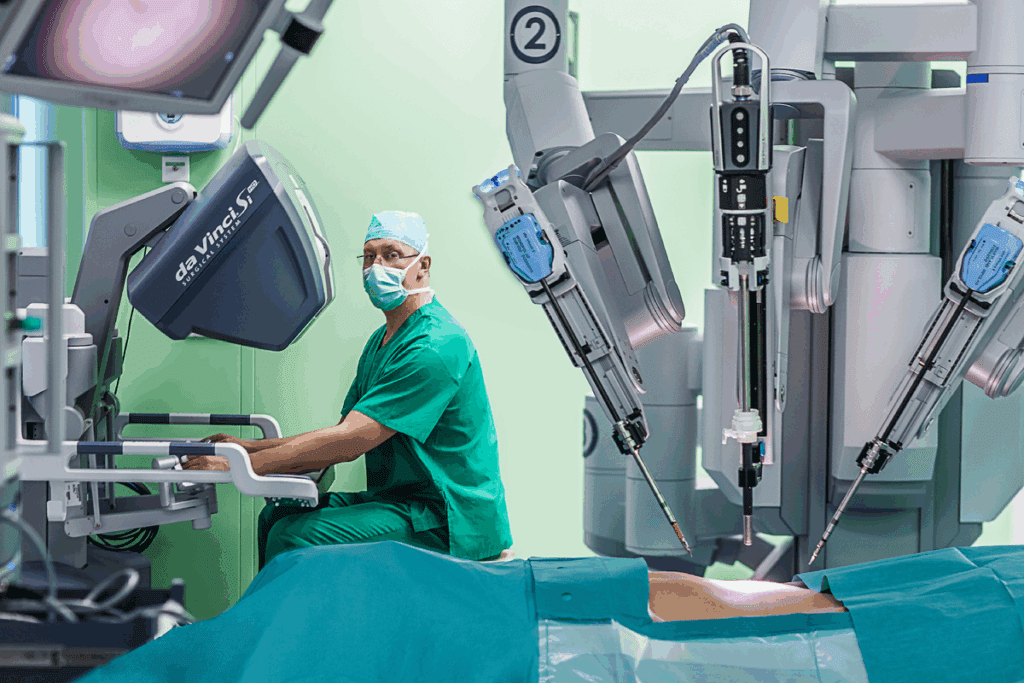
The da Vinci Surgical System is a top choice for kidney surgery. It has a 3D camera and instruments that move like a surgeon’s hands. This makes it easier to do detailed surgeries without big cuts.
Common Kidney Conditions Treated with Robotic Surgery
Robotic surgery helps with many kidney issues, like tumors and stones. It’s precise and minimally invasive, which is good for patients. It can lead to fewer problems and quicker recovery.
Some surgeries done with robots include removing kidney tumors and fixing blockages. These procedures are done with less harm to the patient.
The Minimally Invasive Pain Advantage
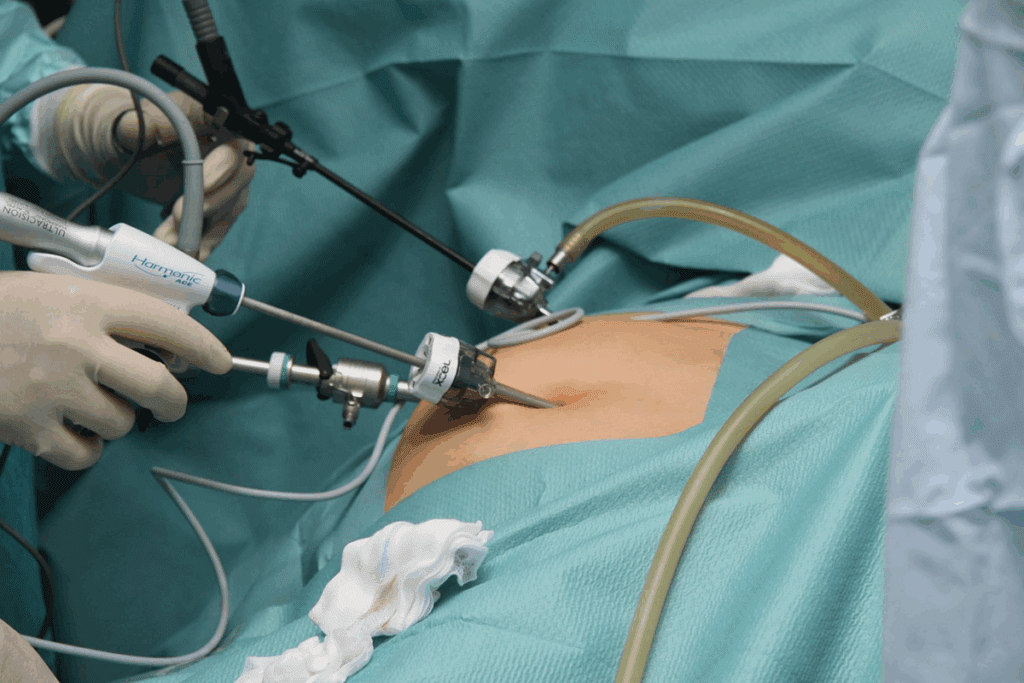
Robotic kidney surgery has changed urology, bringing a minimally invasive alternative to old surgery methods. This new tech has greatly improved patient recovery and comfort.
Comparing Pain Levels: Traditional vs. Robotic Surgery
Research shows that robotic kidney surgery patients feel less pain than those with traditional surgery. This is because robotic surgery uses smaller cuts, leading to less surgical discomfort.
Robotic surgery’s precision means less tissue damage and less pain after surgery. Patients need less pain meds and recover faster.
Benefits of Smaller Incisions
Robotic surgery’s hallmark is smaller cuts, which bring many benefits. These include less tissue trauma and less visible scars. Smaller wounds also lower infection risks and speed up healing.
Smaller incisions mean less damage to surrounding tissue. This leads to less post-operative pain and a quicker return to daily activities.
Reduced Tissue Trauma
The robotic system’s precision lets surgeons do complex tasks with little tissue disruption. This reduced tissue trauma is key to less surgical discomfort for patients after robotic kidney surgery.
Patients can expect a more comfortable recovery with less pain and fewer complications. This is very important for kidney surgery, where keeping trauma low is key for the best results.
Pre-Surgery Preparation and Pain Expectations
Robotic kidney surgery needs careful preparation. We teach patients about possible pain. This helps them recover smoothly.
Patient Education About Pain
Telling patients about pain after surgery is key. We say robotic surgery is less invasive but some pain is normal. Knowing this helps patients deal with recovery better.
Common post-surgery pains are incision pain, stomach soreness, and healing feelings inside. We explain these clearly. This way, patients know what to expect and how to handle their pain.
Setting Realistic Expectations
It’s important to set realistic hopes for recovery. We talk about when pain is usually at its worst and how it gets better. Knowing this helps patients prepare mentally and physically.
Remember, everyone’s experience is different. Health, surgery complexity, and how you handle pain can change your recovery. Our team helps tailor pain plans to fit each patient’s needs.
Pre-operative Pain Management Planning
Planning pain management before surgery is a team effort. We create a pain plan that might include medicine, other therapies, or both. This way, patients feel more in charge of their recovery.
- Discussing pain management options with our team
- Understanding the role of medication in pain management
- Exploring alternative pain relief techniques
By educating patients, setting clear expectations, and planning pain management, we help them face surgery with confidence.
Types of Anesthesia Used
General anesthesia is the usual choice for robotic kidney surgery. It makes the patient completely asleep and pain-free during the surgery.
We use the latest in anesthesia techniques and monitoring to keep patients safe. The anesthesiologist will talk to the patient about the anesthesia plan before surgery.
Anesthesia Effects on Post-Operative Pain
The anesthesia used can affect how much pain a patient feels after surgery. Even though the patient won’t feel pain during surgery, the type and amount of anesthesia can change post-operative pain levels.
Managing anesthesia well is key to reducing pain after surgery. We work with our patients to manage pain relief and help them recover comfortably.
Common Side Effects of Anesthesia
Anesthesia is usually safe, but there can be side effects. Some common ones include:
- Nausea and vomiting
- Dizziness or drowsiness
- Sore throat
- Shivering
| Side Effect | Frequency | Typical Management |
| Nausea and vomiting | Common | Anti-nausea medication |
| Dizziness or drowsiness | Very Common | Rest, hydration |
| Sore throat | Common | Throat lozenges, hydration |
Immediate Post-Surgery Discomfort
Knowing what to expect after robotic kidney surgery helps manage expectations. We’ll guide you through this important time. It’s key to know the types of discomfort and when to worry.
First 24 Hours After Surgery
The first 24 hours after surgery are critical. Patients often feel some discomfort from the surgery. Effective pain management is key for comfort and a smooth recovery.
We watch patients’ pain closely and adjust their medication as needed. Feeling groggy or disoriented from anesthesia is common. This usually goes away in a few hours.
Types of Pain Experienced
Patients may feel different types of pain after surgery, including:
- Incisional pain at the surgical sites
- Abdominal soreness or tenderness
- Referred pain in the shoulder or back
These pains usually come from the body’s reaction to surgery and are managed with medication.
Normal vs. Concerning Symptoms
It’s important to tell normal discomfort from symptoms that need attention. Normal symptoms might be some pain, swelling, or bruising. But, severe pain, fever, or trouble urinating are concerning.
| Normal Symptoms | Concerning Symptoms |
| Mild to moderate pain | Severe pain not relieved by medication |
| Some swelling or bruising around incisions | Increasing redness, swelling, or discharge around incisions |
| Mild discomfort when urinating | Difficulty urinating or severe pain while urinating |
We tell patients to watch their symptoms closely. If they see anything concerning, they should reach out to their healthcare provider.
Incision Pain and Management
Typical Incision Patterns in Robotic Kidney Surgery
Caring for Surgical Sites
It’s key to take good care of the surgical sites to avoid infection and help healing. Patients should keep the incision areas clean and dry. They should follow the care plan given by their healthcare team.
Duration of Incision Discomfort
How long incision discomfort lasts can differ for each person. But, usually, it gets better in a few weeks. The first few days are often the toughest, but pain should lessen as the incisions heal.
| Week | Expected Level of Discomfort | Recommended Care |
| 1-2 | Moderate to High | Follow pain management plan, rest |
| 2-4 | Mild to Moderate | Gradually increase activity, continue pain management as needed |
| 4+ | Mild | Resume normal activities, minimal pain management |
Managing incision pain well is important for recovering from robotic kidney surgery. By knowing what to expect and how to care for their incisions, patients can handle their recovery better.
Abdominal Soreness and Tenderness
Causes of Abdominal Discomfort
Abdominal soreness and tenderness after robotic kidney surgery come from a few sources. The surgery itself and the gas used to inflate the abdomen can irritate and cause pain. Also, the small cuts for the robotic tools can lead to sore spots.
It’s key to know these symptoms are normal while healing. Following post-op instructions closely can help reduce discomfort and aid in healing.
Expected Duration
How long soreness and tenderness last varies. Usually, they start to fade within a few days to a week. But some might feel mild pain for weeks. It’s important to watch symptoms and talk to a healthcare provider if they worry you.
Relief Techniques
There are ways to ease abdominal soreness and tenderness. Gentle stretching, as advised by doctors, can help. Using heat or cold packs, with a doctor’s okay, can also help. Plus, sticking to pain management plans is key to managing discomfort.
We suggest keeping a comfortable posture, avoiding heavy lifting, and eating well to aid recovery. By using these methods, patients can better manage their soreness and tenderness. This makes the recovery smoother.
Internal Healing and Associated Sensations
Exploring the internal healing process is key. Patients may feel different sensations after robotic kidney surgery. The body’s response to surgery is complex, and healing inside is vital for recovery.
Understanding Internal Recovery Processes
Internal recovery means healing tissues and organs affected by surgery. After robotic kidney surgery, the body starts repairing itself. This includes inflammation, tissue growth, and scar formation. These steps can cause unusual sensations.
Key aspects of internal recovery include:
- Tissue repair and regeneration
- Inflammation reduction
- Scar tissue formation
Phantom Pains and Sensations
Some patients feel phantom pains or sensations after surgery. These can be pain or discomfort in areas not related to the surgery site. Phantom sensations are usually short-lived and can be managed with pain relief.
Common descriptions of phantom sensations include:
- Tingling or numbness
- Pain or discomfort without an apparent cause
- Sensations of movement or tension
Timeline for Internal Healing
The healing time varies from person to person. The first few weeks are usually the initial healing phase. But, full healing can take months.
| Timeframe | Healing Stage | Common Sensations |
| 0-2 weeks | Initial inflammation and repair | Pain, discomfort, swelling |
| 2-6 weeks | Tissue regeneration | Gradual improvement, some numbness |
| 6 weeks-3 months | Continued healing and scar maturation | Less pain, some phantom sensations |
Understanding the healing process and sensations helps patients navigate their recovery. Knowing the healing stages and sensations can help manage expectations. It also helps work with healthcare providers to address concerns.
Pain Medication Protocol
After robotic kidney surgery, patients need a pain plan to feel better. This plan helps them recover faster and feel less pain.
Common Medications Prescribed
We give different medicines to help with pain. These include:
- Opioids (e.g., oxycodone, hydrocodone) for more pain.
- Non-opioid analgesics (e.g., acetaminophen, ibuprofen) for less pain.
Our team picks the best medicine based on your health and surgery details.
Typical Dosage Schedule
The plan for taking pain medicine is made with care. Patients usually take their medicine at set times to keep pain under control.
Opioids might be taken every 4-6 hours, and non-opioid medicines every 8 hours.
Weaning Off Pain Medication
As you get better, we slowly lower the pain medicine dose. Weaning off pain medication is watched closely to keep pain managed.
We aim to switch to non-opioid medicines early to avoid addiction. This change is made based on how well you’re recovering.
Non-Pharmaceutical Pain Relief Methods
Non-pharmaceutical pain relief methods can greatly improve recovery after robotic kidney surgery. They offer ways to manage pain without medication. This helps patients recover smoother and faster.
Physical Positioning Techniques
How you sit or lie down is key to managing pain after surgery. Changing your position can ease discomfort and reduce pressure on the surgical area. For instance, using a pillow under your knees can help.
Cold and Heat Therapy
Cold and heat therapy are great for pain relief. Cold therapy can reduce swelling and numb pain. Heat therapy relaxes muscles and boosts blood flow. Always check with your doctor on when to use each.
| Therapy Type | Benefits | Application Timing |
| Cold Therapy | Reduces swelling, numbs pain | First 48 hours post-surgery |
| Heat Therapy | Relaxes muscles, improves blood flow | After 48 hours post-surgery |
Gentle Movement and Physical Therapy
Gentle exercises and physical therapy are important for getting strong and mobile again. They help prevent issues like blood clots and aid in healing. Start with light exercises and gradually get more intense with your doctor’s advice.
Relaxation and Mindfulness Approaches
Techniques like deep breathing, meditation, and guided imagery can lessen pain and stress. They help patients deal with surgery and recovery stress. This improves their overall well-being.
Using these non-pharmaceutical pain relief methods can make recovery after robotic kidney surgery more comfortable and empowering.
Pain Scale and Assessment After Surgery
Managing pain after robotic kidney surgery starts with knowing how to measure and report it. It’s key to assess pain after surgery to ensure patients get the right care and comfort during recovery.
How Doctors Measure Post-Operative Pain
Doctors use different methods to check pain after surgery. They often use a pain scale from 0 to 10. Zero means no pain, and 10 is the worst pain.
They also look at the patient’s overall health, any complications, and medical history. This helps them tailor pain management to each patient’s needs.
Self-Assessment Tools
Patients are important in managing their pain. By using the pain scale regularly, they give their healthcare team important information. This helps adjust treatment plans as needed.
Tools like pain diaries or questionnaires also help. They track pain over time. This makes it easier for patients to tell their healthcare providers about their pain.
Communicating Pain Effectively to Healthcare Providers
Telling healthcare providers about pain is key to getting the right care. Patients should describe their pain well. This includes where it hurts, how bad it is, and what makes it better or worse.
We’ve made a table to help patients report their pain to healthcare providers:
| Aspect of Pain | Description | Example |
| Intensity | Rate pain on a scale of 0-10 | “My pain is currently a 6.” |
| Location | Identify where the pain is felt | “I feel pain in my lower back.” |
| Character | Describe the type of pain | “The pain is sharp and stabbing.” |
| Triggers or Relievers | Mention activities or treatments that affect the pain | “Pain worsens with movement but improves with rest.” |
Understanding how to assess and communicate pain helps patients work with their healthcare team. This way, they can manage their discomfort and improve their recovery.
Recovery Timeline and Pain Progression
Knowing how long it takes to recover from robotic kidney surgery is key to managing pain. Every person’s recovery is different. This depends on their health, age, and how complex the surgery was.
First Week After Surgery
The first week is usually the toughest for pain and discomfort. People might feel sharp pains or dull aches in their belly. Managing pain well during this time is very important. Our team works closely with patients to adjust their pain meds as needed.
In the first week, you might feel:
- Fatigue and weakness
- Nausea and occasional vomiting
- Discomfort or pain at the surgical site
- Swelling or bruising around the incision areas
Weeks 2-4 of Recovery
By weeks 2-4, most people start to feel better. Pain levels go down, and doing daily tasks gets easier. But, some pain might stay, mainly after being active or at the end of the day.
In weeks 2-4, you can expect:
- Less need for pain meds
- More energy
- Being able to move more easily
- Starting to do light work or daily activities again
| Recovery Aspect | First Week | Weeks 2-4 |
| Pain Level | High | Gradually Decreasing |
| Activity Level | Limited | Increasing |
| Pain Medication | High Usage | Reducing |
Long-term Pain Resolution
Most people see a big drop in pain by 4-6 weeks after surgery. But, recovery can take longer. Some might feel pain or discomfort for months after surgery.
Things that affect how long pain lasts include:
- How big the surgery was
- Any health problems you had before
- How well you manage pain after surgery
Understanding the recovery and pain process helps patients prepare. Our team is here to support you every step of the way. We aim to help you get the best results from your surgery.
Returning to Normal Activities
The journey to full recovery after robotic kidney surgery is gradual. It’s guided by specific milestones. Understanding the pace and limits of activities is key for success.
Activity Restrictions and Pain Correlation
Right after surgery, patients face activity limits to aid healing and avoid complications. These limits often match the pain level, as too much activity can make pain worse.
- Avoid heavy lifting (typically more than 10 pounds) for at least 4-6 weeks.
- Stay away from strenuous activities, like bending or exercise, in the early recovery phase.
- Slowly increase activity and mobility based on comfort and pain.
Gradual Return to Work and Exercise
Going back to work and starting exercise again are big steps in recovery. The time frame for these varies by job type and individual health.
| Activity | Typical Timeline | Guidelines |
| Returning to desk work | 2-4 weeks | Gradually increase hours and tasks |
| Returning to physical labor | 6-8 weeks | Progressively return to full duties |
| Resuming exercise | 4-6 weeks | Start with low-impact activities, increase intensity |
When Full Recovery is Typically Achieved
Full recovery from robotic kidney surgery usually takes 3-6 months. During this time, energy levels and ability to do daily tasks without pain improve a lot.
As recovery nears its end, patients often feel more energetic and return to their pre-surgery life quality. It’s vital to follow post-op instructions and keep up with follow-up appointments for a smooth recovery.
Patient Experiences and Testimonials
Patients who have had robotic kidney surgery share their recovery stories. These stories help us understand the different ways people feel and any surprises they might have.
Real Patient Pain Reports
People who have had robotic kidney surgery feel pain in different ways. Some common feelings include:
- Mild to moderate pain at the surgical site
- Discomfort from the robotic ports used during surgery
- Internal soreness and tenderness
For instance, one patient said, “The pain was okay with medicine, but my abdomen was sore.” Many patients feel the same way, showing how important it is to have a pain plan that fits each person.
Variations in Individual Experiences
Everyone’s experience with pain after robotic kidney surgery is different. This is because of:
- Pre-existing health conditions
- Age and overall health
- The specific surgical technique used
Knowing these factors helps doctors tailor pain management plans. This can lead to better results for patients.
Unexpected Sensations Reported
Some patients feel unexpected things after surgery, like:
- Phantom pains or sensations
- Numbness or tingling at the surgical site
- Internal healing sensations
These feelings can be scary, but they’re usually part of healing. Telling patients about these feelings can help them feel better and more supported.
By sharing these stories, we learn more about recovering from robotic kidney surgery. This knowledge helps us improve care and support for patients.
When to Seek Medical Attention for Pain
Pain after robotic kidney surgery is common. But, some signs mean you need to see a doctor. Knowing when to seek help is key.
Warning Signs of Complications
Some pain is okay after surgery. But, watch out for signs of trouble. These include:
- Severe pain that’s not helped by medicine
- Pain that gets worse instead of better
- Pain with fever, chills, or nausea
- Redness, swelling, or discharge from the surgery area
Distinguishing Normal vs. Abnormal Pain
Telling normal pain from trouble can be hard. Normal pain gets better with time and medicine. But, abnormal pain is severe, gets worse, or comes with other bad signs.
| Pain Characteristics | Normal Pain | Abnormal Pain |
| Severity | Managed with medication | Severe, not relieved by medication |
| Progression | Improves over time | Worsens over time |
| Associated Symptoms | Minimal, if any | Fever, chills, nausea, or vomiting |
Emergency Situations
At times, pain means you need urgent care. If you have:
- Severe abdominal pain
- Heavy bleeding or signs of hemorrhage
- Difficulty urinating or severe urinary retention
- Signs of infection, such as high fever or chills
Always be cautious with your health. If unsure about your pain, call your doctor.
Conclusion
Robotic kidney surgery has changed urology, giving patients a new, less invasive option. This method helps with pain and quick recovery. We’ve looked at the tech, benefits, and what to expect after surgery.
This surgery causes less damage and smaller cuts, leading to less pain after. Managing pain is key, with meds and other methods helping. Patients slowly get back to normal, usually in a few weeks.
We aim to provide top-notch care for international patients getting robotic kidney surgery. Knowing what to expect makes patients more confident and ready for their treatment.
FAQ
How painful is robotic kidney surgery compared to traditional open surgery?
Robotic kidney surgery is less painful than traditional open surgery. It uses smaller incisions and causes less tissue damage.
What kind of pain can I expect after robotic kidney surgery?
You might feel pain at the incision site, abdominal soreness, and tenderness. You could also feel some internal discomfort and phantom sensations as you heal.
How is pain managed after robotic kidney surgery?
Pain management includes pain meds, physical positioning, cold and heat therapy, gentle movement, and relaxation techniques.
What types of anesthesia are used during robotic kidney surgery?
General anesthesia is used during robotic kidney surgery. It can affect post-operative pain and may have side effects.
How long does incision pain last after robotic kidney surgery?
Incision pain usually goes away in a few days to a week. It depends on the size and location of the incisions and individual factors.
What are some techniques for relieving abdominal soreness and tenderness after robotic kidney surgery?
To relieve soreness and tenderness, try gentle stretching, heat or cold therapy, and relaxation techniques. Follow your healthcare provider’s pain management advice.
When can I return to normal activities after robotic kidney surgery?
It takes 2-4 weeks to get back to normal activities after robotic kidney surgery. Full recovery usually takes a few months.
What are some warning signs of complications that I should watch out for after robotic kidney surgery?
Watch for severe pain, increasing pain, fever, chills, or other concerning symptoms. Seek medical help if you notice any of these.
How do healthcare providers measure post-operative pain?
Healthcare providers use pain assessment tools, like self-reporting scales, to measure post-operative pain. They adjust pain management plans based on these measurements.
Can I experience phantom pains or sensations after robotic kidney surgery?
Yes, phantom pains or sensations can occur after robotic kidney surgery. They are usually temporary and resolve on their own as you heal.
Reference
- Porpiglia, F., Fiori, C., Bertolo, R., & Amparore, D. (2023). Robot-assisted versus conventional open kidney surgery: a systematic review and meta-analysis. European Urology Focus. Retrieved from https://pmc.ncbi.nlm.nih.gov/articles/PMC10165225/