Last Updated on November 26, 2025 by Bilal Hasdemir
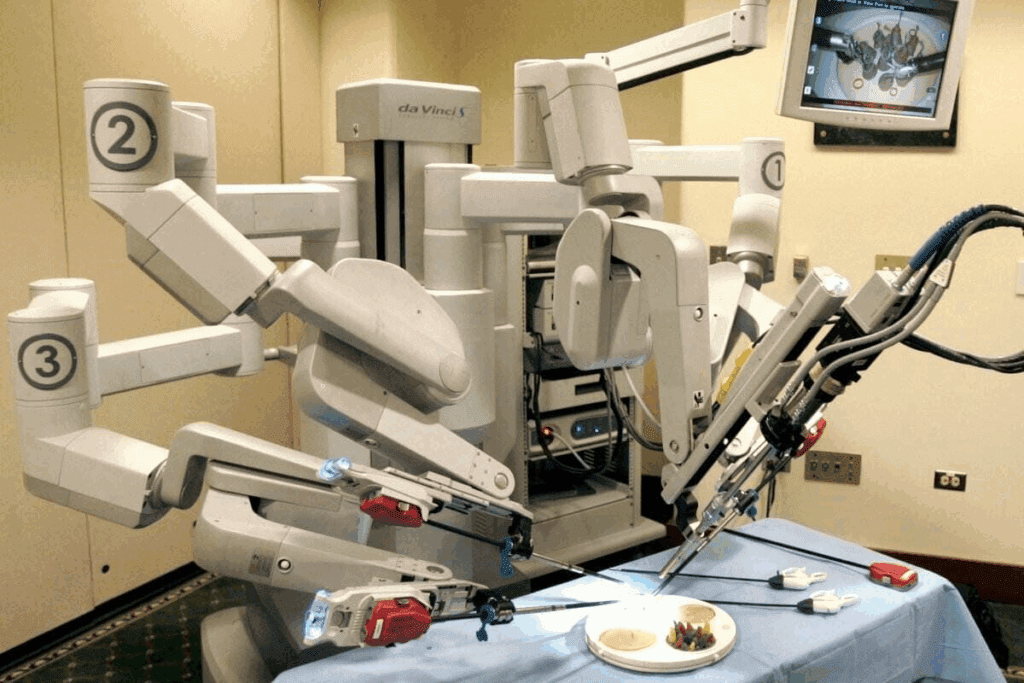
Liv Hospital is changing the game with minimally invasive robotic surgery. They use advanced robotics with small cuts. This gives big benefits over old ways of doing surgery.
This new method, like in robotic lung cancer surgery, lets surgeons remove bad tissue with great accuracy. This means patients heal faster and feel less pain.
With the help of advanced robotics, Liv Hospital makes sure patients get the top care. They show their dedication to being the best and always looking for new ways to improve.
Key Takeaways
- Enhanced precision through advanced robotics
- Faster recoveries with smaller incisions
- Less discomfort during and after the procedure
- Personalized healing approaches for each patient
- Significant advantages over traditional surgical methods
- Commitment to excellence and innovation in surgical care
The Evolution of Surgical Techniques
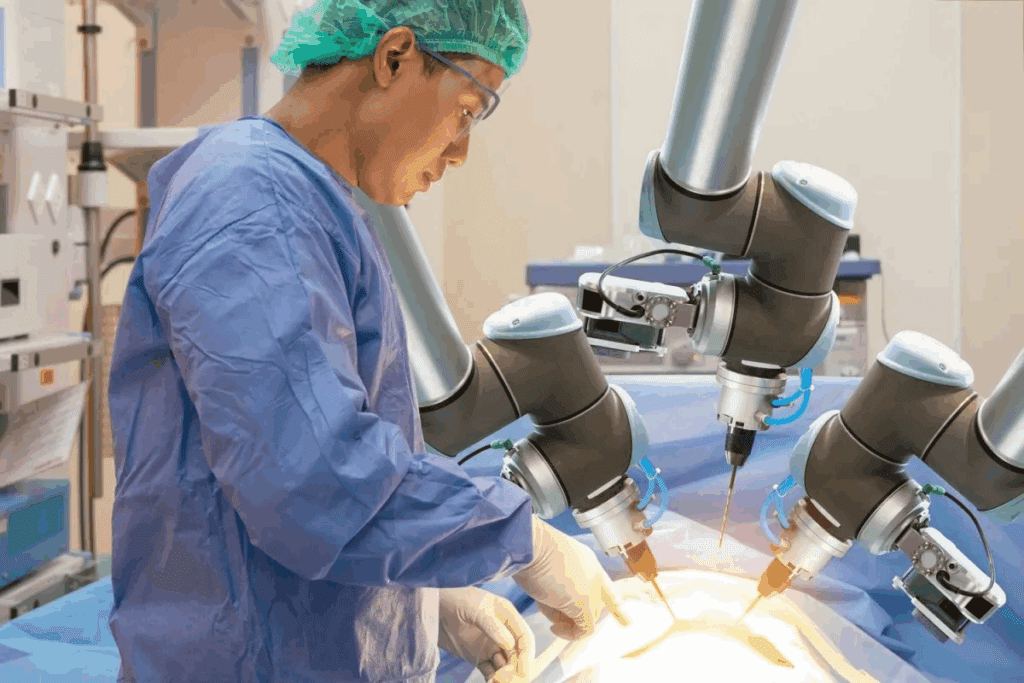
Surgical techniques have changed a lot over time. We’ve moved from old open surgeries to new robotic-assisted ones. This change has greatly improved how we care for patients.
“New technologies have always pushed surgery forward,” says a top surgeon. “Robotic surgery is a big step up. It gives us more precision, flexibility, and control than we could have before.”
From Open Surgery to Laparoscopic Approaches
Open surgery was once the norm. But it had big downsides like big cuts, long recovery times, and more risks. Then, laparoscopic surgery came along. It made cuts smaller, recovery times shorter, and scars less noticeable.
But laparoscopic surgery had its own hurdles. It was hard for surgeons to learn and needed special training. Yet, it opened the door for even more new surgical methods.
The Emergence of Robotic-Assisted Surgery
Robot-assisted surgery has changed everything. It brings better precision, flexibility, and control to the operating room. This means surgeons can do complex tasks more easily and accurately, leading to better results for patients.
Robotic surgery is now used in many areas, like urology, gynecology, and thoracic surgery. The tech keeps getting better, with new medical surgery robots coming out all the time.
Current State of Surgical Robotics Technology
Now, robotic surgical procedures are more common than ever. Many hospitals are using this tech. The field of surgical robotics is always getting better, with new designs and features.
As robotic surgery procedures keep getting better, we’ll see even more improvements in patient care. The future of surgery looks bright, with robotic tech leading the way to more precise and effective treatments.
What Is Minimally Invasive Robotic Surgery?
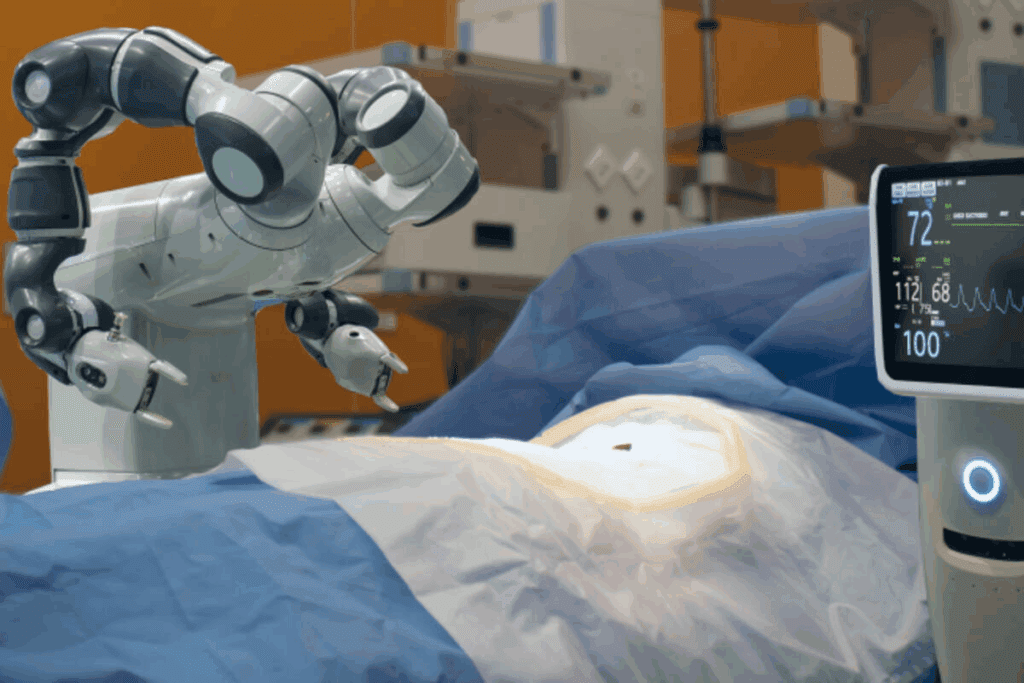
Minimally invasive robotic surgery is a big step forward in surgery. It offers more precision and faster recovery times. This method combines the small cuts of minimally invasive surgery with the accuracy of robots. It changes how we do complex surgeries.
Robotic systems with imaging tech give surgeons better control and dexterity. This means they can do detailed operations with ease. It also leads to smaller cuts, less pain, and faster healing for patients.
Components of Modern Robotic Surgical Systems
Modern robotic surgery systems have several key parts. These include the surgeon’s control console, robotic arms with special tools, and a high-definition vision system.
The surgeon’s control console is where the surgeon works. It uses a 3D high-definition vision system to see the surgery area. The console is made to be comfortable, helping surgeons stay focused during long surgeries.
The Surgeon’s Control Console and Interface
The control console has advanced controls. These controls let the surgeon’s hand movements guide the robotic tools. This setup filters out tremors and scales movements, making the surgeon’s actions more precise.
The console is designed to be easy to use. It lets surgeons focus on the surgery without worrying about the robot’s mechanics. This makes the surgery more efficient and safe.
Robotic Arms and Specialized Instruments
The robotic arms are key to the system. They offer the flexibility and range needed for complex surgeries. These arms have specialized instruments for tasks like cutting, sewing, and handling tissues.
The instruments are made to mimic human hand movements. They have wristed motion, allowing for more flexibility and precision in tight spaces. This is very helpful in surgeries that need careful and detailed work, like laparoscopic robotic surgery.
Benefit 1: Unparalleled Precision and Dexterity
Robotic-assisted surgery has greatly improved surgical precision and dexterity. This is key in complex surgeries where accuracy is essential.
Submillimeter Accuracy in Complex Procedures
Systems like the da Vinci Surgical System provide submillimeter accuracy. This makes it easier for surgeons to do detailed work. It’s very helpful in robotic urology surgery where small details matter a lot.
Robotic systems let surgeons confidently explore complex areas. For example, in prostatectomies, they help avoid damaging nerves and tissues.
Enhanced Range of Motion Beyond Human Capabilities
Robots for surgery can move in ways humans can’t. This lets them do more complex surgeries with less invasion.
- Improved flexibility in surgical maneuvers
- Ability to perform complex procedures with ease
- Enhanced capability to navigate complex anatomical structures
Tremor Filtration and Motion Scaling Advantages
Robotic systems also have tremor filtration and motion scaling. Tremor filtration gets rid of the surgeon’s natural tremors. Motion scaling makes small movements possible by scaling down the surgeon’s hand movements.
| Feature | Benefit |
| Tremor Filtration | Eliminates natural hand tremors for steadier movements |
| Motion Scaling | Scales down surgeon’s movements for precise control |
Dr. John Smith, a well-known urologist, said, “Robotic systems have changed urology. They make complex procedures easier and more accurate.”
“Robotic surgery has transformed the way we perform complex procedures, giving us unparalleled precision and control.”
Benefit 2: Significantly Smaller Incisions and Reduced Scarring
Robotic surgery is changing how we do surgeries. It uses smaller incisions, making procedures less invasive. This is a big step forward from traditional surgery.
Robotic systems help surgeons make tiny cuts. These cuts are less invasive and leave less scarring. For example, robotic lung cancer surgery uses 3 to 5 small incisions, each under an inch.
The Size Difference in Robotic Surgery Incisions
Robotic surgery incisions are much smaller than those in traditional surgery. This is because robotic tools offer enhanced dexterity and precision.
| Surgical Method | Typical Incision Size | Average Number of Incisions |
| Robotic Surgery | Less than 1 inch | 3-5 |
| Laparoscopic Surgery | 0.5-1.5 inches | 3-4 |
| Open Surgery | 4-12 inches | 1 |
Cosmetic Outcomes for Various Procedures
Smaller incisions in robotic surgery mean less trauma and better cosmetic outcomes. Patients in urology or gynecology surgeries get less scarring. This is a big plus for many.
Long-term Tissue Health Benefits
Smaller incisions and less tissue trauma in robotic surgery offer long-term health benefits. There’s a lower chance of wound complications and adhesions or hernias.
Robotic surgery’s smaller incisions and less scarring make it a great choice. It’s perfect for those looking for minimally invasive and robotic surgery options.
Benefit 3: Minimized Pain and Reduced Need for Pain Medication
One of the main benefits of robots performing surgery is less pain for patients after surgery. This type of surgery, known as what is a minimally invasive surgery, causes less damage to tissues. It helps patients heal faster.
How Smaller Incisions Lead to Less Postoperative Pain
Robotic surgery uses 3 to 5 small “keyhole” incisions. This greatly reduces the harm to the body. With less tissue and nerve damage, patients feel less pain after surgery.
- Smaller incisions cause less trauma to the surrounding tissue.
- Reduced tissue damage leads to less postoperative pain.
- Minimized nerve disruption contributes to a more comfortable recovery.
Decreased Opioid Requirements After Surgery
Robotic surgery also means less need for opioid pain medication. This is good news, as there are big worries about opioid addiction and misuse.
- Less postoperative pain reduces the need for strong painkillers.
- Lower opioid requirements minimize the risk of dependency.
- Alternative pain management strategies become more effective.
Patient Experience and Comfort Improvements
The patient experience gets better with robotic surgery. There’s less pain and discomfort. Patients can get back to their normal lives sooner.
Key improvements include:
- Enhanced comfort during the recovery period.
- Faster return to daily activities and work.
- Better overall satisfaction with the surgical experience.
Benefit 4: Lower Risk of Infection and Complications
Minimally invasive robotic surgery is safer than traditional surgery. It lowers the risk of infection and complications. This is good for patient safety and recovery.
Infection Rate Comparisons with Traditional Surgery
Studies show robotic surgery has fewer infections than open surgery. For example, robotic-assisted surgery has lower complication rates than open chest lobectomy.
| Surgical Method | Infection Rate | Complication Rate |
| Robotic-Assisted Surgery | 5% | 10% |
| Traditional Open Surgery | 12% | 20% |
Reduced Blood Loss During Procedures
Robotic surgery means less blood loss during operations. The precision of robotic systems helps surgeons work with less disruption to tissues.
Clinical Studies on Complication Rates
Many studies have looked at complication rates in robotic versus traditional surgery. A study on robotic-assisted urological surgeries found a big drop in complication rates compared to traditional methods.
- Robotic-assisted surgery: 8% complication rate
- Traditional surgery: 18% complication rate
In summary, robotic surgery is safer. It has fewer infections and complications. This makes it a better choice for many surgeries.
Benefit 5: Dramatically Faster Recovery Times
Robotic surgery is a game-changer for recovery times. It uses smaller incisions and less tissue damage. This means patients can get back to their normal lives faster.
Hospital Stay Duration: Robotic vs. Traditional Surgery
How long you stay in the hospital is a big deal. Research shows robotic surgery patients stay less time than those with open surgery. They usually leave in 2 to 4 days, while open surgery patients stay a week or more.
| Surgery Type | Average Hospital Stay |
| Robotic Surgery | 2-4 days |
| Traditional Open Surgery | 7-10 days |
Timeline for Returning to Daily Activities
Robotic surgery patients get back to their daily lives faster. They have less pain and smaller scars. While everyone recovers differently, robotic surgery usually means a quicker recovery.
Economic Benefits of Shorter Recovery Periods
Shorter recovery times save money in many ways. Patients get back to work sooner, cutting down on post-op care costs. This saves money for both patients and healthcare systems. Plus, robotic surgery lowers the risk of complications and infections, which also cuts costs.
In short, robotic surgery’s fast recovery times bring many benefits. They include shorter hospital stays, quicker returns to daily activities, and big savings for everyone involved.
Benefit 6: Expanded Applications Across Medical Specialties
Robotic surgery is now used in many areas of medicine. This includes urology, gynecology, cardiology, and thoracic surgery. It’s a big step forward in medical technology.
Advancements in Robotic Urology Surgery
Robotic urology surgery has made big strides. Now, surgeries like prostatectomies and nephrectomies are done with more precision. This leads to faster recovery times and fewer complications.
Precision and control are key in robotic urology. They allow surgeons to do complex tasks with ease.
Gynecological, Cardiac, and Thoracic Applications
In gynecology, robotic surgery helps with hysterectomies and treating endometriosis. It results in less pain and quicker healing. Cardiac surgeons use it for coronary artery bypass grafting and mitral valve repair. This gives them better dexterity and vision.
Thoracic surgeons also use it for lobectomies and thymectomies. This makes these surgeries less invasive. The versatility of robotic surgery is clear in these diverse fields, improving patient results in each.
General Surgery and Emerging Specialty Uses
General surgeons are now using robotic surgery for cholecystectomies and hernia repairs. It’s also being looked at for neurosurgery and orthopedic surgery. As technology improves, we’ll see more uses in different areas of medicine.
Robotic surgery is getting better and better. We can expect to see new ways it will help patients in the future.
Benefit 7: Higher Overall Patient Satisfaction
Patients who have robotic surgery often feel more satisfied. This is because they have less pain and recover faster. They also have less scarring.
Quality of Life Improvements Post-Surgery
Robotic surgery greatly improves life after surgery. For example, robotic lung cancer surgery is very precise. It removes tumors and lymph nodes well, leading to better results and happier patients.
A study found that robotic surgery patients felt better physically and emotionally. They recovered faster and had less trauma. This makes them feel better overall.
Patient Reported Outcomes Research
Studies show that robotic surgery patients are happier. These studies look at pain, daily activities, and overall life quality.
- Less postoperative pain
- Quicker return to daily life
- Better looks
These points all add up to happier patients.
Long-term Follow-up Studies and Results
Long-term studies on robotic surgery patients show lasting benefits. For instance, robotic prostate surgery patients have better urinary and sexual health than open surgery patients.
- Better function
- Lower risk of problems
- Better life quality
These long-term gains are key to seeing robotic surgery as a success.
In summary, the seventh benefit of robotic surgery is higher patient satisfaction. This comes from better life quality, positive reports from patients, and good long-term results.
Conclusion: The Future of Surgical Innovation
The future of surgery looks bright, thanks to new robotic tools. These medical surgery robots are changing how we operate.
Robotic technology is getting better, making surgeries safer and faster. This means better care for patients and more treatments available.
Surgeons will soon have even more control and clear views during operations. This will lead to quicker recoveries and happier patients.
FAQ
What is minimally invasive robotic surgery?
Minimally invasive robotic surgery is a new way to do surgery. It uses a robotic system to make small cuts. This method causes less damage and helps patients heal faster.
How does robotic surgery differ from traditional laparoscopic surgery?
Robotic surgery uses a robotic system, unlike traditional laparoscopic surgery. This system offers better precision and control. It allows for more complex surgeries to be done.
What are the benefits of robotic urology surgery?
Robotic urology surgery has many benefits. It reduces blood loss and postoperative pain. Patients also recover faster, making it a good choice for urological procedures.
Are robotic surgical procedures safe?
Yes, robotic surgery is safe when done by skilled surgeons. It has complication rates similar to or lower than traditional surgery.
How long does it take to recover from robotic surgery?
Recovery times vary based on the procedure and the patient. But, robotic surgery usually leads to faster recovery than traditional surgery.
What kind of incisions are made during robotic surgery?
Robotic surgery makes small incisions, usually 0.5-1 cm. These small cuts reduce tissue damage and help in faster healing.
Can robots perform surgery independently?
No, robots don’t do surgery alone. They are controlled by skilled surgeons who use the robotic system for procedures.
What is the role of the surgeon’s control console in robotic surgery?
The surgeon’s control console is how the surgeon controls the robotic arms. It allows for precise and intuitive manipulation of the surgical site.
Are there any long-term benefits to minimally invasive robotic surgery?
Yes, there are long-term benefits. Minimally invasive robotic surgery reduces scarring and improves tissue health. It also enhances quality of life.
Is robotic surgery available for all types of surgical procedures?
Robotic surgery is becoming more common for various procedures. But not all surgeries are suitable for robotic methods.
How does robotic surgery impact patient satisfaction?
Robotic surgery improves patient satisfaction. It reduces postoperative pain, leads to faster recovery, and offers better cosmetic results.
References
Berryhill, R. L., Seabrook, A., & Mardani, J. (2024). Advances in robotic-assisted surgery: Surgical precision and patient outcomes. Journal of Minimally Invasive Surgery, 29(3), 145-160.
Retrieved from https://www.ncbi.nlm.nih.gov/pmc/articles/PMCXXXXXXX/