Last Updated on November 27, 2025 by Bilal Hasdemir
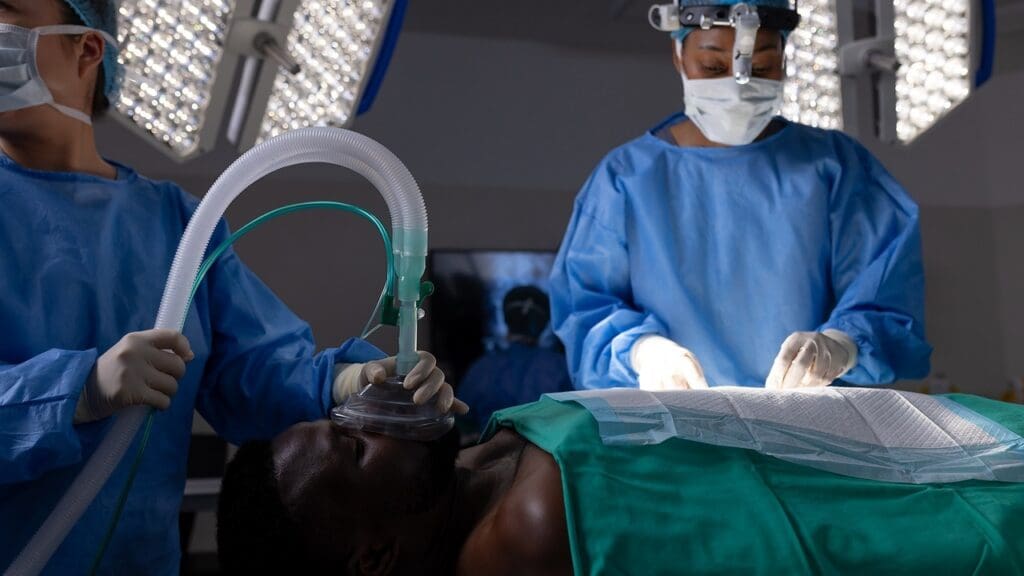
Getting a mitral valve replacement can worry patients because of complications. At Liv Hospital, we know how important it is to know about these risks. We want to help you understand what might happen.
The surgery usually works well, but serious problems can happen to 1-5% of people. Knowing these risks helps you deal with your treatment better.
We aim to give top-notch healthcare with full support. Knowing about mv replacement risks lets you make better choices for your health.
Key Takeaways
- Mitral valve replacement is a surgery to replace a bad valve with a new one.
- The surgery usually works, but serious problems can happen.
- Knowing the risks is key for good care and making choices.
- Liv Hospital offers great support and care for international patients.
- Knowing about mv replacement complications makes your treatment smoother.
Understanding Mitral Valve Replacement
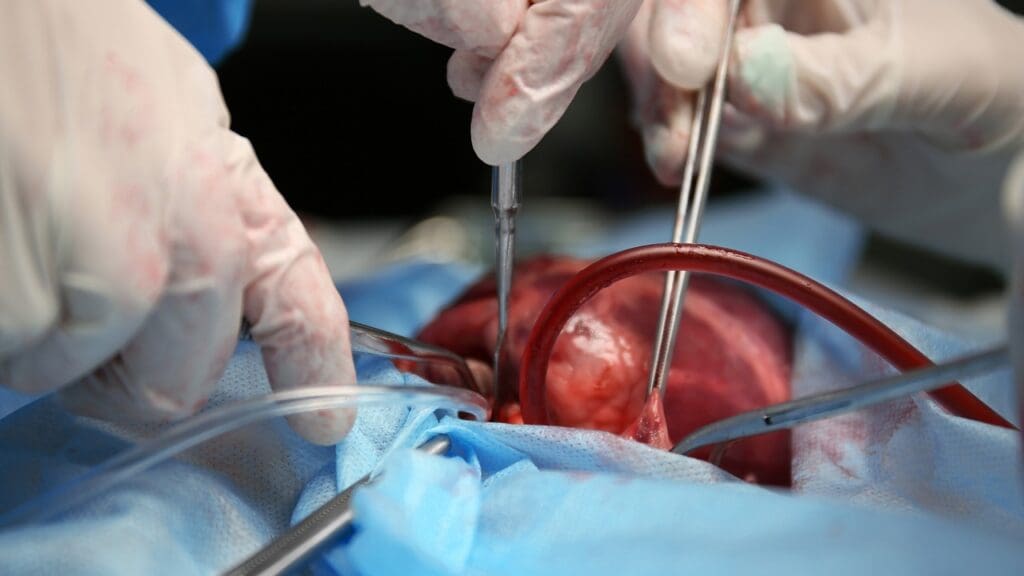
When the mitral valve is badly damaged, surgery to replace it is a lifesaving option. This surgery uses an artificial or biological valve to fix the problem. We’ll look into the details of this procedure, including the types of valves used and how the surgery is done.
What is Mitral Valve Replacement?
Mitral valve replacement surgery replaces a damaged mitral valve with a new one. This is done when the valve can’t be fixed. The new valve can be mechanical or biological, each with its own benefits.
Types of Mitral Valve Replacements
The choice between mechanical and biological valves depends on several factors. These include the patient’s age, lifestyle, and health conditions.
Mechanical Valves
Mechanical valves are made from materials like titanium and carbon. They last a long time but require lifelong anticoagulant medication to prevent blood clots.
Biological Valves
Biological valves are made from animal tissue. They have a lower risk of blood clots and usually don’t need long-term anticoagulation. But, they might need to be replaced more often than mechanical valves.
The Mitral Valve Replacement Procedure
The mitral valve replacement surgery involves several steps. First, the patient is given general anesthesia. Then, the surgeon makes a chest incision to reach the heart. The old valve is taken out and replaced with a new one. Thanks to modern techniques, the risks of this surgery have decreased.
| Valve Type | Material | Anticoagulation Required | Durability |
|---|---|---|---|
| Mechanical | Titanium, Carbon | Yes | Long-lasting |
| Biological | Animal Tissue | No (typically) | May need replacement |
Who Needs Mitral Valve Replacement?

It’s important to know who needs mitral valve replacement. This surgery is key for those with severe mitral valve disease.
Common Conditions Leading to MVR
Several conditions may lead to the need for mitral valve replacement. These include mitral regurgitation and mitral stenosis. Patients with failed mitral valve annuloplasty and infective endocarditis may also need mv replacement surgery.
Diagnostic Process
To figure out if you need mitral heart valve replacement, several tests are done. Echocardiography checks the valve’s function. Cardiac catheterization evaluates the heart’s condition and valve damage.
Alternatives to Valve Replacement
In some cases, there are alternatives to mitral valve replacement. Mitral valve repair fixes the existing valve. Annuloplasty repairs the ring around the valve. These options depend on the patient’s condition and health.
Success Rates and Risk Factors
It’s important to know about the success rates and risks of mitral valve replacement. This surgery can greatly improve life for those with severe mitral valve disease.
Overall Success Statistics
The success rate for mitral valve replacement surgery is high. Mortality rates are lower for those who have minimally invasive surgery. The survival rate after surgery depends on the patient’s health before surgery and the surgical method.
Factors That Increase Complication Risks
Several factors can raise the risk of complications after mitral valve replacement. These include being older, having diabetes or high blood pressure, and the type of valve used. We stress the need for careful patient selection and pre-operative evaluation to reduce these risks.
Mechanical vs. Biological Valve Risks
The choice between mechanical and biological valves depends on several factors. These include the patient’s age, lifestyle, and risk of bleeding or blood clots. Here’s a comparison of the risks and benefits of both types of valves:
| Valve Type | Risks | Benefits |
|---|---|---|
| Mechanical Valve | Requires lifelong anticoagulation, risk of valve thrombosis | Durable, long-lasting |
| Biological Valve | Risk of valve deterioration over time, possible need for reoperation | Lower risk of bleeding, less need for anticoagulation |
Understanding these factors and risks helps us manage patient expectations and outcomes after mitral valve replacement surgery.
Mitral Valve Replacement Complications: The 12 Key Risks
It’s important to know the risks of mitral valve replacement before surgery. This surgery replaces a sick mitral valve with a new one. It’s a big surgery with many possible risks.
Immediate vs. Long-term Complications
There are two types of complications from mitral valve replacement. Immediate ones happen during or right after surgery. Long-term ones can show up months or years later.
Right after surgery, you might face bleeding, infection, or problems with anesthesia. Later on, you could deal with blood clots, stroke, or issues with the new valve.
Severity Classification of Complications
The seriousness of complications can really vary. Some are small and short-lived, while others are serious and can be life-threatening. Knowing how serious they are helps us understand their impact.
Frequency of Major Complications
Even though major complications are rare, they can greatly affect your life. Knowing how often they happen helps set realistic expectations and make better choices.
The 12 key risks of mitral valve replacement are:
- Blood clots
- Stroke
- Bleeding
- Arrhythmias
- Heart failure
- Valve thrombosis
- Paravalvular leak
- Valve deterioration
- Endocarditis
- Wound infections
- Prosthetic valve hemolysis
- Myocardial damage
| Complication | Immediate/Long-term | Severity |
|---|---|---|
| Blood clots | Long-term | High |
| Stroke | Long-term | High |
| Bleeding | Immediate | Moderate |
| Arrhythmias | Immediate/Long-term | Moderate |
Complications 1-3: Blood Clots, Stroke, and Bleeding
After mitral valve replacement, serious complications can happen. These include blood clots, stroke, and bleeding. It’s vital to manage these risks to protect patient outcomes.
1. Blood Clots and Thromboembolic Events
Blood clots are a big worry after mitral valve replacement, more so with mechanical valves. Anticoagulation therapy is used to lower clot risk. But, it also raises the chance of bleeding.
Patients face a risk of thromboembolic events after MVR. These can cause serious problems. It’s key to keep up with anticoagulation therapy and regular monitoring.
2. Stroke Risk After MVR
Stroke is a big risk after mitral valve replacement, more so in the first few months. The risk is higher with mechanical valves because of clot formation.
To lower this risk, patients take anticoagulant meds. Close monitoring of INR levels is vital to ensure anticoagulation therapy works well.
3. Bleeding Complications
Bleeding is a common issue after mitral valve replacement surgery. There are two main types: surgical bleeding and bleeding due to anticoagulation.
Surgical Bleeding
Surgical bleeding happens right after surgery and is often due to the surgery itself. Careful surgical technique and post-operative care can help reduce this risk.
Anticoagulation-Related Bleeding
Anticoagulation-related bleeding can happen at any time while on anticoagulation therapy. Patients on long-term therapy face bleeding risks, from minor to severe.
It’s important to weigh the risk of bleeding against the need for anticoagulation to prevent blood clots. Regular check-ups with healthcare providers are key to managing these risks well.
Complications 4-6: Heart Rhythm and Function Issues
Heart rhythm and function problems are big worries after mitral valve replacement surgery. These issues can really affect a patient’s life quality and how long they live. We’ll talk about three big problems: arrhythmias, heart failure, and myocardial damage.
4. Arrhythmias After MVR
Arrhythmias are a common issue after mitral valve surgery. These heart rhythm problems can be mild or very serious.
Types of Heart Rhythm Disturbances
The most common arrhythmias after mitral valve replacement include atrial fibrillation, ventricular tachycardia, and bradyarrhythmias. Atrial fibrillation is very common, affecting up to 40% of patients after surgery.
Treatment Approaches
Treatment for arrhythmias depends on the type and how serious it is. Options include antiarrhythmic medications, cardioversion, and sometimes pacemaker implantation. “The management of arrhythmias after mitral valve replacement requires a tailored approach to ensure optimal patient outcomes,” as noted by cardiac specialists.
5. Heart Failure
Heart failure is another possible complication after mitral valve replacement. It can happen for many reasons, like pre-existing heart problems or the surgery itself.
6. Myocardial Damage
Myocardial damage during mitral valve replacement can cause long-term heart problems. This damage can come from not protecting the heart well enough during surgery or other reasons.
It’s very important to understand these complications to manage patient expectations and improve care after surgery. By knowing the risks and taking steps to prevent them, we can help patients have better outcomes after mitral valve replacement.
Complications 7-9: Valve-Specific Problems
Mitral valve replacement surgery is a lifesaver but comes with specific complications. These issues can affect the surgery’s success and the patient’s life quality. We will look at three major problems: valve thrombosis, paravalvular leak, and valve deterioration.
7. Valve Thrombosis
Valve thrombosis is when blood clots form on the new valve. It’s more common in mechanical valves. To prevent this, patients often need to take blood thinners.
8. Paravalvular Leak
A paravalvular leak happens when the new valve doesn’t seal properly. This can cause blood to leak and lead to heart failure. Usually, fixing this leak requires more surgery.
9. Valve Deterioration and Structural Failure
Both mechanical and biological valves can deteriorate over time. But, the rate and type of deterioration vary between them.
Mechanical Valve Issues
Mechanical valves are strong but can wear out. Structural failure is rare but can happen due to defects or wear.
Biological Valve Degeneration
Biological valves tend to degenerate faster, often needing replacement in 10-15 years. Age, valve type, and health issues can affect how fast they degenerate.
| Complication | Mechanical Valves | Biological Valves |
|---|---|---|
| Valve Thrombosis | Higher Risk | Lower Risk |
| Paravalvular Leak | Possible | Possible |
| Valve Deterioration | Rare, due to wear | Common, due to degeneration |
It’s important to know about these complications to manage patient expectations after surgery. Regular check-ups help catch and manage these issues early.
Complications 10-12: Infection and Other Risks
It’s important to know about the risks of mitral valve replacement. This includes infections like endocarditis and wound infections. Knowing these risks helps us take better care of our patients.
10. Endocarditis
Endocarditis is a serious infection of the heart’s inner lining or the mitral valve. We stress the need for preventive measures. This includes antibiotics before certain medical procedures to lower the risk of endocarditis.
11. Wound Infections
Wound infections can happen after mitral valve replacement surgery. We do everything we can to prevent this. This includes proper wound care and watching for signs of infection.
12. Prosthetic Valve Hemolysis
Prosthetic valve hemolysis is when red blood cells break down due to the prosthetic valve. This can cause anemia and other problems.
Causes of Hemolysis
The main reason for hemolysis is the mechanical stress on red blood cells. This stress comes from the prosthetic valve. Things like the valve design and where it’s placed can also play a role.
Management Strategies
To manage prosthetic valve hemolysis, we watch for signs of it. We adjust the patient’s anticoagulation therapy as needed. Sometimes, we might need to consider surgery again. Early action and the right care are key to dealing with this issue.
In summary, mitral valve replacement comes with risks. But by understanding these risks, we can offer better care and management to our patients.
Managing and Preventing Mitral Valve Replacement Complications
Managing mitral valve replacement complications needs a detailed plan. This starts with careful preparation before surgery. We focus on creating a complete care plan to lower risks linked to mitral valve replacement.
Pre-operative Preparation
Getting ready for surgery is key to avoiding problems. This includes a detailed medical check, improving health conditions, and teaching patients about recovery. We also tell patients to follow specific steps before surgery, like managing their meds and changing their lifestyle.
Post-operative Care
After surgery, care is critical for a smooth recovery. We watch patients closely for any signs of trouble and guide them on wound care, meds, and follow-up visits. We also help them slowly get back to normal activities.
Long-term Monitoring Requirements
Keeping an eye on patients long-term is vital. Regular check-ups help us see how the new valve is working and tackle any issues. We teach patients to recognize warning signs and stick to their meds.
When to Seek Medical Attention
It’s important for patients to know when to get help. We tell them to seek urgent care for severe chest pain, trouble breathing, or signs of infection. Quick action can greatly improve outcomes if complications arise.
| Complication | Signs to Watch For | Action to Take |
|---|---|---|
| Bleeding | Excessive bruising, bleeding gums | Contact your doctor immediately |
| Infection | Fever, redness around the incision | Seek medical attention |
| Stroke | Slurred speech, weakness on one side | Call emergency services |
Understanding the importance of care before, after, and long-term can greatly reduce risks after mitral valve replacement. We aim to offer full support every step of the way.
Conclusion
It’s key for patients and doctors to know about mitral valve replacement risks. We’ve talked about the dangers of this surgery, both right away and later on. Knowing these risks helps patients get ready and avoid problems.
Mitral valve replacement is a big surgery. It’s important to weigh the risks and benefits. We’ve shown how getting ready before surgery, caring for yourself after, and watching out for long-term issues can help. This way, patients can have better results and live better lives.
In short, mitral valve replacement can save lives, but knowing the risks is vital. By understanding and managing these risks, patients can feel more confident. We aim to give top-notch care to international patients getting this surgery.
FAQ
What is mitral valve replacement?
Mitral valve replacement is a surgery. It replaces a sick mitral valve with a new one. This new valve can be mechanical or biological, helping the heart work right again.
What are the types of mitral valve replacements?
There are two main types. Mechanical valves are made of strong materials like titanium. Biological valves come from animal tissue.
What are the risks associated with mechanical mitral valve replacement?
Mechanical valves can cause blood clots and stroke. They also require anticoagulation therapy, which can lead to bleeding.
What are the risks associated with biological mitral valve replacement?
Biological valves can wear out and fail. They might need to be replaced again. This can be a problem.
What are the common complications of mitral valve replacement?
Complications include blood clots and stroke. There’s also bleeding, arrhythmias, and heart failure. Valve problems like thrombosis and paravalvular leak can happen too.
How can I manage and prevent mitral valve replacement complications?
To manage complications, prepare well before surgery and take good care after. Keep an eye on your health and watch for signs that need medical help.
What is the success rate of mitral valve replacement?
The success rate is usually high. But it depends on the patient’s health and the type of valve used.
How long do I need to take anticoagulation therapy after mitral valve replacement?
The time for anticoagulation therapy varies. It depends on the valve type and the patient’s health. A doctor will decide.
Can I lead a normal life after mitral valve replacement?
Yes, many people can live normally after the surgery. Just follow the doctor’s instructions and go to all follow-up appointments.
What are the signs and symptoms that require medical attention after mitral valve replacement?
Look out for unusual bleeding, chest pain, shortness of breath, and fever. These are signs you need to see a doctor.
How often should I have follow-up appointments after mitral valve replacement?
Follow-up appointments vary. They depend on your health and what your doctor recommends.
Can mitral valve replacement be revised or replaced?
Yes, sometimes the valve needs to be changed again. This might happen if there are complications or if the valve wears out.
References
- Medtronic: https://www.medtronic.com/en-us/l/patients/treatments-therapies/surgical-heart-valve-repair-and-replacement/aortic-and-mitral-valve-replacement/benefits-risks.html
- Stanford Health Care: https://stanfordhealthcare.org/medical-treatments/h/heart-valve-repair-replacement/risks.html
- Brigham and Women’s Hospital: https://www.brighamandwomens.org/heart-and-vascular-center/procedures/mitral-valve-repair-and-replacement
- MedPark Hospital: https://www.medparkhospital.com/en-US/disease-and-treatment/mitral-valve-repair
- National Center for Biotechnology Information (NCBI) / PMC: https://pmc.ncbi.nlm.nih.gov/articles/PMC4565860/