Last Updated on November 27, 2025 by Bilal Hasdemir
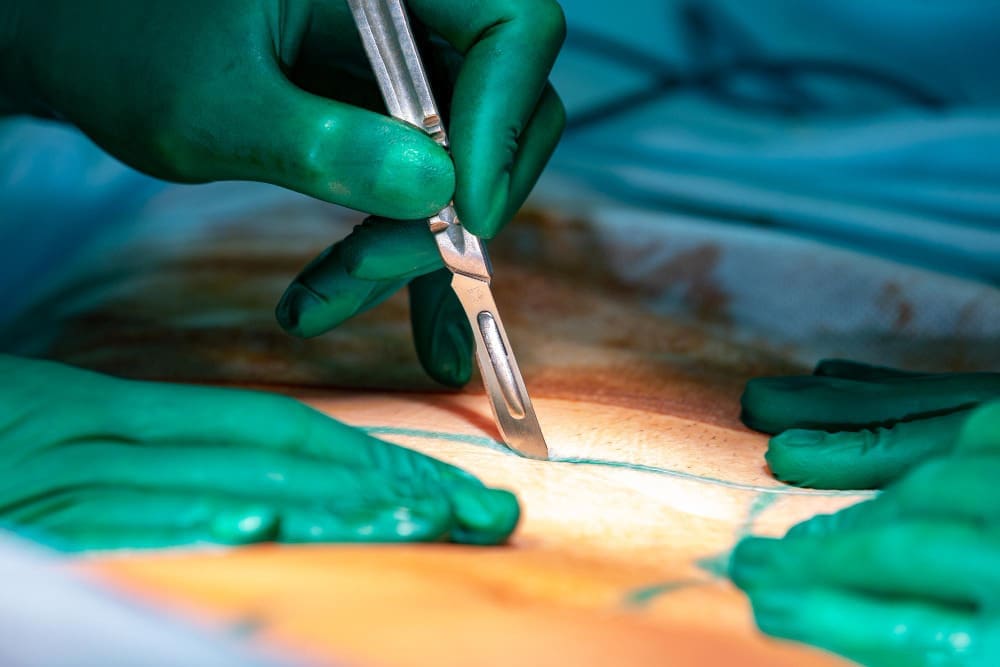
When it comes to treating basal cell carcinoma (BCC), Mohs surgery is a top choice. It’s known for its high success rate and ability to save healthy skin. This makes it a key treatment for skin cancer.
At Liv Hospital, our team is skilled in Mohs surgery. They work hard to give our patients the best results. This method is great because it removes cancer while keeping healthy skin intact.
Key Takeaways
- Mohs basal cell surgery is the gold standard for treating basal cell carcinoma.
- It offers high cure rates and precision in removing cancerous tissue.
- Liv Hospital’s expert-led team provides optimal results with Mohs surgery.
- The procedure spares healthy skin, making it a preferred treatment option.
- Precision and care are key in Mohs basal cell surgery.
Understanding Basal Cell Carcinoma and Its Treatment Options
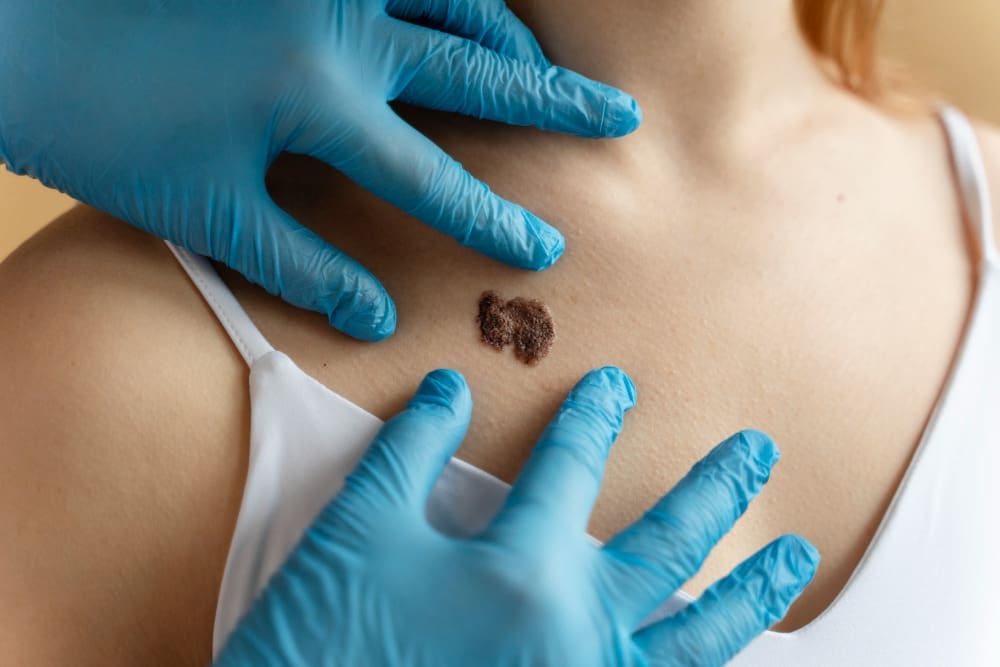
Basal cell carcinoma (BCC) is the most common skin cancer. Knowing how to treat it is key to managing it well. BCC needs a treatment that works well and looks good too.
What is Basal Cell Carcinoma?
Basal cell carcinoma starts in the skin’s basal cell layer. It grows abnormally and can spread if not treated. UV radiation from the sun or tanning beds often causes it.
The signs of BCC can vary. But common ones include:
- A shiny bump or nodule on the skin
- A pink or red patch on the skin
- An open sore that doesn’t heal
- A scar-like area that is flat and white or yellow
Common Treatment Approaches for BCC
There are several ways to treat BCC, including:
- Surgical Excision: This method removes the tumor and some healthy tissue around it.
- Curettage and Electrodesiccation: It involves scraping the tumor and then using electric current to kill any left-over cancer cells.
- Cryotherapy: This freezes the cancer cells to kill them.
- Mohs Surgery: It removes the tumor layer by layer, checking each layer under a microscope until no cancer is left.
Why Mohs Surgery Has Become the Gold Standard
Mohs surgery is now the top choice for treating BCC. It has a high success rate and saves more tissue. This method checks 100% of the tumor margins, making sure all cancer is gone while keeping healthy tissue.
The benefits of Mohs surgery include:
- High Cure Rate: Mohs surgery can cure up to 99% of primary BCCs, making it very effective.
- Tissue Preservation: By checking the tumor margins, Mohs surgery removes less healthy tissue. This leads to better-looking results.
Understanding BCC and its treatments helps patients make better choices. Mohs surgery is a top choice for BCC because of its precision and success rate.
Fact 1: Mohs Basal Cell Surgery Provides Unmatched Cure Rates
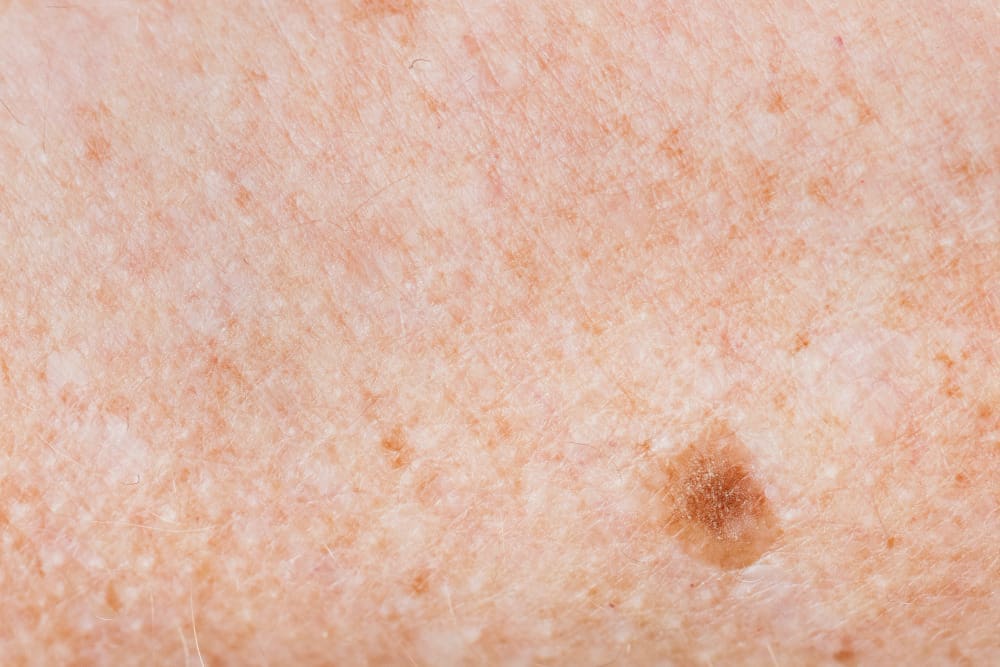
Mohs surgery is a top choice for treating basal cell carcinoma. It has shown great success in treating this common skin cancer. This method is at the forefront of new treatments.
99% Success Rate for Primary BCCs
Mohs surgery is very effective for primary basal cell carcinomas (BCCs). It has a 99% success rate for these cases. This makes it the best treatment option.
The Mohs procedure is very detailed. It removes and checks thin tissue layers until all cancer cells are gone.
94%+ Success Rate for Recurrent Cases
Mohs surgery also works well for BCCs that come back. It has a 94% or higher cure rate for these cases. This shows it’s reliable, even when it’s tough.
Recurrent BCCs are harder to treat because of scar tissue from before. But Mohs surgery can remove cancer cells well while keeping healthy tissue.
Statistical Comparison to Other Treatment Methods
Studies show Mohs surgery is better than other treatments for BCC. For example, it has a much higher cure rate than traditional excision surgery.
“Mohs micrographic surgery has been shown to have a higher cure rate compared to traditional excision surgery, even for high-risk BCCs.”
Our review of studies shows Mohs surgery beats other treatments in long-term results and fewer recurrences. It’s the top choice for treating BCC.
Fact 2: Precision Tissue Preservation is a Major Benefit
Mohs surgery is known for saving healthy tissue, which is great for sensitive areas. It aims to remove basal cell carcinoma while keeping as much healthy tissue as it can.
Minimizing Healthy Tissue Removal
Mohs surgery is all about being precise. Surgeons check each tissue layer under a microscope during the surgery. This way, they can take out all cancer cells and keep the healthy tissue.
This careful method means less tissue is lost. It’s key for keeping the patient’s look and function, mainly in areas that matter a lot for how we look.
Key benefits of minimizing healthy tissue removal include:
- Less scarring
- Better cosmetic outcomes
- Reduced risk of complications
Importance in Cosmetically Sensitive Areas
Basal cell carcinoma on the face or other sensitive areas makes preserving tissue even more important. Mohs surgery is great here because it removes cancerous tissue precisely. It keeps the healthy tissue around it safe.
Keeping the skin’s natural look is a big deal for many. Mohs surgery helps by taking out less healthy tissue. This leads to better looks and might mean fewer follow-up surgeries.
Thinking about skin cancer surgery can be scary. But with Mohs surgery, patients can trust in the care for their healthy tissue. This leads to the best results both for health and looks.
Fact 3: The Step-by-Step Process of Mohs Surgery for Basal Cell
Mohs surgery is a detailed, step-by-step method to remove cancer. It aims for the highest cure rates while keeping healthy tissue intact. Let’s explore the main stages of this process.
Initial Cancer Layer Removal
The first step is removing the visible tumor and a thin layer of tissue around it. This layer is marked and mapped to keep track of it. We use local anesthesia to make sure you’re comfortable during this part.
Microscopic Examination Techniques
The removed tissue is then examined under a microscope. We use micrographic surgery to divide the tissue into sections. This way, we can see where the cancer cells are.
Subsequent Layer Removal Only When Necessary
If cancer cells are found, we remove another layer of tissue. But we only take it from where the cancer was. We keep doing this until there are no more cancer cells. This helps us remove less healthy tissue.
Reconstruction After Complete Removal
After removing all cancer, we start rebuilding the area. The method used depends on the wound’s size and location. We might use simple closures, skin grafts, or more complex methods to get the best look.
Our team works together to give you the best care during Mohs surgery. We aim to remove the cancer effectively while keeping your appearance and function as good as possible.
Fact 4: Mohs Micrographic Surgery Works for Multiple Skin Cancer Types
Mohs micrographic surgery is not just for basal cell carcinoma. It’s also great for other skin cancers. Its precision and high success rate make it a top choice for many skin cancers.
Effectiveness for Squamous Cell Carcinoma
Squamous cell carcinoma (SCC) is another common skin cancer treated with Mohs surgery. The high cure rates and tissue-sparing benefits of Mohs are perfect for SCCs in sensitive or critical areas. Research shows Mohs surgery for SCC can be as effective as for basal cell carcinoma.
Applications for Other Rare Skin Cancers
Mohs micrographic surgery is also used for rare and complex skin cancers. These include:
- Dermatofibrosarcoma protuberans (DFSP)
- Merkel cell carcinoma
- Sebaceous carcinoma
- Extramammary Paget’s disease
The precision of Mohs surgery is key for these rare tumors. Clear margins are essential for successful treatment.
When Mohs is Not Recommended
Mohs micrographic surgery is not for every skin cancer case. Factors that might contraindicate Mohs surgery include large tumors, certain locations, and health conditions. In these cases, other treatments like standard excision or radiation might be better.
We look at each patient’s situation to decide if Mohs surgery is the best choice. We consider the tumor type, size, location, and the patient’s health.
Fact 5: The Science Behind Mohs Chemosurgery Technique
Mohs chemosurgery is a key method in treating skin cancer. It has a rich history and has evolved over time. We’ll look into its science, from its beginnings to today, focusing on tissue mapping.
Historical Development of the Procedure
Dr. Frederic Mohs created Mohs chemosurgery in the 1930s. It started with a chemical fixative to keep tissue, then examined under a microscope. This unique mix of surgery and microscopic check in one place allowed for quick tumor removal checks.
“The development of Mohs surgery marked a significant shift in the treatment of skin cancers, providing a more precise and effective method than traditional excision techniques.”
Modern Adaptations and Improvements
Mohs chemosurgery has changed a lot over the years. The old chemical fixative method is now mostly replaced by fresh-tissue techniques. Today’s surgery also uses better microscopic tools and tissue mapping for more accurate surgery.
| Aspect | Original Mohs Chemosurgery | Modern Mohs Chemosurgery |
|---|---|---|
| Tissue Fixation | Chemical fixative used | Fresh-tissue technique predominantly used |
| Microscopic Examination | Basic microscopic examination | Advanced microscopic techniques |
| Tissue Mapping | Basic mapping techniques | Detailed tissue mapping for precision |
How Tissue Mapping Ensures Complete Removal
Tissue mapping is key in Mohs chemosurgery. It makes a detailed map of the tissue removed, then checks it under a microscope. This ensures all cancer cells are found and removed, cutting down recurrence risk and saving healthy tissue.
This precise method makes Mohs chemosurgery a top choice for skin cancer, even in areas where looks matter a lot.
Fact 6: What to Expect During Your Basal Cell Carcinoma Mohs Procedure
Knowing what to expect during your Basal Cell Carcinoma Mohs procedure can make you feel less anxious. We’ll walk you through each step, from the first consultation to aftercare. This ensures you’re ready for this important treatment.
Pre-Surgery Consultation and Preparation
Before your Mohs surgery, you’ll meet with your surgeon. You’ll talk about your health history, the tumor, and the surgery. It’s a chance to ask questions and clear up any worries. You’ll also get detailed instructions on what to do before surgery, like managing your medications and skin care.
Key aspects of pre-surgery preparation include:
- Reviewing your medical history and current medications
- Discussing the procedure’s details and expected outcomes
- Receiving pre-operative instructions
- Arranging for someone to accompany you on the day of surgery
The Day of Surgery Experience
On surgery day, you’ll arrive at our facility. Our team will welcome you and guide you through the process. The surgery starts with local anesthesia to numb the area. Then, the surgeon removes the tumor and some surrounding tissue.
This tissue is checked under a microscope for cancer. If cancer is found, more layers are removed and checked until it’s gone.
As one patient noted,
“The Mohs surgery process was much less intimidating than I expected. The staff were professional and caring, and the procedure itself was relatively quick.”
Immediate Post-Operative Care
After surgery, we’ll give you detailed care instructions. This includes how to change your dressing, manage pain, and watch for complications. We’ll also schedule a follow-up to check on your healing and remove sutures if needed.
Immediate post-operative care tips:
- Keep the wound clean and dry as instructed
- Follow the prescribed pain management regimen
- Monitor for signs of infection or other complications
- Attend all scheduled follow-up appointments
Understanding your Mohs procedure can help you feel more confident and focused on recovery. Our team is dedicated to giving you the best care at every stage of your treatment.
Fact 7: Recovery and Long-Term Outcomes After Mohs for BCC
Understanding the recovery process after Mohs surgery for basal cell carcinoma is key. We help our patients through every step, ensuring they get the best results.
Typical Recovery Timeline
The time it takes to recover from Mohs surgery varies. It depends on the size and location of the treated area. Most wounds heal in 4 to 6 weeks. But, it can take months for the area to fully heal and for the final look to show.
Wound Care Instructions
Proper wound care is vital for healing and avoiding complications. We give our patients detailed instructions. This includes keeping the wound clean and dry, using topical ointments, and changing dressings as needed. “Proper wound care is key for healing,” says a top Mohs surgeon.
Scar Management and Cosmetic Results
Managing scars is a big part of recovery. We suggest sun protection, massage, and using topical silicone gel or sheeting to reduce scarring. Most patients see minimal scarring after Mohs surgery.
One of our patients was surprised by how well their skin looked after surgery. “The scar was barely noticeable,” they said. We aim for the best cosmetic results for our patients.
Follow-up Care and Skin Cancer Monitoring
Follow-up care is essential after Mohs surgery. It ensures the area is healing right and checks for skin cancer return. We schedule regular check-ups to monitor for new skin cancers and support our patients.
By following these steps and working with our team, patients can have a smooth recovery and long-term success after Mohs surgery for basal cell carcinoma.
Cost and Insurance Considerations for Mohs Surgery in the US
Understanding the costs of Mohs surgery is key for those facing basal cell carcinoma. Like any medical procedure, it comes with expenses. Knowing these can help patients make informed choices about their care.
Average Cost of Mohs Surgery
The cost of Mohs surgery varies. It depends on the tumor’s size, location, and complexity. It also depends on the surgeon’s and facility’s fees. On average, it can cost between $1,000 and $3,000 or more per session. It’s important to talk to your healthcare provider about these costs for a more accurate estimate.
For those in Toronto, visiting a reputable skin cancer clinic can offer detailed cost and financing information.
Insurance Coverage Expectations
Most insurance plans cover Mohs surgery for basal cell carcinoma. It’s seen as a medically necessary procedure. But, coverage can differ based on the insurance and policy. It’s important to check your coverage and any out-of-pocket costs like deductibles, copays, or coinsurance.
Questions to Ask Your Provider
When talking about Mohs surgery, ask the right financial questions. Key questions include:
- What is the estimated total cost of the Mohs surgery procedure?
- What portion of the cost is covered by my insurance?
- Are there any additional fees for services such as pathology or facility usage?
- What are my options for financing if I have out-of-pocket expenses?
Knowing these details helps plan financially for treatment.
| Cost Component | Average Cost Range | Insurance Coverage |
|---|---|---|
| Surgeon’s Fee | $500 – $1,500 | Typically Covered |
| Facility Fee | $500 – $2,000 | Typically Covered |
| Pathology Fee | $200 – $500 | Typically Covered |
| Total Cost | $1,000 – $3,000+ | Varies by Policy |
Being informed about Mohs surgery costs and insurance can help patients make better choices. It ensures they navigate their treatment options effectively.
Finding a Qualified Mohs Surgeon for Basal Cell Treatment
Finding a skilled Mohs surgeon is key for good basal cell carcinoma treatment. Look for their qualifications, experience, and care quality.
Certification and Credentials to Look For
A good Mohs surgeon has the right certification and credentials. Here are important things to check:
- Fellowship training in Mohs micrographic surgery: This shows the surgeon knows a lot about Mohs surgery.
- Certification by the American Board of Mohs Surgery or similar bodies: This means the surgeon meets high Mohs surgery standards.
- Experience in treating basal cell carcinoma: Choose surgeons with a good track record in BCC treatment.
- Membership in professional organizations like the American College of Mohs Surgery: This shows they keep up with new techniques.
Questions to Ask During Consultation
Ask important questions during your first meeting. This helps you understand the surgeon’s skills and treatment plan. Ask:
- What experience do you have with Mohs surgery for basal cell carcinoma?
- Can you explain your approach to Mohs surgery and how you ensure complete removal of the cancer?
- What are the possible risks and complications of Mohs surgery, and how do you handle them?
- How will you ensure the best cosmetic results after surgery?
- What kind of follow-up care and monitoring will you provide after surgery?
By carefully checking a surgeon’s qualifications and asking the right questions, you can make a smart choice. This ensures the best outcome for your basal cell carcinoma treatment.
Conclusion
We’ve looked into Mohs basal cell surgery, a top treatment for basal cell carcinoma. It has high cure rates and preserves tissue well. The process is detailed to remove all cancer cells.
Mohs surgery is great for basal cell carcinoma because it works well. It has a 99% success rate for first-time cases and over 94% for those that come back. It’s also good for areas that are hard to treat because of their appearance.
Knowing how Mohs chemosurgery works and what happens during it helps patients. They can feel more sure about their treatment. After surgery, taking care of the wound and following up is key for the best results.
In summary, Mohs basal cell surgery is a top choice for treating basal cell carcinoma. We suggest talking to a Mohs surgeon to see if it’s right for you.
FAQ
What is Mohs surgery for basal cell carcinoma?
Mohs surgery is a treatment for basal cell carcinoma (BCC). It removes cancerous tissue layer by layer. Each layer is checked under a microscope to make sure all cancer is gone.
Why is Mohs surgery considered the gold standard for treating BCC?
Mohs surgery is top-notch because it has a high success rate. It works well for first-time BCCs and even for those that come back. This makes it better than other treatments.
How does Mohs surgery minimize the removal of healthy tissue?
The surgeon takes off cancerous tissue bit by bit during Mohs surgery. They check each layer under a microscope. This way, only the needed tissue is removed, keeping healthy tissue intact.
Can Mohs surgery be used for other types of skin cancer beside BCC?
Yes, Mohs surgery works for squamous cell carcinoma and other rare skin cancers too. It’s a flexible treatment for different types of skin cancer.
What is the process of Mohs surgery?
First, the surgeon removes a layer of cancerous tissue. Then, they examine it under a microscope. If cancer is found, they remove more layers until it’s all gone. After that, they work on fixing the area.
How long does recovery take after Mohs surgery?
Recovery time varies, but most people heal in a few weeks. They get instructions on wound care and scar management to help with healing and look.
How much does Mohs surgery cost, and is it covered by insurance?
The cost of Mohs surgery can vary. But, it’s usually covered by insurance. It’s best to check with your provider about what’s covered and any costs.
How do I find a qualified Mohs surgeon?
Look for a Mohs surgeon with the right training and certifications. Ask questions during your consultation to make sure you’re getting the best care for your treatment.
What are the benefits of Mohs micrographic surgery?
Mohs surgery offers high cure rates and precise tissue preservation. It’s also good for treating different types of skin cancer, making it a reliable choice.
Is Mohs surgery suitable for all skin cancer cases?
Mohs surgery is very effective, but it’s not for every case. A skilled Mohs surgeon will decide the best treatment for you based on your situation.
What is Mohs surgery for basal cell carcinoma?
Mohs surgery is a treatment for basal cell carcinoma (BCC). It removes cancerous tissue layer by layer. Each layer is checked under a microscope to make sure all cancer is gone.
Why is Mohs surgery considered the gold standard for treating BCC?
Mohs surgery is top-notch because it has a high success rate. It works well for first-time BCCs and even for those that come back. This makes it better than other treatments.
How does Mohs surgery minimize the removal of healthy tissue?
The surgeon takes off cancerous tissue bit by bit during Mohs surgery. They check each layer under a microscope. This way, only the needed tissue is removed, keeping healthy tissue intact.
Can Mohs surgery be used for other types of skin cancer beside BCC?
Yes, Mohs surgery works for squamous cell carcinoma and other rare skin cancers too. It’s a flexible treatment for different types of skin cancer.
What is the process of Mohs surgery?
First, the surgeon removes a layer of cancerous tissue. Then, they examine it under a microscope. If cancer is found, they remove more layers until it’s all gone. After that, they work on fixing the area.
How long does recovery take after Mohs surgery?
Recovery time varies, but most people heal in a few weeks. They get instructions on wound care and scar management to help with healing and look.
How much does Mohs surgery cost, and is it covered by insurance?
The cost of Mohs surgery can vary. But, it’s usually covered by insurance. It’s best to check with your provider about what’s covered and any costs.
How do I find a qualified Mohs surgeon?
Look for a Mohs surgeon with the right training and certifications. Ask questions during your consultation to make sure you’re getting the best care for your treatment.
What are the benefits of Mohs micrographic surgery?
Mohs surgery offers high cure rates and precise tissue preservation. It’s also good for treating different types of skin cancer, making it a reliable choice.
Is Mohs surgery suitable for all skin cancer cases?
Mohs surgery is very effective, but it’s not for every case. A skilled Mohs surgeon will decide the best treatment for you based on your situation.
References
American College of Mohs Surgery. The Mohs Step-by-Step Process. https://www.mohscollege.org/for-patients/about-mohs-surgery/the-mohs-step-by-step-process
Olansky Dermatology & Aesthetics. Mohs Surgery Step by Step. https://www.olanskydermatology.com/blog/mohs-surgery-step-by-step/
National Center for Biotechnology Information (NCBI). Mohs Micrographic Surgery. https://www.ncbi.nlm.nih.gov/books/NBK441833/