Last Updated on December 1, 2025 by Bilal Hasdemir
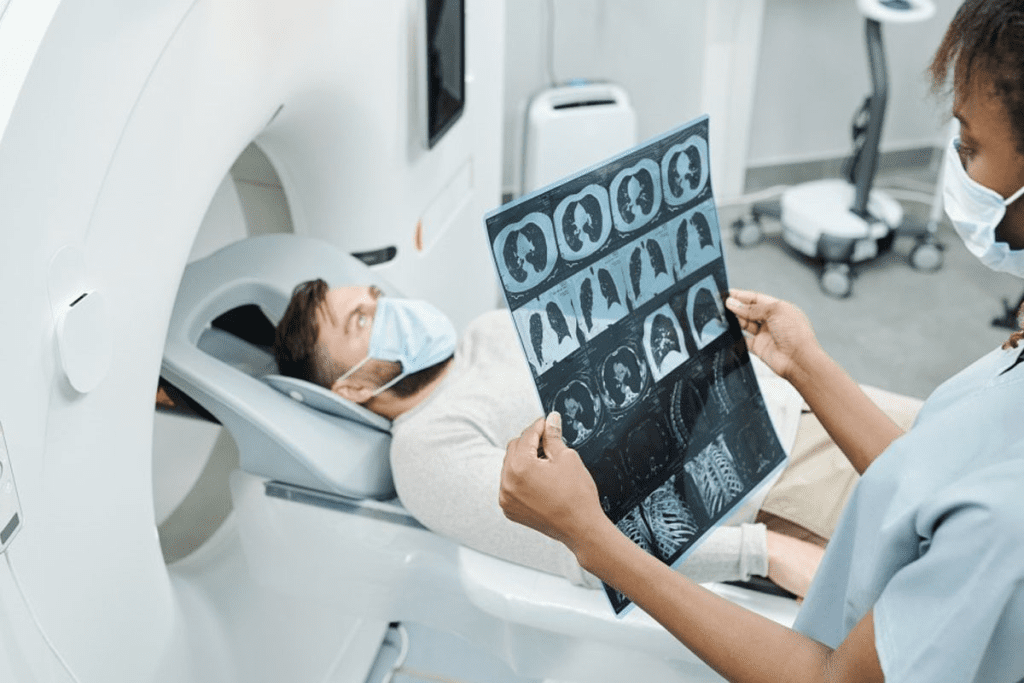
PET scans are a powerful tool in detecting cancer. But, did you know some types of cancer are hard to find with them? PET scans work by identifying areas of high glucose uptake. This is common in many cancerous cells. Yet, some cancers don’t use a lot of glucose, making them harder to spot.
This shows how important it is to know the most accurate scan for cancer diagnosis. While PET scans are valuable, Most accurate scan for cancerknowing when to use other imaging techniques is key. This is for effective cancer detection and treatment.
Key Takeaways
- PET scans detect cancer by identifying high glucose uptake areas.
- Some cancers are harder to detect due to low glucose consumption.
- Understanding the limitations of PET scans is key for cancer diagnosis.
- Alternative imaging techniques may be needed for certain cancer types.
- Knowing the most accurate scan for cancer can improve detection and treatment outcomes.
Understanding PET Scans in Cancer Detection
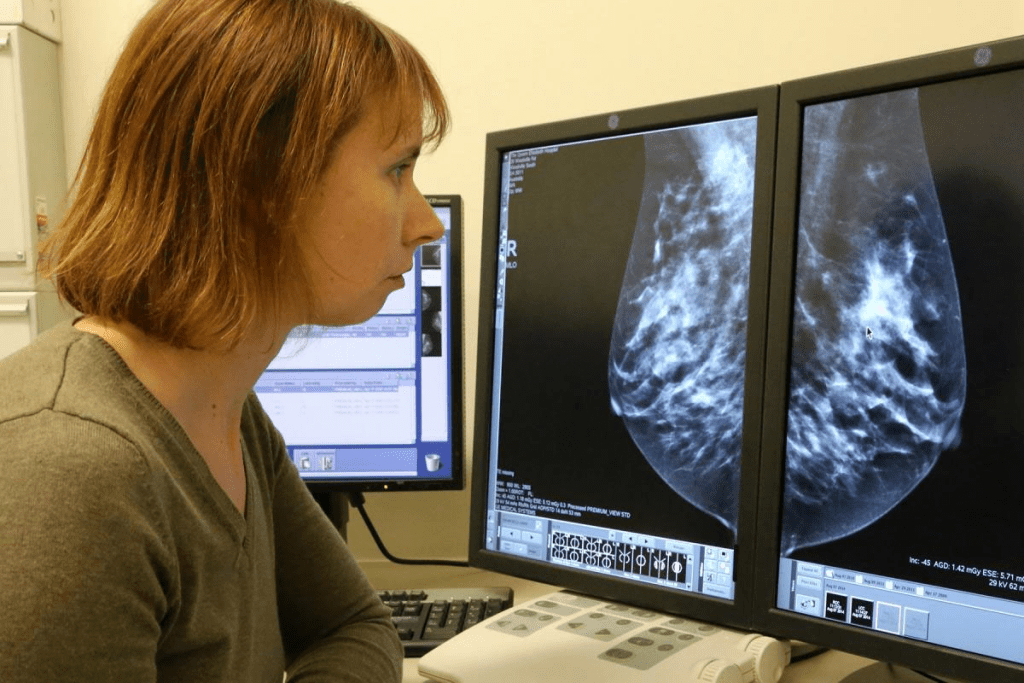
Learning about PET scans is key to seeing their value in finding and treating cancer. These scans are vital in oncology. They show how tumors work by looking at their metabolic activity.
How PET Scans Work: The Science Behind Radiotracer Imaging
PET scans use a special drug to highlight metabolic activity. This drug, called a tracer, is injected into a vein. The most common tracer is Fluorodeoxyglucose (FDG), a radioactive sugar.
Cancer cells take up more FDG because they are more active. This makes them show up clearly on the scan.
The scan detects the radiation from the tracer. It then creates detailed images of the body’s activity. The scan’s ability to find cancer depends on the tracer and the cancer type.
The Role of Glucose Metabolism in Cancer Visualization
Cancer cells use more glucose than normal cells, a trait known as the Warburg effect. PET scans use FDG to spot this. They are very good at finding cancers that are active.
But, not all cancers are active. Some, like certain prostate cancers, might not show up. Knowing this helps doctors understand PET scan results better.
Standard PET Protocols and Patient Preparation
Patients must prepare carefully for PET scans. They usually fast before the scan. This helps ensure accurate results.
The scan’s quality also depends on the equipment and the team doing it. Understanding PET scans helps doctors use them better in cancer care. The field of PET scans is always improving.
Limitations of PET Scans: Technical and Biological Constraints
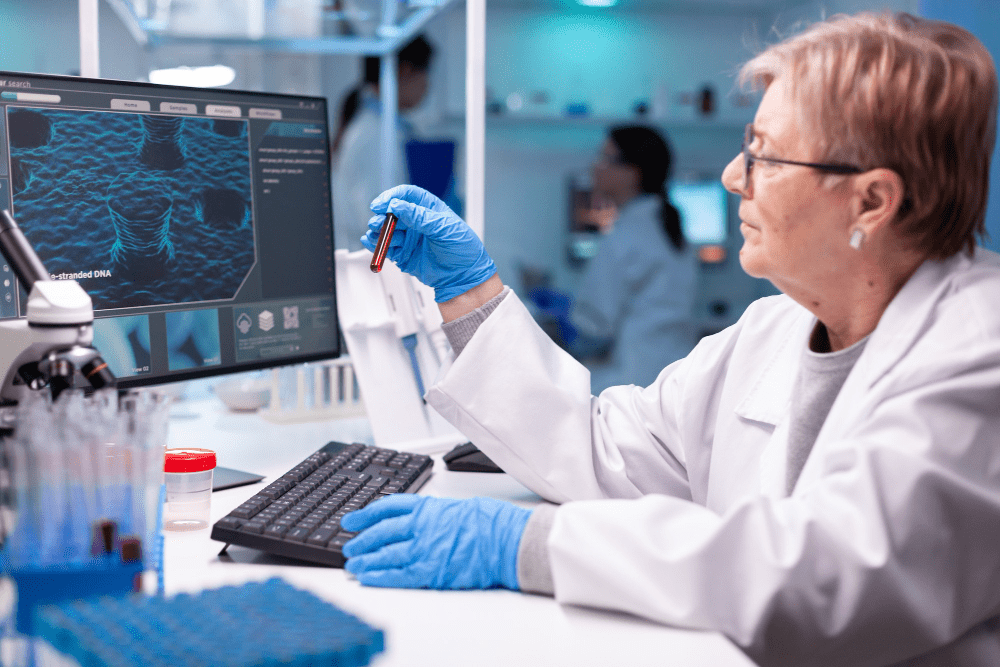
PET scans have limits that affect their ability to find cancer. It’s important to know these limits to understand PET scan results well. This helps doctors make better decisions for patients.
Resolution Limitations and Minimum Detectable Tumor Size
PET scans can’t always spot small tumors because of their resolution. The size of the smallest tumor they can find varies, usually between 4 to 8 mm. Tumors smaller than this might not be seen.
Factors influencing PET scan resolution include:
- Scanner technology and quality
- Radiotracer characteristics
- Patient motion during scanning
- Image reconstruction algorithms
False Negatives in PET Imaging: Common Causes
False negatives happen when PET scans miss cancer. This can be due to several reasons:
- Some tumors don’t take up much glucose, making them hard to spot.
- Small tumors might be too small for the scanner to see.
- Technical issues like movement or poor radiotracer uptake can also cause false negatives.
Table 1: Common Causes of False Negatives in PET Imaging
| Cause | Description | Examples |
| Low Metabolic Activity | Tumors with low glucose metabolism may not be detected. | Bronchioalveolar carcinoma, carcinoid tumors |
| Small Tumor Size | Tumors smaller than the scanner’s resolution limit. | Early-stage cancers, small metastases |
| Technical Factors | Issues related to the scanning process or radiotracer. | Motion artifacts, inadequate radiotracer uptake |
Physiological Factors Affecting PET Scan Accuracy
Physiological factors can also affect how accurate PET scans are. These include:
- Blood glucose levels: High levels can reduce FDG uptake in tumors.
- Inflammation: Can lead to false positives due to increased glucose metabolism.
- Muscle activity: Can cause variable FDG uptake, potentially masking or mimicking tumors.
Knowing these limitations is key for doctors to understand PET scan results. This knowledge helps them make better decisions for patient care. By understanding the technical and biological limits of PET scans, healthcare providers can use them more effectively in cancer diagnosis and treatment.
Specific Cancer Types That Evade PET Detection
PET scans are great for finding cancer, but some cancers are hard to spot. This is because PET scans work best when cancer cells use a lot of glucose. But, some cancers don’t use glucose much, making them hard to find.
Low Metabolic Cancers: Prostate, Neuroendocrine, and Renal Cell Carcinomas
Cancers like some prostate cancers, neuroendocrine tumors, and renal cell carcinomas are tough to find with PET scans. They don’t use enough glucose to show up well in PET scans.
Prostate Cancer: Early prostate cancer is hard to see on PET scans because it doesn’t use much glucose. But, more advanced prostate cancers might be easier to spot.
Neuroendocrine Tumors: These tumors grow slowly and don’t use a lot of glucose. This makes them hard to find with PET scans.
Bronchioloalveolar Carcinoma and Other Problematic Lung Cancers
Lung cancers, like bronchioloalveolar carcinoma, can be tricky for PET scans. These tumors grow in a way that might not show up on PET scans. This can lead to false negatives.
| Cancer Type | Detection Challenge | Alternative Diagnostic Approaches |
| Prostate Cancer | Low metabolic activity | MRI, Biopsy |
| Neuroendocrine Tumors | Slow-growing, low metabolism | Somatostatin receptor imaging, CT scans |
| Bronchioloalveolar Carcinoma | Grows along alveolar septa | High-resolution CT, Biopsy |
Mucinous and Well-Differentiated Tumors: Detection Challenges
Mucinous tumors and well-differentiated tumors are hard to find with PET scans. They don’t use much glucose and look a lot like normal tissue. This makes them hard to spot.
It’s important to know the limits of PET scans for certain cancers. By using PET scans with other tests, doctors can find cancer more accurately.
The Most Accurate Scan for Cancer: Comparative Analysis of Imaging Modalities
Looking for the most accurate cancer scan has led to a detailed comparison of different imaging methods. These methods are key in diagnosing and planning treatment for cancer. But, their accuracy can change a lot depending on the type of cancer.
Sensitivity and Specificity Metrics Across Cancer Types
When we talk about imaging methods, sensitivity and specificity are very important. Sensitivity is about how well a test finds people with the disease. Specificity is about how well it finds people without the disease.
Different cancers work differently, affecting how well imaging works. For example, PET scans are great at finding tumors that are active. But, they might miss tumors that are not very active.
| Cancer Type | PET Sensitivity | CT Specificity | MRI Accuracy |
| Lung Cancer | 85% | 90% | 92% |
| Breast Cancer | 80% | 85% | 88% |
| Prostate Cancer | 70% | 80% | 85% |
PET vs. CT vs. MRI: Strengths and Weaknesses
Each imaging method has its own good points and bad points. PET scans are great at finding tumors that are active. But, they don’t show as much about the body’s structure. CT scans are good at showing the body’s structure but might miss changes in how the body works. MRI is best at showing soft tissues and is good for some cancers.
Cancer-Specific Accuracy Rates and Evidence-Based Recommendations
Choosing the right imaging method depends on the cancer type, its stage, and the patient’s situation. For example, PET/CT is often used for lymphomas and lung cancers to check how well treatment is working.
Guidelines suggest using more than one imaging method for the best results. For example, using PET with CT or MRI can give both metabolic and anatomical details. This can make diagnosis more accurate.
In the end, the best scan for cancer depends on the patient’s needs and the cancer’s characteristics.
CT Scans: Anatomical Precision in Cancer Detection
CT scans are key in finding cancer because they show detailed images of the body’s structures. This helps spot tumors and see how they affect nearby tissues.
When CT Outperforms PET: Specific Cancer Scenarios
Even though PET scans are great at showing how cells work, CT scans are better in some cases. For example, CT scans are really good at finding tumors in the lung, liver, and pancreas. This is because they focus on the body’s structure, which is vital for planning treatment.
CT scans are better at finding small or slow-growing tumors that PET scans might miss. They also show how well organs and tissues around the tumor are doing. This info is key for planning surgery.
Contrast-Enhanced CT: Improving Detection Capabilities
Adding contrast agents to CT scans makes them even better at finding tumors. Contrast-enhanced CT uses a special dye that makes certain areas stand out. This makes tumors easier to see and helps doctors understand their size and shape.
This method is super helpful for spotting cancers in the liver and kidneys that are hard to see without it. It also helps tell if a growth is likely to be cancerous by how it reacts to the dye.
CT Limitations: Radiation Exposure and Detection Challenges
Even with their strengths, CT scans have downsides like radiation exposure and tricky detection. The radiation in CT scans can lead to cancer over time. But, the benefits of using CT scans to find cancer are usually worth the risk.
One big challenge with CT scans is telling apart cancerous and non-cancerous growths. This can be tough when tumors look a lot like the tissue around them. Newer CT tech, like better detectors and algorithms, is helping solve these problems.
MRI Excellence in Oncologic Imaging
Magnetic Resonance Imaging (MRI) has changed how we look at cancer. It shows soft tissues very clearly. This is great for finding and checking different cancers, even in hard-to-reach places.
Superior Soft Tissue Contrast: Brain, Spine, and Pelvic Cancers
MRI is super at showing soft tissue differences. This is really helpful for looking at brain, spine, and pelvic cancers. It helps doctors plan treatments better.
In brain tumors, MRI shows how big the tumor is and where it is. This helps doctors plan surgery. For spinal cancers, MRI shows how the tumor affects the spinal cord. For pelvic cancers, it shows the tumor’s size and where it is.
Functional MRI Techniques in Cancer Assessment
Functional MRI, like diffusion-weighted imaging (DWI) and dynamic contrast-enhanced MRI (DCE-MRI), gives more info on tumors. DWI checks how alive tumor cells are. DCE-MRI looks at how blood flows through the tumor.
These methods make MRI even better for looking at cancer. They help doctors understand tumors better.
Diffusion-Weighted Imaging and Other Advanced MRI Applications
Diffusion-weighted imaging (DWI) is a key advanced MRI tool. It looks at how water moves in tissues. This helps find cancer cells because they move differently.
Other advanced MRI tools, like magnetic resonance spectroscopy (MRS) and BOLD imaging, also help. MRS looks at what’s happening in the tumor’s cells. BOLD imaging checks how much oxygen the tumor has. Both are important for understanding tumors and planning treatment.
Alternative Imaging Modalities for Specific Cancers
The world of cancer imaging is vast, with many options for different cancers. While PET scans are common, other methods are key for diagnosing and treating various cancers.
Ultrasound Applications: Thyroid, Breast, and Liver Cancers
Ultrasound is a great tool for diagnosing cancers in the thyroid, breast, and liver. It’s non-invasive and doesn’t use radiation. This makes it perfect for first checks and follow-ups.
- Thyroid Cancer: Ultrasound checks thyroid nodules and helps with biopsies.
- Breast Cancer: It helps tell solid from cystic masses and guides biopsies.
- Liver Cancer: Ultrasound spots liver lesions and tracks treatment results.
Nuclear Medicine Beyond FDG-PET: Specialized Radiotracers
Nuclear medicine goes beyond FDG-PET with special radiotracers. These target specific cancers, improving diagnosis and understanding tumor biology.
| Cancer Type | Radiotracer | Application |
| Prostate Cancer | PSMA-11 | Targeted imaging of prostate-specific membrane antigen |
| Neuroendocrine Tumors | Ga-68 DOTATATE | Visualization of somatostatin receptors |
Emerging Technologies: Photoacoustic Imaging and Optical Methods
New technologies like photoacoustic imaging and optical methods are being looked into. They could improve cancer detection and treatment planning.
Photoacoustic Imaging: It combines light and sound to create detailed images of tissues.
Key Benefits:
- High resolution without ionizing radiation
- Potential for real-time imaging during procedures
- Ability to provide functional information about tissues
Hybrid Imaging: Synergistic Approaches to Cancer Detection
Hybrid imaging combines different imaging methods to better detect cancer. Techniques like PET/CT and PET/MRI are leading this change. They give a deeper look into tumors.
PET/CT: Combined Metabolic and Anatomic Assessment
PET/CT mixes PET’s metabolic info with CT’s anatomy. This combo offers a precise diagnosis. It helps spot cancerous tissues and their exact spot, key for treatment plans.
“The mix of PET and CT in one scan has changed cancer imaging,” say experts. This blend helps better understand tumors, boosting confidence in diagnosis.
PET/MRI: Applications in Challenging Cancer Types
PET/MRI shines with its soft tissue contrast, great for specific cancers. It’s a big help for brain, spine, and pelvic cancers, thanks to MRI’s sharp details.
PET/MRI’s uses include:
- Checking how far tumors spread
- Tracking how treatments work
- Finding cancer again in tricky spots
Clinical Impact of Hybrid Imaging on Cancer Management
Hybrid imaging greatly impacts cancer care. It gives detailed, accurate info. This helps doctors make better treatment choices.
A top oncologist says, “Hybrid imaging has changed how we tackle cancer. It leads to more tailored, effective care.” This mix of metabolic and anatomical data improves cancer assessment, leading to better patient results.
Clinical Decision-Making: Selecting the Optimal Imaging Approach
Choosing the right imaging method is key for cancer patients. The choice depends on the cancer type, stage, and the patient’s health.
Cancer Type and Stage-Specific Imaging Algorithms
Different cancers need different imaging methods for accurate diagnosis. For example, PET scans are great for finding cancer spread. MRI is best for soft tissue tumors. A specific imaging plan helps doctors pick the best method.
| Cancer Type | Preferred Imaging Modality | Stage-Specific Considerations |
| Breast Cancer | Mammography, Ultrasound, MRI | Early-stage: Mammography; Advanced-stage: MRI for assessing extent of disease |
| Lung Cancer | CT, PET/CT | Early-stage: CT; Advanced-stage: PET/CT for assessing metastasis |
| Prostate Cancer | MRI, Ultrasound | Early-stage: MRI for active surveillance; Advanced-stage: Bone scan for metastasis |
Patient Factors Influencing Imaging Selection
Patient factors like renal function, claustrophobia, and pregnancy status affect imaging choices. For example, those with kidney issues might need special imaging to avoid kidney damage.
Multidisciplinary Tumor Board Approach to Imaging Decisions
A team approach is vital for making imaging decisions. Experts from radiology, oncology, and surgery come together. They discuss cases to find the best imaging plan.
By looking at cancer type, stage, patient factors, and team input, doctors can choose the best imaging. This improves diagnosis and treatment for patients.
Future Innovations in Cancer Detection Technology
The world of cancer detection is on the verge of a big change. New technologies are coming that will make finding cancer more accurate. These new tools will change how we fight cancer.
Artificial Intelligence and Radiomics in Cancer Imaging
Artificial intelligence (AI) is changing cancer imaging a lot. It helps analyze images and understand them better. AI can spot things that humans might miss, leading to better and earlier diagnoses.
Adding radiomics to AI makes it even better. Radiomics pulls data from medical images. Together, they make diagnosing cancer more precise and help tailor treatments.
Novel PET Tracers for Improved Cancer Specificity
New PET tracers are being made to find cancer better. These tracers target specific cancer cells. This makes PET scans more accurate and sensitive.
Researchers are looking for tracers that can find more cancers. This includes cancers that current tech can’t see.
Molecular and Cellular Imaging Breakthroughs
Molecular and cellular imaging is a new area in cancer detection. It lets us see cancer at the molecular level. New methods like photoacoustic imaging and optical imaging are being developed.
These advances will help us understand cancer better. They will also help create targeted treatments.
Conclusion: Optimizing Cancer Detection Through Personalized Imaging Strategies
Getting a cancer diagnosis depends on the right scan for the cancer type and patient needs. Modalities like PET, CT, and MRI are key in finding different cancers.
Personalized imaging is vital for better cancer detection. It means choosing the best imaging for each patient’s cancer and health. This approach helps doctors make more accurate diagnoses.
Hybrid imaging, like PET/CT and PET/MRI, has made diagnosis even better. As technology advances, new PET tracers and MRI tools will help improve cancer detection.
Using personalized imaging and the strengths of various scans helps doctors give accurate diagnoses. This leads to better treatment plans and outcomes for patients.
FAQ
What are the limitations of PET scans in cancer detection?
PET scans can miss some cancers, like low metabolic ones. They also struggle with mucinous and well-differentiated tumors. Lung cancers can be tricky too. Technical and biological limits, like resolution and physiological factors, play a role in accuracy.
How do PET scans work in cancer detection?
PET scans use radiotracers that build up in cancer cells. This lets doctors see where glucose is being used. Before a scan, patients fast and avoid exercise to get the best results.
What are the most accurate scans for cancer detection?
The best scan for cancer depends on the type and stage. PET, CT, and MRI scans each have their strengths and weaknesses. Hybrid scans like PET/CT and PET/MRI can be even more accurate in some cases.
How does CT scan compare to PET scan in cancer detection?
CT scans are great for seeing tumors’ size and location. They’re better than PET scans in some cases. But, PET scans are better at catching cancer activity because they focus on metabolism.
What is the role of MRI in oncologic imaging?
MRI is top-notch for soft tissue contrast. It’s perfect for cancers in the brain, spine, and pelvis. It also has special techniques like diffusion-weighted imaging to learn more about tumors.
Are there alternative imaging modalities for specific cancers?
Yes, for certain cancers like thyroid, breast, and liver, other methods are used. These include ultrasound, special radiotracers, and new tech like photoacoustic imaging.
How do hybrid imaging techniques improve cancer detection?
Hybrid scans like PET/CT and PET/MRI combine the best of different scans. They give a clearer picture of tumors’ biology and size.
What factors influence the choice of imaging modality for cancer detection?
Many things decide which scan to use, like the cancer type and stage. Patient health and a team approach also play a part. A tailored imaging plan is key for the best results.
What are the future innovations in cancer detection technology?
New tech includes artificial intelligence and advanced PET tracers. Molecular and cellular imaging are also advancing. These will likely make cancer detection more accurate and specific.
How can imaging accuracy be improved for cancer detection?
To improve accuracy, choose the right scan for the cancer. Use hybrid scans and new tech. This approach will help detect cancer better.
References
- Collective Minds Health. (2024). Cancer imaging: Complete guide to diagnostic tests & technologies. Retrieved September 25, 2025, from https://collectiveminds.health/articles/cancer-imaging-complete-guide-to-diagnostic-tests-technologies
- Premier Science. (2025). Advancements in diagnostic imaging techniques for early cancer detection. Premier Journal of Science, 24(346). https://premierscience.com/pjs-24-346/
- Fass, L. (2008). Imaging and cancer: A review. Cancer Imaging, 8(1), 55-65. https://pmc.ncbi.nlm.nih.gov/articles/PMC5527766/
- Echelon Health. (2025). The best scans to detect cancer: Accuracy, benefits & more. Retrieved September 25, 2025, from https://www.echelon.health/choosing-the-best-scans-to-detect-cancer/