Last Updated on December 1, 2025 by Bilal Hasdemir

Every year, a lot of children are diagnosed with cancer. This is both scary and sad. The American Cancer Society says about 9,550 kids in the United States will get cancer in 2025. Among these, Leukemia is the most common, making up about 34% of all childhood cancers.
Getting a cancer diagnosis is tough for families. It’s important to know the types of cancer kids get. This way, we can offer the right support and care. We will look into the most common cancer in children and why catching it early is key.
Key Takeaways
- Approximately 9,550 children in the US will be diagnosed with cancer in 2025.
- Leukemia is the leading type of cancer among children, accounting for 34% of all childhood cancers.
- Understanding common types of childhood cancer is important for giving the right care and support.
- Early detection is very important in treating and managing childhood cancer.
- Families dealing with childhood cancer need all the help and care they can get.
Overview of Childhood Cancer

Childhood cancer is a serious topic that needs to be understood. It happens in kids from birth to 14 years old. We’ll look into its types and why early medical help is key.
Definition of Childhood Cancer
Childhood cancer is different from adult cancer. It includes leukemia, brain tumors, and neuroblastoma. These cancers grow fast and need quick treatment. They are often caused by genetic changes, not lifestyle choices.
Childhood cancer is complex and needs a detailed approach. Finding it early is vital for better treatment and survival chances.
Statistical Insights
Childhood cancer is a big health issue globally. The number of cases has gone up over time. This shows we need more research and awareness. Here are some important stats:
| Type of Cancer | Percentage of Total Childhood Cancers | Survival Rate |
| Leukemia | 30% | 85% |
| Brain Tumors | 25% | 75% |
| Neuroblastoma | 6% | 80% |
Importance of Early Detection
Finding childhood cancer early is critical. Spotting signs early can greatly improve survival chances. Parents and caregivers should watch for signs like constant tiredness, unexplained weight loss, and unusual lumps.
Regular doctor visits and quick action if symptoms show up are essential. Early treatment can greatly help in fighting childhood cancer.
Most Common Types of Childhood Cancer

It’s important to know the most common childhood cancers for early treatment. Childhood cancer is complex and varies widely. Knowing the common types helps parents and doctors spot symptoms early.
Leukemia
Leukemia is the most common childhood cancer, accounting for roughly 30% of all cases. It affects the blood and bone marrow, causing abnormal white blood cells. Symptoms include fatigue, pale skin, and frequent infections. Treatment often involves chemotherapy, sometimes a bone marrow transplant.
Leukemia usually hits kids aged 2 to 5, says the American Cancer Society. While its cause is unknown, genetic factors and radiation exposure are risk factors.
Brain Tumors
Brain tumors are the second most common childhood cancer. They can be benign or malignant, forming in the brain. Symptoms include headaches, nausea, vomiting, and seizures. Treatment varies by tumor type and location, using surgery, radiation, and chemotherapy.
A Journal of Clinical Oncology study shows better outcomes for brain tumor patients. This is thanks to new surgical and radiation methods.
Neuroblastoma
Neuroblastoma comes from immature nerve cells in various body areas. It often starts in the adrenal glands, near the kidneys. Symptoms include neck, chest, or abdomen lumps, and sometimes diarrhea and flushing. Treatment includes surgery, chemotherapy, and radiation.
A pediatric oncologist notes, “Neuroblastoma is tough to treat, but treatments are getting better. This means more kids are surviving.”
| Type of Cancer | Common Symptoms | Typical Treatment Approaches |
| Leukemia | Fatigue, pale skin, frequent infections | Chemotherapy, bone marrow transplant |
| Brain Tumors | Headaches, nausea, vomiting, seizures | Surgery, radiation therapy, chemotherapy |
| Neuroblastoma | Lump in neck, chest, or abdomen, diarrhea, flushing | Surgery, chemotherapy, radiation therapy |
Receiving a childhood cancer diagnosis is hard for families. But, thanks to medical progress, many kids are now surviving. It’s vital for parents to know the symptoms and seek help quickly if they’re worried.
“The progress in treating childhood cancer has been remarkable, with survival rates improving significantly over the past few decades. Continued research and awareness are key to further advancements.”
NCI Director
Signs and Symptoms of Childhood Cancer
Childhood cancer symptoms can vary a lot. It’s key for parents and caregivers to watch for any health changes in a child. Spotting these signs early can really help with treatment.
General Symptoms to Watch For
Some common symptoms include persistent fever, unexplained fatigue, weight loss, and pain that doesn’t go away. These can be signs of cancer or other issues. It’s important to see a doctor if these symptoms last.
- Fever that lasts for more than a few days
- Unexplained bruising or bleeding
- Persistent headaches or seizures
- Changes in appetite or difficulty swallowing
Specific Symptoms by Cancer Type
Each type of childhood cancer has its own symptoms. For example, leukemia often causes bone and joint pain. Brain tumors can lead to headaches and vision changes. Neuroblastoma might cause a lump and other symptoms like diarrhea.
- Leukemia: Bone and joint pain, fatigue, pale skin
- Brain Tumors: Headaches, nausea, vomiting, vision changes
- Neuroblastoma: Lump in the neck, chest, or abdomen, diarrhea, flushing
When to Seek Medical Advice
If a child shows unusual or lasting symptoms, get medical help. Early detection can lead to better treatment results. Always see a doctor if symptoms don’t get better or get worse.
Knowing the signs of childhood cancer helps parents and caregivers act fast. If unsure, always check with a healthcare provider. This is the best way to keep a child healthy and safe.
Risk Factors Associated with Childhood Cancer
Childhood cancer risk factors include genetics, environment, and lifestyle. While we don’t know the exact causes of most childhood cancers, research has found several risk factors. These factors can increase a child’s chance of getting cancer.
Genetic Factors
Genetic mutations are a big part of childhood cancer. Some genetic conditions, like Down syndrome, raise the risk of certain cancers, like leukemia. We’ll look into these genetic factors more.
Genetic conditions that raise cancer risk include:
- Down syndrome
- Li-Fraumeni syndrome
- Neurofibromatosis
Families with these conditions should talk to doctors about their risk. This can help guide them.
Environmental Influences
Environmental factors can also increase childhood cancer risk. Ionizing radiation is a known risk. We’ll see how environment affects cancer risk in kids.
| Environmental Factor | Potential Impact |
| Ionizing Radiation | Increased risk of leukemia and other cancers |
| Pesticide Exposure | Possible link to increased risk of certain childhood cancers |
Experts say, “Exposure to ionizing radiation, mainly in young children, raises cancer risk.”
“The evidence suggests that radiation exposure, mainly in early childhood, is linked to higher cancer risk.”
Lifestyle Considerations
Lifestyle factors also play a role, though not as directly as genetics or environment. For example, a mother’s health and exposure to substances during pregnancy can affect a child’s cancer risk.
Knowing these risk factors helps in early detection and prevention of childhood cancer. We keep researching the complex relationship between genetics, environment, and lifestyle.
Diagnostic Approaches for Childhood Cancer
Getting a correct diagnosis for childhood cancer is key. We use many methods to make sure we get it right. This is important for choosing the best treatment.
Initial Assessment Techniques
When we think a child might have cancer, we start with a detailed medical history and physical check-up. We look for signs like unusual lumps, pale skin, or ongoing pain. A good first check helps us know if we need to do more tests.
Imaging Tests
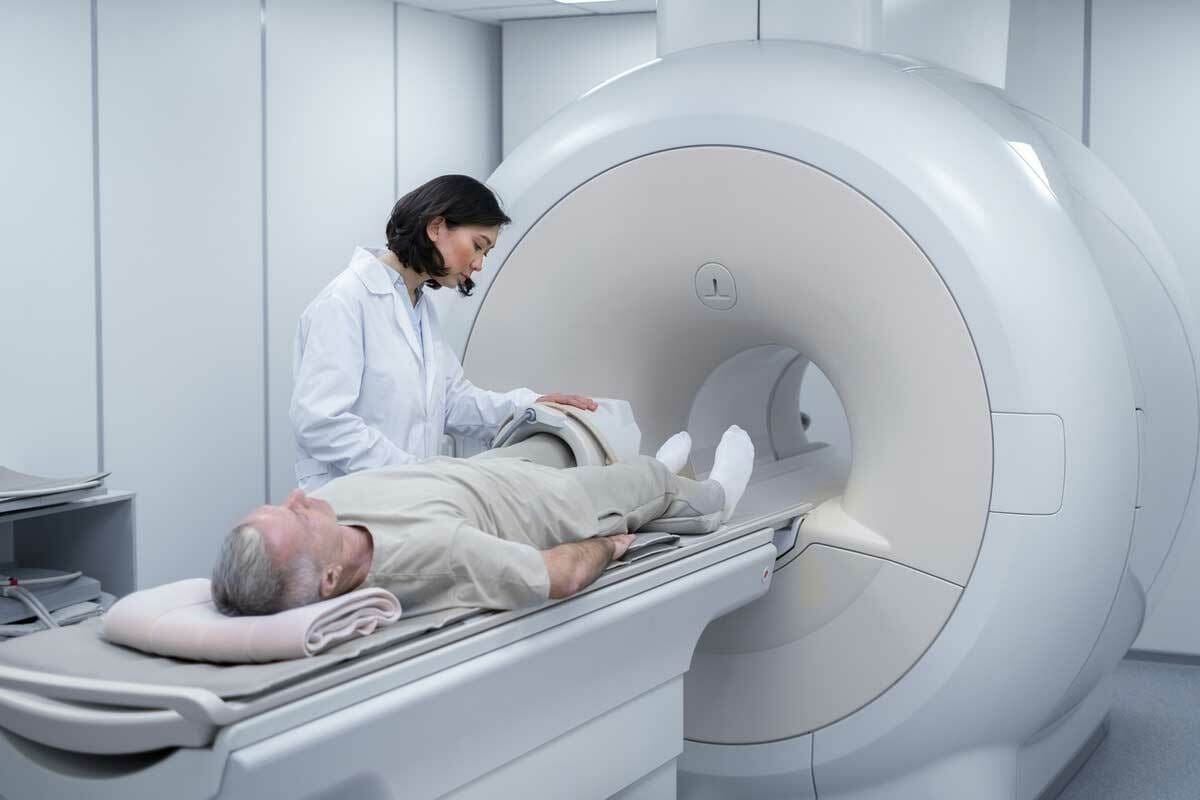
Imaging tests are very important for finding out if a child has cancer. We use X-rays, ultrasound, CT scans, MRI scans, and PET scans. These tests tell us where the cancer is, how big it is, and if it has spread.
We usually start with simple tests like X-rays and ultrasound. Then, we might use more detailed tests like CT or MRI scans. The right test depends on the type of cancer and where it is.
Biopsy and Pathology
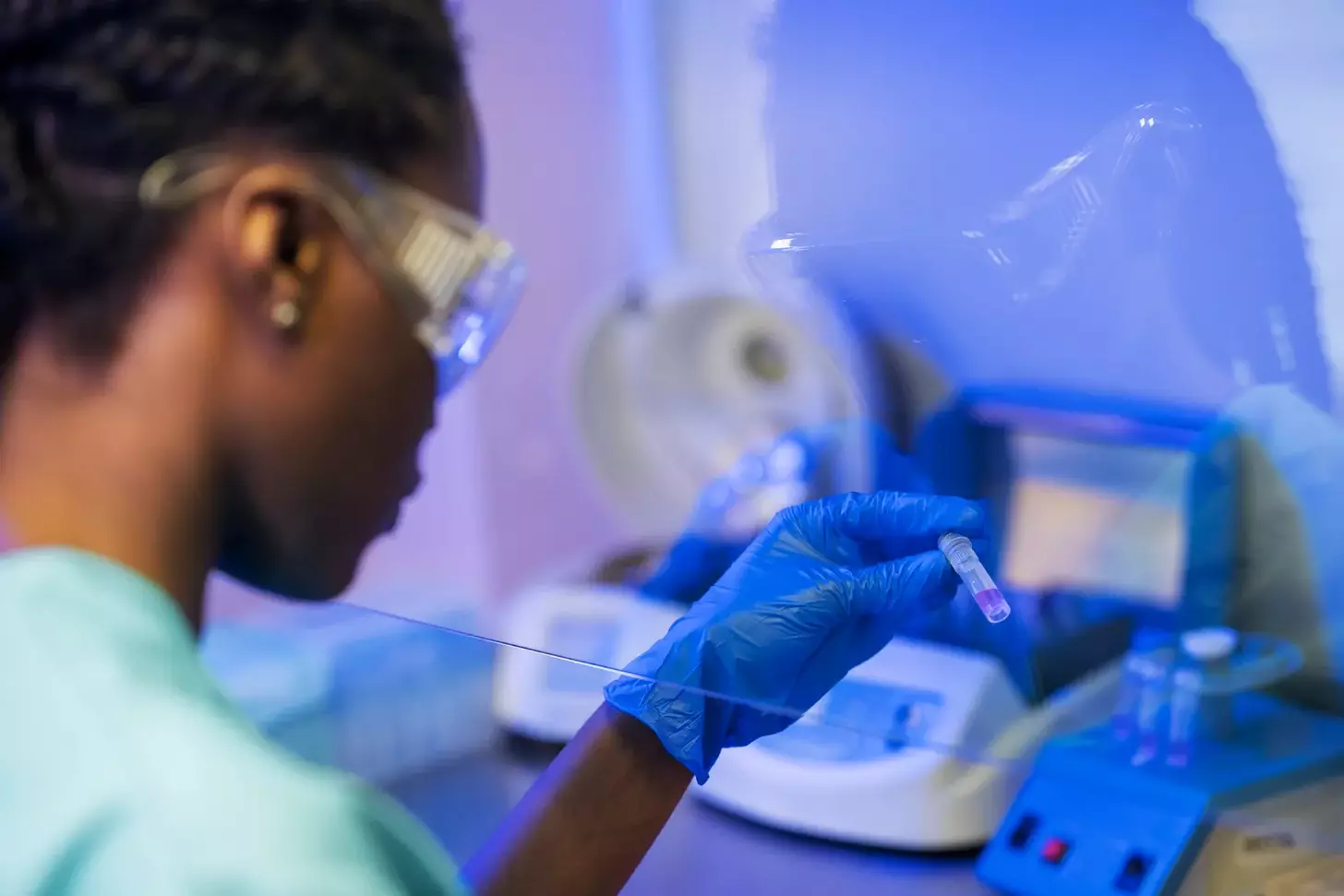
A biopsy is the most important test for cancer. It means taking a piece of tissue or cells from the tumor for a microscope check. The biopsy tells us what kind of cancer it is and how fast it grows. We work with pathologists to understand the biopsy results. This helps us decide how to treat cancer.
In short, finding out if a child has cancer needs a few steps. We use initial checks, imaging tests, and biopsies. By using all these methods, we can find and treat childhood cancer well.
Treatment Options for Childhood Cancer
Childhood cancer treatment often combines different therapies. Each plan is made just for the child, based on their cancer type and stage. This approach helps tailor the treatment to fit each child’s needs.
Chemotherapy
Chemotherapy is key in treating many childhood cancers. It uses drugs to kill or slow cancer cells. Chemotherapy can be given orally or through an IV, depending on the drug and treatment plan.
Side effects of chemotherapy can include nausea, hair loss, and tiredness. But, most of these effects are short-term and go away after treatment ends.
Radiation Therapy
Radiation therapy uses high-energy rays to kill cancer cells. It’s used for cancers that are in one place or when surgery isn’t possible. Thanks to new technology, radiation therapy can now be more precise, protecting healthy tissues.
While effective, radiation therapy can cause side effects like tiredness, skin changes, and effects on growth and development.
Surgery
Surgery is a key treatment for solid tumors in children. The goal is to remove the tumor and any cancer cells nearby.
Whether surgery is used depends on the cancer type, location, and if it can be safely removed without harming the child.
| Treatment Modality | Description | Potential Side Effects |
| Chemotherapy | Use of drugs to kill cancer cells | Nausea, hair loss, fatigue |
| Radiation Therapy | High-energy rays to target cancer cells | Fatigue, skin changes, long-term effects |
| Surgery | Removal of tumors and surrounding tissue | Risk of infection, scarring, long-term effects |
Childhood cancer treatment is complex and needs a team effort. Knowing about the different treatments helps families make informed decisions for their child’s care.
Impact of Childhood Cancer on Families
Childhood cancer affects more than just the child. It touches parents, siblings, and extended family. A cancer diagnosis can change a family’s life, causing emotional pain and big changes in daily routines.
Emotional Effects on Parents
Parents feel a mix of emotions when their child gets cancer. They might feel shocked, then anxious or depressed. The stress of caring for a sick child and the uncertainty of their future can be too much. It’s important for parents to recognize their feelings and seek help when they need it. They can find support from family, friends, and professional counselors.
Parents face many emotional challenges, such as:
- Managing their child’s treatment and medical visits
- Meeting the needs of their sick child and other kids
- Dealing with the high cost of medical care
Siblings’ Perspectives
Siblings of children with cancer often feel left out. Parents focus on the sick child, leaving siblings feeling isolated and scared. It’s key to include siblings in the care process and offer them emotional support.
Here are ways to support siblings:
- Talking openly with them about their sibling’s condition
- Letting them share their feelings and worries
- Getting them involved in their sibling’s care when it’s right
Support Systems in Place
A strong support system is essential for families with childhood cancer. This support can be from family and friends, support groups, or professional services. We stress the need to connect families with these resources to help them through this tough time.
- Support groups for parents and siblings
- Counseling for emotional support
- Financial help for medical costs
By understanding the impact of childhood cancer on families and providing the right support, we can help them deal with the challenges they face.
Survivorship and Long-Term Care
Childhood cancer survivors face a long journey after treatment. They need ongoing care to watch for cancer coming back and deal with lasting effects. The fight against cancer doesn’t end when treatment does.
Follow-Up Treatments
Follow-up treatments are key for survivors. They help manage side effects of cancer treatment, like heart and lung problems. Regular check-ups with doctors are vital to catch and fix issues early.
Survivors should have a personalized care plan. This plan should watch for late effects and help lessen them. It’s made just for them, based on their treatment history.
Monitoring for Recurrence
Watching for cancer to come back is a big part of long-term care. We use tests and exams to find cancer early. Surveillance strategies include imaging, blood tests, and physical checks.
A quote from the American Cancer Society shows why follow-up care is so important: “Survivors should work with their healthcare team to develop a survivorship care plan that includes a schedule for follow-up visits and screening tests.”
“Survivors should work with their healthcare team to develop a survivorship care plan that includes a schedule for follow-up visits and screening tests.”
American Cancer Society
Quality of Life Issues
Survivors’ quality of life is a big concern. We help with physical, emotional, and social well-being. Counseling services and support groups are great for them and their families.
Many survivors face problems like education, work, and insurance. We help by giving them access to resources and support.
By focusing on survivorship and long-term care, we can make survivors’ lives better. Our aim is to offer full support that meets their needs, before and after treatment.
Current Research and Innovations in Pediatric Oncology
Research in pediatric oncology is bringing hope to kids with cancer. We’re seeing big steps forward in understanding and treating childhood cancers. This means better, less harsh treatments for kids.
Breakthrough Treatments
New treatments in pediatric oncology target cancer cells directly. Immunotherapy uses the body’s immune system to fight cancer. It’s showing great promise in trials.
Precision medicine tailors treatments to each patient’s genes. This approach is improving outcomes for some childhood cancers.
Clinical Trials for New Therapies
Clinical trials test new treatments for safety and effectiveness. We’re running many trials to find better treatments for kids with cancer.
Joining clinical trials gives kids access to new treatments. It also helps advance pediatric oncology. Collaborations between research institutions and hospitals are key to these trials’ success.
Future Directions in Research
The future of pediatric oncology research aims to personalize treatments and improve survivorship. We’re looking into ways to reduce long-term cancer treatment effects on kids.
New research includes studying liquid biopsies and genetics in cancer. These areas could change how we diagnose and treat childhood cancers.
We’re dedicated to pushing the limits in pediatric oncology. Our goal is to give every child the best care for cancer. We want to make sure every child gets the most effective and caring treatment.
Resources and Support for Families
Families dealing with childhood cancer face big challenges. They need emotional, financial, and practical help. Luckily, many organizations and resources are ready to assist.
Organizations and Support Groups
Groups like the American Cancer Society and the Children’s Cancer and Leukaemia Group offer support. They have counseling services and online resources. These groups help families feel connected and supported.
Financial Assistance Programs
Programs like the Cancer Financial Assistance Coalition help with treatment costs. They cover medical bills, travel, and lodging. We know how hard it is for families financially.
Educational Resources for Parents
Parents can find educational resources online. The National Cancer Institute has guides and portals. These resources give parents the knowledge they need to care for their child.
FAQ
What is the most common type of childhood cancer?
Leukemia is the most common childhood cancer, making up about 30% of all cases. Getting a leukemia diagnosis can be scary. But, our team is here to support and guide you through treatment.
What are the common signs and symptoms of childhood cancer?
Signs and symptoms include fever, fatigue, weight loss, and pain. We also watch for bruising, bleeding, or swelling. If you’re worried about your child’s health, see a doctor right away.
How is childhood cancer diagnosed?
Diagnosing cancer in kids involves physical exams, imaging tests, and biopsies. These steps help us figure out the cancer type and stage. This info helps us plan the best treatment.
What are the treatment options for childhood cancer?
Treatments include chemotherapy, radiation, and surgery. We work with families to create a treatment plan that meets their child’s needs.
How does childhood cancer affect families?
Childhood cancer can deeply affect families emotionally and psychologically. We offer support and resources to help families deal with these challenges.
What is the importance of survivorship and long-term care in childhood cancer?
Survivorship and long-term care are key in childhood cancer. They help us watch for cancer coming back and address quality of life issues. Our team supports children and families on their survivorship journey.
What are the current research and innovations in pediatric oncology?
Research in pediatric oncology includes new treatments, clinical trials, and future research directions. We’re committed to keeping up with these advancements to improve outcomes for kids with cancer.
What resources and support are available to families affected by childhood cancer?
We offer many resources and support for families, like organizations, support groups, financial help, and educational materials. Our goal is to provide full support throughout their journey.
What is the most common pediatric cancer?
Acute lymphoblastic leukemia (ALL) is the most common pediatric cancer. It affects the blood and bone marrow. Our team specializes in treating ALL and other childhood cancers.
Are there any genetic risk factors associated with childhood cancer?
Yes, some genetic conditions raise the risk of childhood cancer. We help families identify these risks and develop a plan to manage them.
How can I support my child during cancer treatment?
Being involved in your child’s care and providing emotional support is key. Our team offers guidance and resources to help families face the challenges of childhood cancer.
References
- American Cancer Society. (2025). Cancer facts & figures 2025. American Cancer Society. https://www.cancer.org/research/cancer-facts-statistics/all-cancer-facts-figures/cancer-facts-figures-2025.html