Last Updated on November 13, 2025 by
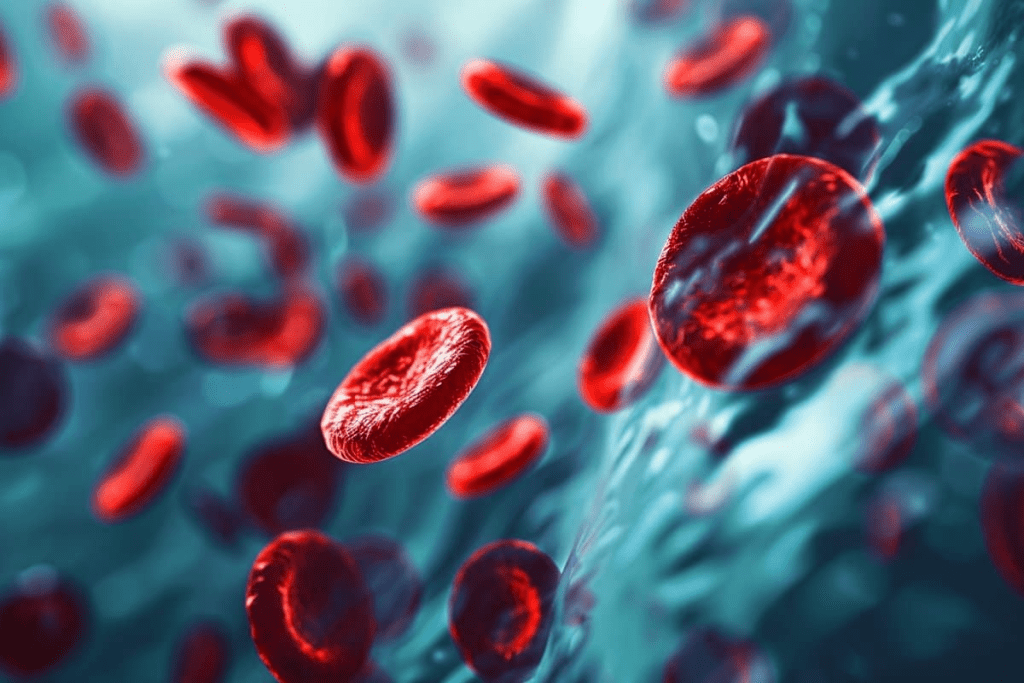
Many patients worry about their platelet count. Thrombocytopenia, or a platelet count under 150,000/μL, is a serious concern. But what causes it? What is the most common cause thrombocytopenia? Get the crucial facts about low platelet count origin. Powerful knowledge for accurate diagnosis and care.
Thrombocytopenia means you have too few platelets. It can happen for many reasons. Doctors say a count under 135,000 in men and 157,000 in women is too low.
Immune thrombocytopenia (ITP) is a big reason for thrombocytopenia. It’s an autoimmune disease where your body attacks platelets. ITP is a major issue for adults with low platelet counts.
Key Takeaways
- Thrombocytopenia is defined as a platelet count below 150,000/μL.
- Low platelet count can be caused by various factors, including immune thrombocytopenia (ITP).
- ITP is an autoimmune disorder that destroys platelets.
- Understanding the cause of thrombocytopenia is key for proper treatment.
- Thrombocytopenia affects men and women at different platelet count thresholds.
Understanding Thrombocytopenia: Definition and Normal Platelet Values
To understand thrombocytopenia, knowing what a normal platelet count is is key. It’s also important to know how thrombocytopenia is defined and categorized. This condition occurs when platelet counts are below normal, which can increase the risk of bleeding.
What Defines Thrombocytopenia
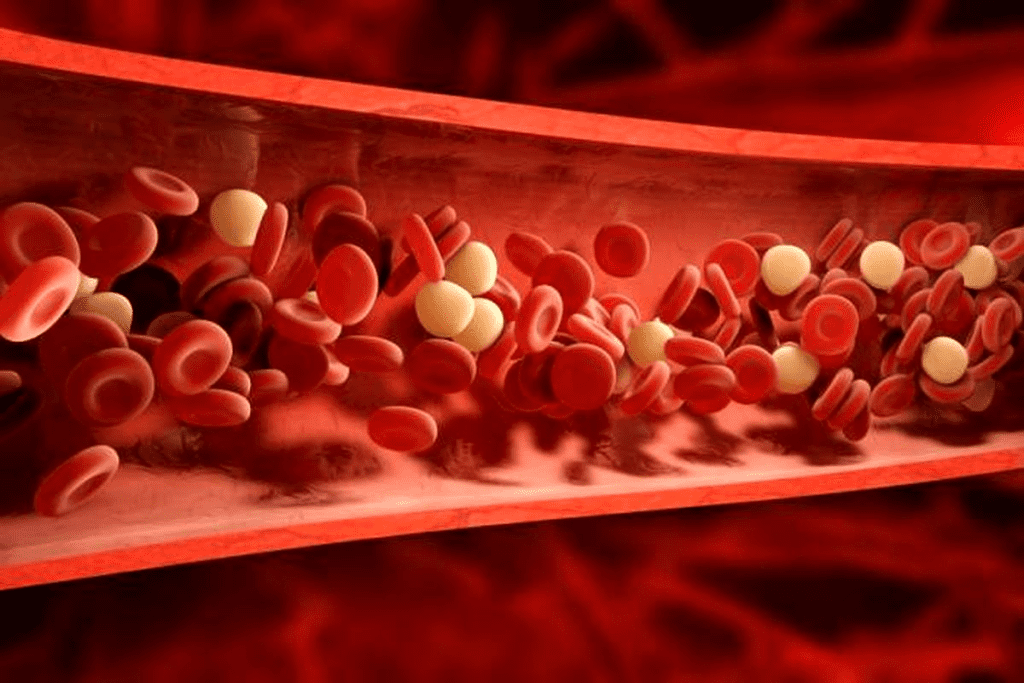
Thrombocytopenia is when your platelet count is lower than it should be. Normal platelet counts are between 150,000 and 450,000 platelets per microliter of blood. If your count goes below this, you have thrombocytopenia.
Normal Platelet Count Ranges
A normal platelet count helps prevent too much bleeding. The average count is about 250,000 platelets per microliter. Counts between 150,000 and 450,000 are considered normal. Counts outside this range might show an underlying problem.
Classification of Thrombocytopenia Severity
Thrombocytopenia is divided into mild, moderate, and severe based on its severity.
- Mild thrombocytopenia is when your count is between 100,000 and 150,000 per microliter.
- Moderate thrombocytopenia is when your count is between 50,000 and 100,000 per microliter.
- Severe thrombocytopenia occurs when your count is below 50,000 per microliter.
Doctors say, “Knowing how severe thrombocytopenia is is key. It helps decide the right treatment and how to manage bleeding risks.”
The Most Common Cause of Thrombocytopenia: Immune Thrombocytopenia (ITP)
Immune thrombocytopenia (ITP) is the top reason for low platelet counts. It’s an autoimmune disease where the body attacks and destroys platelets. Platelets are key for blood clotting.
Prevalence and Epidemiology of ITP
ITP can hit anyone, with 10 cases per million people each year. It can be either primary or secondary. Primary ITP is more common. Secondary ITP often comes from infections, medicines, or other autoimmune diseases.
Pathophysiology: How ITP Destroys Platelets
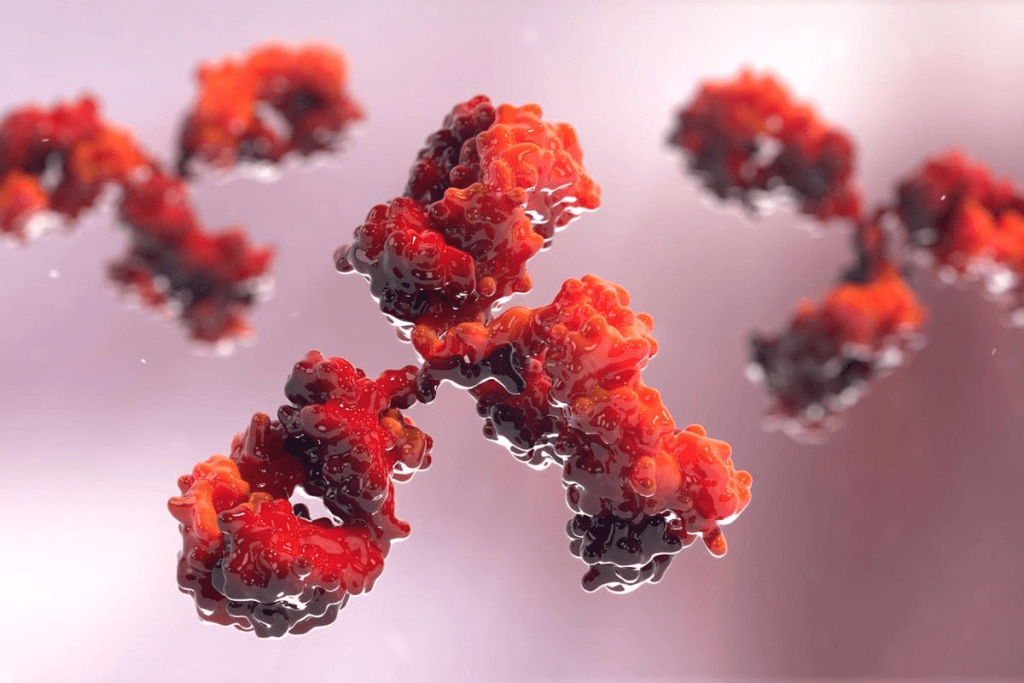
In ITP, the immune system makes antibodies against platelets. These antibodies mark the platelets for destruction. This mainly happens in the spleen, where immune cells remove the marked platelets. This leads to a low platelet count and a risk of bleeding.
Primary vs. Secondary ITP
Primary ITP has no known cause. Secondary ITP is linked to other conditions or factors. Knowing if ITP is primary or secondary helps decide the right treatment. For example, treating an infection might cure secondary ITP.
Clinical Presentation of ITP
ITP patients might show signs like bruising and small spots on the skin (petechiae). They could also have bleeding in the nose or gums. Symptoms can range from mild to severe, affecting how much the disease impacts a person’s life.
In summary, ITP is a complex condition needing a deep understanding to manage well. Recognizing ITP as a major cause of low platelets helps doctors provide better care and improve patient outcomes.
Drug-Induced Thrombocytopenia: A Significant Contributor
It’s important to know about drug-induced thrombocytopenia to help patients with low platelet counts. This condition, where platelet counts are too low, can be caused by many medicines.
Common Medications Associated with Thrombocytopenia
Many drugs can lead to thrombocytopenia. These include heparin, quinine, and sulfonamides. Heparin is known to cause a severe form called heparin-induced thrombocytopenia (HIT).
Heparin-Induced Thrombocytopenia (HIT)
HIT is a serious condition that needs quick diagnosis and treatment. It happens when the body makes antibodies against heparin. This leads to platelet activation and consumption, causing a big drop in platelet count. It can also lead to dangerous blood clots.
Mechanism of Drug-Induced Platelet Destruction
Drugs can cause thrombocytopenia in different ways. Sometimes, they trigger an immune response against platelets, marking them for destruction. Other times, they can directly affect how platelets are made or how they work.
Monitoring and Prevention Strategies
To lower the risk of drug-induced thrombocytopenia, it’s key to regularly check platelet counts. This is very important for patients taking drugs like heparin. Preventive steps include choosing patients carefully, adjusting doses, and using different treatments when possible.
Understanding drug-induced thrombocytopenia helps us manage patients at risk better. This way, we can reduce the chances of this serious condition happening.
Infection-Related Thrombocytopenia
Infections can really mess with platelet counts, causing thrombocytopenia. We’ll look at how viruses and bacteria play a part in this.
Viral Infections and Platelet Counts
Viral infections often lead to low platelet counts. HIV, hepatitis C, and COVID-19 can harm platelet production. For example, HIV attacks the bone marrow cells that make platelets, lowering counts.
Hepatitis C virus (HCV) also causes thrombocytopenia. It affects the spleen, making it take in more platelets.
Bacterial Infections Impacting Platelet Counts
Bacterial infections can also lower platelet counts. Severe infections like sepsis can cause DIC, a condition that uses up platelets. Gram-negative bacteria are known for causing severe infections.
- Bacterial toxins can damage platelets directly.
- Sepsis can lead to DIC, which uses up platelets.
COVID-19 and Thrombocytopenia
COVID-19 has been linked to low platelet counts in some patients. The virus can harm megakaryocytes, cause platelet destruction, and affect inflammation. It’s important to watch platelet counts in COVID-19 patients.
“Understanding the link between infections and thrombocytopenia is vital for managing patients with low platelet counts effectively.”
Knowing which infections cause thrombocytopenia helps doctors treat patients better.
Liver Disease and Thrombocytopenia: The Connection
Thrombocytopenia, or low platelet count, often happens in people with liver disease. This is true for those with cirrhosis and portal hypertension. We will look at how liver conditions affect platelet production and count.
Cirrhosis and Platelet Production
Cirrhosis is a serious liver scarring caused by diseases like hepatitis and alcoholism. It can lead to thrombocytopenia. The liver makes a hormone called thrombopoietin, which helps produce platelets. But in cirrhosis, the liver can’t make enough of this hormone, causing low platelet counts.
Portal Hypertension’s Role in Low Platelet Counts
Portal hypertension, often from cirrhosis, can make the spleen big. This big spleen pulls platelets out of the blood, lowering their count. This is a big reason for thrombocytopenia in liver disease patients.
Alcoholic Liver Disease and Thrombocytopenia
Alcohol can hurt platelet production. Drinking too much alcohol can slow down bone marrow, resulting in fewer platelets. Also, alcohol can cause folate deficiency, which also lowers platelet counts.
Non-Alcoholic Fatty Liver Disease (NAFLD) Impact
NAFLD means the liver has too much fat. It can get worse and lead to cirrhosis. Studies show NAFLD patients might also have low platelet counts. For more on NAFLD and its effects, check out PubMed Central.
In summary, liver disease is a big reason for thrombocytopenia. Conditions like cirrhosis, portal hypertension, alcoholic liver disease, and NAFLD all play a part. Knowing these connections is key to treating thrombocytopenia in liver disease patients.
Symptoms and Complications of Low Platelet Counts
It’s important to know the symptoms and complications of thrombocytopenia early. This condition, or low platelet count, can cause various symptoms. These symptoms can range from mild to severe.
Common Clinical Manifestations
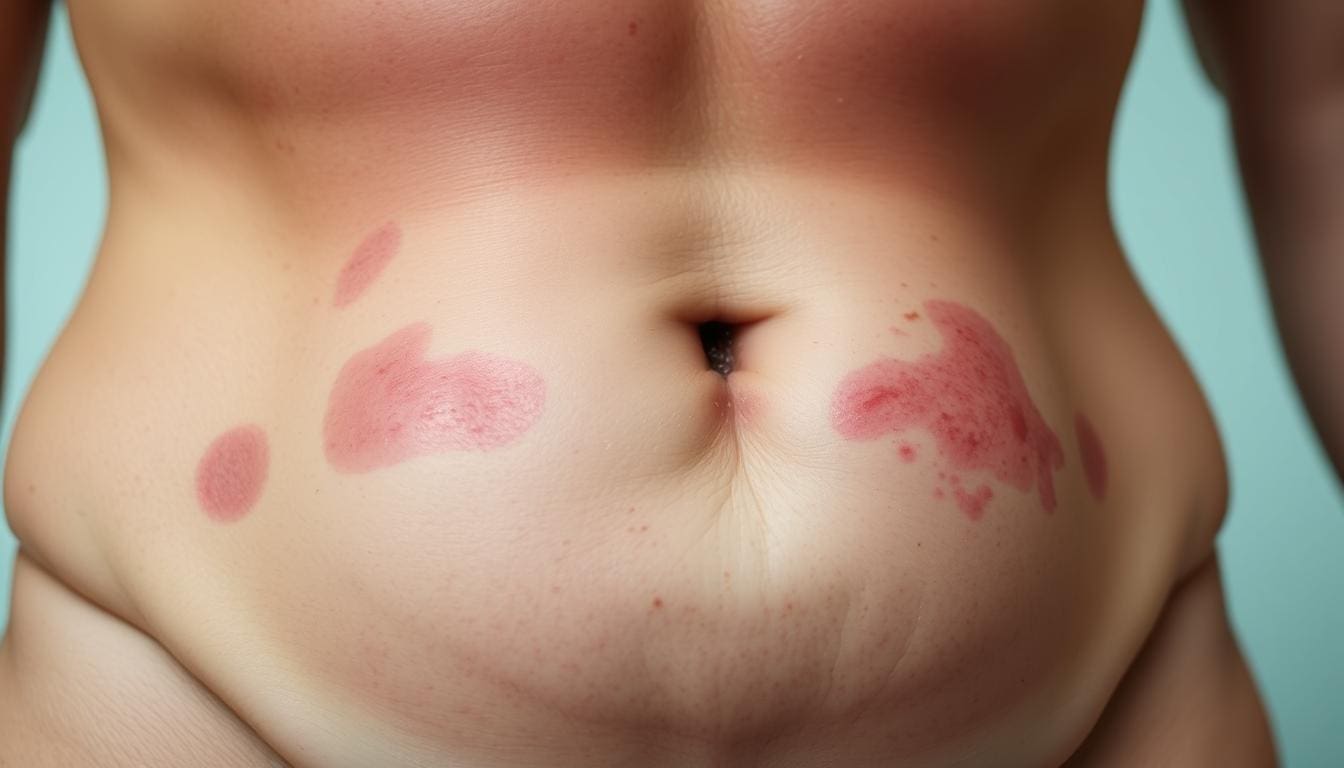
People with thrombocytopenia might notice bruising and small spots on their skin. These spots are called petechiae. They happen because the body can’t make blood clots well.
- Petechiae on the skin, often appearing as small red or purple spots
- Easy bruising or purpura
- Nosebleeds or bleeding gums
- Prolonged bleeding after injuries or surgeries
Bleeding Risk Assessment
It’s key to assess the risk of bleeding in thrombocytopenia. The severity of the condition often shows how high the risk is.
Key factors influencing bleeding risk include:
- The underlying cause of thrombocytopenia
- The severity of the platelet count reduction
- The presence of other health conditions
Emergency Signs and Symptoms
Severe thrombocytopenia can cause serious bleeding. It’s vital to know the emergency signs. These include severe headache, confusion, or trouble breathing, which might mean internal bleeding.
Quality of Life Impact
Thrombocytopenia can really affect someone’s life. It can make daily tasks hard and cause worry about bleeding. It’s important to manage it well to improve life quality.
Healthcare providers can help a lot by understanding thrombocytopenia symptoms. They can then offer better care to improve patient outcomes.
Nutritional Deficiencies Leading to Low Platelet Counts
Eating a balanced diet is key to keeping platelet counts healthy. Not getting enough nutrients can cause thrombocytopenia. Knowing which nutrients are important helps prevent and treat this condition.
Vitamin B12 Deficiency
Vitamin B12 is vital for making platelets. Not enough vitamin B12 can cause low platelet counts. You can find vitamin B12 in meat, fish, and dairy. If you can’t eat these, supplements are an option.
Folate Deficiency
Folate, or vitamin B9, is also important for platelets. Not enough folate can lead to low platelet counts. Good sources of folate include leafy greens, legumes, and fortified cereals.
Iron Deficiency and Platelet Production
Iron is also key to making platelets. Not enough iron can cause low platelet counts. Foods high in iron are red meat, poultry, fish, and fortified cereals. Vitamin C helps your body absorb iron better, so eating foods high in vitamin C with iron-rich foods is good.
Dietary Recommendations for Platelet Health
To keep your platelets healthy, eat a variety of nutrient-rich foods. For more on thrombocytopenia, including causes, symptoms, and treatments, check out our guide.
Nutrient deficiencies can really affect platelet counts. Make sure you get enough vitamin B12, folate, and iron. You can do this with a balanced diet or supplements to help prevent or manage thrombocytopenia.
Hypersplenism and Other Causes of Platelet Sequestration
Hypersplenism makes the spleen work too hard. This leads to platelets getting stuck and can cause low platelet counts. The spleen filters blood and stores platelets. But when it’s too active, it holds too many, reducing platelets in the blood.
Spleen Function in Platelet Regulation
The spleen filters blood, removing old or damaged red blood cells. It also stores platelets. In hypersplenism, the spleen sequesters too many platelets, causing low platelet counts.
Conditions Leading to Hypersplenism
Several conditions can cause hypersplenism, including:
- Liver diseases such as cirrhosis
- Lymphoma and other cancers
- Infections that cause the spleen to become enlarged
Management Approaches for Splenic Sequestration
Managing hypersplenism involves treating the underlying cause. This can include medications to reduce spleen size or to treat underlying conditions. In some cases, surgical removal of the spleen may be considered.
Surgical Considerations in Severe Cases
In severe cases where other treatments have failed, splenectomy (surgical removal of the spleen) may be an option. This decision is made after careful consideration of the patient’s health and the severity of their condition.
Diagnosing the Underlying Cause of Thrombocytopenia
Figuring out what causes thrombocytopenia is key to treating it well. To diagnose this, we do a detailed check-up. This includes looking at the patient’s medical history, doing a physical exam, and running lab tests.
Initial Evaluation and History Taking
The first step is a detailed medical history and physical check-up. We look at symptoms like bleeding or bruising. We also ask about any medicines or health issues that might lead to thrombocytopenia.
Laboratory Tests for Thrombocytopenia
Labs are very important in finding out if someone has thrombocytopenia. The Complete Blood Count (CBC) is the main test to check platelet levels. We might also do a blood smear, count reticulocytes, and run other tests to find out why platelet counts are low.
Bone Marrow Examination: When Is It Necessary?
Sometimes, we need to do a bone marrow examination to find out why someone has thrombocytopenia. This test checks how platelets are made. It can show if the bone marrow isn’t working right or if it’s filled with something it shouldn’t be.
Differential Diagnosis Approaches
Finding the right cause of thrombocytopenia is very important. We look at many possible reasons. These include immune thrombocytopenia, drug-induced thrombocytopenia, and thrombocytopenia linked to other diseases.
A medical expert once said,
“A thorough diagnostic evaluation is essential to determine the underlying cause of thrombocytopenia and guide appropriate treatment.”
By using a careful diagnostic method, we can find the real cause of thrombocytopenia. Then, we can make a good treatment plan.
Conclusion: Addressing Thrombocytopenia Through Targeted Treatment
Understanding the cause of thrombocytopenia is key to effective treatment. Targeted therapy helps by tackling the main issue of low platelet count.
We looked at different causes of thrombocytopenia. These include immune thrombocytopenia, drug-induced thrombocytopenia, and infection-related thrombocytopenia. Each needs a specific treatment to manage platelet count well.
Healthcare providers can greatly improve patient outcomes by identifying the cause and choosing the right treatment. Targeted treatment not only manages thrombocytopenia but also improves patients’ quality of life.
Managing thrombocytopenia well needs a deep understanding of the condition and its causes. With the correct diagnosis and treatment, patients can see better health outcomes and lower risks of complications from low platelet counts.
FAQ’s:
What is thrombocytopenia?
Thrombocytopenia is when you have too few platelets in your blood. This usually means having less than 150,000/μL.
What is a normal platelet count?
A normal platelet count is between 150,000 and 450,000/μL.
What is immune thrombocytopenia (ITP)?
ITP is an autoimmune disorder. It happens when your immune system attacks and destroys platelets. It’s a big reason for low platelet counts in adults.
What are the common causes of thrombocytopenia?
Thrombocytopenia can be caused by ITP, drugs, infections like HIV and COVID-19, liver disease, and not getting enough nutrients.
How does ITP destroy platelets?
In ITP, your immune system makes antibodies against platelets. These antibodies mark the platelets for destruction.
What are the symptoms of thrombocytopenia?
Symptoms include bruising, small spots on the skin, nosebleeds, and, in severe cases, dangerous bleeding.
How is thrombocytopenia diagnosed?
Doctors use a complete blood count (CBC), your medical history, and sometimes a bone marrow test to diagnose it.
Can nutritional deficiencies cause thrombocytopenia?
Yes, not getting enough vitamin B12, folate, or iron can cause thrombocytopenia.
How does liver disease affect platelet count?
Liver disease, like cirrhosis, can cause thrombocytopenia. This is because the liver can’t make enough platelets or because platelets get stuck in the liver.
What is hypersplenism?
Hypersplenism is when your spleen works too hard. It grabs too many platelets, leading to low platelet counts.
Can certain medications cause thrombocytopenia?
Yes, some drugs, like heparin, can cause thrombocytopenia. In rare cases, this can lead to a serious condition called heparin-induced thrombocytopenia (HIT).
How is thrombocytopenia treated?
Treatment varies based on the cause. It might include medicines, changing your lifestyle, or sometimes surgery.
What is the impact of thrombocytopenia on quality of life?
Thrombocytopenia can really affect your life. It can make you tired, anxious, and limit what you can do because of bleeding risks.
References
- Jinna, S. (2023). Thrombocytopenia. In StatPearls. https://www.ncbi.nlm.nih.gov/books/NBK542208/
- Gauer, R. L., & Braun, M. M. (2022). Thrombocytopenia: Evaluation and management. American Family Physician, 106(5), 524-530. https://www.aafp.org/pubs/afp/issues/2022/0900/thrombocytopenia.html