Last Updated on December 1, 2025 by Bilal Hasdemir
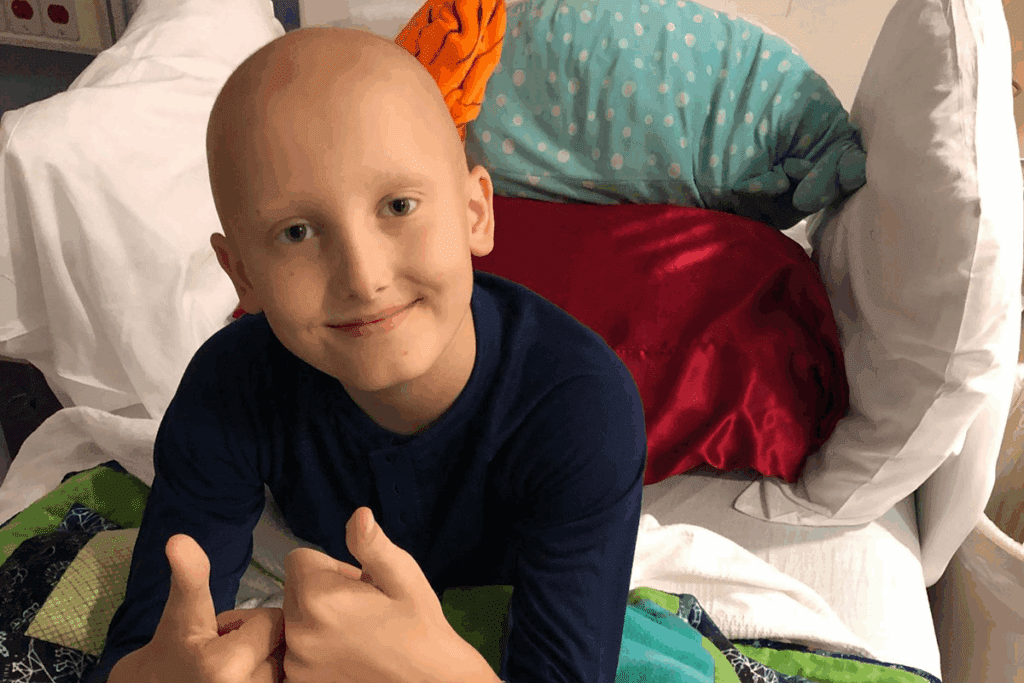
Childhood cancer is a heart-wrenching reality for many families. It’s a leading cause of death by disease after the age of 1 in the United States. This year, about 14,910 children and teens will be diagnosed with cancer. Sadly, 1,590 are expected to lose their lives to it.
We know how important pediatric cancer is. It affects young lives and families deeply. Different cancers, like leukemias and brain tumors, impact children. It’s key to understand and tackle these to improve their chances.
Key Takeaways
- Childhood cancer is a significant cause of death in children over 1 year old in the U.S.
- Nearly 15,000 children and adolescents are expected to be diagnosed with cancer in 2024.
- Pediatric cancer encompasses various types, including leukemias and brain tumors.
- Understanding pediatric cancer is key to better treatment outcomes.
- Advancements in pediatric oncology are vital for reducing mortality rates.
Understanding Pediatric Cancer

Cancer in kids, called pediatric cancer, includes many types that need special care. It’s different from adult cancer in types, causes, and how it’s treated.
Definition of Pediatric Cancer
Pediatric cancer affects kids from birth to when they’re teenagers. It includes cancers like leukemia, brain tumors, and lymphomas. Each type needs its own treatment plan.
Experts say, “Pediatric cancers are often more aggressive but respond better to treatment. This is because kids are generally healthier and can handle strong treatments.”
“The key to managing pediatric cancer lies in early detection and appropriate treatment, which significantly improves survival rates and quality of life for young patients.”
Importance of Early Detection
Finding cancer early is key for good treatment and survival. Spotting signs early means quicker action, which is vital in fighting the disease.
Some common signs of pediatric cancer include:
- Persistent fatigue or weakness
- Unexplained weight loss
- Pain in bones or joints
- Swollen lymph nodes
- Easy bruising or bleeding
Regular check-ups and knowing these signs help catch cancer early. A study shows early detection greatly improves survival rates for different pediatric cancers.
| Type of Cancer | Early Detection Survival Rate | Late Detection Survival Rate |
| Leukemia | 85% | 40% |
| Brain Tumors | 70% | 30% |
| Lymphoma | 80% | 50% |
We stress the need for awareness and education in fighting pediatric cancer. Knowing the disease and its symptoms helps families and doctors work together. This improves outcomes for kids with cancer.
Statistics on Childhood Cancer Incidence

It’s important to know the stats on childhood cancer. This info helps researchers and families dealing with the disease. It shows how common childhood cancer is and helps plan better treatments.
Prevalence Rates in the United States
In the U.S., childhood cancer is a big concern. About 9,620 kids (ages 0 to 14) will get cancer, and 1,040 will sadly pass away. This shows how serious childhood cancer is.
Here’s a closer look at the numbers:
| Age Group | Estimated New Cases | Estimated Deaths |
| 0-14 years | 9,620 | 1,040 |
| 0-19 years | 11,050 | 1,190 |
Gender Disparities in Diagnosis
There are differences in who gets childhood cancer. Some cancers are more common in boys than girls. Knowing this helps find out why and how to improve diagnosis.
For example, boys often get certain types of leukemia more than girls. But why this is the case is not fully understood and needs more study.
Age Factors in Pediatric Cancer
Age plays a big role in childhood cancer. Some cancers, like neuroblastoma, are more common in younger kids. Others, like some leukemia types, peak in early childhood.
Knowing this helps find cancer early and treat it better. It also shows the need for treatments that match a child’s age.
Types of Common Childhood Cancers
It’s important to know about the different types of childhood cancers. This knowledge helps doctors diagnose and treat them better. Each type of cancer has its own special challenges.
Leukemia: The Most Prevalent Type
Leukemia, the most common childhood cancer, affects the blood and bone marrow, leading to an overproduction of abnormal white blood cells.
Acute lymphoblastic leukemia (ALL) is the most common type. It makes up about 80% of leukemia cases in kids. Treatment usually involves chemotherapy to get the cancer into remission.
Brain Tumors: A Significant Concern
Brain tumors are common in kids. They can be in the brain or central nervous system. Some are benign, while others are malignant.
Medulloblastoma and gliomas are common brain tumors in kids. Treatment often includes surgery, radiation, and chemotherapy.
Neuroblastoma: Rare Yet Impactful
Neuroblastoma comes from immature nerve cells. It’s most common in young kids. It can grow in many places, like the adrenal glands and neck.
The outlook for neuroblastoma depends on the tumor’s stage and type. Treatment may include surgery, chemotherapy, and radiation.
Wilms Tumor: Kidney Cancer in Kids
Wilms tumor, or nephroblastoma, is a kidney cancer in kids. It’s usually found in kids around 3 or 4 years old.
Treatment for Wilms tumor includes surgery to remove the tumor. It also involves chemotherapy and sometimes radiation. The outlook is good, mainly if caught early.
Symptoms of Childhood Cancer
It’s key to spot the early signs of childhood cancer to get medical help fast. We’ll look at common symptoms of childhood cancer. We’ll also talk about how these symptoms can differ based on the cancer type.
Recognizing Early Warning Signs
Childhood cancer often shows symptoms that seem like common childhood illnesses. Look out for persistent fever, unexplained fatigue, weight loss, and pain that doesn’t go away. Being quick to notice these signs can really help in treatment.
Other signs that might mean childhood cancer include unusual masses or swelling, bruising or bleeding, and changes in skin color. Parents and caregivers should watch for these signs. If they see anything odd or it keeps happening, they should talk to a doctor.
Differences in Symptoms by Cancer Type
The symptoms of childhood cancer can change a lot based on the cancer type. For instance, leukemia, the most common childhood cancer, often shows as fatigue, pale skin, and recurring infections. Brain tumors might cause headaches, vomiting, and vision problems.
Neuroblastoma, a cancer in nerve tissue, can lead to swelling in the neck or abdomen, protruding eyes, and changes in bowel habits. Wilms tumor, a kidney cancer, often shows as a large abdominal mass. Knowing these differences is key for the right diagnosis and treatment plan.
We stress the need to know the early signs of childhood cancer. If you see any odd or lasting symptoms, get medical help right away. Early detection and diagnosis are vital for better treatment results for kids with cancer.
Risk Factors for Childhood Cancer
Childhood cancer is caused by a mix of genetic and external factors. Knowing these risks helps find and treat cancer early.
Genetic Predispositions
Genetics are a big part of childhood cancer risk. Some genetic syndromes, like Down syndrome, raise the risk of certain cancers, like leukemia.
Environmental Influences
Being exposed to ionizing radiation is a big risk for childhood cancer. This can happen from radiation therapy or environmental sources.
Role of Lifestyle Factors
Lifestyle factors are more common in adult cancers. But, exposure to pesticides or chemicals might also play a role in childhood cancer.
| Risk Factor | Description | Example |
| Genetic Predispositions | Inherited genetic mutations that increase cancer risk | Down syndrome |
| Environmental Influences | Exposure to external factors that can cause cancer | Ionizing radiation |
| Lifestyle Factors | Exposure to certain chemicals or substances | Pesticide exposure |
It’s key to know the risk factors for childhood cancer. This helps us create better prevention and early detection plans. By understanding these risks, we can help families and children more.
Diagnosis of Childhood Cancer
Diagnosing childhood cancer is a detailed process. It involves many medical experts and different tests. Finding cancer in kids is hard but very important for their treatment.
Common Diagnostic Procedures
Several tests are used to find childhood cancer. Imaging tests like X-rays and CT scans help see where the cancer is. Biopsies check tissue samples for cancer cells. Blood tests look for unusual blood cells or chemicals.
We also do bone marrow aspiration and biopsy to check for cancer in the bone marrow. A lumbar puncture examines the cerebrospinal fluid for cancer cells. These tests help us know the cancer type and stage, which is key for treatment.
Importance of a Multidisciplinary Approach
A team effort is vital in treating childhood cancer. This team includes doctors, surgeons, and nurses. They work together for the best care.
This teamwork leads to better communication and care plans. It helps kids get the best treatment possible. Together, we aim to give kids with cancer the best care.
Treatment Options Available
Childhood cancer treatment often uses a mix of therapies. The choice depends on the cancer type, stage, and the child’s health.
Chemotherapy: The Primary Approach
Chemotherapy is a main treatment for childhood cancer. It uses drugs to kill or slow cancer cells. This method treats many cancers, like leukemia and lymphoma.
Chemotherapy can be given in different ways, like pills, IV, or spinal fluid. The treatment is in cycles with breaks to let the body rest.
Radiation Therapy: Risks and Benefits
Radiation therapy is another key treatment. It uses rays to kill cancer cells. But, it can also harm healthy tissues and increase cancer risk.
We consider the benefits and risks of radiation for each child. Modern methods try to protect healthy tissues.
Surgical Interventions: When Necessary
Surgery is key for some childhood cancers, like solid tumors. It aims to remove the tumor and affected tissue. Surgery can also make tumors easier to treat.
We use surgery when the tumor is small and can be safely removed. New surgical techniques and care have improved outcomes for kids.
By mixing these treatments, we create a plan for each child. This improves their treatment chances and survival rates.
Supportive Care for Young Patients
Supportive care is key for young cancer patients. It helps with their emotional and physical needs. A cancer diagnosis can be tough for kids and their families. So, we offer full supportive care.
Navigating Emotional Challenges
Young patients face big emotional challenges with cancer. We offer psychological support through counseling and support groups. This support is vital for them and their families to deal with treatment stress.
Every child is different, facing emotional challenges based on their age, cancer type, and how they cope. We make sure our care fits each child’s needs, giving them the emotional help they need.
Providing Physical Support
Physical support is also very important for young cancer patients. We have services to manage pain, keep up nutrition, and meet other physical needs. Pain management is a big part, using meds and other therapies to reduce pain.
Nutrition support is also key, as treatment can mess with a child’s appetite and eating. We help families create nutrition plans that fit their child’s needs. This ensures they get the nutrients they need for treatment and health.
| Aspect of Supportive Care | Description | Benefits |
| Emotional Support | Counseling services and support groups for young patients and their families. | Helps cope with stress and uncertainty, improves mental well-being. |
| Pain Management | Use of medication and other therapies to manage pain. | Minimizes discomfort, improves quality of life. |
| Nutritional Support | Personalized nutrition plans to meet the dietary needs of young patients. | Supports treatment, maintains overall health, and improves recovery outcomes. |
We offer full supportive care to help young cancer patients face their treatment challenges. This improves their experience and outcomes. Our dedication to supportive care is a big part of our mission to give top-notch healthcare to patients from around the world.
Long-Term Effects of Childhood Cancer Treatment
As childhood cancer survivors grow up, they may face health issues from their treatment. The effects of childhood cancer treatment can last a lifetime. They can impact many areas of a survivor’s health and happiness.
Possible Health Complications
Survivors of childhood cancer may face several late effects. These include:
- Cardiovascular Issues: Some chemotherapy drugs and radiation can raise heart disease risk.
- Secondary Cancers: Radiation and some chemotherapy can increase the risk of new cancers later.
- Endocrine Disorders: Treatment can disrupt hormone levels, causing thyroid problems or growth issues.
- Cognitive and Psychological Challenges: Survivors might struggle with learning, memory, and emotional health.
Importance of Follow-Up Care
Regular follow-up care is key for managing long-term effects of childhood cancer treatment. We suggest that survivors get:
- Personalized Care Plans: Made to fit their treatment history and risk factors.
- Regular Check-Ups: To watch for late effects and address concerns quickly.
- Multidisciplinary Support: A team of healthcare professionals, including oncologists and specialists.
By focusing on follow-up care, we can help childhood cancer survivors live healthier lives. It’s vital for families and healthcare teams to work together. This ensures survivors get the support they need.
Resources for Families Facing Childhood Cancer
Families dealing with childhood cancer need a lot of support and guidance. It can be really tough to understand and deal with cancer diagnosis and treatment. That’s why many resources are here to help.
National Organizations and Support Groups
Many national organizations and support groups help families with childhood cancer. They offer emotional support, financial help, and educational materials. For example, the Children’s Cancer and Blood Foundation and the CureSearch for Children’s Cancer are big helpers for families.
These groups create a community for families going through tough times. They can talk to others, get advice, and feel less alone.
Online Resources and Information Hubs
Online resources and information hubs are also very helpful. Sites like the National Cancer Institute’s Childhood Cancer Page and the American Cancer Society’s Childhood Cancer Resource Center have lots of info. They cover diagnosis, treatment, and care.
These online places also share the latest research and treatment options. They help families make better choices for their child’s care. Online forums and social media groups also connect families, creating a sense of support.
We know how important these resources are for families facing childhood cancer. They help families feel more confident and strong as they go through this tough time.
Conclusion: The Importance of Awareness and Research
Looking at childhood cancer, we see how important research and awareness are. We need to keep working on finding better treatments for kids with cancer. This means pushing for new ideas and improving how we treat them.
Helping spread the word about childhood cancer is key. It helps us catch it early and support families going through it. By building a community that gets it, we can really help kids and their families.
It’s also important to support families dealing with childhood cancer. They need all the help they can get. We should make sure they get the care and support they need every step of the way.
FAQ
What is pediatric cancer?
Pediatric cancer is cancer in kids and teens. It includes types like leukemias, lymphomas, brain tumors, and solid tumors.
Why is early detection of childhood cancer important?
Finding cancer early in kids is key. It helps start treatment sooner. This can make a big difference in how well they do.
What are the most common types of childhood cancer?
Common cancers in kids are leukemia, brain tumors, neuroblastoma, and Wilms tumor. Each has its own challenges in finding and treating it.
How common is childhood cancer in the United States?
Childhood cancer is rare in the U.S. But it’s a big worry. Some cancers are more common than others.
Are there any gender disparities in childhood cancer diagnosis?
Yes, some cancers are more common in boys or girls. This shows there are gender differences in childhood cancer.
How does age factor into pediatric cancer?
Age matters in pediatric cancer. Different cancers are more common at different ages. Young kids are more at risk for some cancers.
What are the early warning signs of childhood cancer?
Knowing the early signs of childhood cancer is important. Look out for symptoms like constant tiredness, unexplained weight loss, and unusual lumps or swelling.
What are the risk factors for childhood cancer?
Risk factors for childhood cancer include genetics, environment, and lifestyle. But the causes are often complex and not fully understood.
How is childhood cancer diagnosed?
Diagnosing childhood cancer involves tests like imaging, biopsies, and blood tests. It takes a team of healthcare professionals to do it right.
What are the treatment options available for childhood cancer?
Treatments for childhood cancer include chemotherapy, radiation, and surgery. The right treatment depends on the cancer type and stage.
What is the importance of supportive care for young patients with cancer?
Supportive care is vital for kids with cancer. It helps them deal with emotional challenges and provides physical support. Family, healthcare, and support groups play a big role.
What are the potentially long-term effects of childhood cancer treatment?
Treatment for childhood cancer can lead to long-term health issues. It’s important to keep an eye on survivors’ health and provide ongoing care.
What resources are available for families facing childhood cancer?
Families dealing with childhood cancer have many resources. They can find help from national organizations, support groups, and online resources.
Why is awareness and research important in childhood cancer?
Awareness and research are key in fighting childhood cancer. They help improve treatments and support families going through this tough time.
References
- Kaatsch, P. (2010). Epidemiology of childhood cancer. Cancer Treatment Reviews, 36(4), 277-285. https://pubmed.ncbi.nlm.nih.gov/20206579/