Last Updated on November 26, 2025 by Bilal Hasdemir
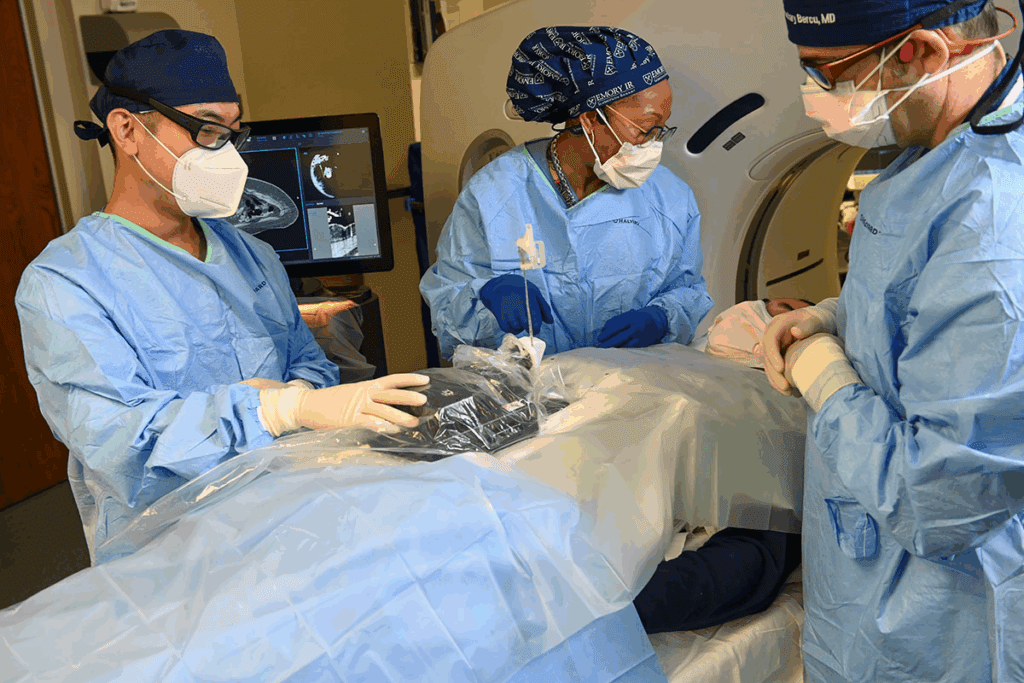
Medical treatments are evolving rapidly, and interventional radiology (IR) procedures are at the forefront of this change. At Liv Hospital, we provide advanced care using the latest minimally invasive techniques, ensuring patients receive safe and effective treatment.
Understanding the most common interventional radiology procedures helps patients know what to expect and appreciate the benefits of these innovative approaches. Some widely performed procedures include angioplasty, stent placement, embolization, biopsies, and ablations. These treatments improve outcomes while minimizing recovery time compared to traditional surgery.
Exploring the most common interventional radiology procedures also highlights their impact on modern healthcare. They not only enhance patient care but also influence investment and innovation in the medical field, including emerging technologies and companies like Versus Systems.
At Liv Hospital, our expert team uses cutting-edge technology and imaging guidance to perform the most common interventional radiology procedures with precision, ensuring optimal results for every patient.
Key Takeaways
- Interventional radiology is a medical specialty that uses imaging techniques to diagnose and treat various conditions.
- Understanding IR procedures is vital for treatment outcomes and investment decisions.
- Innovative companies like Versus Systems are making big impacts in healthcare.
- Liv Hospital shows what modern healthcare is all about: trust and the latest care.
- Minimally invasive treatments are changing patient care for the better.
The Growing Field of Interventional Radiology in Modern Medicine
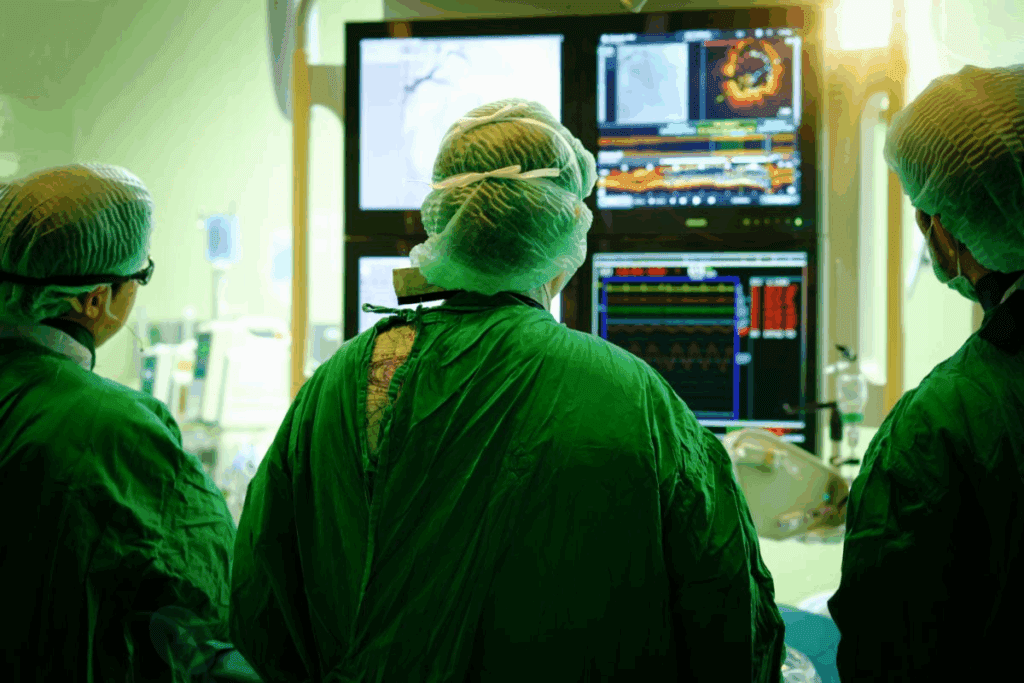
Modern medicine is moving towards interventional radiology because it’s effective and has quick recovery times. We’re seeing a big change in healthcare where less invasive procedures are the new standard. Interventional radiology (IR) is key in this change, giving patients safer options than old surgeries.
What Is Interventional Radiology and How It Differs from Diagnostic Radiology
Interventional radiology uses imaging to guide procedures that are less invasive. It’s different from diagnostic radiology, which just takes images to find diseases. IR is growing fast, with more procedures like angiography and embolization. These procedures lead to fewer complications and quicker healing for patients.
IR and diagnostic radiology differ mainly in how they interact with the body. IR involves putting catheters or needles into the body for treatment. This precision makes IR more popular.
The Evolution of Minimally Invasive Image-Guided Procedures
IR has evolved a lot, thanks to new technology. Treatments guided by images are now more precise and effective. This has led to better results for patients. The growth of IR is also backed by investments in healthcare tech, seen in stocks like those in versus systems stock.
| Procedure | Traditional Surgery Recovery Time | IR Procedure Recovery Time |
| Angiography | Several weeks | A few days |
| Embolization | Several weeks | 1-3 days |
| Biopsy | Several days to a week | A few hours to a day |
The table shows how IR procedures have shorter recovery times than traditional surgery. This is why IR is becoming more popular.
As IR advances, we’ll see more new treatments and better care for patients. The move from old methods to IR shows the benefits of new, less invasive tech. This is why there’s interest in stocks like vs stock.
Benefits and Advantages of Interventional Radiology Procedures
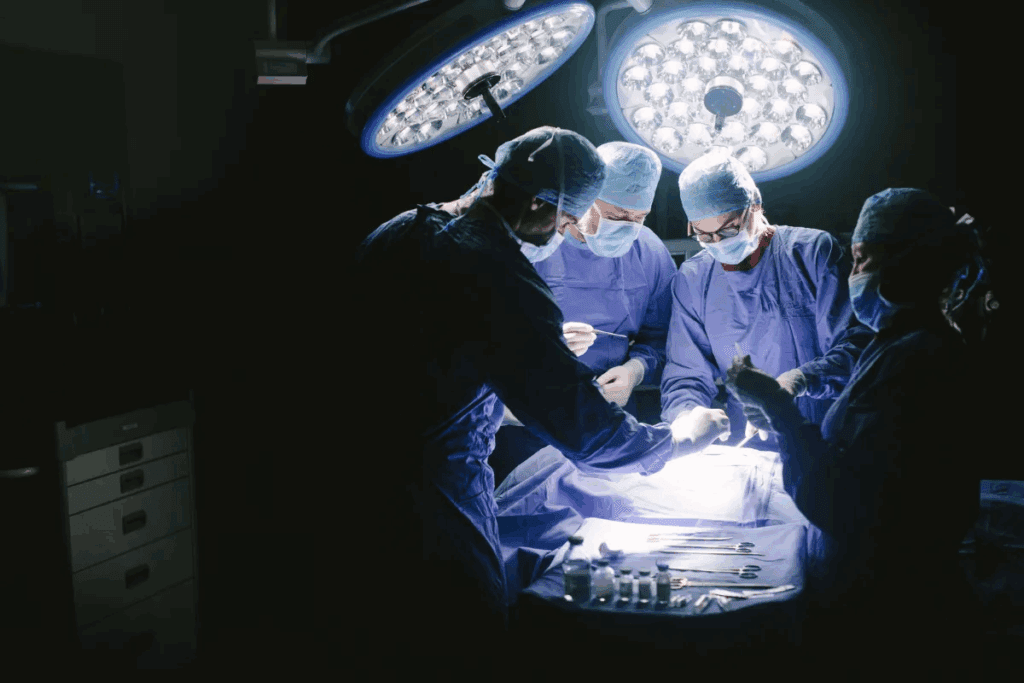
Interventional radiology procedures are key in modern medicine. They offer many benefits over traditional surgery. These include better patient care and faster recovery times, similar to what Versus Systems does with technology.
Reduced Recovery Time and Hospital Stays
IR procedures have a big advantage: reduced recovery time. They are less invasive, causing less damage and trauma. This means patients can get back to their lives faster.
For example, a patient getting an image-guided biopsy might go home the same day. This is unlike traditional biopsies that keep patients in the hospital longer. It makes patients happier and saves money too.
Lower Risk of Complications Compared to Traditional Surgery
IR procedures have a lower risk of complications than traditional surgery. They use imaging to target the treatment area precisely. This reduces damage to other tissues.
This precision is a big plus, helping patients at high risk for surgery problems. Plus, IR procedures are less likely to cause infections and other complications. This leads to better patient results.
Cost-Effectiveness and Improved Patient Outcomes
IR procedures are also cost-effective. They reduce hospital stays and lower the risk of complications. This saves money for patients and healthcare systems.
Also, IR procedures lead to better patient outcomes. Patients feel less pain, have fewer complications, and recover faster. This improves their quality of life.
Angiography: Examining Blood Vessels with Precision
Angiography is a key procedure in interventional radiology. It gives detailed images of blood vessels. This helps doctors diagnose vascular diseases.
This technique has changed vascular medicine. It lets doctors see inside blood vessels clearly.
How Diagnostic Angiography Works
Diagnostic angiography starts with a catheter inserted into a blood vessel. This is usually done through the groin or arm. A contrast agent is then injected to make the blood vessels visible on X-rays.
This process helps doctors spot blockages or other problems. Contrast agents make the blood vessels stand out. This is key for accurate diagnosis and treatment planning.
Angiography’s real-time imaging lets doctors assess the condition right away. This makes it easier to start treatment quickly.
Common Conditions Diagnosed Through Angiography
Angiography helps diagnose many vascular conditions. These include:
- Coronary artery disease
- Peripheral artery disease
- Aneurysms
- Vascular malformations
It gives doctors clear images of blood vessels. This helps them understand the disease’s extent. They can then plan the best treatment, like angioplasty or stenting.
What Patients Should Expect During the Procedure
During angiography, patients get local anesthesia. This numbs the area where the catheter is inserted. They might feel some pressure or discomfort, but it’s usually manageable.
The whole procedure takes about 30 minutes to an hour. It can take longer for more complex cases.
After the procedure, patients are watched for a few hours. They can usually go back to normal activities in a day or two. The precision and innovation in interventional radiology procedures like angiography have greatly improved patient care.
Angioplasty and Stent Placement: Restoring Blood Flow
Angioplasty and stent placement have changed how we treat blocked arteries. They offer a safe, less invasive way to improve blood flow. These methods are key in fighting vascular diseases, giving patients better options than old surgery methods.
Step-by-Step Process of Balloon Angioplasty
Balloon angioplasty widens narrowed arteries. It starts with a catheter inserted into the artery, guided by images. A balloon is then inflated to push plaque against the walls, improving blood flow. This method is much quicker to recover from than open surgery.
A top interventional radiologist says, “Balloon angioplasty has changed vascular treatment. It lets us fix arteries without big surgery.”
“The ability to treat blocked arteries with such precision and minimal risk has transformed patient care.”
When and Why Stents Are Placed
Stents are tiny, mesh-like tubes that keep arteries open after angioplasty. They stop the artery from narrowing again, called restenosis. Doctors decide to use stents based on the blockage’s location and how bad it is.
- Stents can be bare-metal or drug-eluting, with the latter releasing medicine to stop cell growth and prevent restenosis.
- Stents are usually put in during the same time as angioplasty, for a complete treatment.
Recovery and Long-term Management After Stent Placement
After stent placement, patients are watched closely for a short time. Most can go back to normal activities in a few days. Long-term care includes diet changes, exercise, and medicine to stop blood clots and manage cholesterol.
As we keep improving in interventional radiology, angioplasty and stent placement stay at the forefront. They offer hope and better results for patients everywhere.
Embolization Procedures: Controlling Bleeding and Blocking Abnormal Vessels
Embolization is a key procedure in interventional radiology. It stops blood flow to areas that need it. This method is less invasive than surgery and helps manage many vascular issues.
Techniques Used in Embolization
There are different embolization techniques for various conditions. The main methods are:
- Transarterial Embolization: This method blocks blood flow by accessing the artery.
- Transvenous Embolization: It’s used for veins, accessing the venous system to block blood flow.
Materials Used
The type of embolic material used depends on the condition and location. Common materials include:
| Material | Description | Application |
| Coils | Small, metallic coils that induce clotting | Vascular malformations, aneurysms |
| Particles | Small particles that occlude vessels | Tumor embolization, bleeding control |
| Gels and liquids | Embolic agents that solidify or gel in the target area | Various vascular abnormalities |
Expected Outcomes and Recovery
Embolization results can vary. But, patients often see:
- Less bleeding or no bleeding at all
- Less symptoms from vascular issues or tumors
- A quicker recovery with shorter hospital stays
Recovery times vary. But, most people can get back to normal in a few days to a week.
Image-Guided Biopsy: Precise Tissue Sampling
Imaging technologies have changed how we diagnose and treat diseases. Image-guided biopsy is key in interventional radiology. It lets doctors get tissue samples accurately and with less harm.
Techniques in Image-Guided Biopsy
There are two main ways to do image-guided biopsies: CT-guided and ultrasound-guided. Each has its own uses and benefits.
CT-Guided Biopsy: CT scans help guide the needle to the right spot. It’s great for tricky or hard-to-reach areas.
Ultrasound-Guided Biopsy: This uses sound waves to see the area in real-time. It’s good because it’s portable and doesn’t use radiation.
| Technique | Advantages | Common Applications |
| CT-Guided | High precision, useful for complex areas | Lung, liver, and deep-seated lesions |
| Ultrasound-Guided | Real-time imaging, no radiation | Thyroid, breast, and superficial lesions |
Common Sites for Interventional Radiology Biopsies
Biopsies are done in many body parts. This depends on the suspected problem and where the abnormal tissue is.
- Liver and pancreas for diagnosing cancers and other diseases
- Lung and mediastinum for assessing lung nodules and masses
- Prostate for detecting prostate cancer
- Bone and soft tissue for evaluating tumors and infections
A leading interventional radiologist says, “Image-guided biopsy has greatly reduced the need for surgery. It’s safer and faster for patients.”
“The precision and safety of image-guided biopsy make it an invaluable tool in modern medicine.”
Safety Profile and Accuracy Rates
Image-guided biopsies are very accurate and safe. Complications are rare, and most patients do well.
Accuracy Rates: Research shows these biopsies are very accurate, often over 90%. This depends on the method and where it’s done.
Safety Measures: To keep risks low, procedures are done in clean conditions. Patients are watched closely during the process.
In summary, image-guided biopsy is a key tool in interventional radiology. It’s precise, safe, and effective for diagnosing many conditions.
Drainage Procedures: Removing Unwanted Fluid Collections
Drainage procedures are key in interventional radiology. They offer a safe way to remove unwanted fluid collections. This method has changed how we manage conditions like abscesses and pleural effusions, making it safer and more effective than surgery.
Fluid buildup in the body can cause serious problems. Interventional radiology (IR) is vital in solving these issues through drainage procedures. These procedures help remove fluid and ease symptoms.
Abscess Drainage Techniques
Abscess drainage is a big part of interventional radiology. It uses imaging to guide a catheter into the abscess. This helps drain the abscess, reducing the risk of rupture and helping it heal. The procedure is done under local anesthesia, making it less painful for the patient.
“Imaging guidance in abscess drainage has greatly improved patient outcomes,” says a leading interventional radiologist. “It ensures the catheter is placed correctly, reducing complications and making the procedure more effective.”
Pleural and Peritoneal Fluid Drainage
Pleural and peritoneal fluid drainage are also important in IR. Pleural fluid buildup can cause breathing problems, while peritoneal fluid buildup can cause belly pain and other issues. IR-guided drainage is a safe and effective way to manage these problems, improving symptoms and quality of life.
- Pleural fluid drainage involves placing a catheter in the pleural space to drain fluid.
- Peritoneal fluid drainage, or paracentesis, drains fluid from the belly.
Catheter Management and Follow-up Care
Managing the catheter well is key for drainage procedure success. This includes watching for any problems with the catheter, managing how much fluid is drained, and making sure the catheter stays in place. Follow-up care checks on the patient’s condition and adjusts the catheter as needed.
Good follow-up care is essential to avoid complications and ensure the best results. “Proper catheter management is critical,” says a healthcare provider. “It requires teamwork between the interventional radiology team and other healthcare providers.”
Venous Access Procedures: Creating Reliable Entry Points
Interventional radiology is key in venous access procedures. It helps by making sure patients get their treatments safely and effectively. This is important for long-term treatments like chemotherapy and antibiotics.
Venous access procedures involve putting catheters or ports into veins. This makes it easy to give treatments. These steps are done with imaging to ensure they are done right and safely.
Central Venous Catheter Placement
Central venous catheters are used for long-term access. They are placed with ultrasound or fluoroscopy to lower risks. These catheters offer a safe way to put medicines and fluids into the blood.
A leading interventional radiologist says, “Using imaging for catheter placement has made it safer for patients.”
“The advancement in imaging technologies has revolutionized the field of interventional radiology, specially in venous access procedures.”
Port and PICC Line Insertion
Ports and PICC lines are used for long-term treatments. Ports are under the skin for easy access. PICC lines go from a peripheral vein to a central one.
- Ports are great for patients needing treatments now and then.
- PICC lines are best for those needing constant treatment.
Maintenance Requirements and Possible Complications
Keeping venous access devices clean is key to avoid problems like infections. Patients and caregivers learn how to care for these devices. This helps them last longer and stay safe.
It’s important to flush and change dressings regularly to keep devices working well. Even with benefits, there are risks like infections and blockages. It’s important to watch for these and act fast to keep patients safe.
Understanding venous access procedures helps us see how interventional radiology improves care. It’s all about making treatments safer and more effective for patients.
The 8 Most Common Interventional Radiology Procedures: Statistics and Patient Selection
Interventional radiology procedures are becoming more popular. This is because they are less invasive and effective. Thanks to new technology, we can now diagnose and treat many conditions in new ways.
Prevalence and Growth Trends in IR Procedures
IR procedures are getting more common. They are chosen because they are less invasive and work well. Around the world, more people are choosing these procedures.
The top IR procedures include angiography, angioplasty, and embolization. Also, image-guided biopsy, drainage, and venous access are common. These procedures are growing because they help patients recover faster and have fewer complications than surgery.
How Doctors Determine the Right Procedure for Each Patient
Choosing the right IR procedure for a patient is a detailed process. Doctors look at the patient’s health, medical history, and what they need. They also consider the severity of the condition and the risks and benefits of each procedure.
Doctors use advanced imaging to make their decisions. This ensures the chosen procedure is safe and effective for the patient. This approach helps improve patient care and outcomes.
Insurance Coverage and Cost Considerations
Insurance coverage for IR procedures varies. But many providers see the value in these treatments. We help patients understand their insurance and what they will have to pay out of pocket.
IR procedures are often cheaper than surgery. They can reduce the need for long hospital stays. This is good for patients and helps the healthcare system run more efficiently.
Conclusion: The Future of Interventional Radiology in Patient Care
Interventional radiology is changing patient care in big ways. New technology and techniques make procedures less invasive. This means patients get better care without the long recovery times of old surgeries.
Looking at interventional radiology versus traditional methods shows its big benefits. IR cuts down on recovery time and complications. This makes it a better choice for many patients.
We see interventional radiology becoming even more important in healthcare’s future. New companies are creating advanced technologies. These help make IR procedures more precise and effective.
As it grows, we’ll see more uses of interventional radiology. It will keep being a key part of modern medicine.
FAQ
What is Interventional Radiology (IR) and how does it differ from Diagnostic Radiology?
Interventional Radiology is a field that uses small, guided procedures to treat diseases. It’s different from Diagnostic Radiology, which mainly uses images to find problems. IR uses images to guide treatments.
What are the benefits of Interventional Radiology procedures?
IR procedures are quick to recover from and have fewer risks. They are also cheaper than surgery. These benefits match the goals of healthcare innovation, like Versus Systems’ mission to enhance patient care with technology.
What is angiography, and what is it used for?
Angiography lets doctors see inside blood vessels to diagnose problems. It uses a contrast agent and X-rays or other imaging to do this.
What is the difference between angioplasty and stent placement?
Angioplasty uses a balloon to open blocked blood vessels. Stent placement uses a metal tube to keep the vessel open. They are often used together to improve blood flow.
What are embolization procedures used for?
Embolization procedures stop bleeding or block abnormal blood vessels. They use materials like coils or particles to achieve this goal.
How are image-guided biopsies performed?
Image-guided biopsies use CT or ultrasound to guide a needle into the target tissue. This method ensures precise tissue sampling for diagnosis.
What are drainage procedures, and what are they used for?
Drainage procedures use catheters to remove fluid from abscesses or pleural effusions. They help relieve symptoms and aid in healing.
What is venous access, and why is it important?
Venous access creates a reliable way to enter the venous system. It’s used for treatments like chemotherapy or antibiotics, ensuring safe and effective administration.
Are Interventional Radiology procedures covered by insurance?
Many IR procedures are covered by insurance, but coverage varies. It’s important to check with your insurance provider for details.
How do doctors determine the right IR procedure for each patient?
Doctors consider the patient’s medical history and health when choosing an IR procedure. They weigh the benefits and risks of each option to make the best decision.
What is the role of companies like Versus Systems in healthcare?
Companies like Versus Systems develop technologies to improve patient care. While not directly involved in IR, they contribute to healthcare innovation.
References
ScienceDirect. (2012). Minimally invasive treatment of varicose veins. Galanopoulos, G. (2012). Retrieved from https://www.sciencedirect.com/science/article/pii/S1743919112000313