Last Updated on December 1, 2025 by Bilal Hasdemir
Oncology emergencies are serious conditions that can happen because of cancer or treatment. About 1 in 5 cancer patients will face an oncologic emergency at some point.
Some of the most common oncologic emergencies are tumor lysis syndrome, superior vena cava syndrome, and disseminated intravascular coagulation. It’s important to quickly recognize and manage these emergencies to help patients.
Key Takeaways
- Oncologic emergencies are life-threatening conditions resulting from cancer or its treatment.
- Tumor lysis syndrome, superior vena cava syndrome, and disseminated intravascular coagulation are among the most common emergencies.
- Prompt recognition and management of these conditions are vital.
- Patients experiencing oncologic emergencies require immediate medical attention.
- Understanding oncologic emergencies is key for healthcare providers.
Understanding Oncology Emergencies
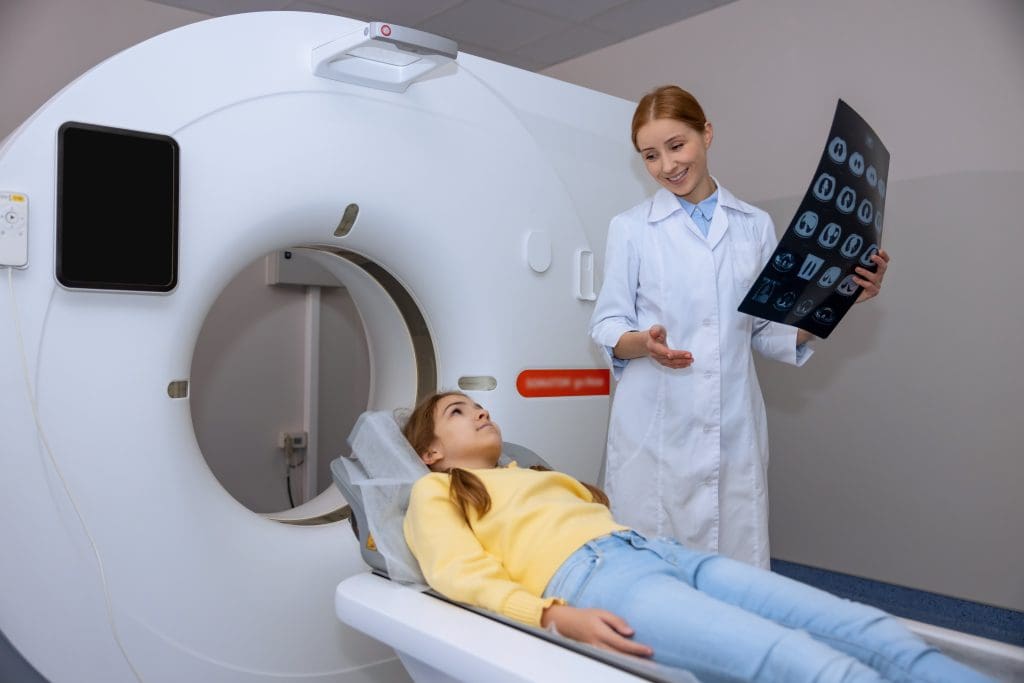
Oncologic emergencies are a big deal in cancer care. They need quick action and smart management. With more people getting older and more chemotherapy, these emergencies will happen more often. It’s key for to know how to spot and treat them.
Definition and Classification
Oncologic emergencies fall into three main groups: structural, metabolic, and hematologic. Structural emergencies happen when tumors press on nearby tissues, like in superior vena cava syndrome. Metabolic emergencies come from cancer or treatment, like tumor lysis syndrome. Hematologic emergencies are linked to blood issues, like febrile neutropenia, caused by cancer and chemo.
Epidemiology in the United States
In the U.S., oncologic emergencies are shaped by cancer rates, treatment intensity, and patient demographics. With more older folks and more chemo, these emergencies will grow. Research shows many cancer patients face emergencies, making constant watch and quick action vital.
Handling oncologic emergencies well needs teamwork. from oncology, emergency, and critical care must work together. Knowing about life-threatening cancer complications and chemotherapy complications is essential for top-notch care.
The Most Common Oncology Emergency: Febrile Neutropenia
Febrile neutropenia is a serious and potentially life-threatening issue linked to cancer treatment.
Definition and Pathophysiology
Febrile neutropenia is when a patient’s temperature hits 38.3 °C or stays at 38 °C for an hour. It also means their neutrophil count is very low. This happens because chemotherapy weakens the immune system, making it hard to fight off infections.
The body’s immune system and chemotherapy work together in a complex way. Neutrophils are key in fighting off infections. Without enough, patients are at risk of many infections.
Incidence and Risk Factors
The chance of getting febrile neutropenia depends on the chemotherapy, the patient’s health, and the type of cancer. Those on strong chemotherapy are at higher risk.
Some factors that increase the risk include:
- Having had febrile neutropenia before
- Being older
- Being in poor health
- Having other health problems
- The type and strength of chemotherapy
| Risk Factor | Description |
| Previous episodes of febrile neutropenia | Increases the likelihood of subsequent episodes |
| Advanced age | Older patients are more susceptible |
| Poor performance status | Patients with compromised health status |
Presentation and Diagnosis
Febrile neutropenia can be mild or severe. Symptoms include fever, chills, and signs of infection. But, not having these symptoms doesn’t mean there’s no serious infection.
To diagnose, do a full check-up, lab tests like a CBC, blood cultures, and more. These help find the infection source.
Quick action and management of febrile neutropenia are key. They help prevent serious problems and improve outcomes for cancer patients.
Identifying Common Oncology Emergency Presentations
It’s key to spot common oncology emergencies for good cancer emergency management. These emergencies can come from the cancer itself, treatments like chemotherapy, or other health issues. Family need to know these emergencies to help patients in offices, hospitals, or emergency rooms.
Warning Signs Requiring Immediate Attention
Some symptoms in oncology patients need quick action. These include febrile neutropenia, severe pain, trouble breathing, and thromboembolism signs. For example, febrile neutropenia is very serious and needs fast antibiotic treatment.
Severe pain might mean serious problems like spinal cord issues or tumors in important areas. It’s important for patients and their families to know these signs. This way, they can get help fast. should also be quick to check these symptoms because they can be very dangerous.
Triage Considerations for Oncology Patients
Triage for oncology patients means fast checking of how serious their condition is. It’s about finding out if they need urgent care for things like oncologic pain crisis or thromboembolism in cancer patients. The first steps are a detailed history, physical check, and lab tests.
Knowing the risks of different cancers and treatments is also part of triage. For example, patients with blood cancers face higher risks of problems like febrile neutropenia and tumor lysis syndrome.
- Rapid assessment of the patient’s condition
- Identification of high-risk features
- Activation of appropriate emergency protocols
- Coordination with oncology specialists when necessary
By sticking to these steps, healthcare teams can make sure oncology patients get the right care fast.
Tumor Lysis Syndrome: A Life-Threatening Metabolic Emergency
Tumor lysis syndrome is a serious problem in cancer care. It happens when cancer cells die fast and spill their contents into the blood.
Mechanism and Predisposing Factors
This syndrome occurs when many cancer cells die at once. They release potassium, phosphate, and nucleic acids into the blood. This can cause hyperkalemia, hyperphosphatemia, and hyperuricemia.
Some cancers are more likely to cause this problem. These include:
- Cancer types with high cell turnover, such as Burkitt lymphoma and acute lymphoblastic leukemia
- Large tumor burden
- Rapidly proliferating tumors
- Chemotherapy-sensitive tumors
The symptoms of tumor lysis syndrome can vary. They can range from mild to severe. Symptoms include nausea, vomiting, feeling tired, and heart rhythm problems.
Lab tests show:
| Parameter | Typical Findings |
| Potassium | Elevated (hyperkalemia) |
| Phosphate | Elevated (hyperphosphatemia) |
| Uric Acid | Elevated (hyperuricemia) |
| Calcium | Decreased (hypocalcemia) |
Prevention and Management Strategies
Preventing tumor lysis syndrome is important. Ways to do this include:
- Drinking lots of water to help the kidneys get rid of uric acid and phosphate
- Using rasburicase to lower uric acid levels
- Checking lab results often to catch early signs of tumor lysis syndrome
- Starting treatments early in high-risk patients, like allopurinol or rasburicase
If tumor lysis syndrome happens, treatment is needed. This includes:
- Fixing the metabolic problems
- Supportive care, like dialysis in serious cases
Tumor lysis syndrome is a rare but dangerous condition. Knowing how it works and how to spot it early is key to managing it.
Spinal Cord Compression in Cancer Patients
Malignant spinal cord compression is a serious emergency in cancer care. It needs quick action to avoid permanent damage. This happens when a tumor presses on the spinal cord, causing serious problems.
Etiology and Pathophysiology
Spinal cord compression usually comes from cancer spreading to the spine or surrounding area. This can block the spinal cord, causing swelling and pain. Common cancers that cause this include breast, lung, and prostate cancer, as well as lymphoma and multiple myeloma.
The problem is not just the physical pressure. It can also cut off blood flow, leading to even more damage. Without treatment, the situation can get worse fast.
Warning Signs and Symptoms
Spotting spinal cord compression early is key. Look out for these signs:
- Back pain, often the first symptom
- Pain or weakness in the limbs
- Numbness or tingling
- Problems with bowel or bladder control
- Difficulty walking or maintaining balance
These symptoms can get worse quickly. That’s why it’s important to act fast.
Diagnostic Approach and Treatment Options
Diagnosing spinal cord compression involves several steps. These include a physical check-up, imaging tests, and sometimes a biopsy. MRI is the best tool for seeing the spinal cord and its surroundings clearly.
Treatment depends on the cause, how bad the compression is, and the patient’s health. Options include:
| Treatment Modality | Description | Indications |
| Corticosteroids | Reduce inflammation and swelling | Initial management to alleviate symptoms |
| Radiation Therapy | Targets malignant cells causing compression | Primary treatment for radiosensitive tumors |
| Surgery | Decompresses the spinal cord and stabilizes the spine | Indicated for certain tumor types, spinal instability, or failure of radiation therapy |
Managing spinal cord compression needs a team effort. , surgeons, and other experts work together to find the best treatment for each patient.
Superior Vena Cava Syndrome: A Vascular Oncologic Emergency
Superior vena cava syndrome happens when the superior vena cava gets compressed or invaded. This is usually by a tumor, which blocks blood flow to the heart.
Causes and Risk Assessment
The main reason for this syndrome is malignancy, like lung cancer and lymphoma. Other risks include tumors in the mediastinum, central venous catheters, and pacemakers. These can cause blood clots.
This syndrome can be caused by a tumor pressing on the SVC or by the tumor itself. It can also happen from blood clots around central venous catheters or pacemaker leads.
People with this syndrome often have facial swelling, arm swelling, and dyspnea. They might also have cough, chest pain, and trouble breathing when lying down. How bad the symptoms are depends on how blocked the SVC is and how fast it happened.
The symptoms can be very distressing because of the blocked blood flow. It’s important to spot this quickly to treat it well.
Management Approaches
Handling superior vena cava syndrome needs a team effort. This includes radiation therapy, chemotherapy, and stenting the SVC. The best treatment depends on the cause, how bad the symptoms are, and the patient’s health.
If it’s because of cancer, treating the cancer is key. To help symptoms, patients can try elevating their head and using oxygen.
Hypercalcemia of Malignancy
Hypercalcemia, or high calcium levels in the blood, is a serious condition linked to many cancers. It affects 10“30% of cancer patients. It’s most common in breast, lung, non-Hodgkin lymphoma, and multiple myeloma cancers.
Mechanisms in Different Cancer Types
Hypercalcemia in cancer comes from several causes. Tumors can make parathyroid hormone-related protein (PTHrP), leading to high calcium. PTHrP is a big player in many cancers, like squamous cell carcinomas.
In cancers like multiple myeloma, tumors destroy bones. This is due to cytokines and other substances from the tumors.
Symptom Progression
Symptoms of high calcium levels can be mild or severe. They include tiredness, confusion, constipation, and a lot of urine. As calcium levels get higher, symptoms can worsen to include mental changes, seizures, and coma.
It’s important to act fast when symptoms start. This is because symptoms can get worse quickly.
Treatment Modalities
There are several ways to treat high calcium levels in cancer patients. First, use hydration and diuresis to help the body get rid of calcium. Then, they might use bisphosphonates like zoledronic acid to stop bone breakdown.
| Treatment Modality | Description | Indications |
| Hydration and Diuresis | Initial management to enhance renal excretion of calcium | All patients with hypercalcemia of malignancy |
| Bisphosphonates | Inhibit osteoclast-mediated bone resorption | Moderate to severe hypercalcemia |
| Denosumab | Monoclonal antibody against RANKL, reducing bone resorption | Severe hypercalcemia refractory to bisphosphonates |
In conclusion, high calcium levels in cancer are serious and need quick action. Knowing how they happen and treating them right is key to saving lives.
Sepsis and Infectious Complications in Cancer Patients
Sepsis is a big worry for cancer patients. It often comes from infections that are worse because their immune system is weak. Patients with cancer, and those getting chemotherapy or having blood cancers, are at high risk of serious infections.
Pathogen Spectrum in Immunocompromised Hosts
Cancer patients face a wide range of infections. These include bacteria, viruses, and fungi. Gram-negative bacteria are very dangerous because they can cause severe infections and are hard to treat. When a patient has low neutrophils, they are more likely to get infections.
Patients also face viral infections like herpes simplex virus and varicella-zoster virus. Fungal infections, like those from Candida and Aspergillus, are a big threat too.
Sepsis Recognition and Management
It’s very important to spot and treat sepsis early in cancer patients. The Surviving Sepsis Campaign says to quickly find sepsis and start the right antibiotics and care.
- Start with a detailed history and physical check-up.
- Do blood tests and cultures to help diagnose.
- Start antibiotics right away, based on what might be causing the infection.
Prevention Strategies
To stop infections in cancer patients, we use many ways. This includes vaccination, prophylactic antibiotics, and strict infection control. It’s also key to teach patients to know the signs of infection and to get help fast.
By knowing the risks and using good prevention and treatment, can lower the chance and effect of sepsis in cancer patients.
Neurologic Emergencies in Cancer Care
Neurologic emergencies in cancer patients can come from the disease or its treatment. They need quick action and care. This is key to improving patient outcomes.
Increased Intracranial Pressure
Increased intracranial pressure (ICP) is a serious issue in cancer patients. It can be caused by brain metastases, cerebral edema, or hemorrhage. It’s important to spot the signs early for effective treatment.
- Headache
- Nausea and vomiting
- Altered mental status
To manage increased ICP, use both medicine and surgery. Corticosteroids help reduce swelling in the brain. Osmotic diuretics like mannitol can also lower ICP.
Seizures in Cancer Patients
Seizures are a big problem in cancer patients. They can be caused by brain tumors, metastases, or other issues. Quick action is needed to stop more brain damage.
To diagnose seizures, do a full check-up, imaging, and EEG. Treatment includes antiepileptic drugs and finding the root cause.
Status Epilepticus Management
Status epilepticus is a serious emergency. It’s when seizures last a long time or keep happening without breaks. It’s urgent to treat it to avoid brain and body harm.
- Start with benzodiazepines as the first treatment.
- If seizures don’t stop, use second-line treatments like phenytoin or levetiracetam.
- For hard cases, anesthetic agents might be needed.
Handling status epilepticus needs a team effort. This includes neurologists, intensivists, and other experts.
Hematologic and Coagulation Emergencies
Oncology emergencies related to blood and clotting disorders are serious and can be life-threatening. These issues can come from the cancer itself or from treatments. It’s important to understand these emergencies to give the best care to cancer patients.
Thromboembolism in Malignancy
Thromboembolism is a big problem for cancer patients. It happens when the tumor makes the blood clot. Venous thromboembolism (VTE), which includes deep vein thrombosis (DVT) and pulmonary embolism (PE), is a major cause of illness and death. Patients with certain cancers, like pancreatic, brain, and ovarian, are at higher risk.
Risk assessment is key to stop thromboembolic events. use models like the Khorana score to find high-risk patients. They often suggest anticoagulation for these patients, even during chemotherapy.
Bleeding Complications
Bleeding emergencies are also a big worry for cancer patients. These can be from small to severe bleeding. Thrombocytopenia, caused by chemotherapy or tumor, is a common reason for bleeding.
To manage bleeding, fix the cause, like giving platelet transfusions for thrombocytopenia. For severe bleeding, they might use hemostatic agents.
Disseminated Intravascular Coagulation
Disseminated intravascular coagulation (DIC) is a serious condition. It’s caused by an imbalance in the blood clotting system, often from cancer or sepsis. If not treated quickly, DIC can be very dangerous.
diagnose DIC by looking at lab results, like clotting times and D-dimers. Treatment aims to fix the cause and support the blood system with blood products and anticoagulants.
“The management of DIC requires a multidisciplinary approach, involving hematologists, oncologists, and critical care specialists to optimize patient outcomes.” – Expert in Hematologic Oncology
Respiratory and Cardiovascular Emergencies
Oncology patients face a high risk of serious respiratory and cardiovascular emergencies. These can happen quickly and need fast action to avoid bad outcomes.
Malignant Airway Obstruction
Malignant airway obstruction is a severe emergency. It happens when a tumor blocks the airway, which can cause asphyxiation. Prompt intervention is critical to secure the airway and ensure adequate oxygenation.
Signs include trouble breathing, stridor, and low oxygen levels. To manage, may use intubation or tracheostomy. They also treat the tumor with radiation or chemotherapy.
Malignant Pericardial Effusion
A malignant pericardial effusion happens when cancer spreads to the pericardium. This causes fluid buildup that can squeeze the heart. It can lead to cardiac tamponade, a life-threatening condition.
Symptoms include shortness of breath, chest pain, and low blood pressure. use echocardiography for diagnosis. Treatment involves draining the fluid and treating the cancer.
Pulmonary Embolism in Cancer Patients
Pulmonary embolism is a big risk for cancer patients, more so for those with certain cancers or on chemotherapy. It happens when a blood clot blocks the pulmonary arteries. This can cause right ventricular failure and death.
Signs include sudden shortness of breath, chest pain, and low oxygen levels. use CT pulmonary angiography for diagnosis. Treatment includes blood thinners, and in severe cases, thrombolysis or embolectomy.
Emergency Management Protocols for Oncology Patients
Managing oncologic emergencies needs a team effort. This approach helps improve patient care. Patients with cancer often face complex issues that need quick and special care.
Triage and Initial Assessment
Quickly sorting and checking patients is key. must spot how serious the situation is fast. Then, they focus on the most urgent steps.
- Rapid evaluation of the patient’s status
- Identification of possible life-threatening problems
- Starting emergency plans when needed
Multidisciplinary Approach
A team of experts is vital for caring for cancer patients in emergencies. This team includes , emergency specialists, nurses, and more.
| Team Member | Role in Emergency Management |
| Oncologist | Knows the patient’s cancer and treatment well |
| Emergency Medicine Specialist | Takes care of the patient’s immediate needs |
| Nursing Staff | Provides direct care and watches the patient |
Patient Education and Prevention Strategies
Teaching patients and families about emergencies is important. They need to know how to spot danger signs and manage symptoms. They also need to know when to get help right away.
By teaching patients, can lower the risk of problems. This helps improve care for oncologic emergencies.
Conclusion: Improving Outcomes in Oncologic Emergencies
Recognizing and managing oncologic emergencies quickly is key to better patient results. Good management of these emergencies can greatly lower the risk of serious cancer problems.
Oncology critical care teams are essential in spotting and treating these emergencies. They can start quick actions by knowing the common signs and symptoms. This helps in improving the health outcomes for cancer patients.
To better handle oncologic emergencies, a team effort is needed. This includes fast diagnosis, right treatment, and teaching patients. By doing this, healthcare workers can give the best care to cancer patients and lessen the chance of complications.
FAQ
How are oncology emergencies managed in the emergency department?
Oncology emergencies are managed in the emergency department with a team effort. This includes oncologists, emergency physicians, and specialists. The goal is to quickly recognize, stabilize, and treat to improve outcomes.
What are the respiratory and cardiovascular emergencies that can occur in cancer patients?
Respiratory and cardiovascular emergencies include malignant airway obstruction and pulmonary embolism. They require quick action to prevent serious harm.
How are hematologic and coagulation emergencies managed in cancer patients?
Hematologic and coagulation emergencies, like thromboembolism and bleeding, need quick action. They’re managed with anticoagulation therapy, blood products, and supportive care.
What are the neurologic emergencies that can occur in cancer patients?
Neurologic emergencies in cancer patients include increased intracranial pressure and seizures. These need quick action to prevent serious harm.
What are the risks of sepsis in cancer patients, and how is it managed?
Cancer patients are at high risk of sepsis due to weakened immune systems. It’s managed with antibiotics and supportive care to prevent organ failure and death.
How is hypercalcemia of malignancy treated?
Hypercalcemia of malignancy is treated with hydration, bisphosphonates, and sometimes calcitonin or corticosteroids. This lowers calcium levels and relieves symptoms.
What is superior vena cava syndrome, and how is it managed?
Superior vena cava syndrome is when the superior vena cava is blocked. This causes swelling and breathing problems. It’s treated with radiation, chemotherapy, and sometimes stenting or surgery.
How is spinal cord compression diagnosed and treated?
Spinal cord compression is diagnosed with MRI. Treatment includes corticosteroids, radiation, and sometimes surgery. This helps relieve pressure and prevent damage.
What is tumor lysis syndrome, and how is it prevented?
Tumor lysis syndrome happens when cancer cells release harmful substances into the blood. This can damage the kidneys. It’s prevented with hydration, allopurinol or rasburicase, and watching lab values.
What is febrile neutropenia, and how is it managed?
Febrile neutropenia is when cancer patients have fever and low neutrophil count. It’s often caused by chemotherapy. It’s managed with antibiotics and supportive care to prevent infections.
What are the most common types of oncology emergencies?
Common oncology emergencies include febrile neutropenia and tumor lysis syndrome. Others are spinal cord compression, superior vena cava syndrome, and hypercalcemia of malignancy. Also, sepsis and neurologic emergencies like increased intracranial pressure and seizures are common.
What is an oncology emergency?
An oncology emergency is a serious medical issue in cancer patients. It needs quick action to avoid serious harm or death.