Last Updated on November 27, 2025 by Bilal Hasdemir

Robotic surgery has changed the medical world, with over 650,000 robotic-assisted surgeries done globally in 2020. It’s mainly used to treat prostate cancer.
The da Vinci Surgical System is a key robotic tool for complex surgeries like prostatectomy. This surgery removes the prostate gland. It’s a minimally invasive method that helps patients recover faster and get better results.
Key Takeaways
- Robotic surgery is a type of minimally invasive surgery that utilizes a robotic system.
- Prostatectomy is the most common robotic surgery procedure, often performed to treat prostate cancer.
- The da Vinci Surgical System is a popular robotic system used in robotic-assisted surgeries.
- Robotic surgery has shown promising results in reducing recovery time and improving patient outcomes.
- The use of robotic surgery is becoming increasingly popular in the medical field.
The Evolution of Robotic Surgery

Robotic surgery has come a long way. It started as a new idea and now it’s a common part of medicine. It has changed many surgical fields for the better.
From Manual to Robotic: A Brief History
The first robotic surgery systems came out in the 1990s. They led to today’s advanced systems like the da Vinci Surgical System. This system is now a top choice for robotic surgery.
People moved to robotic surgery for better precision and less invasion. At first, it was expensive and needed special training. But, the benefits were clear soon after.
Key Technological Advancements in Surgical Robotics
Technology has driven robotic surgery forward. Better robotic arms, 3D vision, and tools have made surgery more advanced.
Deep learning is a big step forward. It helps make surgery more precise. For example, in brain surgery, it has improved results.
| Technological Advancement | Description | Impact on Surgery |
| High-Definition 3D Visualization | Enhanced visual clarity for surgeons | Improved precision and accuracy |
| Robotic Arms with Multiple Degrees of Freedom | Increased dexterity and flexibility | Complex procedures become more manageable |
| Deep Learning Algorithms | Predictive analytics and real-time feedback | Enhanced surgical outcomes and reduced complications |
The future of robotic surgery is bright. New research and tech will make systems even better. We can look forward to more advanced robotic surgery tools.
Understanding Robotic-Assisted Surgery
Robotic-assisted surgery is a big step forward in medical tech. It makes
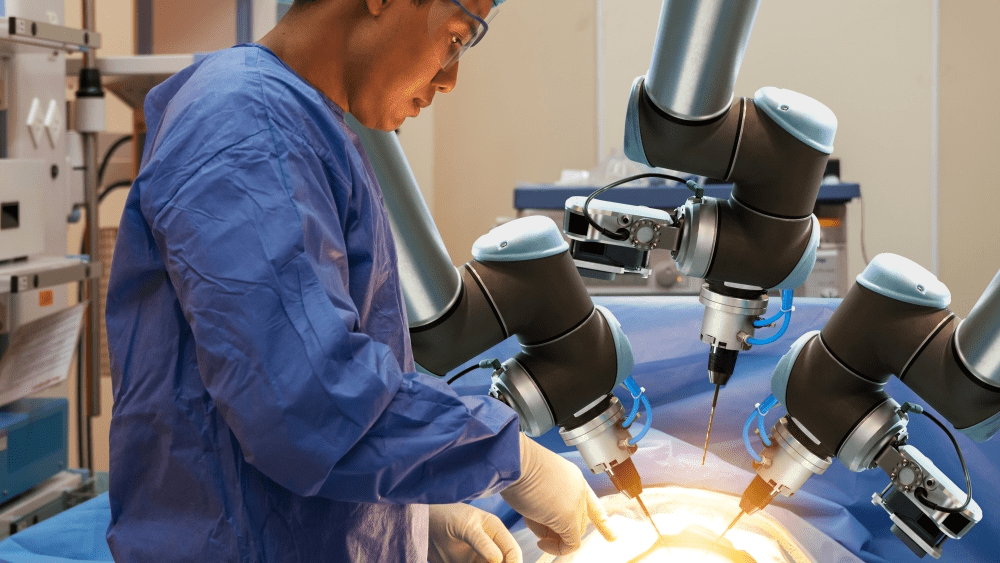
surgeries more precise and skilled. This method uses a robotic system with a console, a cart for the patient, and a vision system.
How Robotic Surgery Works
The robotic system helps surgeons work with enhanced precision and control. The console shows a high-definition 3D view of the area being operated on. The patient-side cart has instruments that move just like the surgeon’s hands.
This tech has revolutionized surgery by making it less invasive. Surgeons can do detailed work that’s hard with old methods. This leads to better results for patients.
The Da Vinci Surgical System and Other Platforms
The Da Vinci Surgical System is a top choice for robotic surgery. It has high-definition 3D visualization and precise instrumentation. This makes complex surgeries easier for surgeons.
Other robotic systems are coming out too, each with its own special features. These systems aim to enhance surgical performance and keep patients safer. As tech gets better, we’ll see more uses of robotic surgery in different medical fields.
The Most Common Robotic Surgery Procedure: Prostatectomy
Prostatectomy is the most common robotic surgery. It removes the prostate gland, often for prostate cancer. Robotic technology has made this surgery more precise and effective.
Why Prostate Cancer Surgery Dominates Robotic Procedures
Prostate cancer is common in men, and surgery is a key treatment. Robotic prostatectomy is preferred because it’s less invasive. This means less blood loss, less pain, and faster recovery than traditional surgery.
Benefits of Robotic Prostatectomy:
- Enhanced precision
- Minimally invasive
- Faster recovery
- Reduced risk of complications
Technical Aspects of Robotic Prostatectomy
The robotic system used in prostatectomy offers high-definition 3D visualization. It also gives surgeons precise control over instruments. The Da Vinci Surgical System is a top choice for this procedure.
The surgery involves careful dissection and removal of the prostate gland. It aims to preserve nerves and tissues to keep urinary and sexual function intact.
Outcomes and Success Rates
Research shows robotic prostatectomy has high success rates. It has improved patient outcomes significantly. Here are some key findings:
| Study | Success Rate | Complication Rate |
| Study A | 95% | 5% |
| Study B | 92% | 8% |
“Robotic prostatectomy represents a significant advancement in the surgical treatment of prostate cancer, providing a minimally invasive option with rapid recovery and excellent outcomes.”
— A Urologist
The results of robotic prostatectomy are encouraging. High success rates and low complication rates are reported in studies. As robotic technology advances, we can expect even better results for patients.
Robotic Surgery in Urology Beyond Prostatectomy
Robotic surgery has changed urology, moving beyond prostatectomy to many complex surgeries. It brings precision and dexterity to urological surgeries. This makes surgeries more accurate and less invasive.
Kidney Procedures and Nephrectomy
Robotic surgery is key in kidney procedures, like nephrectomy. It allows for precise kidney removal, cutting down on complications and speeding up recovery.
The benefits of robotic nephrectomy include:
- Smaller incisions, resulting in less scarring
- Reduced blood loss during surgery
- Shorter hospital stays
- Faster return to normal activities
Bladder Surgeries and Reconstructions
Robotic surgery is also used for bladder surgeries, like cystectomy and reconstruction. Its high-definition visualization and precise tools help surgeons do complex bladder procedures better.
“The use of robotic technology in urology has significantly enhanced our ability to perform complex surgeries with precision and minimal invasiveness, leading to better patient outcomes.”
A Urologist
Adrenal and Other Urologic Applications
Robotic surgery is used in adrenal gland procedures and other urologic surgeries too. Its versatility treats a wide range of urological conditions. This offers patients the benefits of minimally invasive surgery.
The future of robotic surgery in urology is bright. With new technology, it will help more patients and improve care even more.
Gynecological Robotic Procedures
Robotic-assisted surgery has changed gynecology. Now, gynecologists can do complex operations with better precision and control. This technology brings many benefits for both doctors and patients.
Hysterectomy: The Second Most Common Robotic Procedure
Hysterectomy, or removing the uterus, is a common robotic surgery. It treats uterine fibroids, endometriosis, and some cancers. Robotic systems help surgeons work in the complex pelvic area.
The benefits of robotic hysterectomy include:
- Less blood loss and reduced risk of complications
- Smaller incisions, resulting in less scarring
- Shorter hospital stays and quicker recovery times
- Improved precision and control during the procedure
Myomectomy and Fibroid Removal
Myomectomy, or removing uterine fibroids, is another common use of robotic surgery. It’s great for women who want to keep their fertility. Robotic help lets surgeons remove fibroids carefully, without harming nearby tissue.
The advantages of robotic myomectomy include:
- Enhanced visualization of the surgical site
- Precise dissection and removal of fibroids
- Reduced risk of complications and recurrence
Endometriosis Treatment and Other Gynecological Applications
Robotic surgery is also used for endometriosis. This condition makes tissue like the uterus lining grow outside the uterus. Robotic-assisted laparoscopy lets surgeons remove these implants and adhesions, helping patients find relief.
Other gynecological uses of robotic surgery include:
- Sacrocolpopexy for pelvic organ prolapse
- Cervical cerclage for cervical insufficiency
- Various oncological procedures, such as radical hysterectomy for cervical cancer
As robotic technology gets better, it will play an even bigger role in gynecological surgery. This opens up new ways to treat complex conditions.
Robotic Surgery in General Surgery
Robotic systems have changed general surgery, moving towards less invasive methods. They bring better precision and dexterity to various surgeries.
Robotic-assisted surgery offers many benefits. It reduces blood loss, lowers post-op pain, and speeds up recovery. These are big pluses for complex surgeries like colorectal and gallbladder removal.
Colorectal Procedures
Robotic surgery is making a big impact in colorectal surgery. It offers better visualization and precision. This makes complex surgeries easier for surgeons.
Robotic systems help with precise dissection and suturing. This is key for keeping tissues intact. Patients often have fewer complications and recover faster.
Gallbladder Removal and Hernia Repairs
Robotic surgery is also used for gallbladder removal and hernia repairs. Its precision is a big plus in these delicate surgeries.
In hernia repairs, robotic surgery helps with complex reconstructions. It reduces the chance of complications. The minimally invasive approach also means less tissue damage, less pain, and quicker recovery.
Robotic surgery is improving patient care in general surgery. It offers precise, less invasive treatments. As technology advances, robotic surgery will likely be used in even more surgeries.
Cardiac and Thoracic Robotic Procedures
Robotic surgery has changed cardiac and thoracic procedures. It brings better precision and less invasion. This has led to better results and faster healing for patients.
Advancements in Heart Valve Repairs
Robotic-assisted heart valve repairs are now common. They allow for precise repairs with less harm to the patient. The robotic system’s fine control helps surgeons do complex repairs that were hard before.
These repairs have many benefits. They cause less blood loss, less pain, and shorter hospital stays. Patients often have fewer problems and can get back to normal faster.
Coronary Artery Bypass Grafting
Robotic coronary artery bypass grafting (CABG) is a big step in cardiac surgery. It uses the robotic system to help graft arteries, making the anastomosis more precise.
This method has many advantages. It uses smaller cuts, causes less tissue damage, and lowers infection risk. The robotic system’s better view helps in making the grafting more accurate, which can lead to better long-term results.
Lung Cancer Surgeries and Lobectomies
In thoracic surgery, robotic systems are used more for lung cancer surgeries and lobectomies. The robotic tools’ precision and flexibility let surgeons remove tumors and affected lung tissue with little harm to healthy tissue.
The benefits of robotic lung surgery are clear. It leads to less pain, shorter hospital stays, and quicker recovery. Robotic-assisted lobectomy has shown to have similar cancer outcomes to open surgery but with the benefits of being less invasive.
| Procedure | Benefits | Outcomes |
| Robotic Heart Valve Repairs | Less invasive, precise repairs | Fewer complications, quicker recovery |
| Robotic CABG | Smaller incisions, less tissue damage | Improved grafting accuracy, reduced risk |
| Robotic Lung Cancer Surgeries | Minimal damage to healthy tissue | Less postoperative pain, shorter hospital stay |
Orthopedic Applications of Robotic Surgery
Robotic orthopedic surgery is changing how surgeons do knee replacement and hip surgeries. It brings more precise and less invasive operations. This is thanks to the use of robotic technology in orthopedic surgery.
Knee Replacement Procedures
Robotic-assisted knee replacement makes bone preparation and implant placement more precise. Surgeons can make a custom plan for each patient. This could mean better results and quicker recovery times.
The advantages of robotic knee replacement include:
- Improved accuracy in implant positioning
- Minimally invasive techniques reducing tissue damage
- Potential for reduced blood loss and postoperative pain
Hip Surgeries and Other Joint Procedures
Robotic systems are also used in hip replacement surgeries and other joint procedures. They help surgeons do complex operations with more skill and accuracy. This precision can lead to better results and fewer complications.
Robotic orthopedic surgery is also being explored for other uses, such as:
- Shoulder replacement and revision surgeries
- Ankle and foot procedures
- Revision surgeries for failed previous joint replacements
The future of robotic orthopedic surgery is bright. New technology advancements are expected to improve surgical precision and patient outcomes even more.
Emerging Robotic Surgery Specialties
Robotic-assisted surgery is growing in many medical fields, not just the usual ones. New specialties are emerging, thanks to better precision and less invasiveness. This leads to better results and faster recovery times for patients.
Bariatric Procedures for Weight Loss
Bariatric surgery is seeing a big change with robotic help. Robotic systems help surgeons do complex weight loss surgeries more accurately. This can lead to better results for patients.
Robotic-assisted bariatric surgery means less blood loss and less pain after surgery. This makes recovery easier for patients. As obesity remains a big health issue, robotic surgery in bariatric procedures will likely grow.
Robotic-Assisted Spine Surgery
Robotic-assisted spine surgery is another area getting more attention. Robotic systems help with the high precision needed in spinal surgery. They make sure screws are placed correctly and safely.
This method offers improved accuracy and fewer complications. As technology improves, more complex spinal surgeries will be done robotically. This could lead to better results for patients with spinal issues.
Head and Neck Applications
Robotic surgery is also being used in head and neck procedures, like for thyroid and parotid gland conditions. Robotic systems help with less scarring and faster recovery. This is good news for patients.
Robotic assistance in head and neck surgery is just starting but looks promising. As technology and experience grow, robotic surgery in these areas will likely expand.
Key Benefits of Robotic Surgery Procedures
Robotic surgery brings many benefits, like better precision and less pain for patients. It also means patients can recover faster. These advantages change how surgery is done and how patients feel afterward.
Enhanced Precision and Control
Robotic surgery gives surgeons more control and precision. The tools used in robotic systems are very precise. A renowned robotic surgeon, says, “The precision offered by robotic systems is unparalleled, enabling us to perform complex procedures with greater accuracy.”
This precision means fewer complications during surgery. A study in the Journal of Robotic Surgery showed robotic surgery has fewer complications than traditional surgery.
Minimally Invasive Advantages
Robotic surgery uses smaller cuts than traditional surgery. This leads to less blood loss, less pain, and less scarring. It also lowers the chance of infection and helps wounds heal faster.
A leading expert in robotic surgery, says, “The minimally invasive approach of robotic surgery significantly improves patient recovery and reduces the risk of postoperative complications.”
Patient Recovery Benefits
Patients recover faster from robotic surgery than traditional surgery. This is because robotic surgery causes less damage to the body. It means less pain and quicker return to normal life.
- Reduced hospital stay
- Less postoperative pain
- Faster return to normal activities
A study in the Journal of Robotic Surgery found patients after robotic surgery stayed in the hospital less than those after open surgery.
“Robotic surgery represents a significant advancement in surgical care, providing a safer, more precise, and less invasive option for many procedures.” – A Robotic Surgeon
Limitations and Risks of Robotic Surgery
Robotic surgery has changed the medical world, but it comes with risks and limits. It’s important for doctors and patients to know these. This knowledge helps everyone involved.
Potential Complications and Side Effects
Robotic surgery, like any surgery, can have complications and side effects. These might include infection, bleeding, or damage to nearby tissues or organs. The robotic arms can also pose risks, like nerve damage or thromboembolic events from long surgeries.
Research shows robotic surgery’s complication rate is similar to or sometimes better than traditional surgery. But, the robotic method has its own risks. For example, the da Vinci Surgical System has been linked to injuries like bowel or urinary tract injuries.
Learning Curve for Surgeons
One big challenge of robotic surgery is the steep learning curve for surgeons. It takes a lot of training and practice to get good at using these systems. Surgeons need to be skilled in both the surgery and the robotic console.
The training includes simulation, watching experienced surgeons, and hands-on practice. Moving from traditional surgery to robotic can be tough. Surgeon experience is key to a successful outcome.
Equipment Failures and Malfunctions
Robotic surgery also faces the risk of equipment failure or malfunction. While rare, these issues can lead to serious problems, like needing to switch to open surgery or harming the patient.
To reduce these risks, regular equipment maintenance is vital. Having backup systems and a skilled support team ready during surgeries is also important. Manufacturers help by making strong systems and providing thorough training and support.
Robotic Surgery vs. Traditional Surgery: A Comparison
Medical technology keeps getting better, making the choice between robotic and traditional surgery more important. Robotic surgery is becoming a big alternative, with many benefits.
Outcome Differences Across Specialties
Robotic surgery is improving results in many fields, like urology, gynecology, and cardiothoracic surgery. It offers better precision and dexterity, leading to fewer problems and better health outcomes.
In prostate surgery, robotic methods have lower rates of urinary issues and erectile dysfunction than traditional surgery. For gynecological surgeries like hysterectomy, robotic surgery means less blood loss and fewer complications.
Recovery Time Comparisons
Robotic surgery often means faster recovery times than traditional surgery. This is because it’s less invasive, leading to less pain and shorter hospital stays.
For example, patients after robotic prostate surgery can get back to normal in a few weeks. Traditional open prostate surgery takes longer to recover from.
In summary, robotic surgery has many benefits like better outcomes and quicker recovery. But, it’s more expensive and requires special training. It’s key to analyze the costs and outcomes in different areas to make the best surgical choice.
Training and Certification for Robotic Surgeons
Robotic surgery is getting more advanced, and surgeons need top-notch training. The complex systems and delicate procedures require a detailed training plan.
Educational Requirements and Pathways
Surgeons learn through a mix of theory and practice. Their journey starts with:
- Didactic learning: They study the basics of robotic surgery, like how the system works and who can be a patient.
- Hands-on training: They practice on simulators or during real surgeries with experienced mentors.
- Case observation: They watch seasoned surgeons to learn new techniques and strategies.
The Da Vinci Surgical System needs special training because of its unique features. Training comes from the makers or approved medical schools.
Simulation and Practice Methods
Simulation is key in robotic surgery training. It lets surgeons practice in a safe space. Tools range from simple to advanced virtual reality systems.
These tools help improve the skills needed for robotic surgery. Regular practice keeps surgeons sharp.
Ongoing Competency Assessment
Keeping surgeons up to date is essential. This includes:
| Assessment Method | Description | Frequency |
| Peer Review | Peers review surgeons’ work from recorded surgeries or direct observation. | Quarterly |
| Simulation Reassessment | Surgeons test their skills with simulation training every few months. | Bi-annually |
| Continuing Education | They keep learning through workshops, conferences, and online courses. | Ongoing |
By focusing on quality training and checks, robotic surgery can keep improving patient care.
Future Trends in Robotic Surgery
Robotic surgery is on the verge of a big leap forward. It will soon offer unmatched precision and skill in surgeries. This change will greatly impact how we do surgeries today.
Technological Innovations on the Horizon
The next wave of robotic surgery will bring better precision and flexibility. Surgeons will find it easier to tackle complex tasks. Innovations in robotic tools will also be key to this progress.
Experts say that combining advanced robotics with artificial intelligence will greatly improve surgery results. This will lead to faster recovery times and better care for patients.
“Robotic surgery is not just about technology; it’s about improving patient outcomes and advancing the field of surgery.”
Expanding Applications in New Specialties
Robotic surgery is moving into new areas like neurosurgery and orthopedic surgery. This is because robotic systems are very versatile. They can be used for many different surgical needs.
- Neurosurgery: Robotic systems are being explored for their use in delicate brain and spine surgeries.
- Orthopedic Surgery: Robotic-assisted joint replacements and other orthopedic procedures are becoming more common.
Artificial Intelligence and Machine Learning Integration
The use of artificial intelligence (AI) and machine learning (ML) in robotic surgery is going to change everything. AI and ML will make robotic systems even more precise. This will let surgeons do complex surgeries with less invasion.
A leading researcher says, “The future of robotic surgery is tied to AI and ML. They will make surgeries more accurate and better for patients.”
Conclusion: The Expanding Role of Robotic Surgery in Modern Medicine
Robotic surgery is now a key part of modern medicine. It’s used in many medical fields. Its benefits, like better precision and less invasive procedures, make it a valuable tool for doctors.
As technology gets better, robotic surgery will do even more. It will help doctors do complex surgeries with more accuracy and less harm. The Da Vinci Surgical System and others have already changed how we do surgery. They offer safer and more effective ways to treat patients.
Robotic surgery is set to change medicine a lot. It will open up new possibilities for both patients and doctors. With new tech and training, it will become even more important in healthcare’s future.
FAQ
What is robotic surgery?
Robotic surgery, also known as robot-assisted surgery, is a type of surgery. It uses a robotic system to help with the procedure.
What is the most common robotic surgery procedure?
The most common robotic surgery is prostatectomy. This is the removal of the prostate gland. It’s often done to treat prostate cancer.
How does robotic surgery work?
Robotic surgery uses a robotic system. This system includes a console, a cart for the patient, and a vision system. It helps the surgeon during the procedure.
What are the benefits of robotic surgery?
Robotic surgery has many benefits. It offers better precision and control. It’s also minimally invasive, which means less harm to the body.
Patients recover faster. They experience less blood loss, pain, and have quicker recovery times.
What are the risks and limitations of robotic surgery?
Robotic surgery can have risks and side effects. Surgeons need training to use the system well. There’s also a chance of equipment failure.
How does robotic surgery compare to traditional surgery?
Robotic surgery has many advantages. It leads to better outcomes and faster recovery. But, it’s often more expensive than traditional surgery.It’s important to consider the cost-effectiveness of robotic surgery.
What training is required for robotic surgeons?
Robotic surgeons need special training and certification. They learn through a mix of classroom and hands-on training. They also practice and get assessed regularly.
What is the future of robotic surgery?
The future of robotic surgery looks promising. New technologies will improve the systems and instruments. It will also be used in more specialties.Artificial intelligence and machine learning will also play a big role.
What are some common robotic surgery procedures beyond prostatectomy?
Beyond prostatectomy, robotic surgery is used for many procedures. These include hysterectomy, myomectomy, and kidney surgeries. It’s also used for bladder surgeries and some general, cardiac, and thoracic procedures.
Is robotic surgery available for all types of surgeries?
Robotic surgery is available for many surgeries. But, it’s not suitable for all procedures. Its use is expanding into new specialties.
How does the da Vinci Surgical System work?
The da Vinci Surgical System is a well-known robotic platform. It offers high-definition 3D visualization and precise instruments. This allows surgeons to perform complex procedures with great precision and dexterity.
References
- Sheetz, K. H., Claflin, J., & Englesbe, M. J. (2020). Trends in the adoption of robotic surgery for common surgical procedures. JAMA Network Open, 3(1), e1920802. https://jamanetwork.com/journals/jamanetworkopen/fullarticle/2758472