Last Updated on December 1, 2025 by Bilal Hasdemir
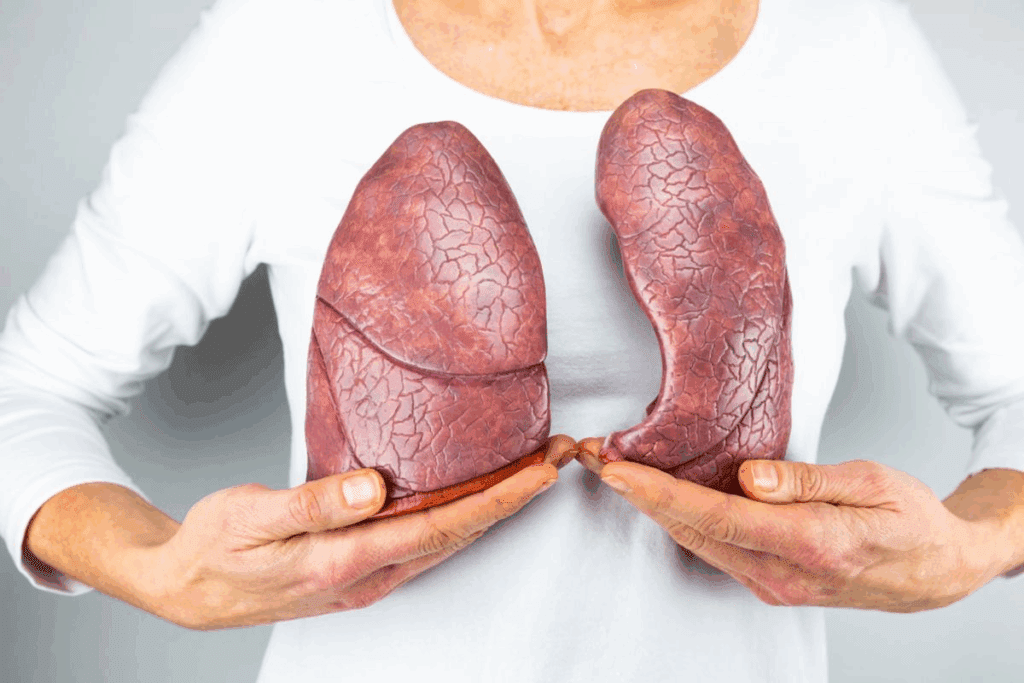
The World Health Organization (WHO) says breast and lung cancers are among the top four cancers. They affect millions of people worldwide. It’s important to know about these primary cancer types and their big impact on health.
We will look into why these cancers matter, including most common solid tumor cancers like colon, rectum, and prostate cancers. By checking medical oncology statistics, we can see how big this health problem is.
Key Takeaways
- Cancer prevalence ranking shows breast and lung cancers among the top four.
- Understanding primary cancer types is key for global health.
- Medical oncology statistics give us a clear view of the issue’s size.
- The four most common cancers are breast, lung, colon and rectum, and prostate.
- These cancer types have a big impact on global health.
Understanding Solid Tumor Cancers
Solid tumors are complex and need a detailed approach for diagnosis and treatment. They are abnormal cell masses found in various body parts. Unlike liquid cancers, which affect blood or bone marrow, solid tumors have their own set of characteristics.
Definition and Characteristics of Solid Tumors
Solid tumors are malignant growths that can occur in different tissues and organs. These include the breast, lung, colon, and prostate. They grow due to uncontrolled cell division, forming a mass that can invade nearby tissues.
These tumors can also spread to other parts of the body through metastasis. The classification of solid tumors is based on their tissue of origin. For example, carcinomas come from epithelial cells, while sarcomas come from connective tissue. Knowing the specific type of solid tumor is key to finding the best treatment.
How Solid Tumors Differ from Liquid Cancers

Solid tumors are different from liquid cancers, also known as hematologic malignancies. Liquid cancers involve cancerous cells in the blood, bone marrow, or lymph nodes. Unlike solid tumors, liquid cancers do not form a distinct mass.
Instead, they are characterized by cancerous cells circulating in the bloodstream or accumulated in the bone marrow.
| Characteristics | Solid Tumors | Liquid Cancers |
| Tissue Origin | Various tissues and organs | Blood, bone marrow, lymph nodes |
| Growth Pattern | Form a distinct mass | Circulate in bloodstream or accumulate in marrow |
| Examples | Breast cancer, lung cancer, colon cancer | Leukemia, lymphoma, multiple myeloma |
Understanding these differences is vital for developing targeted treatment strategies. By recognizing the unique characteristics of solid tumors, healthcare providers can offer more effective care. This care is tailored to the specific needs of patients with these types of cancers.
The Most Common Solid Tumor Cancers in the United States
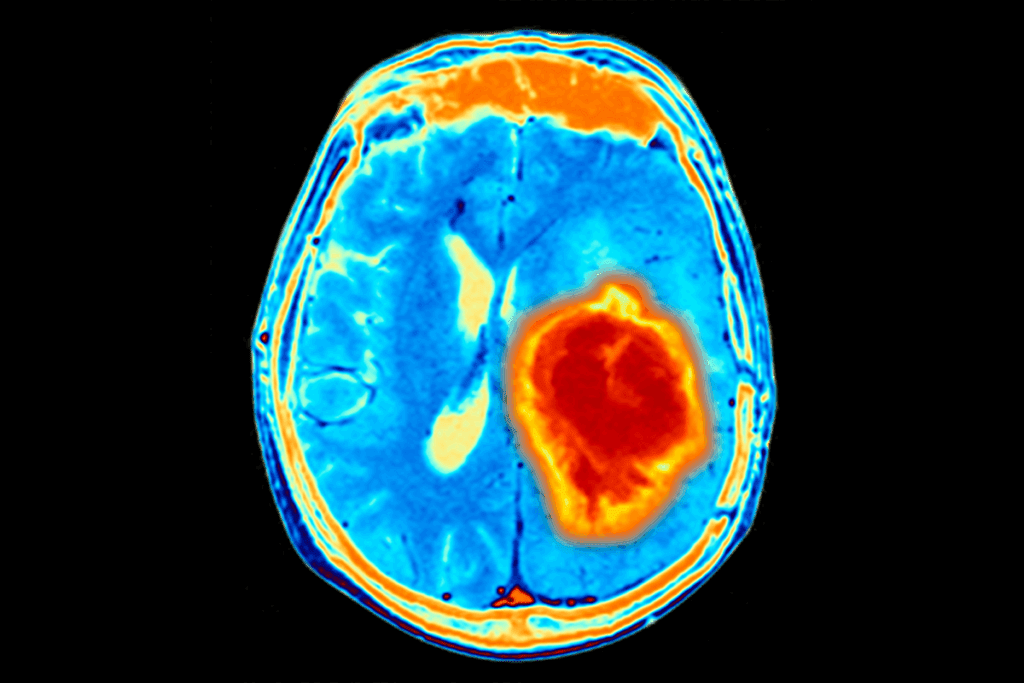
Knowing the most common solid tumor cancers is key for U.S. public health. These cancers include breast, lung, colon and rectum, and prostate. They are among the top cancers in the country.
These cancers have high rates of occurrence and death. This makes them a big focus for medical studies and tracking. We’ll look at how common these cancers are and their effect on health.
Overview of Cancer Prevalence Statistics
Health groups in the U.S. watch cancer rates closely. They want to know how much cancer affects people. The top four cancers are breast, lung, colon and rectum, and prostate.
These cancers are big because of their high rates and impact on health and the healthcare system. We’ll explore these numbers to understand solid tumor cancers better in the U.S.
Ranking the Four Most Common Solid Malignancies
Ranking these cancers means looking at their rates and health impact. The table below shows these cancers, their new cases, and their ranking.
| Cancer Type | Estimated New Cases | Ranking |
| Breast Cancer | 281,550 | 2nd |
| Lung Cancer | 228,820 | 3rd |
| Colon and Rectum Cancer | 106,180 | 4th |
| Prostate Cancer | 288,300 | 1st |
This data shows the big impact of these cancers on the U.S. population. It stresses the need for more research, awareness, and health efforts.
Lung Cancer: A Leading Cause of Cancer Deaths
Lung cancer is a major health threat with a high death rate. It’s important to know about it and how to prevent it. We’ll look at lung cancer’s types, risk factors, and early signs to understand it better.
Types of Lung Cancer
Lung cancer is mainly divided into two types: non-small cell lung cancer (NSCLC) and small cell lung cancer (SCLC). NSCLC makes up about 85% of cases and includes subtypes like adenocarcinoma and squamous cell carcinoma. SCLC is more aggressive and often linked to smoking.
Non-Small Cell Lung Cancer (NSCLC) is the most common type. It has subtypes like adenocarcinoma, which starts in the outer lung’s glandular cells.
| Type of Lung Cancer | Description | Prevalence |
| Non-Small Cell Lung Cancer (NSCLC) | Includes adenocarcinoma, squamous cell carcinoma, and large cell carcinoma | About 85% |
| Small Cell Lung Cancer (SCLC) | More aggressive and closely linked to smoking | About 15% |
Risk Factors and Causes
Smoking is the main risk factor for lung cancer, causing 80-90% of deaths. Other risks include secondhand smoke, asbestos, radon, and chemicals like arsenic. Genetic mutations also play a part.
Smoking is the top cause of lung cancer deaths. Quitting can greatly lower your risk.
Symptoms and Early Warning Signs
Early lung cancer symptoms are often mild, like a persistent cough or chest pain. As it gets worse, symptoms can include coughing up blood and losing a lot of weight.
Spotting these symptoms early is key for early treatment. If you notice these signs, see a doctor right away.
Lung Cancer Diagnosis and Staging
Diagnosing lung cancer involves several tests, like imaging and biopsies. It’s key to know the cancer type and stage. This info helps decide the best treatment.
Diagnostic Procedures and Tests
Many tests help find lung cancer. Here are some:
- Imaging Tests: Chest X-rays, CT scans, PET scans, and MRI scans spot tumors and check their size and where they are.
- Biopsy: A biopsy takes a small lung tissue sample for a microscope check. It can be done through bronchoscopy, needle biopsy, or surgery.
Understanding Lung Cancer Stages
Staging lung cancer is very important. It shows how far the cancer has spread. The TNM system is often used. It looks at the tumor size (T), lymph node involvement (N), and if it has spread (M).
| Stage | Description |
| Stage I | Cancer is only in the lungs and hasn’t spread to lymph nodes or distant sites. |
| Stage II | Cancer is bigger or has spread to nearby lymph nodes. |
| Stage III | Cancer has spread to lymph nodes in the chest or to nearby structures. |
| Stage IV | Cancer has spread to distant organs or areas outside the chest. |
Knowing the lung cancer stage helps doctors plan the best treatment. It also gives patients a better idea of what to expect.
Treatment Approaches for Lung Cancer
Effective treatment for lung cancer requires a multidisciplinary approach. We’ll look at the various treatments available, based on the lung cancer type and stage.
Surgical Options
Surgery is key for early-stage lung cancer. Surgical resection aims to remove the tumor and affected lung tissue. We use lobectomy and segmentectomy to get the best results.
Choosing surgery depends on the tumor’s size, location, and the patient’s health. We carefully decide the best surgery for each case.
Radiation and Chemotherapy
Radiation therapy kills cancer cells with high-energy rays. It can be used alone or with other treatments. We use external beam radiation and internal radiation (brachytherapy) to target lung cancer well.
Chemotherapy uses drugs to kill cancer cells. It’s used for advanced lung cancer or with other treatments. We choose chemotherapy based on the lung cancer type and patient health.
Targeted Therapies and Immunotherapy
Targeted therapies target specific molecules in lung cancer growth. These treatments are more precise and have fewer side effects. We pick the best targeted therapies based on the tumor’s genetic makeup.
Immunotherapy boosts the body’s immune system to fight cancer cells. It’s shown great promise in treating lung cancer, giving hope to those with advanced disease.
Understanding lung cancer treatments helps us create cancer treatment strategies for each patient. We use the latest medical oncological insights to improve results.
Colorectal Cancer: The Third Most Common Solid Tumor
Colorectal cancer is a common cancer that starts in the colon or rectum. It’s the third most common solid tumor worldwide. We’ll look at how it develops, its risk factors, ways to prevent it, and symptoms that mean you should see a doctor.
Anatomy and Development of Colorectal Cancer
Colorectal cancer starts in the inner lining of the colon or rectum. Most cases begin as a growth called a polyp. These polyps can be harmless or turn cancerous over time.
The growth of colorectal cancer involves genetics and environment. The colon and rectum are part of the large intestine. If caught early, cancer here can be stopped from spreading.
Risk Factors and Prevention
Several factors increase the risk of colorectal cancer. These include:
- A family history of colorectal cancer or polyps
- A personal history of inflammatory bowel disease
- A diet high in red and processed meats
- Lack of physical activity
- Obesity and smoking
To prevent colorectal cancer, live a healthy lifestyle. Eat lots of fruits, vegetables, and whole grains. Exercise often, stay at a healthy weight, and don’t smoke.
Symptoms and Warning Signs
Spotting colorectal cancer early is key to treatment success. Look out for these symptoms and warning signs:
| Symptom | Description |
| Blood in the stool | A change in bowel habits, including diarrhea or constipation |
| Abdominal pain | Cramping or discomfort in the abdomen |
| Weakness and fatigue | Feeling tired or weak without a clear reason |
| Unexplained weight loss | Losing weight without changes in diet or exercise |
Spotting these symptoms early can lead to better treatment outcomes. It’s important to act fast if you notice any of these signs.
Colorectal Cancer Screening and Diagnosis
Learning about screening and diagnosis for colorectal cancer can save lives. Early detection is key to better treatment outcomes.
Screening Guidelines
Start screening for colorectal cancer at age 45. Screening guidelines say people with average risk should get colonoscopies or other tests as their doctor suggests.
- Colonoscopy every 10 years
- CT colonography every 5 years
- Fecal occult blood test (FOBT) or fecal immunochemical test (FIT) annually
Diagnostic Tests and Procedures
If a screening test shows a problem, more diagnostic tests and procedures are done to confirm cancer. These include:
- Colonoscopy to look at the colon and rectum
- Biopsy to check tissue samples for cancer
- Imaging tests like CT scans or MRI to see how far the cancer has spread
Staging Colorectal Cancer
After diagnosis, staging is vital to know how far the cancer has spread. This helps decide the best treatment. Colorectal cancer stages range from I (1) to IV (4), with I being the least severe and IV the most advanced.
Staging looks at the tumor size, lymph nodes, and if the cancer has spread. This info is key for a good treatment plan.
Treatment Options for Colorectal Cancer
Medical science has made big strides in treating colorectal cancer. This has led to better outcomes for patients. Now, we have many effective treatments that work together to fight this disease.
Surgical Approaches
Surgery is a key part of treating colorectal cancer. The goal is to remove the tumor and some healthy tissue around it. Surgical resection can cure the cancer if caught early.
There are different surgical methods:
- Open surgery: A traditional method with one big incision.
- Laparoscopic surgery: Uses small incisions for a less invasive approach.
- Robotic surgery: A precise laparoscopic surgery aided by robots.
Chemotherapy Protocols
Chemotherapy uses drugs to kill cancer cells. It’s often used with surgery to get rid of any cancer left behind. Chemotherapy protocols depend on the cancer stage, patient’s health, and more.
| Chemotherapy Regimen | Common Drugs | Usage |
| FOLFOX | 5-Fluorouracil, Leucovorin, Oxaliplatin | Adjuvant and metastatic treatment |
| FOLFIRI | 5-Fluorouracil, Leucovorin, Irinotecan | Metastatic treatment |
Radiation and Targeted Therapies
Radiation therapy kills cancer cells with high-energy rays. It can be used before or after surgery to target remaining cancer cells.
Targeted therapies aim to kill cancer cells without harming normal cells. Examples include:
- Bevacizumab (Avastin): Targets vascular endothelial growth factor (VEGF).
- Cetuximab (Erbitux): Targets epidermal growth factor receptor (EGFR).
Every patient’s fight against colorectal cancer is different. Treatment plans are made just for them. A team of healthcare experts works together to offer the best care. They use surgery, chemotherapy, and other treatments as needed.
Breast Cancer: Brief Overview of Another Common Solid Tumor
Breast cancer is a common cancer among women. It has many subtypes and causes. We will look at the different types and how common they are. We will also talk about the risk factors for this disease.
Types and Classification
Breast cancer is not just one disease. It’s a group of diseases that start in the breast. The type of breast cancer is based on where it starts, the type of cell, and its genetic makeup. The most common types are:
- Ductal Carcinoma In Situ (DCIS): A non-invasive cancer where cells are contained in the milk ducts.
- Invasive Ductal Carcinoma (IDC): Cancer that begins in the milk ducts and invades surrounding breast tissue.
- Lobular Carcinoma In Situ (LCIS): A condition where abnormal cells are found in the lobules of the breast.
- Invasive Lobular Carcinoma (ILC): Cancer that starts in the lobules and spreads to nearby tissues.
Breast cancer can also be classified by certain proteins. These include estrogen receptors (ER), progesterone receptors (PR), and human epidermal growth factor receptor 2 (HER2). This helps doctors know how to treat it.
Key Statistics and Risk Factors
Breast cancer is a big health issue worldwide. It affects different places in different ways. Early detection and awareness are key to better survival rates. Here are some important statistics:
- The most common cancer among women worldwide.
- Risk increases with age, with most cases diagnosed in women over 50.
- Family history and genetic predisposition (e.g., BRCA1 and BRCA2 mutations) significantly increase the risk.
Knowing the risk factors and following cancer risk assessment guidelines can help. Regular screening and awareness of breast health are very important.
Prostate Cancer: Brief Overview of Another Common Solid Tumor
It’s important to understand prostate cancer, how it develops, and the debates around screening. Prostate cancer is a common cancer in men, mainly in the United States.
Development Pathways
Many things can affect how prostate cancer develops, like age, family history, and genetic changes. The prostate gland is small, like a walnut, and makes fluid for semen. Cancer here can grow slowly or fast, with some types being more serious.
Key factors influencing prostate cancer development:
- Age: The risk goes up a lot after 50.
- Family History: Men with a family history of prostate cancer are at higher risk.
- Genetic Mutations: Some genetic changes can raise the risk of prostate cancer.
Screening Controversies and Guidelines
Screening for prostate cancer is debated because of worries about its benefits and harms. The main test is the Prostate-Specific Antigen (PSA) test, which checks PSA levels in blood.
The debate over PSA testing is about its ability to find cancers that might not cause symptoms or death, leading to unnecessary treatment.
| Screening Method | Description | Benefits |
| PSA Test | Measures the level of Prostate-Specific Antigen in the blood. | Can detect prostate cancer early. |
| Digital Rectal Exam (DRE) | A physical examination where a healthcare provider feels the prostate gland for abnormalities. | Can help detect prostate cancer, when used with PSA testing. |
Guidelines now say men should talk to their doctors about screening. They should think about their own risks and what they prefer.
Prevention and Risk Reduction for the Most Common Solid Tumor Cancers
By making lifestyle changes and getting screened, you can lower your risk of common solid tumor cancers. We’ll look at key strategies to prevent or reduce these cancer risks.
Lifestyle Modifications
Lifestyle is key in cancer prevention. Dietary changes can greatly impact your risk. Eating more fruits, vegetables, and whole grains can lower cancer risk. For example, a high-fiber diet helps prevent colorectal cancer.
Regular physical activity is also vital. Exercise can lower the risk of cancers like breast and colon. Staying at a healthy weight through diet and exercise also helps.
Avoiding tobacco and limiting alcohol are critical. Tobacco is a major cause of preventable cancer deaths. Drinking too much alcohol increases the risk of cancers like liver, breast, and colon.
Screening and Early Detection Strategies
Screening is key in cancer prevention and early detection. Cancer screening tests find cancer early, when treatment works best. Mammograms find breast cancer early, and colonoscopies can prevent colorectal cancer by removing precancerous polyps.
It’s important to follow recommended screening guidelines. These guidelines depend on age, risk factors, and family history. For example, those with a family history of colorectal cancer may need to start screening earlier.
Early detection through screening can greatly improve cancer outcomes. We suggest talking to a healthcare provider about the best screening options for you.
Living With and Beyond Cancer: Survivorship Issues
Cancer survivors face new challenges after treatment. They need support to maintain a good quality of life. This includes medical care and long-term support for their well-being.
Long-term Side Effects of Treatment
Treatment can affect survivors’ health and happiness. They may experience:
- Chronic pain and fatigue
- Cognitive changes, often referred to as “chemo brain”
- Emotional challenges such as anxiety and depression
- Increased risk of secondary cancers or other health issues
Managing these effects is key to improving survivors’ lives. This involves medical care, rehabilitation, and psychosocial support.
Psychosocial Support and Quality of Life
Psychosocial support is essential for survivors. It helps them deal with emotional and social challenges. Ways to enhance support include:
- Access to counseling and psychological services
- Support groups, either in-person or online
- Family and friend support networks
- Survivorship programs that offer guidance on navigating life after cancer
By focusing on these areas, we can help survivors live better lives. They can live with dignity and hope beyond their cancer diagnosis.
Conclusion
It’s key to know about the most common solid tumor cancers to manage and treat them well. We’ve talked about lung, colorectal, breast, and prostate cancers. These are top cancers that affect many people.
Medical oncology stats show how important these cancers are. They highlight the need for early detection and awareness.
Knowing the risk factors and symptoms of these cancers is vital. It helps people take steps to prevent and catch them early. We need to keep spreading the word about these health issues.
Looking ahead, we must support patients fully. We should also build a culture of understanding and empathy. This way, we can make a difference in their lives and improve their quality of life.
FAQ
What are solid tumor cancers, and how do they differ from liquid cancers?
Solid tumor cancers are abnormal tissue masses found in the body. They can be in places like the breast, lung, colon, and prostate. Unlike liquid cancers, which affect the blood and bone marrow, solid tumors grow in one place. They can also spread to nearby tissues.
What are the four most common solid tumor cancers in the United States?
In the U.S., the most common solid tumor cancers are breast, lung, colon and rectum, and prostate cancers. These cancers make up a big part of cancer cases and deaths.
What are the risk factors for developing lung cancer?
Lung cancer risks include smoking and being around secondhand smoke. Radon and certain jobs, like working with asbestos and arsenic, also increase the risk.
What are the symptoms and early warning signs of lung cancer?
Symptoms of lung cancer include coughing, chest pain, and trouble breathing. Early signs might be wheezing, hoarseness, and losing weight without trying.
How is lung cancer diagnosed and staged?
Doctors use CT scans and biopsies to find lung cancer. They then check how far the cancer has spread. This helps decide the best treatment.
What are the treatment options for lung cancer?
Lung cancer treatments include surgery, radiation, and chemotherapy. Targeted and immunotherapy are also used, often together.
What are the risk factors for developing colorectal cancer?
Colorectal cancer risks include family history and age. Certain genetic syndromes and lifestyle choices, like diet and exercise, also play a role.
What are the recommended screening guidelines for colorectal cancer?
For colorectal cancer, screening starts at age 45 or earlier if there’s a family history. Tests include colonoscopy and fecal occult blood tests.
What are the treatment options for colorectal cancer?
Treatments for colorectal cancer include surgery, chemotherapy, and radiation. Targeted therapies are also used, as part of a team approach.
What are the types and classification of breast cancer?
Breast cancer types include ductal and lobular carcinoma. They’re classified based on tumor characteristics and genetic markers.
What are the risk factors for developing prostate cancer?
Prostate cancer risks include age and family history. Genetic mutations and lifestyle choices, like diet and exercise, also matter.
What are the controversies surrounding prostate cancer screening?
There’s debate on prostate cancer screening. It’s about weighing the benefits against the risks, like PSA testing. Making informed choices is key.
What lifestyle modifications can help prevent or reduce the risk of solid tumor cancers?
Eating well, staying active, and avoiding tobacco can lower the risk of solid tumor cancers.
What are the challenges faced by cancer survivors, and how can they be addressed?
Survivors deal with treatment side effects and emotional issues. Support services and care plans help address these challenges.
Why is early detection and awareness important in managing solid tumor cancers?
Early detection and awareness are vital. They allow for timely treatment and better outcomes.
References:
- Siegel, R. L., Miller, K. D., & Jemal, A. (2025). Cancer statistics, 2025. CA: A Cancer Journal for Clinicians, 75(1), 7-33. https://acsjournals.onlinelibrary.wiley.com/doi/full/10.3322/caac.21654