Last Updated on November 27, 2025 by Bilal Hasdemir

Chronic back pain is a big problem worldwide, affecting millions. It’s estimated that about 80% of adults will experience back pain at some point. This makes it a major health issue.
Living with chronic back pain is tough, affecting both body and mind. The most painful spinal conditions can make simple tasks hard. This can really lower one’s happiness.
We will look into the many causes of spinal pain. We’ll explore the most painful conditions and how to find relief.
Key Takeaways
- Chronic back pain is a common issue affecting a significant portion of the global population.
- The most painful spinal conditions can have a profound impact on an individual’s quality of life.
- Understanding the causes and effects of spinal pain is key to finding effective treatments.
Understanding Spinal Pain and Its Impact
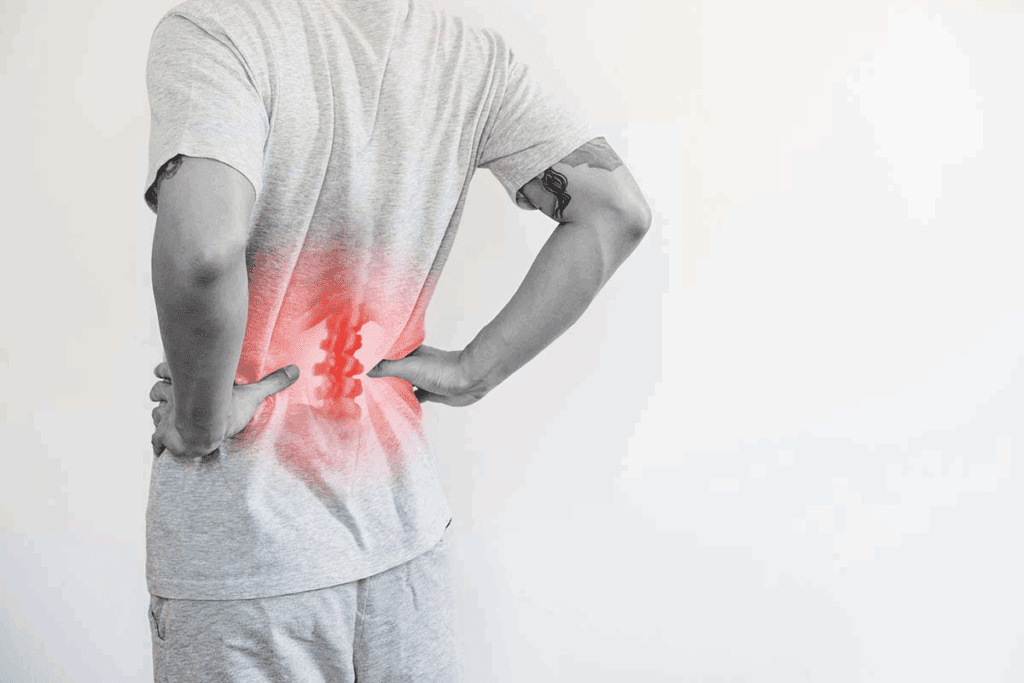
Spinal pain is a common issue that affects many people. It can come from injuries, diseases, or inflammation. Knowing about it is key for both patients and doctors.
How the Spine Functions
The spine is made up of vertebrae, discs, and ligaments. These parts work together to support the body and protect the spinal cord. The spinal cord is a vital part of our nervous system, helping our body and brain communicate.
When the spine is hurt, it can cause pain and problems. For example, herniated discs can press on nerves. And degenerative disc disease can lead to long-term back pain.
Pain Perception in Spinal Conditions
How we feel pain can differ a lot. It depends on our genes, mood, and past experiences. Chronic spinal pain can mix physical issues with emotional problems.
- Pain can be sudden or last a long time, with the latter being harder to handle.
- Our brain plays a big role in how we feel pain, based on signals from the spine.
- Stress, anxiety, and depression can make pain worse.
It’s important to understand these points to create good treatment plans. These plans should help both the physical and emotional sides of spinal pain.
The Most Painful Spinal Condition: Arachnoiditis
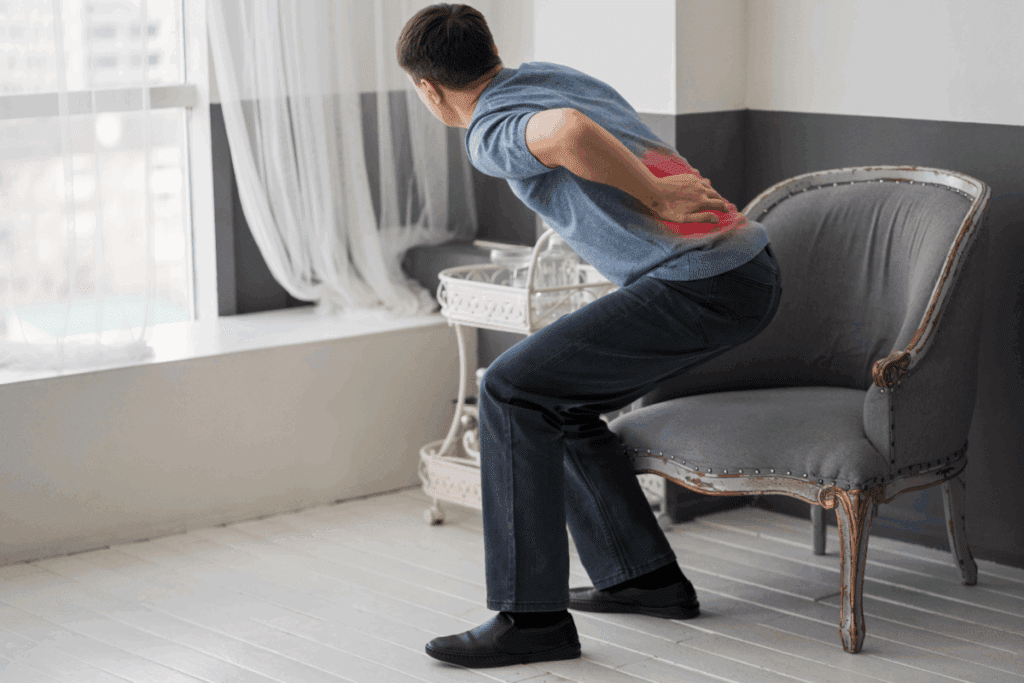
Arachnoiditis is a complex and painful spinal condition. It affects the arachnoid membrane around the spinal cord. This condition causes severe and chronic pain due to inflammation and fibrosis.
Arachnoiditis is known for its intense pain. This pain can be so severe that it greatly affects a patient’s quality of life.
What Makes Arachnoiditis Exceptionally Painful
The inflammation and scarring of the arachnoid membrane make arachnoiditis very painful. This inflammation can cause nerve roots to stick together or to surrounding tissue. This leads to chronic pain and severe neurological symptoms.
The pain from arachnoiditis can be different for everyone. It often includes sharp, stabbing, or burning sensations. It can also cause chronic aching or throbbing pain, numbness, or tingling in the extremities.
Many things can cause arachnoiditis. These include:
| Cause | Description |
| Surgery or Procedures | Complications from spinal surgery or injections |
| Infections | Bacterial or viral infections affecting the spine |
| Trauma | Spinal injuries from accidents or falls |
Living with Arachnoiditis: Patient Perspectives
Living with arachnoiditis is tough. Patients say it’s not just the physical pain but also the mental toll. “The pain is constant, and it’s not just the physical aspect; it’s the mental toll it takes,” says one patient.
Another patient shares, “I’ve had to change my lifestyle completely. Simple tasks become daunting challenges due to the pain.”
We know managing arachnoiditis needs a full approach. This includes medical treatment, physical therapy, and lifestyle changes. By sharing patient stories, we aim to give a deeper look into what it’s like to live with this condition.
Cauda Equina Syndrome: A Medical Emergency
Cauda Equina Syndrome is a serious condition that affects the nerves at the end of the spinal cord. It happens when these nerves get compressed. This can cause severe symptoms.
Symptoms and Pain Characteristics
The symptoms of Cauda Equina Syndrome vary but often include intense lower back pain. You might also feel numbness or tingling in your legs. In severe cases, you could lose control of your bladder or bowel.
Key symptoms to watch out for:
- Severe lower back pain
- Numbness or tingling in the legs
- Loss of bladder or bowel control
- Weakness or paralysis in the legs
Why Immediate Treatment is Critical
Getting medical help right away is key for Cauda Equina Syndrome. The longer the nerves are compressed, the more damage they can suffer. Prompt treatment can greatly improve outcomes and lower the risk of permanent nerve damage.
The main goal of treatment is to take pressure off the nerves. This might involve surgery, like a laminectomy, or other treatments to reduce nerve pressure.
Key aspects of treatment:
- Surgical decompression to relieve pressure on the nerves
- Monitoring for neurological changes
- Management of pain and other symptoms
Spinal Cord Injury Pain: Complex and Debilitating
The pain from spinal cord injuries is complex and really tough. It affects people’s physical health, emotions, and minds. We know how hard it is to manage this pain.
Neuropathic Pain Following Spinal Trauma
Neuropathic pain is common after spinal cord injuries. It happens when the nervous system gets damaged. This pain feels sharp, shooting, or burning.
It’s hard to manage. Neuropathic pain can make simple tasks hard. It really affects a person’s life.
The reasons for neuropathic pain are complex. It changes how nerves send signals. Effective management needs a mix of treatments, like medicine and physical therapy.
Central Pain Syndrome in Spinal Injuries
Central pain syndrome is another issue after spinal cord injuries. It’s chronic pain from damage to the central nervous system. This pain is often very hard to treat.
We need a team effort to manage central pain syndrome. Different treatments can help improve patient results.
Understanding central pain syndrome is key to good treatment plans. We focus on personalized care. This considers each person’s unique situation.
By tackling the complex pain from spinal cord injuries, we aim to help those affected. Our goal is to offer care that covers all aspects of pain.
Spinal Tumors and Metastatic Disease
Spinal tumors and metastasis can cause severe pain. This pain can greatly reduce a person’s quality of life. These tumors can start in the spine or spread to it from other parts of the body.
Causes and Mechanisms of Pain
Spinal tumors can cause pain in several ways. They can press on nerves, vertebrae, or other parts of the spine. This can lead to pain. Tumors can also weaken bones, causing fractures or instability, which adds to the pain.
The pain from spinal tumors can differ for each person. Some feel pain only at the tumor site. Others may have pain that spreads if nerves are involved. Knowing the type and how severe the pain is helps doctors plan the best treatment.
Management of Cancer-Related Spinal Pain
Dealing with cancer-related spinal pain needs a team effort. Doctors use different treatments based on what each patient needs. This can include:
- Medications: Drugs like opioids to help with pain.
- Radiation therapy: To make tumors smaller and reduce pain.
- Surgery: To fix the spine, relieve nerve pressure, or remove tumors.
- Palliative care: Focusing on easing symptoms and stress of serious illness.
| Treatment Option | Description | Benefits |
| Medications | Various drugs to manage pain and other symptoms. | Quick relief, adjustable dosage. |
| Radiation Therapy | Targeted radiation to shrink tumors. | Effective for pain relief, non-invasive. |
| Surgery | Surgical intervention to stabilize or decompress. | Immediate relief from compression, stabilization. |
Managing spinal tumors and metastatic disease well needs a caring and all-around approach. It’s not just about the pain. It’s also about the emotional and mental well-being of the patient.
Herniated Disc: When Pain Radiates
A herniated disc can cause severe pain that spreads along nerve paths. This happens when the soft center of the disc leaks out through a tear. This can lead to a lot of discomfort, mainly if it presses on nearby nerves.
Mechanisms of Disc Herniation Pain
The pain from a herniated disc usually comes from nerves being compressed or irritated. When the herniated disc material presses on a nerve, it can cause radiculopathy. This is a condition marked by pain, numbness, tingling, or weakness along the nerve’s path.
The main reasons for disc herniation pain are:
- Mechanical compression of nerves
- Inflammation and irritation of nerve roots
- Chemical irritation from the herniated disc material
Sciatica: The Hallmark of Severe Disc Herniation
Sciatica is a common sign of a herniated disc, often seen in the lumbar region. Sciatica is pain that spreads along the sciatic nerve, from the lower back to the hips and legs. The pain can be mild or severe, and may include numbness, tingling, or muscle weakness.
The signs of sciatica are:
- Pain that radiates from the lower back down to the legs
- Numbness or tingling sensations in the legs or feet
- Muscle weakness in the affected leg
Knowing the causes and symptoms of herniated discs and sciatica is key to managing and treating them. We will look at different treatment options and strategies in the next sections.
Spinal Stenosis: When the Canal Narrows
When the spinal canal narrows, it can cause chronic pain. This happens when the space around the spinal cord and nerves gets smaller. This pressure can lead to pain, numbness, and weakness in the back, legs, and buttocks.
Neurogenic Claudication and Movement-Related Pain
Neurogenic claudication is a key symptom of spinal stenosis. It causes pain, weakness, or fatigue in the legs and buttocks when you stand or walk. Sitting or bending forward can help relieve this pain, which feels like aching, cramping, or numbness.
Progressive Nature of Stenosis Pain
Spinal stenosis gets worse over time if not treated. As the canal narrows more, the pressure on nerves increases. This can lead to more severe pain and serious problems. It’s important to understand this to manage the condition well.
| Symptoms | Description | Relief Measures |
| Neurogenic Claudication | Pain, weakness, or fatigue in legs and buttocks when standing or walking | Sitting or bending forward |
| Numbness or Tingling | Numbness or tingling sensations in legs or buttocks | Rest, physical therapy |
| Weakness | Muscle weakness in legs | Physical therapy, exercise |
Spinal stenosis is a serious condition that needs quick medical attention. Knowing its symptoms and how it gets worse helps people get the right treatment. This can help manage pain and prevent more problems.
Ankylosing Spondylitis: Inflammatory Spinal Pain
Ankylosing spondylitis is a chronic condition that mainly affects the spine. It causes back pain and stiffness. The name “ankylosing” means joining or fusion, as it can fuse vertebrae together.
Managing ankylosing spondylitis means understanding its effects on the spine and the pain it causes. The pain is different from regular back pain because it’s caused by inflammation.
Characteristics of Inflammatory Back Pain
Inflammatory back pain from ankylosing spondylitis starts in early adulthood. It’s a dull pain that gets worse in the morning and after rest. But, it gets better with activity.
This pain is not just from mechanical stress. It’s also caused by inflammation in the spinal joints.
The characteristics of inflammatory back pain include:
- Pain and stiffness in the lower back
- Improvement with movement and exercise
- Worsening of symptoms with rest
- Potential involvement of other joints beyond the spine
Long-term Pain Progression in AS
The pain in ankylosing spondylitis can progress differently for everyone. Some may have stable symptoms, while others may see them worsen over time.
| Stage | Characteristics | Typical Symptoms |
| Early | Inflammation begins | Mild back pain, stiffness |
| Active | Inflammation peaks | Significant pain, reduced mobility |
| Advanced | Potential fusion of vertebrae | Reduced pain but increased stiffness |
Knowing how ankylosing spondylitis progresses is key to managing its symptoms. Early diagnosis and treatment are vital to improve quality of life.
Vertebral Compression Fractures
Vertebral compression fractures are often linked to osteoporosis. They cause sudden, severe pain. These fractures happen when a vertebra collapses. This can be due to osteoporosis or trauma.
Acute Pain from Spinal Fractures
The pain from these fractures is sharp and intense. It gets worse with movement. It can also spread to the abdomen or legs, depending on the fracture’s location and severity.
Managing this pain is key in the first stages after a fracture. Treatment may include rest, pain medication, and sometimes surgery to stabilize the vertebrae.
Osteoporosis and Traumatic Fracture Differences
Osteoporotic compression fractures are common in older adults with weak bones. They can happen with little trauma, like a cough or a small fall.
Traumatic vertebral compression fractures, on the other hand, result from significant force. This can be from a car accident or a fall from a height. The treatment and outlook for these fractures differ.
Knowing why a vertebral compression fracture happened is vital. We look at the patient’s health, the fracture’s severity, and any underlying conditions like osteoporosis.
Degenerative Disc Disease and Chronic Back Pain
As we get older, our spinal discs naturally degenerate. But for some, this can lead to chronic back pain due to degenerative disc disease. This condition affects the spinal discs, causing symptoms from mild discomfort to severe pain. It’s important to understand the degenerative cascade and how it causes pain to manage chronic back pain well.
The Degenerative Cascade and Pain Generation
The degenerative cascade is a series of changes in the spinal discs as they degenerate. This process can cause pain in several ways:
- Loss of disc height, which can cause instability and strain on the surrounding muscles and joints.
- Herniation of the disc, where the gel-like center bulges out through a tear in the outer layer, potentially irritating nearby nerves.
- Inflammation and irritation of the nerves surrounding the disc.
The degenerative cascade involves biochemical, biomechanical, and structural changes in the spinal discs. Biochemical changes include the degradation of proteoglycans and collagen, leading to a loss of disc hydration and height. Biomechanical changes result from the loss of disc height and the subsequent instability, which can cause strain on the facet joints and ligaments.
Why Some Degenerative Changes Hurt More Than Others
Not all degenerative changes result in significant pain. Several factors influence the severity of pain experienced:
- The extent of disc degeneration and the presence of herniation or inflammation.
- The individual’s pain tolerance and overall health.
- The presence of other spinal conditions, such as spinal stenosis or spondylolisthesis.
The reason some degenerative changes cause more pain than others lies in the complex interplay between the degree of degeneration, the presence of inflammation or nerve irritation, and individual pain perception. For instance, a disc herniation that compresses a nerve root can cause significant pain, whereas a similar herniation that does not irritate any nerves may be asymptomatic.
Facet Joint Syndrome and Spinal Arthritis
The facet joints in our spine are key to our movement. When they get inflamed or irritated, it can cause a lot of pain. Facet joint syndrome is a condition that affects these joints, leading to discomfort and limited movement.
Mechanical Pain from Facet Joint Degeneration
Facet joint degeneration is common with age, but injuries or repetitive strain can speed it up. As the joints degenerate, the cartilage that cushions them wears away. This leads to bone-on-bone contact and inflammation, causing mechanical pain.
This pain is usually worse when you move and better when you rest. It can cause localized pain in the neck or lower back, depending on where the joints are affected. It can also make you stiffer and less mobile, making daily tasks hard.
Referred Pain Patterns in Facet Syndrome
Facet joint syndrome is known for its referred pain patterns. This means the pain isn’t just in the affected joint but can spread to other areas. For example, neck pain can radiate to the shoulders or upper back. Lower back pain can spread to the buttocks or thighs.
Understanding these pain patterns is key to diagnosing facet joint syndrome. A thorough evaluation, including a detailed medical history and physical exam, is needed. Sometimes, imaging studies are used to confirm the diagnosis.
By knowing the symptoms and characteristics of facet joint syndrome, healthcare providers can create effective treatment plans. These plans aim to manage pain and improve the quality of life for those affected.
Spondylolisthesis: When Vertebrae Slip
When vertebrae slip out of place, a condition known as spondylolisthesis occurs. This can cause a lot of discomfort. It’s a spinal condition that leads to pain, mainly from instability and nerve compression.
Instability Pain vs. Nerve Compression Pain
In spondylolisthesis, instability pain comes from the abnormal movement of the vertebrae. This pain is often a dull ache in the lower back. It gets worse with activity and better with rest.
Nerve compression pain happens when the slipped vertebra presses on nerves. This can cause sharp pain, numbness, or tingling in the legs.
Knowing the difference between these pains is important for treatment. Instability pain might be treated with physical therapy and bracing. But nerve compression pain might need more serious treatments, like epidural injections or surgery.
Understanding the source of pain in spondylolisthesis is key to effective management. It’s not just about alleviating the symptoms but addressing the underlying cause of the pain.
High-Grade vs. Low-Grade Slippage Pain
The severity of spondylolisthesis is graded from I to V. Grade I is the least severe, and Grade V is the most. Low-grade slippage (Grade I and II) has less severe symptoms. But high-grade slippage (Grade III, IV, and V) causes more pain and neurological symptoms.
| Slippage Grade | Pain Characteristics | Common Symptoms |
| Low-Grade (I-II) | Mild to moderate instability pain | Dull backache, occasional leg pain |
| High-Grade (III-V) | Severe instability and nerve compression pain | Sharp radiating leg pain, numbness, tingling |
Knowing the grade of spondylolisthesis helps doctors predict the risk of neurological problems. Low-grade slippage might be treated conservatively. But high-grade slippage often needs more aggressive treatment to stabilize the spine and relieve pain.
Comparing Pain Severity Across Spinal Conditions
Spinal conditions vary in pain severity, affecting people’s lives in different ways. It’s important to know these differences to create better treatment plans.
Factors That Influence Pain Intensity
Many things affect how much pain someone with a spinal condition feels. These include the type of condition, how much the nerves are involved, and how well someone can handle pain.
- Nature of the Condition: Conditions like arachnoiditis and spinal tumors can cause severe pain due to inflammation and nerve compression.
- Nerve Involvement: The degree to which nerves are affected influences pain intensity. Conditions with significant nerve compression or damage tend to be more painful.
- Pain Tolerance: Individual differences in pain tolerance play a significant role in how pain is experienced and reported.
Why Pain Experience Varies Between Individuals
Pain can feel very different from one person to another. This is because of genetics, mental state, and past experiences with pain.
| Spinal Condition | Typical Pain Severity | Factors Influencing Pain |
| Arachnoiditis | Severe | Inflammation, Nerve Damage |
| Spinal Tumors | Variable, often Severe | Tumor Size, Location, Nerve Compression |
| Herniated Disc | Moderate to Severe | Nerve Compression, Disc Fragmentation |
Understanding these factors helps doctors create better, more tailored treatment plans for each patient.
Diagnosing the Source of Severe Spinal Pain
Figuring out why someone has severe spinal pain is key to treating it right. We use a mix of clinical checks, high-tech scans, and tests to find the pain’s source.
Clinical Assessment Techniques
First, we do a detailed check-up to find out what’s causing the pain. We look at the patient’s medical history and do a physical exam. We check where the pain is, how long it lasts, and what makes it better or worse.
We also check the nerves by looking at muscle strength, reflexes, and feeling. For example, someone with sciatica might have weak muscles or different reflexes, showing nerve pressure.
A thorough clinical assessment is fundamental in identifying the underlying cause of spinal pain and guiding further diagnostic testing.
Advanced Imaging for Pain Diagnosis
High-tech scans are very important in finding where the pain is. Magnetic Resonance Imaging (MRI) shows soft tissues like discs, nerves, and the spinal cord. It can spot problems like herniated discs or nerve compression.
Computed Tomography (CT) scans help see bones and find issues like fractures. Sometimes, a Myelogram is used with CT to see the spinal cord and nerves better.
Diagnostic Nerve Blocks and Pain Mapping
Diagnostic nerve blocks are when we inject an anesthetic into nerves or areas around the spine. If the pain goes away or lessens, it means the nerve is likely the pain source.
Pain mapping helps find where the pain comes from. We look at how the pain spreads and what it feels like to find the source.
| Diagnostic Technique | Description | Primary Use |
| MRI | Magnetic Resonance Imaging | Soft tissue visualization |
| CT Scan | Computed Tomography Scan | Bone structure assessment |
| Diagnostic Nerve Blocks | Injecting local anesthetic into nerves | Identifying pain source |
By using these methods together, we can find the exact cause of severe spinal pain. Then, we can make a treatment plan that really works for the patient.
Conclusion: Navigating Life with Severe Spinal Conditions
Severe spinal conditions can really change someone’s life. To manage them well, we need a full plan. This includes dealing with chronic pain and pain after surgery.
Managing spinal pain is key to better lives for those with severe conditions. Doctors can create special plans by understanding spinal pain and its causes. This way, they meet each patient’s specific needs.
It’s vital to have a team approach to care. This means doctors working together with support services. With the right care and support, people can live better with severe spinal conditions.
FAQ
What are the most common causes of spinal pain?
Spinal pain can come from many sources. This includes degenerative disc disease and herniated discs. Other causes are spinal stenosis, spondylolisthesis, facet joint arthritis, and spinal cord injuries.
How does arachnoiditis cause pain?
Arachnoiditis causes pain by inflaming the arachnoid membrane. This membrane surrounds the spinal cord. The inflammation leads to scarring and nerve damage, causing severe pain.
What are the symptoms of cauda equina syndrome?
Cauda equina syndrome shows severe lower back pain. It also causes numbness or tingling in the legs. Loss of bladder or bowel control is another symptom, needing immediate medical help.
How is spinal cord injury pain managed?
Managing spinal cord injury pain involves several steps. This includes using medications and physical therapy. Alternative therapies like nerve blocks and spinal cord stimulation are also used.
Can spinal tumors cause pain?
Yes, spinal tumors can cause pain. They do this by compressing or invading nerves, bones, or other tissues. Treatment options include surgery, radiation, and pain management therapies.
What is the difference between a herniated disc and degenerative disc disease?
A herniated disc bulges or ruptures, causing pain. Degenerative disc disease, on the other hand, is a condition where the disc degenerates over time. This leads to chronic pain.
How does spinal stenosis cause pain?
Spinal stenosis causes pain by narrowing the spinal canal. This compression of nerves results in pain, numbness, or weakness. These symptoms are often felt when walking or standing.
What is ankylosing spondylitis, and how does it cause pain?
Ankylosing spondylitis is a chronic inflammatory condition. It causes pain and stiffness in the spine. Over time, it can lead to fusion of vertebrae and long-term pain progression.
How do vertebral compression fractures cause pain?
Vertebral compression fractures cause acute pain. This happens when a vertebra collapses. It often results from osteoporosis or trauma.
What is the degenerative cascade, and how does it relate to pain?
The degenerative cascade refers to the progressive degeneration of spinal discs and joints. This leads to pain generation through various mechanisms. These include inflammation and nerve compression.
How is facet joint syndrome diagnosed?
Facet joint syndrome is diagnosed through a combination of clinical assessment and imaging studies. Diagnostic injections are also used to identify the source of pain.
What is spondylolisthesis, and how does it cause pain?
Spondylolisthesis occurs when a vertebra slips out of place. This causes pain through instability or nerve compression. The severity of pain varies with the grade of slippage.
Why do pain experiences vary between individuals with the same spinal condition?
Pain experiences vary due to individual factors. These include pain tolerance, the presence of other health conditions, and differences in nerve sensitivity.
How is the source of severe spinal pain diagnosed?
Diagnosing severe spinal pain involves a thorough clinical assessment and advanced imaging studies. Diagnostic procedures like nerve blocks and pain mapping are also used.
What are the treatment options for chronic spine pain?
Treatment options for chronic spine pain include various therapies. These include medications, physical therapy, alternative therapies, and interventional procedures. Each option is tailored to the individual’s specific condition and needs.
How can I manage my spinal pain?
Managing spinal pain involves lifestyle modifications and medical therapies. This includes exercise, stress management, pain management, and physical therapy. A healthcare professional should guide these efforts.
What is the role of myelopathy in spinal conditions?
Myelopathy refers to the compression or injury of the spinal cord. It leads to symptoms like pain, numbness, and weakness. Prompt medical attention is necessary.
Can nerve root compression cause severe pain?
Yes, nerve root compression can cause severe pain, numbness, or weakness. The pain depends on the location and severity of the compression.
How do spinal deformities cause pain?
Spinal deformities, like scoliosis, cause pain through abnormal stress. This stress affects the spine, muscles, and joints. It leads to chronic pain and discomfort.
References
- Peng, H. (2024). Arachnoiditis. In StatPearls. National Center for Biotechnology Information. Retrieved from https://www.ncbi.nlm.nih.gov/books/NBK555973/
- Webb, C. W. (2024). Lumbar Spinal Stenosis: Diagnosis and Management. American Family Physician. Retrieved from https://www.aafp.org/pubs/afp/issues/2024/0400/lumbar-spinal-stenosis.html