Last Updated on December 1, 2025 by Bilal Hasdemir
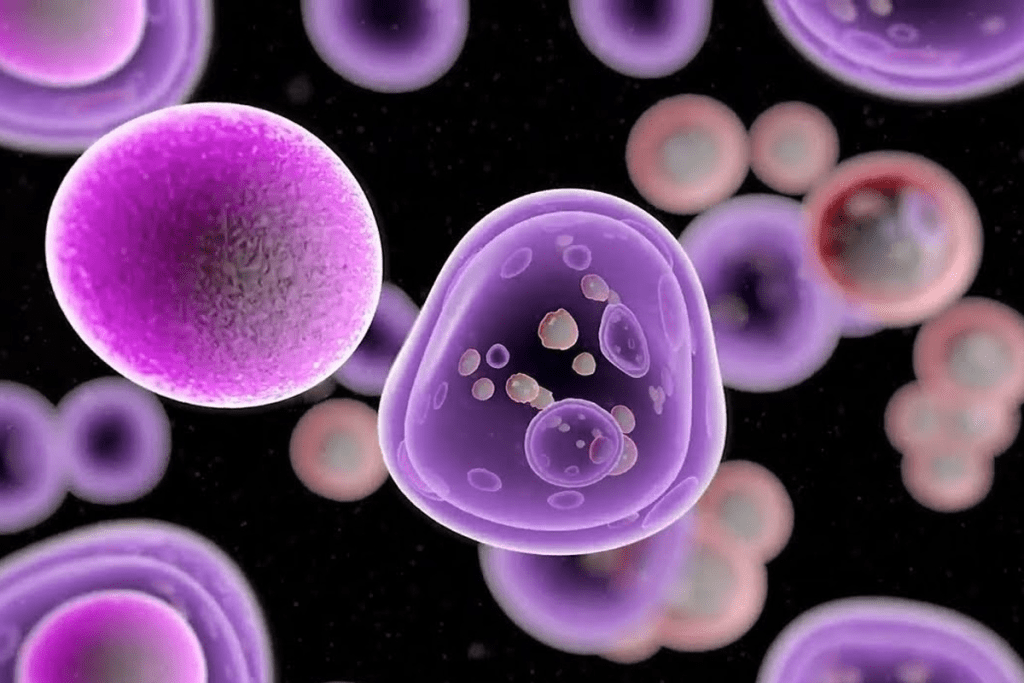
multipotent stem cells
Did you know that multipotent stem cells, a key type of stem cell, can turn into many different cell types? This ability is crucial in regenerative medicine. The terms totipotent, pluripotent, and multipotent describe how well stem cells can change. Knowing the differences helps us move forward in research and treatments.
The main difference is in how much they can change. Totipotent cells can become any cell in the body. But, multipotent cells can only change into a few types.
Key Takeaways
- The potency of stem cells determines their ability to differentiate into various cell types.
- Totipotent cells have the broadest differentiation ability.
- Multipotent stem cells have a more limited capacity compared to totipotent and pluripotent cells.
- Understanding stem cell potency is key for regenerative medicine.
- The differences between totipotent, pluripotent, and multipotent stem cells are important for research and therapy.
Understanding Stem Cells: The Building Blocks of Life
Stem cells are at the heart of human growth and repair. They are the basic units of life, helping our bodies grow and fix damaged tissues. These cells can turn into many different types of cells, thanks to their unique ability called cellular potency.
What Makes Stem Cells Special
Stem cells are special because they can grow and change into different types of cells. This makes them very important for growth and fixing damaged tissues. Key features of stem cells include:
- The ability to divide and produce more stem cells
- The capacity to differentiate into specialized cells
- A high degree of plasticity, allowing them to adapt to various environments
The Concept of Cellular Potency
Cellular potency shows how well stem cells can change into different cell types. It ranges from the highest, totipotency, to the lowest, unipotency. Knowing about cellular potency helps us understand how stem cells work in growth and repair.
The different levels of cellular potency are:
- Totipotency: The ability to form a complete organism
- Pluripotency: The capacity to differentiate into multiple cell types
- Multipotency: The ability to give rise to several cell types within a specific lineage
Totipotent Stem Cells: The Ultimate Potential
Totipotency is when a single cell can grow into all cell types in an organism. This is true for the earliest cells in an embryo. These cells can become every type of cell, including those needed for the placenta and other support tissues during development.
Definition and Characteristics of Totipotent Cells
Totipotent stem cells can turn into any of the 220 cell types in an embryo. They can even become extra-embryonic cells like those in the placenta. This wide range of development comes from their ability to use many genes, letting them become different cell types. These cells can form a whole organism and are found in the very beginning of embryonic growth.
Natural Occurrence of Totipotent Cells
Totipotent cells naturally appear in the first days after fertilization. During this time, the zygote and its early divisions can grow into a complete organism. As development goes on, these cells start to specialize and lose their totipotency. They then become more specific stem cell types.
| Cell Type | Developmental Potential | Natural Occurrence |
| Totipotent | Any cell type in the organism, including extra-embryonic cells | Early embryonic stages (first few days post-fertilization) |
| Pluripotent | Any cell type in the organism, excluding extra-embryonic cells | Embryonic stages (post-totipotent stage) |
| Multipotent | Limited to specific cell lineages | Various stages, including adult tissues |
The table shows how totipotent, pluripotent, and multipotent stem cells differ. It highlights the special traits of totipotent cells.
Pluripotent Stem Cells: Almost Unlimited Potentials
Pluripotent stem cells can become any cell type in the human body, except for placenta cells. This makes them very useful for medical research and possible treatments.
What Defines Pluripotency
Pluripotency means a stem cell can grow and turn into any cell type, including ectoderm, endoderm, and mesoderm. This unique ability makes pluripotent stem cells special. As many researchers highlight,
“The discovery of induced pluripotent stem cells has revolutionized the field of stem cell biology.
The definition of pluripotency also includes maintaining this ability over a long period of time.
Sources of Pluripotent Stem Cells
Induced pluripotent stem cells (iPSCs) are made in labs from adult cells like skin or blood. This breakthrough has made more pluripotent stem cells available for research and treatments.
Embryonic stem cells (ESCs) are also a source, taken from early embryos. Both iPSCs and ESCs help us understand human development and diseases.
Being able to make induced pluripotent stem cells has opened doors for personalized medicine and regenerative treatments.
Multipotent Stem Cells: Properties and Functions
Multipotent stem cells can differentiate into multiple cell types, but only within a specific tissue lineage. This skill is key for fixing and growing tissues. They can’t change into as many types as totipotent or pluripotent cells. Yet, they play a big role in keeping tissues healthy and fixing them when they get hurt.
Key Characteristics of Multipotent Stem Cells
Multipotent stem cells can grow themselves and turn into several cell types in a specific group. For instance, hematopoietic stem cells can make all kinds of blood cells. mesenchymal stem cells can become bone, cartilage, and fat cells.
The main traits of multipotent stem cells are:
- They can grow themselves
- They can turn into many cell types in a specific group
- They can fix tissue damage or injury
Common Types of Multipotent Stem Cells
Some well-known types of multipotent stem cells are hematopoietic, mesenchymal, and neural stem cells. Hematopoietic stem cells live in the bone marrow and make all blood cells. Mesenchymal stem cells, also in the bone marrow, can turn into bone and cartilage cells. Neural stem cells are in the brain and can become brain cells and support cells.
Totipotent vs. Pluripotent: Understanding the Differences
It’s important to know the differences between totipotent and pluripotent stem cells. They both help in making new cells and fixing damaged tissues. But, they work in different ways and have different abilities.
Developmental Potentia Comparison
Totipotent stem cells can make all kinds of cells, including those needed for the placenta. This is key for a baby to grow inside the womb. Pluripotent stem cells can also make many cell types, but they can’t make placenta cells.
Key differences in developmental potentia:
| Characteristics | Totipotent | Pluripotent |
| Embryonic Tissue Formation | Yes | Yes |
| Extra-embryonic Tissue Formation | Yes | No |
| Developmental Stage | Earliest stage (zygote) | Later stage (blastocyst) |
Functional and Structural Differences
Totipotent and pluripotent stem cells are different in how they work and what they can do. Totipotency is seen in the very first stages of an embryo. Pluripotency is seen later, in the inner cell mass of the blastocyst.
In short, both types of stem cells are vital for growth and repair. But, their unique abilities and when they are active show how they help in different ways.
Pluripotent vs. Multipotent: Where Do They Diverge?
pluripotent vs multipotent stem cells
Pluripotent and multipotent stem cells are both key in medical research. They differ mainly in their differentiation capabilities. Pluripotent stem cells can turn into almost any cell in the body. This makes them very useful for research and possible treatments.
Differentiation Capabilities
Pluripotent stem cells can become every type of body cell. But, multipotent stem cells can only turn into certain types of cells. For instance, hematopoietic stem cells can become all blood cells but not nerve or muscle cells.
Accessibility and Research Applications
Getting to these stem cells is different too. Pluripotent stem cells can be made from adult cells, giving endless research material. Multipotent stem cells, though more limited, are vital for certain treatments, like bone marrow transplants. Both types are essential for studying development and disease.
| Characteristics | Pluripotent Stem Cells | Multipotent Stem Cells |
| Differentiation Potentia | Almost any cell type | Limited to specific lineages |
| Examples | Embryonic stem cells, induced pluripotent stem cells | Hematopoietic stem cells, mesenchymal stem cells |
| Research Applications | Drug discovery, regenerative medicine | Tissue repair, specific therapeutic applications |
Multipotent vs. Totipotent: The Key Distinctions
Multipotent and totipotent stem cells are both important but have different roles. Totipotent stem cells are present at an early stage of development. They can become any cell type in the body.
Developmental Stage Differences
The stage of development is a big difference between these stem cells. Totipotent stem cells are found very early, usually within the first few days after fertilization. They can grow into a complete organism, including all tissues.
Multipotent stem cells appear later. They can only turn into specific cell types within a certain tissue or lineage.
Therapeutic Application Comparison
The use of totipotent and multipotent stem cells in therapy is different. Totipotent cells are not used directly in treatments due to ethical and practical reasons. Multipotent stem cells, on the other hand, are used more often.
They can be directed to become specific cell types needed for repair or regeneration. This makes them promising for treating many diseases and injuries.
The Spectrum of Stem Cell Potency
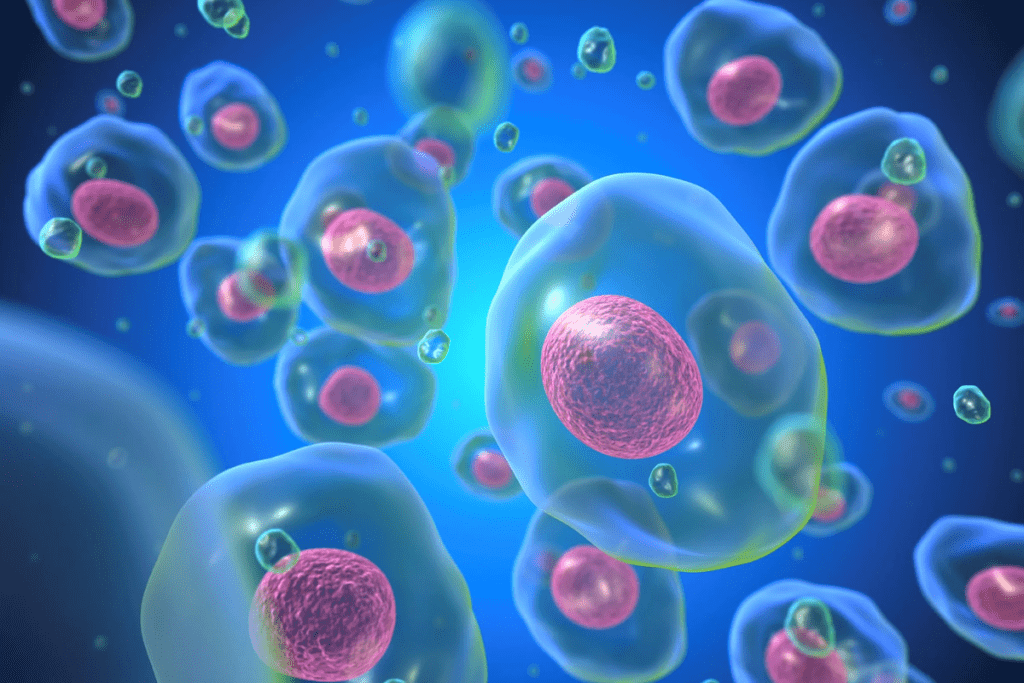
stem cell potency hierarchy
Stem cell potency ranges from totipotent to unipotent cells. It shows how well a cell can change into different types. Knowing this range helps us see how stem cells help in growth and repair.
From Totipotent to Unipotent: The Complete Hierarchy
The hierarchy of stem cell potency shows a gradual change. At the top are totipotent stem cells, which can make a whole organism. Then come pluripotent cells, which can turn into almost any cell type.
Next are multipotent cells, which can turn into several cell types in a certain group. Further down, we have oligopotent and unipotent cells. The last ones can only turn into one type of cell.
| Potency Level | Differentiation Capability | Examples |
| Totipotent | Can form an entire organism | Fertilized egg |
| Pluripotent | Can differentiate into almost any cell type | Embryonic stem cells |
| Multipotent | Can differentiate into multiple cell types within a lineage | Hematopoietic stem cells |
| Oligopotent | Can differentiate into a few cell types | Lymphoid progenitor cells |
| Unipotent | Can differentiate into only one cell type | Skin stem cells |
How Potency Changes During Development
As development goes on, stem cells lose potency and become more specialized. Totipotent cells turn into pluripotent, then into multipotent cells. This keeps going until they reach their final form.
Understanding this change is key for stem cell research and regenerative medicine. It tells us what stem cells can do and their limits.
Applications of Multipotent Stem Cells in Regenerative Medicine
Multipotent stem cells are changing the game in regenerative medicine. They can turn into many different cell types. This makes them super useful for treating diseases and injuries.
These cells are used in many ways, like in hematopoietic stem cell transplantation and mesenchymal stem cell therapies. These methods have shown great promise in helping patients with tough conditions.
Hematopoietic Stem Cell Transplantation
Hematopoietic stem cell transplantation is a key treatment for blood disorders like leukemia and lymphoma. It involves giving patients hematopoietic stem cells. These cells can become any type of blood cell, helping to replace damaged ones.
This treatment has saved many lives. It replaces a sick or damaged bone marrow with healthy stem cells. This lets the body make normal blood cells again. The success of this depends on the new stem cells working well.
Mesenchymal Stem Cell Therapies
Mesenchymal stem cells (MSCs) are another powerful tool in regenerative medicine. They can become different cell types, like bone and cartilage cells. This makes them great for fixing bone and cartilage problems and even autoimmune diseases.
MSCs also have special powers to calm down inflammation and help heal tissues. Studies have shown they can help with conditions like osteoarthritis and graft-versus-host disease. Their wide range of uses makes them a hot topic in regenerative medicine research.
Identification and Isolation of Different Stem Cell Types
Understanding stem cells requires precise lab techniques. They are sorted by how many types of cells they can become. Knowing which stem cells are present is key for research and treatments.
Laboratory Techniques for Stem Cell Characterization
Labs use flow cytometry and immunohistochemistry to study stem cells. These methods check for specific markers on the cells. This helps identify and understand different stem cell types.
Markers and Methods for Distinguishing Potency
Markers help tell stem cells apart based on their ability to change into other cells. For example, Oct4 and Nanog mark pluripotent stem cells. CD34 is for blood-making stem cells. Here’s a table of common markers for different stem cells.
| Stem Cell Type | Markers |
| Pluripotent | Oct4, Nanog, Sox2 |
| Hematopoietic | CD34, CD45 |
| Mesenchymal | CD73, CD90, CD105 |
These markers and lab methods help researchers find and study stem cells. This knowledge is vital for understanding stem cell biology and its uses in medicine.
Ethical and Regulatory Considerations in Stem Cell Research
Stem cell research is growing, but it raises many ethical and regulatory issues. It involves different stem cells, like totipotent, pluripotent, and multipotent cells. This complexity leads to big ethical questions.
Controversies Surrounding Different Stem Cell Types
Using different stem cells in research and therapy is a big debate. The source of these cells and their uses are key concerns. For example, embryonic stem cells are debated because they involve destroying embryos.
Adult stem cells and induced pluripotent stem cells (iPSCs) are less debated but have their own challenges.
| Stem Cell Type | Ethical Concerns | Potential Applications |
| Embryonic Stem Cells | Destruction of embryos | Regenerative medicine, tissue engineering |
| Adult Stem Cells | Limited availability and potency | Tissue repair, hematopoietic stem cell transplantation |
| Induced Pluripotent Stem Cells (iPSCs) | Risk of tumor formation, reprogramming efficiency | Personalized medicine, drug discovery |
Regulatory Frameworks in the United States
In the United States, stem cell research has a complex regulatory landscape. The Food and Drug Administration (FDA) and the National Institutes of Health (NIH) play key roles. The FDA checks the safety and effectiveness of stem cell therapies. The NIH sets guidelines for funding human stem cell research.
Key regulations include the FDA’s rules for stem cell products as biological products. The NIH’s guidelines for human stem cell research stress informed consent and the use of embryos.
Conclusion: The Distinct Roles of Each Stem Cell Type in Biology and Medicine
Each stem cell type has a unique role in biology and medicine. Totipotent stem cells are key in the beginning of development. Pluripotent stem cells can turn into almost any cell, making them great for research and treatments.
Multipotent stem cells can become different types of cells within a certain group. They are vital for fixing and growing tissues. Knowing about these stem cells shows how important they are for healing and growing new tissues.
Studying stem cells can lead to new ways to treat diseases and injuries. By learning about each type of stem cell, scientists can create better treatments. This could lead to big advances in medicine.
FAQ
What is the difference between totipotent, pluripotent, and multipotent stem cells?
Totipotent stem cells can turn into any cell type, including those in the placenta. They can even form a whole organism. Pluripotent stem cells can turn into almost any cell type, but not placental cells. Multipotent stem cells can turn into several cell types, but only within a specific tissue or lineage.
What are pluripotent stem cells?
Pluripotent stem cells can turn into almost any cell type in the body, except placental cells. They come from embryos or are made from adult cells.
What is the difference between totipotent and pluripotent stem cells?
Totipotent cells can form a whole organism and placenta. Pluripotent cells can’t do that.
Are stem cells multipotent?
Yes, some stem cells are multipotent. They can turn into several cell types within a specific tissue or lineage. Examples include hematopoietic stem cells and mesenchymal stem cells.
What does pluripotent mean?
Pluripotent means a cell can turn into almost any cell type in the body, except placental cells.
What are the different types of stem cells?
There are three main types of stem cells: totipotent, pluripotent, and multipotent. Each type has different levels of ability to turn into different cells.
How do multipotent stem cells differ from pluripotent stem cells?
Multipotent stem cells can only turn into cell types within a specific tissue or lineage. Pluripotent stem cells can turn into almost any cell type, except placental cells.
What is the role of multipotent stem cells in tissue repair?
Multipotent stem cells are key in repairing and regenerating tissues. They turn into cell types needed for maintaining and repairing specific tissues.
What are the applications of pluripotent stem cells in research and medicine?
Pluripotent stem cells could change research and medicine. They can provide cells for drug discovery, modeling diseases, and replacing damaged cells.
How are stem cells identified and isolated?
Scientists use lab techniques to find and separate stem cells. They look at cell surface markers and do functional assays to tell stem cell types apart.
What are the ethical considerations surrounding stem cell research?
Ethical issues in stem cell research include the source of stem cells, like embryos. There’s also worry about misuse or exploitation of stem cell technology.
What is the regulatory framework for stem cell research in the United States?
In the U.S., stem cell research follows guidelines and oversight from agencies like the National Institutes of Health. This ensures research is done safely and responsibly.
References
Precedence Research. (2025). Induced Pluripotent Stem Cells Market Size & Forecast 2025-2034. Precedence Research. https://www.precedenceresearch.com/induced-pluripotent-stem-cells-market Precedence Research