Last Updated on November 25, 2025 by Ugurkan Demir

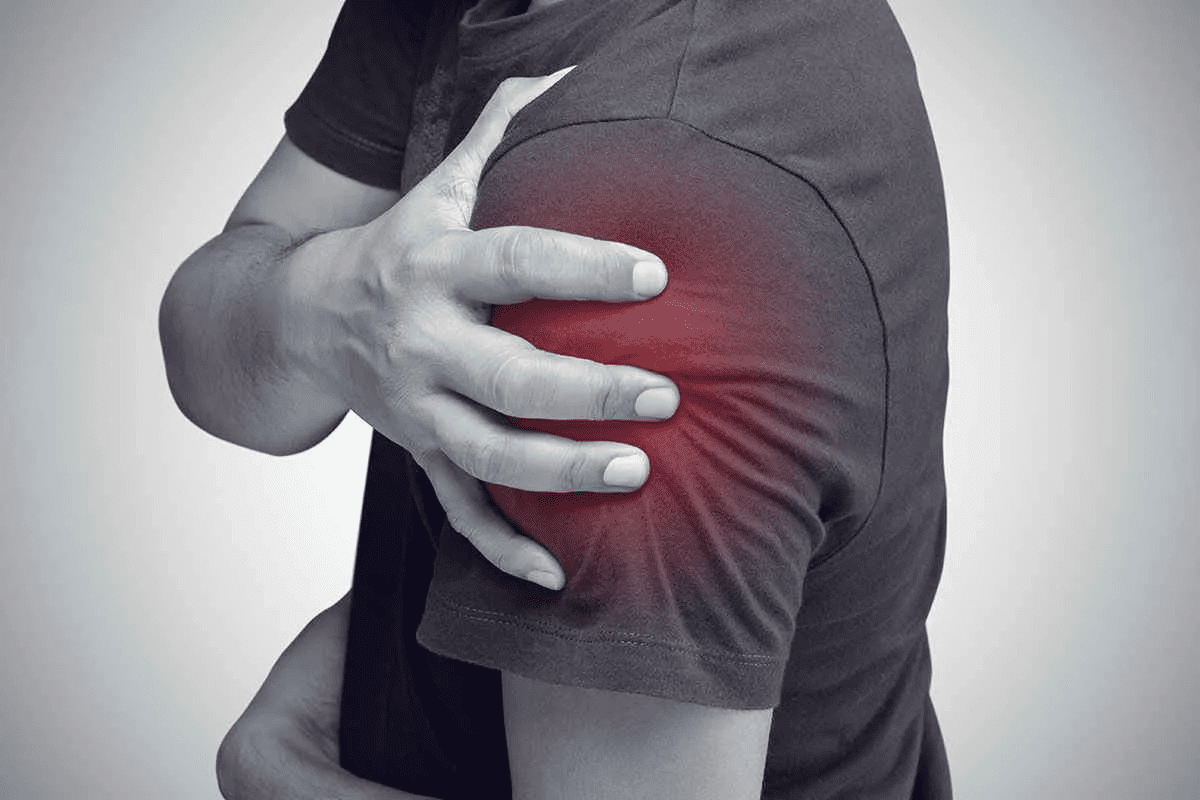
Feeling chest pain when touching chest can be scary and confusing. At Liv Hospital, we get it and want to help. We’ll figure out if your pain is from muscular chest pain or something more serious.
The NHS says chest pain can have many causes, like muscular strain. Muscular chest pain often happens from too much use, injury, or strain of the chest wall muscles. We’ll show you how to understand your pain and how to make it better.
In this article, we’ll look at the difference between muscular chest pain and dull heart pain. This will help you understand your symptoms better and find the right care.
Key Takeaways
- Chest pain can be caused by various conditions, including muscular strain.
- Muscular chest pain is often due to overuse, injury, or strain of the chest wall muscles.
- Understanding the cause of your chest pain is key for the right care.
- Liv Hospital is dedicated to patient-centered and innovative care.
- It’s important to get medical advice for chest pain concerns.
The Anatomy of Chest Pain
To understand chest pain, we need to look at the chest wall’s structure. It’s made of bones, muscles, and cartilage. These parts can cause pain for different reasons.
Chest pain can show up in many ways. Medical Expert’Donoghue says it can be linked to many conditions. Knowing the differences helps doctors find the cause.
Different Types of Chest Pain
Chest pain can be divided into types based on its cause and how it feels. The main types are:
- Musculoskeletal pain: This comes from the chest’s muscles and bones.
- Cardiac pain: It’s related to heart problems.
- Pulmonary pain: It starts from lung issues.
- Gastrointestinal pain: It’s caused by problems in the digestive system.
| Type of Chest Pain | Common Causes | Characteristics |
| Musculoskeletal | Intercostal muscle strain, costochondritis | Pain that gets worse with movement or deep breathing |
| Cardiac | Heart attack, angina | Pressure or tightness in the chest, often to the arm or jaw |
| Pulmonary | Pneumonia, pulmonary embolism | Pain that gets worse with deep breathing, coughing, or shortness of breath |
| Gastrointestinal | Gastroesophageal reflux disease (GERD), ulcers | Burning sensation, pain after eating, or trouble swallowing |
The Chest Wall Structure
The chest wall includes the rib cage, muscles (like intercostal muscles), and cartilage. The rib cage protects the heart and lungs. Intercostal muscles help the chest expand and contract with breathing.
Strains or injuries in these areas can cause pain. For example, intercostal muscle strain can lead to sharp pains that get worse with movement or deep breathing.
Knowing about the chest wall and types of pain is key to figuring out why you’re in pain. By understanding your pain, you can tell doctors more accurately. This helps them diagnose and treat you better.
Understanding Muscular Chest Pain: Causes and Characteristics

Muscular chest pain can come from many sources, like intercostal muscle strains or chest wall injuries. This pain often feels tender and sensitive in the chest. The NHS says strained muscles can make the chest hurt and feel sore when touched.
Intercostal Muscle Strains
Intercostal muscle strains happen when the muscles between the ribs get stretched or torn. This can occur from sudden twisting, heavy lifting, or severe coughing. The pain from these strains can be sharp and gets worse with movement or deep breathing.
Symptoms include tenderness, pain when bending or twisting, and discomfort with deep breaths. Treatment usually involves rest, pain relief meds, and avoiding activities that make it worse.
Chest Wall Injuries
Chest wall injuries can result from direct blows to the chest, like in sports or car accidents. These injuries can cause pain and tenderness in the chest area, often in a specific spot.
The severity of these injuries can vary, from mild bruises to serious conditions like rib fractures. If the pain is severe or if breathing is hard, seek medical help right away.
Overexertion and Physical Activity
Overexertion and physical activity often lead to muscular chest pain. Doing strenuous exercise or activities that involve heavy lifting or bending can strain the chest muscles. This leads to pain and tenderness.
To avoid muscular chest pain from overexertion, increase exercise intensity slowly, warm up before activities, and keep proper posture. If pain happens, rest and use pain relief to help symptoms.
Why Is My Chest Sore to the Touch?
When your chest hurts to the touch, you might wonder why. Chest soreness can come from many things, like small injuries or serious health issues. Knowing the cause is key to feeling better.
Localized Pain and Tenderness
Localized pain is pain in one spot. For chest soreness, it means a certain area hurts when touched. Doctors say this pain often comes from intercostal muscle strains or costochondritis. These are problems with the muscles and cartilage in the chest.
Medical Expert’Donoghue says, “Sharp pain in one spot might not be a heart attack.” This is important because it helps figure out what’s causing the pain. Pain in one spot usually means it’s not the heart.
Pain That Worsens with Movement
Pain that gets worse with movement is common in chest pain. Lifting, bending, or deep breathing can make it hurt more. This pain usually comes from the muscles or joints in the chest.
“Movement can make musculoskeletal chest pain worse, showing what the problem is.”
My Chest is Sore When I Touch It: What This Means
When your chest hurts when touched, it could mean several things. It might be from a direct injury, like a bruise or strain. Or it could be from an inflammatory condition like costochondritis. Sometimes, it’s pain from another area, but this is rare.
It’s important to watch your symptoms and see a doctor if the pain is bad, lasts a long time, or comes with other scary symptoms like trouble breathing or feeling dizzy.
Costochondritis: When Your Chest is Painful to Touch
Chest pain that gets worse with touch or movement might be costochondritis. This is a condition that affects the cartilage where the ribs meet the breastbone. We’ll look at this condition, its symptoms, diagnosis, and treatment options.
What is Costochondritis?
Costochondritis is an inflammatory condition that affects the costochondral junctions. These are the areas where the ribs connect to the sternum via cartilage. It can cause sharp pains or dull aches in the chest wall, similar to serious cardiac conditions.
The exact cause of costochondritis is sometimes unknown. But it can be triggered by strenuous activity, injury to the chest, or respiratory infections.
According to the NHS, costochondritis can lead to pain, swelling, and tenderness around the ribs. It’s a relatively common condition and can affect anyone, though it’s more frequently observed in adults.
Symptoms and Diagnosis
The main symptom of costochondritis is chest pain, which can range from mild to severe. This pain is typically localized to the front of the chest and is often worsened by movement, deep breathing, or applying pressure to the affected area. Diagnosing costochondritis involves a physical examination, where a healthcare provider may apply pressure to the chest to assess tenderness.
Sometimes, additional tests like X-rays or an electrocardiogram (ECG) might be conducted to rule out other causes of chest pain.
Key diagnostic features include:
- Localized tenderness over the costochondral junctions
- Pain that worsens with movement or deep breathing
- Absence of other symptoms that might indicate a more serious condition
Treatment Options for Chest Tenderness
Treatment for costochondritis focuses on relieving pain and reducing inflammation. Common approaches include:
- Over-the-counter pain relievers: Medications like ibuprofen or acetaminophen can help manage pain and inflammation.
- Rest and activity modification: Avoiding activities that exacerbate the condition can help in recovery.
- Heat or cold therapy: Applying heat or cold packs to the affected area may provide relief.
In most cases, costochondritis is not a serious condition and can be managed with conservative treatments. If you experience severe or persistent chest pain, it’s important to seek medical attention to rule out other causes.
Dull Ache in Chest: Muscular or Something Else?
Feeling a dull ache in your chest can be scary. Many wonder if it’s just muscle pain or something more serious. Medical Expert’Donoghue says dull chest pain can mean different things, including heart problems. Knowing what the pain feels like is key to figuring out why it’s happening.
Characteristics of Dull Chest Pain
Dull chest pain feels like a deep, constant ache. It’s not sharp but it’s uncomfortable. This pain might stay the same or change. It’s important to remember how long it lasts and what makes it better or worse. For example, if resting makes the pain go away but moving makes it worse, that’s helpful to know.
When Dull Aches Might Signal Heart Issues
Dull chest pain can be from muscles or bones, but it can also hint at heart problems. Medical Expert’Donoghue says heart-related pain might come with other signs like trouble breathing, feeling dizzy, or pain in the arms or jaw. Spotting these signs is important for getting the right medical help.
“The presence of dull chest pain, specially with other symptoms like shortness of breath or dizziness, needs quick medical attention. It could mean serious heart issues.”
Differentiating Between Types of Chest Discomfort
Figuring out if chest pain is from muscles or the heart takes a detailed check-up. Doctors will ask about your health, do a physical exam, and might run tests like ECGs or scans. Knowing exactly what the pain feels like and any other symptoms is essential for a correct diagnosis.
Doctors look at the details of chest pain to decide if it’s muscle or heart related. This careful look helps them give the right treatment. It makes sure the real problem is found and treated right.
Unusual Chest Pain Symptoms and Their Meanings
Unusual chest pain symptoms, like waves of pain or shivering, can point to different health issues. We’ll look into these symptoms and what they might mean for your health.
Waves of Chest Pain
Waves of chest pain mean pain that comes and goes. This pain can be from muscle or bone issues or even heart problems. Understanding the pattern and characteristics of these waves is key to figuring out the cause.
If the pain changes with movement or deep breathing, it might be a muscle or bone issue. But if the pain stays and you feel dizzy or have trouble breathing, it could be something serious.
Chest Pain and Shivering
Chest pain with shivering is very worrying. Feeling cold when it’s warm outside might be from stress or anxiety, making the pain worse. In some cases, this could mean an infection or inflammation in the chest area.
Watching these symptoms closely is important. If you have a fever with shivering, it might mean you have an infection that needs doctor care.
Tenderness in Chest Muscles After Illness
After being sick, the chest muscles can feel tender, often after respiratory infections. This is because the muscles get strained from coughing. Rest and gentle care can often help with this discomfort.
But if the tenderness doesn’t go away or you have other worrying symptoms, you should see a doctor. They can check for any serious problems.
Understanding these unusual chest pain symptoms helps us find their causes and get the right care. If you’re having these symptoms, it’s best to talk to a healthcare professional for a full check-up.
Dull Heart Pain vs. Aching Chest Muscles
Telling the difference between heart pain and muscle pain in the chest is hard but very important. We must know the signs of each to get the right treatment.
How Cardiac Pain Presents
Heart pain, linked to heart issues, feels like pressure or squeezing in the chest. It can spread to the arms, back, neck, jaw, or stomach. It gets worse with hard work or stress and might come with other signs like trouble breathing, feeling dizzy, or nausea.
Key characteristics of cardiac pain include:
- A feeling of pressure or tightness in the chest
- Pain that radiates to other areas
- Triggered or worsened by exertion or stress
- Associated symptoms like shortness of breath or dizziness
Distinguishing Features of Muscular Discomfort
Muscle pain in the chest is linked to the chest muscles and bones. It can feel sharp or dull and usually stays in one spot. It might hurt when touched and gets worse with movement or deep breaths.
Characteristics of muscular discomfort include:
- Localized pain that is tender to the touch
- Pain that worsens with movement or deep breathing
- Sharp or dull pain
When Overlapping Symptoms Occur
At times, heart pain and muscle pain can look the same, making it harder to figure out what’s wrong. For example, someone with heart issues might also have muscle pain from strain or injury. A detailed medical check is needed to find out what’s causing the symptoms.
If you’re not sure about your chest pain, it’s important to see a doctor. They can run tests to find out why you’re feeling pain and suggest the right treatment.
Diagnosing the Source of Your Chest Pain
Figuring out why you have chest pain is a detailed process. When you see a doctor about chest pain, they start a detailed check-up. They aim to find out what’s causing it.
Medical Tests and Examinations
Doctors use many tests to find out why you have chest pain. Some of these include:
- Electrocardiogram (ECG): This checks your heart’s activity for any issues.
- Chest X-ray: It helps see the heart, lungs, and nearby areas.
- Blood Tests: These look for heart damage or other problems.
- Stress Test: It checks how your heart works when you’re stressed.
- Echocardiogram: This looks at your heart’s shape and how it works.
Questions Your Doctor May Ask
Your doctor will ask you many questions. They want to know more about your pain. Some questions might be:
- Can you describe the pain you’re feeling?
- When did the pain start, and how long has it lasted?
- Does the pain spread to other places, like your arm or jaw?
- What makes the pain better or worse?
- Have you noticed any other symptoms, like trouble breathing or feeling dizzy?
Ruling Out Serious Conditions
One of the main goals is to make sure you don’t have a serious problem. This could be a heart attack or a blood clot in the lungs. Your doctor will look at your past health, what they find during the exam, and test results to figure this out.
Doctors say, “A detailed check-up is key to finding out why you have chest pain and finding the right treatment”
. Knowing why you have chest pain helps you and your doctor make a good plan to fix it.
Treatment Options for Chest Muscles Pain
Managing chest muscles pain requires a mix of treatments. Plans often include several strategies based on the person’s condition and needs.
Rest and Activity Modification
Resting and changing activities that make pain worse are key. Avoiding heavy lifting, bending, or hard exercises helps ease the strain on chest muscles. This aids in recovery.
It’s important for patients to stay away from activities that trigger or make pain worse. They might need to take breaks, change how they sleep, or use supports to lessen chest strain.
Medications for Pain Relief
Medicines are vital in treating chest muscles pain. Over-the-counter pain relievers like ibuprofen or acetaminophen are often suggested to lessen pain and swelling. Sometimes, stronger prescription drugs are needed, but only with a doctor’s advice.
Always follow the dosage instructions and talk to a healthcare provider before starting any medication. This ensures safety and effectiveness.
Physical Therapy Approaches
Physical therapy is also a great way to treat chest muscles pain. A physical therapist can create a personalized exercise program to strengthen chest muscles, improve flexibility, and aid in healing.
Methods like manual therapy, including massage and mobilization, can also help reduce muscle tightness and enhance movement. We help patients learn proper posture and body mechanics to avoid future pain.
Combining rest, medications, and physical therapy can help manage chest muscles pain. Working closely with healthcare professionals is key to finding the right treatment plan.
When to Seek Immediate Medical Attention
If you’re feeling chest pain, it’s key to know when to get help right away. Chest pain can show up in many ways. Knowing how serious it is and what might be causing it helps you decide what to do next.
Warning Signs That Require Emergency Care
Some chest pain symptoms mean you need to see a doctor fast. These include:
- Severe pain or pressure in the chest that spreads to the arm, neck, or jaw
- Having trouble breathing or feeling short of breath
- Feeling dizzy or lightheaded
- Feeling confused or losing consciousness
- Having a fast or irregular heartbeat
These signs can mean serious problems like a heart attack or a blood clot in the lungs. You need to get help quickly.
Distinguishing Between Urgent and Non-Urgent Symptoms
Not all chest pain is an emergency. But it’s hard to tell without a doctor’s check-up. Signs that might not be as urgent include:
- Pain that only happens in one spot and gets worse with movement
- Pain that gets better with rest or medicine
- No other scary symptoms like the ones listed above
But if you’re not sure, it’s safer to get checked out by a doctor.
What to Tell Emergency Responders
When you call for help or go to the ER, tell them as much as you can. This helps doctors figure out what’s wrong and fix it fast. Be ready to share:
- How bad your chest pain is and where it is
- What makes it better or worse
- Any other symptoms you have
- Your health history and any conditions you have
- What medicines you’re taking
| Information to Provide | Details to Include |
| Nature of Chest Pain | Severity, location, radiation |
| Relieving/Exacerbating Factors | Movement, rest, medication |
| Associated Symptoms | Difficulty breathing, dizziness, etc. |
| Medical History | Pre-existing conditions, allergies |
| Current Medications | List of medications and dosages |
Being ready and informed helps you get the right care quickly.
Conclusion: Living with and Managing Chest Wall Sensitivity
Chest wall sensitivity can be a big worry and a real challenge. To manage it, we need to tackle the root causes and use effective treatments.
Dealing with chest pain is tough, but knowing what causes it can help. By understanding the different types of pain, people can handle their condition better. They can also get the right medical help when they need it.
It’s key to see a doctor if the pain doesn’t go away or gets worse. With a doctor’s help, people can create a plan to manage their chest pain. This can improve their life and lower the chance of serious problems.
Managing chest wall sensitivity means resting, changing how active you are, and using specific treatments. Taking care of yourself in these ways can lessen symptoms and make you feel better overall.
FAQ
What causes chest pain when touching the chest?
Chest pain from touching can come from many sources. This includes muscle strain, costochondritis, or injuries to the chest wall. We’ll dive into these causes to help you find out why you’re feeling pain.
Why does my chest hurt to the touch after exercising or physical activity?
Chest pain after working out might be from overworked muscles. This pain is usually from muscle strain. Rest and proper care can help ease it.
What is costochondritis, and how does it cause chest pain?
Costochondritis is an inflammation of the cartilage where ribs meet the breastbone. It leads to pain and tenderness, making the chest sore. We’ll cover symptoms, diagnosis, and treatment for costochondritis.
How can I differentiate between muscular chest pain and heart-related issues?
Telling apart muscle pain and heart issues can be tricky. We’ll guide you on identifying dull pain and when it might be heart-related.
What are the unusual symptoms of chest pain that I should be aware of?
Certain chest pain symptoms, like waves of pain or tenderness after illness, can point to specific causes. We’ll look into these symptoms and their meanings.
How is the source of chest pain diagnosed?
Finding the cause of chest pain involves tests, exams, and doctor questions. We’ll walk you through the diagnosis process and how to rule out serious conditions.
What are the treatment options available for chest muscles pain?
For chest muscle pain, treatments include rest, pain meds, and physical therapy. We’ll discuss these options to help you manage your pain.
When should I seek immediate medical attention for chest pain?
Knowing when to get emergency help for chest pain is key. We’ll talk about warning signs, urgent vs. non-urgent symptoms, and what to tell emergency responders.
Why is my chest sore to the touch, and what does it mean?
Chest soreness can be from localized pain or pain that gets worse with movement. We’ll explore the possible causes and meanings of chest soreness.
Can dull heart pain be distinguished from aching chest muscles?
Dull heart pain and chest muscle ache can be different. We’ll discuss how to tell them apart to help you understand your pain.
References:
- Medical News Today. (2022). Arteries: Function, anatomy, and types. https://www.medicalnewstoday.com/articles/arteries