Last Updated on December 1, 2025 by Bilal Hasdemir
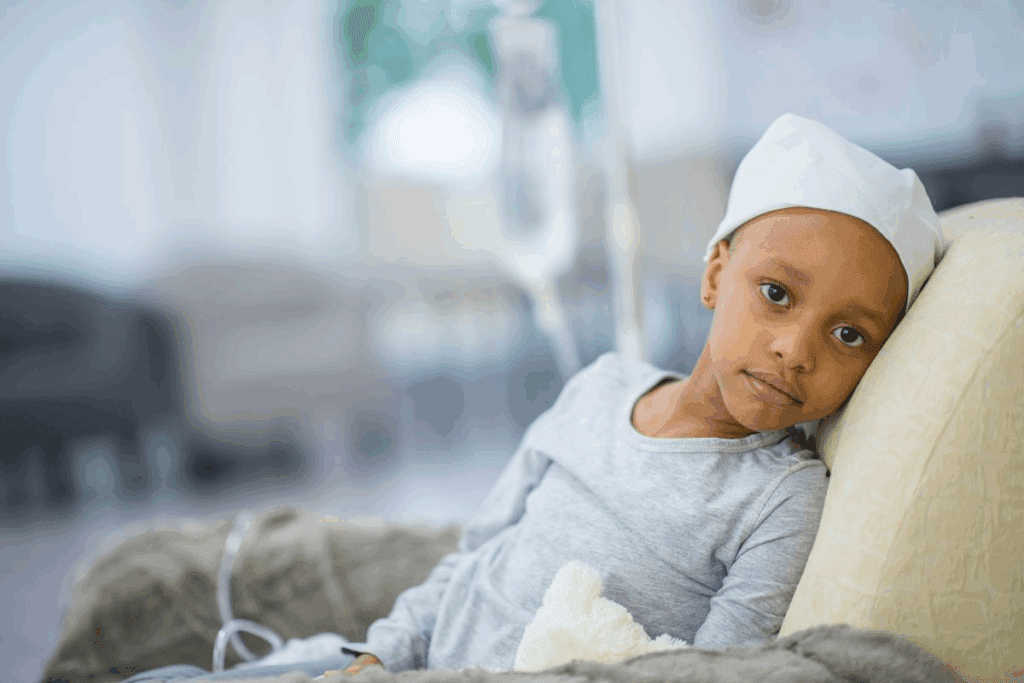
When a cancer diagnosis comes for a kid, it changes everything for families. The Canadian Cancer Society says it’s one of the toughest challenges families face.
Families often feel shocked, in denial, and scared. But, with help from doctors, family, and other parents who’ve been through it, they can get through it.
We know a cancer diagnosis is hard to handle. But we’re here to help you understand it. We’ll talk about the different types, how it’s diagnosed, treatment options, and the emotional and financial effects on families.
Key Takeaways
- Coping with a child’s cancer diagnosis requires support from healthcare professionals and loved ones.
- Understanding childhood cancer, its types, and treatment options is key for families.
- Emotional and financial impacts are big parts of a child’s cancer journey.
- Families are not alone; there are resources to help manage their child’s care.
- Receiving a cancer diagnosis is a life-changing event that needs a strong support system.
Understanding Childhood Cancer and Its Types
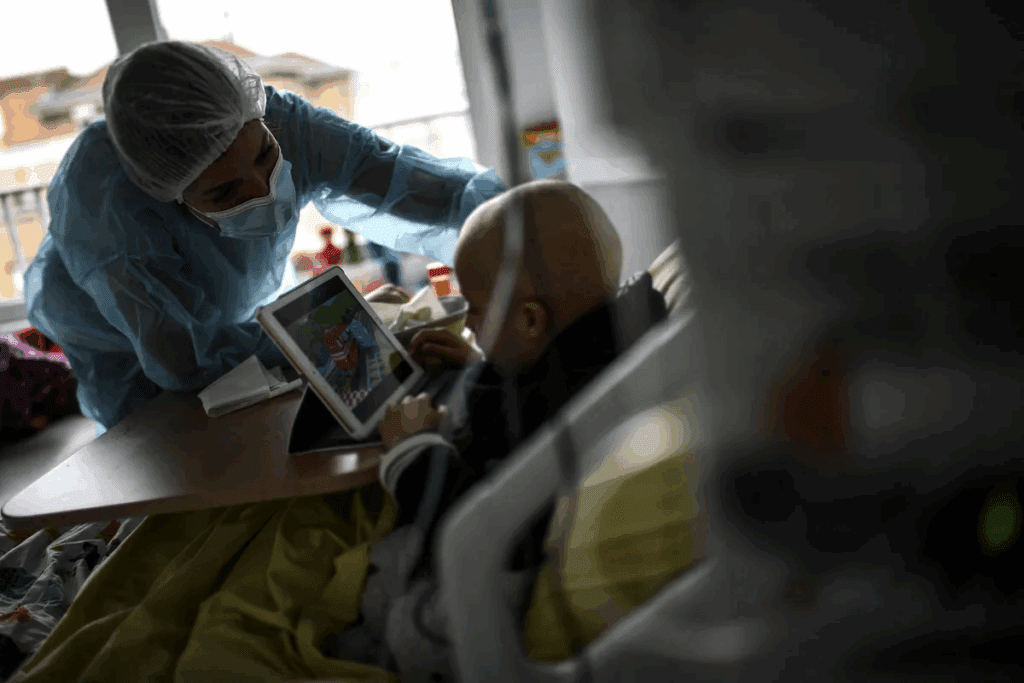
It’s key to know the different types of childhood cancer for better treatment and survival rates. Childhood cancer includes leukemias, lymphomas, brain tumors, and solid tumors. This shows how vital early detection and right treatment are.
Common Types of Cancer in Children
The most common cancers in kids are:
- Leukemia: A blood and bone marrow cancer, it’s the top childhood cancer.
- Lymphoma: This cancer hits the immune system, found in lymph nodes, spleen, or other tissues.
- Brain Tumors: These tumors in the brain can be benign or malignant, affecting kids differently.
- Solid Tumors: These tumors can pop up in many places, like the kidneys (Wilms tumor), adrenal glands (neuroblastoma), and soft tissues (sarcomas).
Rare Pediatric Cancers
Though less common, rare pediatric cancers are also tough. These include:
- Sarcomas: Cancers of soft tissues or bones, like osteosarcoma and Ewing’s sarcoma.
- Rare Leukemias: Some rare leukemia types, like acute myeloid leukemia (AML), need special treatments.
- Germ Cell Tumors: These tumors in ovaries or testes are often treated with surgery and sometimes chemo.
Symptoms to Watch For
Spotting cancer symptoms early can greatly help treatment. Look out for:
- Persistent fatigue or weakness
- Unexplained weight loss or loss of appetite
- Pain or swelling in the abdomen, bones, or joints
- Easy bruising or bleeding
- Fever without an apparent cause
- Headaches or seizures (in the case of brain tumors)
As a pediatric oncology quote says, “Early diagnosis is key in fighting childhood cancer.” Knowing these symptoms and acting fast can greatly help a child’s fight against cancer.
Diagnosing Cancer in Children
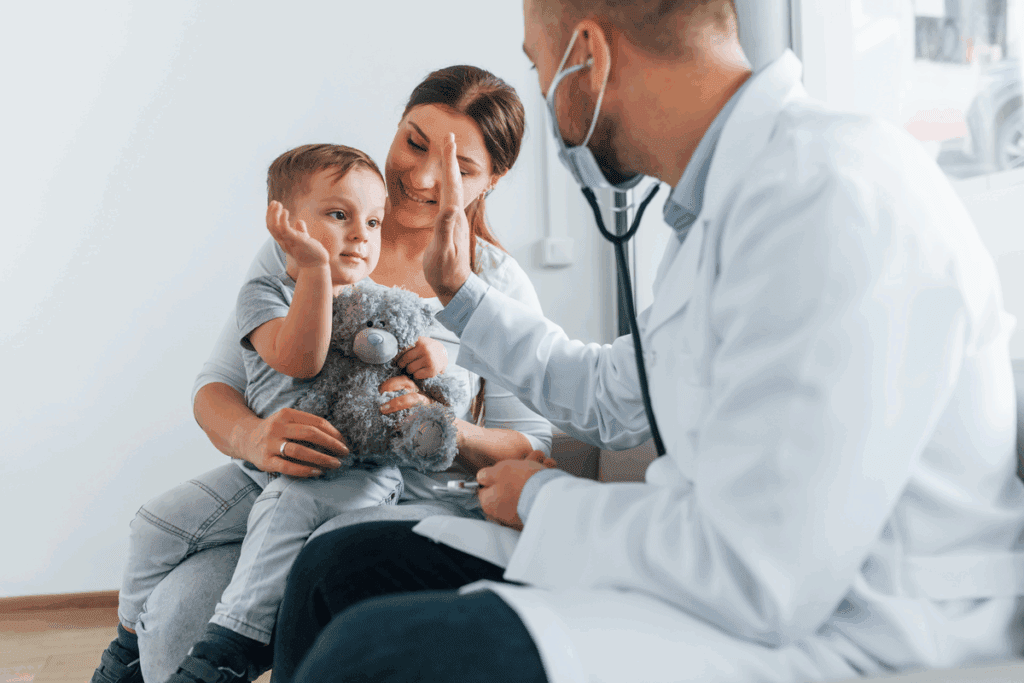
Diagnosing cancer in kids involves many steps. These include imaging tests, biopsies, and blood tests. Getting the diagnosis right is key to creating a good treatment plan.
Diagnostic Tests and Procedures
Several tests help find cancer in kids. These include:
- Imaging Tests: X-rays, CT scans, MRI scans, and PET scans show the tumor and how big it is.
- Biopsies: A biopsy takes a tissue sample from the tumor for a closer look.
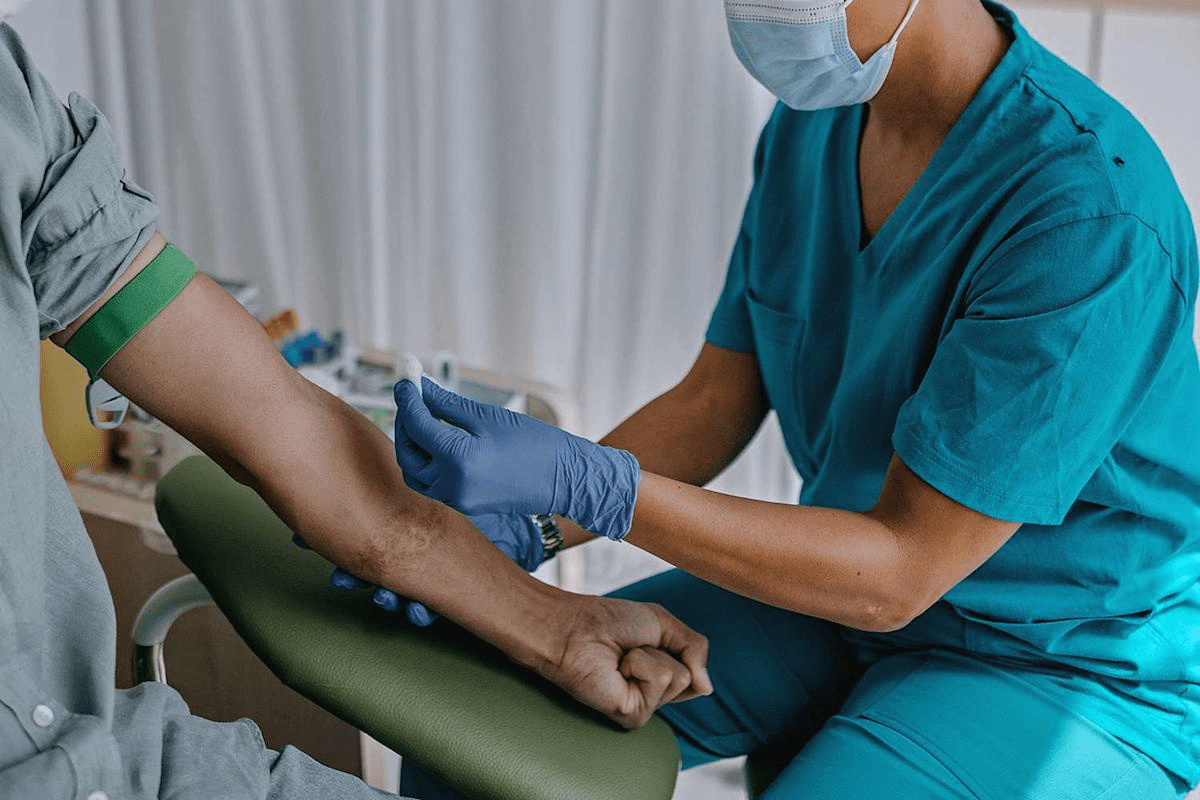
- Blood Tests: Blood tests check for unusual cells or chemicals that might mean cancer.
A pediatric oncologist, says, “Early diagnosis is key to treating childhood cancer effectively. Advanced diagnostic techniques have significantly improved our ability to detect cancer at an early stage.”
“The earlier we can diagnose and treat cancer, the better the chances of survival and reducing long-term effects of the treatment.”
A Pediatric Oncologist
| Diagnostic Test | Purpose |
| Imaging Tests | To visualize the tumor and its extent |
| Biopsy | To confirm the presence of cancer cells |
| Blood Tests | To identify abnormal cell counts or chemicals |
The Importance of Early Detection
Finding cancer early in kids is very important. When cancer is caught early, treatment works better. This also lowers the chance of serious side effects.
The American Cancer Society says, “Early diagnosis and advances in treatment have led to significant improvements in survival rates for children with cancer.”
Treatment Options for Childhood Cancer
Childhood cancer treatment has changed a lot. Now, there are many ways to fight the disease. The right treatment depends on the cancer type and stage. Often, it’s a mix of therapies.
Chemotherapy and Its Effects
Chemotherapy is a key treatment for kids with cancer. It uses drugs to kill cancer cells. But, it can make kids lose their hair, feel sick, and tired.
These effects are usually short-term. Once treatment ends, kids can get better.
Administering chemotherapy needs careful planning. We help families manage side effects. We make sure kids get the support they need during treatment.
Radiation Therapy Explained
Radiation therapy is another way to treat childhood cancer. It uses high-energy rays to kill cancer cells. But it must be done carefully to avoid harming healthy tissues.
Advances in radiation therapy have made it safer and more effective. Now, it can target cancer better with fewer side effects. We use it wisely, thinking about the child’s health and the cancer’s details.
Surgical Interventions
Surgery is important for some childhood cancers. It lets doctors remove tumors. Surgical procedures are complex and need a skilled team.
Deciding on surgery depends on the tumor’s location and size, and the child’s health. We work with surgical teams to get the best results for our young patients.
In summary, treating childhood cancer involves many approaches. We use chemotherapy, radiation therapy, and surgery. We aim to give families the best care and support. Our goal is a cancerfree future for our young patients.
Emotional Impact on the Child
Getting a cancer diagnosis can change a child’s life. It affects their emotional health deeply. Kids might feel scared, angry, or sad, as the Canadian Cancer Society says. It’s key for parents and caregivers to offer emotional support.
Coping with Diagnosis
Understanding and meeting a child’s emotional needs is vital. We can help them by being open and honest about their situation. This means:
- Encouraging them to share their feelings
- Offering reassurance and comfort
- Keeping their daily routine as normal as possible
Using these methods helps kids feel secure and supported.
Supporting Emotional Health
Supporting a child’s emotional health takes a team effort. We need to create a caring environment that builds resilience. This includes:
- Connecting them with counseling or therapy
- Helping them do things they love
- Building a strong support network of family and friends
Emotional support is key for kids dealing with cancer. By focusing on their emotional health, we can enhance their quality of life.
Supporting kids with cancer means we must value their emotional well-being. This way, we offer care that meets their physical and emotional needs.
Family Reactions and Adjustments
A cancer diagnosis in a child shocks the whole family. Each person reacts differently. How family members adjust can greatly affect the child’s well-being and the family’s overall health.
Sibling Dynamics
Siblings of a child with cancer feel many emotions. They might be confused, scared, jealous, or guilty. It’s important for parents to notice these feelings and talk about them.
We can help siblings by:
- Maintaining open lines of communication
- Providing reassurance without dismissing their feelings
- Involving them in the care process when appropriate
Parental Responsibilities
Parents have to balance their duties while supporting their child with cancer and other siblings. The Canadian Cancer Society says siblings can be very vulnerable when a child is diagnosed with cancer. To handle this, parents can:
- Prioritize quality time with each child
- Share caregiving responsibilities when possible
- Seek support from family, friends, and support groups
By understanding and meeting the needs of all family members, we can create a supportive environment. This helps the child with cancer to heal better.
Navigating Medical Care and Support Systems
Dealing with a child’s cancer can feel like a huge challenge. But, there are many resources to help. Families need to find the best doctors and support groups for their child’s care.
Finding the Right Pediatric Oncologist
Choosing a pediatric oncologist is key in fighting childhood cancer. They suggest looking for doctors with a lot of experience in treating kids with cancer.
Here are some tips for finding a pediatric oncologist:
- Look for someone with experience in your child’s cancer type
- Choose a doctor who talks well with your family
- Make sure they work with a team for all-around care
Utilizing Cancer Support Networks
Support groups and other families can be a big help. As one parent said,
“Connecting with others who understand what we’re going through has been a lifeline for our family.”
These groups offer emotional support, useful tips, and a sense of belonging. Families can find support through:
| Support Network | Description | Benefits |
| Parent Support Groups | Groups for parents to share experiences and advice | Emotional support, practical tips |
| Online Forums | Online communities for families to connect | 24/7 Support, global connections |
| Counseling Services | Professional counseling for families | Emotional support, coping strategies |
By picking the right pediatric oncologist and using support networks, families can better handle the medical system.
Understanding Prognosis and Survival Rates
Understanding the prognosis and survival rates of childhood cancer is complex but key for families. When a child is diagnosed with cancer, many questions come up. These include their future, treatment effectiveness, and recovery chances.
Prognosis is about the disease’s likely outcome. Survival rates show the percentage of children who live for a certain time after diagnosis. We’ll look at what affects these numbers and share insights on long-term survival.
Factors Influencing Outcomes
Several key factors affect the prognosis and survival rates of children with cancer. These include:
- The type of cancer: Different cancers have different prognoses based on their biology and response to treatment.
- The stage at diagnosis: Early detection often improves outcomes.
- The child’s overall health: Pre-existing health conditions can affect treatment tolerance.
- The effectiveness of the treatment plan: Advances in treatment protocols have significantly improved survival rates.
Long-term Survival Statistics
Long-term survival statistics for childhood cancer have seen big improvements over the years. Advances in treatments like chemotherapy, radiation, and surgery have helped a lot.
| Type of Cancer | 5-Year Survival Rate |
| Leukemia | 85-90% |
| Lymphoma | 80-85% |
| Brain Tumors | 70-80% |
We know every child’s situation is different, and outcomes can vary.
By understanding prognosis and survival rates, families can better face childhood cancer. They can make informed decisions about their child’s care.
Financial Considerations for Families
When a child gets cancer, the financial worries can be as tough as the news itself. The cost of treatment, like hospital stays and meds, can be too much. It’s key for families to handle these money issues so they can focus on their child’s health.
Insurance Coverage and Costs
Knowing about insurance is vital for managing money worries with childhood cancer. Many families use health insurance to help pay for treatment. But, how much coverage you get can really vary.
Some costs that insurance might help with include:
- Hospital stays and surgeries
- Chemotherapy and radiation
- Tests and follow-up care
Even with insurance, families often have to pay a lot out of pocket. This can include things like deductibles and copays. It’s important for families to check their insurance plans well to know what’s covered and what’s not.
Resources for Financial Assistance
There are many ways to get help with the money worries of childhood cancer. These include:
- Government programs like Medicaid and SSI
- Non-profit groups that offer financial help for cancer treatment
- Crowdfunding and community fundraising
We suggest families look into these options and talk to their healthcare team about getting financial help.
The Role of Schools and Education
Schools are key in the lives of kids with cancer. They offer education and a sense of normalcy. When a child is in cancer treatment, school can be tough. Schools can make things better by being supportive.
Informing Educators and Classmates
Telling teachers and classmates about a child’s cancer is important. The Canadian Cancer Society has resources to help with this. They guide on how to talk to schools and classmates.
It’s not just about sharing the news. We also need to explain how cancer affects the child’s life. This includes what help they might need at school, like schedule changes or emotional support.
Creating an Inclusive Environment
Creating a welcoming school environment is vital for kids with cancer. It’s not just about physical changes. It’s also about emotional support for the child and their family.
Here are some ways schools can be more inclusive:
- Offer extra help or tutoring if the child misses school.
- Make scheduling flexible for treatment sessions.
- Teach classmates about cancer and how to support their friend.
By doing these things, schools can make kids with cancer feel included. This is key for their well-being and recovery.
Alternative and Complementary Therapies
Many families look into alternative and complementary therapies for their child’s cancer treatment. These can include mind-body practices and natural products. They aim to offer extra support during treatment.
Evaluating Alternative Treatments
It’s important to check if these treatments are safe and work well. Some might affect how well regular treatments work. Always talk to a healthcare provider before trying them.
Key Considerations:
- Research the therapy’s evidence base
- Consult with your child’s healthcare team
- Be aware of possible side effects
Be careful of treatments that promise too much. Make sure any alternative therapy is used to help, not replace, regular treatment.
Supporting Holistic Health Choices
Supporting holistic health means thinking about your child’s whole well-being. This includes their physical, emotional, and spiritual health. Therapies like acupuncture, massage, and meditation can help manage symptoms and improve life quality.
There are many ways to support holistic health. The table below shows some common therapies and their benefits:
| Therapy | Potential Benefits |
| Acupuncture | Pain management, nausea relief |
| Massage Therapy | Stress reduction, improved circulation |
| Meditation and Mindfulness | Emotional well-being, reduced anxiety |
By adding these therapies to a child’s care plan, families can actively support their health during cancer treatment.
Moving Forward After Treatment
Surviving cancer is a big win, and families must keep up with care after treatment. The journey doesn’t stop after treatment; it’s just the beginning of a new chapter. This chapter needs ongoing support and medical care.
Survivor Stories
Stories of cancer survivors can lift spirits. Many share their battles, from diagnosis to treatment. Their tales offer hope and insights to families facing childhood cancer.
Post-Treatment Follow-Up Care
After treatment, regular check-ups are key to watch over the child’s health. The Canadian Cancer Society offers help for survivors and their families. They explain what to expect and how to deal with it.
Supporting families can be tough, but being there emotionally matters a lot. It’s vital to keep up with medical care and support networks. They help families do well after cancer treatment.
FAQ
What are the common types of cancer that affect children?
Leukemia, lymphoma, and brain tumors are common in kids. Leukemia is the most common, making up about 30% of childhood cancers.
How is cancer diagnosed in children?
Doctors use many tests to find cancer in kids. These include imaging, biopsies, and blood tests. They help figure out the cancer type and stage.
What are the treatment options for childhood cancer?
Kids with cancer might get chemotherapy, radiation, or surgery. Sometimes, they use these treatments together. The right one depends on the cancer type and stage.
How can I support my child’s emotional health during cancer treatment?
It’s important to be there for your child emotionally. Help them deal with the diagnosis and treatment. Keep talking openly with them.
How does a child’s cancer diagnosis affect the family?
When a child gets cancer, the whole family is affected. Parents need to support their child and other siblings. Understanding how siblings feel is key.
What are the financial implications of childhood cancer?
Cancer can be very expensive for families. It’s important to know about insurance and find ways to manage costs. There are also resources for financial help.
How can I communicate effectively with my child’s school about their cancer diagnosis?
Telling the school about your child’s cancer helps everyone understand. Talk openly with teachers and classmates. This makes school a supportive place for your child.
Are there alternative therapies that can support my child’s health during cancer treatment?
Yes, some alternative therapies can help during treatment. It’s important to research and decide if they’re right for your child.
What happens after cancer treatment is completed?
After treatment, your child will need ongoing care. It’s important to understand follow-up care and hear from other survivors. This helps families move forward.
How can I find a pediatric oncologist for my child?
Finding a good pediatric oncologist is critical. Ask your primary care doctor for recommendations or look for suggestions from cancer support groups.
What are the survival rates for childhood cancer?
Survival rates for childhood cancer have gotten better. Many things affect the outcome, like the cancer type and stage at diagnosis.
How can I access resources for financial assistance for my child’s cancer treatment?
There are ways to get financial help for treatment. Understand your insurance, manage costs, and look for aid from organizations that help families with childhood cancer.
References
- Childhood Cancer: Occurrence, Treatment and Risk of Second Primary Malignancies – https://pmc.ncbi.nlm.nih.gov/articles/PMC8198981/