
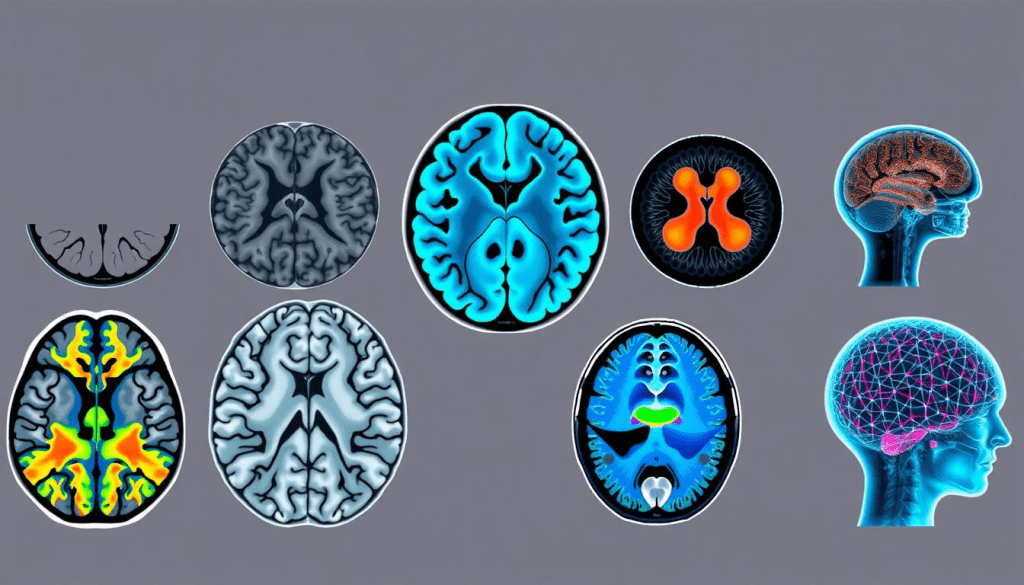
Understanding neurological health can be tough. That’s why brain imaging techniques are key in diagnosing and managing conditions. Many patients often wonder about the name of brain scan used to detect neurological issues. At Liv Hospital, we use the latest technology and advanced imaging methods to provide top-notch care and accurate diagnoses.
Brain scans are vital tools for doctors to see the brain’s structure and how it works. The main types are MRI, CT, PET, fMRI, and EEG. Each scan gives different views of the brain. Knowing about these scans helps patients get better diagnoses and treatment plans.
Key Takeaways
- Advanced brain imaging techniques aid in the early detection and management of neurological conditions.
- The five primary types of brain scans are MRI, CT, PET, fMRI, and EEG.
- Each type of scan provides unique insights into the brain’s structure and function.
- Understanding the different types of brain scans is key for accurate diagnoses and effective treatment plans.
- Liv Hospital offers patient-centered care with cutting-edge brain imaging technology.
Understanding Brain Imaging Technology
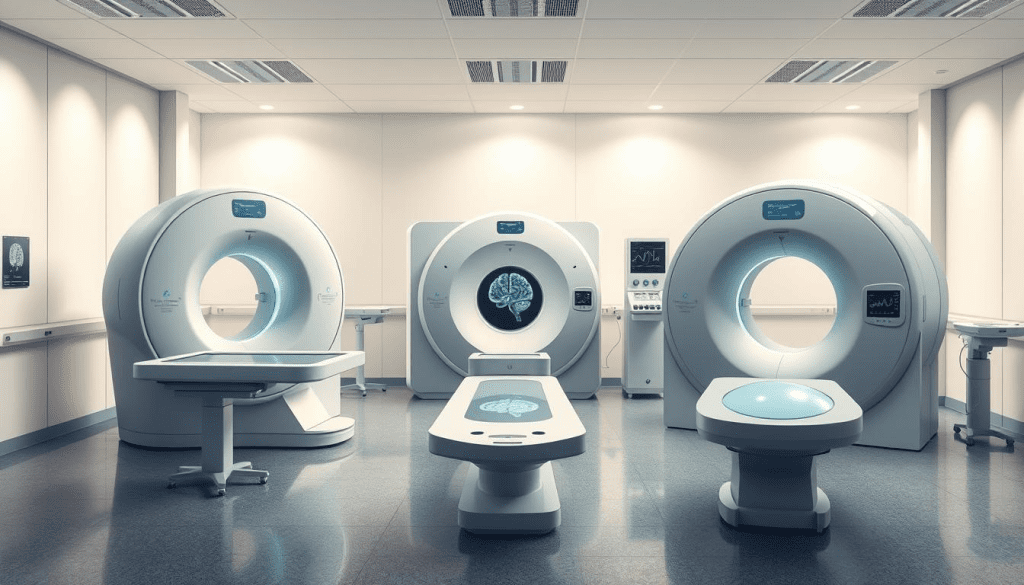
Brain imaging technology has grown a lot, changing neurology and medicine a lot. We’ve seen big steps forward, helping us understand the brain better. Now, we can see things we couldn’t before.
We can watch how kids learn to read and see how our brains grow. We also see how different parts of the brain work together. This has helped us diagnose and treat brain diseases better.
The Evolution of Brain Scanning Technology
The history of brain scanning is amazing. We’ve gone from simple images to detailed views of the brain. Now, we use MRI and CT scans to see the brain’s structure and how it works.
Experts say, “New imaging methods have changed neuroscience a lot. They let us study the brain in ways we couldn’t before.” (Brain Scanning Techniques). This has helped us understand brain diseases better and find new treatments.
How Brain Scans Have Revolutionized Neurology
Brain scans have changed neurology a lot. They give us detailed views of the brain, helping us diagnose and treat better. For example, fMRI helps us see where in the brain activity happens.
Brain scans have made a big difference in neurology. They help us find diseases early, plan treatments, and see how well treatments work. They also help in neurosurgery.
The Importance of Brain Imaging in Modern Medicine
Brain imaging is key in modern medicine, mainly in neurology and neurosurgery. It’s a must-have for diagnosing and managing brain diseases. It helps us make better treatment plans and understand the brain better.
| Imaging Technique | Primary Use | Key Benefits |
| MRI | Soft tissue imaging, tumor detection | High-resolution images, non-invasive |
| CT Scan | Acute injury, hemorrhage detection | Rapid imaging, widely available |
| fMRI | Brain activity mapping | Functional insights, pre-surgical planning |
As brain imaging gets better, we’ll make even more accurate diagnoses and treatments. We’re committed to top-notch healthcare and support for patients worldwide. We want to make sure patients get the best care possible.
The Names of Brain Scan Types and Their Basic Principles
Knowing about brain scans is key to diagnosing and treating brain conditions. We offer support and guidance to patients worldwide. This helps them understand brain imaging better.
Brain scans fall into two main categories: structural and functional imaging. Structural imaging shows the brain’s anatomy in detail. Functional imaging shows how brain areas work and interact.
Classification of Neurological Imaging Techniques
Neurological imaging techniques are divided into two main types. Structural imaging, like MRI and CT scans, shows the brain’s structure. Functional imaging, such as fMRI and PET scans, shows brain activity.
Structural vs. Functional Brain Imaging
Structural brain imaging techniques, like MRI and CT scans, show the brain’s anatomy. They help find structural problems, like tumors or injuries. Functional brain imaging techniques, like fMRI and PET scans, measure brain activity. They help understand how brain areas communicate.
Choosing the Right Brain Scan for Different Conditions
Choosing the right brain scan depends on the condition. For example, CT scans are used in emergencies to quickly find brain injuries. MRI scans are better for detailed images of soft tissues and diagnosing conditions like multiple sclerosis.
How MRI Brain Scans Work
MRI (Magnetic Resonance Imaging) brain scans use a strong magnetic field and radio waves. They produce detailed images of the brain. MRI is great for seeing soft tissue structures and finding abnormalities like tumors or inflammation.
Understanding brain scans helps us support patients better during neurological exams.
CT (Computed Tomography): Rapid Detection of Brain Injuries
CT scans are key in finding brain injuries fast and accurately. They help us see how bad the injury is and what care is needed right away.
The Technology Behind CT Brain Scans
CT scans use X-rays to make detailed pictures of the brain. A radiographer moves a beam of X-rays around the brain. This captures images from many angles.
Key Components of CT Scan Technology:
- X-ray tube emitting X-rays
- Detectors capturing X-ray beams after they pass through the brain
- The computer system is reconstructing images from the data collected
When CT Scans Are Preferred Over Other Methods
CT scans are best in emergencies because they work fast. They’re great for finding bleeding, broken bones, and objects in the brain.
| Condition | Preferred Imaging | Rationale |
| Acute Hemorrhage | CT Scan | Quick detection of fresh blood |
| Fracture | CT Scan | Detailed bone imaging |
| Stroke | CT or MRI | CT for initial assessment, MRI for detailed evaluation |
CT Scan Findings in Common Brain Conditions
CT scans give important information for diagnosing brain issues. They show how big the injury or disease is, helping decide treatment.
For example, in head injuries, CT scans spot bleeding or swelling. This lets doctors act quickly.
How PET Scans Track Metabolic Activity
PET scans look at how active the brain is, not just its structure. They use a special tracer that shows where the brain is working hard.
PET Scan Applications:
- Checking tumor activity
- Studying diseases like Alzheimer’s
- Seeing how well cancer treatments work
fMRI (Functional MRI): Tracking Brain Activity Changes
fMRI lets us see how the brain works by looking at blood flow changes. It’s a non-invasive way to study the brain. This method is used for both research and helping patients.
The Science Behind fMRI Technology
fMRI works by tracking blood flow changes in the brain. When the brain is active, it needs more oxygen. This means more blood flow to that area. fMRI uses these changes to map brain activity.
The main method used is Blood Oxygen Level-Dependent (BOLD) imaging. It looks at the magnetic properties of oxygen and blood. This way, fMRI can tell us which parts of the brain are active.
How fMRI Differs from Standard MRI
Standard MRI shows brain structures, but fMRI shows how the brain works. It’s great for understanding brain function. This makes fMRI very useful for studying the brain.
Standard MRI looks at brain anatomy, while fMRI looks at brain activity. This is why fMRI is key for studying how the brain works and how different parts talk to each other.
Research and Clinical Uses of fMRI
fMRI is used in many ways, from research to helping patients. It helps study things like memory and language. It’s also used in neurosurgery to protect important brain areas.
It’s also used to diagnose and study conditions like stroke and Alzheimer’s. fMRI gives insights into how these conditions affect the brain. This helps doctors and researchers understand them better.
| Application | Description |
| Research | Studying cognitive processes like memory and attention |
| Clinical Diagnosis | Mapping brain functions in neurosurgery patients |
| Neurological Conditions | Understanding stroke, Alzheimer’s, and epilepsy |
We use advanced imaging like fMRI to understand the brain. This helps us diagnose and treat neurological conditions. By studying the brain, we can improve patient care.
EEG (Electroencephalography): Recording Electrical Brain Signals
We use Electroencephalography to capture the electrical signals in the brain. This helps diagnose various neurological conditions. EEG measures the brain’s electrical activity through electrodes on the scalp, giving us real-time data on brain function.
Brain Wave Patterns and Their Significance
EEG records brain wave patterns, which are key to understanding brain activity. These patterns fall into different types, like alpha, beta, theta, and delta waves. Each wave type shows different brain states, from being relaxed to actively thinking.
These patterns are important because they show whether the brain is working normally or not. For example, some patterns might show sleep disorders, while others could mean seizures.
Key aspects of brain wave patterns include:
- Frequency: Measured in Hz, it shows how many oscillations happen per second.
- Amplitude: It shows the intensity or power of the brain activity.
- Reactivity: It shows how brain waves react to things like opening or closing the eyes.
Diagnostic Applications of EEG
EEG is very useful in diagnosing epilepsy and tracking seizures. It also helps check brain activity in patients with suspected brain disorders, like encephalopathy or coma.
Some main uses of EEG include:
- Epilepsy diagnosis and management
- Sleep disorder assessment
- Monitoring brain activity in coma or encephalopathy
- Checking if treatments are working on brain activity
By looking at EEG recordings, doctors can understand brain function better. This helps them make better decisions for patient care.
Practical Aspects of Brain Scans
Understanding brain scans is key to a good experience. As we go through the process, several things matter. They help make the scan comfortable and useful.
Preparing for Different Types of Brain Scans
Getting ready for a brain scan means knowing what’s needed. For MRI scans, removing metal objects is important for safety and quality. We tell patients to wear loose clothes and leave metal items at home.
For PET scans, fasting or avoiding some medications might be needed. It’s important to follow the healthcare provider’s instructions. This ensures the scan works well.
What to Expect During the Procedure
During a scan, you’ll lie on a table that moves into the machine. The scan is usually painless. But, some might feel claustrophobic or uncomfortable. Talking about this with your healthcare provider is a good idea.
If you need a contrast agent, you might feel a pinch or cold. Our team is ready to handle any reactions and keep you comfortable.
Insurance Coverage and Costs
Knowing about insurance coverage for brain scans helps avoid surprises. Many plans cover these scans, but coverage can differ. We suggest checking with your insurance to know what’s covered.
If you don’t have insurance or face costs, we offer help. Our team can talk about payment options and discounts.
Risks and Limitations of Brain Imaging
Brain scans are mostly safe, but there are risks and limits. MRI scans use strong magnetic fields, which can be a problem for some. We check for any risks before the scan.
Also, brain scans aren’t perfect. We talk about their limits with our patients. This includes the chance of false results. For more on brain imaging, visit our resource page.
Neurological Conditions and Optimal Brain Scan Selection
Neurological conditions are tough to diagnose. The right brain scan can be a game-changer. Choosing the best brain scan is key for diagnosing and treating various neurological disorders. We’ll look at the top brain scans for common conditions, aiming for the best diagnostic results.
Brain Tumors and Cancer: Which Scan Works Best
For brain tumors and cancer, accurate diagnosis is vital. MRI is often the top choice because it’s great at spotting soft tissue issues. We might also use different brain scans like CT scans for a quick check or PET scans to see how active the tumor is.
Stroke and Vascular Disorders: Urgent Imaging Needs
When it comes to stroke and vascular disorders, rapid diagnosis is a must. CT scans are usually the first choice because they’re fast and good at showing acute hemorrhage. But MRI and MRA can give more detailed views of the brain’s blood vessels and where ischemia might be.
Dementia and Alzheimer’s: Early Detection Approaches
For diagnosing dementia and Alzheimer’s, early detection is essential. MRI and PET scans are often used to check for brain changes and metabolic activity. These scans help tell different types of dementia apart and track how the disease progresses.
Epilepsy and Seizure Disorders: Combining Imaging Methods
In cases of epilepsy and seizure disorders, comprehensive imaging is needed. MRI is usually used to find structural issues that might cause seizures. EEG is also key for recording brain electrical activity. Sometimes, these methods are combined with other imaging techniques for a deeper understanding.
Conclusion: The Future of Brain Imaging
The future of brain imaging looks bright. We’re excited to keep leading in brain imaging tech. This is key for better brain understanding and diagnosis.
Brain scans like MRI and CT have changed how we treat diseases. New tech will make these scans even better. This means better care for patients and more effective treatments.
New brain scan tech will greatly improve patient care. As tech gets better, we’ll see deeper insights into the brain. Our goal is to offer top-notch healthcare and support to patients worldwide.
FAQ
What are the different types of brain scans?
There are five main types of brain scans. These include MRI, CT, PET, fMRI, and EEG. Each scan offers unique insights into how the brain works. They help doctors diagnose different neurological conditions.
What is the difference between structural and functional brain imaging?
Structural imaging shows detailed pictures of the brain’s structure. Functional imaging, on the other hand, shows how different parts of the brain work and interact.
What is a brain scan called?
Brain scans are also known as neurological scans or brain imaging tests. They use various techniques like MRI, CT, PET, fMRI, and EEG.
How do I prepare for a brain scan?
Preparing for a brain scan depends on the type. Usually, you’ll need to remove metal objects. Some scans might require special agents or dietary rules.
What can I expect during a brain scan procedure?
During a scan, you’ll lie on a table that slides into a machine. You’ll need to stay very quiet for a while. Some scans use radiation or contrast agents.
Are brain scans covered by insurance?
Many insurance plans cover brain scans. But, coverage can vary. It depends on the scan type, your condition, and your insurance. Always check with your provider.
What are the risks and limitations of brain imaging?
Brain imaging has some risks and limitations. These include radiation exposure, claustrophobia, and the use of contrast agents. Knowing these risks helps you make informed choices.
Which brain scan is best for diagnosing brain tumors?
MRI is often the best for finding brain tumors. It shows detailed images of soft tissues. But, the right scan depends on your condition and medical history.
Can brain scans detect neurological conditions early?
Yes, brain scans can spot conditions like dementia, stroke, and epilepsy early. This allows for timely treatment.
Where can I get my brain scanned?
You can get brain scans at medical imaging centers, hospitals, and neurological clinics. Talk to your doctor to find a good place.
What is the difference between MRI and fMRI?
MRI shows detailed brain anatomy. fMRI tracks brain activity by measuring blood flow. It studies how the brain functions.
How does an EEG record electrical brain signals?
EEG uses electrodes on the scalp to record brain electrical activity. It shows brain wave patterns and helps diagnose conditions like epilepsy.
References
- Hu, Y., Li, X., Wei, Z., Yue, J., Cao, D., Li, A., Yang, G., & Zhang, Q. (2023). A mini-review on functional magnetic resonance imaging on brain structure of vascular cognitive impairment. Frontiers in Neurology, 14, Article 1249147. https://doi.org/10.3389/fneur.2023.1249147