Last Updated on November 27, 2025 by Ugurkan Demir

5 key facts about nasal septum deviation, including its causes, symptoms, and when surgery is recommended. A big part of the world’s population has a nasal septum deviation. This is when the cartilage and bone in the nose are not straight. Some people are born with it, while others get it from a nose injury.
It’s thought that up to 90% of adults have some degree of deviated septum. While many don’t show symptoms, others struggle with breathing, sinus problems, and blocked noses. Knowing about this condition is important for those affected.
Key Takeaways
- A deviated septum is a common anatomical issue.
- It can cause significant health issues, including chronic nasal obstruction.
- Understanding the condition is key to managing its effects.
- Many people are born with a deviated septum, while others develop it due to injury.
- A deviated septum can significantly impact quality of life.
What Is a Deviated Septum? Anatomy and Definition
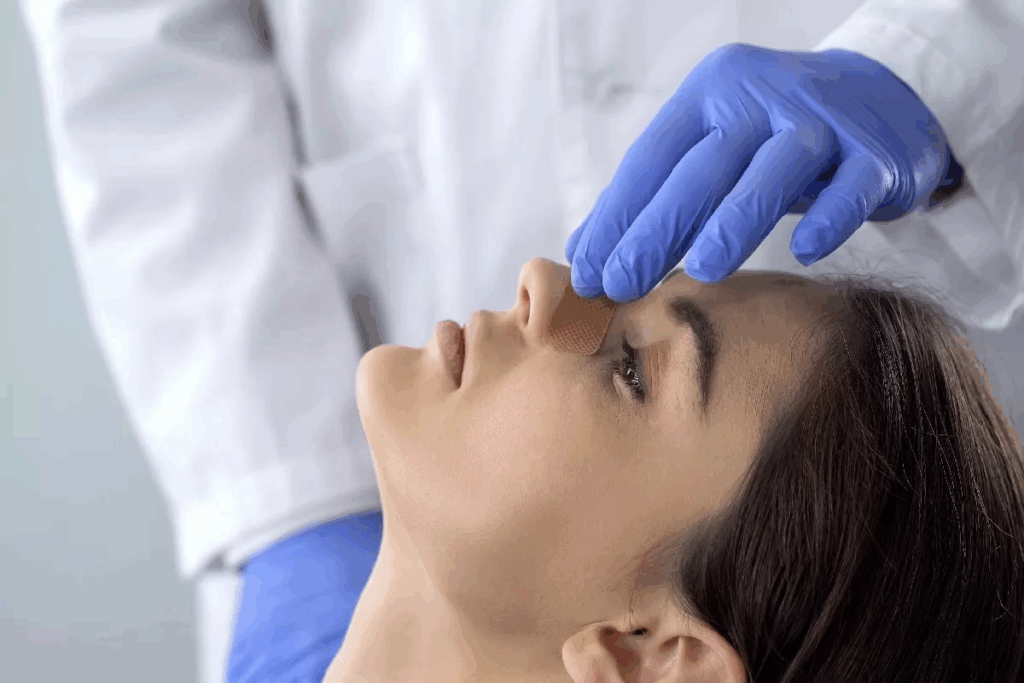
The nasal septum is a wall made of cartilage and bone. It divides the nasal cavity into two passages. Knowing its anatomy is key to diagnosing and treating nasal septum deviations.
The Osteocartilaginous Structure of the Nasal Septum
The nasal septum has both cartilage and bone. The front part is mostly cartilage, and the back part is bone. This osteocartilaginous structure supports the nose and helps air flow through the nasal passages.
Normal vs. Deviated Septum: Understanding the Difference
A normal nasal septum is straight and divides the nasal cavity evenly. A deviated septum, on the other hand, is off-center. This can make one nasal passage smaller than the other. Such a deviation can cause breathing difficulties and other respiratory problems.
Advanced imaging like MRI helps diagnose septal deviation. MRI gives detailed images of the nasal septum and its surroundings. This helps doctors decide the best treatment.
Characteristics | Normal Septum | Deviated Septum |
Structure | Straight, evenly divides nasal cavity | Displaced, uneven division of nasal cavity |
Symptoms | No significant symptoms | Breathing difficulties, nasal obstruction |
Diagnostic Method | Clinical examination | Clinical examination, MRI, CT scans |
“Understanding the anatomy and deviation of the nasal septum is key for effective diagnosis and treatment planning.”
Fact #1: Nasal Septum Deviation Affects Up to 97% of the Population
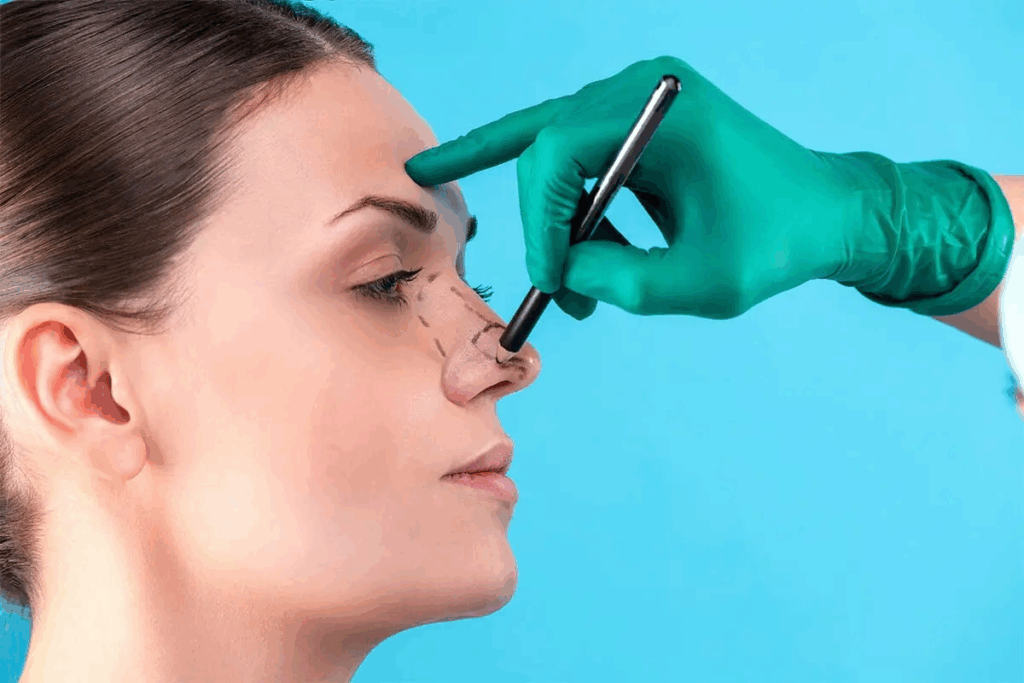
Research shows that nasal septum deviation is more common than thought. It affects up to 97% of people worldwide. This highlights the need to understand this condition and its effects.
Global Prevalence Statistics and Research Findings
Studies reveal that 80% to 90% of adults have nasal septum deviation. The condition is common across different populations. Here, we share data from various studies to show its global prevalence.
Population Studied | Prevalence of Nasal Septum Deviation |
Global Population | 80-97% |
Adults | 80-90% |
Newborns | 20% |
The table shows the prevalence of nasal septum deviation in different groups. It’s clear that this condition is widespread, affecting many people globally.
Incidence in Newborns and Birth-Related Factors
Research on newborns shows that about 20% have nasal septum deviation. Birth factors, like difficult deliveries, increase this risk.
Birth trauma can lead to nasal septum deviation. Early detection and monitoring are key to preventing complications.
Fact #2: Types and Patterns of Septal Deviations
Septal deviations come in many forms, each with its own impact. Knowing these variations is key for correct diagnosis and treatment.
C-Shaped Deviations: The Most Common Clinical Pattern
C-shaped deviations are the most common in clinics. This type of deviation curves the nasal septum to one side, like the letter “C.”
These deviations can cause a lot of nasal blockage. They often go hand in hand with other nasal and sinus issues.
S-Shaped Deviations and Complex Configurations
S-shaped deviations are another common pattern. The septum curves one way at the top and the opposite way at the bottom, forming an “S” shape. This complex configuration makes diagnosis and treatment harder.
Complex septal deviations, with multiple curvatures or spurs, need careful evaluation. They often require a more detailed treatment plan.
Deviation Type | Characteristics | Clinical Implications |
C-Shaped | Curvature to one side | Nasal obstruction, associated pathologies |
S-Shaped | Double curvature, “S” shape | Complex diagnosis, challenging treatment |
Complex | Multiple curvatures or spurs | Detailed evaluation required, nuanced treatment |
Fact #3: Common Symptoms of a Deviated Septum
A deviated septum can cause many symptoms that affect your life. These symptoms can be mild or severe and impact your health in different ways.
Nasal Obstruction and Breathing Difficulties
Nasal obstruction is a common symptom of a deviated septum. It happens when the septum is off-center, making one nasal passage smaller. This makes breathing through the nose hard.
This obstruction can cause chronic nasal congestion. It makes breathing normally, like during sleep or when you have a cold, difficult.
Many people experience breathing problems because of nasal obstruction. This can lead to mouth breathing. Mouth breathing can dry out your mouth and throat. It might also cause sleep disorders.
Chronic Sinusitis and Recurring Infections
A deviated septum can also raise the risk of chronic sinusitis. The abnormal airflow and mucus buildup can lead to recurring sinus infections. These infections can cause facial pain, headaches, and a persistent cough.
The table below summarizes the common complications associated with chronic sinusitis due to a deviated septum:
Complication | Description |
Facial Pain | Pain and pressure in the face, often accompanied by headaches |
Persistent Cough | A chronic cough due to postnasal drip |
Nasal Discharge | Thick, colored discharge from the nose |
Headaches, Postnasal Drip, and Other Related Symptoms
Headaches are another common symptom of a deviated septum. The pain can be mild or severe. It’s often accompanied by postnasal drip, a feeling of mucus running down the back of the throat.
This can lead to throat clearing and discomfort. Other related symptoms may include:
- Noisy breathing or snoring
- Nosebleeds
- Loss of smell
We know these symptoms can greatly affect your quality of life. It’s important to see a doctor if you have persistent or severe symptoms.
Fact #4: Diagnostic Approaches for Identifying Nasal Septum Deviation
Diagnosing a deviated septum requires a mix of clinical checks and sometimes, high-tech imaging. We’ll look at how we find nasal septum deviation. This will help us understand how doctors diagnose this condition.
Clinical Examination Techniques
First, we do a detailed check-up to spot a deviated septum. We use a nasal speculum to see inside the nose. This helps us see if the septum is off-center or has bumps.
We also look at the patient’s health history and symptoms. This includes stuffy nose, breathing trouble, or sinus infections. By putting all this together, we figure out if a deviated septum is likely. Then, we decide if we need more tests.
“A thorough nasal examination is key for spotting problems and planning treatment.”
— ENT Specialist
Advanced Imaging: The Role of MRI and CT Scans
Even with a good check-up, MRI and CT scans give us more details. They help us see how big the deviation is and if there are other issues like sinus problems or tumors.
MRI is great for looking at soft tissues. It shows us the nasal lining and can spot inflammation or growths. CT scans, on the other hand, are better for bones. They help us see septum problems, like bumps or breaks.
Sometimes, we compare a deviated septum MRI with a normal one. This helps us figure out the best treatment. It could be just watching it or surgery.
By using both clinical checks and imaging, we can accurately find nasal septum deviation. Then, we create a treatment plan that fits the patient’s needs.
Fact #5: Treatment Options and Management Strategies
Treatment for a deviated septum varies. It can range from conservative management to surgical interventions. The right treatment depends on the severity of the deviation and how it affects your life.
Conservative Management for Minor Deviations
For those with minor septal deviations or mild symptoms, conservative management is often the first step. This can include:
- Nasal saline irrigations to moisturize the nasal passages and reduce crusting
- Decongestants to help with nasal congestion
- Antihistamines to manage allergy symptoms that worsen nasal obstruction
- Nasal strips to open the nasal passages during sleep
These methods can help many patients, avoiding the need for more serious procedures.
Surgical Interventions: Septoplasty and Combined Procedures
When other treatments fail or the deviation is severe, septoplasty might be suggested. This surgery corrects the deviated parts of the nasal septum. It’s usually done under general anesthesia or conscious sedation.
In some cases, septoplasty is combined with other surgeries like turbinate reduction or nasal valve repair. These additional procedures help improve airflow and reduce symptoms. The goal is to enhance nasal function and reduce nasal obstruction.
Recovery Timeline and Post-Operative Care
The recovery timeline after septoplasty varies. Generally, patients can expect:
- Immediate post-operative period: Nasal packing or splints support the septum, and rest is advised.
- First few weeks: Nasal breathing improves as swelling goes down. Nasal saline irrigations help with healing.
- Several months: Nasal function and appearance continue to improve as swelling fully resolves.
Proper post-operative care is key for the best results. This includes regular check-ups with the surgeon to monitor healing and address any issues.
Complications and Long-Term Effects of Untreated Nasal Deviation
Not treating a deviated nasal septum can cause serious health problems. A deviated septum can lead to many issues if not treated. These problems can affect how well you breathe and your overall health.
Impact on Sleep Quality and Sleep-Related Disorders
A deviated septum can make it hard to breathe through your nose at night. This can lead to breathing problems while you sleep. It might also cause sleep disorders like sleep apnea.
Research shows that people with untreated deviated septum often face:
- Sleep disturbances
- Daytime fatigue
- Increased risk of sleep apnea
Chronic Respiratory Complications
Untreated nasal septum deviation can lead to long-term breathing problems. The nasal passage is key in filtering, warming, and humidifying the air we breathe.
Complication | Description |
Chronic Sinusitis | Inflammation of the sinuses leading to recurring infections |
Nasal Congestion | Persistent nasal obstruction affecting breathing |
Lower Respiratory Issues | Increased risk of bronchitis and pneumonia due to impaired nasal function |
It’s important to treat nasal septum deviation to avoid these chronic respiratory complications. This can greatly improve your quality of life.
When to See a Doctor: Red Flags and Warning Signs
Knowing when to see a doctor is key for those with a deviated septum. Some septum deviations don’t cause big problems. But, some symptoms mean you should see a doctor.
Differentiating Normal Variations from Problematic Deviations
Not every deviated septum is a big deal. But, persistent nasal obstruction, recurring sinus infections, and significant breathing difficulties are signs to watch. If you have these symptoms, you should see a doctor.
Some important warning signs are:
- Persistent nasal congestion or trouble breathing through one or both nostrils
- Frequent sinus infections or sinusitis
- Headaches or facial pain linked to nasal or sinus problems
- Noisy breathing or trouble sleeping
- Nosebleeds or crusting inside the nose
Finding the Right Specialist for Your Condition
Finding the right doctor for a deviated septum is important. Otolaryngologists (ENT specialists) are best for this. They can check you thoroughly and suggest the best treatment, which might be surgery or not.
To find the right specialist, follow these steps:
- Ask your primary care doctor for a referral to an ENT specialist
- Check the specialist’s credentials and experience with deviated septums
- Look at patient reviews to see how good the care is
- Make sure the specialist works at a well-known healthcare place
By knowing the signs of a bad deviated septum and seeing the right doctor, you can get the help you need. This can make your life better.
Conclusion: Living with a Deviated Septum
Understanding and managing a deviated septum is key to a better life. With the right diagnosis and treatment, people can see big improvements. A deviated septum can block your nose and make breathing hard.
We’ve talked about nasal septum deviation a lot. This includes how common it is, its symptoms, how doctors diagnose it, and treatment options. Looking at resources like septum wikipedia can help you understand your condition better. It’s important to know the signs of nasal deviation to get medical help on time.
Managing a deviated septum needs a full plan, including lifestyle changes and sometimes surgery like septoplasty. By being proactive, you can reduce symptoms and feel better. With the right care, you can breathe easier and live a better life.
FAQ
What is a deviated septum?
A deviated septum is when the thin wall between the nasal passages is crooked. This can make breathing hard and cause other respiratory issues.
How common is a deviated septum?
Nasal septum deviation is common, affecting up to 97% of people. It can greatly affect one’s quality of life.
What are the symptoms of a deviated septum?
Signs include nasal blockage, trouble breathing, and chronic sinusitis. Other symptoms are recurring infections, headaches, and postnasal drip.
How is a deviated septum diagnosed?
Doctors use nasal endoscopy and imaging tests like MRI and CT scans. These help see how severe the deviation is.
What are the treatment options for a deviated septum?
Treatment varies. For minor cases, doctors might suggest non-surgical options. For more severe cases, surgery like septoplasty is needed.
What is the recovery process like after septoplasty?
Recovery takes a few weeks. Patients might feel nasal congestion and discomfort. Most can get back to normal activities within a few weeks.
Can a deviated septum cause sleep-related problems?
Yes, it can. A deviated septum can make it hard to breathe and sleep well. This can lead to sleep disorders like sleep apnea.
How can I find the right specialist for my deviated septum?
Look for an ENT specialist or a facial plastic surgeon with experience in septum treatment. Ask your primary care doctor for a referral.
What are the possible complications of an untreated deviated septum?
Ignoring a deviated septum can lead to serious health issues. These include chronic respiratory problems and sleep disorders. It’s vital to get it treated.
Can a deviated septum be a sign of an underlying condition?
In some cases, a deviated septum might point to other health issues. These could be nasal polyps or turbinate bone problems. A doctor should check for these.
References
- World Health Organization. (n.d.). Influenza (Seasonal). Retrieved from [https://www.who.int/news-room/fact-sheets/detail/influenza-(seasonal