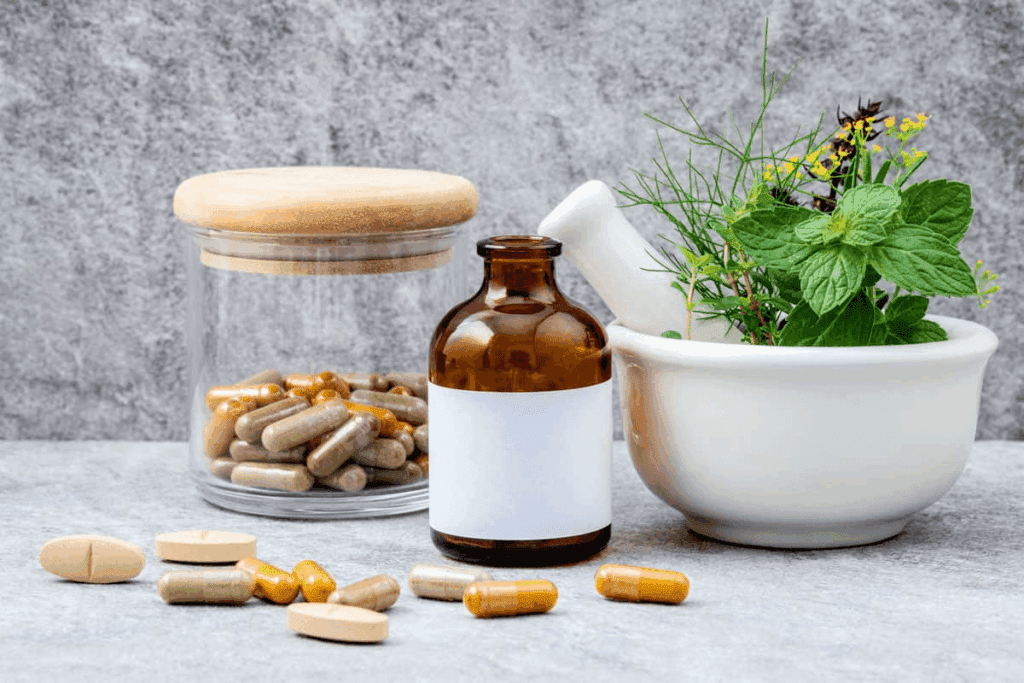
Perimenopause is a tough time for many women. Fluctuating hormone levels lead to symptoms like hot flashes and mood swings. These changes can disrupt sleep and daily life.Top 7 natural cures for perimenopause to help manage hormonal fluctuations before full menopause. Explore natural cures for perimenopause today.
We know how hard perimenopause can be. That’s why we focus on natural ways to ease symptoms. New studies show herbal remedies can help without harsh side effects.
We’re looking into seven herbal remedies that might help. Our research is up-to-date and our advice is caring. We aim to support you through this big change.
Key Takeaways
- Perimenopause is a transitional period leading up to menopause, characterized by fluctuating hormone levels.
- Herbal remedies offer a natural approach to alleviating perimenopause symptoms.
- Seven specific herbal remedies have shown promise in providing relief from perimenopause symptoms.
- A holistic approach to perimenopause care includes lifestyle changes and natural symptom relief methods.
- Professional guidance is essential for navigating perimenopause effectively.
Understanding Pemenopause: The Transition Phase
The journey to menopause begins with perimenopause, a time of big hormone changes. This phase can last for years. During this time, women may face many symptoms that affect their daily life.
What Happens During Hormonal Fluctuation
In perimenopause, estrogen and progesterone levels in a woman’s body start to swing. These changes cause a variety of symptoms. Hormonal fluctuation is the main reason for many perimenopause symptoms.
Some key changes include:
- Variations in menstrual cycle length and intensity
- Changes in estrogen levels, which can affect the body’s thermostat, leading to hot flashes
- Progesterone level changes, which can influence mood and sleep patterns
Common Symptoms and Their Impact on Daily Life
The symptoms of perimenopause can vary and affect many areas of a woman’s life. Common symptoms include:
- Hot Flashes: Sudden feelings of heat, often accompanied by sweating and flushing.
- Mood Swings: Emotional changes that can range from irritability to feelings of sadness.
- Insomnia: Difficulty sleeping, which can be exacerbated by night sweats.
- Decreased Libido: A reduction in sexual desire.
These symptoms can greatly impact a woman’s quality of life. It’s important to understand and manage them. By recognizing the signs of perimenopause, women can find the right treatments and make lifestyle changes to ease their symptoms.
Understanding perimenopause is the first step to managing its symptoms. By knowing the hormonal changes and their effects, women can better handle this transitional phase.
Natural Cures for Perimenopause: The Scientific Foundation
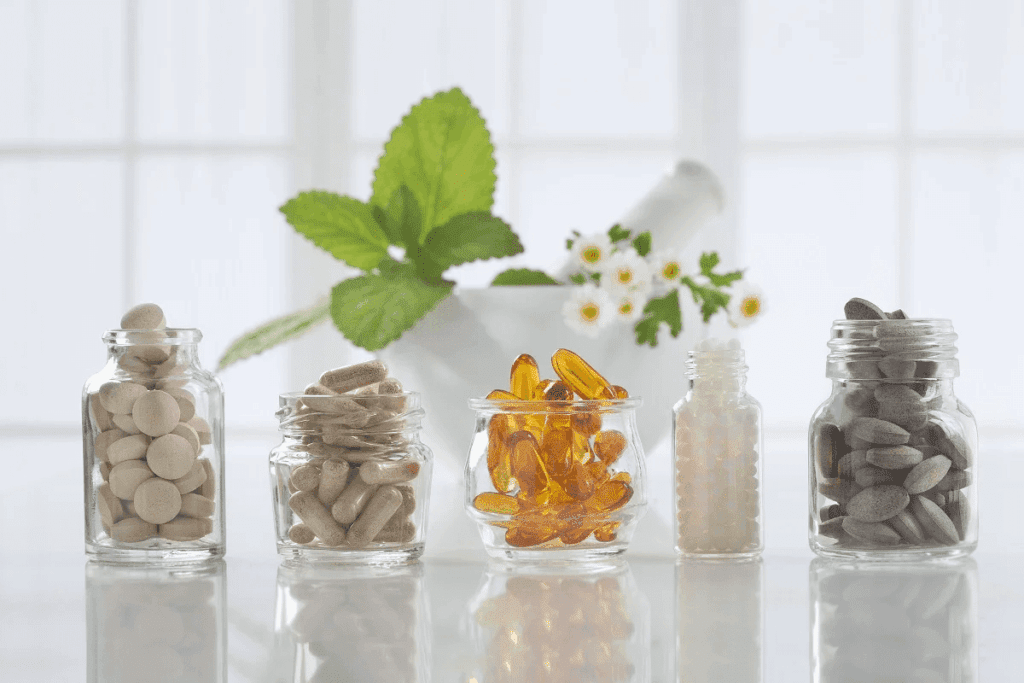
Studies show that phytoestrogens and phytoprogestogens in herbs can help with perimenopause symptoms. They mimic or support the body’s natural hormones.
Phytoestrogens are compounds from plants that can bind to estrogen receptors. This might lessen symptoms like hot flashes and night sweats. These compounds are in many herbs and foods, helping with dietary changes for perimenopause.
How Phytoestrogens and Phytoprogestogens Work
Phytoestrogens and phytoprogestogens interact with the body’s hormones. Phytoestrogens can act as estrogen receptor modulators, balancing estrogen levels during perimenopause. Phytoprogestogens help with progesterone balance, which can be off during this time.
- Phytoestrogens can help reduce hot flashes and night sweats.
- Phytoprogestogens support progesterone balance, aiding in symptom management.
- Both types of compounds are found in various herbal remedies.
Research Supporting Herbal Approaches
Many studies have looked into herbal remedies for perimenopause symptoms. They show that certain herbal supplements can greatly help, improving life quality.
- A study on red clover isoflavones showed a reduction in menopausal symptoms.
- Black cohosh has been found to reduce hot flashes in clinical trials.
- Maca root has been shown to support hormonal balance.
Safety Considerations for Herbal Remedies
Herbal remedies are a natural way to manage perimenopause, but safety is key. Always talk to a healthcare provider before starting any new supplement, even more so if you have health issues or take medications.
Understanding the science behind natural cures for perimenopause helps us use phytoestrogens and phytoprogestogens safely and effectively.
Black Cohosh: A Powerful Ally Against Hot Flashes
Black cohosh is getting more attention for helping with hot flashes during perimenopause. Women are looking for natural ways to ease their symptoms. Black cohosh is becoming a top choice among herbal remedies.
Clinical Evidence and Effectiveness
Many studies have looked into black cohosh’s effect on hot flashes. Some have shown it can lessen the number and intensity of hot flashes. But, results are not the same in all studies.
A review of these studies found black cohosh can help with menopause symptoms like hot flashes. But, the quality of the evidence varies. More research is needed to fully understand its benefits.
Key Findings:
- Black cohosh may reduce hot flash frequency and severity.
- Evidence quality varies across clinical trials.
- Further research is needed to confirm efficacy.
Recommended Dosage and Administration
The best dose of black cohosh for hot flashes is not clear. But, most studies use 40 mg to 80 mg a day. This amount should have 1% to 2% triterpene glycosides.
Choosing a good black cohosh supplement is key. Look for products from trusted makers. Always talk to a healthcare provider to find the right dose for you.
Potential Side Effects and Contraindications
Black cohosh is usually safe but can cause side effects like stomach issues or allergies. It’s not good for women with liver problems or hormone-sensitive cancers.
It’s wise to talk to a healthcare provider before taking black cohosh. This is true if you’re on other medicines or have health issues.
Red Clover: Balancing Hormones Naturally
Red clover is a standout among herbal supplements for easing menopausal symptoms. It’s packed with isoflavones, which are plant-based compounds that might help balance hormone levels. This can offer relief from symptoms like hot flashes and mood swings during perimenopause.
Isoflavone Content and Hormonal Effects
Red clover contains genistein, daidzein, and formononetin, which are types of isoflavones. These can act like estrogen in the body. This might help lessen the severity of hot flashes and other symptoms of menopause.
Studies suggest that red clover isoflavones can help stabilize estrogen levels during perimenopause. This can reduce the severity and frequency of menopausal symptoms. It can also improve the quality of life for women going through this transition.
Best Forms and Preparation Methods
Red clover comes in capsules, tablets, and teas. The best form and dosage depend on individual health needs and preferences. Capsules and tablets are often chosen for their convenience and consistent isoflavone content.
When picking a red clover supplement, choose a reputable brand. Look for products that have been tested by third-party organizations. This ensures they meet high standards of purity and potency.
Who Should Consider Red Clover
Women experiencing symptoms like hot flashes, night sweats, and mood swings during perimenopause might benefit from red clover. But, it’s important to talk to a healthcare provider before starting any new supplement. This is true for those with a history of hormone-sensitive cancers or taking hormone replacement therapy.
Red clover could also be a natural option for managing menopausal symptoms. Always watch how your body reacts to it. If you notice any side effects, adjust the dosage or stop using it.
Maca Root: Regulating the Hormonal Axis
Maca root is getting more attention for its positive effects on the body’s endocrine system. It’s an adaptogenic herb that helps balance hormones. This is thanks to its impact on the hypothalamic-pituitary-ovarian axis, a key part of hormone regulation.
Effects on Estrogen, Progesterone, and Testosterone
Maca root is believed to regulate estrogen, progesterone, and testosterone levels. Studies show it may balance these hormones, easing symptoms of perimenopause. For example, it could stabilize estrogen levels, which often change a lot during this time.
It also has a positive effect on progesterone. This hormone is important for getting ready for pregnancy. So, maca root might help with hormonal imbalances in perimenopause.
Optimal Dosing and Timing
Finding the right amount of maca root to take is important. A common starting dose is 1,500 to 3,000 mg a day. Start with a small dose and slowly increase it, with a doctor’s advice.
When to take maca root matters too. Taking it with food can help it absorb better and avoid stomach issues. Taking it at the same time every day is best for consistency.
Combining Maca with Other Supplements
Maca root works well with other supplements to boost its benefits. For instance, adding omega-3 fatty acids can help with hormone health and reduce inflammation. Also, mixing it with probiotics can improve gut health, which is linked to hormone balance.
But, always talk to a healthcare provider before mixing supplements. They can help avoid bad interactions and make sure the mix is right for you.
Sage: Nature’s Solution for Hot Flushes and Sweating
Sage is a natural remedy for hot flushes and sweating during perimenopause. It has phytoestrogens, which are plant compounds that act like estrogen. This can help ease symptoms caused by hormonal changes.
Traditional Uses and Modern Applications
Sage has been used for many years to help with menopause symptoms. It’s known to reduce hot flashes and night sweats. We’ll look at how to use sage daily to ease these symptoms.
Sage is versatile and can be used in different ways. You can drink it as tea, take a tincture, or use supplements. This makes it easy to fit into your daily routine.
Tea, Tincture, and Supplement Forms
You can make sage tea by steeping dried leaves in hot water. It’s calming and might help with hot flushes and sweating. Sage tinctures are more concentrated and can be taken quickly. Supplements come in capsules or tablets for convenience.
Comparison of Sage Forms:
Form | Preparation | Benefits |
Tea | Steep dried sage leaves in hot water | Soothing, calming, easy to prepare |
Tincture | Add concentrated sage extract to water or take sublingually | Quick absorption, potent |
Supplements | Consume capsules or tablets | Convenient, precise dosage |
Monitoring Results and Adjusting Intake
When using sage, watch how your body reacts and adjust as needed. Start with a small dose and increase it if necessary. Always talk to a healthcare professional. Keeping a symptom journal helps track how well sage works and if you need to make changes.
Understanding sage’s benefits and using it as part of a broader approach can greatly help with hot flushes and sweating. This can improve your overall quality of life during perimenopause.
Ashwagandha: The Calming Adaptogen for Early Perimenopause
Ashwagandha is an adaptogenic herb that might help with early perimenopause symptoms. This stage is marked by a big drop in progesterone levels. This leads to physical and emotional changes.
Supporting Progesterone Levels
Ashwagandha helps balance hormones, which is key when progesterone levels are low. It might affect the HPA axis to keep progesterone levels healthy. It also reduces stress and improves hormonal balance.
- Regulation of cortisol levels, which can impact progesterone
- Enhanced resilience to stress, a factor known to disrupt hormonal balance
- Potential improvement in overall endocrine function
Stress Reduction and Sleep Benefits
Ashwagandha is great for reducing stress and improving sleep. Its calming effects are very helpful in early perimenopause, when stress and sleep issues are common.
- Ashwagandha lowers cortisol levels, which reduces stress.
- It improves sleep quality thanks to its adaptogenic properties.
- It boosts overall well-being by lessening stress’s impact on the body.
Finding Quality Ashwagandha Products
Choosing the right ashwagandha supplements is important for their effectiveness and safety. Look for products that are standardized to contain a specific percentage of withanolides, the active compounds in ashwagandha.
- Opt for products from reputable manufacturers.
- Check for third-party testing and certification.
- Consider the form of ashwagandha: capsules, powders, or tinctures, based on personal preference.
Evening Primrose Oil: Soothing Hormonal Fluctuations
Evening primrose oil is packed with essential fatty acids. It’s a great help for women going through perimenopause. Its gamma-linolenic acid (GLA) helps balance hormones, easing symptoms.
Essential Fatty Acids and Hormone Balance
Evening primrose oil is famous for its GLA. This omega-6 fatty acid is key for hormone balance. Studies show GLA can lessen perimenopause symptoms.
Key Benefits of GLA:
- Supports hormone balance
- Reduces inflammation
- Promotes skin health
Targeting Breast Pain and Skin Changes
Perimenopause brings breast pain and skin issues. GLA in evening primrose oil fights inflammation, easing breast pain. It also keeps skin healthy, reducing hormonal skin changes.
Recommended Brands and Dosages
Choosing a good evening primrose oil brand is key. Look for quality and purity. Here’s a comparison of popular brands:
Brand | GLA Content per Serving | Price per Serving |
Brand A | 200mg | $0.50 |
Brand B | 250mg | $0.75 |
Brand C | 300mg | $1.00 |
The right dose of evening primrose oil varies. Usually, 500mg to 2000mg a day is recommended. Always talk to a healthcare provider to find the right amount for you.
Dong Quai: The Female Ginseng
Dong Quai is a key herb in traditional Chinese medicine. It helps with symptoms of menopause. Known as ‘female ginseng,’ it supports women’s health during perimenopause and menopause.
Historical Significance and Modern Research
Dong Quai has been used for centuries in traditional Chinese medicine. It was prized for balancing the female reproductive system. Today, research is validating its traditional uses, looking into its effects on hormones and symptom relief during menopause.
Research suggests Dong Quai may help with hot flashes and night sweats. But, more studies are needed to fully grasp its benefits and how it works.
Combining Dong Quai with Other Herbs
Dong Quai is often mixed with other herbs to boost its effects. For instance, adding Black Cohosh may help with hot flashes and night sweats. Mixing it with Red Clover could also improve hormonal balance.
Herbal Combination | Potential Benefits |
Dong Quai + Black Cohosh | Enhanced relief from hot flashes and night sweats |
Dong Quai + Red Clover | Potential for improved hormonal balance |
Precautions and Possible Interactions
Dong Quai is usually safe, but there are precautions. It might affect blood thinners and worsen bleeding disorders. People with estrogen-sensitive cancers should talk to their doctor before using it.
Dong Quai can also cause stomach issues in some. Start with a small dose and watch for any bad reactions.
Lifestyle Factors That Enhance Herbal Remedies
Herbal supplements can be very helpful, but lifestyle choices matter a lot during perimenopause. Eating right, exercising, and managing stress can make symptoms better and improve how we feel.
Nutrition Strategies for Hormone Balance
Eating a balanced diet with whole foods, fruits, veggies, and lean proteins is key. Foods like salmon and walnuts, rich in omega-3s, can fight inflammation and support hormones. Foods packed with antioxidants, like berries and leafy greens, also help fight stress.
It’s smart to watch what you eat to avoid making symptoms worse. Try to cut down on caffeine, sugar, and processed foods to lessen hot flashes and mood swings. Drinking lots of water is also very important.
Nutrient | Food Sources | Benefits |
Omega-3 fatty acids | Salmon, walnuts, chia seeds | Reduces inflammation, supports hormonal health |
Antioxidants | Berries, leafy greens, other fruits | Mitigates oxidative stress, supports overall health |
Fiber | Whole grains, legumes, vegetables | Supports digestive health, hormone balance |
Exercise Approaches During Perimenopause
Exercise is a great way to handle perimenopause symptoms. Aerobic activities like walking, cycling, or swimming can cut down on hot flashes and boost mood. Strength training helps keep bones and muscles strong.
Adding in flexibility and relaxation exercises, like yoga or Pilates, is good too. Finding a fun physical activity makes sticking to it easier.
Stress Management Techniques
Managing stress well is key during perimenopause. Meditation, deep breathing, or mindfulness can help lower stress and anxiety. Doing things that bring joy and calm, like reading or spending time with family, also helps manage stress.
It’s vital to take care of yourself and make time for relaxing activities. Getting enough sleep and having a cozy sleep space can also boost health and stress resistance.
Conclusion: Creating Your Personalized Perimenopause Relief Plan
As we wrap up our look at natural remedies for perimenopause, we stress the need for a personalized perimenopause relief plan. Women can mix what they’ve learned about perimenopause, herbal remedies, and lifestyle changes. This way, they can manage their symptoms and improve their life quality.
Using natural perimenopause treatments like herbal remedies, making lifestyle changes, and managing stress can help a lot. We suggest trying out different options and talking to a healthcare expert to find the right treatment.
By being proactive and looking at the big picture, women can handle perimenopause better. Having a personalized perimenopause relief plan lets women take charge of their health during this big change in life.
FAQ
What are the most common symptoms of perimenopause?
Symptoms of perimenopause include hot flashes and night sweats. Mood swings and breast tenderness are also common. Changes in menstrual cycles can also occur.
How do phytoestrogens help alleviate perimenopause symptoms?
Phytoestrogens, found in herbs like red clover and black cohosh, act like estrogen. They help balance hormone levels. This can reduce symptoms like hot flashes and mood swings.
Are herbal remedies safe to use during perimenopause?
Herbal remedies can be helpful but need a doctor’s approval first. They might interact with other medicines or cause side effects. Always choose products from trusted brands.
How can I use black cohosh to alleviate hot flashes?
Take black cohosh in capsule or tincture form, following the recommended 20-80 mg daily dose. Always talk to a doctor to avoid side effects.
Can lifestyle changes enhance the effectiveness of herbal remedies?
Yes, adding good nutrition, exercise, and stress management can boost herbal remedy benefits. It helps overall well-being during perimenopause.
What is the recommended dosage for ashwagandha during perimenopause?
Ashwagandha dosage is usually 300-500 mg daily. Choose a quality product and consult a doctor for the right dose for you.
Can I combine different herbal remedies for perimenopause?
Yes, mixing herbs like maca root, red clover, and ashwagandha can be beneficial. But, always check with a doctor to ensure safe and effective combinations.
How can I create a personalized perimenopause relief plan?
Understand your symptoms, use herbal remedies, and make lifestyle changes. This way, you can tailor a plan to manage symptoms and improve your life.
Are there any natural remedies for perimenopause that can help with stress and sleep?
Yes, ashwagandha can reduce stress and improve sleep. Stress management techniques like meditation and yoga also help with relaxation and well-being.
Can evening primrose oil help alleviate breast pain during perimenopause?
Yes, evening primrose oil’s GLA can help with breast pain and other hormonal symptoms.
Reference
National Center for Biotechnology Information. Herbal remedies for menopause: Alleviating hot flushes and night sweats. Retrieved from https://pmc.ncbi.nlm.nih.gov/articles/PMC4029542/