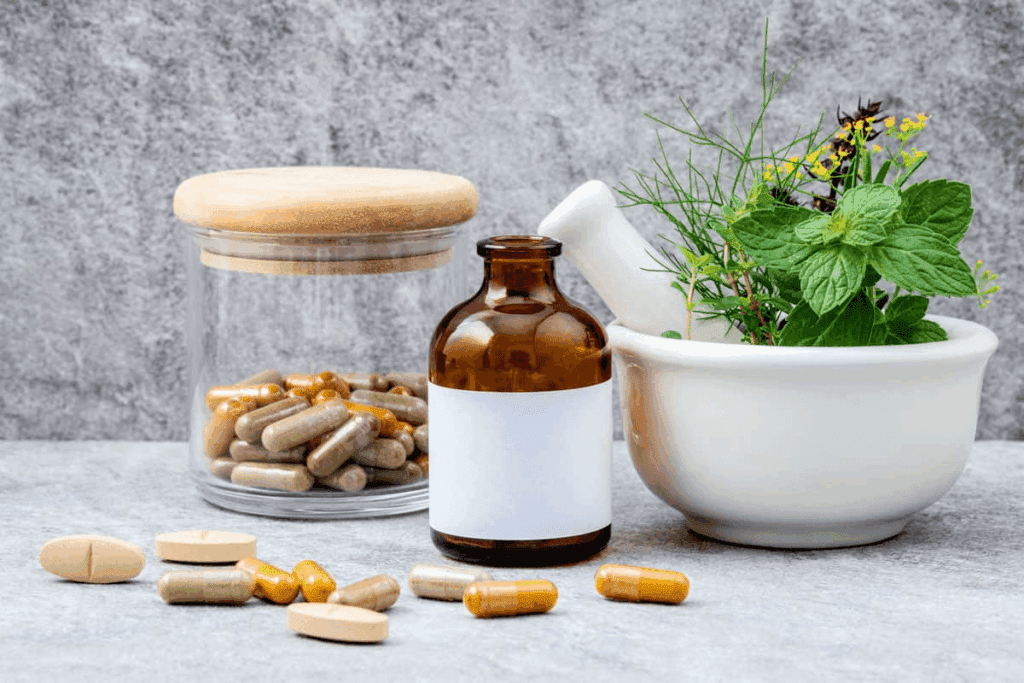
Menopause marks a big change in a woman’s life, when she stops getting her period, usually around 51. Millions of women face symptoms like hot flashes, night sweats, and mood swings. They also feel tired a lot.Discover effective natural solutions for menopause symptoms across the board. Empower yourself with natural solutions for menopause symptoms.
Women going through this life stage look for ways to feel better. At Liv Hospital, we help them find effective and evidence-based ways to manage their symptoms. We understand that every woman’s journey is unique and offer full support.
It’s important to know what options are out there to improve life during menopause. We’ll look at different ways to ease symptoms. This way, women can make smart choices about their health.
Key Takeaways
- Menopause is a natural life stage that affects millions of women worldwide.
- Common symptoms include hot flashes, night sweats, and mood changes.
- A holistic approach can help alleviate menopause symptoms.
- Dietary changes, exercise, and stress management techniques are effective in managing symptoms.
- Women can improve their quality of life during menopause with the right support.
Understanding Menopause and Its Impact

Menopause is a natural change that ends a woman’s ability to have children. It’s not just one event but a series of changes. These include perimenopause, menopause, and postmenopause.
What Happens During Menopause
Menopause brings big changes in the body, like a drop in estrogen levels. This can cause a range of symptoms, from mild to severe. Each woman’s experience is different, with some facing more challenges than others.
Common Symptoms and Their Prevalence
Women often experience hot flashes, night sweats, mood swings, and sleep issues during menopause. Vaginal dryness is another common symptom. These symptoms can affect daily life in different ways.
Many women look for natural menopause solutions and natural remedies for menopause fatigue. Some studies suggest that certain herbs and foods might help lessen symptoms.
The Biological Mechanisms Behind Symptoms
The reasons behind menopause symptoms are complex. They involve hormonal changes and how the body works. The drop in estrogen affects the hypothalamus, causing hot flashes and other symptoms.
Learning about these changes helps us understand how natural menopause solutions can help. This knowledge lets women make better choices for their health during this big change.
The Most Common Menopause Symptoms to Address
Menopause brings many challenging symptoms that can change a woman’s life. These symptoms vary in how bad they are and how often they happen. They often include physical, emotional, and mental changes.
Hot Flashes and Night Sweats
Hot flashes and night sweats are common and can disrupt a woman’s life. These symptoms cause sudden heat, sweating, and flushing. A 2021 research review found that red clover isoflavone supplements may help reduce daily hot flash frequency, which is a natural way to manage these symptoms.
Sleep Disruptions and Fatigue
Sleep problems and fatigue are common during menopause. Hormonal changes make it hard to sleep, and night sweats can make it worse. This leads to constant tiredness that affects daily life and well-being. Creating a consistent sleep routine and a sleep-friendly environment can help.
Mood Changes and Emotional Symptoms
Mood swings, irritability, and anxiety are common during menopause. These symptoms can be upsetting and affect relationships. Stress-reducing activities like yoga or meditation can help manage these feelings.
Physical Changes and Discomforts
Physical changes and discomforts, like vaginal dryness and changes in libido, are common. These symptoms can make intimacy and comfort hard. Using lubricants and moisturizers can help with vaginal dryness, and natural methods can address libido changes.
Natural Solutions for Menopause Symptoms: An Overview
Women facing menopause are looking for natural ways to ease their symptoms. They want treatments that are holistic and gentle. This shift is driven by a desire for less invasive options.
Limitations of Hormone Replacement Therapy
Hormone Replacement Therapy (HRT) is a common treatment for menopause. Yet, it comes with its own set of challenges. Some women face side effects, and there are worries about its long-term safety. This has led many to explore natural alternatives.
The drawbacks of HRT have sparked a search for natural methods. While HRT works for many, it’s not right for everyone. This is true, mainly for those with certain health issues.
Benefits of Holistic Approaches
Holistic methods for managing menopause symptoms have many advantages. They often come with fewer side effects than drugs. They also focus on lifestyle, diet, and natural remedies for a more complete health approach.
Research shows that exercise and diet changes can help a lot. Eating foods high in phytoestrogens and following a Mediterranean diet can ease symptoms.
The Evidence-Based Approach to Natural Remedies
Natural remedies are gaining popularity, but it’s key to use them wisely. We need to look at the scientific backing for these remedies. It’s also important to know how they might interact with other treatments.
We will dive into the science behind natural remedies. This includes herbal and plant-based treatments. We’ll also talk about how to use them as part of a full treatment plan.
Herbal and Plant-Based Remedies with Clinical Support
Herbal and plant-based remedies for menopause relief are getting more attention. Studies show they can help with symptoms. This gives women natural options for their health.
Black Cohosh: Effectiveness and Usage Guidelines
Black cohosh is a top herbal remedy for menopause. It may help with hot flashes and night sweats. Many women see a big improvement in symptoms.
Usage Guidelines: Take 20-40 mg of black cohosh daily. It should have 1 mg of triterpene glycosides. Always talk to a doctor before starting supplements.
Red Clover for Hot Flash Reduction
Red clover has isoflavones that might reduce hot flashes. Some studies show it can cut down on hot flash frequency and severity.
Clinical Evidence: Isoflavones in red clover might act like estrogen. This could help with menopause symptoms. But, more research is needed.
Sage and Its Effects on Sweating and Hot Flashes
Sage is known for helping with sweating and hot flashes. Its compounds might help control body temperature and lessen symptoms.
Benefits: Sage is available in capsules and teas. While there’s not much clinical evidence, many women find it helpful.
Evening Primrose Oil Benefits
Evening primrose oil has GLA, an omega-6 fatty acid. It might reduce inflammation and help with menopause symptoms. Some women notice better symptom management.
Herbal Remedy | Primary Benefit | Recommended Dosage |
Black Cohosh | Reduces hot flashes and night sweats | 20-40 mg/day |
Red Clover | Decreases hot flash frequency and severity | 40-80 mg/day |
Sage | Regulates body temperature, reduces sweating | Varies by form |
Evening Primrose Oil | Reduces inflammation, alleviates symptoms | 500-2000 mg/day |
Additional Herbs and Supplements Worth Considering
There are many herbs and supplements that might help with menopause symptoms. It’s important to look at their benefits and safety.
Dong Quai and Other Traditional Chinese Herbs
Dong quai is a traditional Chinese herb used for menopause. It’s thought to balance female hormones. Studies suggest it may lessen hot flashes and boost well-being. But, its effects can differ, and it might affect other medicines.
“Dong quai has been used for centuries in traditional Chinese medicine to treat various female health issues, including menopause symptoms,” notes a study published in a reputable herbal medicine journal.
Maca Root for Hormone Balance
Maca root is getting attention for hormone balance and menopause relief. Rich in vitamins and minerals, it might boost energy and cut hot flashes. It could also help with bone health, which is key during menopause.
Vitamin E and Its Role in Symptom Management
Vitamin E is known for its antioxidant benefits and might help with menopause symptoms. Some studies show it can lessen hot flashes. Incorporating vitamin E-rich foods or supplements could help.
Proper Dosing and Safety Considerations
When looking at supplements, talking to a healthcare provider about dosing and safety is key. Safety should always be the top priority. How well these supplements work can vary, and results can differ.
Managing menopause naturally involves a comprehensive approach. This includes diet, lifestyle changes, and the right supplements. Always talk to a healthcare professional before starting any new supplements.
“A well-informed approach to menopause management involves considering all available natural remedies and making informed decisions about their use.”
Exercise Approaches That Reduce Menopause Symptoms
Adding exercise to your daily life can really help with menopause symptoms. It can make hot flashes, night sweats, and mood swings better. Let’s look at different ways to exercise that can help manage these symptoms.
Aerobic Exercise for Hot Flash Management
Aerobic exercise is great for cutting down hot flashes. Activities like brisk walking, cycling, and swimming are good. They improve heart health and help with menopause symptoms. Studies show that regular aerobic exercise can greatly reduce hot flashes.
Aerobic Exercise Tips:
- Aim for at least 150 minutes of moderate-intensity aerobic exercise per week.
- Incorporate activities that you enjoy to make the routine more sustainable.
- Gradually increase the intensity and duration as your fitness level improves.
Strength Training for Bone Health
Strength training is key for keeping bones strong during menopause. It helps prevent osteoporosis. Exercises like squats, lunges, and deadlifts are very effective. Try to do strength training exercises at least twice a week.
Benefits of Strength Training:
- Improved bone density
- Enhanced muscle strength
- Better overall physical function
Yoga Poses for Menopause Relief
Yoga can help a lot with menopause symptoms like hot flashes and anxiety. Poses like downward-facing dog, warrior, and tree pose can reduce stress. Try to do yoga at least three times a week for the best results.
Yoga Tips for Menopause:
- Focus on poses that promote relaxation and stress relief.
- Use props to support your practice, if you’re new to yoga.
- Practice yoga in a cool, well-ventilated area to help manage hot flashes.
Creating a Sustainable Exercise Routine
It’s important to make exercise a regular part of your life. Mix different types of exercises to keep things interesting. This helps prevent getting bored and stopping. Start with small goals and slowly increase the intensity and duration of your workouts.
Tips for a Sustainable Routine:
- Schedule exercise into your daily planner.
- Find an exercise buddy for motivation.
- Track your progress to stay motivated.
Dietary Modifications for Symptom Relief
Making changes to your diet can help with menopause symptoms. It’s a natural way to feel better. Foods and eating patterns can help with hot flashes and night sweats.
Foods Rich in Phytoestrogens
Phytoestrogens are found in plants and act like estrogen in our bodies. Foods like soy products and flaxseed can help balance hormones. Adding these to your diet can help manage symptoms.
- Soybeans and soy products like tofu and tempeh
- Flaxseeds and flaxseed oil
- Legumes such as lentils and chickpeas
The Mediterranean Diet Approach
The Mediterranean diet is full of fruits, veggies, whole grains, and healthy fats. It’s linked to fewer menopause symptoms. This diet is good for your health and well-being.
- Focus on whole grains, fruits, and veggies
- Use olive oil for fats
- Eat lean proteins like fish and poultry
Foods to Avoid That Trigger Symptoms
Some foods can make menopause symptoms worse. Knowing and avoiding these foods can help. Common culprits include spicy foods, caffeine, and alcohol.
- Spicy foods that can cause hot flashes
- Caffeine and alcohol that can mess with sleep
- Processed foods with lots of sugar and salt
Meal Timing and Its Impact on Hot Flashes
When you eat can affect hot flashes. Eating smaller meals often can keep blood sugar steady. This can reduce hot flashes.
Try a meal plan with:
- Small, balanced meals all day
- Avoid big meals that can cause hot flashes
- Include foods that help with symptoms
Mind-Body Techniques with Proven Benefits
Mind-body techniques are great for easing menopause symptoms. They connect the mind and body, giving women natural ways to handle their symptoms.
Clinical Hypnosis for Hot Flash Reduction
Clinical hypnosis helps reduce hot flashes. It puts women in a deep relaxation state, helping them control their body’s reactions to menopause. Studies show it can really help manage symptoms.
Benefits of Clinical Hypnosis:
- Less frequent and severe hot flashes
- Better sleep
- Improved overall health
Mindfulness Meditation Practices
Mindfulness meditation is also effective for menopause symptoms. It focuses on the now, lowers stress, and promotes calm. It can also help with anxiety and depression.
Mindfulness Techniques Include:
- Body scan meditation
- Mindful breathing exercises
- Walking meditation
Breathing Techniques for Immediate Relief
Breathing techniques offer quick relief from hot flashes and anxiety. Diaphragmatic and paced breathing calm the body, reducing symptoms.
Cognitive Behavioral Approaches
Cognitive-behavioral therapy (CBT) helps manage symptoms by changing negative thoughts and behaviors. It can help with depression, anxiety, and sleep issues.
Mind-Body Technique | Primary Benefit | Additional Benefits |
Clinical Hypnosis | Reduces hot flash frequency and intensity | Improves sleep, reduces stress |
Mindfulness Meditation | Reduces stress and anxiety | Improves emotional regulation, enhances well-being |
Breathing Techniques | Provides immediate relief from hot flashes | Reduces anxiety, promotes relaxation |
Cognitive Behavioral Therapy | Changes negative thought patterns | Improves coping mechanisms, reduces depression |
Adding these mind-body techniques to daily life can greatly help with menopause symptoms. It’s important to try different methods to find what works best.
Lifestyle Adjustments for Better Symptom Management
Making lifestyle changes is key to easing menopause symptoms and boosting well-being. Women can manage their symptoms better and live a better life by adjusting their habits.
Sleep Hygiene Improvements
Good sleep hygiene is vital for handling menopause symptoms like hot flashes and night sweats. A consistent sleep schedule, a cool and dark room, and avoiding caffeine and screens before bed can improve sleep.
Meditation and deep breathing can also help calm the mind and body before sleep. This can make sleep even better.
Stress Reduction Strategies
Stress can make menopause symptoms worse. So, reducing stress is important. Yoga, mindfulness meditation, and progressive muscle relaxation can help lower stress.
Regular exercise and spending time outdoors are also great for managing stress and feeling better overall.
Environmental Modifications for Hot Flash Management
Changing your environment can help with hot flashes. Keeping places cool, using fans, and wearing layers that can be shed are simple but effective tips.
Staying away from hot foods, caffeine, and alcohol can also lessen hot flashes.
Creating a Menopause-Friendly Daily Routine
Having a daily routine that includes healthy habits and stress management can greatly help with menopause symptoms. This means setting aside time for exercise, practicing stress-reducing activities, and eating well.
Lifestyle Adjustment | Benefit |
Improved Sleep Hygiene | Better sleep quality, reduced night sweats |
Stress Reduction Techniques | Lower stress levels, improved overall well-being |
Environmental Modifications | Reduced frequency and severity of hot flashes |
Menopause-Friendly Daily Routine | Improved symptom management, enhanced quality of life |
When to Consult Healthcare Providers
Natural methods can help with menopause symptoms. But, some situations need a doctor’s help. It’s key to balance self-care with professional advice for safe and effective management.
Warning Signs That Require Medical Attention
Some symptoms during menopause need quick medical check-ups. These include:
- Heavy or irregular vaginal bleeding
- Severe hot flashes or night sweats that disrupt daily life
- Significant mood changes, such as depression or anxiety
- Unusual or persistent pain
If you notice any of these, see your doctor right away. They can check for other health issues that might need treatment.
Integrating Natural Approaches with Conventional Care
Managing menopause often means using both natural remedies and medical care. Talk to your doctor about your natural health plans. This ensures they fit well with your treatment.
“Integrative medicine is about combining the best of conventional medical practices with evidence-based complementary therapies.” Medical Expert, MD
This mix helps create a personalized plan. It tackles both the physical and emotional sides of menopause.
Finding Menopause-Knowledgeable Practitioners
Not all doctors know a lot about menopause. When looking for a doctor, find one who:
Criteria | Description |
Experience | Has experience in managing menopause symptoms |
Knowledge of Natural Therapies | Is knowledgeable about natural and complementary therapies |
Patient-Centered Care | Listens to your concerns and involves you in decision-making |
Choosing a doctor who knows about both natural and medical treatments can greatly improve your experience.
Tracking and Discussing Symptom Changes
Keeping a symptom journal is very helpful. It lets you:
- Identify patterns and triggers
- Monitor how well your strategies work
- Give your doctor detailed info for your treatment plan
Talking about your symptoms with your doctor helps adjust your treatment. This gives you the best relief possible.
Conclusion: Creating Your Personalized Natural Menopause Management Plan
Women can make a personalized menopause management plan by using natural methods. This plan helps ease symptoms. It includes diet changes, exercise, mind-body techniques, and lifestyle tweaks.
Creating a plan means mixing natural menopause solutions like herbs, diet changes, and stress relief. For example, eating foods with phytoestrogens, doing yoga, and using hypnosis can help with hot flashes. These steps improve overall health.
It’s important to know how these changes affect your symptoms. A menopause naturally approach helps avoid harsh drugs. It leads to a healthier life.
We suggest women try these methods and talk to doctors to make a plan that fits them. This way, they can manage menopause better and keep their quality of life high.
FAQ
What are the most effective natural ways to handle menopause symptoms?
We suggest making dietary changes, exercising, managing stress, and using natural remedies. Eating foods with phytoestrogens, following a Mediterranean diet, and avoiding certain foods can help. These steps can ease menopause symptoms.
How can I manage hot flashes and night sweats naturally?
Aerobic exercise, strength training, and yoga can lessen hot flashes. Mind-body techniques like hypnosis, meditation, and breathing help too. Also, avoid spicy foods and caffeine to reduce symptoms.
Are there any herbal remedies that can help alleviate menopause symptoms?
Yes, herbs like black cohosh, red clover, sage, and evening primrose oil may help. But, always talk to a healthcare provider before trying supplements to ensure they’re safe and effective.
How can I create a sustainable exercise routine for menopause relief?
Start with aerobic exercise, strength training, and yoga to ease symptoms. Begin with small goals and increase workout intensity and time. Choose activities you like and schedule them to make exercise a habit.
What lifestyle adjustments can I make to better manage menopause symptoms?
Improve sleep, reduce stress, and make environmental changes to fight hot flashes. Create a daily routine that includes these changes to manage symptoms better.
When should I consult a healthcare provider for menopause management?
See a healthcare provider for severe or lasting symptoms, or if you’re unsure about managing menopause. They can mix natural methods with medical care and guide you on tracking symptoms.
How can I track and discuss symptom changes with my healthcare provider?
Keep a symptom journal to track changes and patterns. Share this with your healthcare provider to help them create an effective treatment plan.
What are some natural remedies for menopause fatigue?
Supplements like maca root and vitamin E might help with fatigue. Also, eat iron-rich foods, vitamin B12, and adaptogenic herbs like ashwagandha to boost energy.
Can a holistic approach to menopause management be effective?
Yes, a holistic approach that includes diet, exercise, stress management, and natural remedies can be very effective. It addresses physical, emotional, and lifestyle factors to manage symptoms comprehensively.
References
National Center for Biotechnology Information. Herbal remedies for menopause: Alleviating hot flushes and night sweats. Retrieved from https://pmc.ncbi.nlm.nih.gov/articles/PMC4029542/