Last Updated on November 27, 2025 by Bilal Hasdemir
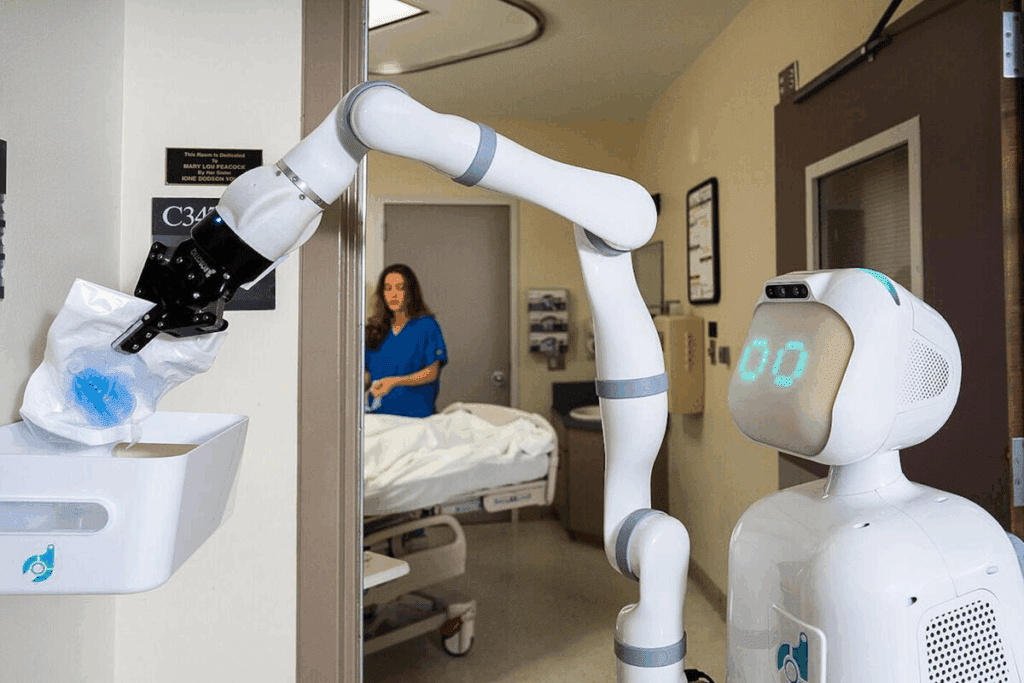
As we integrate robots into more areas of our lives, it’s important to consider the negatives of robots. The global robotics market is expected to reach $135 billion by 2025. While this growth is impressive, it also raises concerns about the impact of robots on society.
Heavy reliance on robots could lead to job losses and reduce human-to-human interactions. Understanding the negatives of robots is crucial for finding ways to balance technology with social and economic well-being, ensuring a better future for everyone.
Key Takeaways
- The increasing use of robots can lead to job displacement.
- Over-reliance on robots may result in reduced human interaction.
- Robotics can have significant economic implications.
- The development of AI poses unique challenges.
- Understanding the drawbacks of robotics is key for a balanced future.
The Rise of Robotics in Modern Society
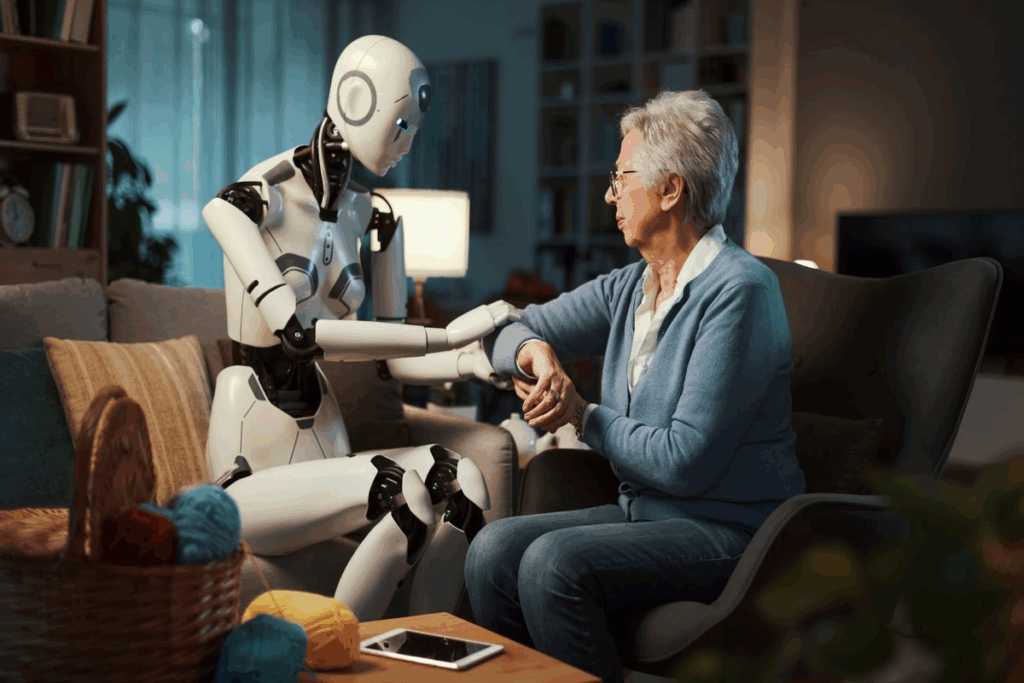
Robotics has changed many parts of our lives. It’s becoming more important as technology grows. Robotics is shaping our future in big ways.
Historical Development of Robotic Technology
The story of robotics is one of constant growth. From the early industrial robots in the 1960s to today’s AI machines, it’s come a long way. The first robot, Unimate, was introduced in 1961, starting a new era in making things.
Robotics has made huge strides over the years. This is thanks to better computers, sensors, and AI. Now, robots are used in many areas like healthcare, delivery, and service industries.
“The future is not a place we are going to, but a place we are creating. And it is being created through the advancements in technology, including robotics.”
Current Applications Across Industries
Robotics is used in many fields today. It changes how businesses work and serve customers. In factories, industrial robots do jobs like putting parts together, welding, and moving things. This makes work faster and cheaper.
In hospitals, robots help with surgeries, care, and helping patients get better. For example, robots help with surgeries, making them more precise and less invasive. Robots are also used in delivery, like in Just Eat’s AI robot delivery service. This shows how robots can change logistics and customer service.
- Manufacturing: Assembly, welding, material handling
- Healthcare: Surgeries, patient care, rehabilitation
- Logistics: Delivery services, warehouse management
- Service Industries: Customer service, cleaning, maintenance
As robotics gets better, we’ll see new uses in many areas. This will make robotics even more part of our daily lives.
Understanding the Negatives of Robots
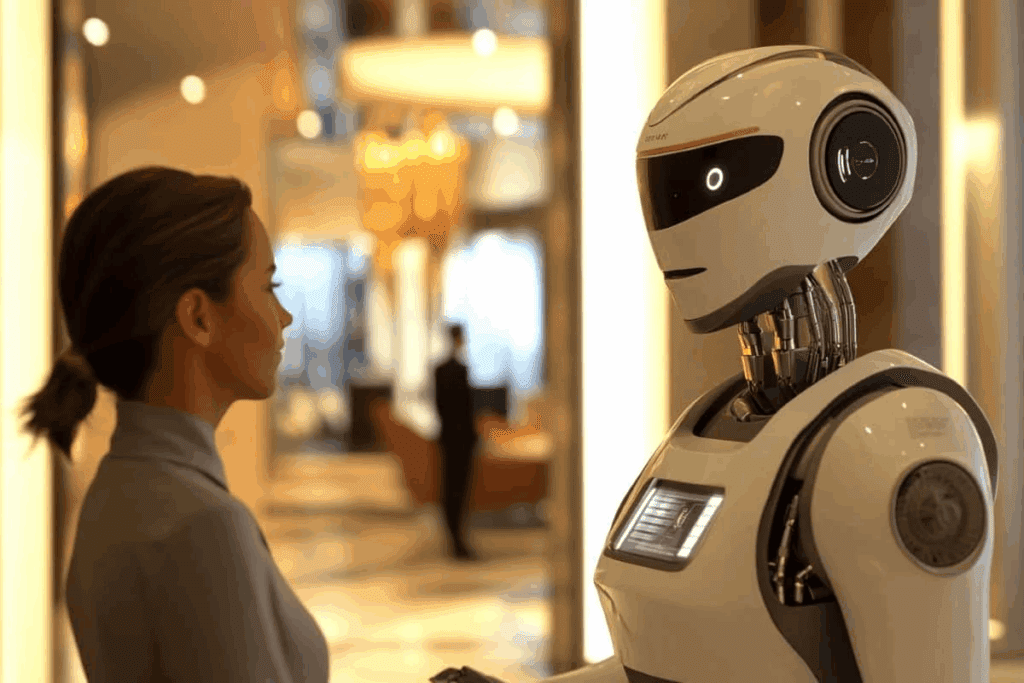
As robots become more common in our lives, it’s key to know their downsides. They bring many benefits, like better efficiency and precision. But, we also need to face the challenges they bring.
Balancing Innovation with Caution
We need to balance the excitement of new robotics with careful thought about risks. It’s important to think about the limitations of robotic technology and what might happen if we rely on it too much. This way, we can avoid problems and make sure robots help society in good ways.
Understanding the ethical concerns with robots is also vital. As robots get smarter, we worry about who’s responsible when they make big decisions. We must tackle these issues to make sure robotics is good for everyone.
The Importance of Critical Assessment
It’s important to carefully look at the downsides of robots. This helps us see the challenges and find ways to solve them. We need to check the robot risks in areas like making things, helping in healthcare, and even in transportation.
By doing deep assessments, we learn about the problems robots might cause. This includes worries about how reliable, safe, and secure they are. Knowing these issues helps us find ways to make robots better and safer for everyone.
- Identifying possible risks and challenges with robotic technology
- Looking at the ethical sides of making and using robots
- Coming up with plans to lessen the negatives of robots and make their benefits greater
By mixing innovation with caution and careful thought, we can handle the complex world of robots. This way, we can make sure robots fit with our values and needs.
Negative #1: Job Displacement and Unemployment
Robots are becoming more common in many industries, causing worries about job loss and unemployment. The growing use of automation is affecting workers in many ways.
Industries Most Vulnerable to Automation
Some industries are more likely to use robots because of the tasks they do. For example, manufacturing has seen a lot of automation, with robots doing assembly line work. Customer service and data processing are also seeing more automation, thanks to AI chatbots and software.
A report by McKinsey Global Institute says up to 800 million jobs could be lost by 2030. The most at-risk sectors are manufacturing, transportation, and administrative support.
Statistical Evidence of Job Losses
Studies show that automation leads to job loss. A Brookings Institution study found that nearly 40% of U.S. jobs are at risk of being automated. The Bureau of Labor Statistics also shows a big drop in manufacturing jobs over the years, partly because of automation.
| Industry | Jobs at High Risk of Automation | Percentage of Total Jobs |
| Manufacturing | 2 million | 30% |
| Transportation | 1.5 million | 25% |
| Administrative Support | 1 million | 20% |
Long-term Employment Projections
Automation will keep displacing jobs but also create new ones. The World Economic Forum says by 2022, 75 million jobs will be lost but 133 million new ones will be created. The challenge is to prepare workers for these new roles through training and education.
“The future of work will be characterized by human-machine collaboration. While machines will take over routine and repetitive tasks, humans will focus on tasks that require creativity, empathy, and complex problem-solving.”
As we look ahead, we must tackle the job loss caused by automation. Understanding which industries are most at risk and the job loss statistics helps us prepare for the future. We need to work on reducing the negative effects on employment.
The Changing Employment Landscape
Robots are changing jobs in many industries. This change means we need to think about how it affects work.
Skill Gaps and Retraining Challenges
Robots need new skills to work with them. But, many workers don’t have these skills. This makes retraining very important.
Retraining is hard and expensive. It takes a lot of time and money. Also, how well it works depends on the program.
| Industry | Skill Gap | Retraining Needs |
| Manufacturing | Programming and maintenance of robots | Technical training programs |
| Healthcare | Operating and interpreting data from robotic systems | Specialized training for healthcare professionals |
| Logistics | Managing and optimizing robotic supply chains | Logistics and supply chain management courses |
Economic Inequality from Automation
Automation worries us about economic fairness. Robots might make some people richer while others struggle. Those who own robots or know how to use them might get most of the benefits.
We must find ways to share the good things about automation. Ideas include a basic income, education, and safety nets for workers who lose their jobs.
Understanding and tackling these challenges can help us make automation work for everyone. This way, we can enjoy its benefits without hurting others.
Negative #2: High Costs and Resource Requirements
Robotic technology comes with a high price tag. The costs include the initial purchase, maintenance, operation, and energy use. These expenses add up quickly.
Initial Investment and Implementation Expenses
Buying robots is a big financial step. It’s not just the robot’s price. You also have to pay for setup and training. Training costs are for the people who will use and fix the robots.
Maintenance and Operational Costs
Robots need regular care to work well. This means parts, software updates, and tech support. They also use a lot of energy, which can lead to downtime and extra costs.
Energy Consumption Concerns
Robots use a lot of energy, which is bad for the planet and your wallet. Energy prices can change, making robot costs unpredictable. This makes it hard to plan your budget.
Thinking about these costs is key when deciding to use robots. Knowing all the expenses helps businesses make better choices about using robots.
Financial Barriers to Robotic Adoption
Small businesses find it hard to adopt robotic technology due to high costs. The price of robotic systems is too high for many small businesses. This makes it tough for them to compete with bigger companies that have more money.
Small Business Challenges
For small businesses, the cost of robotic technology is a big problem. They have small budgets and can’t afford the high prices of robots. They also lack the setup and skills to use robots well.
Some big financial challenges for small businesses include:
- High upfront costs for buying robots and software.
- Limited access to capital, making it hard to get money for robots.
- Uncertainty about the return on investment, as the benefits of robots are not always clear.
Return on Investment Uncertainties
One big problem is not knowing if robots will pay off. Robots can make things more efficient, but they cost a lot to start and keep up. It’s hard for businesses to see how robots will help them financially.
To deal with these doubts, businesses can:
- Do detailed cost-benefit analyses to guess how much robots will save.
- Get advice from experts who have used robots before.
- Look into financing options, like leasing, to lower the initial cost.
By understanding and tackling these financial hurdles, businesses can make better choices about robots. As the robotics world grows, prices will likely drop. This will help all kinds of businesses use robots.
Negative #3: Loss of Human Interaction
Robotics is changing industries, but it’s affecting our human connections. As we use more robots, we’re seeing less human interaction in many areas of life.
Reduction in Workplace Socialization
Robots in the workplace are reducing social interactions among employees. Collaboration and teamwork are key to a good work environment. Without humans, morale and productivity can suffer.
Customer Service and Human Connection
In customer service, robots help make things more efficient. But, they lack the personalized human interaction that customers often prefer. This can make their experience less satisfying.
Healthcare and Elderly Care Concerns
In healthcare, robots are used in elderly care, but they can’t replace human touch. Companionship and emotional support are vital for the elderly. Robots can’t offer the emotional connection and empathy that humans do.
As we use more robots, we must think about the impact on human interaction. Understanding these issues helps us find a balance between technology and human connections.
Psychological Effects of Human-Robot Substitution
Robots are taking over jobs, and we need to think about how this affects people. Robots in different fields change how we work and interact.
Automation can make us feel lonely because we talk to fewer people. When robots do jobs that humans used to, we have less chance to meet others.
Social Isolation in Automated Environments
Places with lots of automation can make people feel left out. For example, chatbots and automated calls in customer service cut down on human talks. This can hurt the mental health of workers and customers.
A study found some interesting facts about automation and mental health:
| Industry | Level of Automation | Reported Isolation |
| Customer Service | High | 62% |
| Manufacturing | Medium | 45% |
| Healthcare | Low | 28% |
Impact on Communication Skills and Development
Less human talk because of automation can hurt our communication skills. With more robots, we talk less face-to-face. This makes it harder to get better at talking and listening.
We need to find a balance between using technology and keeping human connection alive. This way, we can use tech without losing touch with each other’s feelings.
Negative #4: Technical Limitations and Reliability Issues
Robots have made great strides, but they’re not perfect. They face technical hurdles and reliability problems. Knowing these issues is key to using robots well in our lives and work.
Programming Constraints and Errors
Robots have programming limits and can make mistakes. They’re set to do certain tasks, but they struggle with new or unexpected situations. These errors can cause big problems, like in healthcare or manufacturing.
For example, a robot made for assembly might not work with a new product without being updated. This shows we need to test and check robots carefully to avoid mistakes.
Malfunction Risks and Consequences
Robots can break down like any machine. Their failures can be dangerous, mainly when they’re near people. A broken robot can hurt someone, damage things, or stop production, costing money.
To avoid these dangers, we must keep robots in good shape. This means regular checks and safety features like emergency stops and barriers.
Maintenance Dependencies and Downtime
Robots need regular upkeep to work right. They need updates, software fixes, and hardware checks. Without this, they might not work well, leading to lost time and less productivity.
Also, having skilled people to do these tasks is very important. Below is a table showing common robot maintenance tasks and how often they’re needed.
| Maintenance Task | Frequency | Responsible Personnel |
| Software Updates | Monthly | IT/Software Team |
| Hardware Checks | Quarterly | Maintenance Team |
| Safety Inspections | Bi-Annually | Safety Officer |
In summary, robots bring many benefits, but we must handle their technical and reliability problems. By understanding and addressing these issues, we can fully use the power of robots.
Adaptability and Decision-Making Shortcomings
Robots do well in places where things are the same. But, they struggle with surprises. This is a big worry as robots play more roles in our lives.
Handling Unexpected Situations
Robots know how to do certain tasks. But, they get stuck when things change. For example, a robot for assembly lines might not handle a layout change well.
Here’s a table showing how humans and robots differ in adapting to new situations:
| Characteristics | Humans | Robots |
| Adaptability to Change | Highly adaptable, can adjust to new situations | Limited adaptability, requires reprogramming |
| Decision-Making | Can make decisions based on experience and intuition | Decision-making is based on algorithms and data |
| Emotional Intelligence | Possess emotional intelligence, can empathize | Lack emotional intelligence, cannot empathize |
Lack of Emotional Intelligence and Intuition
Humans make decisions with emotions and gut feelings. Robots don’t have these abilities. They can’t understand human feelings or make decisions like humans do.
This is a big problem, mainly in places where humans and robots work together. In healthcare or customer service, knowing and reacting to emotions is key.
To fix these issues, scientists are working on better robots. They want to create robots that can adapt and make decisions like humans. This includes using advanced algorithms and artificial intelligence that acts like human intuition.
Negative #5: Security and Privacy Concerns
Robots are becoming more common in many areas, but they also raise big security and privacy worries. As they get smarter and more independent, they can be hacked and have their data stolen.
Vulnerability to Hacking and Cyber Attacks
Robots, like all connected devices, can be hacked. This can let someone get in without permission, steal data, or even take control of the robot. For example, industrial robots in factories can be hacked to mess up production or even hurt people.
- Potential for data breaches and information theft
- Risk of robots being used for malicious purposes
- Need for robust cybersecurity measures in robotic systems
Data Collection and Privacy Violations
Robots gather and use a lot of data, including personal info. This is a big privacy worry because mishandling or unauthorized access can break privacy rules.
- Ensuring secure data storage and transmission
- Implementing strict access controls for data handling
- Transparency about the data being collected and its use
Surveillance and Civil Liberties
Robots used for watching people can threaten our civil rights. Robots with cameras and sensors can spy on us without asking, taking away our right to privacy.
Key concerns include:
- The risk of mass surveillance
- Breaking personal privacy and freedom
- The need for laws to control robotic surveillance
In summary, robots bring many benefits, but we can’t ignore their security and privacy issues. We must tackle these problems with strong cybersecurity, strict data protection, and laws about watching people.
Ethical Dilemmas in Robotic Development
Robots are becoming a big part of our lives, leading to tough ethical questions. Their creation and use bring up big issues that need thought.
Accountability for Robot Actions
One big worry is who’s to blame when robots cause harm. As robots do more on their own, it’s hard to say who’s at fault. Manufacturers, developers, and users all might share the blame, but it’s not always clear.
We need clear rules for robot accountability. This means setting standards for how robots are made, tested, and used. These standards should focus on safety and being open.
Balancing Innovation with Ethical Boundaries
Innovation drives robot development, but we must think about ethics too. Ethical boundaries help make sure robots respect human rights and dignity.
Thinking about how robots affect society and people is key. We should look at how robots might change jobs, privacy, and social structures. Then, we can work to lessen any bad effects.
Military and Law Enforcement Applications
Robots in the military and police raise big ethical questions. Autonomous weapons can decide to kill without human help. This makes us wonder about the rightness and responsibility of such actions.
We need to talk a lot about the ethics of using robots in these roles. We should think about if there are some uses that are off-limits or need strict rules.
Growing Dependence on Robotic Systems
Our growing use of robots has both good and bad sides. It brings benefits but also risks. We need to understand these risks as we rely more on robots.
Skill Atrophy and Knowledge Loss
One big worry is skill atrophy and knowledge loss in humans. Robots doing tasks means humans might not practice their skills.
This is seen in many fields, like manufacturing and healthcare. For example, surgeons using robots might lose their manual skills if they don’t practice.
| Industry | Skill Affected | Potential Consequences |
| Manufacturing | Manual assembly and repair | Reduced ability to fix complex machinery manually |
| Healthcare | Surgical skills | Decreased proficiency in performing surgery without robotic assistance |
| Transportation | Driving skills | Potential loss of driving abilities due to reliance on autonomous vehicles |
System Vulnerabilities During Crises
Another big risk is system vulnerabilities during crises. As we use more robots, we face more risks of system failures or cyber-attacks.
For instance, a robot failure in manufacturing can stop production and cause big economic losses. A cyber-attack on self-driving cars could be very dangerous.
To avoid these risks, we need strong backup plans and to invest in keeping our robots safe from cyber threats.
Conclusion: Navigating the Future of Robotics
As we look ahead, it’s key to see both sides of robotics. We’ve talked about the downsides, like jobs lost, high costs, and less human touch. We’ve also touched on technical limits and security worries.
To make the most of robots, we need to be careful and smart. We should help people learn new skills, keep robots safe, and make them work well with us. This way, we can enjoy the good things about robots without the bad.
Understanding robots and their role in our lives is important. We can aim for a future where robots help us a lot but don’t harm us. As we keep using robots, we must always think about how to use them wisely and safely.
FAQ
What are the main negatives of robots?
Robots have several downsides. They can replace human jobs, cost a lot, and reduce human interaction. They also have technical limits and can pose security risks.
How do robots contribute to job displacement?
Robots take over tasks, which can lead to humans losing their jobs. This is more common in jobs that are repetitive or routine.
What are the financial implications of adopting robotic technology?
Getting robots can be expensive. You need to pay for the initial cost, upkeep, and operation. This can be tough for small businesses.
How do robots affect human interaction in the workplace?
Robots can make workplaces less social. They might replace humans, leading to less communication and social skills.
What are the technical limitations of robots?
Robots have some technical issues. They can have programming problems, malfunction, and need regular maintenance. These issues can affect their reliability and performance.
Can robots handle unexpected situations?
Robots often struggle with unexpected situations. They lack adaptability and emotional intelligence. This makes it hard for them to deal with new or complex scenarios.
What are the security risks associated with robots?
Robots can be vulnerable to hacking and data collection. This raises privacy and security concerns.
How do robots raise ethical concerns?
Robots raise ethical questions. They make us wonder about accountability, the balance between innovation and ethics, and their misuse in certain fields.
What are the risks of growing dependence on robotic systems?
Relying too much on robots can be risky. It can lead to skill loss, knowledge decline, and system vulnerabilities during crises. These risks affect individuals and society.
How can we mitigate the negatives of robots?
We need to be careful with robots. We should invest in education and address the social and economic impacts. This way, we can balance innovation with caution.
What is the impact of robots on small businesses?
Robots can be challenging for small businesses. They face high costs and uncertainty about the benefits. This can be a financial burden.
How do robots affect customer service and human connection?
Robots can reduce human interaction in customer service. This might lead to lower customer satisfaction. Humans are often better at connecting with customers.
What are the concerns related to robots in healthcare and elderly care?
Robots in healthcare and elderly care raise concerns. They might reduce human interaction and emotional support. It’s important to consider their role carefully.
References
- Choi, P. J., Oskouian, R. J., & Tubbs, R. S. (2018). Telesurgery: Past, present, and future. Surgical Endoscopy, 32(8), 1115–1124. https://pmc.ncbi.nlm.nih.gov/articles/PMC6067812/