Last Updated on November 24, 2025 by
Bladder reconstruction surgery is a complex procedure that needs precision and expertise. At our institution, we know this surgery can be scary. Our team of experts is committed to giving you the best care.
A doctor says bladder reconstruction surgery can take between four to six hours. The time it takes depends on several things. These include how complex your condition is and the surgical technique used.
We use the latest techniques and top-notch equipment for the best results. Our surgeons are skilled in bladder reconstruction surgery, including neobladder reconstruction. They aim to restore urinary function and enhance your quality of life.
Key Takeaways
- Bladder reconstruction surgery can take between 4 to 6 hours.
- The duration of surgery depends on the complexity of the patient’s condition.
- Advanced surgical techniques and state-of-the-art equipment are used.
- Our surgeons are experienced in performing bladder reconstruction surgery.
- The goal is to restore urinary function and improve quality of life.
The Duration of Bladder Reconstruction Surgery: What to Expect
Knowing how long bladder reconstruction surgery takes is key for patients. Our team is here to give you personalized care and attention. We want to make sure you’re well-prepared for what’s ahead.
The surgery usually lasts 4 to 6 hours. But it can change based on your condition and the surgery method. A urologic oncologist, says, “Using a laparoscopic robot-assisted approach makes the surgery more precise and reduces recovery time.” This method is a big step forward in urology, making the surgery more efficient and less invasive.
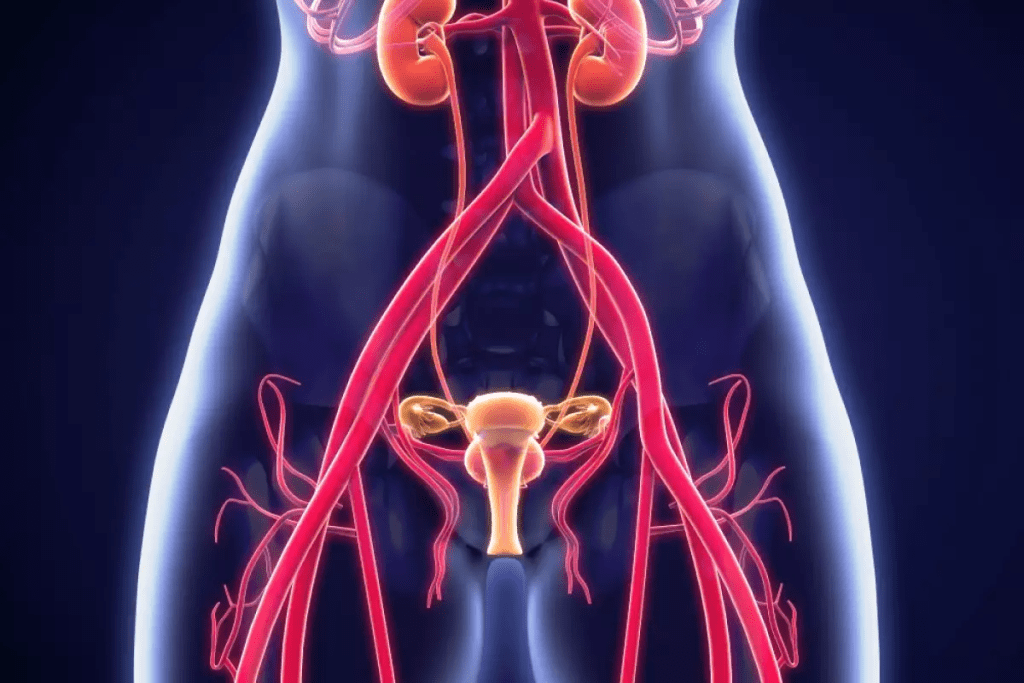
Average Timeframe
The 4-6-hour time frame is a general estimate. It includes preparation, the surgery, and the first recovery phase. Our surgeons will talk to you about your specific case, making sure you know what to expect.
Factors Influencing Surgery Time
Several things can affect how long the surgery takes. These include:
- The complexity of the patient’s condition
- The specific surgical technique used (e.g., laparoscopic robot-assisted approach)
- The patient’s overall health and medical history
- The presence of any complications during surgery
Our team is skilled in handling different cases. We’ll work with you to make sure your surgery is done well and efficiently. Advances in urology, like neomedical term procedures, help improve outcomes for bladder reconstruction patients.
In summary, while surgery times can vary, we’re committed to giving you the best care. We know how important reconstruction meaning is for your health and function, like with urinary bladder pig function.
5 Types of Bladder Reconstruction Procedures and Their Timeframes
Bladder reconstruction surgery includes many procedures, each with its own timeframe and benefits. The right procedure depends on the patient’s health, the reason for surgery, and personal preferences.
Neobladder Reconstruction
Neobladder reconstruction makes a new bladder from the intestine. It lets patients urinate more naturally. The surgery can take around 6-8 hours, depending on the case.
We know neobladder reconstruction is a big surgery. Our team helps patients get ready for the surgery and recovery.
Ileal Conduit Urinary Diversion
Ileal conduit urinary diversion uses the intestine for urine to exit the body. It’s chosen for its shorter surgery time, usually 4-6 hours.
Patients with ileal conduit urinary diversion need to learn about their new system. Our team offers detailed guidance and support.
Continent Urinary Reservoir
A continent urinary reservoir is a pouch made from intestine that stores urine. Patients can catheterize it to empty. The surgery time can vary, often taking around 6-8 hours.
This procedure gives patients control over their urine. We help patients understand its benefits and challenges.
Bladder Augmentation
Bladder augmentation makes the bladder bigger using an intestine. It’s used for small or contracted bladders. The surgery time can range from 4-6 hours.
Bladder augmentation can greatly improve life by increasing bladder capacity. We talk about the benefits and risks with patients to help them decide.
In conclusion, the type of bladder reconstruction and its timeframe vary a lot. We work with patients to find the best procedure for their needs.
- Neobladder reconstruction: Allows for more natural urination.
- Ileal conduit urinary diversion: Relatively shorter surgery time.
- Continent urinary reservoir: Offers high control over urinary function.
- Bladder augmentation: Increases bladder capacity.
Knowing these options is key to making a good decision about bladder reconstruction surgery. We aim to give our patients the info and support they need for their treatment journey.
Neobladder Reconstruction: Process and Timeline
Creating a new bladder from intestinal tissue is a remarkable feat of modern surgery, as seen in neobladder reconstruction. This complex procedure is for those who need a new bladder due to disease or severe damage. We’re here to guide you through every step of this journey.
Creating a New Bladder from Intestinal Tissue
The neobladder reconstruction process uses a part of the intestine to make a new bladder. This is a precise technique that requires great skill. Our surgeons are experts in this area, making sure the new bladder works as well as possible.
Senior Doctor explained that the surgery removes the old bladder and creates a new way for urine to leave the body. The process is detailed, with careful selection and preparation of intestinal tissue. This tissue is then shaped into a pouch that will be the new bladder.
Surgical Complexity Factors
Several factors can make neobladder reconstruction surgery more complex. These include the patient’s health, the extent of the disease or damage, and any previous surgeries. Our team looks at each case carefully to find the best approach.
The surgery’s complexity also depends on the techniques used. Our surgeons use the latest technology to get the best results. We talk to you about the procedure, including any risks and benefits, to make sure you’re informed.
Recovery Milestones After Neobladder Surgery
Recovering from neobladder reconstruction surgery takes time. First, patients are watched closely in the hospital to handle any immediate issues. As you get better, our team will help you learn to manage your new urinary system.
Important milestones include getting back to normal with your bladder and returning to daily activities. We offer full support during your recovery, including follow-up visits and advice on managing your new bladder.
Pre-Surgical Preparation: Timeline Before Your Operation
Getting ready for bladder reconstruction surgery is key. It makes sure you’re ready for the big day. We focus on making you physically and mentally strong for the surgery.
Required Medical Evaluations and Tests
Before surgery, you’ll need to do some medical tests. These tests check your health and find any risks. You might have:
- Blood tests to see how you’re doing overall.
- Imaging tests like CT scans or MRI to look at your bladder.
- Urine tests for infections or other issues.
- Cardiac tests are performed if you have heart problems.
Lifestyle Adjustments Before Surgery
Changing your lifestyle before surgery can help a lot. Here’s what we suggest:
- Quit Smoking: It’s important because smoking can slow healing and cause problems.
- Maintain a Healthy Diet: Eating well helps your body get ready for surgery and recover faster.
- Stay Hydrated: Drinking water is good for your health and helps with recovery.
- Exercise Regularly: Being active improves your health and makes you stronger for surgery.
By following these tips and working with our team, you’ll have a better surgery and recovery.
The Day of Surgery: Hour-by-Hour Breakdown
Knowing what to expect on surgery day can make you feel less anxious. As you get ready for bladder reconstruction surgery, knowing the hour-by-hour details can offer comfort and clarity.
Pre-operative Procedures
Before surgery starts, our team will help you with several steps. These steps are key to your safety and the surgery’s success. You’ll meet our surgical team, who will go over the plan, answer questions, and get you ready for the surgery.
Senior Doctor explains, “The surgery removes the bladder and creates a new way for urine to leave the body.” This detailed process needs careful preparation and focus.
Anesthesia Administration
In the operating room, the anesthesia team will give you anesthesia. General anesthesia is usually used for bladder reconstruction surgery, so you’ll be asleep. Our anesthesiologists will watch your vital signs closely during the surgery.
The Reconstruction Process
The surgery’s main part is making a new urinary system. This can include making a neobladder, ileal conduit, or continent urinary reservoir. Your procedure will depend on your specific needs and condition.
Post-operative Monitoring
After the surgery, you’ll go to the recovery room. Our team will watch over you as you wake up from anesthesia and start recovering. Monitoring after surgery is vital to catch and handle any issues quickly. You’ll get pain medicine as needed, and our nurses will help with anything you need.
“The hour-by-hour breakdown of the surgery helps patients understand the process and reduces anxiety,” says, a renowned Doctor.
Recovery Timeline: From Hospital to Home
Bladder reconstruction surgery is just the start. The real challenge is the recovery that follows. Knowing the recovery timeline helps you plan for your journey home and back to normal life.
Hospital Stay Duration
Patients usually stay in the hospital for 7-10 days after surgery. Our medical team watches over you, manages pain, and teaches you to care for your new urinary system.
Key aspects of your hospital stay include:
- Monitoring for any post-surgical complications
- Pain management to ensure your comfort
- Initial training on managing your urinary diversion
Learning to Manage Urinary Diversion
Learning to manage your urinary diversion is key. Our team will teach you how to care for your new system. You’ll learn about:
- Caring for your stoma (if you have one)
- Using and cleaning medical devices
- Watching for signs of complications
With proper care and attention, you can minimize the risk of complications and enjoy a healthy, active life.
Return to Normal Activities Timeline
The time it takes to get back to normal varies. It depends on your health, the surgery’s complexity, and how fast you heal. Generally, patients can:
- Start with light activities in 4-6 weeks
- Slowly increase activity over 2-3 months
- Get back to most normal activities in 6-12 months
Our team is here to support and guide you through recovery. We know everyone’s journey is different. We’re here to help you every step of the way.
Success Rates and Possible Complications
The success of bladder reconstruction surgery is measured in several ways. This includes continence and long-term survival rates. It’s key for patients to know these outcomes to make informed decisions.
Continence Outcomes
Research shows that continence statistics for bladder reconstruction are good. About 90% of patients can control their bladder during the day. And, around 82% can do the same at night. These numbers show a high success rate in fixing urinary issues.
Surgical Complications
Bladder reconstruction surgery is mostly safe, but complications can happen. A 2021 review found that the surgical complication rate is about 27%. We watch patients closely to lower these risks and aim for the best results.
Long-term Survival Rates
Long-term survival rates are also key. The 5-year survival rate is roughly 65.5%. And, the 20-year survival rate is about 28.3%. These numbers show the surgery’s long-term success.
Major Complications Over Time
It’s also vital to look at major complications over time. Within 20 years, the rate of major complications is around 40.8%. Knowing these risks helps patients prepare for their journey.
At our institution, we’re dedicated to giving full care and support during bladder reconstruction. By knowing the success rates and possible complications, patients can feel more confident in their choices.
Conclusion: Making an Informed Decision About Bladder Reconstruction
Understanding bladder reconstruction surgery is key to making a good choice. Our team at our institution is here to help. We want to give you all the info you need to decide what’s best for you.
A doctor says it’s important to talk to a doctor who knows about bladder cancer. We hope our info has helped you grasp the details of bladder reconstruction. This includes the term “neo” used in neobladder reconstruction.
We’re all about top-notch healthcare and helping international patients. We urge you to talk to our experts. This way, you can make a well-informed choice about bladder reconstruction.
FAQ
How long does bladder reconstruction surgery take?
Bladder reconstruction surgery usually takes 4 to 6 hours. But it can vary. This depends on your condition and the surgery method.
What are the different types of bladder reconstruction procedures?
There are many bladder reconstruction procedures. These include neobladder reconstruction and ileal conduit urinary diversion. Each has its own benefits and timeframes.
What is neobladder reconstruction?
Neobladder reconstruction makes a new bladder from intestinal tissue. Our surgeons will explain the details. They will talk about the surgery’s complexity and your recovery.
How do I prepare for bladder reconstruction surgery?
To get ready for surgery, you’ll need medical checks and tests. Making lifestyle changes before surgery can also help. This can reduce risks and make recovery easier.
What can I expect on the day of surgery?
On surgery day, you’ll go through pre-operative steps and get anesthesia. Then, the surgery will start. Our team will watch over you closely to ensure a smooth recovery.
How long will I stay in the hospital after bladder reconstruction surgery?
You’ll likely stay in the hospital for 7-10 days after surgery. Our team will help you manage your urinary diversion. They will also teach you how to care for your new bladder.
What are the success rates and possible complications of bladder reconstruction surgery?
Our data shows a 90% success rate during the day and 82% at night. The complication rate is about 27%. Survival rates are 65.5% at 5 years and 28.3% at 20 years.
Can I live without a bladder?
Living without a bladder is possible, but surgery can improve your life. Our team will discuss the benefits and risks of your procedure with you.
What is urinary diversion?
Urinary diversion redirects urine out of the body. It can be done in different ways, like ileal conduit urinary diversion.
What does neo medical term mean?
“Neo” is a medical term meaning “new”. In bladder surgery, a neobladder is a new bladder made from intestinal tissue.
References
Asimakopoulos, A. D., et al. (2022). “Bordeaux Neobladder: First evaluation of the urodynamic parameters. Neurourology and Urodynamics.