Last Updated on November 27, 2025 by Bilal Hasdemir
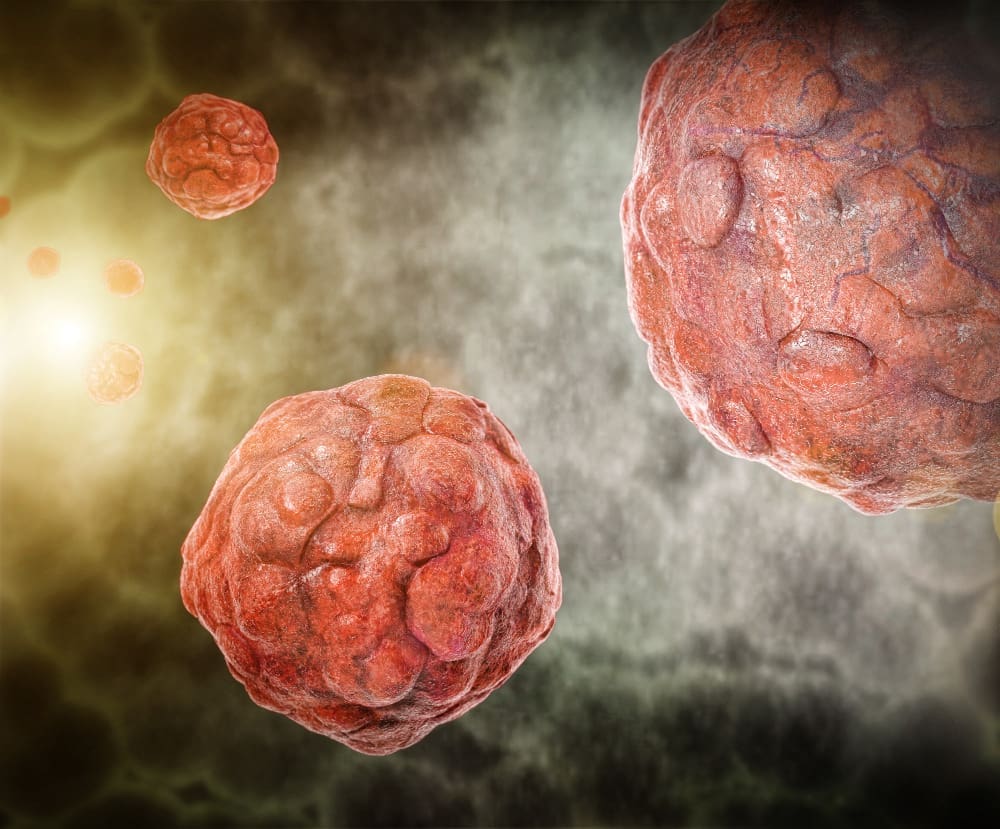
Getting a diagnosis of a neoplastic benign tumor can be scary. But, it’s good to know these tumors are not cancer. They don’t spread to other parts of the body.
At Liv Hospital, we focus on caring for patients with neoplasia disease. Our team works hard to understand the causes and symptoms. This way, we can offer the best treatment plans.
The definition of neoplastic disease includes many conditions with abnormal cell growth. We aim to help you understand neoplastic benign tumors. This knowledge helps you make better health choices.
Key Takeaways
- Neoplastic benign tumors are non-cancerous growths.
- These tumors do not invade surrounding tissues or metastasize.
- Understanding the causes and symptoms is key for effective treatment.
- Liv Hospital offers complete care for patients with neoplasia disease.
- Our team is committed to personalized treatment options.
Understanding Neoplastic Growth
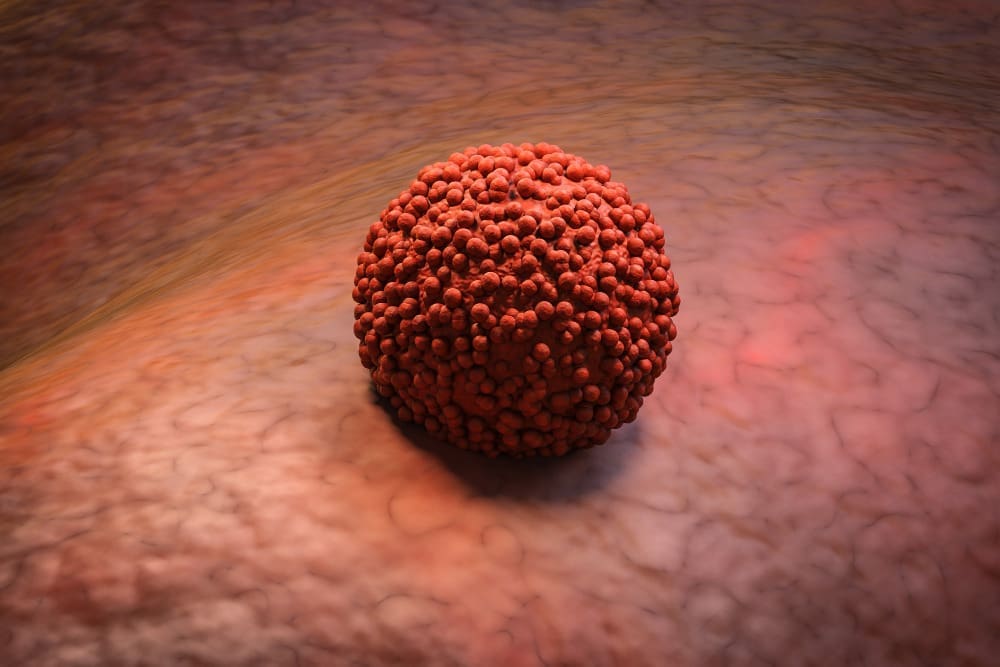
Neoplastic growth means cells grow out of control, leading to tumors. This is key in many diseases. It’s important to know how it works.
What Does Neoplastic Mean?
“Neoplastic” means cells grow in a bad way, making tumors. To get what is neo plastic, know it can be harmless or dangerous. Harmless ones don’t spread, but dangerous ones can.
Knowing neoplastic etiology meaning helps us see how these growths start. They come from genes, environment, and hormones.
The Process of Abnormal Cell Proliferation
Abnormal cell growth means cells divide too much, making tumors. This messes up how cells work, leading to neoplastic disorder definition. It can be from harmless to deadly.
This process has steps like genetic changes and cell disruption. Knowing these steps helps us find treatments and manage diseases.
Definition of Neoplastic Disease
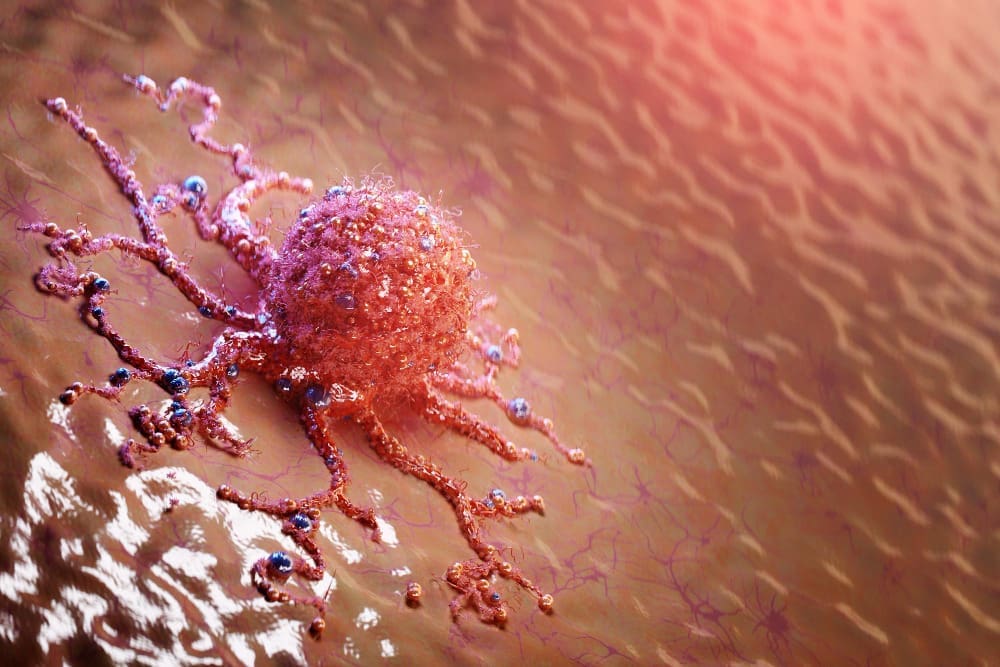
“Neoplastic disease” refers to a wide range of abnormal cell growth issues. These conditions involve cells growing out of control, forming tumors or neoplasms. They can be either benign or malignant, each affecting health and treatment differently.
Comprehensive Explanation of Neoplastic Disorders
Neoplastic disorders come from genetic mutations or environmental factors. These factors disrupt normal cell growth, leading to tumors. Benign tumors are non-cancerous and don’t spread. Malignant tumors are cancerous, can spread, and invade nearby tissues.
Knowing about neoplastic disorders helps doctors choose the right treatment. Tests like imaging and biopsies are key for diagnosis and treatment planning.
Distinguishing Between Benign and Malignant Conditions
Telling benign from malignant neoplasms is vital for treatment and prognosis. The main differences are in growth, cell type, and spread.
| Characteristics | Benign Neoplasms | Malignant Neoplasms |
|---|---|---|
| Growth Pattern | Slow-growing, encapsulated | Rapid growth, invasive |
| Cellular Characteristics | Well-differentiated cells | Poorly differentiated cells |
| Metastasis | No metastasis | Potential for metastasis |
The table shows benign neoplasms grow slowly and don’t spread. Malignant neoplasms grow fast and can spread. Accurate diagnosis is key for the right treatment.
Characteristics of Neoplastic Benign Tumors
Neoplastic benign tumors have unique traits that differ from malignant ones. These traits help us understand how these tumors behave and their impact on health.
Growth Patterns and Tissue Boundaries
Benign tumors grow slowly. They don’t spread quickly like malignant tumors do. They also have clear boundaries, which helps tell them apart from malignant ones.
A top oncologist says, “The way a tumor grows is key to knowing if it’s benign or malignant.”
The clear lines between the tumor and the surrounding tissue make diagnosing and treating benign tumors easier.
Cellular Structure and Organization
The cells in benign tumors look like normal cells. They are mature and well-organized. This shows that benign tumors don’t have many genetic problems.
Lack of Invasive and Metastatic Properties
Benign tumors don’t invade or spread to other parts of the body. This is unlike malignant tumors. Because of this, benign tumors are generally safer but can cause problems if they grow big enough.
In short, benign tumors grow slowly, have clear boundaries, and don’t spread. Knowing these traits helps doctors give the right diagnosis and treatment.
Neoplastic Causes and Risk Factors
It’s important to know what causes neoplastic disease to prevent and treat it well. This disease comes from many factors working together.
Genetic Predispositions and Mutations
Genetics play a big role in neoplastic disease. Some genetic changes can make us more likely to get it. For example, changes in genes that stop tumors can let cells grow too much. We’ll look into how genetics affect the risk of getting neoplastic diseases.
Environmental Influences and Carcinogens
Being around harmful substances and radiation also raises the risk of neoplastic disease. These harmful agents can damage DNA in cells, causing tumors. We’ll talk about common environmental toxins and how they lead to neoplastic diseases.
Hormonal Imbalances and Their Effects
Hormones also play a part in neoplastic disease. Hormones help cells grow and work right, but imbalances can cause problems. For instance, hormonal changes can make some tumors grow. It’s key to understand how hormonal imbalances affect neoplastic disease.
Immune System Disturbances
The immune system helps fight off cancer cells. But, if it’s not working right, like when it’s weakened, we’re at higher risk. We’ll see how immune issues help neoplastic diseases grow and spread.
In short, neoplastic disease is caused by many things like genetics, environment, hormones, and the immune system. Knowing these causes helps us find better ways to prevent and treat it.
Neoplastic Etiology Meaning
The study of neoplastic conditions is complex. It involves how cells and molecules work together. This leads to abnormal cell growth, which can cause tumors.
Cellular Mechanisms of Tumor Development
Tumors grow due to changes in how cells work. This includes cell proliferation, differentiation, and apoptosis. Genetic and epigenetic changes are key in this process.
Several important mechanisms help tumors grow:
- Genetic instability and mutations in tumor suppressor genes
- Dysregulation of cell cycle checkpoints
- Altered cellular metabolism and energy production
- Evading programmed cell death (apoptosis)
Molecular Pathways in Benign Neoplasm Formation
Benign tumors form when cell growth and division go wrong. Important pathways include:
- The PI3K/AKT signaling pathway, which regulates cell survival and proliferation
- The MAPK/ERK pathway, involved in cell proliferation and differentiation
- Hormone-regulated pathways, such as those influenced by estrogen and progesterone
Neoplastic etiology is a complex field. It needs a deep understanding of cells and molecules. By studying these processes, we can find new ways to treat diseases.
Identifying Neoplastic Lesions
Healthcare professionals use many methods to find neoplastic lesions. They do physical checks, use imaging, and look at tissue samples. This way, they can accurately spot and understand these lesions.
Physical Characteristics and Presentation
Neoplastic lesions show clear signs during a check-up. They might have abnormal growth, changes in texture, or look different from the surrounding tissue. For example, a lipoma feels soft, while a fibroma is firmer.
The way these lesions show up can change a lot. Some are found by chance, while others cause symptoms because of their size or where they are.
Diagnostic Imaging Techniques
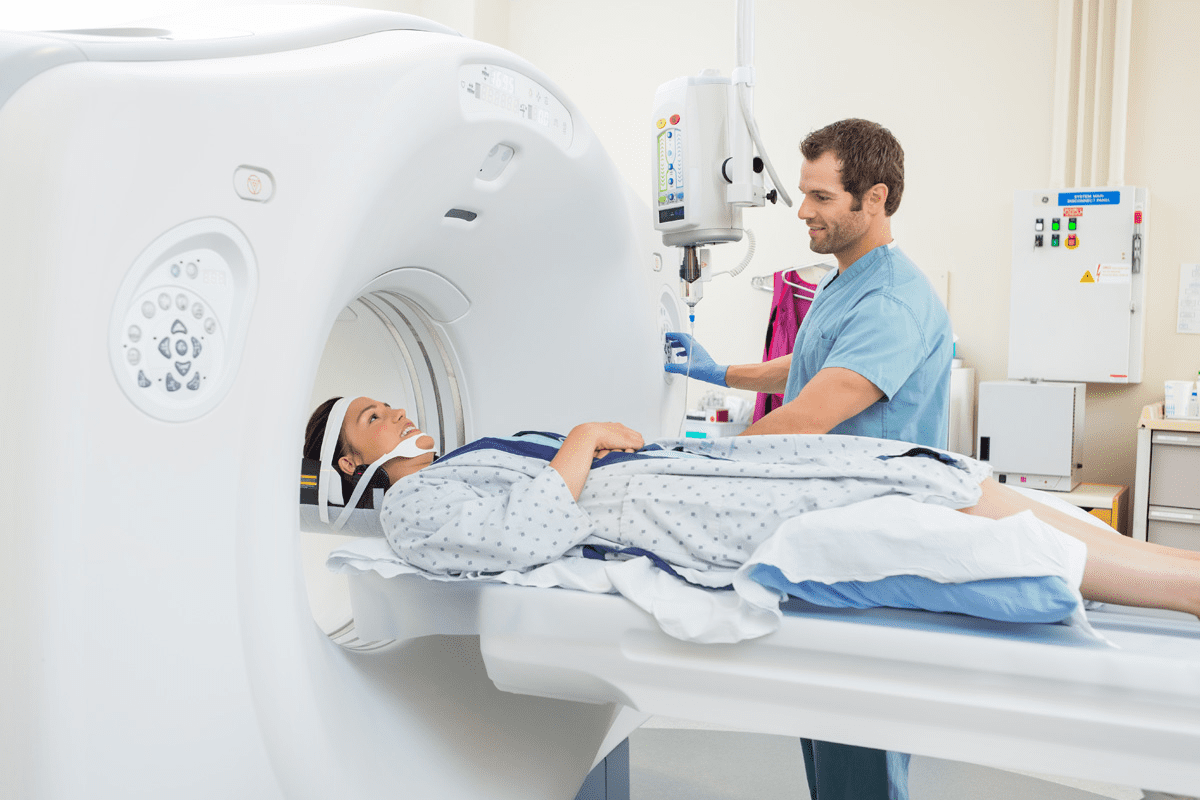
Imaging is key in finding and understanding neoplastic lesions. Tools like ultrasound, CT scans, and MRI give important details. They show the size, where it is, and what it looks like inside.
- Ultrasound is good for first checks because it’s easy and shows things in real time.
- CT scans give detailed views and are great for tricky spots.
- MRI is best for soft tissues like the brain and spine because it shows things clearly.
Biopsy and Histological Examination
Even with imaging, a biopsy and histology are needed for a sure diagnosis. This means taking a tissue sample and looking at it under a microscope. It helps see the cells and how they’re arranged.
Looking at the tissue sample can tell if it’s a neoplastic lesion, if it’s cancer, and how serious it is. This info helps doctors decide how to treat it and what to expect.
- The biopsy sample is prepared and stained to show cell details.
- A pathologist looks at it under a microscope to check its features.
- The results help plan treatment and manage the condition.
Common Types of Neoplastic Benign Growths
Benign neoplasms are growths that are not cancerous. They can happen in many parts of the body. Knowing about them helps doctors diagnose and treat them right.
Lipomas and Adipose Tissue Tumors
Lipomas are common, non-cancerous growths from fat tissue. They feel soft, move easily, and don’t hurt. Lipomas are usually harmless and can show up at any age, but more in middle age.
We often find lipomas during check-ups. While they’re usually not a worry, big or bothersome lipomas might need to be cut out.
Fibromas and Connective Tissue Neoplasms
Fibromas are tumors from connective tissue. This tissue supports and holds together organs and body parts. They can pop up in the skin, breast, and uterus.
- Fibromas are firm and have clear edges.
- They might cause problems based on where they are and how big they are.
- Removing them surgically is often the best option for fibromas that bother you.
Meningiomas and Neurological Tumors
Meningiomas grow from the meninges, which protect the brain and spinal cord. Most are slow-growing and not cancerous. But, some can cause symptoms because of where they are and how big they get.
We find meningiomas with MRI or CT scans. How we treat them depends on the tumor and the patient’s health.
Other Prevalent Benign Neoplasms
There are more types of benign growths like lipomas, fibromas, and meningiomas. These include:
- Osteomas, which are benign bone tumors.
- Adenomas, which are benign tumors of glandular tissue.
- Neurofibromas, which are benign nerve sheath tumors.
Knowing about these growths is key for correct diagnosis and treatment. We’ll look into their details and what they mean for health in the next parts.
Neoplastic Disease Symptoms
It’s important to know the symptoms of neoplastic disease early. This helps in early detection and better management. Symptoms vary based on the tumor’s type, size, and location.
Asymptomatic Presentations
Some neoplastic diseases don’t show symptoms early on. They might be found by chance during medical tests for other reasons.
Compression Effects on Adjacent Organs
As tumors grow, they can press on nearby organs. This can cause symptoms like constipation or pain in the abdomen. For example, a tumor in the belly can affect the intestines.
Organ-Specific Manifestations
Symptoms can also depend on where the tumor is. Tumors in the brain might cause headaches or seizures. Tumors in the thyroid can lead to hormonal imbalances.
When to Seek Medical Attention
If you have persistent or unusual symptoms, see a doctor. Early treatment can greatly improve outcomes for neoplastic diseases.
Here is a summary of when to seek medical help:
| Symptom Category | Examples | Action |
|---|---|---|
| General Symptoms | Unexplained weight loss, fatigue | Consult a doctor if symptoms persist |
| Localized Symptoms | Pain or swelling in a specific area | Seek medical evaluation |
| Neurological Symptoms | Headaches, seizures, cognitive changes | Immediate medical attention |
Knowing the symptoms of neoplastic disease and when to get help is key. This ensures patients get the care they need on time.
Treatment Approaches for Neoplastic Benign Conditions
Dealing with neoplastic benign conditions needs careful thought. We consider the tumor’s type, size, and location, and the patient’s health and wishes. We’ll look at the different ways to manage these conditions.
Watchful Waiting and Monitoring Protocols
For many, a watchful waiting or active surveillance approach is best. This means regular checks with imaging and doctor visits to see if the tumor grows or causes problems. Watchful waiting works well for small, harmless tumors.
We use ultrasound, CT scans, or MRI to keep an eye on the tumor. This way, we can step in if needed without over-treating.
Surgical Removal Options
Surgery is often chosen for tumors that cause symptoms or could lead to problems. The aim is to remove the tumor and some surrounding tissue to get rid of all bad cells.
When deciding on surgery, we look at the tumor’s size, location, and how it might affect nearby areas. Minimally invasive techniques are preferred for less damage and faster recovery.
Non-Surgical Neoplastic Therapy Approaches
Not every benign tumor needs surgery. Sometimes, treatments like medicines or embolization can work. These help shrink the tumor or ease symptoms.
Ablative therapies are also an option. They destroy tumor cells with heat, cold, or other methods. This is good for tumors hard to remove surgically.
Emerging Treatment Modalities
New treatments for neoplastic benign conditions are being researched. These include new medicines, advanced radiation, and new surgery methods.
We keep up with these new options to offer the best, least invasive treatments. Some patients might join clinical trials for access to the latest treatments.
Potential Complications and Long-term Outlook
It’s important for patients with neoplastic benign tumors to know about possible complications and the future outlook. These tumors are not cancerous but can cause health problems and affect a patient’s life quality.
Risk of Malignant Transformation
The main worry with neoplastic benign tumors is the risk of malignant transformation. The chance of this happening depends on the tumor type. It’s key to watch these tumors closely for any changes.
We suggest regular check-ups to see how the tumor is growing and changing. This helps catch any signs of cancer early.
| Tumor Type | Risk of Malignant Transformation | Recommended Follow-up |
|---|---|---|
| Lipomas | Low | Annual check-ups |
| Fibromas | Moderate | Bi-annual check-ups |
| Meningiomas | Low to Moderate | Annual to Bi-annual check-ups |
Quality of Life Considerations
Neoplastic benign tumors can really affect a patient’s quality of life. This depends on where and how big the tumor is. Tumors that press on important parts can cause pain, discomfort, or make it hard to move.
We help patients find ways to manage their symptoms and improve their well-being. This might include surgery, managing symptoms, or other treatments.
Follow-up and Monitoring Recommendations
It’s vital for patients with neoplastic benign tumors to have regular follow-up and monitoring. We tell patients how often they should come in for check-ups based on their tumor’s type, size, and location.
By staying proactive in monitoring and managing these tumors, we can reduce complications. This ensures the best long-term outlook for our patients.
Conclusion
We’ve looked into neoplastic benign tumors, which are abnormal cell growths but usually not cancerous. Knowing the facts, causes, and symptoms is key for patients. It helps them make smart choices about their care.
Neoplastic disease includes many conditions, like benign tumors, that need the right diagnosis and treatment. By understanding neoplastic benign tumors, patients can find the best treatment options. They can also know what complications might happen.
In summary, we’ve shown how important it is to know about neoplastic benign tumors and disease. We stress the need for patients to work with their doctors. This way, they can find the best treatment for their situation.
FAQ
What is a neoplastic disease?
Neoplastic disease includes many conditions with abnormal cell growth. This includes both benign and malignant tumors.
What does neoplastic mean?
Neoplastic means abnormal cell growth. This leads to tumors or neoplasms.
What are the characteristics of neoplastic benign tumors?
Neoplastic benign tumors grow slowly. They have clear boundaries and don’t spread or invade.
What are the causes of neoplastic disease?
Many things can cause neoplastic disease. This includes genetics, environment, hormones, and immune issues.
How are neoplastic lesions diagnosed?
Doctors use many methods to diagnose neoplastic lesions. This includes physical exams, imaging, and tissue tests.
What are the common types of neoplastic benign growths?
Common benign growths include lipomas, fibromas, and meningiomas. These are common types of benign tumors.
What are the symptoms of neoplastic disease?
Symptoms vary based on the tumor’s location and type. They can include no symptoms, compression, or specific organ issues.
What are the treatment approaches for neoplastic benign conditions?
Treatments include watching the condition, surgery, and non-surgical therapies. New treatments are also being developed.
What is the risk of malignant transformation in neoplastic benign tumors?
While most benign tumors are not cancerous, there’s a chance they could become cancerous. Patients need regular check-ups.
What is neoplastic etiology?
Neoplastic etiology is about the causes and mechanisms of tumor growth.
What is the definition of neoplastic disorder?
A neoplastic disorder is a condition with abnormal cell growth. It can lead to benign or malignant tumors.
References
Healthline. Neoplastic disease. https://www.healthline.com/health/neoplastic-disease
Wikipedia. Benign tumor. https://en.wikipedia.org/wiki/Benign_tumor