Last Updated on November 26, 2025 by Bilal Hasdemir

Back pain can really get in the way of your daily life. At Liv Hospital, we use pain management techniques like nerve blocks to help you feel better and move more easily.
Nerve blocks are a modern way to block nerve signals to a specific area. The Medical organization says nerve blocks can treat many types of pain. This makes them a great choice for those looking for pain relief.
Key Takeaways
- Advanced pain management techniques are available for back pain relief.
- Nerve blocks are a cutting-edge solution for managing pain.
- Liv Hospital offers expert care for patients with back pain.
- Nerve block injections can provide temporary relief from pain.
- Various types of nerve blocks are available for different pain conditions.
What Is a Nerve Block for Back Pain?

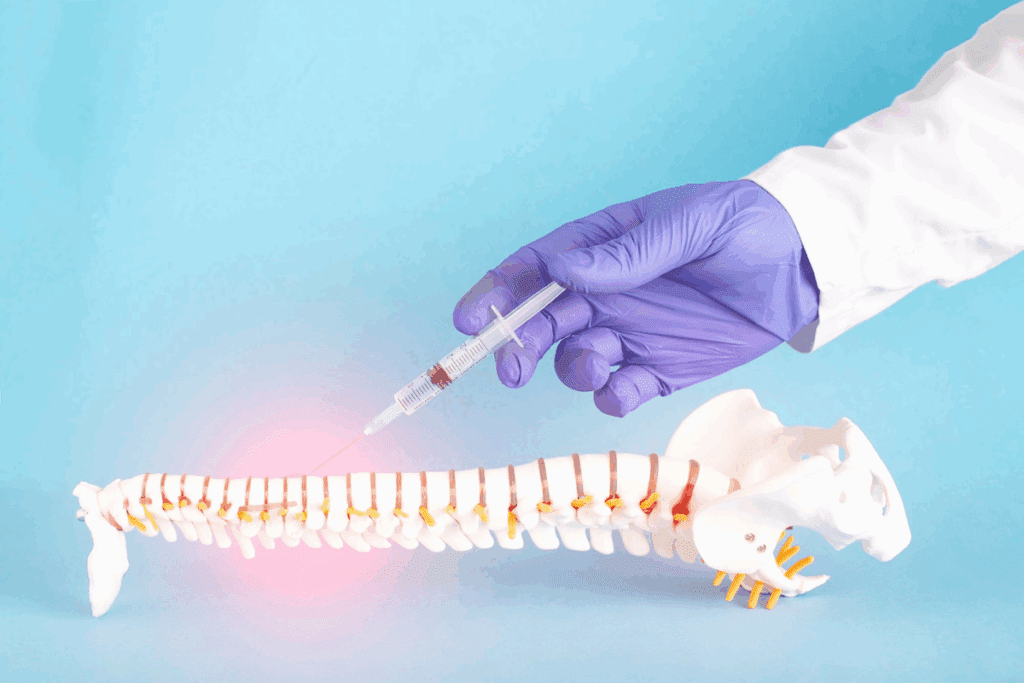
A nerve block for back pain is a medical procedure. It involves injecting medication into or around a nerve. This blocks pain signals to the brain. It helps patients with back pain recover and rehabilitate more effectively.
How Pain Blockers Work in the Body
Pain blockers interrupt pain signals from nerves to the brain. The Regenerative Spine and Pain Institute says nerve blocks are targeted injections. They interrupt pain signals traveling through specific nerves. This can give significant relief to those with chronic back pain.
To do this, doctors find the nerves causing pain and inject a local anesthetic or steroid around them. This reduces inflammation and blocks pain signals. It helps patients feel better.
Temporarily Blocking Nerve Signals to Muscles
Nerve blocks temporarily block nerve signals to muscles. This reduces muscle spasms and pain from back pain. It makes rehabilitation more effective. Patients can do physical therapy and other recovery activities without pain.
There are several types of nerve blocks for managing back pain. These include:
- Epidural nerve blocks
- Medial branch blocks
- Lumbar sympathetic blocks
- Spinal nerve blocks
- Peripheral nerve blocks
- Cervical plexus blocks
- Ganglion impar blocks
Each type targets specific nerves and treats different back pain conditions. Knowing about these nerve blocks helps patients and doctors choose the best treatment.
Benefits of Nerve Blocks in Back Pain Management
For those with chronic back pain, nerve blocks offer hope. They are known to provide relief to those who haven’t found help elsewhere.
Pain Relief and Improved Mobility
Nerve blocks work by stopping pain signals to the brain. This not only eases pain but also improves mobility. Patients can do daily tasks more easily.
- Reduced pain levels
- Increased range of motion
- Enhanced ability to participate in physical therapy
Facilitating Rehabilitation and Recovery
Nerve blocks help by reducing pain. This makes it easier to do physical therapy and other recovery steps. Our team ensures nerve blocks are part of a full treatment plan.
- Improved participation in physical therapy
- Faster recovery times
- Better overall outcomes
We aim to offer safe and effective treatments. Nerve blocks are a key part of managing back pain, thanks to their pain relief and mobility benefits.
Type 1: Epidural Nerve Blocks
Epidural nerve blocks are known for their success in treating back pain. This includes pain from herniated discs and spinal stenosis.
Procedure and Administration
This type of nerve block involves injecting medication around the spinal cord. It’s done under X-ray to make sure the medication goes where it should. We use a mix of local anesthetic and corticosteroid to fight pain and swelling.
The process starts with the patient lying on their stomach or side. The skin is cleaned, and a local anesthetic is applied. Then, a needle is carefully placed in the epidural space, and the medication is injected. This whole process takes about 15 to 30 minutes.
Effectiveness for Herniated Discs and Spinal Stenosis
Epidural nerve blocks are great for pain from herniated discs and spinal stenosis. The Medical organization says they help with pain in the neck, arms, back, and legs. They work by reducing swelling and easing nerve pressure, improving life quality.
For those with herniated discs, these blocks can lessen leg pain. For spinal stenosis, they help with pain and discomfort from a narrowed spinal canal.
To see how effective epidural nerve blocks are, let’s look at some numbers:
| Condition | Success Rate with Epidural Blocks | Average Pain Relief Duration |
| Herniated Discs | 70-80% | 3-6 months |
| Spinal Stenosis | 60-75% | 2-5 months |
For more details on nerve blocks and pain management, check out DFW Spine Institute.
Type 2: Medial Branch Blocks
Medial branch blocks are key in diagnosing and treating facet joint pain. They target the nerves that carry pain signals from the facet joints to the brain. These blocks are vital for managing back pain caused by facet joint degeneration or arthritis.
Targeting Facet Joint Pain
Facet joint pain can be very uncomfortable for many. Medial branch blocks involve injecting a local anesthetic or steroid near the medial branch nerves. This can block pain signals and offer relief.
According to the Brigham and Women’s Hospital, these blocks are used to diagnose and treat neck or back pain. This pain often comes from arthritis or joint degeneration.
“Medial branch blocks offer a precise method for diagnosing and managing facet joint pain, allowing for targeted treatment plans,” say pain management specialists.
Diagnostic and Therapeutic Applications
Medial branch blocks have both diagnostic and therapeutic uses. They help find the pain source by numbing the area. If pain goes away after the block, it shows the facet joints are the cause.
Therapeutically, these blocks can reduce inflammation and pain in the targeted area. This provides relief.
- Diagnostic: Identifying the source of facet joint pain
- Therapeutic: Providing pain relief through targeted injections
Understanding medial branch blocks helps healthcare providers offer better treatment plans. This approach not only manages pain but also improves life quality for those affected.
Type 3: Lumbar Sympathetic Blocks
Complex regional pain syndrome (CRPS) is tough to manage. But, lumbar sympathetic blocks are proving to be a helpful treatment. We’ll look into how these blocks work and their benefits for neuropathic pain.
Treatment for Complex Regional Pain Syndrome
Lumbar sympathetic blocks target the sympathetic nerves in the lower back. These nerves are often involved in CRPS and other neuropathic pain. By blocking these nerves, we can lessen pain and discomfort in the affected areas.
The Regenerative Spine and Pain Institute Blog says lumbar sympathetic blocks help with CRPS and other neuropathic pain in the legs and feet. This treatment is great for those who haven’t found relief with other options.
Procedure and Expected Outcomes
The procedure involves injecting a local anesthetic or steroid around the sympathetic nerves in the lumbar region. This is done under fluoroscopic guidance for accuracy.
Patients can expect less pain and better mobility after the procedure. The success of lumbar sympathetic blocks varies. But, many patients see a big improvement, making it easier to do rehabilitation and daily activities.
| Condition | Treatment Outcome | Success Rate |
| Complex Regional Pain Syndrome | Pain reduction, improved mobility | 70-80% |
| Neuropathic Pain | Reduced pain, improved function | 60-75% |
It’s important to remember that lumbar sympathetic blocks are often part of a bigger treatment plan. This plan may include other therapies and interventions.
Type 4: Spinal Nerve Blocks
Spinal nerve blocks are a top choice for back pain relief. They are a procedure to find and treat pain from the spine.
Differences Between Spinal and Epidural Blocks
Spinal nerve blocks and epidural blocks help with pain, but they work differently. Spinal blocks put medicine right into the spinal fluid. Epidural blocks put medicine around the spinal cord.
The main differences are:
- Where the medicine is injected
- The type of medicine used
- How long the pain relief lasts
Knowing these differences helps doctors choose the right treatment for each patient.
When Spinal Blocks Are Recommended
Doctors suggest spinal nerve blocks for severe back pain that doesn’t get better with usual treatments. They help find the pain’s source and relieve it for problems like herniated discs and spinal stenosis.
Doctors decide on spinal blocks after:
- Looking at the patient’s medical history
- Doing a physical check-up
- Using diagnostic imaging tests
This careful process helps doctors see if spinal nerve blocks are the right choice for a patient’s condition.
Type 5: Peripheral Nerve Blocks
Peripheral nerve blocks are a targeted way to handle radiating back pain. They work by stopping pain signals at specific nerves outside the spine. MyHealth.Alberta.ca says these blocks involve injecting local anesthetic around certain nerves to block pain.
Targeting Specific Nerves Outside the Spine
These blocks aim at specific nerves outside the spine to ease radiating back pain. A local anesthetic is given around the nerve to stop pain signals. This method can greatly reduce or stop pain in other areas, like the legs or arms.
Peripheral nerve blocks offer targeted pain relief with little effect on other areas. This makes them a good choice for people with radiating back pain from different causes.
Benefits for Radiating Back Pain
Peripheral nerve blocks have many benefits for radiating back pain. Some key advantages include:
- Effective pain relief: They target the nerves causing pain, providing significant relief.
- Minimally invasive: The procedure is simple and has low risk of complications.
- Improved quality of life: They help patients live better by easing back pain, making daily activities easier.
It’s important to know that these blocks are safe when done by skilled healthcare professionals. Like any medical procedure, there are risks and side effects, but they are usually small.
Type 6: Cervical Plexus Blocks
Upper back and neck pain can be managed with cervical plexus blocks. This procedure targets the pain source. It’s a valuable option for those with chronic pain in these areas.
Addressing Upper Back and Neck Pain
Cervical plexus blocks involve injecting medication into the cervical plexus. This is a network of nerves in the neck. It helps those with pain from arthritis, whiplash, or injuries.
The cervical plexus sends pain signals to the brain. By blocking these signals, the blocks can reduce or stop pain. This improves mobility and quality of life for patients.
Procedure and Recovery Process
The procedure is done under local anesthesia. We use imaging like ultrasound or fluoroscopy for accuracy. The injection is quick, taking just a few minutes.
Patients might feel sore at the injection site, but it goes away in a few hours. We watch patients closely after to catch any issues.
Recovery is easy, with most back to normal in a day or two. But, we tell patients to avoid heavy lifting or hard activities for a few days.
| Procedure Aspect | Description |
| Anesthesia Used | Local anesthesia |
| Imaging Guidance | Ultrasound or fluoroscopy |
| Procedure Duration | A few minutes |
| Recovery Time | 1-2 days |
Type 7: Ganglion Impar Blocks
The ganglion impar block is a special treatment for tailbone and lower back pain. It targets the ganglion impar, a single nerve in front of the coccyx (tailbone). This nerve sends pain signals from the pelvic area.
Ganglion impar blocks are great for pain that’s hard to treat. The Regenerative Spine and Pain Institute Blog says they help with tailbone, pelvic, and lower back pain. They offer relief to those with chronic pain in these areas.
Treatment for Tailbone and Lower Back Pain
To do a ganglion impar block, a doctor injects a local anesthetic and sometimes a corticosteroid around the ganglion impar. This can help diagnose and treat pain in the coccyx and lower back. The injection blocks pain signals, giving the patient relief.
The benefits of ganglion impar blocks include:
- Targeted Pain Relief: This procedure directly targets the ganglion impar for effective relief of tailbone and lower back pain.
- Minimally Invasive: It’s a simple and minimally invasive procedure, lowering the risk of complications.
- Diagnostic and Therapeutic: Ganglion impar blocks can both diagnose and treat pain, making them a versatile option.
Unique Benefits and Applications
Ganglion impar blocks are great for treating pain that’s hard to manage. They help patients with coccydynia (tailbone pain) or lower back pain from various causes.
Some key uses of ganglion impar blocks include:
- Treating chronic tailbone pain
- Managing lower back pain that other treatments haven’t helped
- Offering relief for those with pelvic pain
In conclusion, ganglion impar blocks are a valuable treatment for tailbone and lower back pain. Understanding their benefits and uses helps healthcare providers offer effective solutions to patients.
Safety and Considerations for Nerve Blocking Procedures
Understanding the safety and risks of nerve blocks for back pain is key. These procedures are valuable for managing chronic pain. Yet, they carry some risks.
Potential Risks and Side Effects
Nerve blocks are safe when done by skilled professionals. But, they can cause side effects like numbness, weakness, or pain at the injection site. Serious issues, though rare, include infection, nerve damage, or allergic reactions to the medications.
Common side effects may include:
- Temporary discomfort or pain at the injection site
- Numbness or tingling sensations
- Weakness in the affected area
Rare but serious complications:
- Infection at the injection site
- Nerve damage
- Allergic reactions to the medications
Who Should Consider Alternative Treatments
Not everyone is a good candidate for nerve blocks. People with bleeding disorders or active infections face higher risks. Pregnant or breastfeeding women should also talk to their doctor about the risks and benefits.
It’s important to tell your doctor about any medications you’re taking. This helps avoid drug interactions.
We at our institution aim to provide safe and effective care. We assess each patient’s medical history and current condition. This helps us decide if nerve blocks are right for you. By understanding the risks and benefits, we can create a treatment plan that suits your needs.
Conclusion: Finding the Right Nerve Block Treatment for Your Back Pain
Nerve blocks are a great way to manage back pain. They offer targeted relief that can change your life, as the Regenerative Spine and Pain Institute says. At Liv Hospital, we aim to give you top-notch healthcare. We also offer full support and guidance for international patients.
We’ve looked at seven types of nerve blocks in this article. Each has its own use and benefits. Knowing about these treatments helps you find the best one for your back pain.
Choosing the right nerve block can greatly reduce your pain. It can also improve how well you move and help you get back to your daily activities faster. Our team at Liv Hospital is here to help you pick the best treatment for you.
If you’re thinking about nerve block treatment for back pain, talk to our experts. They can help find the best way to manage your pain. With the right care, you can live a better life with less back pain.
FAQ
What is a nerve block for back pain?
A nerve block for back pain is a procedure. It involves injecting medication into or around a nerve. This blocks pain signals to the brain, helping patients recover and move better.
How do pain blockers work in the body?
Pain blockers temporarily stop nerve signals to the brain. This reduces pain, allowing patients to do more in physical therapy. It leads to better results.
What are the benefits of nerve blocks in back pain management?
Nerve blocks offer many benefits. They provide effective pain relief and improve mobility. They also help in rehabilitation, helping patients feel better and move more easily.
What is an epidural nerve block, and how is it administered?
An epidural nerve block involves injecting medication into the space around the spinal cord. It’s often used for back pain, like from herniated discs or spinal stenosis.
What are medial branch blocks used for?
Medial branch blocks target the facet joints in the spine. They can help diagnose and treat back pain. They’re used both to find the source of pain and to relieve it.
Are nerve blocks safe?
Nerve blocks are generally safe when done by experts. But, there are risks and side effects. Some patients might need other treatments.
What is the difference between spinal and epidural blocks?
Spinal and epidural blocks are used for back pain. They differ in how they’re used and what they treat. Knowing the difference helps choose the right treatment for each patient.
What are peripheral nerve blocks used for?
Peripheral nerve blocks target specific nerves outside the spine. They help with back pain that spreads to other areas. They’re good for managing pain that goes beyond the back.
What is a ganglion impar block used for?
A ganglion impar block treats pain in the tailbone and lower back. It offers special benefits for certain types of pain.
How long does it take to recover from a nerve block procedure?
Recovery time from a nerve block varies. It depends on the type of block and the patient. Most can go back to normal activities soon after. Some might feel numbness or weakness temporarily.
References
- Doroshenko, M. (2024). Sympathetic nerve block. In StatPearls. Retrieved from https://www.ncbi.nlm.nih.gov/books/NBK557637/