Last Updated on December 1, 2025 by Bilal Hasdemir

Cancers in the nervous system, like the brain and spinal cord, need special care. Neurological oncology is a complex field. It requires a detailed approach to diagnosis, treatment, and management. Discover the critical, amazing neuro-oncologist role. Our essential guide explains how these experts treat awful brain and spine tumors.
A brain tumor specialist is key in caring for patients with neurological cancers. They create treatment plans that meet each patient’s unique needs. They often work with a team to ensure CNS cancer care.
Experts in nervous system cancer are vital in managing tumors and improving patient results. They keep up with the newest in tumor management and brain cancer treatment.
Key Takeaways
- Neuro-oncologists specialize in the diagnosis and treatment of cancers affecting the nervous system.
- Their expertise is critical in managing brain and spinal tumors.
- A detailed care approach involves a team of experts.
- Keeping up with the latest treatments is essential.
- Effective tumor management leads to better patient outcomes.
The Neuro-Oncologist Role in Modern Medicine

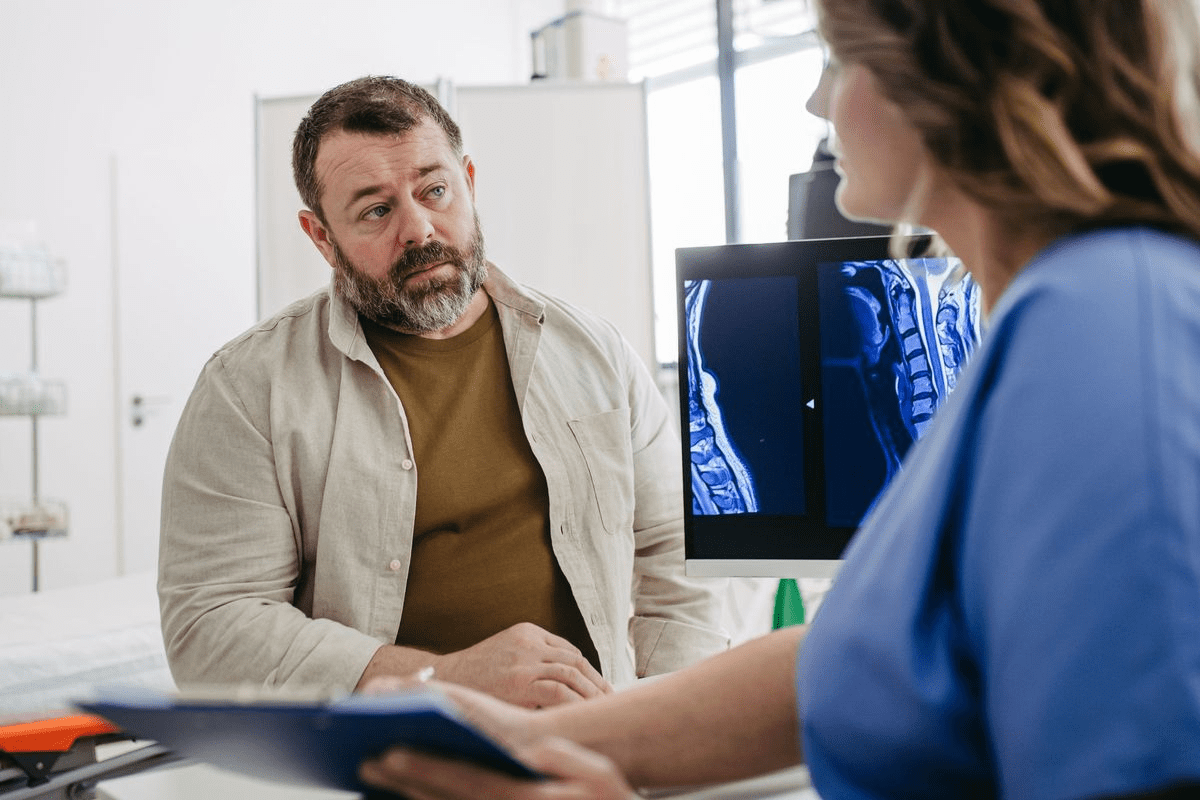
Neuro-oncologists play a crucial role as integral members of the medical team. They handle patients with brain and spinal cord cancers. Their job includes diagnosing, planning treatments, and caring for patients. They work with many doctors to give the best care possible.
Definition and Specialty Focus
A neuro-oncologist is a doctor who deals with brain and spinal cord cancers. They need to know a lot about both neurology and oncology. They work with other doctors to plan treatments for complex cases.
Neuro-oncologists focus on caring for patients. They treat the cancer and help with symptoms. They use medicine, surgery, and radiation to help patients live better lives.
Position Within the Healthcare System
Neuro-oncologists are important in healthcare. They are the main contact for patients with brain cancers. They work with many doctors to make sure patients get the best care.
They also help with research and clinical trials. This helps find new ways to treat brain cancers. They teach patients and families about their treatment options and what to expect.
Educational Path and Training Requirements
To become a neuro-oncologist, you need a strong educational base and lots of training. It starts with a solid science background. Then, you move on to specialized education and clinical training.
Medical School and Residency
First, you must finish medical school, which takes four years. Here, you learn about human body parts, how they work, and diseases. Next, you enter a residency in neurology, oncology, or neurosurgery.
This training lasts from four to seven years. It’s all about getting hands-on experience in treating patients and making medical decisions.
Residency programs teach you about brain tumors and other neurological issues. You work with experienced doctors to improve your skills.
Fellowship and Specialized Training
After residency, you get into fellowship programs. These last one to two years. They focus on the newest in neuro-oncology, like treating brain and spinal tumors.
This training gives you in-depth knowledge of brain tumors. You learn about new treatments and work with a team of experts. It’s key for handling tough cases and for research and practice.
Board Certification Process
To get certified, you must pass an exam from a medical board like the ABPN or ABNS. This shows you’re an expert in neuro-oncology and care for patients well.
The exam checks your knowledge, skills, and ability to use the best neuro-oncology practices. To keep your certification, you need to keep learning and follow professional standards.
Day-to-Day Responsibilities of Neuro-Oncologists

Neuro-oncologists lead the fight against neurological cancers. Their daily tasks show the depth of their work. They handle clinical, administrative, and research duties.
Clinical Duties
Neuro-oncologists spend a lot of time on clinical tasks. These include:
- Meeting with patients to talk about their diagnosis, treatment options, and future outlook.
- Creating personalized treatment plans for brain and spinal tumors.
- Keeping an eye on how patients are doing and changing plans if needed.
- Working with other doctors, like neurosurgeons and radiologists, to give full care.
Administrative and Research Tasks
Neuro-oncologists also do administrative and research work. This includes:
- Handling patient records and keeping them up to date.
- Going to multidisciplinary team meetings to talk about tough cases and plan treatments.
- Doing research to learn more about and treat neurological cancers.
- Writing papers for scientific journals and speaking at conferences.
| Task Category | Description | Frequency |
| Clinical Duties | Patient consultations, treatment planning, and monitoring. | Daily |
| Administrative Tasks | Managing patient records, team meetings. | Weekly |
| Research Tasks | Conducting clinical trials, publishing research. | Ongoing |
Neuro-oncologists have a wide range of duties. They use their clinical skills, handle admin tasks, and do research. This makes them key players in improving neuro-oncology and helping patients.
The Scope of Neuro-Oncology Practice
Neuro-oncologists play a crucial role as integral members of the medical team.They deal with the complex world of nervous system cancers. Their work includes diagnosing and treating tumors and conditions in the brain and nervous system.
Types of Tumors and Conditions Treated
Neuro-oncologists encounter a diverse range of tumors, including gliomas, meningiomas, and schwannomas. These can be either benign or malignant. Each type has its own challenges and treatment needs.
Tumor Types and Characteristics:
| Tumor Type | Common Location | Malignancy Level |
| Gliomas | Brain | Low to High |
| Meningiomas | Meninges surrounding the brain and spinal cord | Typically Benign |
| Schwannomas | Nerves | Usually Benign |
Patient Demographics and Presentations
Neuro-oncology patients come from all walks of life. Conditions affect people of all ages and backgrounds. Symptoms can vary, from headaches and seizures to neurological problems, based on the tumor’s location and size.
It’s important for neuro-oncologists to understand these differences. They must tailor their care to each patient’s unique situation. This ensures the best possible treatment.
Brain Tumor Diagnosis and Assessment
Diagnosing brain tumors is complex. It involves many tests to learn about the tumor. Accurate diagnosis is key for a good treatment plan.
Initial Evaluation Procedures
First steps in diagnosing brain tumors include a detailed medical history and a neurological exam. These steps help find symptoms that might point to a tumor.
A top neuro-oncologist says, “A thorough initial check is vital. It guides further tests and ensures the right care for patients.”
“The neurological exam is essential. It gives insights into where the tumor is and how it might affect brain function.”
Advanced Diagnostic Imaging Techniques
Modern imaging is key in finding brain tumors. Magnetic Resonance Imaging (MRI) and Computed Tomography (CT) scans help see the tumor’s size and where it is.
- MRI shows detailed images of soft tissues, helping find tumor details.
- CT scans show how the tumor affects bones and tissues nearby.
Biopsy and Pathological Analysis
A biopsy is often needed to confirm a tumor diagnosis. It removes a tumor sample. Pathological analysis of this sample gives vital info on the tumor’s type and how aggressive it might be.
Info from these tests is vital for a treatment plan tailored to the patient. Experts stress, “Knowing a tumor’s specific traits is essential for choosing the best treatment.”
Treatment Planning for Neurological Cancers
Effective treatment planning for neurological cancers needs a team effort. It involves many disciplines working together. This is key to finding the right strategies for these complex cancers.
Multidisciplinary Tumor Board Approach
A team approach is essential in treatment planning. Specialists from neuro-oncology, neurosurgery, and more come together. They discuss patient cases and create detailed treatment plans.
This teamwork ensures all parts of a patient’s condition are considered. This leads to more effective and personalized treatment plans.
Personalized Treatment Strategies
Personalized treatment is at the core of managing neurological cancers. Healthcare providers tailor plans based on each patient’s tumor and health. This approach aims to improve treatment results and reduce side effects.
New diagnostic technologies and genetic profiling help personalize treatment. These advancements offer hope for better outcomes in neurological cancer patients.
Patient Involvement in Decision-Making
Getting patients involved in decision-making is vital. It helps healthcare providers understand patients’ preferences and concerns. This leads to treatment plans that better meet patients’ needs.
When patients are informed about their condition and options, they can make better decisions. This collaborative approach can lead to better outcomes and higher patient satisfaction.
Surgical Management Coordination
Managing brain tumors needs a team effort. Neuro-oncologists and neurosurgeons work together closely. This teamwork is key to giving patients the best care.
Collaboration with Neurosurgeons
Neuro-oncologists and neurosurgeons plan and do surgeries together. They talk about the patient’s diagnosis, the tumor, and the best surgery plan.
Key aspects of this collaboration include:
- Pre-surgical evaluation of the patient’s condition and tumor characteristics
- Discussion of surgical options and possible risks
- Coordination of care during the surgery
Pre and Post-Surgical Care
Neuro-oncologists play a big role before and after surgery. Before, they explain the surgery, talk about what might happen, and manage any treatments needed before the surgery.
After surgery, they watch how the patient is doing, handle any problems, and plan more treatments like radiation or chemotherapy.
| Care Aspect | Pre-Surgical | Post-Surgical |
| Patient Evaluation | Checking overall health and tumor details | Watching how the patient recovers and for any issues |
| Treatment Planning | Talking about surgery options and risks | Planning more treatments (like radiation or chemotherapy) |
“The teamwork between neuro-oncologists and neurosurgeons is essential for treating brain tumors well. It makes sure patients get a treatment plan that fits their needs.”
Radiation Therapy for Brain and Spinal Tumors
Radiation therapy for brain and spinal tumors has become more advanced. It’s key for treating various tumors in these areas.
Types of Radiation Treatments
There are many radiation treatments for brain and spinal tumors. Each has its own use and benefits. External Beam Radiation Therapy (EBRT) sends radiation from outside the body. Intensity-Modulated Radiation Therapy (IMRT) targets tumors precisely, protecting healthy tissues.
Stereotactic Body Radiation Therapy (SBRT) uses focused radiation for small tumors. Brachytherapy places a radioactive source inside or near the tumor.
Managing Radiation Side Effects
Radiation therapy can cause side effects, some serious. It’s vital to manage these to keep patients’ quality of life good. Side effects include fatigue, hair loss, and swelling. Supportive care measures like medication and physical therapy help.
Patients should follow a personalized care plan made just for them. Regular check-ups with their healthcare team help manage side effects. This ensures the best results.
Chemotherapy and Drug Treatments
In neuro-oncology, chemotherapy and drug treatments are key. They help manage CNS tumors. Chemotherapy is a big part of treatment.
Standard Chemotherapy Protocols
Chemotherapy plans for CNS tumors depend on the tumor type and the patient’s health. Temozolomide is often used for glioblastoma, along with radiation therapy.
The right chemotherapy depends on the tumor’s type and molecular details. Combination chemotherapy can make treatment more effective.
| Chemotherapy Agent | Tumor Type | Administration |
| Temozolomide | Glioblastoma | Oral |
| Carmustine | Various CNS tumors | Intravenous |
| Lomustine | Brain tumors | Oral |
Targeted Therapies and Immunotherapy
Targeted therapies and immunotherapy are new ways to fight CNS tumors. They aim to target tumor cells or boost the immune system against the tumor.
Bevacizumab is a targeted therapy for glioblastoma. It stops tumors from growing new blood vessels.
Emerging Drug Treatments
New drug treatments for CNS tumors are being researched. These include targeted therapies and immunotherapies. They aim to better treatment results and lower side effects.
There’s a big push for personalized medicine. This means treatments tailored to each tumor’s unique molecular makeup.
Managing Spinal Tumor Care
Spinal tumors need a team effort to manage. They can be benign or cancerous and affect a person’s life a lot. This is because they can press on or grow into the spinal cord.
Unique Challenges of Spinal Tumors
Spinal tumors are different from other tumors. They are close to the spinal cord and nerves, making diagnosis and treatment hard. Neurological deficits can happen if the tumor presses on or invades the spinal cord, so quick and accurate action is needed.
The spine is complex, with many bones and soft tissues. Understanding the spine and how tumors affect it is key. This knowledge helps in keeping the spine stable and the nerves working right.
Treatment Approaches and Considerations
Treating spinal tumors often means using surgery, radiation therapy, and chemotherapy together. The choice depends on the tumor’s type, where it is, and the patient’s health and wishes.
Surgical management tries to remove as much of the tumor as possible. It aims to keep the nerves and spine stable. New surgical methods and monitoring during surgery help improve results.
- Radiation therapy helps control tumor growth. It’s used for tumors that respond well to it or when surgery isn’t possible.
- Chemotherapy is used for cancerous tumors. The choice of drugs depends on the tumor’s type and molecular makeup.
In summary, taking care of spinal tumors needs a team effort. It involves understanding the unique challenges these tumors bring. Treatment plans are made to fit each patient’s needs.
Patient Communication and Education
Clear and caring communication is key for patients with neuro-oncology. It helps them understand their diagnosis, treatment options, and care. This is vital for their journey.
Explaining Complex Diagnoses and Treatments
Neuro-oncologists must explain complex medical info in simple terms. They use visual aids and analogies to make it easier to understand.
For example, they might compare a tumor to an object or use diagrams. This helps patients see and understand their condition better.
Supporting Patients Through Their Journey
Supporting patients is more than just explaining their diagnosis and treatment. It’s about emotional support, addressing concerns, and involving family members or caregivers.
| Support Strategies | Description | Benefits |
| Emotional Support | Listening to patients’ concerns and fears | Reduces anxiety and improves patient satisfaction |
| Family Involvement | Including family members in consultations | Enhances family support and understanding |
| Clear Communication | Using simple, clear language | Improves patient understanding and compliance |
By using these strategies, neuro-oncologists can make a big difference. They make a tough journey more bearable for their patients.
Monitoring Tumor Progression and Response
Keeping an eye on how tumors grow is key in neuro-oncology care. This helps doctors change treatment plans as needed. It makes care better for patients.
Follow-up Protocols and Surveillance
Good follow-up plans are essential for watching tumors. These plans often include regular scans like MRI or CT. They help see if the tumor is getting bigger or changing shape.
Surveillance strategies also include checking how patients feel and doing lab tests. This gives a full picture of how the tumor is acting.
Evaluating Treatment Effectiveness
It’s important to see how well a tumor reacts to treatment. Doctors use scans, check-ups, and sometimes biopsies to judge this. This helps figure out if the treatment is working.
| Evaluation Criteria | Description | Indicators of Effectiveness |
| Imaging Studies | Regular MRI or CT scans to assess tumor size and characteristics. | Reduction in tumor size, improved tumor delineation. |
| Clinical Assessments | Evaluation of patient symptoms and neurological function. | Improvement or stabilization of neurological function, reduction in symptoms. |
| Biopsy Results | Histopathological examination of tumor tissue. | Changes in tumor histology indicating response to treatment. |
By watching how tumors grow and react to treatment, neuro-oncologists can make smart choices. They can decide to keep, change, or stop treatment. This helps make care better for patients.
Technological Advancements in Neuro-Oncology
Technology is making a big difference in neuro-oncology. It’s helping doctors treat patients better. New tools and treatments are changing how we fight neurological cancers.
Diagnostic Innovations
New diagnostic tools are making diagnosis faster and more accurate. Advanced imaging techniques like functional MRI and PET scans give doctors a clear view of tumors.
- High-resolution imaging helps doctors see tumors more clearly.
- Functional imaging shows how tumors work and react to treatment.
- Artificial intelligence is making diagnoses even more precise and quick.
Innovative Treatment Technologies
New treatments in neuro-oncology are also exciting. Precision medicine is being used to create treatments that fit each patient’s needs.
| Treatment Technology | Description | Benefits |
| Laser Interstitial Thermal Therapy (LITT) | A minimally invasive technique using laser heat to destroy tumor tissue. | Reduced recovery time, precision in targeting tumors. |
| Tumor Treating Fields (TTF) | A non-invasive treatment that uses electric fields to disrupt tumor cell division. | Novel mechanism of action, can be used with other treatments. |
| Gamma Knife Radiosurgery | A precise form of radiation therapy delivering high doses to tumors while sparing surrounding tissue. | High precision, effective for small to medium-sized tumors. |
These new technologies are not just making treatments better. They’re also improving the lives of patients with neurological cancers.
The Neuro-Oncologist’s Role in Clinical Trials
Neuro-oncologists play a key role in clinical trials. They handle research, patient care, and trial management. Their work is vital for moving neuro-oncology forward and helping patients.
Research Involvement and Contributions
Neuro-oncologists are key in designing and running clinical trials. They help create new treatments and test new therapies. Their work includes:
- Designing trials that answer important questions in neuro-oncology
- Working with other experts for a complete approach
- Helping analyze and understand trial data
A leading neuro-oncologist said, “Clinical trials are essential for cancer treatment progress. Our job is to treat patients and also push the field forward with research and innovation.”
“The future of neuro-oncology depends on turning research into practice. This improves patient outcomes and quality of life.”
Patient Enrollment and Management
Neuro-oncologists are key in getting patients into trials and managing them. They handle:
| Responsibility | Description |
| Patient Screening | Finding patients who fit the trial’s criteria |
| Informed Consent | Making sure patients know the trial’s risks and benefits |
| Trial Management | Tracking patient progress, handling side effects, and adjusting plans as needed |
Good patient enrollment and management are key for trial success. Neuro-oncologists support and guide patients through the trial.
By combining research with patient care, neuro-oncologists lead the way in treating neurological cancers. Their work in trials shows their dedication to better patient care and advancing neuro-oncology.
Challenges and Rewards in Neuro-Oncology Practice
Neuro-oncology is a complex field that comes with both challenges and rewards. It deals with tough medical conditions. Neuro-oncologists must make precise decisions and understand neurological cancers well.
Complex Cases
Neuro-oncologists face many complex cases. This includes rare brain and spinal tumors. Each case needs a special approach.
These cases require a lot of expertise. A team effort is needed for treatment.
Decision-Making Processes
Decisions in neuro-oncology are based on many factors. This includes the tumor type and stage, patient health, and treatment outcomes.
Collaboration with a team is key for making good decisions.
Emotional Aspects
The emotional side of neuro-oncology is huge. Practitioners face high-stakes situations and unpredictable outcomes.
Yet, many find great professional satisfaction. They enjoy improving patient outcomes and quality of life.
| Challenges | Rewards |
| Complex cases and decision-making | Improving patient outcomes |
| Emotional demands of the job | Professional satisfaction from helping patients |
| Staying updated with latest treatments and research | Contributing to advancements in neuro-oncology |
Conclusion
Neuro-oncologists are key in caring for patients with brain and spinal tumors. They use their knowledge in neurological oncology to plan the best cancer treatment. This ensures patients get care that fits their needs.
The neuro-oncologist role requires working closely with neurosurgeons. They also team up with other healthcare experts for the best brain tumor care. By using new technologies and joining clinical trials, they keep improving care for patients.
Neuro-oncologists are vital in the ongoing fight against neurological cancers. Their hard work helps patients live better lives. Their commitment to finding new treatments is essential for progress in this field.
FAQ
What is a neuro-oncologist, and what do they specialize in?
A neuro-oncologist is a doctor who deals with cancers in the brain and spinal cord. They diagnose, treat, and manage these cancers.
What kind of training is required to become a neuro-oncologist?
To be a neuro-oncologist, you need to finish medical school. Then, you do a residency and a fellowship in neuro-oncology. After that, you get certified.
How do neuro-oncologists collaborate with other healthcare professionals?
Neuro-oncologists work with neurosurgeons, radiation oncologists, and others. They team up to give patients with brain cancers the best care.
What is the role of a multidisciplinary tumor board in treatment planning?
A tumor board is a team of experts. They include neuro-oncologists. They review cases to plan the best treatment for each patient.
How are brain tumors diagnosed?
Doctors start by doing initial checks. Then, they use MRI and biopsy to diagnose brain tumors.
What treatment options are available for brain and spinal tumors?
There are many treatments. These include surgery, radiation, and chemotherapy. Sometimes, they use them together.
How do neuro-oncologists manage spinal tumor care?
Spinal tumor care is special. Doctors use surgery, radiation, and chemotherapy. They tailor the treatment to each patient.
What is the importance of patient communication and education in neuro-oncology?
Good communication and education are key. They help explain complex treatments. They support patients on their journey.
How is tumor progression and response to treatment monitored?
Doctors watch how tumors grow and how treatments work. They use follow-ups, surveillance, and imaging to check.
What are some of the technological advancements in neuro-oncology?
New tools like advanced MRI and PET scans are used. Also, new treatments like stereotactic radiosurgery are available.
How do neuro-oncologists contribute to clinical trials?
Neuro-oncologists help with research and trials. They enroll patients and manage trials. This helps improve treatments.
What are the challenges and rewards of practicing neuro-oncology?
Neuro-oncology has complex cases and tough decisions. But, it also brings joy and satisfaction from helping patients.
What is the role of chemotherapy in managing CNS tumors?
Chemotherapy is used for CNS tumors. It’s often with other treatments. It includes standard and targeted therapies.
How do neuro-oncologists coordinate surgical management?
Neuro-oncologists work with neurosurgeons for surgery. They plan and care for patients before and after surgery. This ensures complete care.
reference
New England Journal of Medicine. Neuro-oncology treatment planning for neurological cancers. Retrieved from https://www.nejm.org/doi/full/10.1056/NEJMra0708126