Last Updated on December 1, 2025 by Bilal Hasdemir

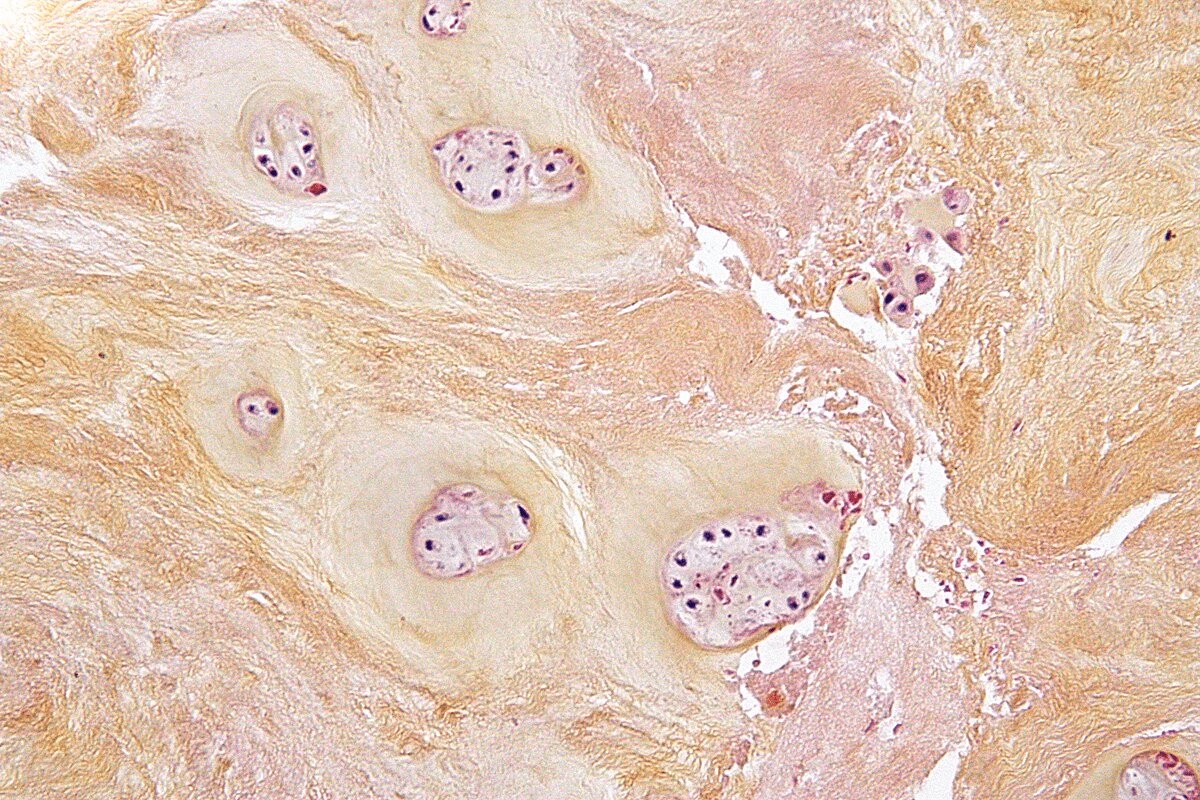
Neuroblastoma is a rare cancer that affects young children. It develops from nerve cells called neuroblasts. It’s important to spot its early signs because early detection can greatly improve treatment outcomes Neuroblastoma abdominal mass.
Did you know that neuroblastoma can show many different symptoms? These symptoms can vary a lot, depending on where the tumor is and how big it is.
Neuroblastoma often starts in the adrenal glands, neck, or chest. It can cause different symptoms based on its location. Spotting these early warning signs is key for getting medical help quickly.
Key Takeaways
- Neuroblastoma is a rare cancer affecting young children.
- Early detection is key for effective treatment.
- Symptoms change based on the tumor’s location and size.
- Common locations include the adrenal glands, neck, and chest.
- Spotting early signs is vital for timely medical help.
Understanding Neuroblastoma: A Childhood Cancer
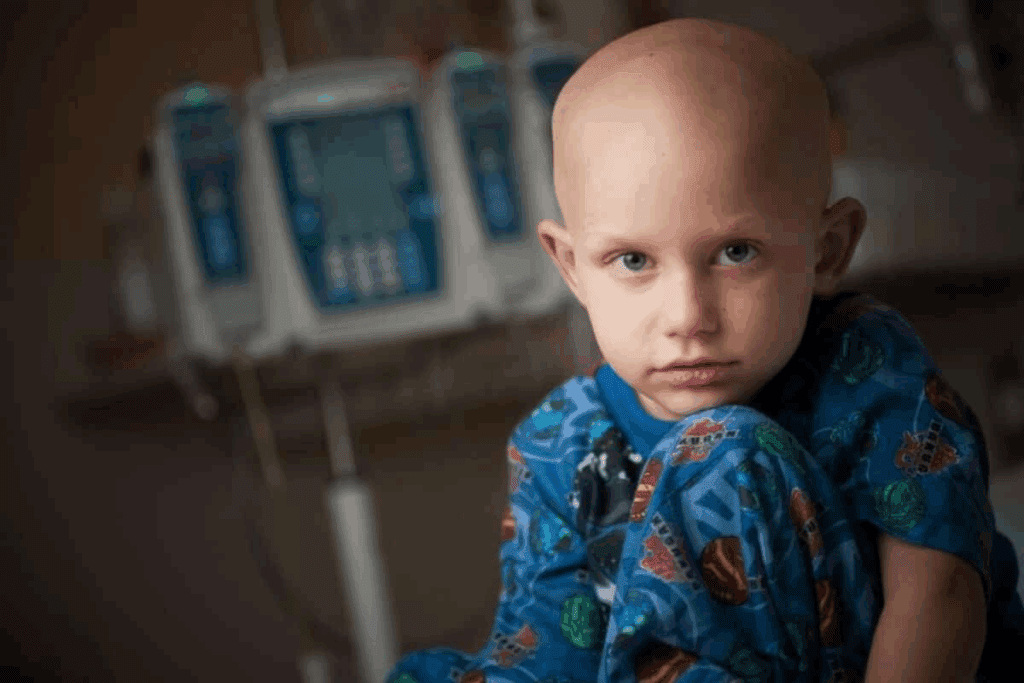
Neuroblastoma is a cancer that starts in young nerve cells. It’s most common in kids under five. Finding it early is key.
This cancer comes from cells called neuroblasts, which are early nerve cells. It can grow in many places, but often starts in the adrenal glands, neck, chest, or spinal cord.
What is Neuroblastoma?
Neuroblastoma grows fast and can spread to other parts of the body. It’s a rare pediatric cancer, hitting about 100 kids in the UK each year.
- It mainly hits kids under five.
- It can sometimes be found before birth with prenatal ultrasounds.
- The exact cause is unknown, but genetics are thought to play a big part.
Who is Affected by Neuroblastoma?
Neuroblastoma mostly affects young kids, with most cases in those under five. It’s a bit more common in boys than girls.
Early detection is critical because symptoms can be similar to other common childhood illnesses.
Why Early Detection Matters

Finding neuroblastoma early can greatly improve treatment chances. Spotting signs early means quicker medical help.
Some early warning signs include:
- Abdominal swelling or mass.
- Unexplained weight loss and loss of appetite.
- Fatigue and general malaise.
- Persistent pain and discomfort.
Knowing these signs helps parents and caregivers get medical help fast.
Neuroblastoma Abdominal Mass: The Most Common Presentation
An abdominal mass is often the first sign of neuroblastoma in kids. This cancer usually starts in the adrenal glands, above the kidneys. As it grows, it can swell, making the mass feel or see.
Characteristics of Abdominal Masses in Neuroblastoma
Neuroblastoma-related abdominal masses can be different in size and feel. They are usually firm and might not look round. Sometimes, they can grow quite big before they’re found.
Key features of neuroblastoma-related abdominal masses include:
- Firmness to the touch
- Irregular shape
- Variable size
- Possible tenderness
How to Detect an Abdominal Mass
Finding an abdominal mass starts with looking and feeling. Parents or caregivers might see swelling or a lump. Doctors can check the mass and figure out what it is.
At times, a mass is found during a routine check-up or when looking into abdominal pain or unexplained weight loss.
Differentiating from Other Causes of Abdominal Swelling
An abdominal mass can mean neuroblastoma, but it’s key to tell it apart from other reasons for swelling. Other issues like Wilms tumor, hepatoblastoma, or even non-cancerous problems can also cause masses.
Getting a clear diagnosis is vital. This includes imaging like ultrasound, CT scans, or MRI, and lab tests. Sometimes, a biopsy is needed to confirm the diagnosis.
Common Early Warning Signs of Neuroblastoma
It’s important to know the early signs of neuroblastoma to get medical help fast. This cancer mainly hits kids and shows up in many ways. These signs are often seen in other illnesses too.
Unexplained Weight Loss and Loss of Appetite
Unexplained weight loss and less hunger are early signs. These are big worries for kids, as they can mean many health problems. If a child loses weight or doesn’t want to eat, see a doctor right away.
Weight loss in neuroblastoma might happen because the tumor uses a lot of energy. It can also make it hard for kids to eat or digest food. Keeping an eye on a child’s weight and talking to a pediatrician about any big changes is key.
Fatigue and General Malaise
Fatigue and feeling really unwell are common signs too. Kids might get tired easily, lose interest in fun things, or just not feel right. These symptoms can mean many things, but if they keep going, it’s important to check it out.
The tumor can make kids tired by affecting their energy or causing pain. This pain can make it hard for kids to rest and play normally.
Persistent Pain and Discomfort
Persistent pain, often in the belly, is another sign. Kids might say they hurt or feel uncomfortable, even when usual treatments don’t help. This pain could be from the tumor pressing on nerves or other parts.
It’s important for parents to tell the difference between normal kid aches and pain that might mean something serious like neuroblastoma.
Finding neuroblastoma early can really help with treatment. Knowing these signs can help parents and caregivers get help fast.
Neuroblastoma Symptoms by Body Location
Neuroblastoma symptoms vary based on the tumor’s location and if it has spread. It’s important to know how this childhood cancer can show up differently.
Abdominal Symptoms
Abdominal neuroblastoma can cause swelling or a mass. This might be painless or painful. It can also press on organs, causing constipation or trouble urinating.
A study found that abdominal neuroblastoma symptoms are often not specific. This makes it hard to diagnose early.
“The presence of an abdominal mass in a child should prompt further investigation for neuroblastoma, if other symptoms are present.”
Chest and Respiratory Signs
Neuroblastoma in the chest can lead to breathing problems. Symptoms include coughing, wheezing, or shortness of breath. It can also cause Horner’s syndrome, with a drooping eyelid and other signs.
Bone and Skeletal Manifestations
Bone pain and mobility issues can occur when neuroblastoma spreads to bones. Children might limp or have trouble walking. Tumors can also cause bulging eyes or bruising around the eyes.
| Symptom | Description |
| Bone Pain | Pain in the bones or joints due to metastasis |
| Limping | Altered gait due to bone or joint involvement |
| Proptosis | Bulging of the eye due to orbital involvement |
Neurological Presentations
Neuroblastoma can affect the nervous system. Symptoms include involuntary eye movements and muscle jerks. It can also cause weakness or paralysis in limbs by compressing the spinal cord.
Knowing these symptoms is key for early detection and treatment. Healthcare providers can then start the right tests and treatment plans.
Skin and Visual Changes Associated with Neuroblastoma
Neuroblastoma can show up in different ways, like skin and eye changes. These signs are important for catching the disease early. They should not be ignored.
Neuroblastoma Blue Spots and Skin Rashes
One key sign is blue spots or lumps under the skin. They look like “blueberry muffin spots.” This happens when neuroblastoma cells get into the skin.
These spots can be a first clue, making parents seek medical help. But, it’s important to remember these signs can also mean other things.
Eye Changes and Orbital Involvement
Neuroblastoma can also affect the eyes and the area around them. A common sign is when the eye bulges out, called proptosis. This can cause vision problems and other eye issues.
Other eye signs include “raccoon eyes” from bruising around the eyes. This happens when the tumor spreads to the eye area.
Unusual Bruising and Skin Discoloration
Seeing unusual bruising or skin color changes can also be a sign. This might be because of the disease or a low platelet count from bone marrow involvement.
It’s vital for parents and doctors to watch out for these signs. They can mean something serious like neuroblastoma.
| Skin/Visual Change | Description | Possible Cause |
| Blue Spots/Lumps | Blue or purple discoloration under the skin | Neuroblastoma cell infiltration |
| Proptosis | Bulging of the eye | Tumor behind the eye |
| Periorbital Ecchymosis | Bruising around the eyes (“raccoon eyes”) | Tumor spread to tissues around the eye |
| Unusual Bruising | Unexplained bruising or bleeding | Low platelet count due to bone marrow involvement |
Systemic Symptoms of Neuroblastoma
Neuroblastoma can cause many systemic symptoms that affect a child’s health. These symptoms happen because the tumor can harm different body systems. It can do this directly or by releasing substances.
Fever and Recurrent Infections
Children with neuroblastoma often have fever and keep getting infections. The immune system is weakened by the tumor. This makes it hard for the body to fight off infections. It’s important to watch and manage fever to avoid serious problems.
High Blood Pressure in Children with Neuroblastoma
High blood pressure is another symptom in kids with neuroblastoma. The tumor can release substances that mess with blood pressure. Monitoring blood pressure is key to managing it and avoiding heart problems.
Abnormal Heartbeat and Cardiovascular Signs
Neuroblastoma can lead to heart problems, like abnormal heartbeats. The tumor can affect the heart directly or by releasing chemicals. Cardiovascular signs need careful watching and management to keep the heart healthy.
Swollen Lymph Nodes
Swollen lymph nodes are a common symptom of neuroblastoma. The lymph nodes get big as they react to the tumor. Checking for swollen lymph nodes is important for diagnosing the disease.
In summary, neuroblastoma can cause many symptoms that affect a child’s health. Recognizing these symptoms early is essential for effective management of the disease.
Neuroblastoma in Infants: Unique Presentations
Neuroblastoma in infants can be hard to spot, making it key for parents and doctors to watch closely. This cancer can start in the womb and needs to be caught early for the best treatment.
Congenital Neuroblastoma Signs
Congenital neuroblastoma means the cancer is there at birth. Babies with it might show signs like:
- Abdominal distension due to a large tumor
- Respiratory distress if the tumor is located in the chest
- Neurological symptoms if the tumor compresses or invades nearby structures
A pediatric oncologist, says, “Congenital neuroblastoma is rare but catching it early can greatly help the baby.”
“Early detection of congenital neuroblastoma is key, as it lets us act fast and might improve the child’s chances.”
Developmental Delays and Neuroblastoma
Neuroblastoma in infants can sometimes cause developmental delays. These delays might show up as:
| Symptom | Description |
| Motor Skill Delays | Infants may struggle with motor skills like rolling, sitting, or walking. |
| Feeding Difficulties | Infants with neuroblastoma might have trouble eating, which can lead to not growing well. |
Special Considerations for Newborns
Newborns with neuroblastoma need extra care. Parents and doctors should know the special challenges this condition brings. This includes the chance for prenatal diagnosis and the need for quick checks after birth.
Getting a diagnosis of neuroblastoma in infants can feel overwhelming. But, with the right care and support, many babies can get the treatment they need and live healthy lives.
Neuroblastoma in Toddlers and Older Children
In toddlers and older children, neuroblastoma can cause many symptoms. These include behavioral changes, mobility problems, and changes in school performance and social interactions. It’s very important to spot these signs early for timely medical help.
Behavioral Changes and Irritability
Children with neuroblastoma may act irritable and show other behavioral changes. They might get upset easily, seem depressed, or act aggressively.
“The child’s behavior can change a lot, making it hard for parents and caregivers to understand,”
Watching these changes closely is key. They can be the first sign of neuroblastoma in toddlers and older children.
Mobility Issues and Trouble Walking
Neuroblastoma can lead to mobility issues because of its effect on the nervous system and tissues. Children might have trouble walking, limp, or not want to move. These problems can come from the tumor pressing on nerves or bone metastasis.
Mobility issues can really affect a child’s life. It’s very important to get medical help if these symptoms don’t get better or get worse.
School Performance and Social Interaction Changes
Older children with neuroblastoma might have trouble in school and with social interactions. They might find it hard to focus, do worse in school, or not want to join in social activities. These changes can be hard for the child and their family.
“It’s not uncommon for children with neuroblastoma to struggle in school or withdraw from social activities due to their illness,” notes a pediatric oncology nurse. “Early detection and treatment can significantly improve their outcomes.”
By knowing these possible changes, parents and caregivers can watch more closely. They should get medical help if they see any unusual signs in their child.
Paraneoplastic Syndromes Associated with Neuroblastoma
Children with neuroblastoma might face rare conditions called paraneoplastic syndromes. These happen when the immune system reacts to the cancer. They can make diagnosing and treating neuroblastoma harder. We’ll look at the different paraneoplastic syndromes linked to neuroblastoma and why they matter.
Opsoclonus-Myoclonus Syndrome
Opsoclonus-myoclonus syndrome (OMS) is a rare condition linked to neuroblastoma. It causes unusual eye movements and muscle jerks. This can really affect a child’s life, making it hard to move and balance.
To diagnose OMS, doctors do a detailed check-up and imaging tests. Treatment might include immunotherapy and managing symptoms.
Watery Diarrhea and Electrolyte Imbalances
Some kids with neuroblastoma have severe watery diarrhea. This can lead to imbalances in electrolytes. The tumor might make a hormone that affects the intestines.
Dealing with watery diarrhea means fixing the electrolyte problems and finding the cause. Sometimes, treating the neuroblastoma can help fix the symptoms.
Other Rare Neuroblastoma-Associated Syndromes
There are other rare syndromes linked to neuroblastoma, like Cushing’s syndrome. This happens when the tumor makes too much ACTH hormone. Other endocrine issues can also occur.
It’s important to recognize these syndromes to give the right care. Here’s a quick overview of these conditions in the table below.
| Syndrome | Characteristics | Management |
| Opsoclonus-Myoclonus Syndrome | Irregular eye movements, muscle jerks | Immunotherapy, symptom management |
| Watery Diarrhea | Severe diarrhea, electrolyte imbalances | Correct electrolytes, treat neuroblastoma |
| Cushing’s Syndrome | High blood pressure, weight gain, etc. | Manage symptoms, treat neuroblastoma |
When to Seek Medical Attention
Knowing when to seek medical help is key for kids with neuroblastoma. As a parent or caregiver, it’s important to know the symptoms that need quick medical check-ups.
Red Flag Symptoms That Shouldn’t Be Ignored
Certain symptoms in children need immediate medical attention. These include:
- Unexplained swelling or pain in the abdomen, chest, or neck
- Protruding eyes or changes in vision
- Unusual skin changes, such as blue spots or rashes
- Persistent fatigue or general malaise
- Unexplained weight loss or loss of appetite
“Early detection is critical in managing neuroblastoma effectively,” says a renowned pediatric oncologist. “Recognizing these red flag symptoms can make a significant difference in the timely diagnosis and treatment of the disease.”
Preparing for Your Doctor’s Appointment
When you decide to seek medical attention, being prepared is key. Here are some steps you can take:
- Gather medical history: Collect any relevant medical records, including previous diagnoses, treatments, and test results.
- List symptoms: Document the symptoms you’ve observed, including when they started and how long they’ve lasted.
- Prepare questions: Write down questions you want to ask your doctor, such as the possible causes of your child’s symptoms and the next steps in diagnosis.
Questions Your Doctor May Ask
During your appointment, your doctor will ask several questions. These are to help diagnose your child’s symptoms. They may include:
- When did you first notice the symptoms?
- Has your child experienced any recent infections or illnesses?
- Is there a family history of cancer or other medical conditions?
- Has your child been experiencing any pain or discomfort?
Being ready to answer these questions helps your doctor make an accurate diagnosis. They can then create an effective treatment plan.
Diagnostic Process for Suspected Neuroblastoma
When neuroblastoma is suspected, a detailed diagnostic process is started. This process is key to confirm the disease and its stage.
Initial Evaluation
The first step is a thorough physical exam and medical history. We check for signs like an abdominal mass or neck swelling. These could point to a tumor.
We also take a detailed medical history. This helps us understand any symptoms or health changes that might be linked to neuroblastoma. This info guides our next steps in testing.
Imaging Studies
Imaging studies are critical in diagnosing neuroblastoma. They help us see the tumor and its size and location. Common tests include:
- Ultrasound
- Computed Tomography (CT) scans
- Magnetic Resonance Imaging (MRI)
- MIBG (Metaiodobenzylguanidine) scans
These tests give us important details about the tumor and if it has spread.
Laboratory Tests and Biomarkers
Laboratory tests are vital for diagnosing neuroblastoma and understanding its aggressiveness. We do blood and urine tests to check for certain substances. These substances are often higher in patients with neuroblastoma.
| Test | Purpose |
| Blood Tests | Measure levels of tumor markers like LDH and ferritin |
| Urine Tests | Detect catecholamines or their metabolites, which are often elevated in neuroblastoma |
| Bone Marrow Aspiration | Examine bone marrow for neuroblastoma cells |
Biopsy and Definitive Diagnosis
A biopsy is the final step in diagnosing neuroblastoma. It involves taking a tumor sample for microscopic study. This confirms the diagnosis and gives insights into the tumor’s genetics. This is key for planning treatment.
We use all the diagnostic information to accurately stage the disease. Then, we create a treatment plan that fits the child’s needs.
Differentiating Neuroblastoma from Other Childhood Conditions
Diagnosing neuroblastoma can be tricky because it looks like many other childhood illnesses. It can show up in many ways, making it hard for doctors to tell it apart from other diseases. This makes it a big challenge for healthcare providers.
Common Childhood Illnesses with Similar Symptoms
Many common childhood illnesses can look like neuroblastoma. For example, gastrointestinal infections can cause belly pain and swelling, just like neuroblastoma. Respiratory infections can lead to coughing and breathing trouble, similar to neuroblastoma in the chest area.
- Gastroenteritis
- Pneumonia
- Urinary tract infections
These illnesses can make it harder to spot neuroblastoma because their symptoms can hide or look like neuroblastoma’s.
Other Pediatric Cancers vs. Neuroblastoma
Other cancers in kids can also have similar signs, making it key to tell them apart. For example, Wilms tumor, a kidney cancer, can also cause a big belly mass like neuroblastoma. Lymphoma can make lymph nodes swell and cause fever and weight loss, just like neuroblastoma.
To tell neuroblastoma apart from these cancers, a detailed check-up is needed.
When Symptoms Mimic Neuroblastoma
At times, non-cancerous issues can seem like neuroblastoma. For example, neurogenic tumors or infections in the adrenal glands or nervous system can look like neuroblastoma. A careful check, including tests and biopsies, is vital to get the right diagnosis.
Treatment Approaches and Prognosis
The treatment and outlook for neuroblastoma depend on several key factors. These include the disease stage. Knowing these factors is vital for creating an effective treatment plan and better patient outcomes.
Treatment Options Based on Disease Stage
Neuroblastoma treatment changes a lot based on the disease stage. For low-risk neuroblastoma, treatment might include observation, surgery, or chemotherapy. On the other hand, high-risk neuroblastoma needs more intense treatment like intensive chemotherapy, radiation therapy, and immunotherapy.
We look at the disease stage, the patient’s age, and the tumor’s biological characteristics to choose the best treatment. For example, infants with stage 4S neuroblastoma might need little treatment. But older children with high-risk disease need more aggressive therapy.
Factors Affecting Prognosis
Several factors affect a neuroblastoma patient’s prognosis. These include the stage of the disease, age of the patient, and biological characteristics of the tumor. Children with low-risk neuroblastoma usually have a good prognosis. But those with high-risk disease face a tougher outlook.
We also look at how well the patient responds to initial treatment when assessing prognosis. Patients who achieve complete remission have a better outlook than those with remaining disease.
Long-term Monitoring and Follow-up Care
Long-term monitoring and follow-up care are key parts of neuroblastoma treatment. We suggest regular follow-up appointments to watch for signs of recurrence and manage any long-term side effects of treatment.
Patients who have had treatment for neuroblastoma need ongoing care. This is to address possible late effects like hearing loss, growth problems, or secondary cancers. We work closely with patients and their families to create a detailed follow-up care plan.
Conclusion: The Importance of Early Detection
Early detection is key to better outcomes in neuroblastoma, a serious childhood cancer. We’ve looked at signs like abdominal masses and systemic symptoms that might show the disease is present. Spotting these early signs is critical for quick medical checks and diagnosis.
Research into neuroblastoma and childhood cancer is leading to better ways to find and treat the disease. As we learn more, we’re finding new, targeted treatments. Early detection and these new treatments could greatly improve survival and quality of life for kids with neuroblastoma.
We need to keep spreading the word about neuroblastoma and the need for early detection. By teaching healthcare workers, families, and communities, we can help kids get the care they need fast. Together, we can change lives for those with this disease.
FAQ
What are the common early signs of neuroblastoma in children?
Early signs of neuroblastoma in kids include unexplained weight loss and fatigue. They might also have persistent pain, abdominal swelling, and changes in skin and eyes. These changes can be blue spots or unusual bruising.
How does neuroblastoma typically present in infants?
In babies, neuroblastoma can show up at birth. It might cause developmental delays and unique symptoms. One rare symptom is opsoclonus-myoclonus syndrome, a neurological disorder.
What is the significance of an abdominal mass in neuroblastoma diagnosis?
Finding an abdominal mass is key in diagnosing neuroblastoma. It’s a swelling or lump in the belly. Spotting it early is vital for a quick diagnosis.
Can neuroblastoma cause symptoms in different parts of the body?
Yes, neuroblastoma symptoms vary. They depend on where the tumor is and if it has spread. Symptoms can affect the abdomen, chest, bones, and the nervous system.
How is neuroblastoma diagnosed?
Diagnosing neuroblastoma involves several steps. First, there’s a screening. Then, imaging like MRI or CT scans are used. Lab tests for biomarkers and a biopsy are also needed for a definitive diagnosis.
What are the treatment options for neuroblastoma?
Treatment for neuroblastoma depends on the stage. It can include surgery, chemotherapy, radiation, and immunotherapy. The goal is to get the best outcome possible.
What are the paraneoplastic syndromes associated with neuroblastoma?
Neuroblastoma can cause rare syndromes. These include opsoclonus-myoclonus syndrome and watery diarrhea. These occur because of the tumor’s presence.
Why is early detection of neuroblastoma important?
Catching neuroblastoma early is key. It helps improve treatment outcomes and survival rates. Early detection means acting fast before the disease gets worse.
How does neuroblastoma affect toddlers and older children?
Neuroblastoma can change behavior and mobility in young kids. It can also affect school performance and social interactions. Other symptoms include changes in how they move and interact.
What are the systemic symptoms of neuroblastoma?
Systemic symptoms include fever and recurrent infections. High blood pressure and abnormal heartbeat are also signs. Swollen lymph nodes indicate the disease has spread.
Can neuroblastoma be mistaken for other childhood illnesses?
Yes, neuroblastoma can be mistaken for other illnesses. This is why it’s important to see a doctor for an accurate diagnosis. Symptoms can be similar.
What factors influence the prognosis of neuroblastoma?
Several factors affect neuroblastoma prognosis. These include the disease stage, the child’s age, tumor biology, and how well they respond to treatment.
How is neuroblastoma staged?
Staging neuroblastoma involves checking how far the disease has spread. This includes looking at tumor size, location, and if it has reached lymph nodes or distant sites. This helps determine the right treatment.
What is the role of imaging studies in neuroblastoma diagnosis?
Imaging studies like MRI, CT scans, and ultrasound are vital. They help find the tumor and see how far it has spread. This information is key for diagnosis.
Are there any specific laboratory tests for neuroblastoma?
Yes, there are specific tests for neuroblastoma. These include measuring biomarkers like catecholamines in urine. These can be high in children with neuroblastoma.
Reference
- Nakagawara, A., Li, Y., Izumi, H., Muramori, K., Inada, H., & Nishi, M. (2018). Neuroblastoma: Biology, prognosis, and treatment. Pediatric Health, Medicine and Therapeutics, 9, 127–137. https://pubmed.ncbi.nlm.nih.gov/30237802/