Last Updated on December 1, 2025 by Bilal Hasdemir

Did you know that Stage4 Neuroblastoma is a big concern for many families? It’s a common type of neuroblastoma in children neuroblastoma staging.
Getting a Stage4 Neuroblastoma diagnosis can feel overwhelming. But, there’s good news. New treatments are giving hope to patients and their families. How well a patient can be cured depends on the treatment and their health.
We’ll look into what makes Stage4 Neuroblastoma curable. It’s important to know about neuroblastoma staging and treatments. We’ll share the latest research and what it means for survival rates.
Key Takeaways
- To understand the curability of Stage 4 Neuroblastoma, it is essential to know its staging and treatment options.
- Recent advancements in treatment have shown improved survival rates for patients.
- The effectiveness of the treatment plan significantly impacts the prognosis.
- Overall health of the patient plays a critical role in determining the outcome.
- Families should be aware of the available treatment modalities and their implications.
Understanding Neuroblastoma
Neuroblastoma is a rare and complex cancer that mainly hits kids. It’s key to know where it comes from and what it’s like. We’ll dive into its development, how common it is, and its types to give you a full picture.
Origin and Development of Neuroblastoma
Neuroblastoma starts in young nerve cells, or neuroblasts. These cells are part of the sympathetic nervous system. This system controls body actions we can’t control. But why neuroblastoma happens isn’t fully known. It’s thought to come from genetic changes that make these cells grow too much.
Prevalence and Age Distribution
Neuroblastoma is a rare cancer, making up about 6% of childhood cancers. It’s most found in kids under 5, with most cases in those under 1. The risk of getting neuroblastoma changes with age, with the highest risk in babies.
Types and Classifications
Neuroblastoma is sorted by its genetics, where the tumor is, and its stage. The International Neuroblastoma Risk Group (INRG) system is a common way to sort patients. Knowing these groups helps doctors figure out the best treatment for each patient.
Neuroblastoma Staging: Understanding the Disease Progression

Staging neuroblastoma is key to knowing how serious the disease is and what treatment to use. It helps doctors see how far the disease has spread. This information is vital for making a treatment plan.
The International Neuroblastoma Staging System (INSS)
The INSS is a main tool for staging neuroblastoma. It divides the disease into stages based on the tumor’s size and if it has spread. The stages go from Stage 1, where the tumor is small, to Stage 4, where it’s spread far.
Knowing the stage with the INSS is important for predicting how well a patient will do and for planning treatment.
“The INSS has been key in making neuroblastoma staging consistent,” say top pediatric oncologists.
The International Neuroblastoma Risk Group Staging System (INRGSS)
The INRGSS is another important system for neuroblastoma. It looks at images to see how far the disease has spread. The stages range from L1 (the disease is close to where it started) to M (it has spread far).
The INRGSS helps doctors predict how well a patient will do and tailor treatments. This system is great for finding out who needs more or less treatment.
Importance of Accurate Staging for Treatment
Getting the staging right is key to managing neuroblastoma well. It helps doctors know what treatment to use, like surgery, chemo, or radiation. The treatment depends a lot on the disease stage, with more advanced stages needing more treatments.
- Right staging means patients get the right treatment for their disease.
- It helps avoid giving too little or too much treatment, which can be bad.
- Staging is important for making decisions and talking to patients and their families.
In summary, staging neuroblastoma is very important. The INSS and INRGSS help doctors understand the disease and plan treatments. By staging accurately, doctors can make treatment plans that fit each patient’s needs.
Defining Stage 4 Neuroblastoma

Stage 4 neuroblastoma is the most advanced stage of this cancer. It is marked by widespread metastasis and significant clinical challenges. The disease has spread far beyond the original tumor site, making treatment efforts complicated and affecting prognosis.
Metastatic Characteristics
Stage 4 neuroblastoma is known for its aggressive metastatic behavior. The cancer has spread to distant parts of the body, such as the bones, bone marrow, liver, or other organs. This widespread spread is a key feature of the disease at this advanced stage.
Metastasis in stage 4 neuroblastoma often involves multiple sites, making it a complex condition to manage. The presence of metastatic disease is a key factor in the classification and treatment planning for these patients.
Common Sites of Spread
The most common sites for metastasis in stage 4 neuroblastoma include:
- Bones and bone marrow
- Liver
- Other distant organs
These sites are frequently affected due to the cancer’s ability to spread through both the bloodstream and lymphatic system. Understanding the common sites of metastasis is key for accurate staging and effective treatment planning.
Distinguishing Features from Earlier Stages
Stage 4 neuroblastoma is differentiated from earlier stages by the extent of its spread. Unlike localized neuroblastoma, which is confined to the original site or has limited spread, stage 4 disease has disseminated widely. This distinction is critical because it significantly impacts treatment approaches and prognosis.
“The presence of metastatic disease in stage 4 neuroblastoma necessitates a more aggressive and more extensive treatment strategy compared to earlier stages.”
In summary, stage 4 neuroblastoma is a complex and challenging condition due to its widespread metastasis. Understanding its metastatic characteristics, common sites of spread, and distinguishing features is essential for developing effective treatment plans.
Diagnosing Stage4 Neuroblastoma
Diagnosing Stage 4 Neuroblastoma is a detailed process. It starts with understanding the first symptoms and using different tests. We’ll explain how to diagnose this serious stage of neuroblastoma.
Initial Symptoms and Warning Signs
The first signs of Stage 4 Neuroblastoma can be tricky to spot. They often look like symptoms of other illnesses. Common signs include:
- Swelling or pain in the abdomen
- Bulging eyes or eyelid drooping
- Pale skin
- Fever
- Weakness or paralysis
These symptoms happen because of the tumor’s location and how far the disease has spread. For example, a tumor near the spine can cause weakness. A tumor in the abdomen can cause swelling or pain.
Diagnostic Tests and Procedures
To diagnose Stage 4 Neuroblastoma, several tests and procedures are needed. These include:
| Diagnostic Test | Purpose |
| Ultrasound | Initial imaging to detect abdominal masses |
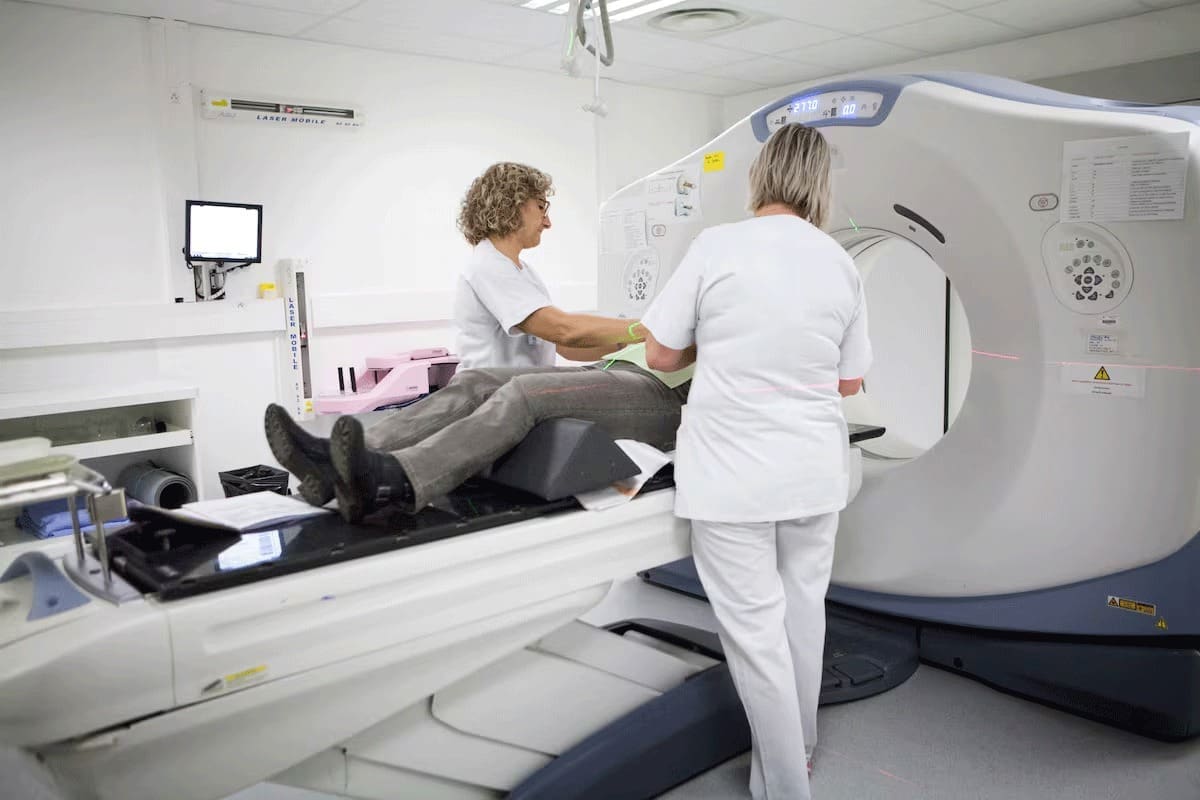
| MRI or CT Scan | Detailed imaging to assess tumor size and spread |
| Biopsy | To confirm neuroblastoma by examining tumor tissue |
| MIBG Scan | To detect neuroblastoma cells that have spread |
| Bone Marrow Aspiration | To check for cancer cells in the bone marrow |
These tests are key to accurately stage the disease and plan treatment.
Confirming Metastatic Disease
Confirming metastatic disease is a vital step in diagnosing Stage 4 Neuroblastoma. It means finding cancer cells in distant parts of the body. Tests like the MIBG scan and bone marrow aspiration are very helpful for this.
When metastatic disease is confirmed, the diagnosis is Stage 4 Neuroblastoma. This means the disease is advanced and needs aggressive treatment.
Risk Stratification in Stage4 Neuroblastoma
Understanding the risk factors of Stage 4 neuroblastoma is key to finding the best treatment. Risk stratification looks at different factors to guess how the disease will progress and how well it will respond to treatment.
Age as a Prognostic Factor
Age at diagnosis is a big factor in neuroblastoma. Kids under 18 months usually have a better chance of recovery than older kids. We look at age to figure out a patient’s risk category.
Age Categories and Prognosis:
- Infants (<18 months): Generally have a more favorable prognosis.
- Older Children (>18 months): Often classified as high-risk, requiring more intensive treatment.
Genetic and Biological Markers
Genetic and biological markers are very important in risk stratification. Some genetic traits can mean the disease is more aggressive or won’t respond well to treatment.
| Marker | Significance |
| MYCN Amplification | Associated with aggressive disease and poor prognosis. |
| ALK Mutations | Can be targeted with specific therapies, improving prognosis. |
| Chromosome 11q Deletion | Often associated with a poorer outcome. |
High-Risk vs. Intermediate-Risk Stage 4
Stage 4 neuroblastoma can be either high-risk or intermediate-risk. This depends on age, genetic markers, and disease characteristics.
High-risk Stage 4 neuroblastoma needs intense treatment like chemotherapy, radiation, and immunotherapy. On the other hand, intermediate-risk disease might get less intense treatment. This is to balance effectiveness with avoiding long-term side effects.
Current Treatment Approaches for Stage4 Neuroblastoma
For Stage 4 neuroblastoma, doctors use a mix of treatments to help patients live longer and better. This complex disease needs a detailed plan. Often, this plan includes several treatments working together.
Multimodal Treatment Strategy
A mix of treatments is key for Stage 4 neuroblastoma. This strategy uses surgery, chemotherapy, and radiation therapy. It attacks the disease from different sides.
The benefits of this mix include:
- Higher chances of survival with better disease management
- Better control of the tumor
- Lower risk of the disease coming back
Surgery and Its Limitations
Surgery is important for Stage 4 neuroblastoma, mainly to remove the main tumor. But, surgery can be hard because of where the tumor is and how big it is.
The challenges of surgery in Stage 4 neuroblastoma are:
- It’s hard to remove all of the tumor because it has spread
- There’s a risk of complications from surgery
Chemotherapy Protocols
Chemotherapy is a big part of treating Stage 4 neuroblastoma. It helps get rid of the disease and stop it from spreading. Doctors use different combinations of drugs.
Some common drugs used are:
- Cyclophosphamide
- Doxorubicin
- Cisplatin
- Etoposide
Radiation Therapy
Radiation therapy is used to kill any leftover disease, ease symptoms, and control the tumor. It can be given from outside the body (external beam) or inside (brachytherapy).
Choosing radiation therapy depends on the tumor’s location and the patient’s health.
Immunotherapy and Targeted Treatments for Advanced Neuroblastoma
Immunotherapy has changed how we treat advanced neuroblastoma. It brings hope to patients and their families. New ways to use the immune system and target cancer cells are making a big difference.
Anti-GD2 Immunotherapy
Anti-GD2 immunotherapy is key for treating high-risk neuroblastoma. It targets the GD2 antigen on cancer cells. This helps the immune system fight the cancer, improving survival chances.
Key Benefits of Anti-GD2 Immunotherapy:
- Enhanced immune response against neuroblastoma cells
- Improved survival rates in high-risk patients
- Potential for long-term disease control
MIBG Therapy
MIBG (Metaiodobenzylguanidine) therapy is effective for advanced neuroblastoma. It uses radiation to target cancer cells. This can shrink tumors and ease symptoms.
| Therapy Type | Mechanism | Benefits |
| Anti-GD2Immunotherapy | Targets GD2 antigen on neuroblastoma cells | Improved survival, enhanced immune response |
| MIBG Therapy | Delivers targeted radiation to neuroblastoma cells | Reduced tumor burden, symptom relief |
| Retinoic Acid Therapy | Promotes differentiation of neuroblastoma cells | Potential for reduced tumor aggressiveness |
Retinoic Acid and Differentiation Therapy
Retinoic acid therapy makes cancer cells less aggressive. It’s used with other treatments to boost its effect.
Other Emerging Targeted Therapies
New therapies are being tested for advanced neuroblastoma. They target genetic mutations or pathways that help tumors grow. These therapies aim to stop cancer in its tracks.
The future of neuroblastoma treatment is bright. With ongoing research, we’ll find even better ways to help patients.
Curability of Stage4 Neuroblastoma: Current Statistics
Stage 4 Neuroblastoma’s curability statistics show both progress and areas for betterment. It’s key to grasp the factors affecting survival rates and what “cure” means for this disease.
Overall Survival Rates
Survival rates for Stage 4 Neuroblastoma have risen thanks to new treatments. Studies show a 5-year survival rate of 50-60% for kids. But, survival can change based on age, tumor type, and treatment response.
| Age Group | 5-Year Survival Rate |
| <1 year | 70-80% |
| 1-5 years | 50-60% |
| >5 years | 30-40% |
Factors That Improve Curability
Several factors help improve Stage 4 Neuroblastoma’s curability. These include:
- Age at Diagnosis: Younger children tend to have better outcomes.
- Tumor Biology: Favorable biological markers, such as non-MYC-N amplification, are associated with better prognosis.
- Response to Initial Treatment: Patients who respond well to initial chemotherapy have a more favorable prognosis.
- Treatment Intensity: High-risk patients benefit from intensive treatment protocols, including multimodal therapy.
Definition of “Cure” in Neuroblastoma Context
In Neuroblastoma, a “cure” means no disease return for 5 years or more after treatment. But, late relapses can happen, so long-term follow-up is vital. The idea of “cure” is complex, involving no tumor and no lasting treatment side effects.
We keep watching and studying Stage 4 Neuroblastoma patients’ long-term results. This helps us better understand “cure” and improve treatments.
Challenges in Treating and Curing Stage4 Neuroblastoma
Stage 4 Neuroblastoma is a tough disease in pediatric oncology. It needs a deep understanding of the treatment challenges. This is because the disease is complex, making treatment hard.
Treatment Resistance Mechanisms
One big problem is when tumors become resistant to treatment. Tumor cells often adapt and become less responsive to treatments, such as chemotherapy and radiation therapy. This makes treatments less effective over time. It’s important to understand why this happens to find new ways to treat it.
Research has found that genetics and molecular factors play a role in resistance. For example, some genetic mutations help neuroblastoma cells live longer. Knowing these factors helps doctors tailor treatments for each patient.
Managing Severe Side Effects
Another big challenge is dealing with severe side effects from treatments. Chemotherapy and radiation therapy, while necessary, can cause substantial toxicity. This affects many parts of the body and lowers the patient’s quality of life. It’s key to manage these side effects well so patients can finish their treatments.
Supportive care, like pain management and nutrition support, is very important. It helps patients handle the side effects better. Thanks to these advances, treatments are more tolerable.
Relapse and Recurrence Patterns
Relapse and recurrence are big worries in Stage 4 Neuroblastoma. Understanding when and where relapse happens is key for better follow-up care and long-term results.
Research shows that relapse can happen in different ways. Sometimes it’s in the same place as the original tumor, and other times it’s in distant sites. Keeping an eye on recurrence involves regular scans and biomarker tests.
| Challenge | Description | Potential Solution |
| Treatment Resistance | Tumor cells adapt and become less responsive to therapy | Targeted therapies based on genetic profiling |
| Severe Side Effects | Chemotherapy and radiation cause substantial toxicity | Advanced supportive care measures |
| Relapse/Recurrence | Disease recurs after initial treatment | Regular surveillance and novel therapeutic approaches |
Recent Advances Improving Curability of Stage4 Neuroblastoma
In recent years, we’ve seen big steps forward in treating Stage 4 Neuroblastoma. This brings new hope to those fighting this tough disease. Thanks to hard work by researchers, doctors, and the neuroblastoma community, we’re seeing better results for patients.
Breakthrough Research Findings
Breakthroughs in research have changed how we understand and treat Stage 4 Neuroblastoma. New studies have found genetic and molecular targets. This has led to the creation of targeted therapies that attack cancer cells more effectively.
One key area is the study of MYCN amplification in neuroblastoma. This genetic feature makes the disease more aggressive. Researchers are working on therapies to target MYCN-amplified tumors, giving patients new treatment options.
“The integration of novel therapeutic approaches and precision medicine is revolutionizing the treatment landscape for Stage 4 Neuroblastoma patients.”
Novel Therapeutic Approaches
New ways to fight Stage 4 Neuroblastoma are being explored. Immunotherapies like CAR-T cell therapy and anti-GD2antibodies are showing promise. These treatments have improved survival rates and reduced disease recurrence in clinical trials.
- Chemotherapy is being made more intense and personalized for each patient.
- Radiation therapy is being improved to better target tumors and protect healthy tissues.
- Surgery is becoming more precise, allowing for better tumor removal.
Precision Medicine Applications
Precision medicine is key in managing Stage 4 Neuroblastoma. By studying each tumor’s genetics and molecular makeup, doctors can create personalized treatment plans. This approach has led to better results and fewer side effects.
| Therapeutic Approach | Description | Potential Benefits |
| Immunotherapy | Harnesses the immune system to fight cancer | Improved survival, reduced recurrence |
| Targeted Therapy | Targets specific genetic or molecular features of tumors | More precise treatment, fewer side effects |
| Precision Medicine | Tailors treatment to individual tumor characteristics | Improved outcomes, personalized care |
As research keeps moving forward, we’re looking forward to even more progress in treating Stage 4 Neuroblastoma. The combination of new treatments, precision medicine, and ongoing research is very promising. It holds the key to better patient outcomes and a higher quality of life.
Clinical Trials and Experimental Treatments
Clinical trials are key in fighting Stage 4 Neuroblastoma. They offer new therapies that could help patients. These studies test new treatments on people to see if they work and are safe.
Current Clinical Trials for Stage 4 Disease
Many trials are happening now for Stage 4 Neuroblastoma. They look at new ways to treat the disease. For example, some trials use CAR-T cell therapy, which changes a patient’s T cells to fight cancer.
Here’s a table showing some current trials:
| Trial Identifier | Treatment Focus | Phase |
| NCT04512345 | CAR-T Cell Therapy | II |
| NCT04678901 | Immunotherapy with Anti-GD2 Antibodies | III |
| NCT04789012 | Targeted Therapy against MYCN Amplification | I/II |
Promising Investigational Therapies
New treatments are being explored for Stage 4 Neuroblastoma. Some promising areas include:
- Immunotherapy: Uses the immune system to fight cancer, like checkpoint inhibitors and CAR-T cell therapy.
- Targeted Therapy: Drugs that target specific cancer cell problems, like ALK inhibitors.
- Precision Medicine: Treatments based on the tumor’s genetic makeup.
How to Access Clinical Trials
Finding clinical trials can be hard, but there are steps to take:
- Talk to your doctor about trials and if you qualify.
- Look online at for Stage 4 Neuroblastoma trials.
- Reach out to cancer centers or research places with trials.
- Get a second opinion from a specialist who might know of trials.
Joining clinical trials can give patients new treatments and help future patients. It’s a way to contribute to medical progress.
Long-term Outcomes for Stage4 Neuroblastoma Survivors
Medical treatments for Stage 4 neuroblastoma are getting better. Now, we focus on helping survivors live long, healthy lives. Survivors of this tough childhood cancer need special care and attention.
Late Effects of Treatment
The treatment for Stage 4 neuroblastoma is tough. It can cause lasting problems. These problems can include:
- Hearing loss from some chemotherapy drugs
- Heart issues from certain treatments or radiation
- Endocrine problems, like growth hormone or thyroid issues
- Higher risk of getting other cancers
It’s key for survivors to watch for these problems early. This way, we can catch and treat them quickly.
Quality of Life Considerations
The life quality of Stage 4 neuroblastoma survivors can be affected by many things. These include the treatment they got, their age when they were diagnosed, and any lasting effects. Survivors might struggle with:
- Emotional and psychological issues
- Brain problems
- Challenges in school, work, or social life
Help from doctors, family, and support groups is very important. It helps survivors deal with these challenges.
Long-term Monitoring Requirements
Survivors of Stage 4 neuroblastoma need ongoing care. This care includes:
- Regular check-ups with their healthcare team
- Watching for late effects and cancer coming back
- Screening for new cancers
- Managing any ongoing health problems
Guidelines for long-term care have been made. They help make sure everyone gets the right care.
By knowing the long-term effects and following up properly, we can make life better for Stage 4 neuroblastoma survivors.
Conclusion: The Future of Stage4 Neuroblastoma Treatment and Cure
Looking at stage4 neuroblastoma, we see big challenges but also hope for better treatments. New ways to fight the disease, like immunotherapy and targeted therapies, are changing how we care for patients. These advances are making a big difference for those with high-risk neuroblastoma.
Research into the disease’s genetics and biology is key to finding new treatments. As we learn more, the chance of curing stage4 neuroblastoma grows. This is a bright spot for those fighting this tough disease.
Neuroblastoma can be a serious diagnosis, but we’re moving towards better treatments. For those with high-risk neuroblastoma, this means a better chance at living longer and enjoying life more.
It’s vital that we keep supporting research and clinical trials. This will help us make even more progress in treating and curing stage4 neuroblastoma.
FAQ
What is stage4 neuroblastoma, and how is it different from other stages?
Stage4 neuroblastoma is a cancer that has spread to distant parts of the body. This includes bones, bone marrow, or other organs. It’s different from earlier stages because it’s more aggressive and needs stronger treatments.
What are the common symptoms of stage4 neuroblastoma in children?
Symptoms include swelling or pain in the abdomen, bone pain, and fatigue. Weight loss and dark circles under the eyes can also occur. These symptoms are not always clear, making early diagnosis hard.
How is stage4 neuroblastoma diagnosed?
Doctors use imaging tests like MRI or CT scans and a tumor biopsy. They also check the bone marrow for cancer cells. Tests like MIBG scans help see how far the disease has spread.
What is the role of genetic and biological markers in stage4 neuroblastoma?
Genetic markers, like MYCN amplification, and biological traits are key. They help decide the risk level and treatment plan for stage4 neuroblastoma.
What are the current treatment approaches for stage4 neuroblastoma?
Treatment includes chemotherapy, surgery, radiation, and immunotherapy. Immunotherapy targets cancer cells left after other treatments.
Can stage4 neuroblastoma be cured?
Yes, some patients can be cured, mainly those with high-risk disease. Aggressive treatment has improved survival rates.
What are the challenges in treating stage4 neuroblastoma?
Challenges include resistance to treatment, severe side effects, and the risk of relapse. A supportive care approach is needed to manage these challenges.
What recent advances have improved the curability of stage4 neuroblastoma?
New treatments like anti-GD2 immunotherapy and better chemotherapy have helped. Precision medicine also tailors treatments to each patient.
How do clinical trials contribute to the treatment of stage4 neuroblastoma?
Clinical trials offer new treatments. They help find more effective therapies and improve patient outcomes.
What are the long-term outcomes for stage4 neuroblastoma survivors?
Survivors may face late effects like hearing loss or growth issues. Long-term monitoring and care are needed to ensure a good quality of life.
What is the significance of risk stratification in stage4 neuroblastoma?
Risk stratification helps choose the right treatment. It considers factors like age and genetic markers.
How does age affect the prognosis of stage4 neuroblastoma?
Younger children usually have a better prognosis than older ones. This is important in deciding treatment.
What is the role of immunotherapy in treating stage4 neuroblastoma?
Immunotherapy, like anti-GD2 therapy, is key in treating high-risk neuroblastoma. It helps remove remaining cancer cells and improves survival.
Reference
- Park, J. R., Kreissman, S. G., London, W. B., Hogarty, M. D., Bagatell, R., Cohn, S. L., & Maris, J. M. (2019). Effect of tandem autologous stem cell transplantation vs single transplantation on event-free survival in patients with high-risk neuroblastoma. JAMA, 322(8), 746–755. https://pubmed.ncbi.nlm.nih.gov/31454042/